Tag Archives: Sheep

Report the Second

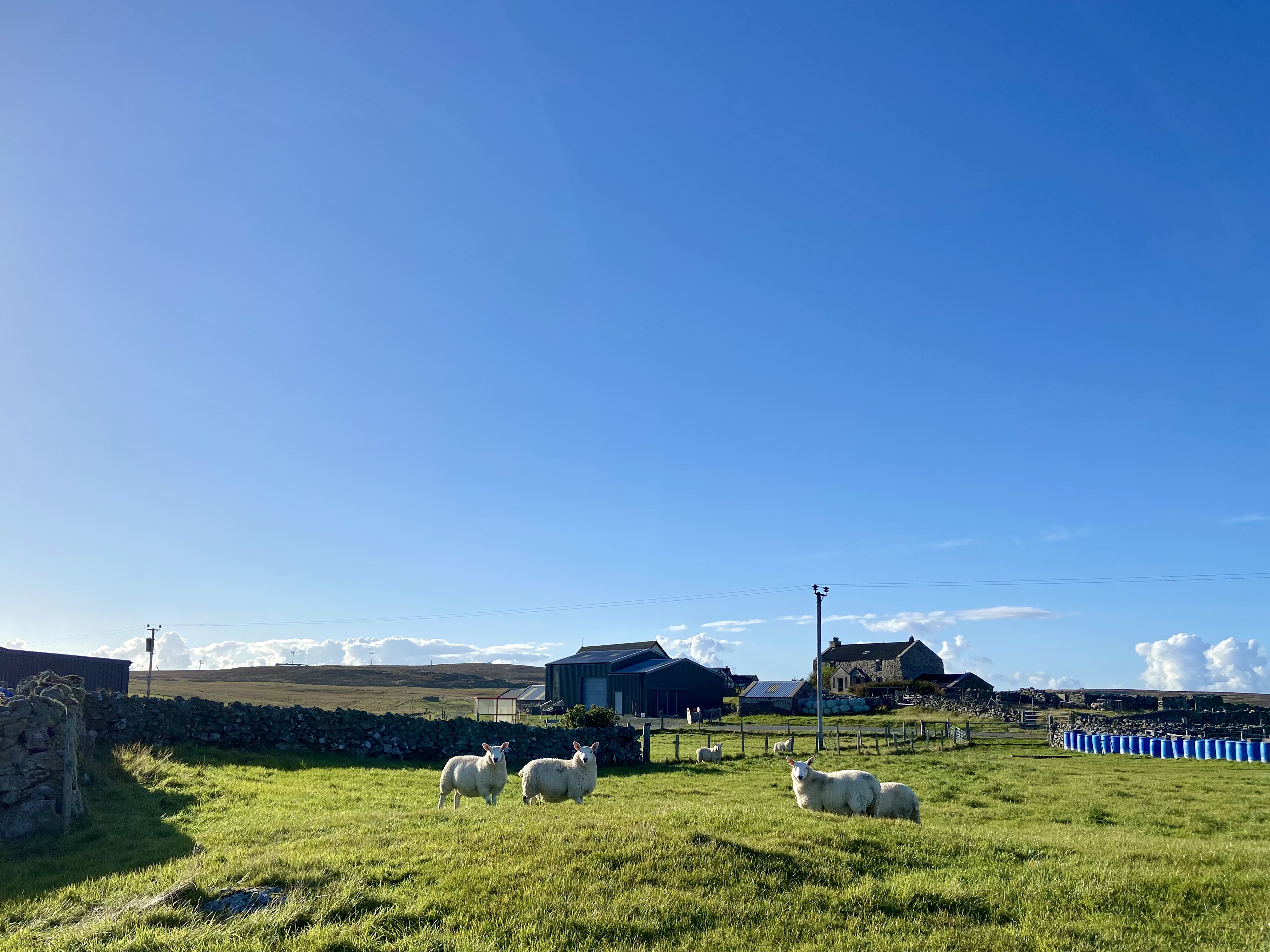
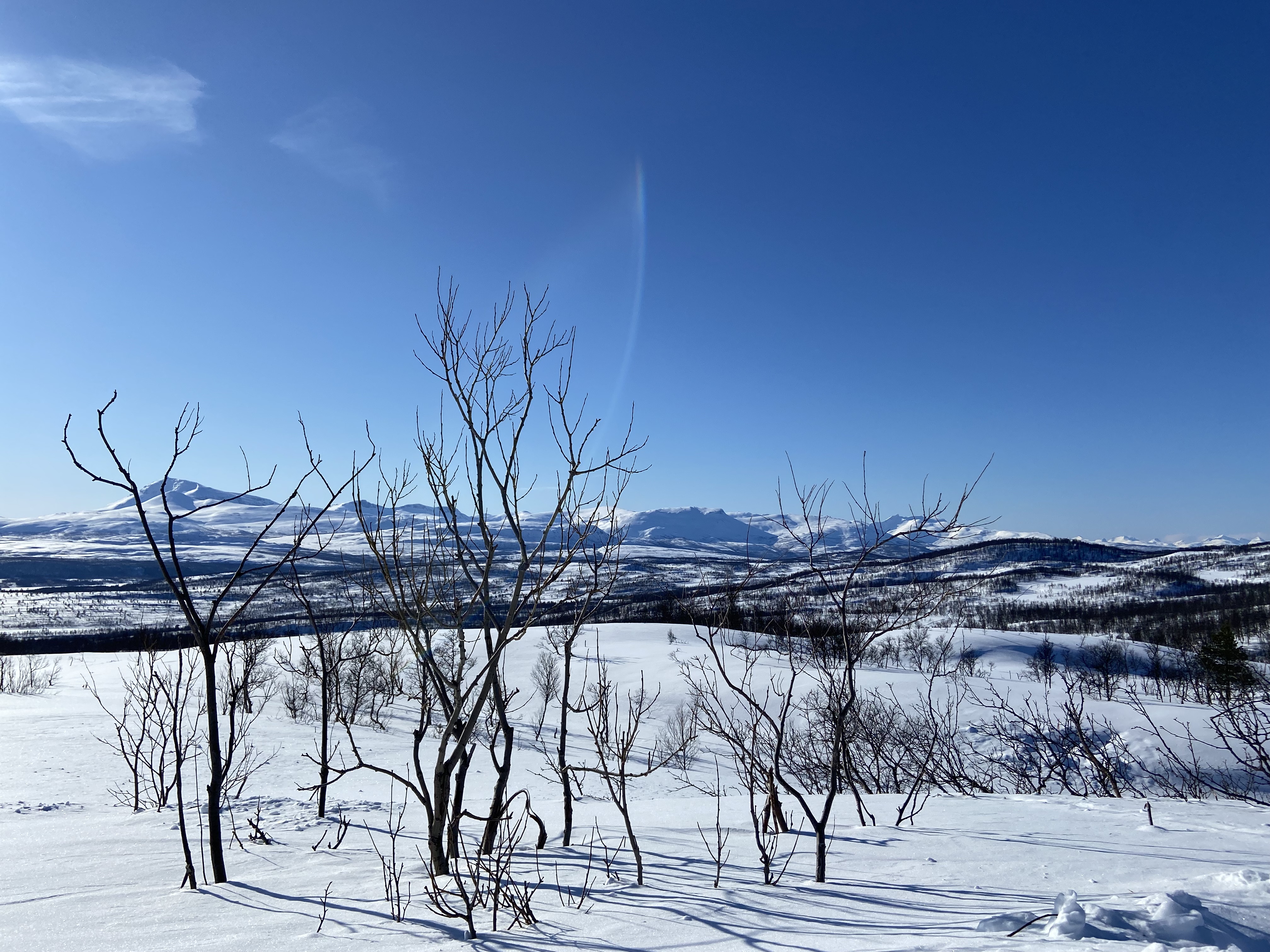
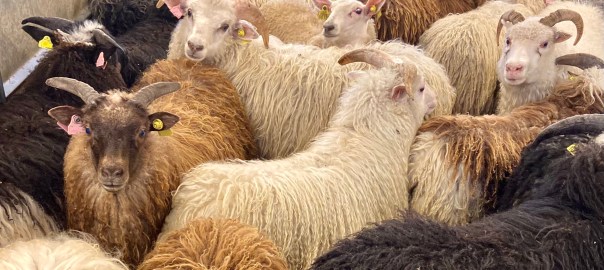
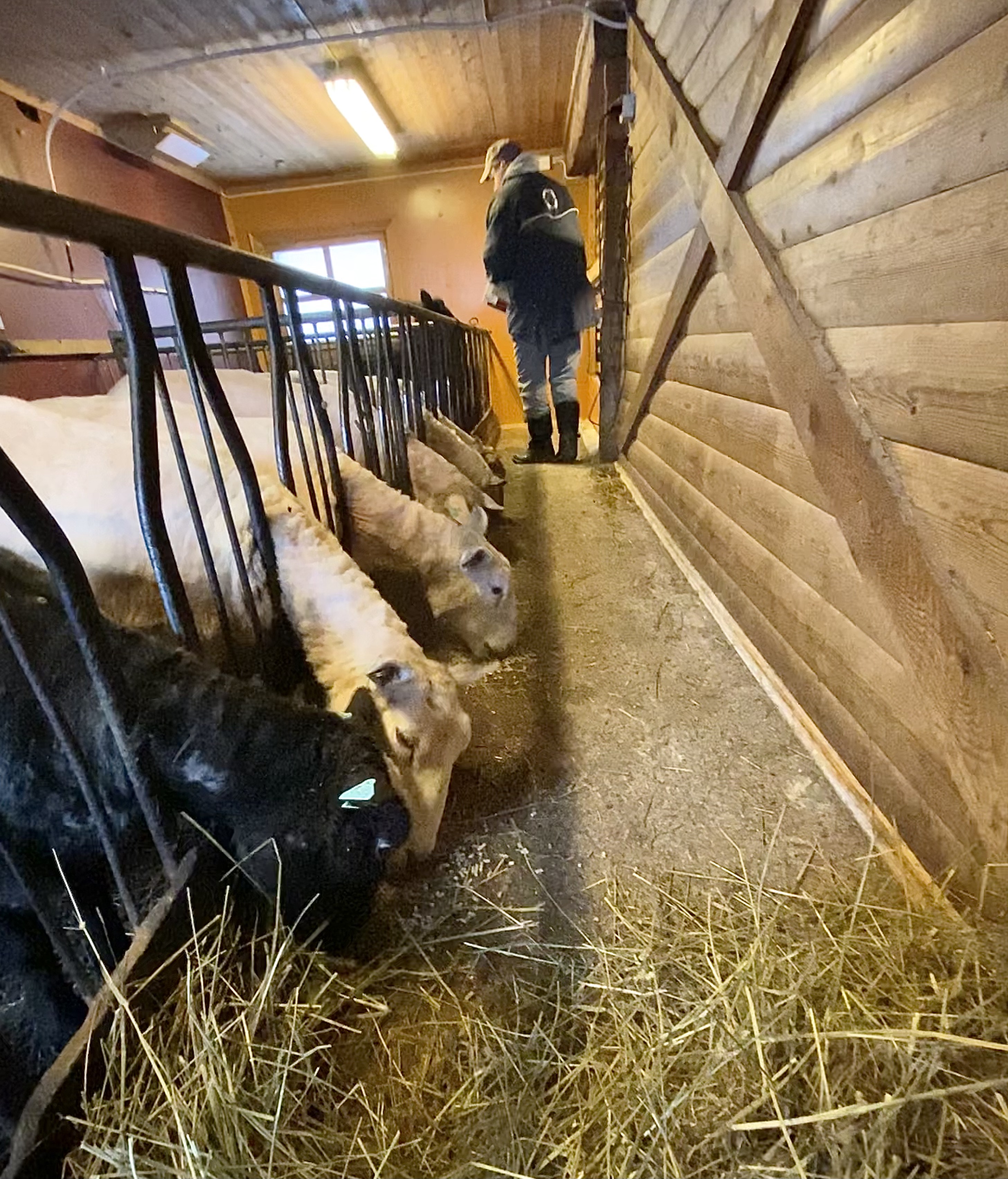
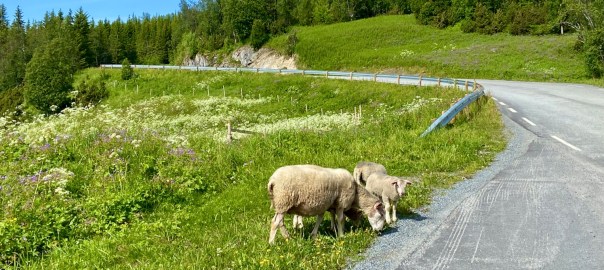
Firstly, a disclaimer. The sheep in the photo at the top of the page are random Norwegian sheep and are in no way related to any invest

Last week’s blog was a week late because I received a phone call as I was writing it. Two weeks ago, I was on call for the weekend and hoping to rest. Most on-call weekends are a matter of keeping your phone near you, maybe dealing with a request by a private vet for a case number so they can go out to test a cow that’s dropped dead to check it wasn’t anthrax or a similar request for itchy sheep that might have scab.

This time, to my surprise, I found my line-manager on the phone. “How would you feel about another report case?” he asked.
Well how I felt was broadly irrelevant. I was the ready-to-go vet, so unless I was seriously unwell, it was my task to be handled, whatever it was. “Another AI?” I ventured.

”Um… no.” He paused. “We’ve been sent photos of lesions from some sheep’s tongues. They’re trying to decide whether to treat it as a bluetongue enquiry, or foot and mouth. This isn’t your official call, just a prewarning so you can start to prepare.”

Once the official call comes in, you are expected to be on the road within 30 minutes. In theory, everything should be in your car and you should be able to get in and go. In reality, there are things you might need for sampling that have to stay in the fridge in the lab at work. The buffer solution used for foot and mouth sampling is one of these, so I was glad for the heads up.

I admit, I did feel slightly breathless. Those living in the UK who are old enough to remember 2001 will recall the horrors unleashed on the country as whole farms and regions were forced to cull their livestock and burn them in the fields on horrific pyres of death. The recent, sporadic outbreaks in Europe mean we are on high alert. That the photographs sent in had the high heidyins in a nine am meeting discussing whether they dared risking treating it as “only” blue tongue felt quite significant.

I dressed and went into the office and started to gather paperwork. In theory, I should have paperwork for every eventually in my car, but having the appropriate papers to hand for setting up restrictions is useful. To my mild consternation, I found the main printer wasn’t working. Thanking my lucky stars that I wasn’t a newbie and knew how to work the secondary printer in the lab, I printed out what I thought I’d need.

I also threw a load of blood sampling equipment into my car. Better to have too many tubes than to create the necessity for someone else to come out and onto a farm with possible foot and mouth because you weren’t well enough prepared.

It was quite a long drive out to the farm. As I neared the farm, I slowed down to cast an eye over animals in the nearby fields. None were drooling or looking sick. A good start.


It had been confirmed that I was to treat it, for now, as bluetongue, but that foot and mouth was still there as a possibility. To explain the difference in requirements, because bluetongue is spread by midges, tramping on and off the farm with dirty boots and tyres isn’t so much of a worry. Not that I do that, but if I did, it’s not a disaster.

The restrictions served on the farmer are different too. Bluetongue restrictions only stop animals coming and going. Foot and mouth suspicions, like avian influenza suspicions, mean that every person and vehicle going on and off the farm has to have an individual license and any and all incursions are strictly limited to absolute necessities.

I arrived at the farm , put on paper suit and gloves and served the restrictions. It’s always the first thing to be done and having signed the form, I read out all the clauses that explained in full what was required. Next was history taking.

This is not like taking a history for a normal vet case, where you mostly want to know what has happened to the animal. For a notifiable disease investigation, by the time you are finished, you should have details of every movement on and off the farm within the last twenty one days. You have to assess whether there are any high risk factors. Are there rights of way and picnic sites where people might have fed the animals? Has anyone from the farm recently been on holiday to a different country? Are there stagnant ponds in the vicinity that might encourage midges? The factors, like everything else, vary with the disease suspected.

Having taken a careful history of the animals and the risk factors, I donned more layers of PPE and prepared to look at the animals. I knew, both by being told and by observation, that there were fields nearby that held another farmer’s cattle. I decided to walk up to look at them first. If it was something highly infectious, they might be showing signs too. Again the picture was reassuring. They were young stock from a dairy farm and could not have looked more healthy. They were eating as we approached, then lifted their heads to look at us. Not a nose lesion among them. Nolameness, no drooling. Bright eyes and shiny coats.

I was already, mentally, beginning to think foot and mouth was less likely. Obviously there were still the sheep to look at, but clinical signs in sheep can be subtle, cattle less so. These animals had been in relatively close contact, so by the time the mature mouth lesions were spotted in the sheep (with the caveat that it might have been caught early) I would expect to have seen some spread.

There were two groups of sheep – adults and lambs. The lesions in the photographs, nasty red eroded areas on the tongues, had both been from lambs. We therefore looked at the adult sheep first, partly to prevent any possible cross-infection, but also because a complete absence of problems there would go further towards ruling out foot and mouth. No reason why young sheep would be more severely affected than the old in a disease where neither group would have immunity.

What struck me again was that I was looking at a broadly healthy group of animals. There were 43 ewes and as I scanned their mouths, feet and udders (where possible) I saw nothing. Only bright, uncrusted eyes and alert ears. There were two that the farmer had noted had been getting thin for a while. We selected them out and I examined them more closely. Not a lesion in sight. Normal breathing, normal temperature. One was a bit dirty on her backside, but nothing to suggest foot and mouth or bluetongue.

We moved onto the lambs. This time, I decided we should examine all of them. There were thirty two in the group and the farmer caught each one and held them while their mouths and feet were inspected. In the end, there were four with tongue lesions, four with lesions around their lips and one with a sore area above its foot. None of the lambs with lesions was running a fever. I was strongly beginning to think that what we were dealing with was a severe case of orf – a pox virus that affects sheep and can infect humans who come in contact. It would be unusual to have tongue lesions, but not impossible.

Having taken history and examined the animals, it was time to decide where we were going to go with this. At one extreme, if I thought foot and mouth was still in the picture as a possibility, we would have to issue new restrictions as well as taking samples. I might well have to stay on the farm until it was ruled in or out. I’m still a bit sketchy on the details, though I had arranged for Triar to be looked after, just in case.

If I thought everything was ruled out, I would leave the farm with no tests done and hope I’d got it right. To do that, I’d need to be very certain. My gut feeling was that this was orf, based on the fact that it was only affecting the lambs. Orf is common and spreads in flocks to the new crop of animals born each year. Older animals can carry it, but usually have enough immunity that there are no clinical signs.

So on the grounds that only the lambs were affected and the adult ewes and neighbouring cattle were perfectly healthy, along with the fact that all the lesions were quite mature and I would have expected to see more early stage lesions (we have lectures about aging foot and mouth lesions) I felt confident enough to rule out foot and mouth (phew!). But could I rule out bluetongue too? I decided I couldn’t . After all, midges might well have selectively bitten the lambs with their thinner wool pelt. And orf might exist alongside bluetongue. The lip lesions could be orf and the tongue lesions something else.

And so, armed with my evidence, I called VENDU (the veterinary exotic notifiable disease unit) to tell them what samples I wanted to take. I have never been asked so many times and in so many different ways if I was sure, 100% certain, absolutely confident that I could rule out vesicular diseases like foot and mouth. At the start of the conversation I was using words like probably, but by the end, I was telling the, firmly that no, it was not foot and mouth.

So we tested the nine lambs for bluetongue: the four with mouth lesions, the four with lip lesions and the one with the foot. To cut a long story short, the test was negative, but most of Sunday was still spent on paperwork. I strongly suspect all the lesions were caused by orf: an unusual and interesting case all round and a good learning experience for me.

Lots of text so far and not many pictures, so I shall rectify that. Last weekend, I went to Drumlanrig Castle and met Sue (who used to locum with APHA) for a walk and for lunch. The gardens were beautiful.
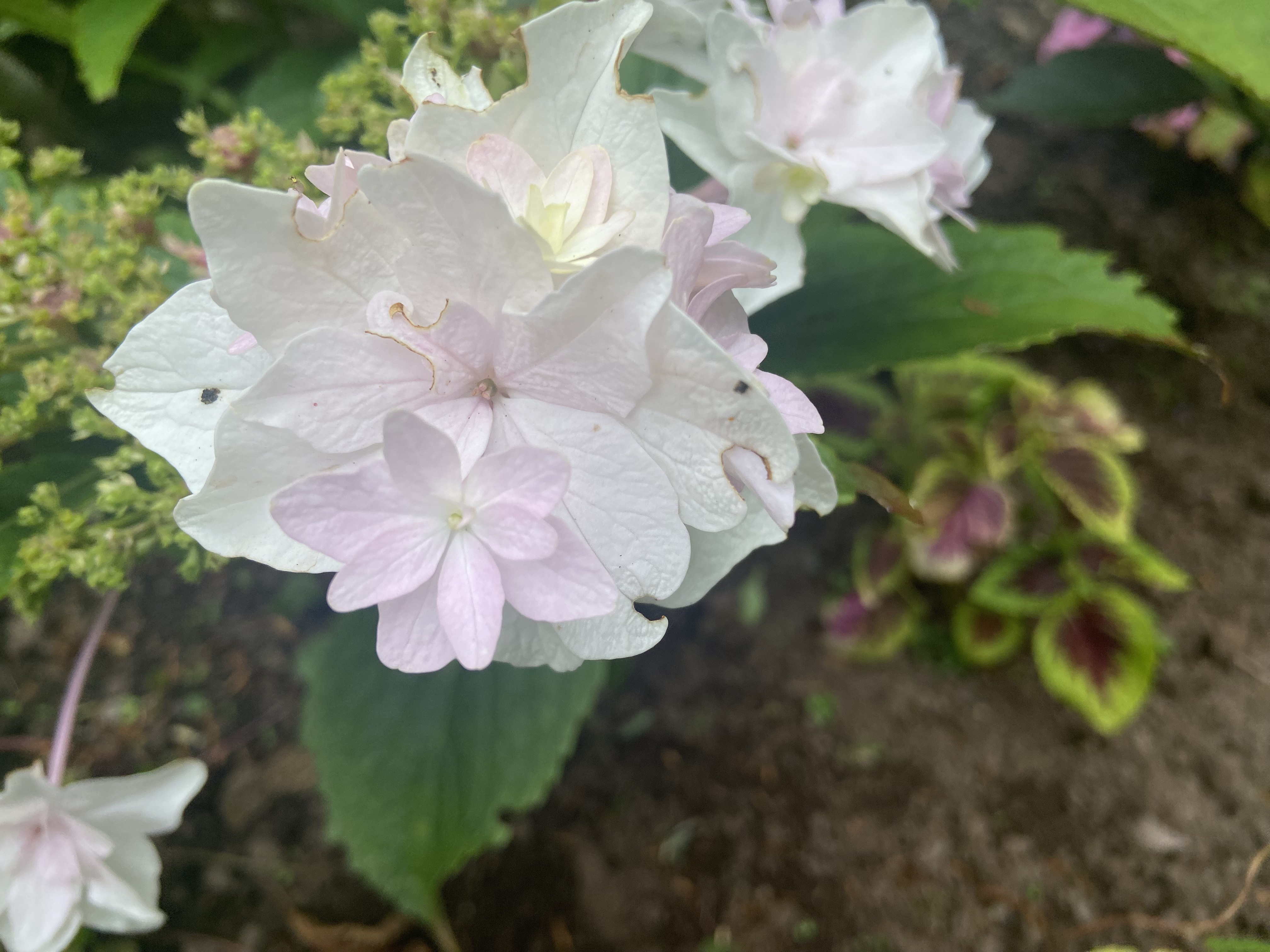
Have a good week! Thanks for reading.

The Shetland Files

I had a wonderful week in Shetland. It’s the first time I have visited. Years ago, I might have been daunted by the idea of an overnight ferry, but having travelled on two with Triar, almost a year ago, I was looking forward to it. I had booked a cabin as I wanted a good night’s sleep at the start of my holiday. I retreated there early and spent a comfortable night cocooned in a warm bed as the boat carried me north.

I walked to Lindsay’s house in the morning, where she had cooked me a wonderful breakfast. The house is lovely, warm and welcoming like Lindsay herself, and with an amazing view over the sea. It was at Lindsay’s suggestion that I had decided to go to the Wool Week festival, though my plans had evolved as I had contacted an old friend, who had invited me to stay on her croft on Whalsay. So Melanie joined us, just as Lindsay and I were about to eat and we left together soon afterwards, having arranged to meet Lindsay and the friends who were coming to stay with her, on Wednesday.

The last time I saw Melanie was in 1986. We attended a huge comprehensive school together and mostly met up in the music room and singing in choirs at Christmas concerts. What a strange feeling it was to meet someone at 55 that I hadn’t seen since we were 17, but wonderful all the same. Soon we were catching up on ancient history and all the years in between and it was a great start to my holiday.

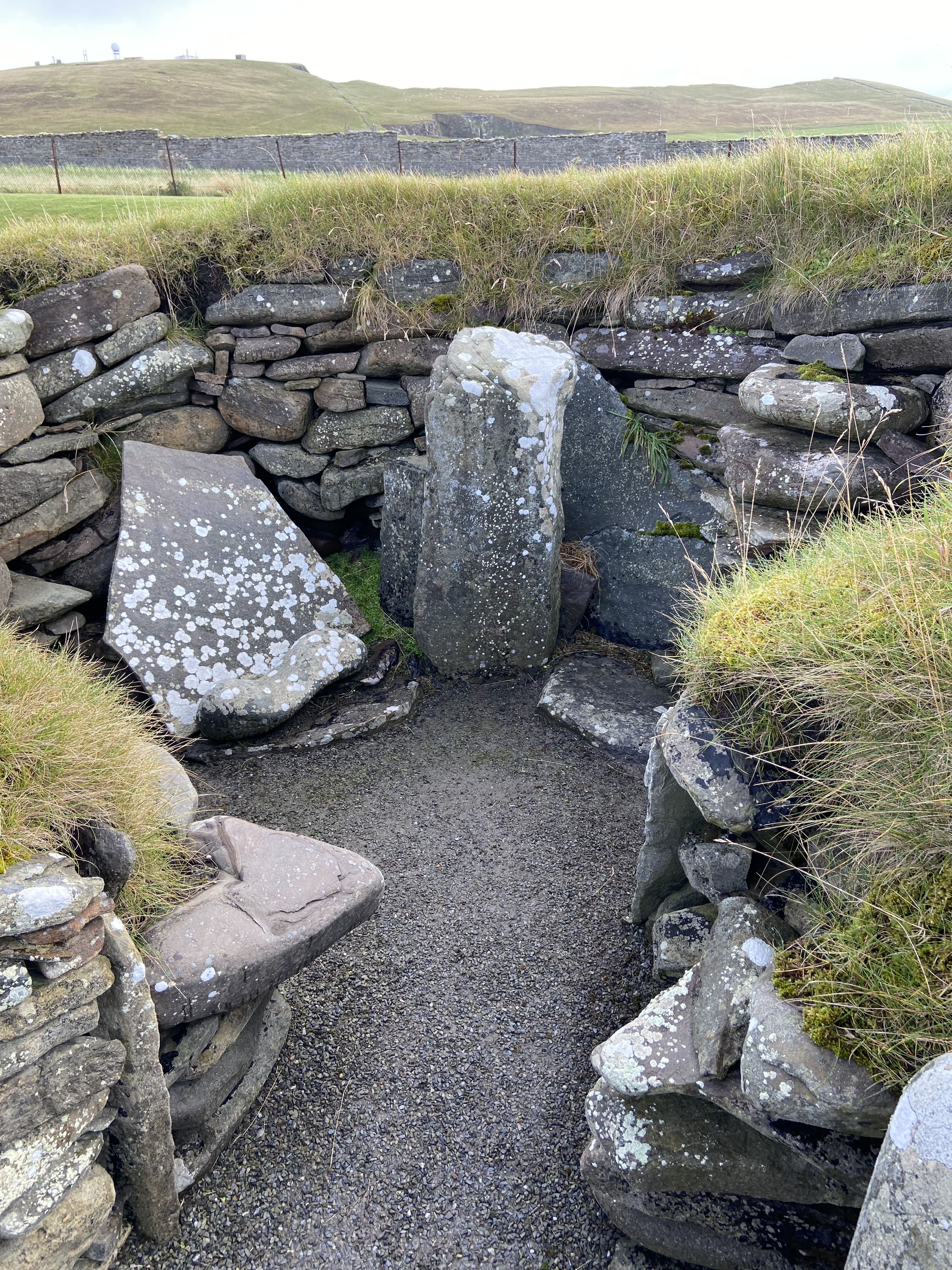
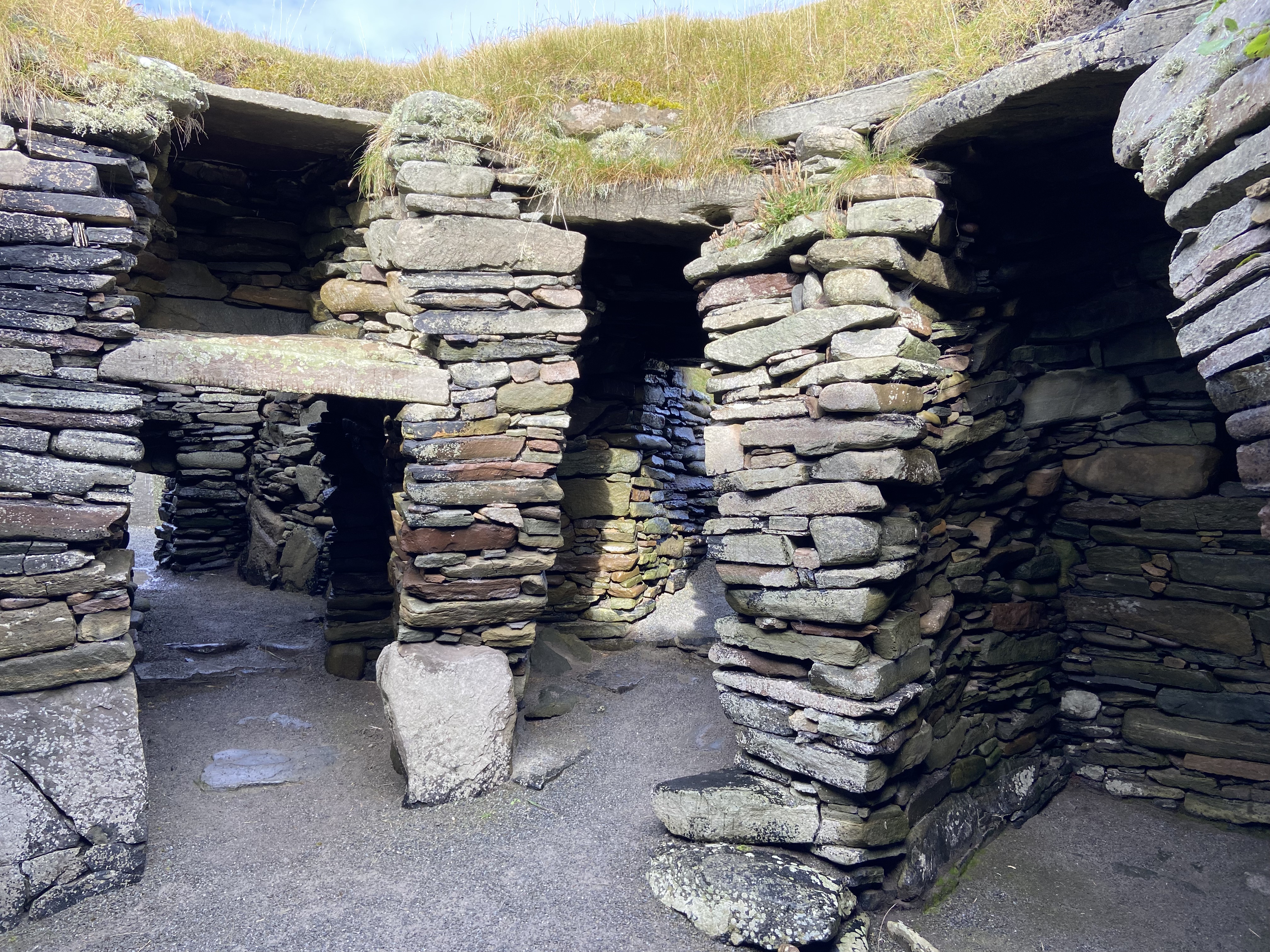
She drove me to Jarlshof – an ancient dwelling place, where people had lived from about 5-6,000 years ago, right up until the 1600s. Ancient brochs were superseded by Norse longhouses when the Vikings arrived. Later there was a laird’s house, parts of which were still standing. It would take years to begin to understand the site, but it was fascinating to walk round, trying to imagine those primitive lives, huddling through the long dark winters, before the arrival of glass windows, central heating and electric lights.

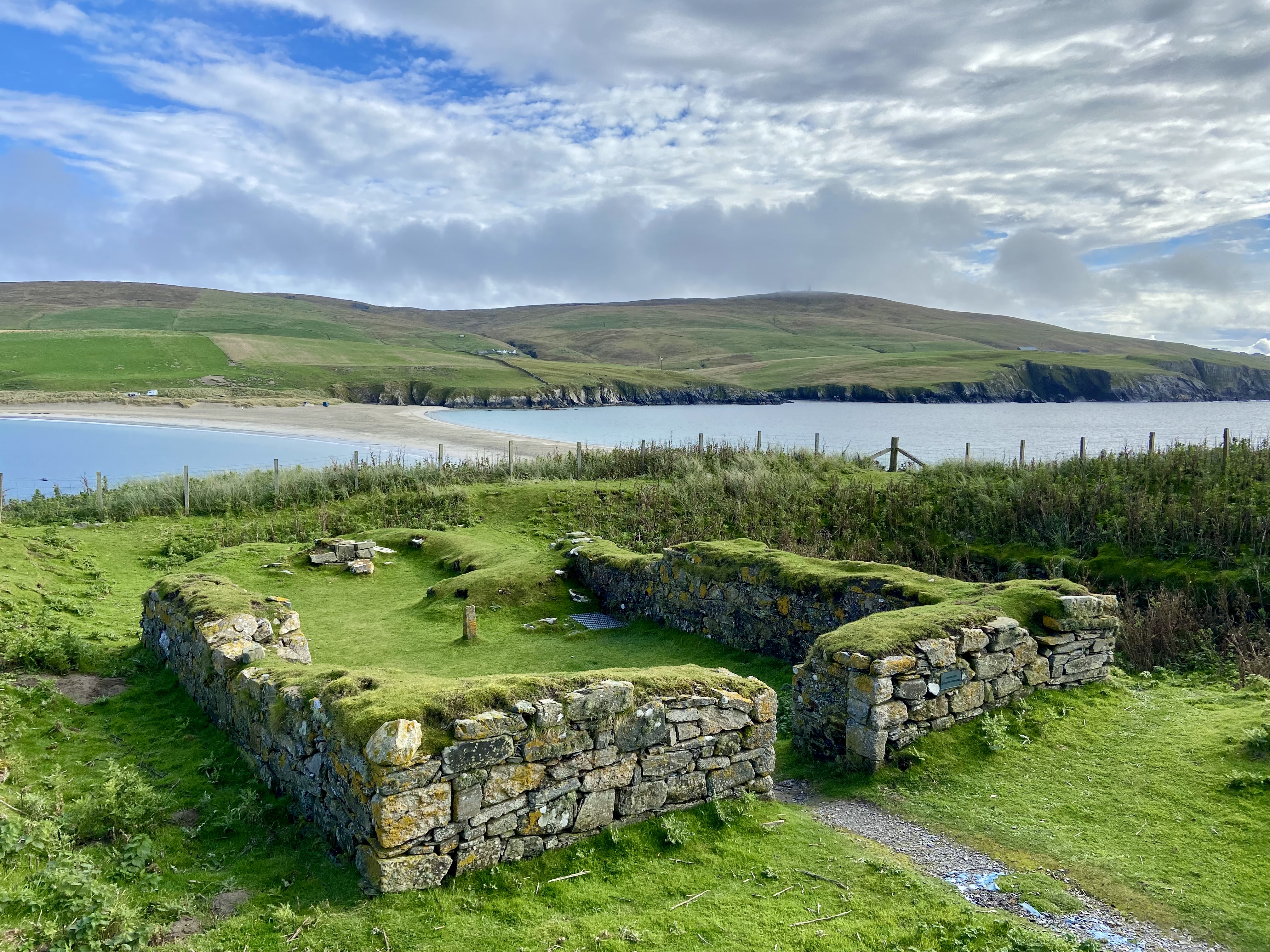
We then went to the ruined St Ninian’s Church on St Ninian’s Isle – almost an island, but connected to the mainland by a “sand tombolo” – which is a sandy beach with sea on both sides.

As we headed towards the Whalsay Ferry, it started to rain and a rainbow formed over the landscape, which felt like an omen for a good week to come.

I expected to enjoy writing this entry – and I am as I had a wonderful week – but it struck me as. I paused to make coffee, that back when I left school in 1986, it was stupendously unlikely that I would have caught up with Melanie again. I liked her very much, but we had never been close “at each other’s houses” friends.

Back then, unless you kept up with someone’s address or landline, there was no way to keep in contact. I moved, because my parents moved, and then I went to university. I kept in touch with one friend – Sharon Dickson. We shared a flat for a year at uni. But other than that, it was unlikely I’d catch up with anyone else. If you moved, life moved on. You met new people, only keeping in touch with the closest of friends by phone or letter.

Though the internet is officially understood to have been created in 1983, that’s not something we would have heard of. When I was at school, most of the upper classes (there were 14 classes, each with 30 pupils in my year, so we were streamed) would not have taken “secretarial studies”. Ironic to look back at how that subject was viewed as secondary, as learning to type would have been tremendously useful.

After the internet became more widespread in the early 2000s, I had contact from two “early adopters” who got in touch through Friends Reunited, but until Facebook came along in 2004 (eighteen years after I left school) it was stupendously unlikely I would have accidentally bumped in to Melanie. We both left the town we grew up in far behind. So I guess I have Mark Zuckerberg and co to thank for the way things have turned out.

Having lived in various northern and remote places, I was interested to see what Shetland life was like. As I mentioned before, Melanie lives in a croft on Whalsay, one of the islands that is connected to the Shetland mainland by a ferry. Every time we crossed to the mainland, life was punctuated by that half hour journey.

The time we got up was related to which ferry we would catch. If you didn’t book the ferry, there might not be space and you might have to wait for the next. I was incredibly glad I was being driven around by someone who knew exactly how the whole thing worked, but that punctuation of life – ruled by the comings and goings of a boat – is very different from anywhere I’ve lived.

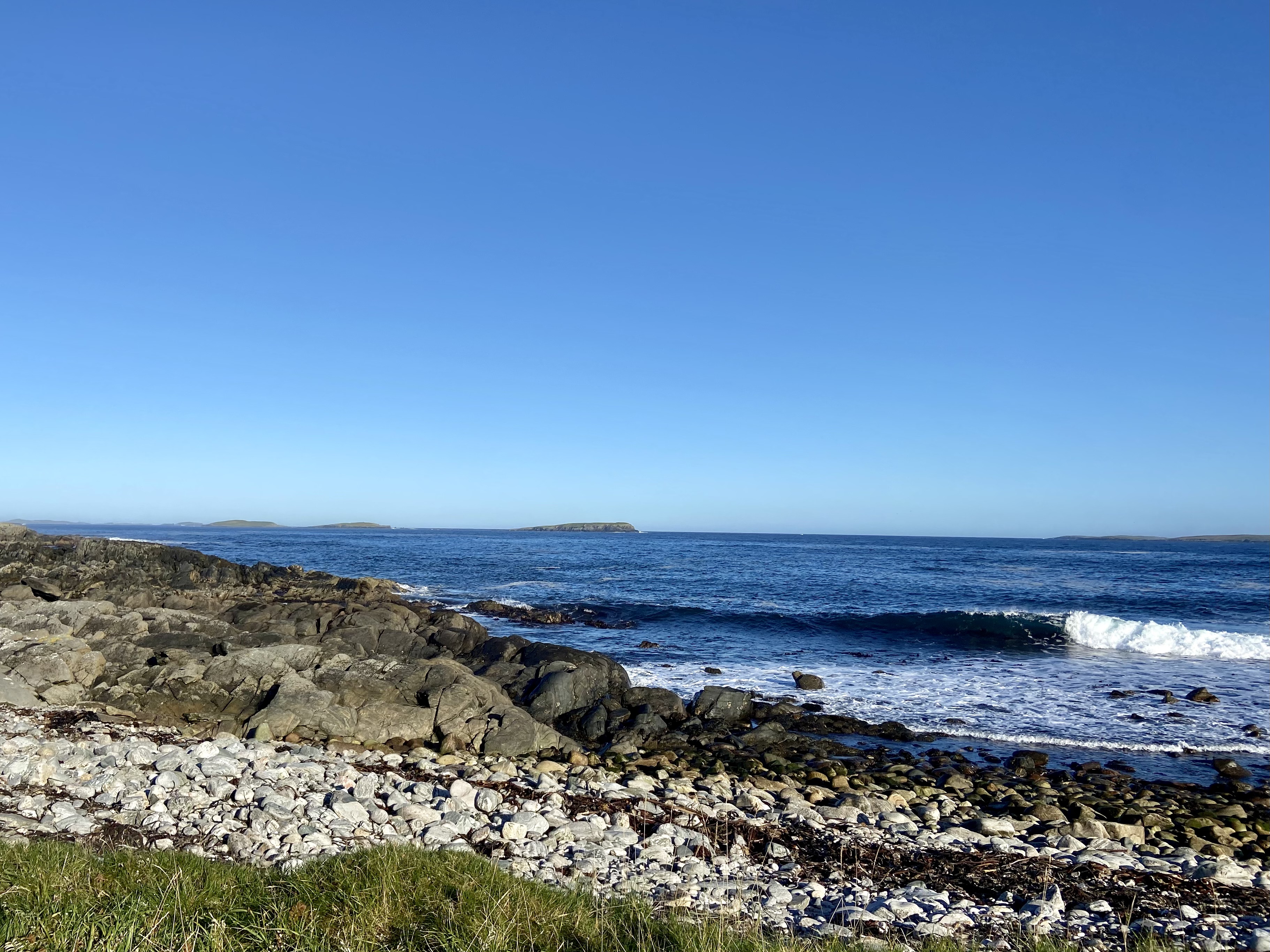
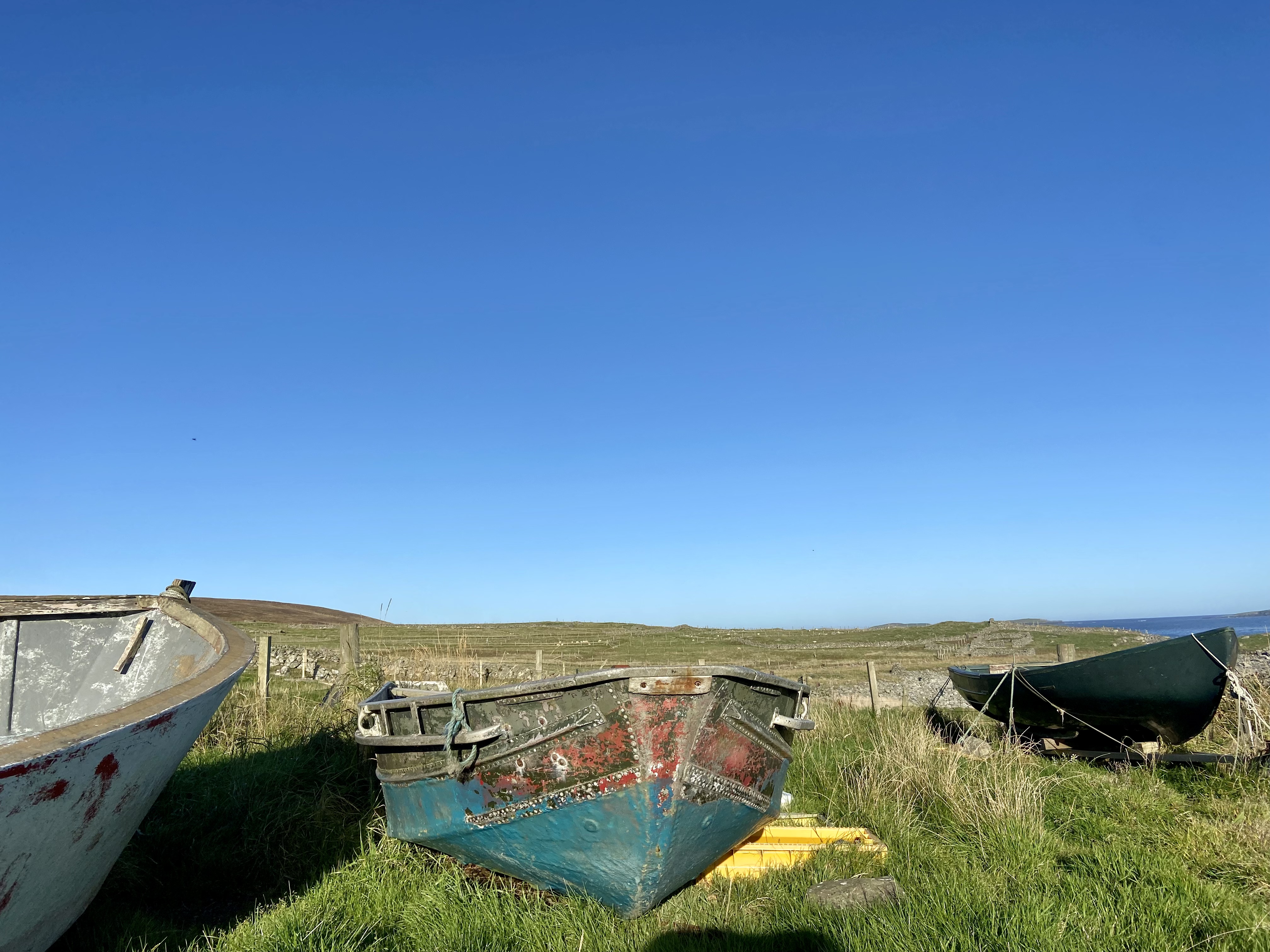
The croft itself was beautiful: a lovely warm home in that austere landscape, where trees don’t grow, but the sea is all around and the yellowing autumn grass was bounded by drystone walls. There were animals too: otters and seals in the sea, ponies, sheep and goats on the land.

As befits a croft, Melanie and her husband own about twenty sheep. Her husband has part ownership of a sophisticated fishing boat too, and as the week went by, I was privileged to share some traditional food, including a kind of stew of mutton chops, eaten with bannocks – scones cooked on a griddle, rather than in the oven, and also some of the fish caught from the boat. The mutton is served on the island at weddings and it was delicious. Melanie’s husband is a very good cook.

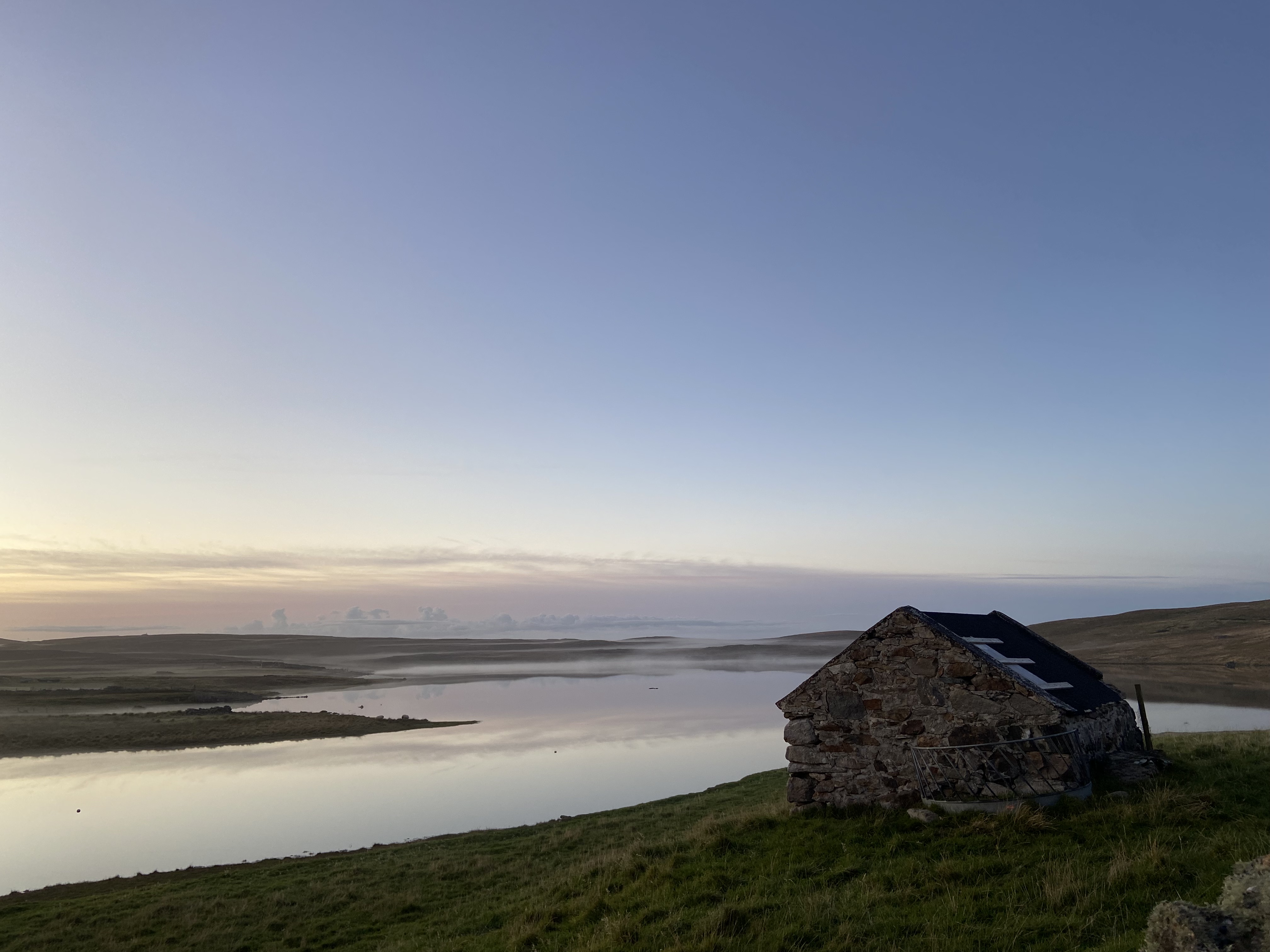
I took some photos of the changing light as the days passed and it was impossible not to fall in love with the place where Melanie has built her life.

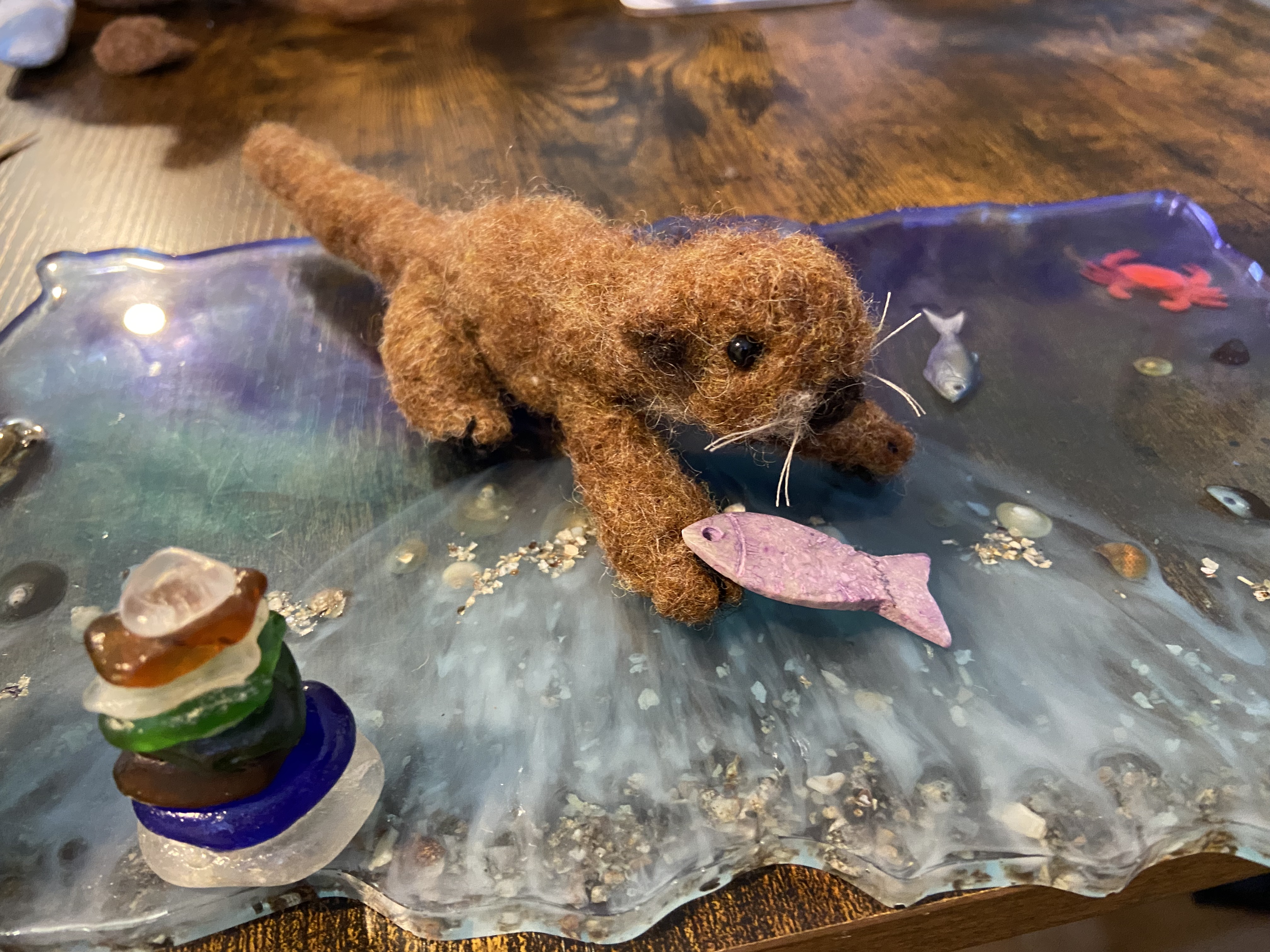
Melanie, I and her friend Claire, went out to a few of the classes that made up Wool Week. There were so many of them, and I can’t knit or crochet, but Melanie booked three for us, the first stitching with wool, the second, felting and the third was called Weaving the Landscape.

I haven’t finished the stitching project. It was impossible to do so in the afternoon lesson. I brought back wool though and, if I can borrow an embroidery ring and needles from my mum, I may be able to finish it. The felting class was fabulous. We made otters, and though mine is not anatomically perfect, I was very pleased with my efforts.

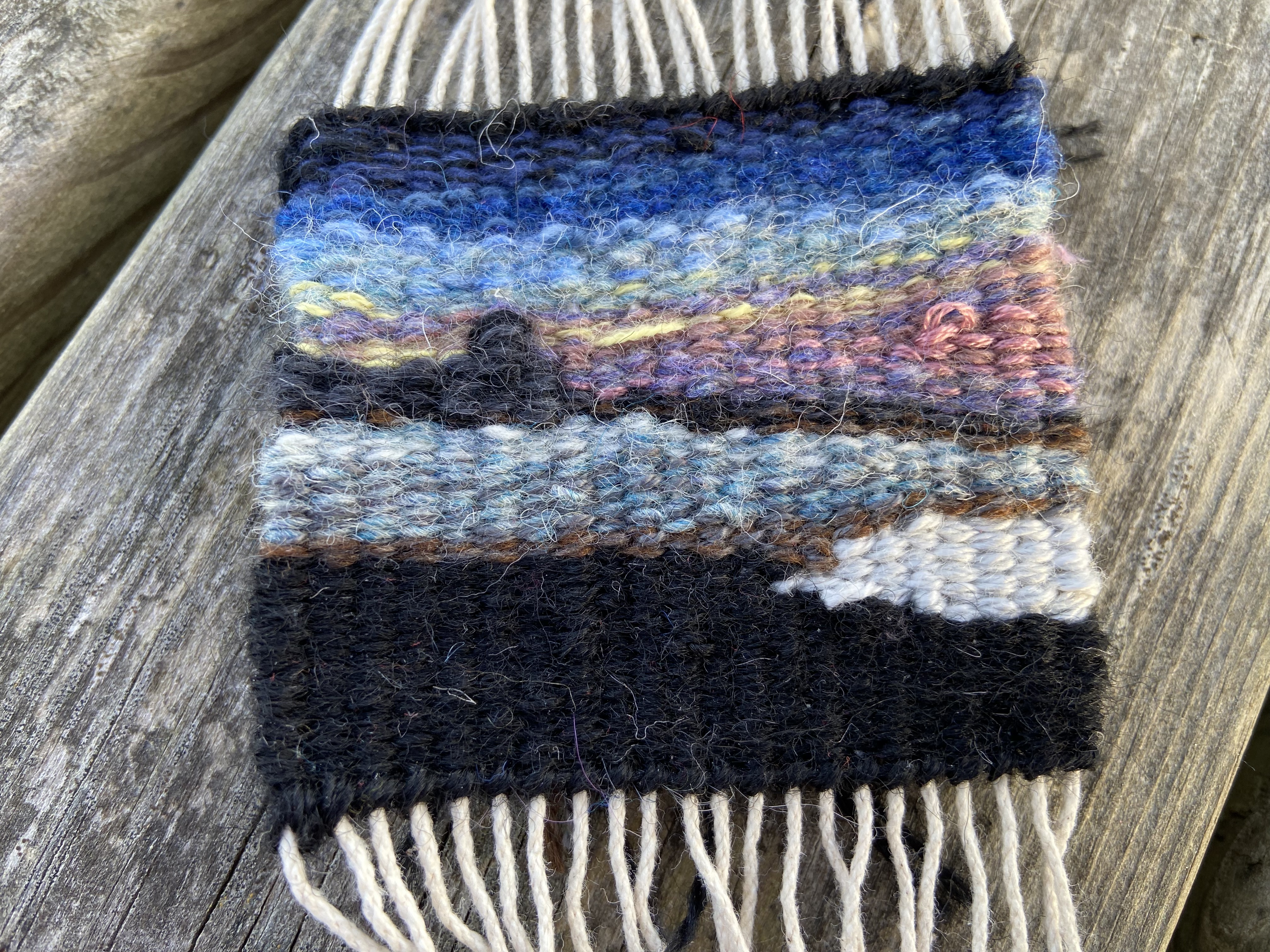
Weaving the landscape was also utterly engrossing. It took me all day to create a tiny two inch cloth, but hopefully you can see how inspired I was by the sunset photos of rising mist over the lochan beside the croft.

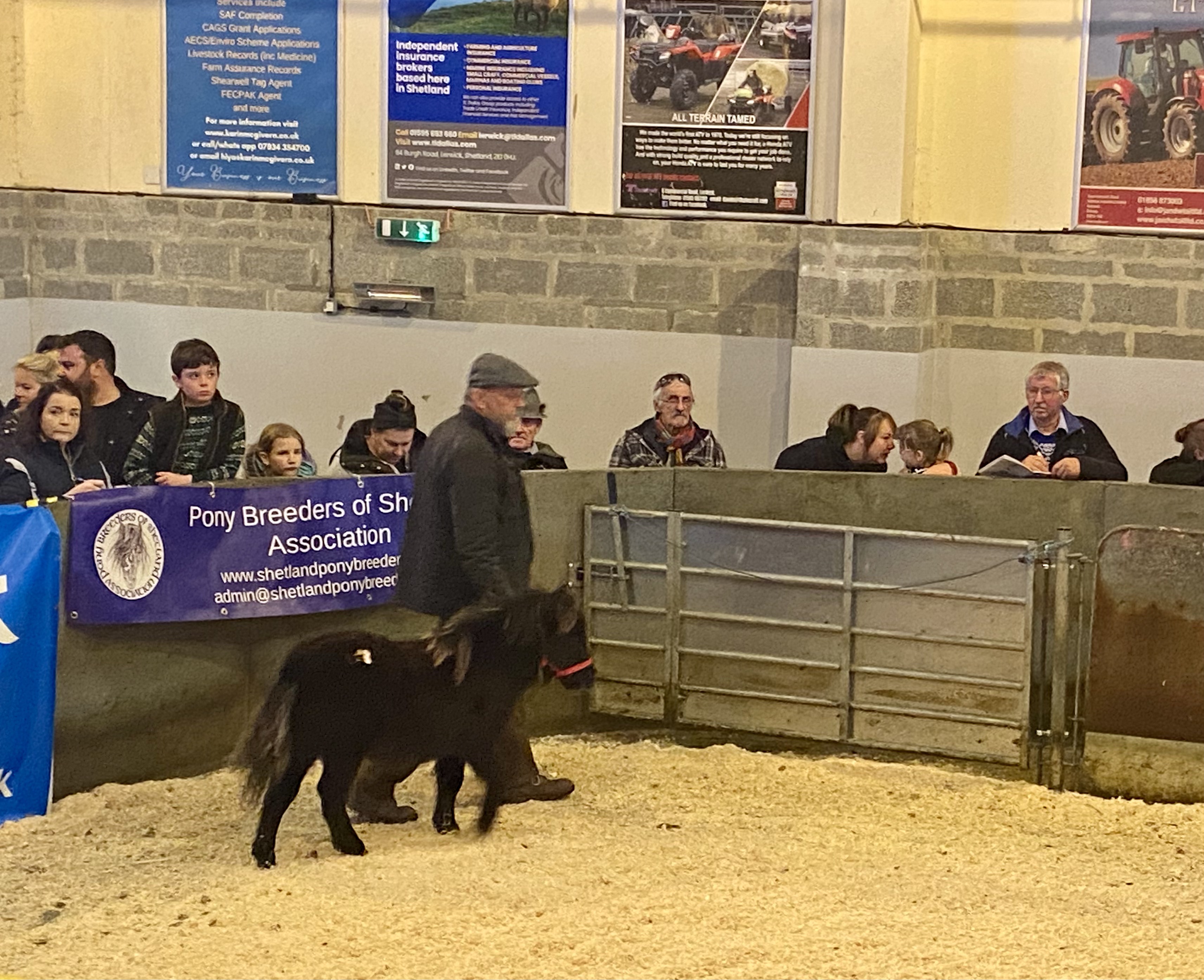
We met up with Lindsay at the mart on Wednesday , where the sale of Shetland ponies was under way. After that, Melanie and I had lunch with Lindsay and her friends. It was a lovely relaxed occasion. Who could have imagined what 4,000 guineas worth of tiny horse looked like?

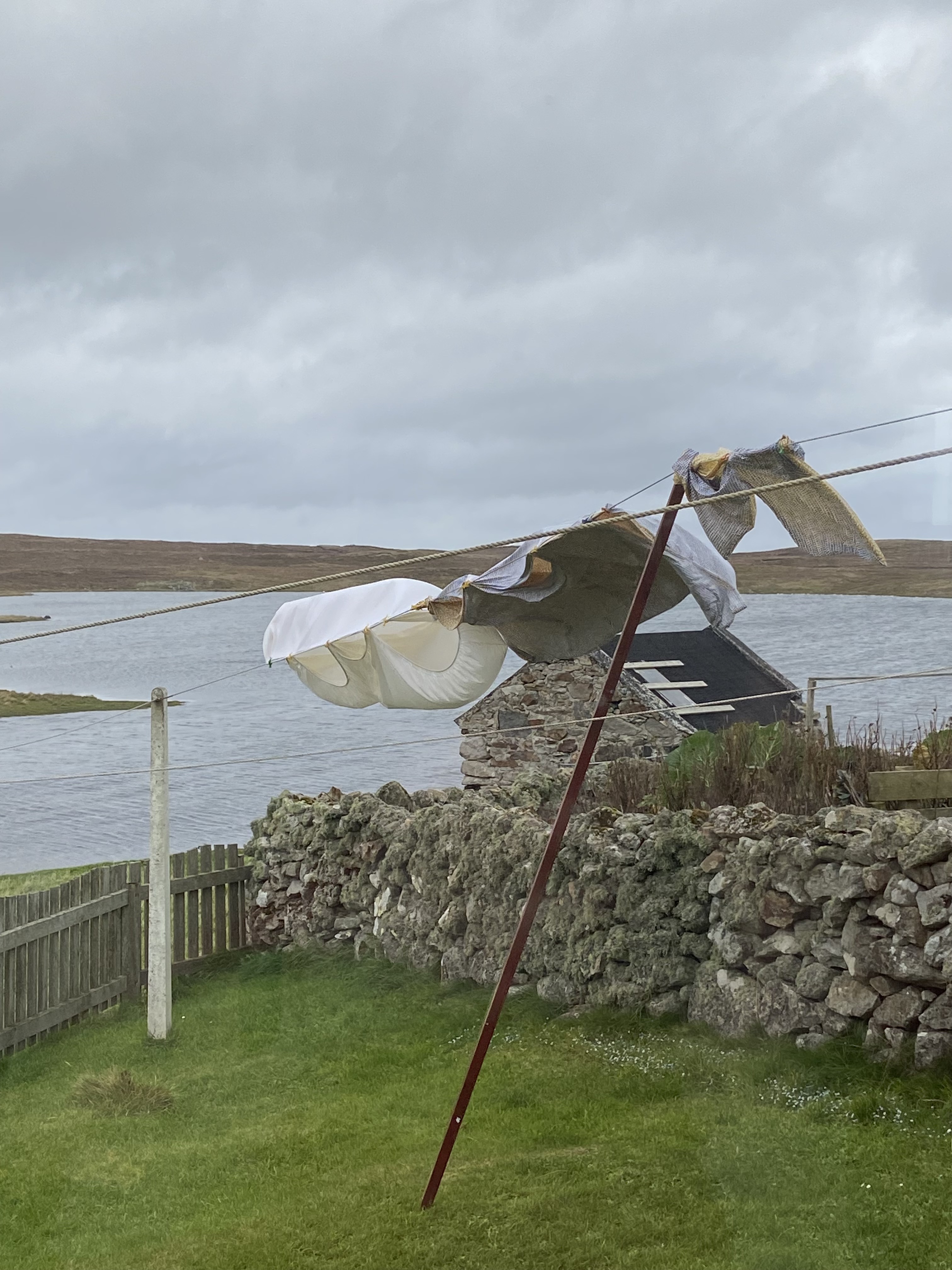
All too soon though, the week was over. The weather changed on the last day. I don’t know if you have watched the series, Shetland, but there is a shot in the opening titles, I think, where a small piece of plastic, caught on barbed wire, flutters frantically in the wind, This is my version of that shot! I think the sheets might have dried quickly, even though the temperature had dropped.

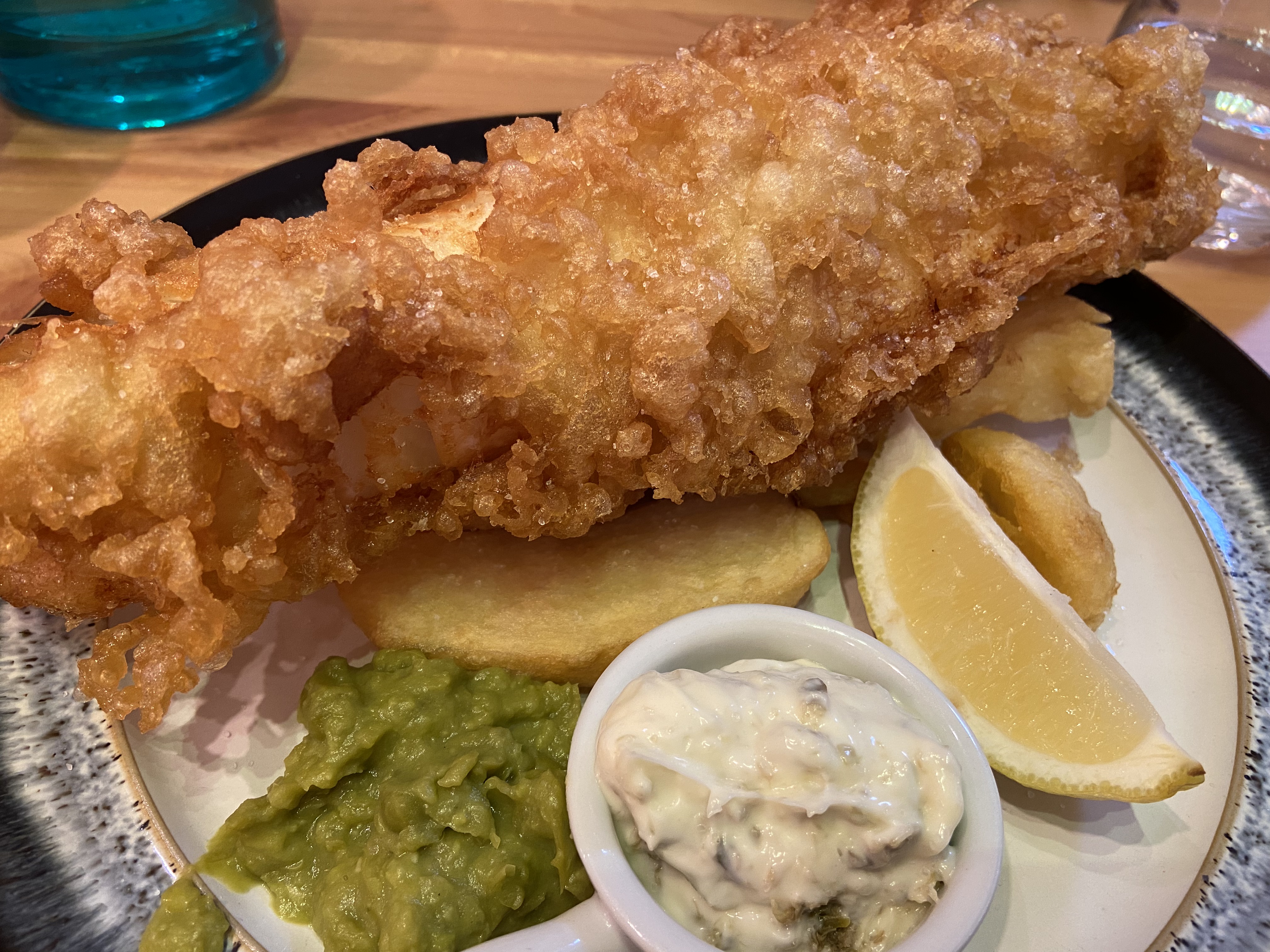
The boat was due to leave at five thirty in the afternoon, so I spent a last day with Melanie touring parts of the island. I bought souvenirs and ate the most enormous plate of cod and chips in a cafe in Lerwick.

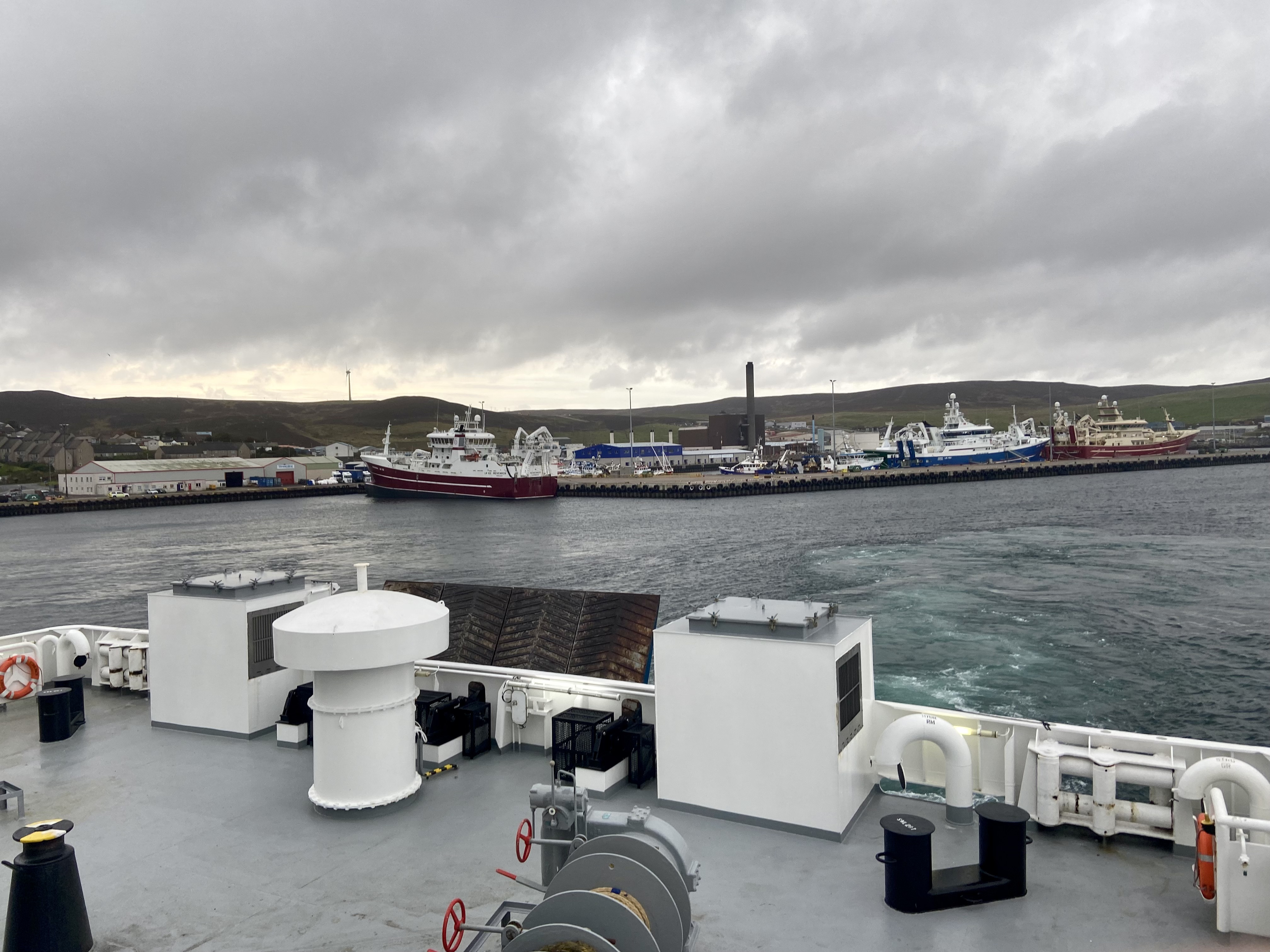
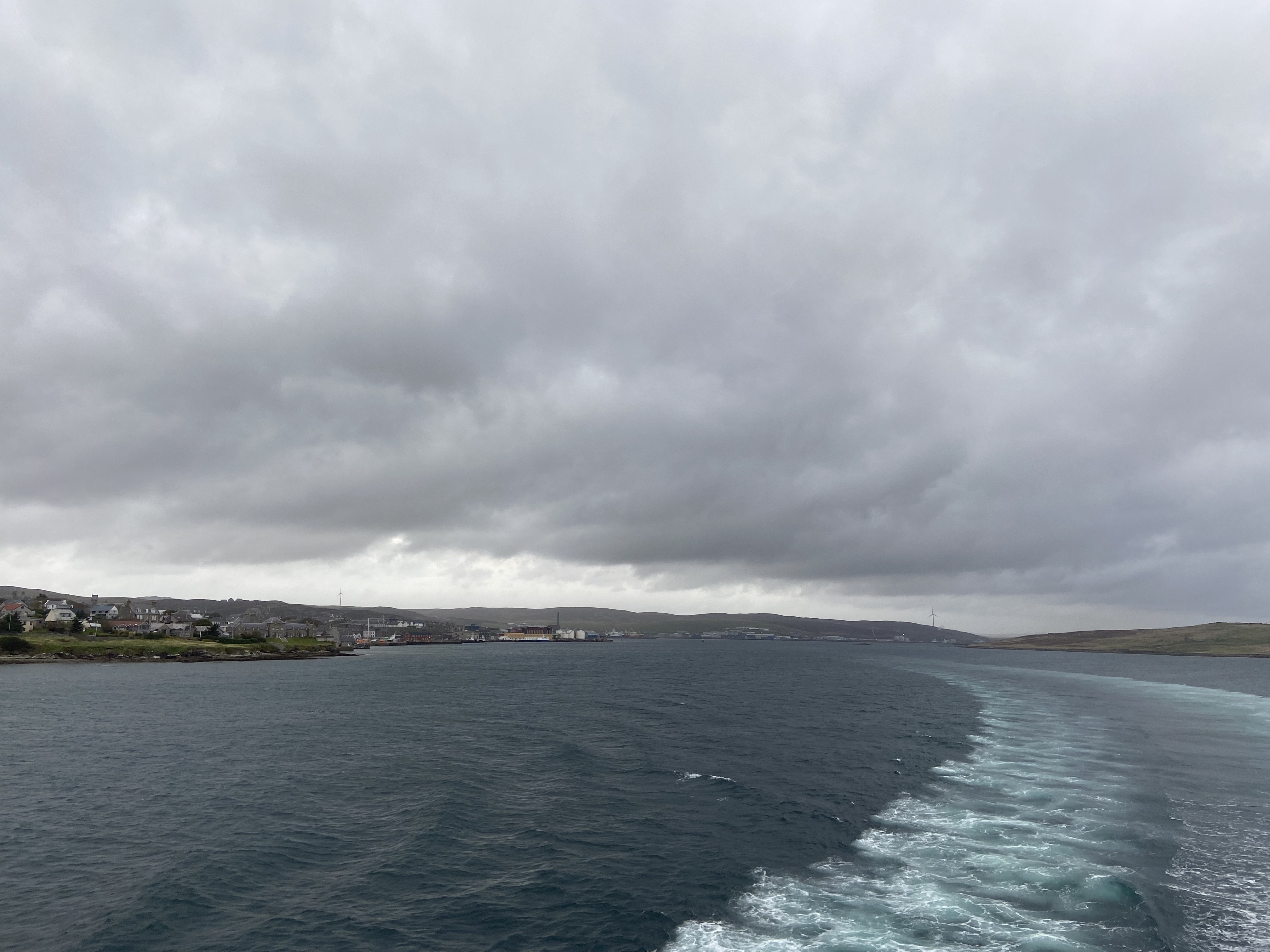
All too soon, it was time to get back on the boat. I took a few, precious last shots as we sailed away from Lerwick, but my abiding memories are of the warmth of my welcome to the islands and my desire is to go back next year, and do it all again. Thank you Lindsay, for encouraging me to go to Shetland, and most importantly, thank you Melanie for a wonderful week.

Royal Highland Show

It’s been a busy week. On Monday, I made a revisit to a welfare case, Tuesday and Wednesday were spent catching up on paperwork and courses that I should have completed as well as having an appointment with a doctor from occupational health. Thursday I was third duty vet and yesterday, I inspected a chicken farm with a colleague up north of Ayr.

As some of you will know, I had some major neurological issues between 2017 and 2019. These mostly cleared up after I started physiotherapy and had some coincidental corticosteroid injections for a seemingly unrelated issue. I never received a diagnosis, but the problems I had still recur when I’m very tired, and I still tire very easily. My line manager referred me to occupational health as this means that coping with duty vet on top of my day to day work is currently too much.

The doctor has recommended that, though I will still cover nights and weekends, I will be temporarily relieved of the daytime tasks until I am more familiar with what needs to be done. She also recommended I should go to my GP and get myself rechecked. I imagine that could be a long job, involving lots of tests, quite likely with the same end result, but I will keep you posted.

With all that said, I was incredibly touched that another colleague from Lauder, who I’d never met before, invited me to come and do my first ever stint as third duty vet with her and doing it with someone else in the room with me, who was perfectly willing to help, was altogether a different experience. It might be difficult to organize for new starters to do this, partly because so many people still work from home, post Covid, but it would prevent a lot of anguish. So many people I have spoken to describe being in tears when they are stuck on duty vet that I have also reported it as a health and safety issue, but the reality is, we are understaffed and there’s not much that can be done.

Anyway, the best day of last week at work, was actually Sunday. I travelled through to the edge of Edinburgh on Saturday night, and at 07:45 on Sunday morning, I reported for duty as one of the official APHA vets at the Royal Highland Show.

Our routine remit didn’t sound too onerous. We were asked to walk round all the animals once to check on health and welfare. There were other vets at the show to deal with any front line injuries or illnesses. I did read our contingency plans before I went, which detailed what we must do in the event of a foot and mouth outbreak and other unpleasant scenarios, but fortunately none of them happened and instead, it was a lovely day out. The rest of this post then, is going to be taken up with photos from the show. I hope you enjoy them.

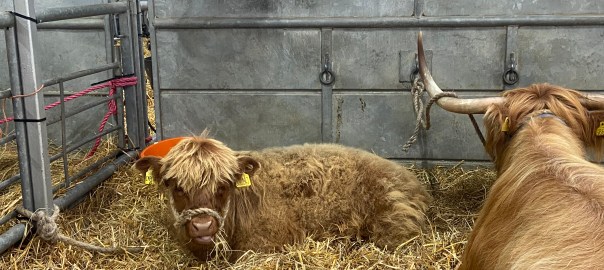
Quite appropriately, the most heavily featured breed in my photos is Highland Cattle. The amount of work it must take to have them clean and tidy for the ring is phenomenal. I chanced upon a young woman wielding a long hairdryer on hers and asked if I could take photos and she agreed.

I also loved the belted Galloways.

Though it must be a lot of work to present such beautifully turned out stock, the Highland Show is a real, family event. Again, I asked if I could take a photo, but here, the whole family were gathered around a calf that was being preened.

The Holsteins, for some reason, are shaved all over, before going in the ring. I watched someone carefully running their clippers along the spine, leaving some of the standing up hair, working to get a perfectly straight line, to give the best effect. I didn’t photograph that one, but it was interesting to compare the slimline, dairy cattle with the sturdy beef cattle. For obvious reasons, one of those is bred to not put on any flesh, but to direct energy into milk production, the other is bred to have as much meat as possible. I saw a breed that I hadn’t come across before – the British Blue – which has double muscles. I give you a baby Holstein, then a rump comparison, Jersey dairy cattle, vs a British Blue.


There were even more breeds of sheep. I don’t have so many photos of them, but I was struck by the fluffy cuteness of these black nose sheep.

And these fabulous horns.

There were ponies and heavy horses…

And right away, at the far end of the show, there were goats, alpacas and chickens.

All in all, checking out all the animals was a very long walk and by the end of the day, I had covered twelve kilometers. I felt very pleased though, at having such a wonderful day out as part of my job. I hope you enjoyed the picture and I will see you all again next week.

Good Job!

Sunrise/sunset: 05:55/19:51 Daylength: 13hr55min

I am not going to say much about last week’s case. Thank you so much to all of you who reached out to me with both comfort and bracing advice. One lovely friend advised me to “Shake the dust off [my] sandals and move on.” Given my job, I think that “Hose the bullshit off your wellies” might be a more apt version, but the advice is good. As a quick summary, I haven’t paid yet. I shall pay at the last possible moment. I know it isn’t clear cut enough for a court case, but I have in mind a complaint as the person who was supposed to represent me was obviously as much use as a leaking wellie boot in an undrained pig pen. I have therefore reached out to two sources who know Norwegian law well and will (hopefully) give me free advice. My therapist suggested I should do as much as I felt was reasonable before moving on and that is what I am doing.

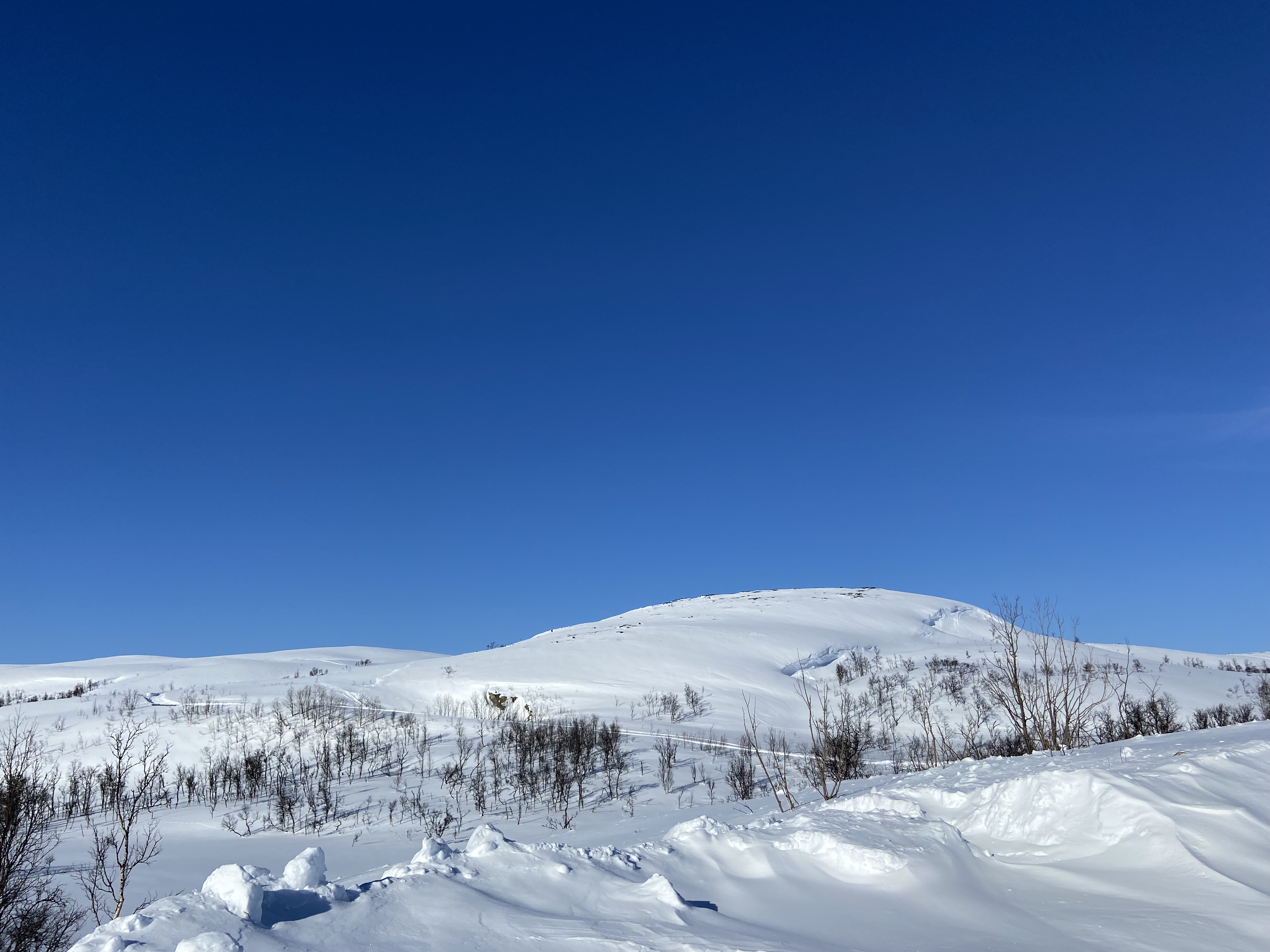
Last weekend, John and I drove to the top of the fell he and I climbed in May last year. Unless otherwise stated, the photographs this week are taken from there.

I had planned a much more upbeat post last week, before the doomsday judgment arrived, so I shall revert to what I was talking about, which is that, exhausting though it is, I am increasingly enjoying my job. There are parts of it that probably don’t seem too attractive to many. Back in the UK, I quite enjoyed filling in forms neatly, creating clear, useful instructions for how to perform complex activities and writing reports. Though it’s more challenging to do all that in Norwegian, it does make up quite a chunk of my job. It pleases me though, that I am quite efficient at it. Some of my colleagues don’t like to write reports, but have other, complementary skills. We have to carry out inspections in the abattoir, for example. I don’t (yet) have the knowledge that others who have worked there long time have, but I am delighted to follow them and learn from them, and then write up the summary of findings afterwards.

I also like problem solving and don’t mind responsibility. I qualified as a vet at 22. Suddenly I found myself out in the real world, having to take huge responsibilities that I hadn’t even considered when I was training, probably because I was too young. It was a gruelling experience, but young minds adjust, and adjust mine did. And it’s not like I am alone, as I often found myself in veterinary practice in the UK. If there are things I need to find out in order to resolve a case, I have a whole team of people round me. Better still, I have a boss who believes in me, gives pragmatic advice and is generally supportive if something goes wrong. Those things are beyond price when the job you do includes significant power and comes with high moral obligations.

But as well as all the heavy stuff, there are brighter moments, when I feel I am being paid to do something that is so light that I could happily do it on holiday. At the end of last week, we had a gathering of Team Dyrego, which is the team responsible for animal health and welfare out in the field. We are scattered far and wide – Birgit and Astrid are in Storslett, which is nearly four hours driving from Finnsnes. Thomas and I work in Finnsnes and Anya and Annik work in Tromsø, which is perhaps half way between, though also not on a direct route between the two. These team meetings generally take a similar format. We drive to meet on Thursday, taking some inspections along the way, spend a night in a hotel, then hold a meeting the next day to share information and plan for the coming season. Some of the team were covering heavy cases on the way there, but as I am now mostly working in the abattoir, my inspections were routine. In order to comply with traceability regulations, we have to check a certain number of farms each year to see if they are eartagging their animals in line with European law. And in order to maintain our disease status for TSEs (Transmissible Spongiform Encephalopathy – which can occur in many species, but the most famous is “mad cow disease”) we have to go out, inform about the symptoms and remind 10% of our sheep farmers of their obligations for testing.

I almost didn’t go. Due to people being signed off sick, I thought I would have to work in the abattoir, but my lovely colleague, Kaj, stepped in. On Tuesday, I was quailing as I didn’t think I had enough time for preparation for a day’s inspections, but he also stepped up on Wednesday, so I threw some stuff together, spent an hour on Thursday morning compiling a list of possible farms and phone numbers, and then headed out on a delicious sunny day to visit some farmers. Because of the short notice, I hadn’t warned them I was coming. We are now allowed to do so if there is a good reason (the sheer distance and the chances of sheep farmers being out as most have day jobs is reason enough) so I had no idea how successful I would be, but I had planned for six and hoped for at least two or three.

I had a hit with the first farm I went to. I knew it was a smallholding, so I thought it would be a nice one to start with. The farmer was in and what’s more, she was very welcoming. I have commented before that we are considered by some to be rather like the police. When we turn up at the door, it can be a worrying experience for an animal owner. But quite a few farmers seem to regard us as an agency they can look to for help and advice, and that is part of our role as well. So I asked her some questions and she asked me some, and then we looked at her sheep. They were a traditional Norwegian breed (Gammel Norsk Spælsau) with wonderfully thick wool and a hardy nature. They lived mostly outside, all through the winter, though with a sturdy, dry shelter, good food and clean water. Seeing well looked after animals is a pleasure for me that goes very deep.

It was a beautiful day in Bardu district.

After that, I didn’t have so much success. The GPS in the car had died, but I made my way round with Google Maps, taking care to ensure I didn’t drain my phone’s battery too much. It was minus twenty in places, so if the car broke down altogether, being stranded would be unsafe. I finally tracked down another farm with someone who could show me round. The farmer himself was away moving snow, but he had employed a young Dutch woman, who was available. She showed me the sheep, which were also well cared for and gave me warming coffee. I left there at about two in the afternoon and, hoping to get one more, I visited another two farms, but one had only a very old lady on crutches present and the other had moved to keeping cattle, due to living in close proximity to a bear that liked eating sheep (mentioned in my very first post here).

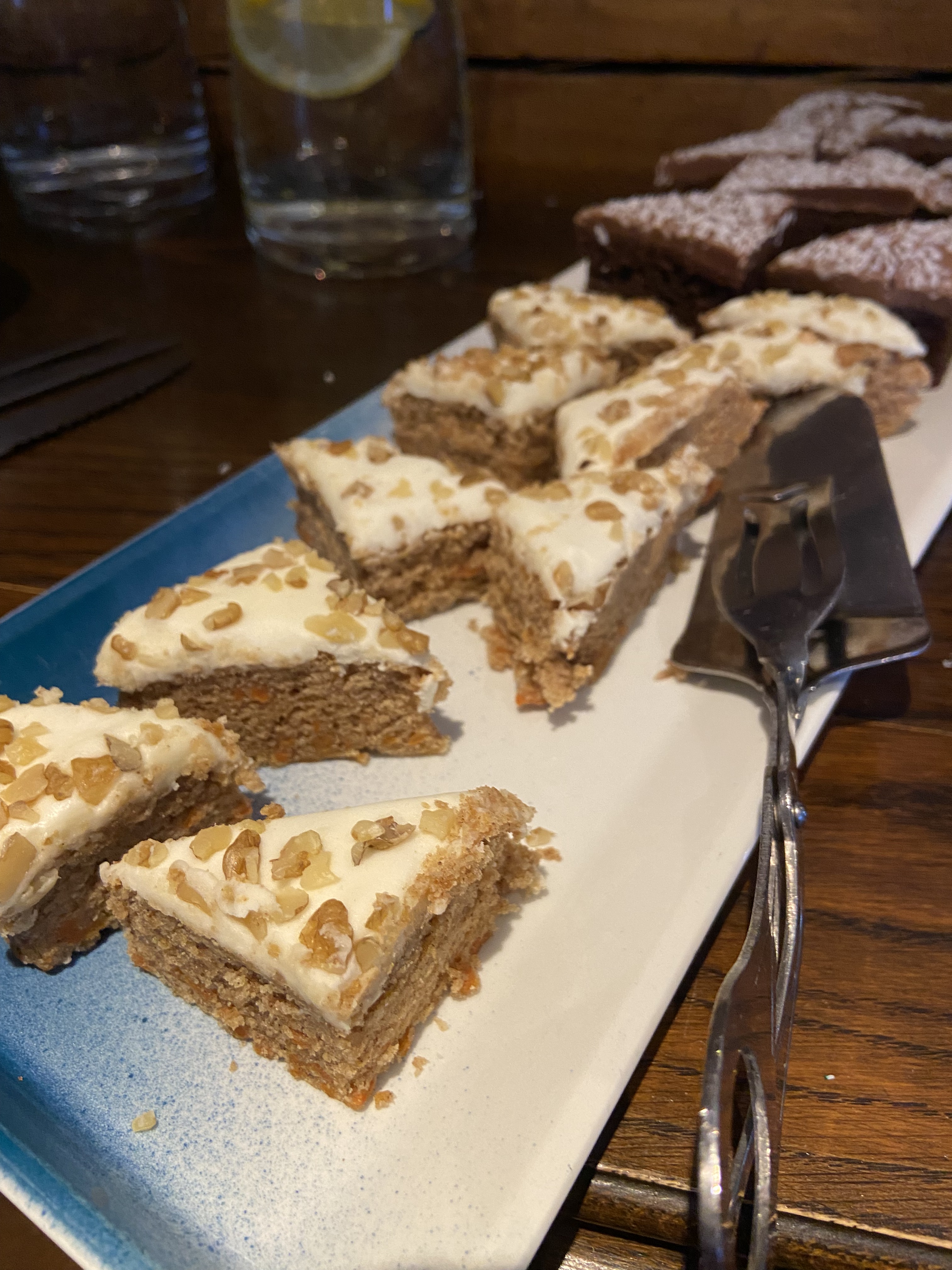
And so, having enjoyed a very pleasant day at work, I drove up to Vollan Gjestestue, where we spent the night in comfort (see pictures of cake and fruit from our meeting below). It was lovely to meet up with my colleagues and one of my aims is to improve the links between the abattoir team and the team out in the field. Together, I think we will have a great knowledge base and it’s a way that I can focus on improving animal welfare, which should surely be the aim of any vet.

The past week has also been satisfying. Konstantin is now on holiday, so he has been intensively teaching me about all the routine work he does in the abattoir. I had assumed I would assimilate these routines over time but, with everyone who knows how to do them now absent, it will be up to me to keep things ticking over for the next two weeks.

It was looking like things were going to be quiet, but there has been heavy snow and wind over the last few days. There was news last night of some horrifying avalanches in our area and I know that some farms and farmers have been affected. Where there are welfare issues, I know Mattilsynet will be involved. We are second in line to be called in, after the emergency services. So I am not sure what is on the way, but I sent a message to my boss last night that I was available if I was needed. She was still working, despite being on holiday. That is how it is and I can honestly say that I would always want to help, when there are people and animals in need. Despite occasional frustrations, doubts, and wishes for a quieter life, I know I am in the right job. Bring it on.

Still Here

Sunrise/sunset: 04:16/21:.22 Daylength: 17hr06min

Time is going by, and the harvest season is almost upon us, here in the far north. Not that there are many crops, but there are berries and fungi now on the forest floors and already there are hints of yellow and red on some of the trees. As you can see at the top of the page, there are flowers in the garden of the apartment we’ve been living in for two years now. I am going to miss the view, even though I can’t wait to move into our own house. It already feels more of a home than the apartment ever has. Today or tomorrow, my bedroom will be fully decorated and I can start to move my clothes into the cupboard and drawers, though my new bed still hasn’t arrived. The boys and I are going to camp out in the new house tonight though. I want Triar to get used to the idea as Andrew will be back at school next week, so when we do move in Triar will be home alone after only a couple of days.

The main harvest here isn’t wheat. Coming from the UK, harvest still brings to mind combine harvesters ploughing through fields of golden cereal crops, but I don’t think I’ve seen a field for growing any kind of vegetable or corn up here, other than grass for silage. The local autumn crop is seasonal lamb. Odd as it seems, I am looking forward to what is referred to at the abattoir as “sesongen” – the season.

For most of the year, the abattoir is fairly quiet. It’s only open three days a week and there are only two or three staff in the Mattilsynet office on any given day. In the season, staff are drafted in to work on the line, many of them from traditionally Eastern European countries. Mattilsynet fields seven people on any given day, and the whole place comes fully alive.

When I moved here first, I was thrown into the season and mostly on the sheep and goat line and I quickly grew to enjoy it. It’s the only time when two Mattilsynet staff work on the line in tandem. I was on the line alone this week (the line speed is much slower until all the extra staff arrive) and was thinking that shortly I will be standing instead with Vaidotas (who has worked the season for the past two years) and Ernestas (who is coming back after a couple of years off). I haven’t met Ernestas yet, but I’m looking forward to it. He keeps popping up on my Facebook page as someone who knows a lot of people I do, so hopefully I will be able to add him shortly. Working with Vaidotas has always been a pleasure. Soon we will be competing to see who can open the door for the other first and he will be picking up things I’ve missed and correcting them with quiet gravitas, while still treating me as if I’ve never put a foot wrong in my life.

Bright red berries on a rocky outcrop under a purple sky.

I haven’t had the results of my MRI back yet. When I lived in the UK, there were generally good systems in place for doctors to follow up test results, but here it’s much less reliable. I hope they would contact me if they’d found anything serious, but the lack of contact doesn’t absolutely rule anything in or out. I’ve been mostly feeling quite good recently and it crosses my mind often that they may not find anything. Hopefully, by next week there will be an update. In the meantime, I should probably go and pack more boxes. Soon we will have to be out of the flat, beds or no beds, and everything will have to be spotlessly clean. It’s going to be a busy time. Have a pleasant week, all of you.

Wild flowers in my new garden

Welfare

Sunrise/sunset: Down all day.

I’m on holiday from Friday next week, so there is a sense of keeping going until then. I’m very much looking forward to it. The past week has been both busy and interesting though, and has opened up my mind to thoughts of how I might make a difference. It started out with a meeting on Monday of a group of people who want to try to improve animal welfare in our area by improving the lives of those who keep them. There used to be many more small scale farms in Norway. Lots of people followed a traditional way of life where they had a few animals that were out in the summer and housed in a barn near the house in winter time. It became more difficult to make a living from small scale farming, so increasingly people had to work alongside their animal commitments.

But keeping animals is a tie. It will be hard enough to find someone responsible to look after Triar and the guinea pigs when I go on holiday. Harder still to find someone to look after fifty or a hundred sheep, or a few cows, especially if they need milking. So the networks that farmers used to have, where there were neighbours nearby who could help out in a crisis have, to an extent, disappeared.

And it’s not just about the work. By their nature, farms are physically isolated. You need land around you to allow you to feed your flock or herd. There isn’t a pub culture in Norway, like there is in the UK, and even if there was, here in the north of Norway, the distances between towns can be huge. And so the meeting was about trying to build new networks to support those who remain.

The social side of my job is something that I find very interesting. Obviously there are many things that can drive animal welfare up or down, but mental health is definitely there among them. Thomas has told me about his involvement in one such case, where he arrived on a farm to find the owner had almost given up hope, and he was instrumental in helping him find a way through. And Thomas is rightly proud of having done that. But to help more people, we need to reach more of them.

The meeting ended with a plan for more meetings, but I was due to go out on a welfare visit with Gry from Dyrevernsnemda later in the week. Remembering the potential bomtur debacle from two weeks ago, I compiled a list of all the sheep and goat farms in the surrounding area.

We ended up visiting two farmers on the list, in addition to the welfare investigation. We carried “Skrapesjuketilsyn” where we discuss the symptoms of Scrapie and the monitoring systems in place to track it. One of the farmers was obviously very happy to see us. He knew Gry already (Gry is a key member of another farming network) but when I introduced myself and said I was from Scotland, he said how wonderful it was to have someone who wanted to come to the north of Norway and was interested in working with sheep welfare. I confess, I am filled with inspiration. I would love, as a Mattilsynet vet, to be a part of a network helping the local sheep farming community. But I do have to bear in mind the constraints of budget. Next week, or in the new year, I will have to have a chat with Hilde about what I can achieve within the current economic climate.

Tuesday was also one of those rather unusual Mattilsynet days. As regular readers will know, Mattilsynet runs the OK program, where we check food producing animal breeds for various infectious diseases and for foreign or banned substances. Ammar had planned to go out and get a urine sample from a cow, but he was unable to attend himself, so he rang me on Monday afternoon and asked me to step in. And so on Tuesday morning, I drove out to a farm and spent an hour in a byre behind a row of cows, waiting for one of them to oblige.

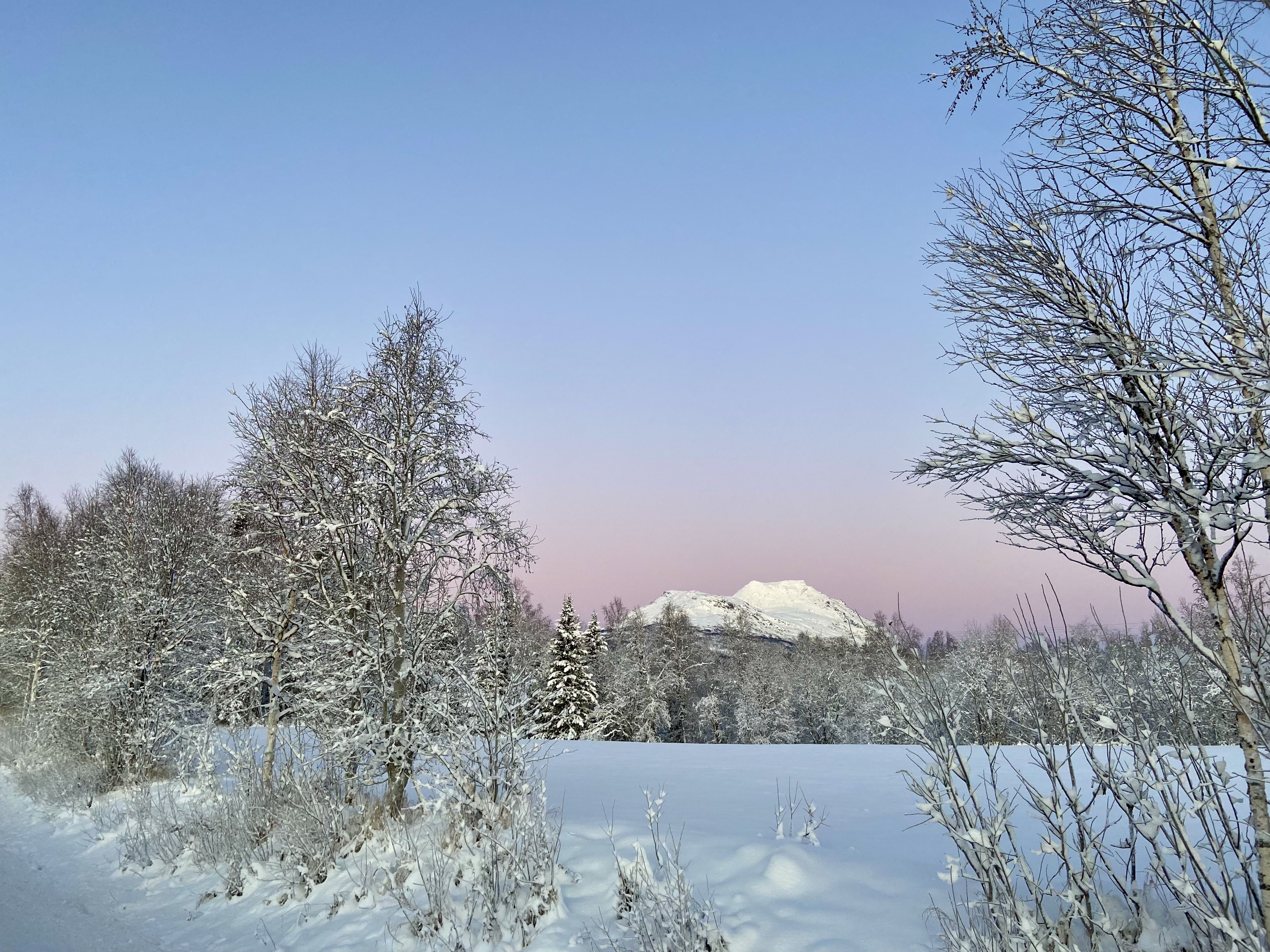
Polar night, snowy mountain under a blue and pink sky – taken on the drive out on Tuesday

There were a few false starts involved. Even the tamest cows are wary creatures when strangers come into their space. And of course, I was a stranger wearing a very odd blue overall and huge white boot covers with bows on them, so they were wary to begin with. One or two of them lifted their tails and started to pee, but as soon as I moved towards them, they gave me a very offended look and stopped again. Fortunately, I eventually managed it, but not without some very amused thoughts about the sheer glamour of my job. Since then Konstantin has told me there is a way to get the cows to urinate, so next time, perhaps I will be quicker, but either way, spending time around cows is something I very much enjoy, whatever the task.

The road to Bardufoss

This week’s blog is a bit short as I have to go and collect John and bring him home, but I’ll leave you with a couple of pictures of the decorations that have gone up in our office. I hope you’ll join me for more advent pictures tomorrow.

Cool

Sunrise/sunset: 10:48/ 12:22. Daylength: 1hr34min

It’s been another week of changes. I had a busy schedule prepared, with two long-haul visits to hens to test them for salmonella on Monday and Wednesday, plus a trip in between to two sheep farms for routine scrapie inspections. I popped into the office on Sunday to check my e-mails. I’d been out with Birgit all day Friday, so I wanted to make sure nothing else had come in as I was due to set out early on Monday morning, so there would be no chance to check then.

It was bird flu that got in the way. Even though the outbreak is almost four thousand kilometres /two and a half thousand miles away, it had a knock on effect up here. At first I assumed it was some crazy blanket rule. To be fair, they’ve found bird flu in wild birds in other areas of Norway, but all of them a long way south of here. But it turns out that the problem lay in the lab. The same lab that would analyse our salmonella samples was currently working day and night checking for bird flu. So that was that.

Then came the news that one of the Tuesday visits had to be postponed as well. Had I been very organised, I would have found some additional farms to visit in case my one remaining farmer was out, but the rapid changes threw me and I didn’t even think about it until Tuesday morning, just as I was about to set out.

Because we are supposed to do most of our visits without advance warning, so there’s no chance the farmer can rush around tidying away the bodies, there’s always a risk that we can get there and find there’s nobody available. Indeed having a completely wasted journey is common enough to have its own name – Bom tur.

So far, I have never driven a bom tur, but as I set out on Tuesday, it crossed my mind this one could potentially be quite spectacular. My visit wasn’t especially important. Scrapie inspections are part of the annual OK program of routine visits to check for illnesses. We look at the sheep or goats and inform or remind the farmer of the clinical signs of scrapie (effectively the sheep version of BSE) and of the legal requirements around it, such as making sure all animals over a certain age that die on the farm are tested. It’s a useful tool for getting on the farms for a general check, but there’s nothing life or death about it.

The drive was close to two hours on snowy roads. The original day I’d planned actually had three visits, all in the same general direction, and the only one left was actually the furthest away. And I had Gry with me as I’m still green enough to find it really helpful to have someone else there with additional knowledge. Gry is a member of Dyrevernnemnda: experienced people who come out on welfare visits to offer their judgement from a different point of view than that of a vet.

So if I drove a bom tur, Mattilsynet would be paying me and Gry, as well as for the car and fuel, for carrying out a farm visit that wasn’t all that important in the grand scheme of things. Still, as I commented to Gry as we drove out, at least the scenery was pretty. In the event, the farmer and her partner were there and I felt very relieved as we sat in their kitchen and drank coffee. The sheep looked in great shape too. It always gives me a lift when I look at well-cared for animals.

Of course, bom turs are not always avoidable. You could visit several farms and find nobody at any of them. But next time I go, I’ll definitely make sure I have a few more options. I also thought that now I am a little more at home with carrying out inspections, I need to get more organised. We’re supposed to visit ten percent of our flocks each year, so that over ten years, we cover every single farm in our area. And to do that efficiently, I need to make a list of all the sheep and goat farms in our area, work out where they all are, and make a plan to ensure I can cover as many of them as I can.

Gry was a revelation as well. It was the first time I had been out with her and she told me so much about sheep farming in the north of Norway. Though they have fences around the property, it’s quite extensive and the sheep can wander off, high into the mountains. Occasionally they can get over or through the fences, and then come down into the wrong valley. When they come back in, the farmers have to go through them, checking all their ear tag numbers to make sure the sheep they’ve brought in belong to them, and also check whether any haven’t come home. It’s quite a big task, collecting them all in and then making sure they are sheared and ready for winter.

Having done the visits on Friday and Tuesday, I had two reports to write. Luckily, as both visits had been good, the reports were straightforward. The second sheep visit had been put off until Friday and that was successful too. For the second time this week, we were offered coffee. Coronavirus has meant that for the last year, there has been little coffee on offer, but as I sat down around the table with Gry and the farmer and his staff, I felt very much at home. Going in for coffee was always one of the high points of being a farm vet.

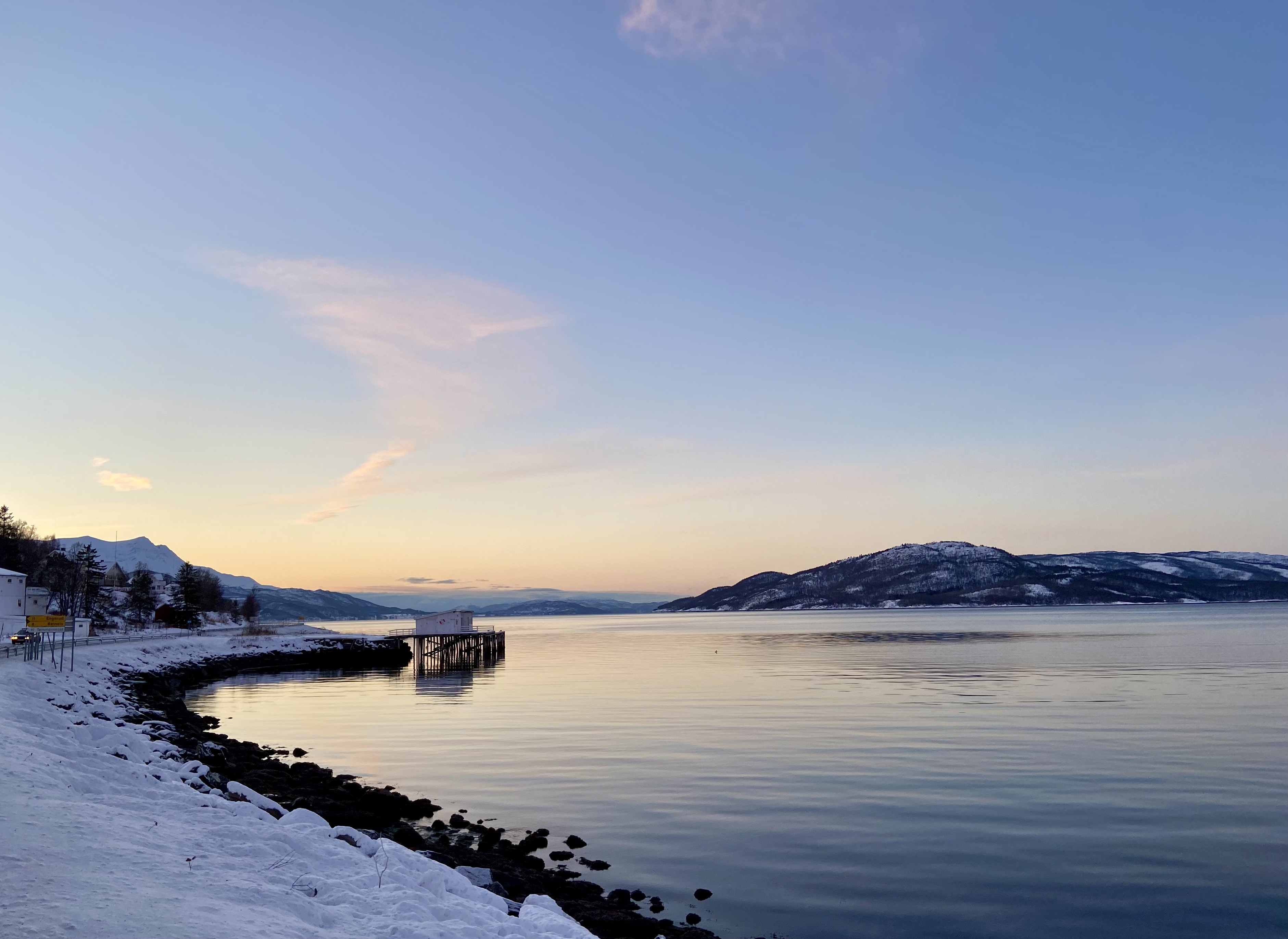
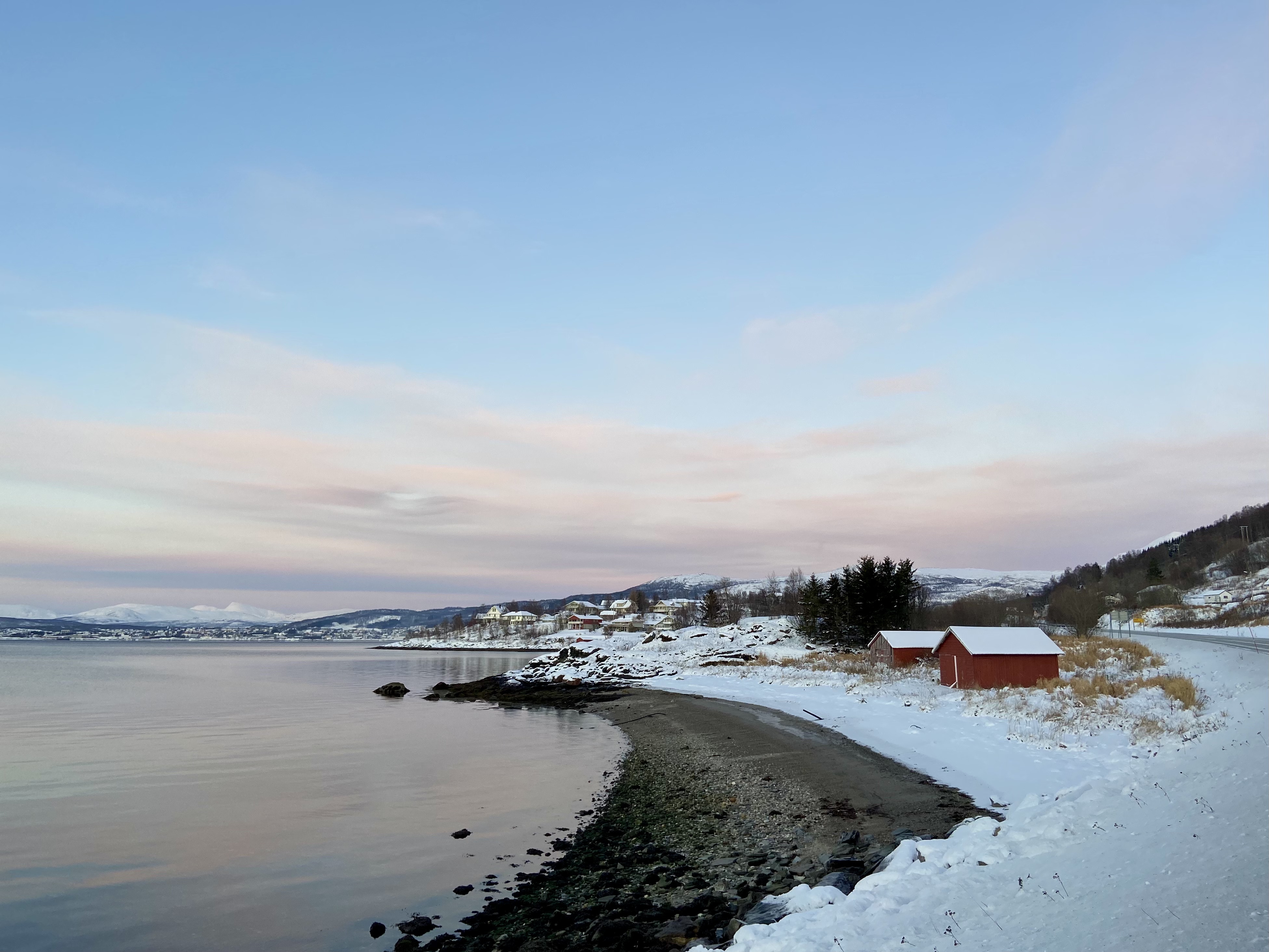
I took a couple of photographs on the way home on Friday, after I had dropped Gry off. The temperature has dropped suddenly here. It snowed last weekend and then fell away to between minus seven and minus fourteen. As usual when that happens, the sky is clear, and as the polar night approaches, the air becomes very clean and cold. The upper skies are a beautiful pale blue and close to the horizon, there is a pink tinge. It crossed my mind that although technically the polar night hasn’t quite arrived, I haven’t seen the sun for days. It’s probably already below the mountains.

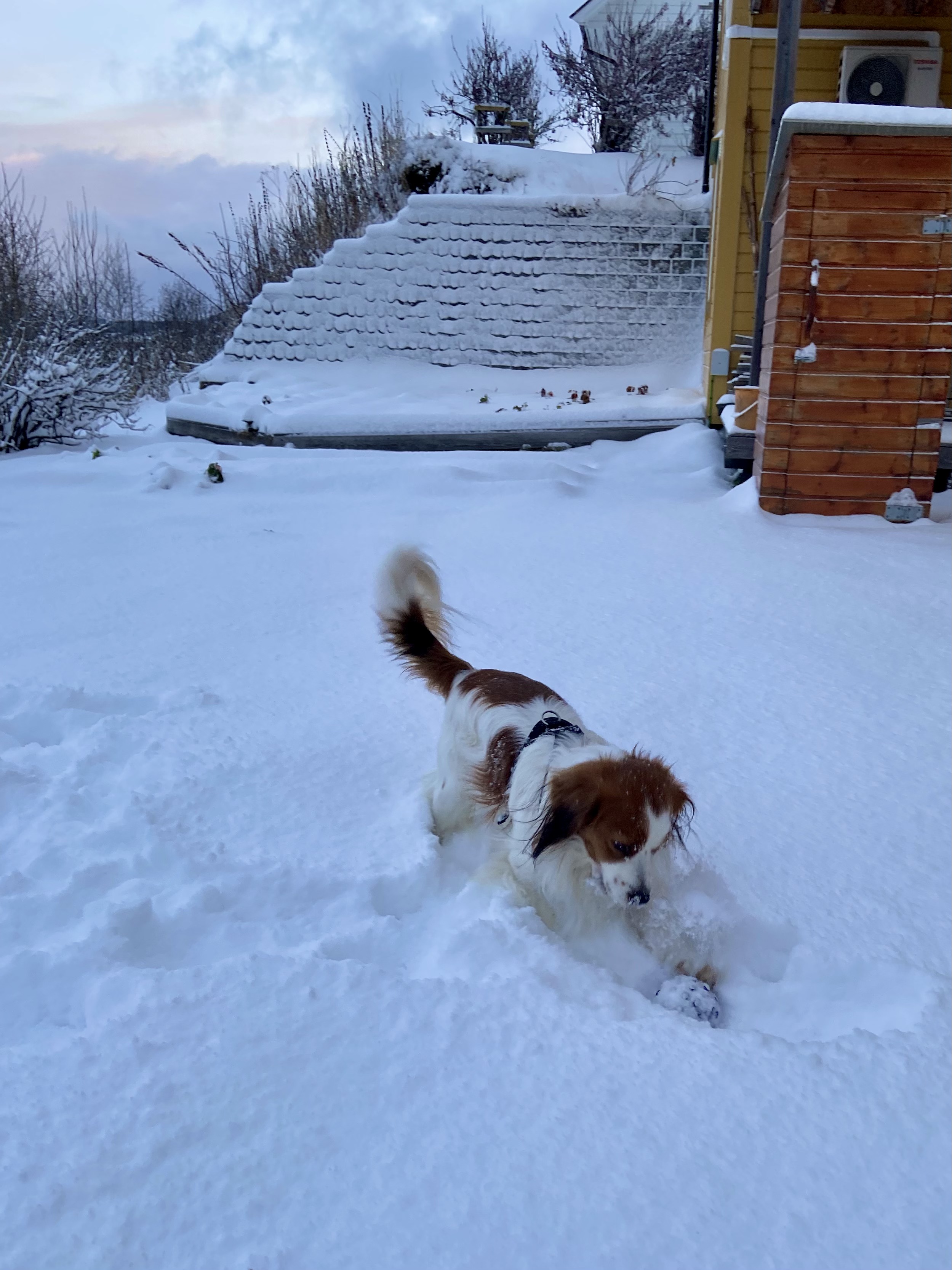
Triar is loving the snow and the cold weather. Sometimes he goes outside and zooms around, simply for the pleasure of running through the snow. Here he is in the garden playing with his ball.

There was one other piece of very good news, and that is that my friend who had been on the front line in diagnosing the bird flu outbreak is now fit and healthy again, and didn’t contract bird flu. I’m very relieved.

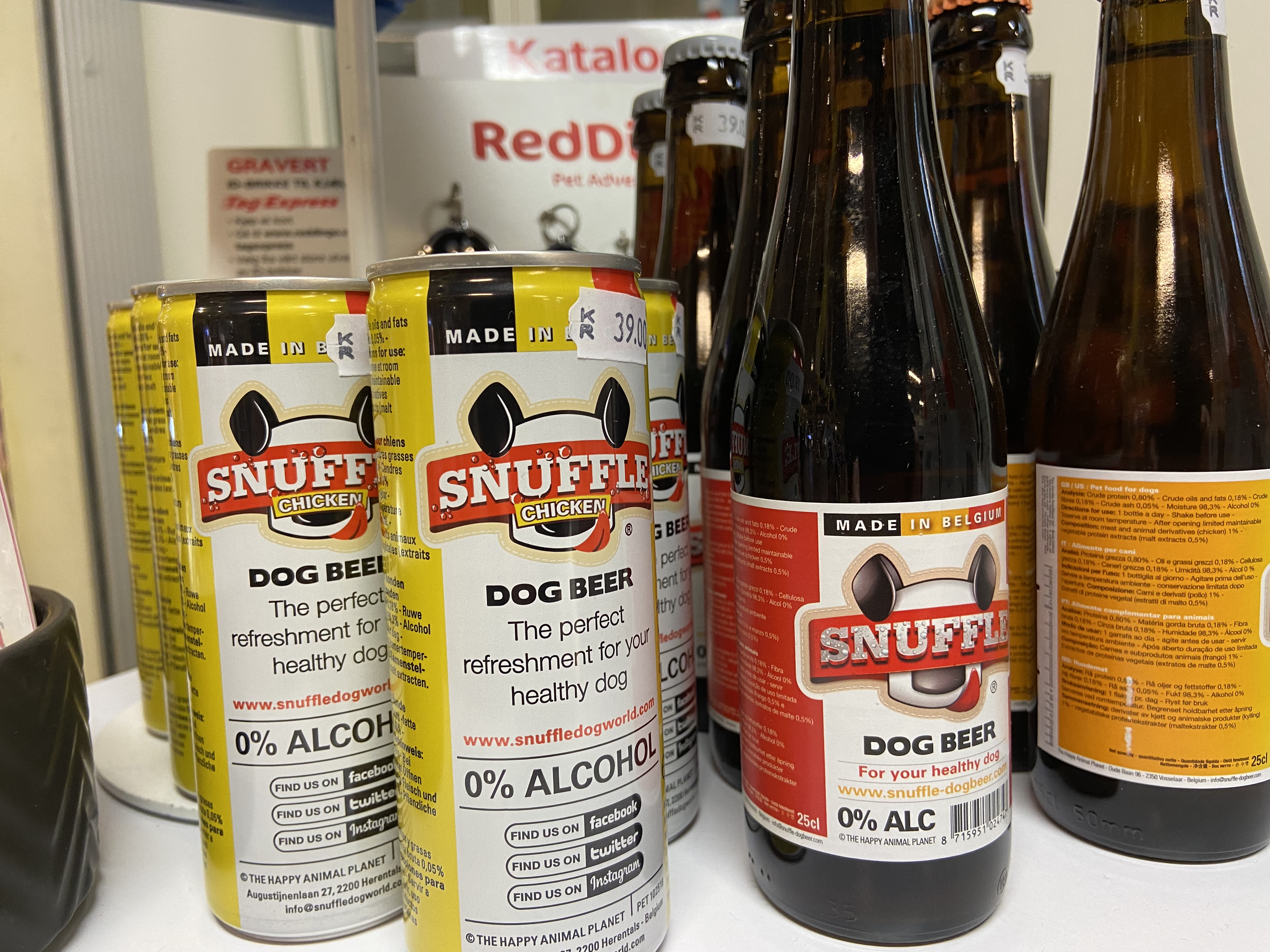
And finally, a completely random thing I found in the pet shop yesterday. I had noticed for the past couple of years that there are now advent calendars for pets, but now it seems that there is beer for dogs. Because what we really need is for Triar to be staggering around the house on Christmas day. Cheers!

Counting Sheep

Sunrise/sunset: 07:06/ 18:06. Daylength: 10hr59min

Time seems to be rushing by again. Last year, when everything was new, it seemed to move a little more slowly, but I feel I am beginning to feel the rhythm of the place and the seasons, if not yet well, at least with a degree of awareness. We are losing an hour of light each week now. At the end of next month, the Polar Night will be with us again. In the meantime, the progression through autumn continues to be so beautiful that I find myself sighing out loud at just how wonderful it is.

My work is seasonal, as all who work (or have worked) with large animals will understand. This years lambs are being brought in to the abattoir and then their meat is beginning to appear in the shops. That sounds very blunt, I guess, but on some level it feels right that I witness the whole cycle. I have seen a few people on social media express the opinion that all who work in abattoirs (and indeed farming) must be sadistic or macabre, but that isn’t my experience at all. Most of the people I encounter are both down to earth and resilient.

As well as the slaughter season (as it’s called here) I am waiting for the sheep and cattle to be brought in from their summer pastures. Part of our job is to check all aspects of the chain that goes ” frå jord og fjord til bord” (from the land and fjords to the table) and one component of that is traceability. All farm animals must be tagged (or tattoo’d for pigs) shortly after birth, and the tags maintained until they die. All the births and deaths and numbers have to be recorded in the “husdyrregisteret” or livestock register. The vets at Mattilsynet have to go out and check that the farmers are carrying this through, so we will go out and do checks on a number of cattle and sheep farms in the autumn and winter.

As well as looking to see whether all the animals have ear tags, we check the farmers are keeping medical records for all the animals. Medication (and specifically antibiotic/antibacterial use) are much more tightly controlled here than in the UK. We also check that they are entering the details of their herd or flock into the livestock register. Failure to do any of these things results initially in warnings, then fines and (where there is a severe breach of the law) in restrictions on the movement of animals on and off the farm until the traceability requirements are fulfilled. Though we ideally check every farm on our patch over the course of a few years, we also try to integrate these visits with our welfare program. So if we receive a concern message from the general public, or for example one from the electricity suppliers (who give us advance notice if any farmer is at risk of being cut off) and we feel the situation does not sound serious enough to require immediate attendance, then we will try to call them to assess the situation, then add that farm to our list of places where we will carry out “routine checks”.

Life at Mattilsynet can be unpredictable at times, perhaps predictably so! During the season, there are seven members of staff working in the abattoir on any given day. I’m not due there every day, but as well as having the crew of seven, there is always someone listed as back-up. It was me on Monday this week, and so I was not entirely surprised when a colleague called me on Sunday night to explain that one of their children was sick, and therefore they needed me to go in. Because there are so many staff, engaged in different tasks, and we have to cover the whole day (which can often be longer than the standard seven and three quarter hour working day) the start times are staggered. The first vet there, who has to carry out the live animal checks, comes in at 05:45 in the morning. The next wave comes at 06:45, another at 07.45 and the last at 08:15.

I was due to be in with the second wave, starting at 06:45. It takes me about half an hour to get up, and then close to an hour to drive my car to work, grab the keys to one of the work cars from the office (if I haven’t done it the night before) then finish my journey to the abattoir. Rather than starting work at 08:00 locally, I was now going to have to head out at 05:45 and so I had to head to bed almost immediately after receiving the call. I am always worried that I will forget to set the alarm clock on my phone, which of course has a whole range of times to choose from, and so I quickly set it while I remembered, then went to sleep.

It’s always lovely and cool, first thing in the morning, and I enjoy driving in general, and so as I drove in, I was quite happy. As I said earlier, it’s getting dark very quickly, and I found myself musing on the way on just how much darker it was this week. Only a week earlier, on the same shift, I had seen the moose and the detail of its white breath on the air, and I thought that if the same moose was standing there this week, I would barely be able to see it. I even thought that this would be something to tell you in my blog.

It was only when I arrived at the abattoir, that my mind came up against something I thought was odd. When arriving at 06:45, the car park is perhaps half full. But as I drew in on Monday, it was all but empty. It took only a moment to dawn on me that, in my hurry to get to bed the night before, I had selected the 04:15 alarm, rather than 05:15. In fact, I had even arrived before Thomas, who was working that day in Vet 1 position, doing the live animal checks. Thomas was quite surprised when he did arrive, but at least I had already had time to make coffee, which was gratefully received.

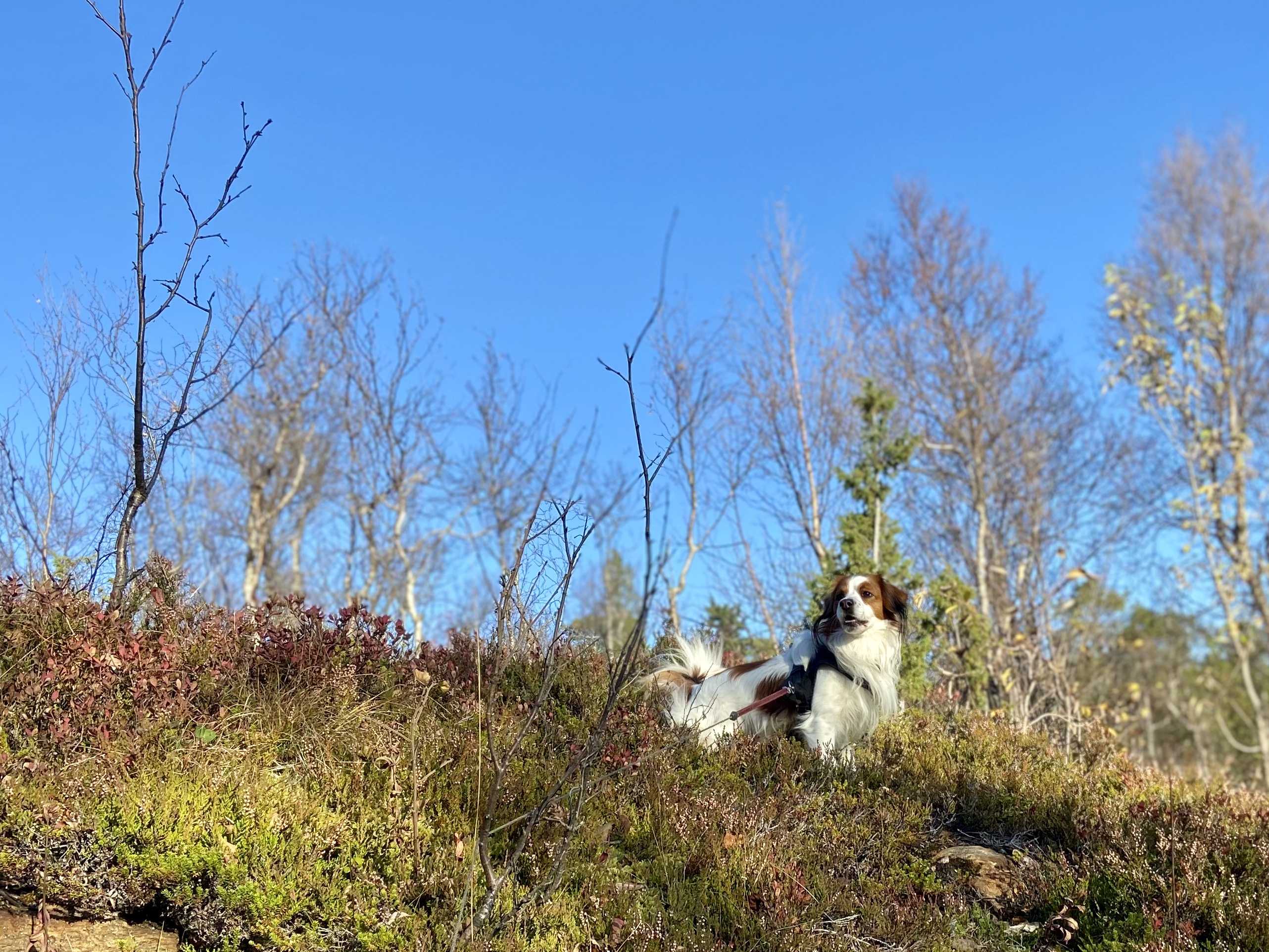
Anyway, given that I have raved at the top about how beautiful it is here at the moment, I’d better share some photographs. Seeing the sun out in a perfectly blue sky on Wednesday morning, I decided to use some of my precious flexitime and take Triar out for a walk. We headed up to the ski-slope area and took a walk there. The view was truly dazzling.

Triar seemed to be enjoying himself, rushing through the undergrowth and up and down the rocky outcrops, walking (as ever) four or five times further than me.

As you can see, higher on the mountainside, the trees are already bare, but looking down into the valley, there is still a riot of autumn colour in amongst the huddle of houses.

I awoke to another beautiful day on Thursday, and felt suddenly that I might as well use some more of those hours to take time off while it was still wonderfully light outside. Though I didn’t go on any significant walks, I decided I should make the house look a little better. Triar goes on the sofas in the house, and we do quite often eat while sitting on them, and therefore I try to keep them lined with fleecy blankets. The old ones were rather grubby and still look grey now after washing, so I bought some new ones. I had also accumulated some autumn candles, but was in danger of not getting round to deploying them. So now, as I go into winter, the inside of the house is looking as well as I can make it look. As the evenings are drawing in, and I will shortly be spending a lot of time indoors, it’s important that I have a space that lifts me up when I am there.

Setting out for work on Friday morning, I noted it was five degrees Celsius as I drove through Finnsnes. We live close to the sea, and even this far north, the Gulf Stream stops the temperature from going down as far as it does inland. So as I drove east, I was unsurprised to see the temperature dropping, quickly to three degrees and then further, down below zero and I could see there was frost on the undergrowth on the edges of the forest.

The sun was also rising slowly behind the mountains, giving them the most incredible molten gold edges and so I stopped to try and capture it. Unfortunately, by the time I found somewhere I could pull off the road, where there wasn’t forest in the way, the gold had mellowed into a normal sunrise, but it was still beautiful.

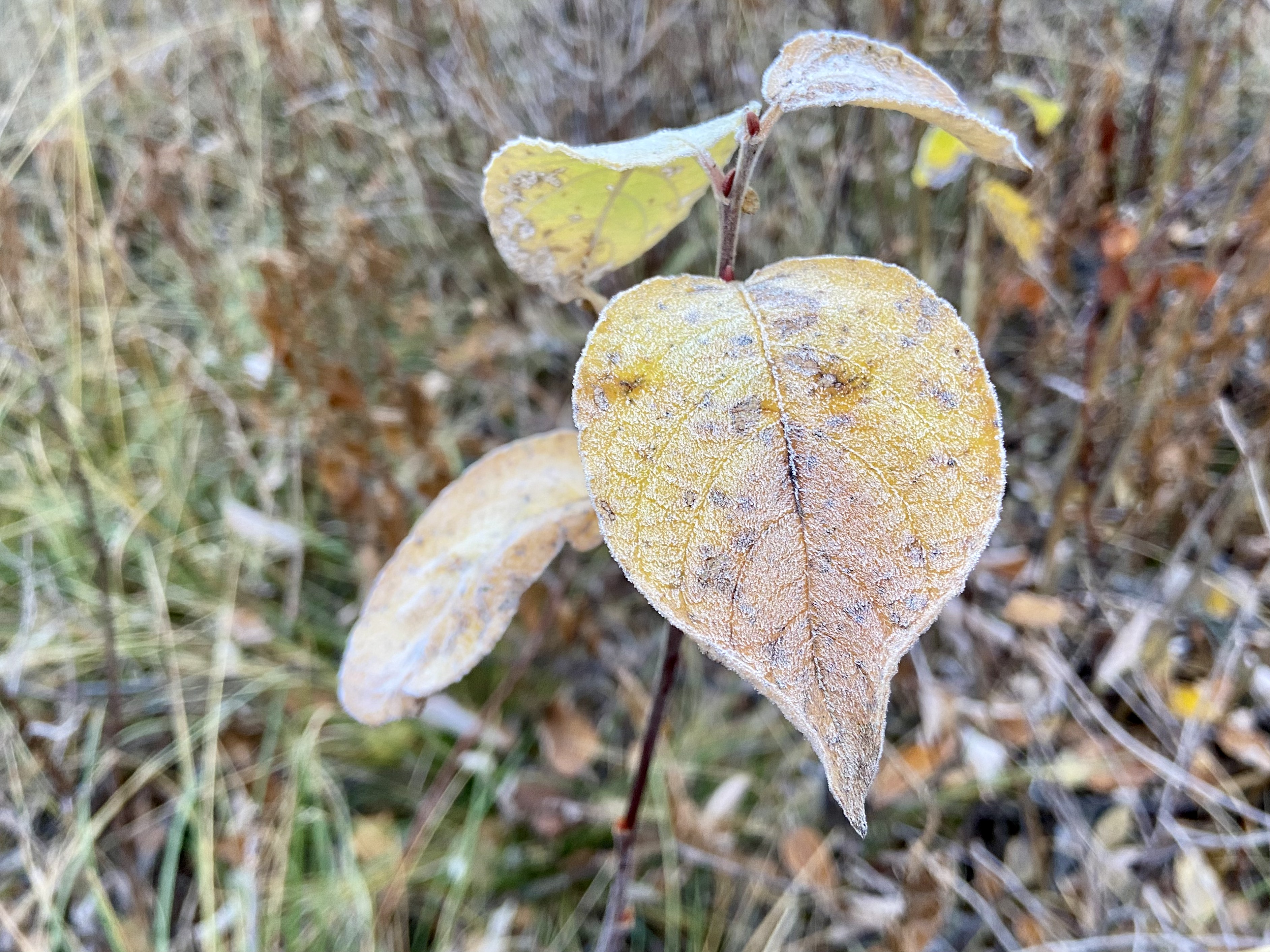
I took a couple of photos of the frost as well, not because it was anything out of the ordinary, but simply because it was the first of the year for me and a reminder that winter will very soon be here.

Very British

Sunrise/sunset: 01:14/ 00:34. Daylength: 23hr

There has been a massive change in the weather this week. Until now, it’s been warm and sunny, on and off, but the forecast this week, courtesy of YR.no looked like this.

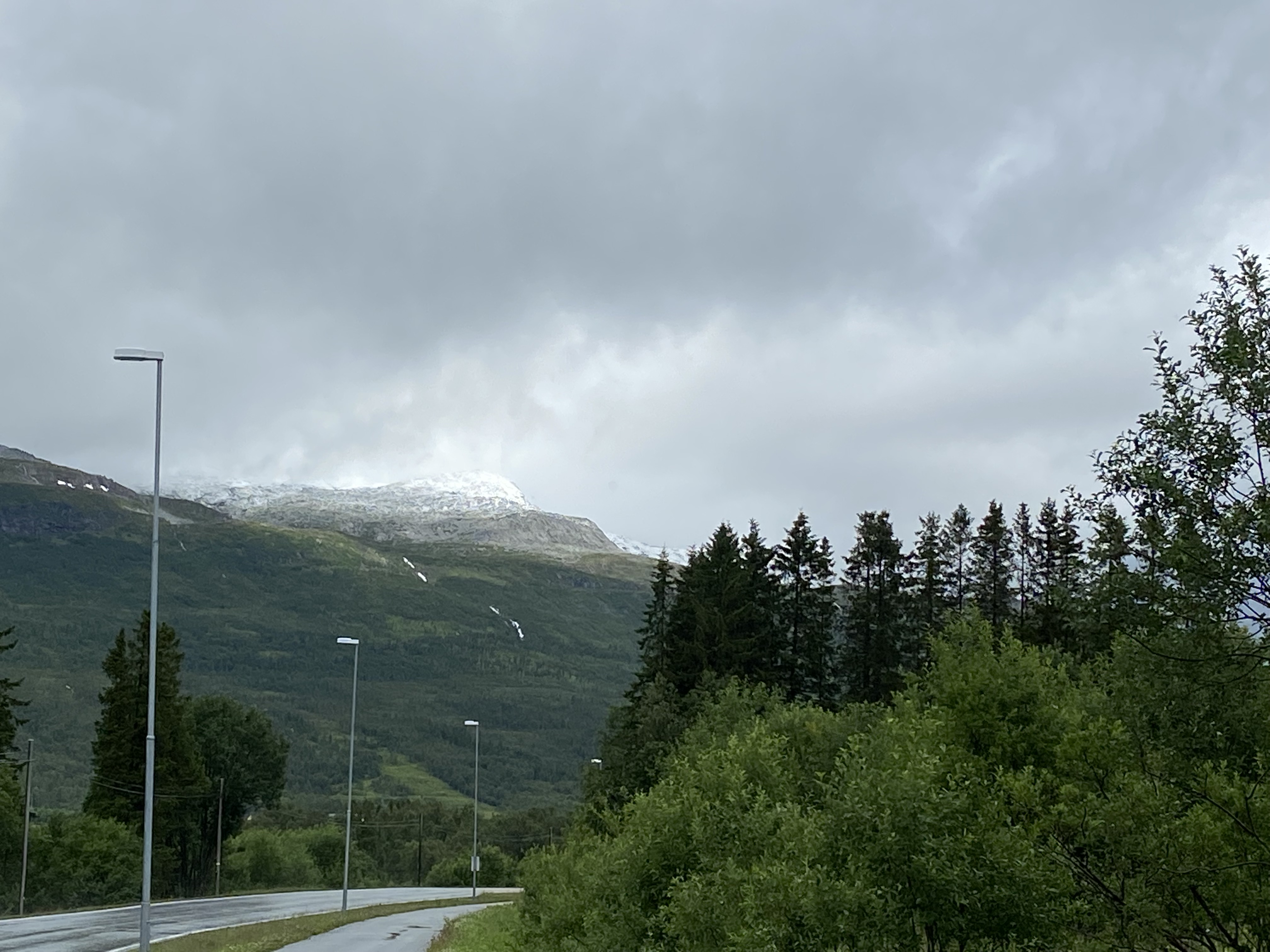
Not only has it rained a lot, but those temperature listings aren’t very accurate. I took John to the airport on Tuesday and noticed that the temperature was a rather chilly 5.5°C. I took a picture after dropping him off. The mountains were shrouded in mist and the river was a distant mirage.

When the mountain peaks emerged now and then, they too showed evidence of the chill in the air.

I was reminded of the weather forecasts in October and November last year, where they announced that the snow line was now at 400m, 300m, 200m and you could watch the gradual descent into winter.

I am very much better than I was. My blood pressure has returned to normal, thank goodness and I seem to be generally on the mend. I was back to work yesterday. I was afraid that I would be too tired, but I had a good quiet day in the office catching up and arranging things for next week.

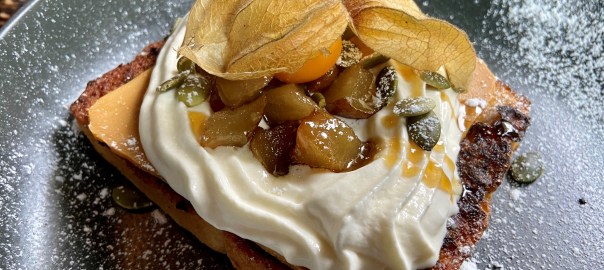
Though I spent much of the week resting, Anna and Andrew offered to take me out for a Senja Roasters brunch on Thursday. How could I resist? I’ve been wanting to try the French Toast ever since I read the description and it didn’t disappoint. It was wonderful, filled with caramel flavours.

French toast , brown cheese and mascarpone whipped
cream, honey, roasted pears, and pumpkin seeds

Our trip did lead to one of those truly embarrassing British moments, however. Thomas is always telling me off for thanking him and I probably still apologise way too often, but this was one of those more toe curling examples. The lovely waitress was explaining to us that there was no cured ham for the Banger Toasts. Instead, they were substituting chorizo. I’m not sure where she was from, but I didn’t quite catch what she said at first. When it dawned on me, I said, in a rather loud voice, “Oh, chorizo!” About one second later, my brain caught up and I remembered that, of course, her pronunciation was almost certainly the genuine article. It was more an announcement of realisation from me than any attempt to correct, but it was one of those wonderfully cringeworthy moments I love to share with you all!

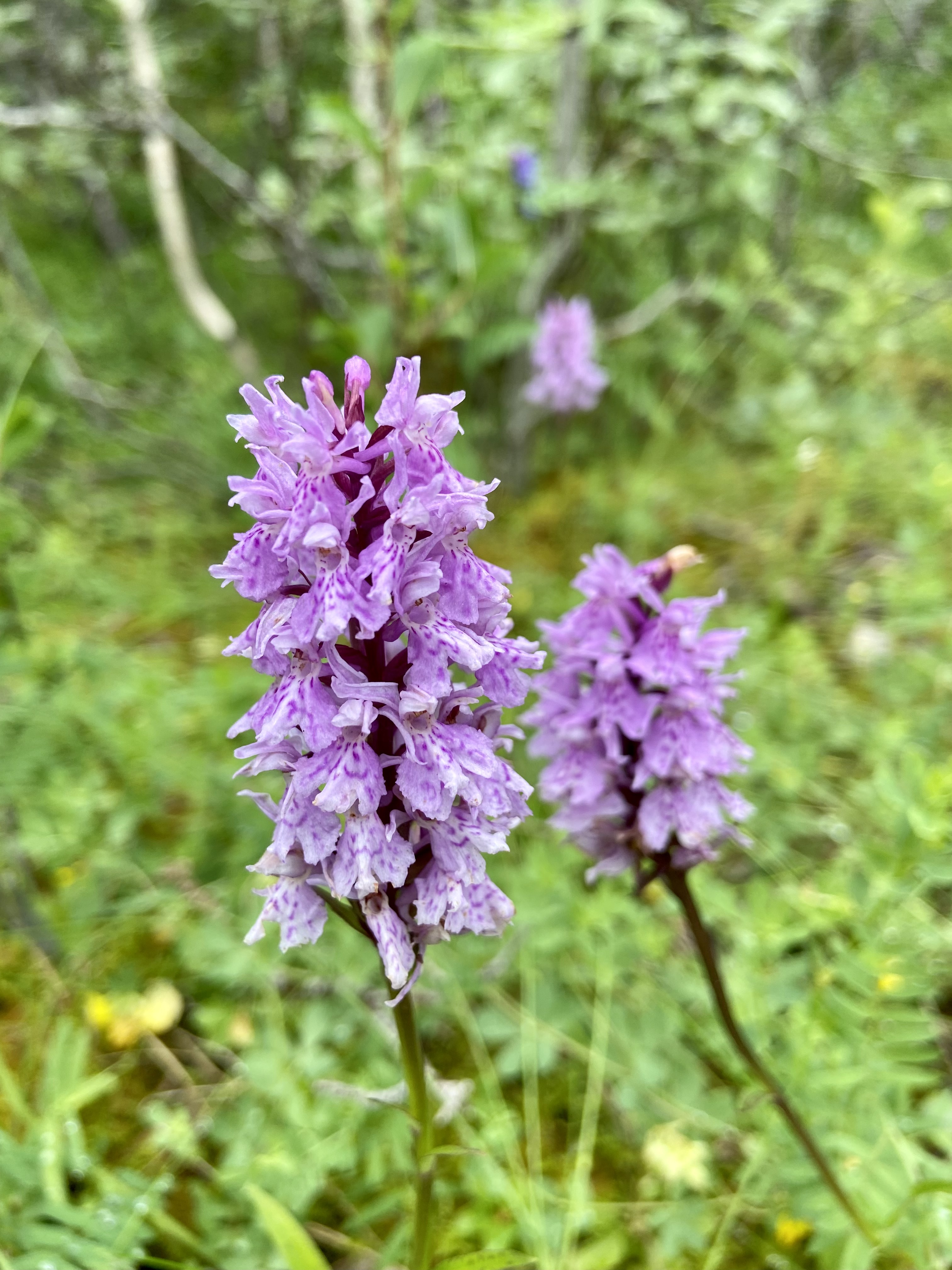
We walked down the track to my favourite beach afterwards. Happily it was between rain showers. Though summer is passing and the green has passed its vibrant zenith, Senja is still stunning. There are orchids and harebells, sandy beaches and misty mountains. And sheep with bells on. What could be more Norwegian than that?

The Good Life

Sunrise/sunset: 04:05/ 21:30. Daylength: 17hr 24mins

I said earlier in the week that if I didn’t post, I’d be swimming in photos by the weekend. Despite doing so, I still have so many things I want to share with you that this will be a whistle stop tour of Tuesday and Wednesday evenings.

There are lots of tunnels in Norway. Many roads which used to go through mountain passes, or clung to cliff edges around insane bends, have been rerouted to go through or under. Sometimes, the old road stays open, either because there is a village or walking area, or otherwise to provide an alternative route in the event that the tunnel is closed.

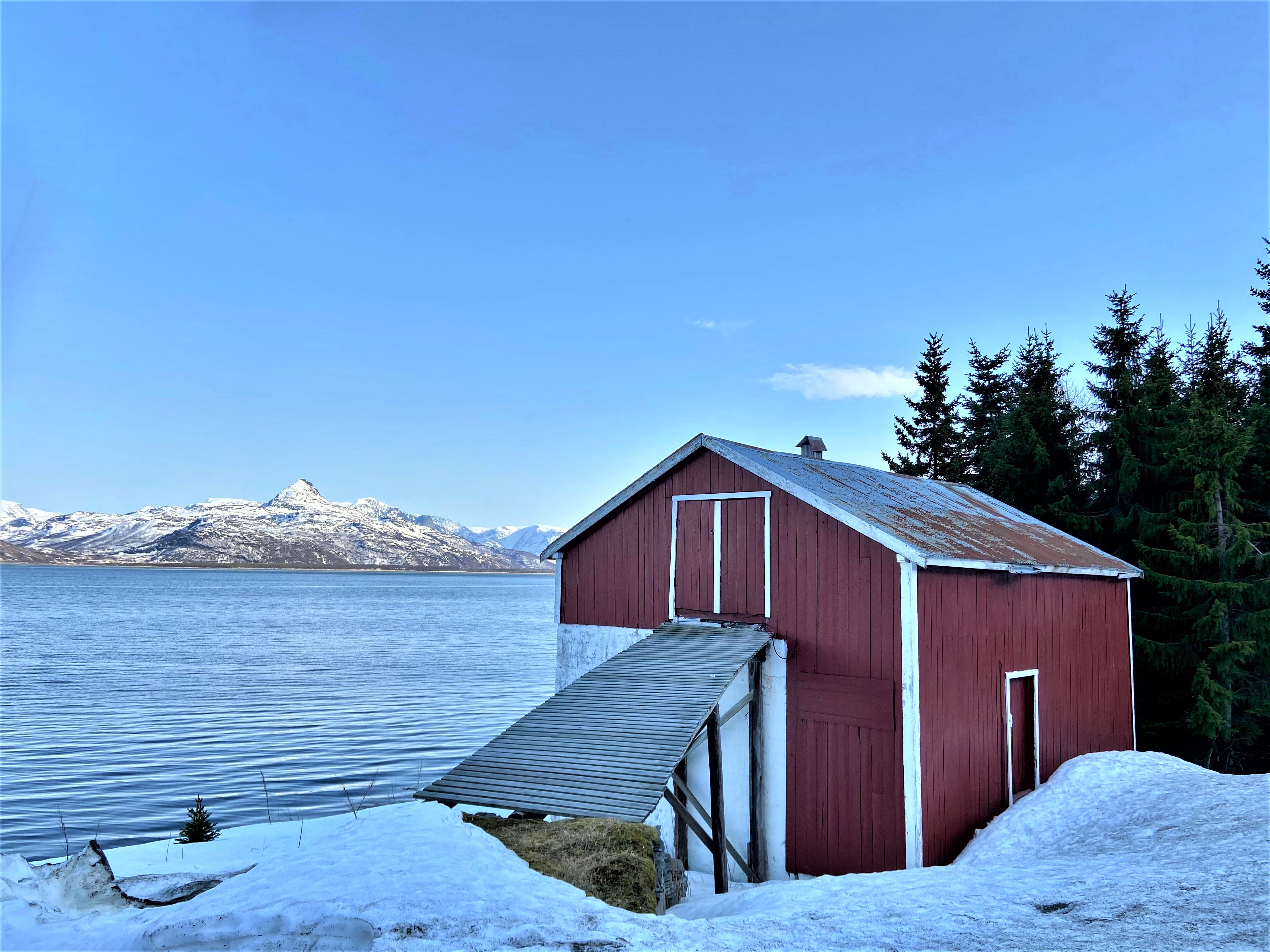
There is a tunnel on the E6 just south of Sørkjosen and Birgit recommended, on Tuesday evening, that I explore the road it replaced. The first section was flat and of the clinging to the cliff face variety. There were road signs reminding drivers not to forget to go round the bends and I wondered how many unwary tourists, distracted by the scenery, had gone over the edge before they decided they really ought to put up notices. The view really was worth looking at. One of the first things I saw was this classic red barn, built into the mountainside above the fjord.

Red barn with fjord and mountains on Jubelen.

The road itself is called Jubelen and Birgit told me that like “Rest and Be Thankful” in Scotland, it was probably named by people who were heartily glad to reach the top of a stiff climb. Shortly after the barn, the road began twisting its way up the fellside. There was a car park at the top, where a frozen lake was surrounded by warnings that it was drinking water and shouldn’t be polluted. The way onwards was blocked for cars and impassable without skis, so I climbed out of the car and decided to take a walk back down the road to take some pictures.

The road onwards was closed to traffic.

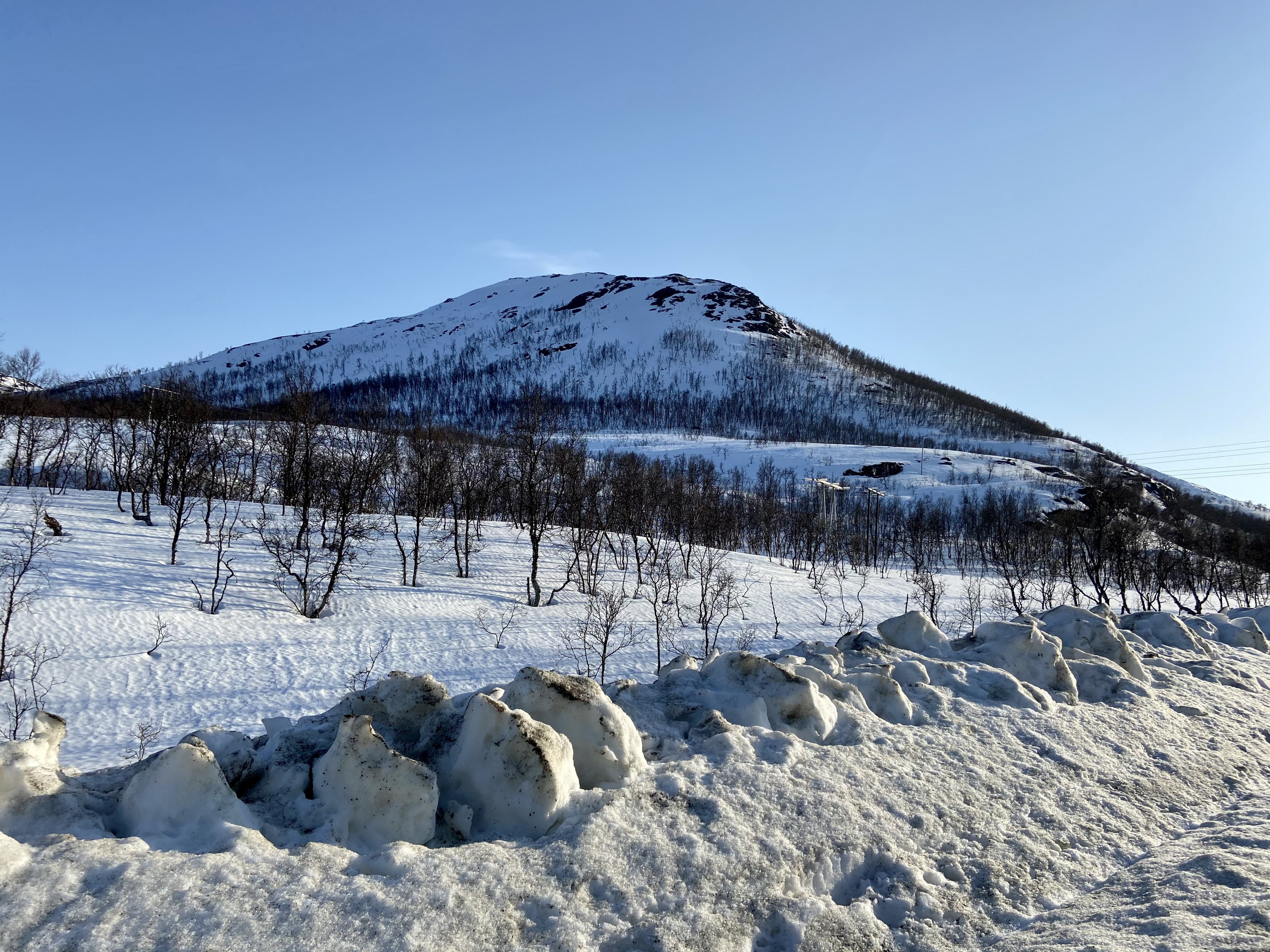
I walked quite a way down the road. It was a bright day and the sunshine warmed my back as I tramped down the hill. I have been noticing, for the past week or so, that there are patches of green appearing through the snow, particularly on banks that face the sunlight. Often when snow disappears, there can be weeks where everything looks brown and dead, but some of the ground cover here is so hardy that in places it is pushing its way through the snow. After months of white, these intense patches of colour are very cheering, as is the wonderful chatter of newly flowing streams that fills the air.

Further down the road, there were beautiful views across Reisafjord to the mountains beyond.

Reisafjord from Jubelem

There was also this wonderful frozen waterfall. I guess it doesn’t get much sunlight, being on the north side of the mountain. A mixed blessing for me as it was hard to photograph with the bright sky above and behind, but I hope you can get some idea of the blue, icy beauty.

It was slower, walking back up the hill. I noticed a few things I thought I’d like to share with those of you who live in warmer places. The roads in Norway are kept remarkably clear, even when there is heavy snow. Gradually the snow builds up on the verges until there are piles so high that in places, you can’t see over them. A friend commented on Facebook that if she was driving here, she’d never get anywhere as she would stop so often, but once the snow arrives, there are very few places you can pull off the road. The laybys and passing places all have to be cleared and side-roads and entrances become narrow and hemmed in.

As the snow has begun to melt, I have noticed that it happens unevenly. Quite often the piled up snow has begun to resemble castle ramparts with regularly spaced clumps of ice perched along the top of the wall.

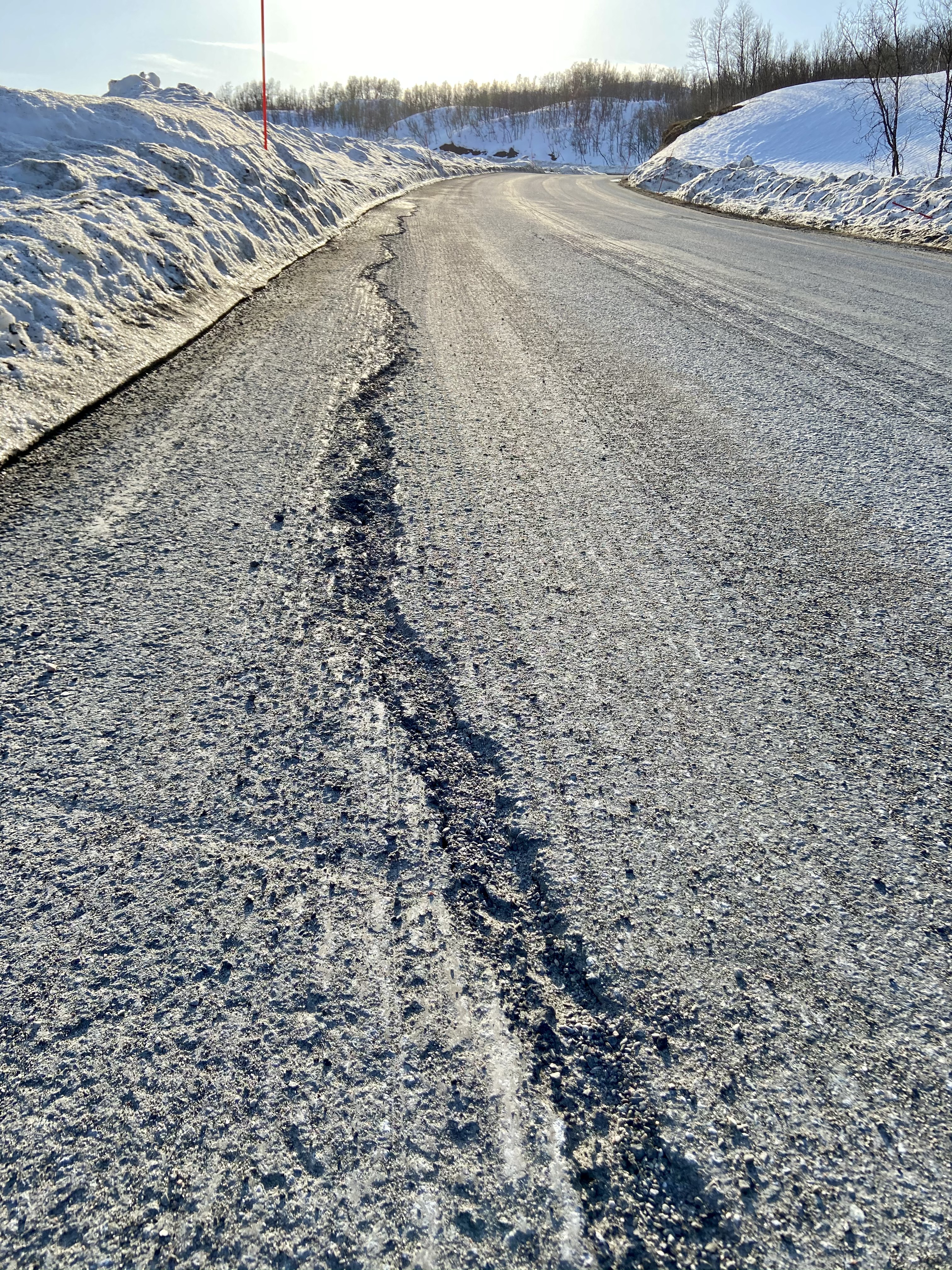
Winter is obviously hard on asphalt. Lots of the newly-revealed roads have deep holes. During winter, they were filled and masked by the hard packed snow and are only becoming apparent as it melts. Long cracks also appear, many of which look like they were patched up last summer, only to have widened again.

For now, the roads are dry, but when it rains, or the snow melts, there is nowhere for the water to escape. And so as we begin to approach spring, those clearing the roads have begun to create gaps in the ramparts so that some of the water can escape into the ground.

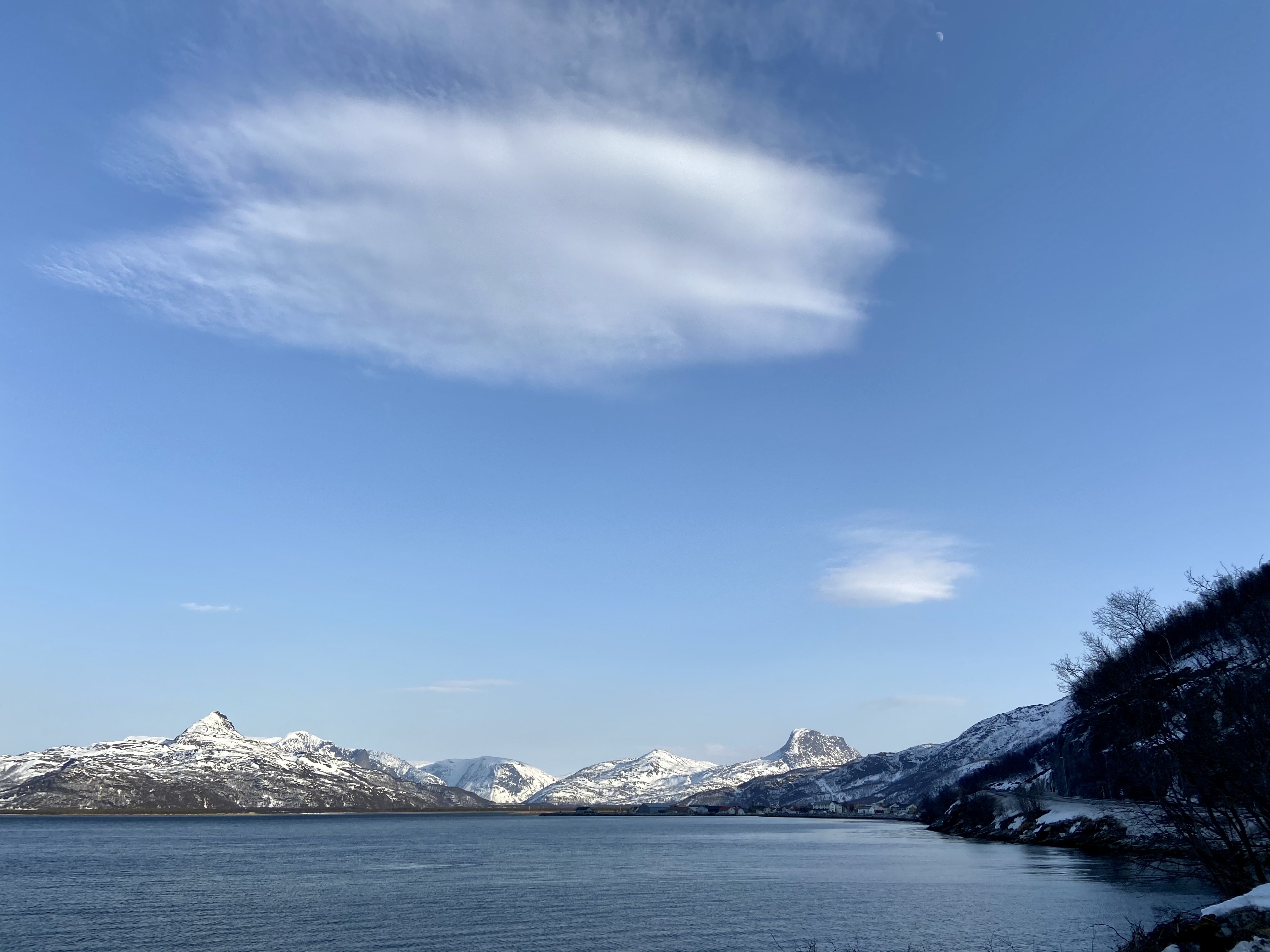
One last picture. As I drove back down and reached the bottom of the hill, I stopped to take another photo, looking back towards Sørkjosen. If you zoom in to the bottom right (thank you Lara!) corner of this picture, you can see the hotel where I was staying!

Zoomed in shot – hotel on the left and the surviving pre-war building opposite

Wednesday night was quite the contrast. As Birgit had warned me on Tuesday, the weather closed in and by Wednesday evening the skies were heavy and there was snow in the air. Birgit had invited me to eat with her at home and so after work, I followed her on the road that led north from Storslett and out to her house.

I have posted about the wonderful red barns here before, and to my delight, Birgit has one of her own.

Birgit’s fjos.

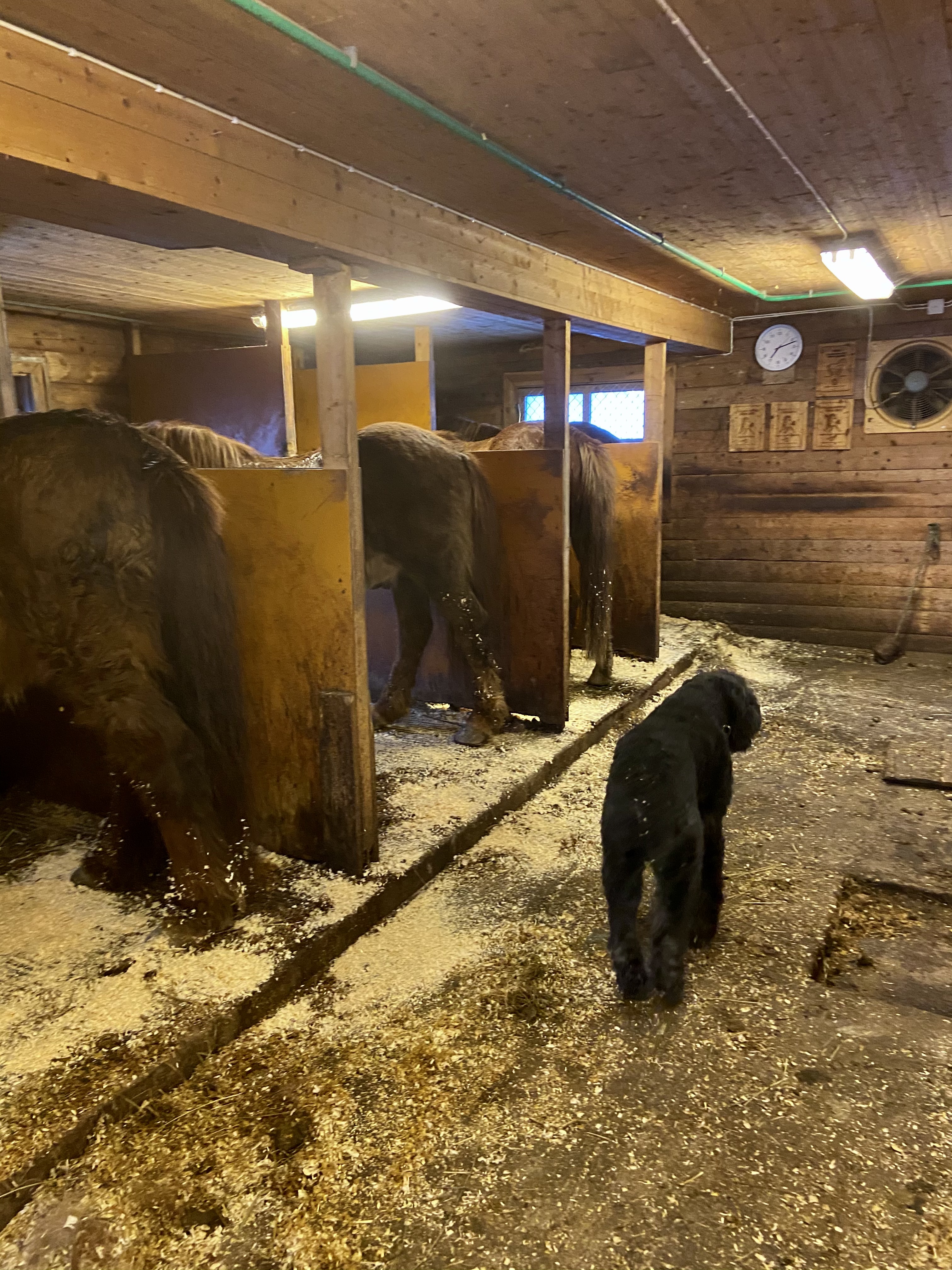
Birgit has a small herd of Lyngshest that she and her partner use for breeding and riding. She tells me that once a week, a group of local pensioners come and ride out with her partner, Geirmund. I have often thought Norway is a good place to grow old (often the ski slopes are free for over 70s) and this sounds like one more wonderful discovery of active retirement. She led me into the barn where we found the farrier working.
This is Rein, who is 22 years old

We went in the house and were greeted by the lovely aroma of food in the oven, and by Birgit’s seven year old Bouvier de Flandres , I Mo. He was as warm and friendly as Birgit herself and very soon, as we stood in the kitchen, he lay down on my feet to keep them warm.

Birgit’s house was wonderfully cosy and filled with photographs of horses and Birgit and Geirmund’s family. Her children, like mine, are mostly grown up, but as we walked into the living room, we were greeted by one of her two cats.

Tigra is three years old.

Once the farrier was finished, Geirmund came in and we ate together. After that, Birgit took me on a proper tour of the barn, or fjos, as it is called here.

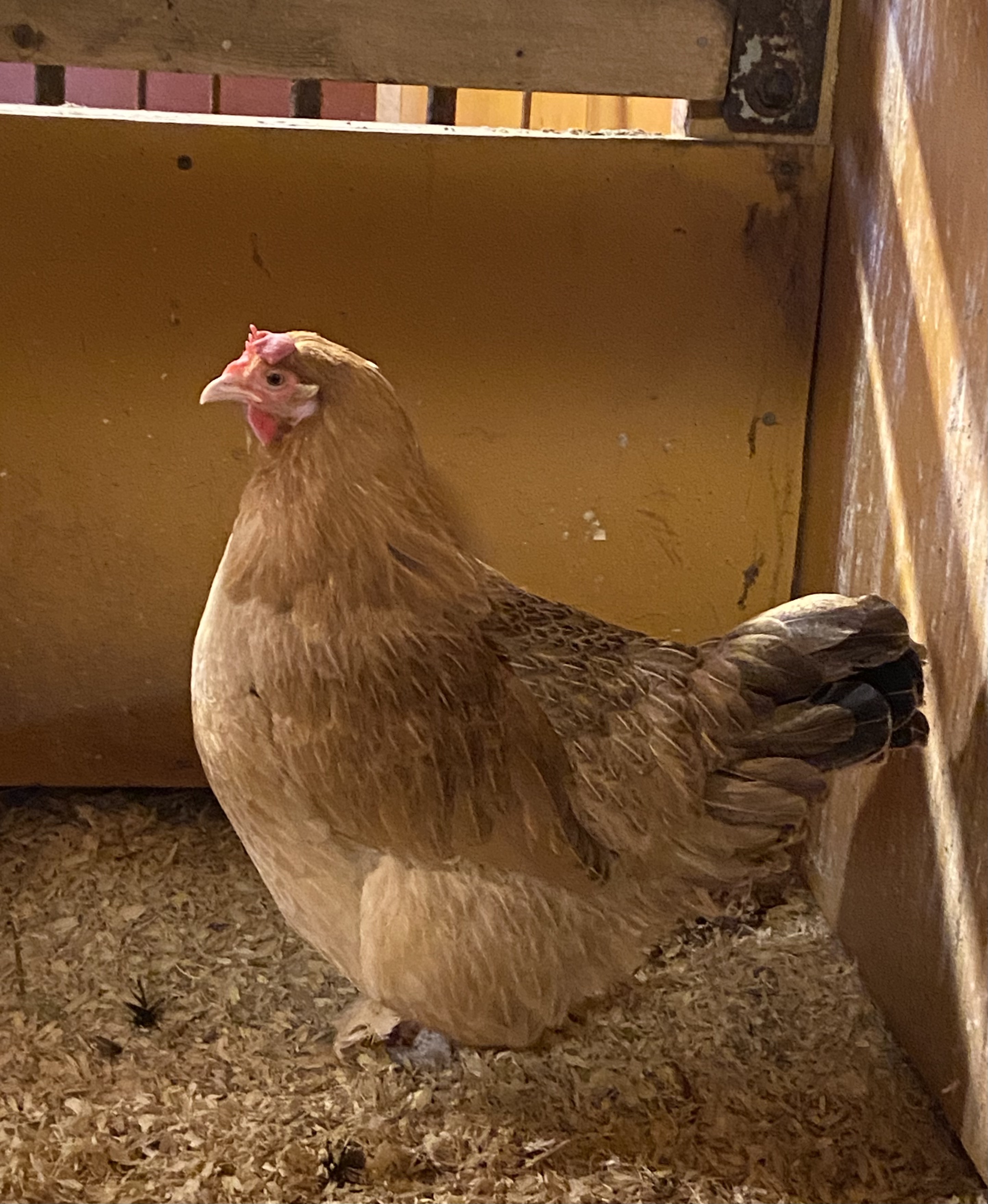
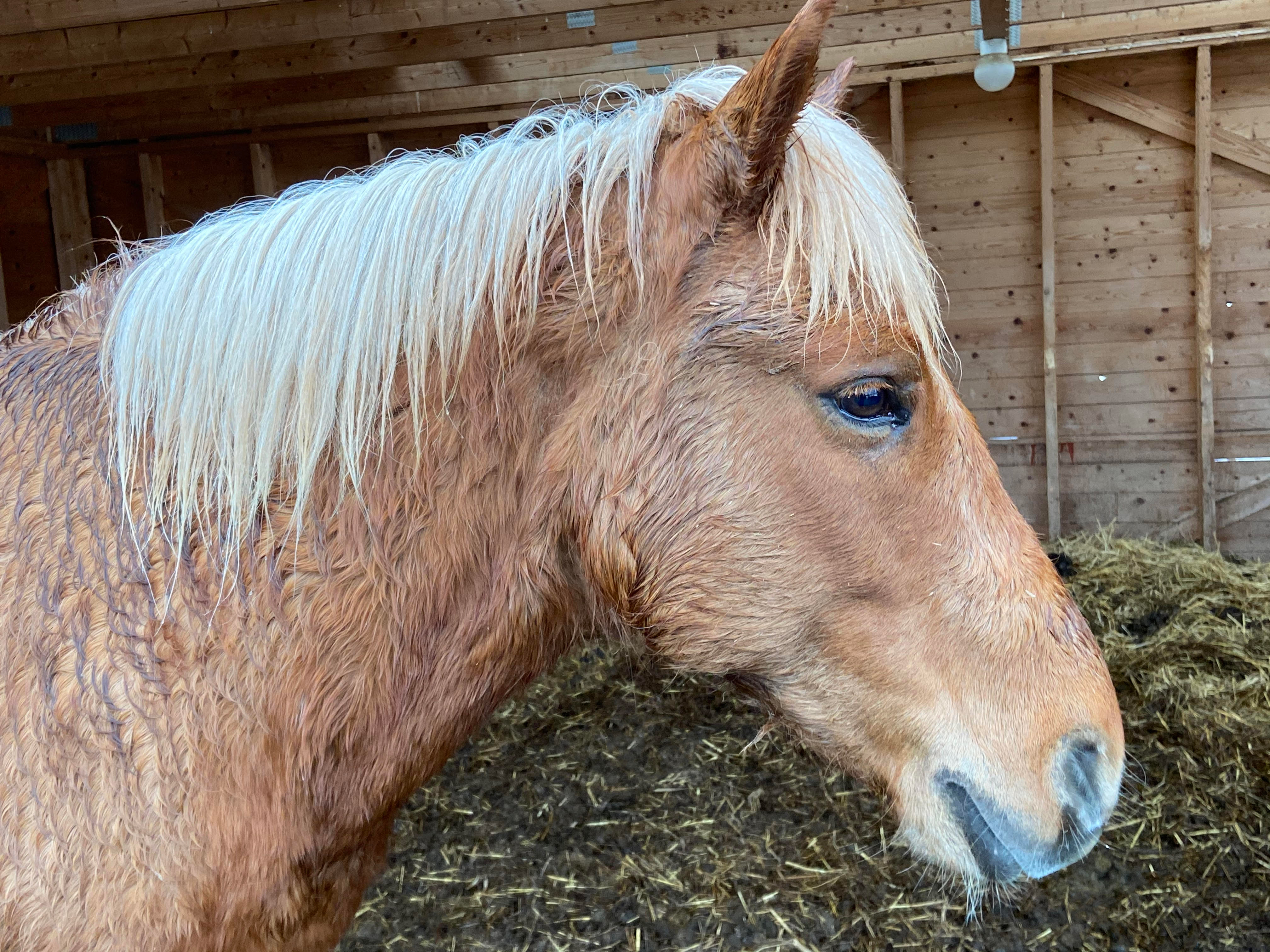
It felt like a slice of heaven to me. As well as the older of the Lyngehest tied up in stalls there were chicken and sheep. Lead ropes and sheep-bells hung on the walls and there was the sweet smell of horses and hay.

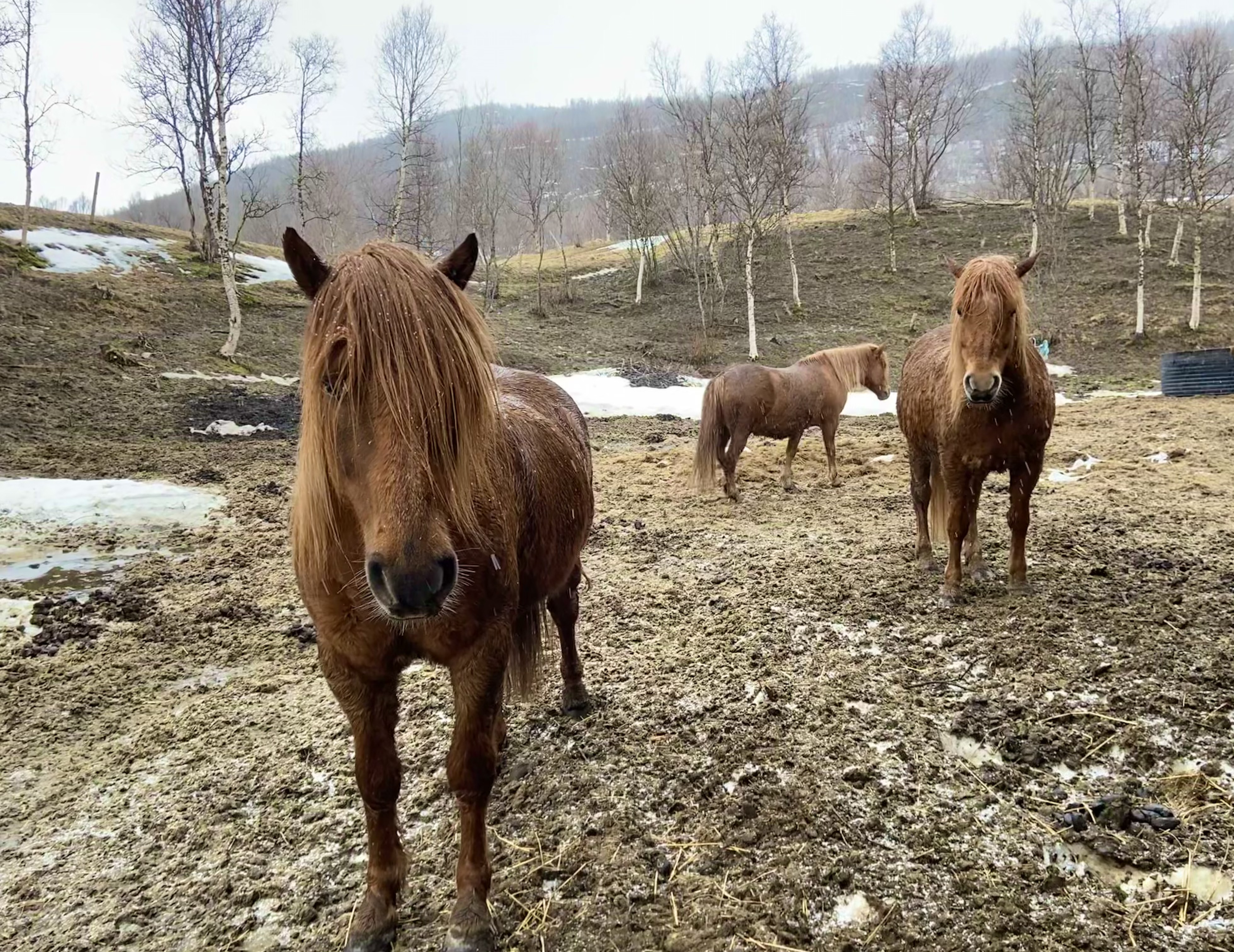
The younger horses are outside. Despite the patches of snow and the dampness of the ground as it melts, they too seemed to be thriving. Birgit tells me they are very even tempered and cheerful, even when faced with injury or difficulties.

This beauty is Reisa Virko. Virko is Sami and means lively.

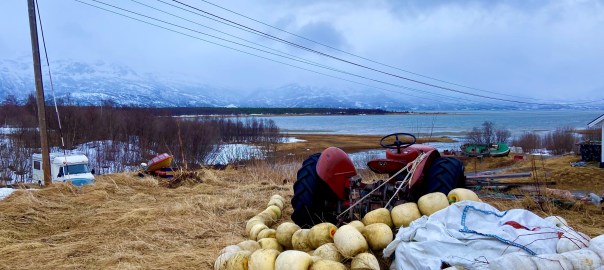
Despite the mud and the snow, we went for a short walk afterwards down towards the fjord. I stopped to take the photograph of the tractor and floats. I saw them on top of a bank as we walked past and I couldn’t resist. Farming and fishing, thrown together, old, but probably still working. Note also the boat with the green deck in the background. The far side is filled with holes, but perhaps there are parts that can be used. And you can also see the ubiquitous wires that spread over so much of the landscape in Norway. Often I try to photograph round them, but here I felt they were very fitting.
As we passed the tractor again on the way back, Birgit told me that in winter, there was an otter slide on the bank beside it. Presumably the otters will head into the fjord shortly for the summer, if they haven’t already gone. As for me, I hope that I will be back here very soon. Thank you Birgit for a lovely evening.