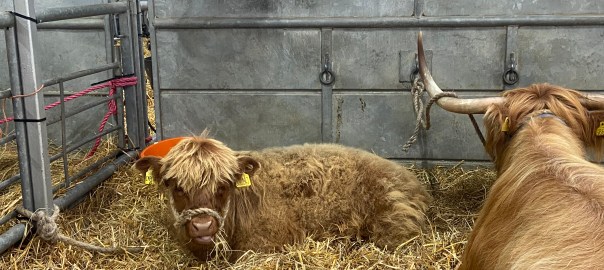
It’s been a good week. I stayed in Dumfries last weekend and, on Monday morning, I visited a farm that was only half an hour away. Ben accompanied me on the visit. It’s a farm that has just moved over to pullet rearing, so taking on chicks that will ultimately become laying hens. They come to the farm shortly after hatching and will be there until they’re around 15 weeks old. Then they will move on to a new farm.
Newly hatched chicks are gorgeous and these were too. They were in a Landmeco rearing system. They are currently running around the area which will eventually be a raised platform for them to jump on and off. For now, what will eventually be ramps to run up and down, are raised up as fences, so they are in a small, raised enclosure, with heat lamps and food and drinkers. By the time they are 15 weeks, they will have the whole barn. They really do grow fast!
On Wednesday , following up on another case from two weeks ago, I managed to get hold of the vet that works in an abattoir in Yorkshire, where a client with layers sent his flock after the end of their laying period. There had been higher mortality than he was used to (though he was still within normal levels) and I wanted to see if we could pinpoint what was happening. Unfortunately there was no stand-out cause highlighted, though in another way that’s good, because most of his birds were healthy. Having spoken to Naomi, I have recommended to him that he might need to give them extra calcium and vitamin D support later in their lay. Creating eggs, especially at high levels, uses a lot of calcium. Anyway, I will speak to him next week about what we found (or didn’t) and take it from there. I will do another visit when he gets new hens in, which probably won’t be until September. There’s a rhythm to poultry practice, and cycles for the clients which will be the heartbeat of much of my work.
I was due a visit near York yesterday and Ben suggested I could travel South on Thursday, so I arranged a visit to the APHA lab at Penrith to meet the vets who will be doing some of the pathology for my clients. We do a lot of post mortems in the practice (and on the farms too) but sometimes it’s important to get an outside opinion, especially in difficult or rapidly evolving cases. You perhaps have already picked up on the fact that a lot of my job is finding out why chickens or hens are dying. Very often, there are no signs of illness, or they go downhill so fast that, by the time you can see something is up, it’s already too late.
My patch is to be in Cumbria, so it makes sense for my clients to take samples to Penrith. There’s also a pathologist working there who spent a long time in poultry practice. I think he also gave a talk at the Poultry Health and Welfare course I attended last year. I will need to double check my notes. Anyway, it was good to meet them, have a coffee and see around the lab. Having a wider network of specialists I can talk to, whose knowledge is complementary to mine is something I am aiming for. The more I learn, the better I can serve my clients and help their birds to have a better life.
Friday’s visit was to more pullet chicks. The visit went well. Unlike Monday’s farm, where the farmers are just starting out with pullets, this was a farm with an experienced manager, though the sheds were older, which can bring its own problems. The guidance there was more about technicalities such as reducing the humidity in one of the sheds, which is at the wetter end of the farm. Like us, birds feel the heat more when the air is damp and humid. More ventilation is usually the answer, but it has to be balanced because the birds shouldn’t be in a draft. Building good barns is a very skilled operation.
As regular readers will know, I’m still based mostly in Dunfermline at the moment, though the aim has always been for me to return to Dumfries and work from home. There are a few barriers to that, the main one remaining being that my laptop still can’t access the practice database. Nonetheless, things are moving on, and for Friday’s visit, I drove the practice van instead of my car. I got to the farm okay, having basically ignored the screen in the van’s central console, that was asking me if I wanted to know more and set up an account. Rather than trying to do it as I left the farm (hardly good to be found at the end of the road, trying to work out how to use the equipment) I decided to stop for some lunch along the way and try after I’d eaten.
I stopped at a cafe called G&T Ice Creams, but when I asked about ordering food, I was told the lunchtime service was over and I now had a choice of coffee and cakes, or ice cream. With Fat Friday in mind, I decided on a lunch of Brownie Sundae and did not regret my choice at all.
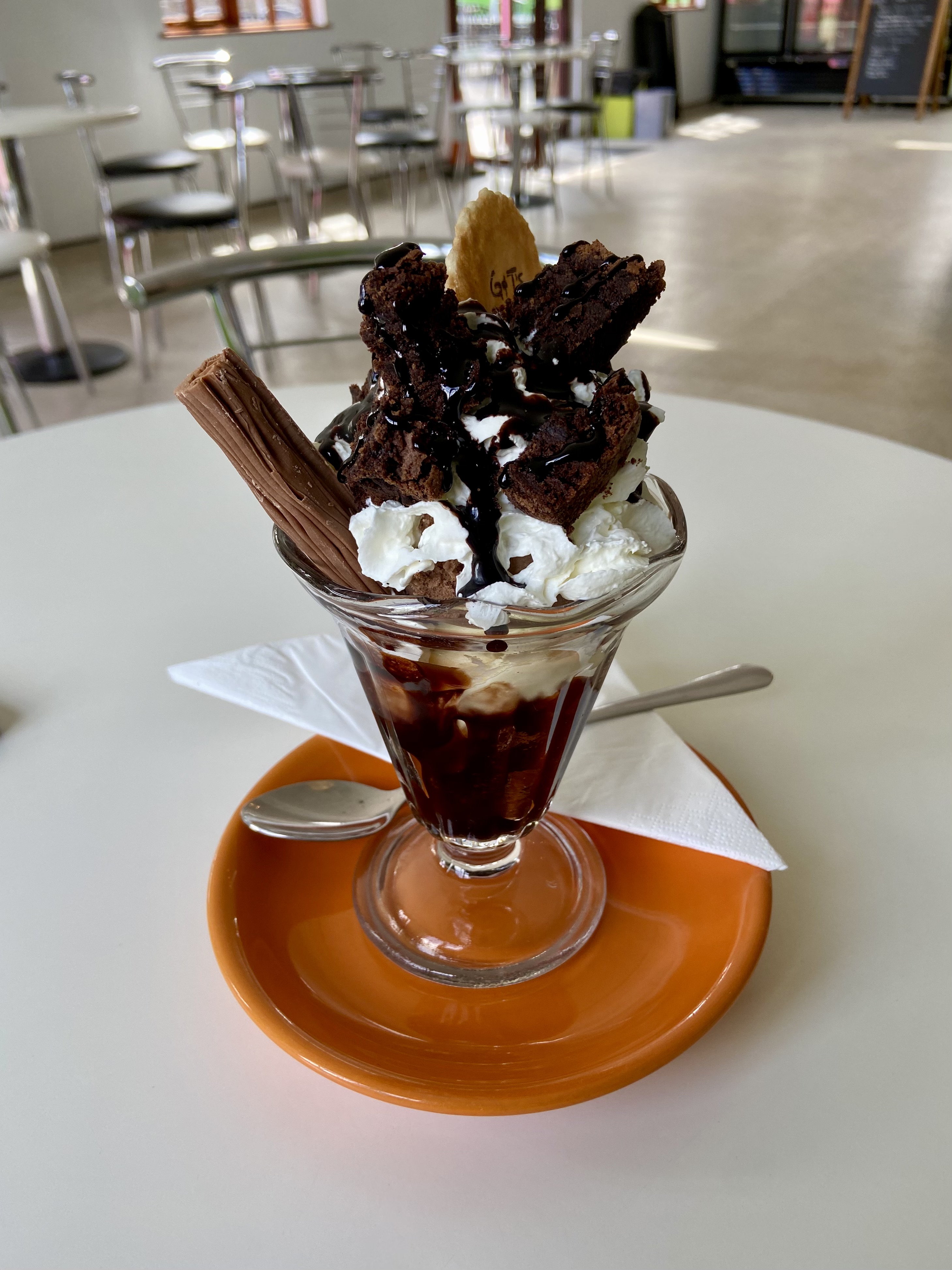
It was only when I got back into the van, that I accepted it was time to bite the bullet and explore the van’s interface. I started out with the tutorials, which didn’t seem that helpful, so I moved on to setting up a profile. It asked me to connect my phone, so I toggled the Bluetooth on my Samsung work phone (another piece of equipment I’m still trying to work out) and paired them. To my delight, the screen then paired with my phone and the Google navigation map was suddenly there, on the screen in the van.
I had managed to switch from Classic FM to Smooth Radio in the morning and for a few minutes, I drove blissfully through the heart of the Dales guided by an easy to follow map, with Berlin’s Take My Breath Away soothing my ears. It was lovely until I glanced at the dashboard to check my speed and saw the figure 80. For a second, I felt consternation. It was only a small road. How could I be going so fast without realising? My brain then connected the dots and worked out that my speed wasn’t the problem. The switch to my phone had somehow changed the dashboard from mph to kmph.
I drove on for a few minutes, thinking I could manage. 80 was, I knew, 50mph as that was the national speed limit in Norway, but as I entered a village and it quickly moved to 40, then 20, I realised I was going to have to try to work out how to change it back.
Of course, many computer complications can be sorted out by asking Google how to fix them. Back on my trusty Apple phone (I know how to work that one) I quickly found out how to toggle from km to m, but by the time I’d done that, somehow Smooth Radio was gone and I was being offered a podcast called “Democracy Now”. This wasn’t quite the soothing background sound I was looking for. It was around this time that Eleanor (Inchcolm’s receptionist) called me and asked me if I could do a farm visit in Jedburgh on Monday. After mentally adjusting my calendar again (no point in going north, only to drive south again) I agreed and the call ended.
Eleanor then sent a message with the details, and it was at that point that the van, or maybe the Samsung, started talking to me. Its offer to read me the message didn’t go that great. After I’d agreed to hear it, it told me the message consisted only of a photo. But while it was listening, I thought I would seize the moment, so I asked it to play Smooth Radio. It agreed that it could carry out my request, but asked if I wanted Smooth Radio via Spotify or YouTube or various other channels I’d never heard of.
While I was still contemplating the idea of listening to Smooth Radio through Spotify, the conversation ended and by the time I spoke to the van (or more likely the Samsung) again, it had stopped listening. I carried on through various picturesque towns, such as Pateley Bridge and Grassington. Their narrow streets required all my concentration anyway. It was only when I passed by Airton and got out onto the open roads of the moors above Settle that I decided that, rather than trying to get Smooth Radio via Spotify, I could go directly to Spotify itself and play something I really wanted to hear.
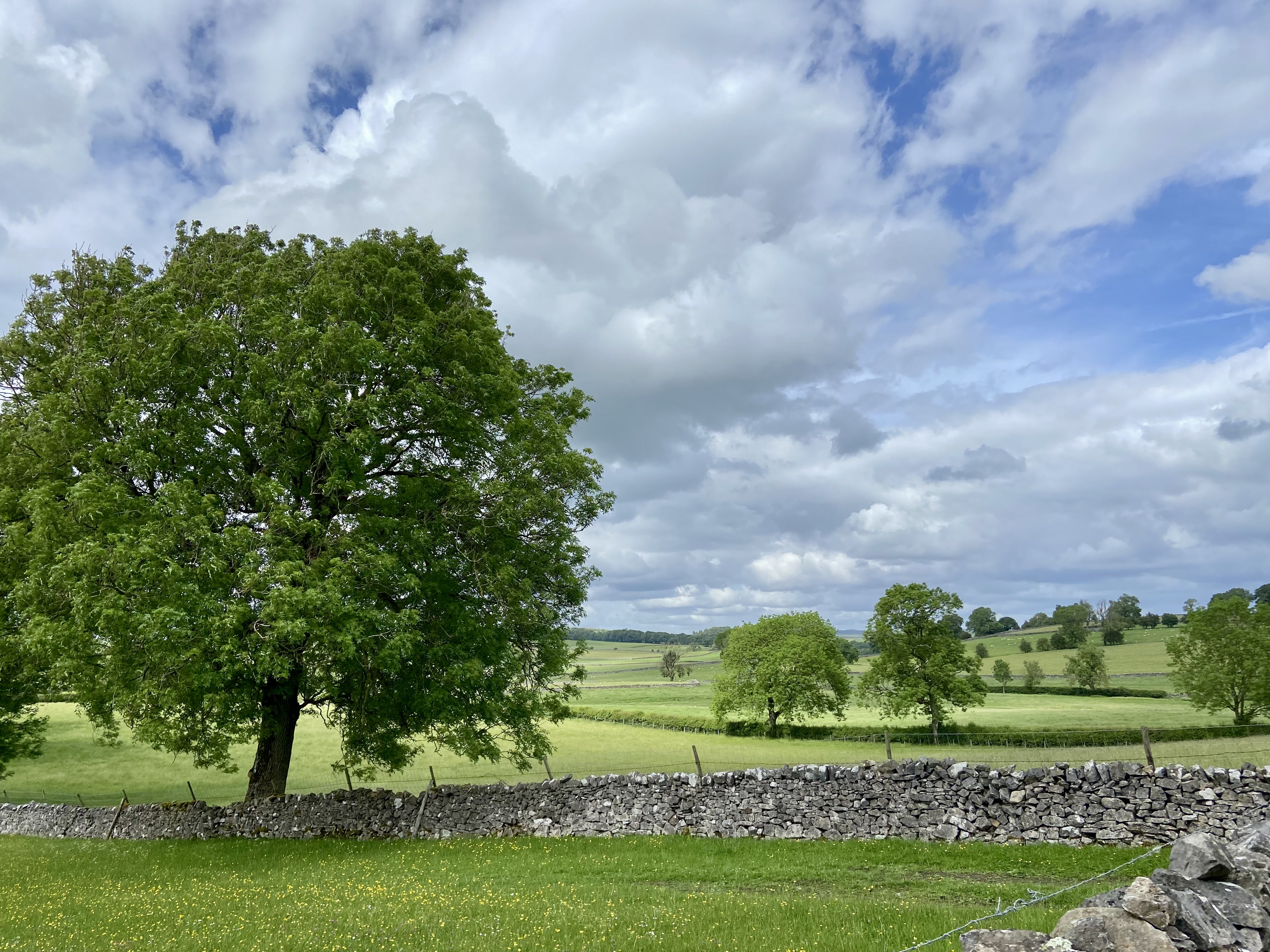
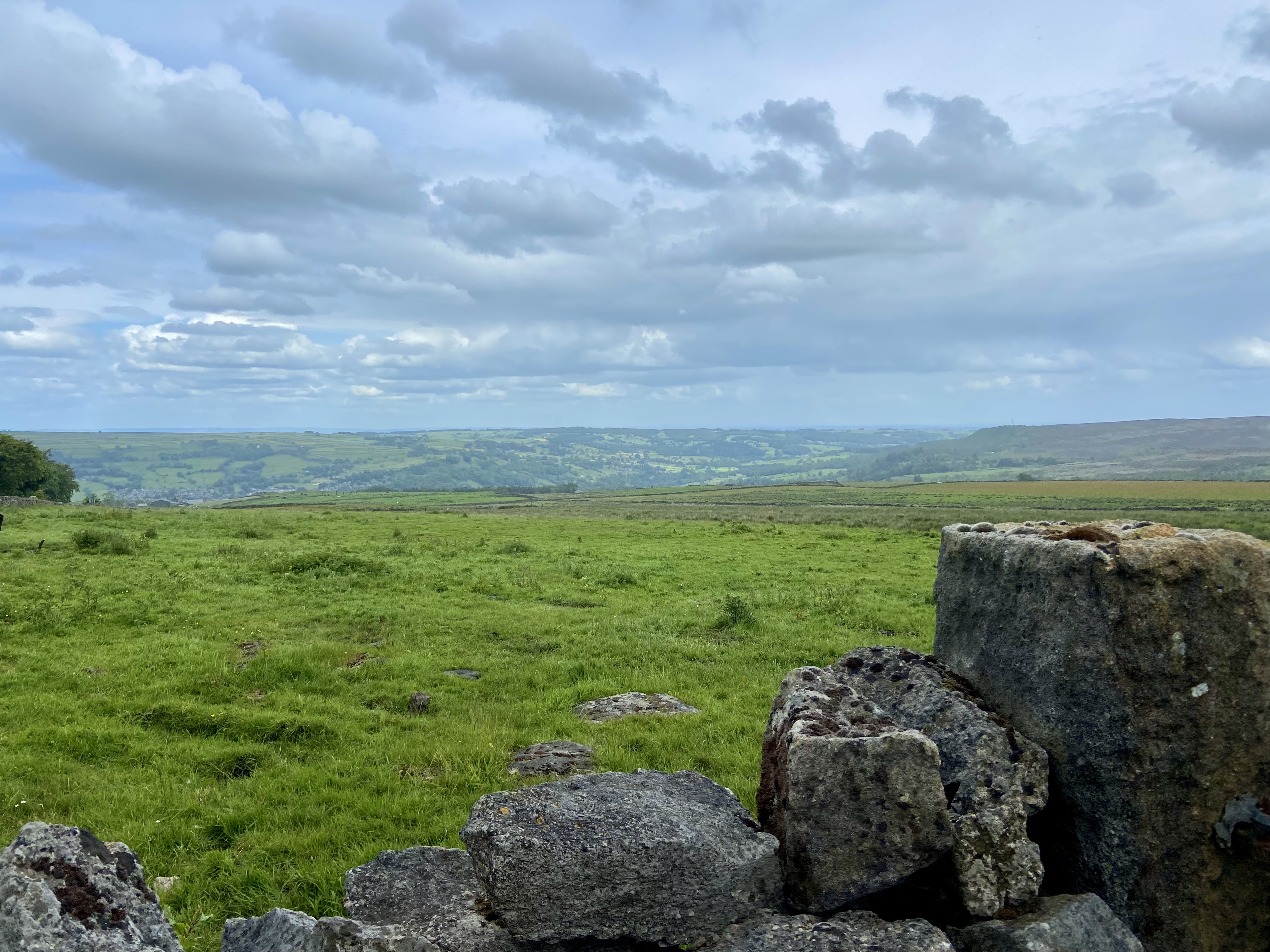
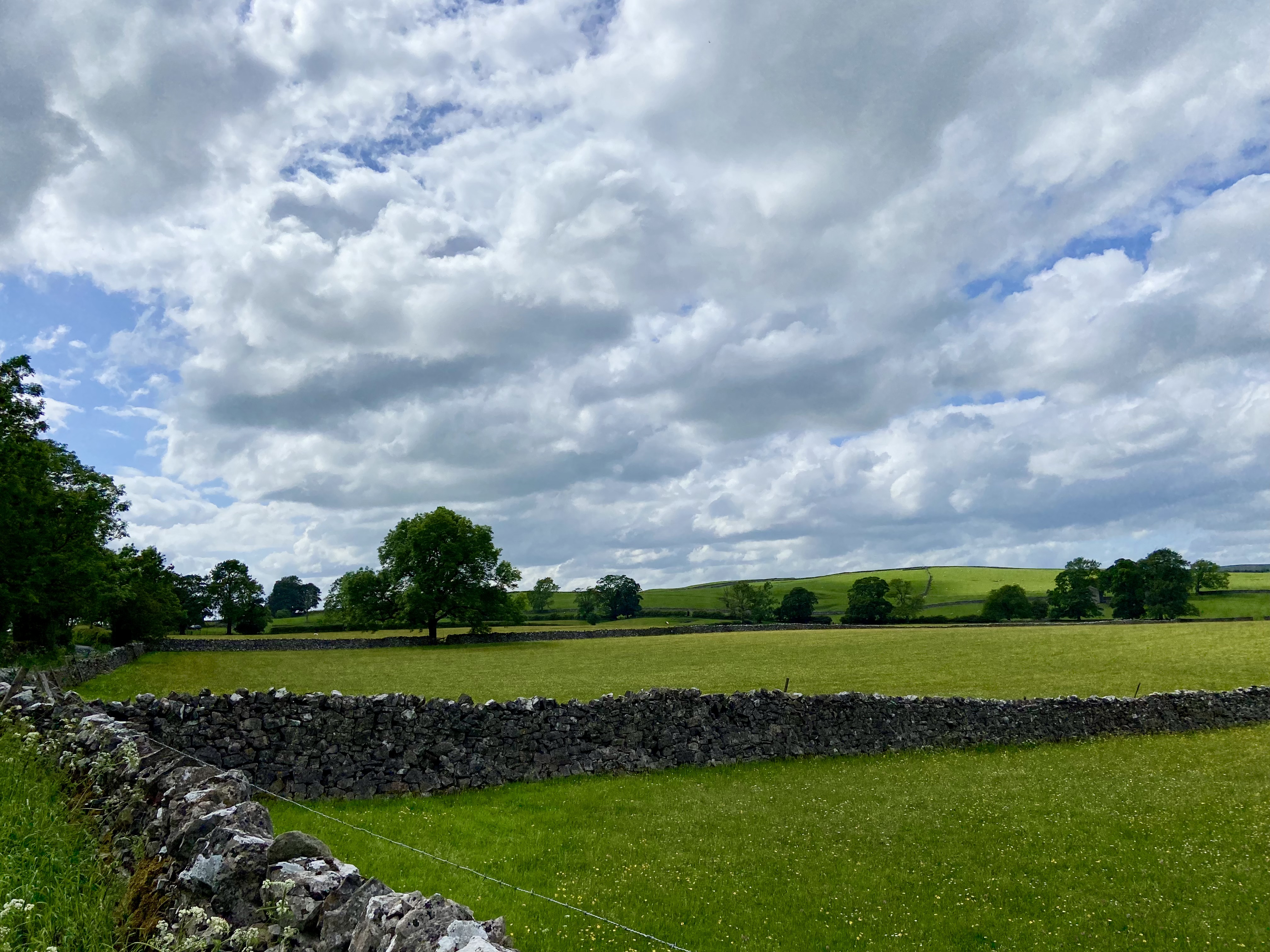
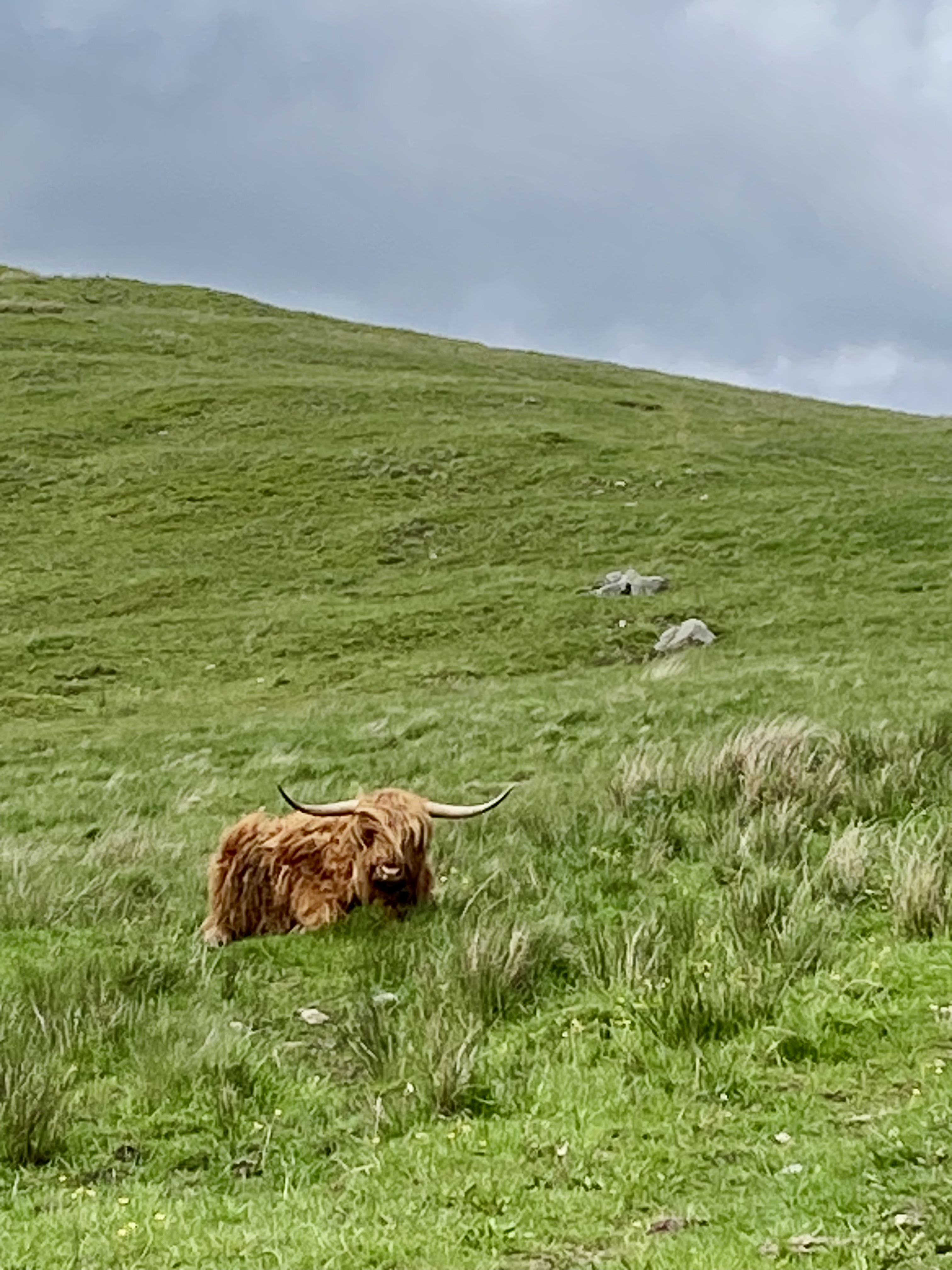
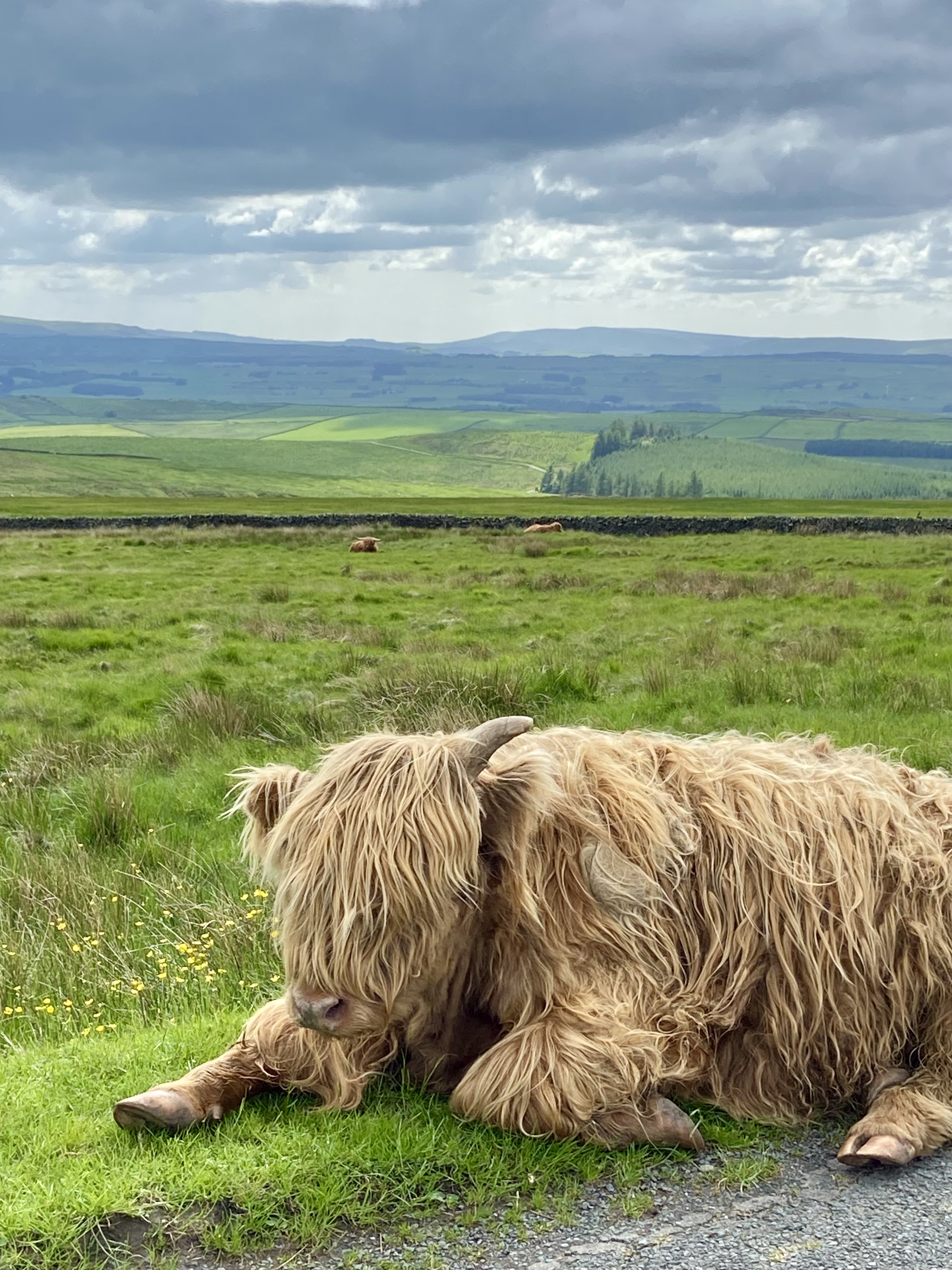
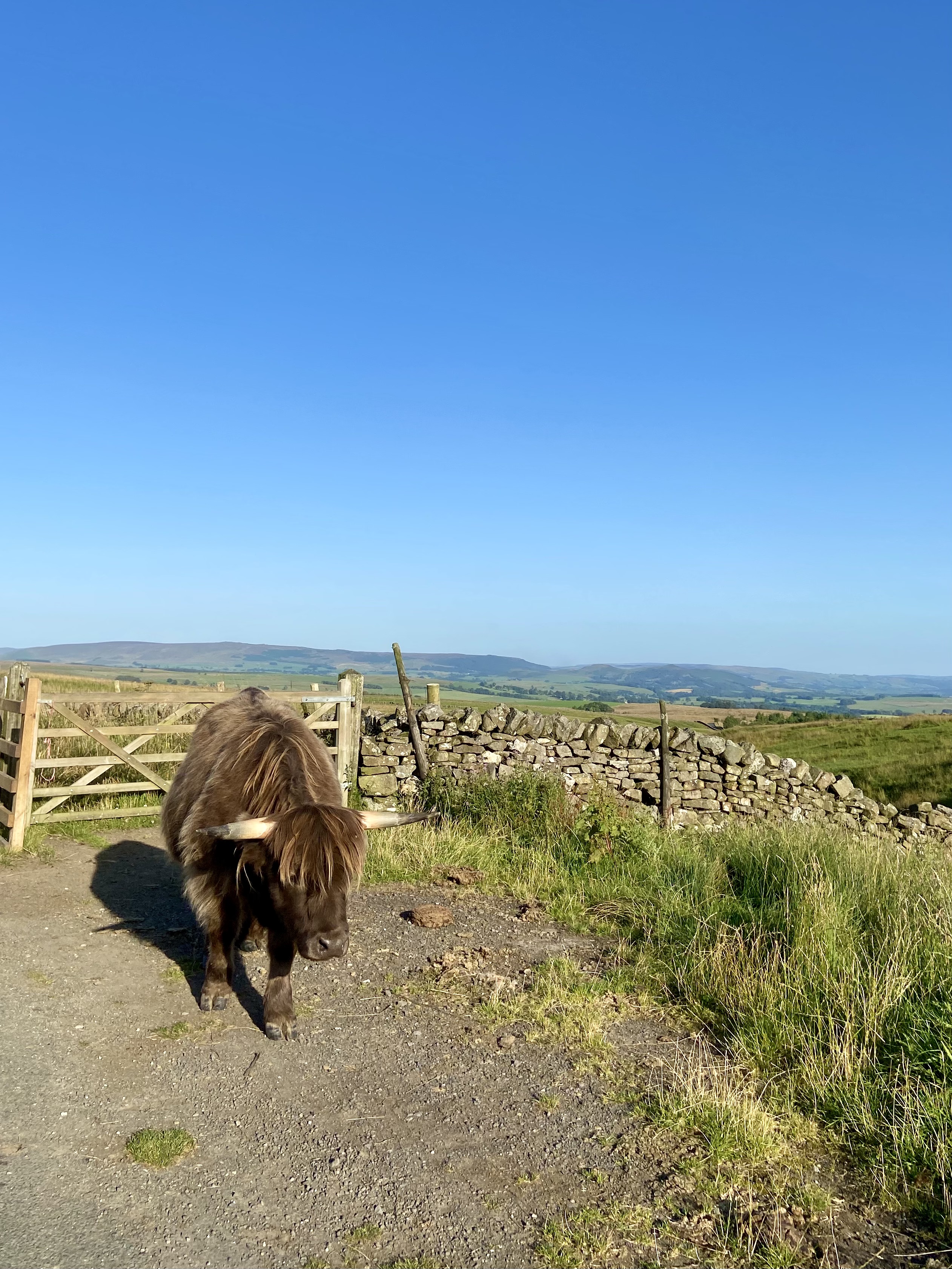
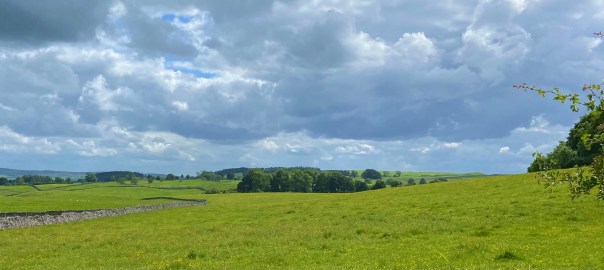
There were some risks in that. On several occasions, while trying to adjust things, I had lost the reassuring map, but realistically at this point, I probably knew the way home anyway. And so, as I drove across the wonderful moor, with its Highland cattle and vistas over Wharfdale and Ribblesdale (I think – sounds Herriotesque and therefore good anyway) I did so, with map intact, listening to Lewis Capaldi’s, “Stay Love,” a wonderful return to form from him, that perfectly suited the scenery.
Anyway, it’s time to go now, but I will leave you with some photos from yesterday’s journey. Thanks for reading and I hope you have a good week.