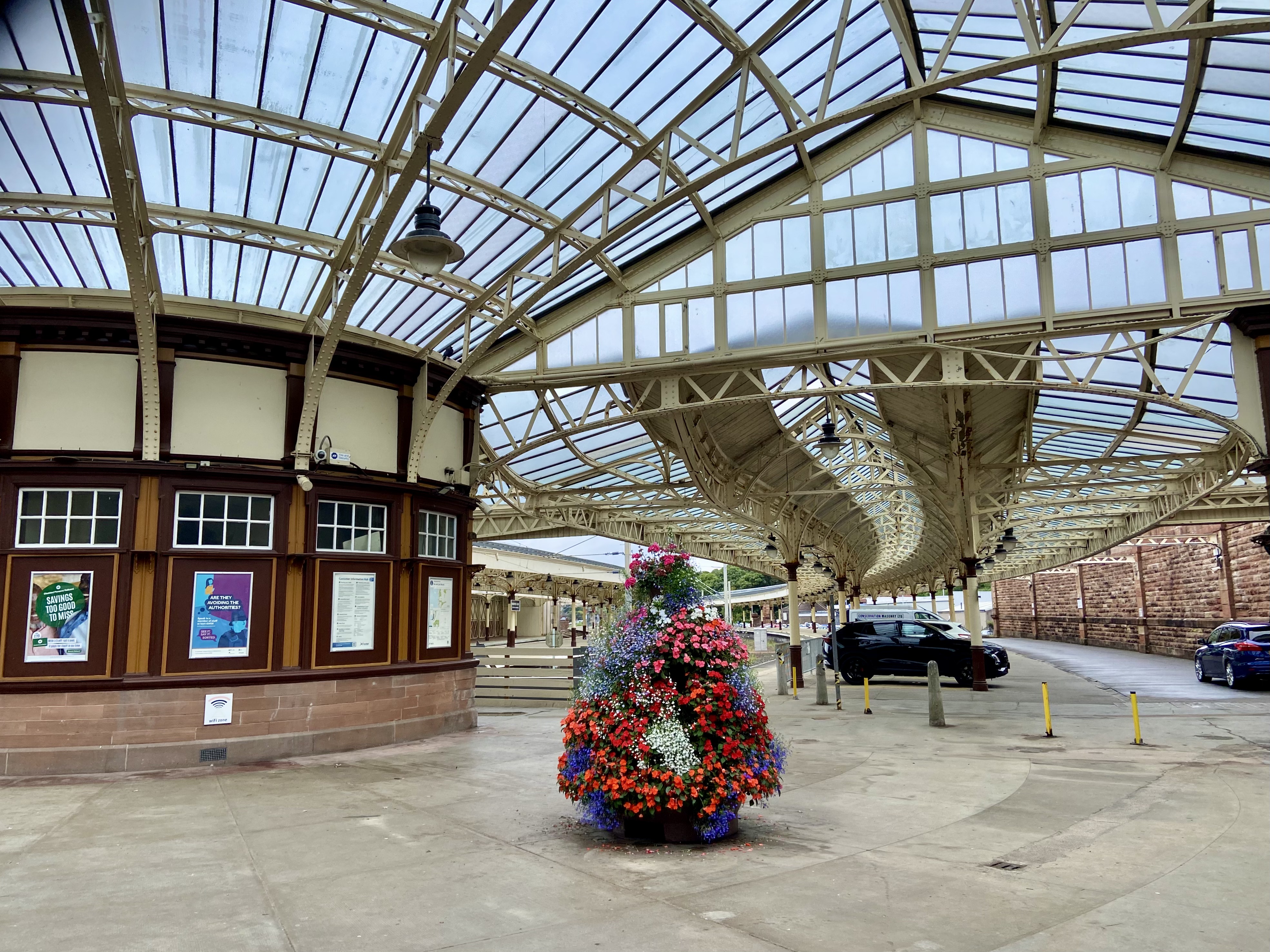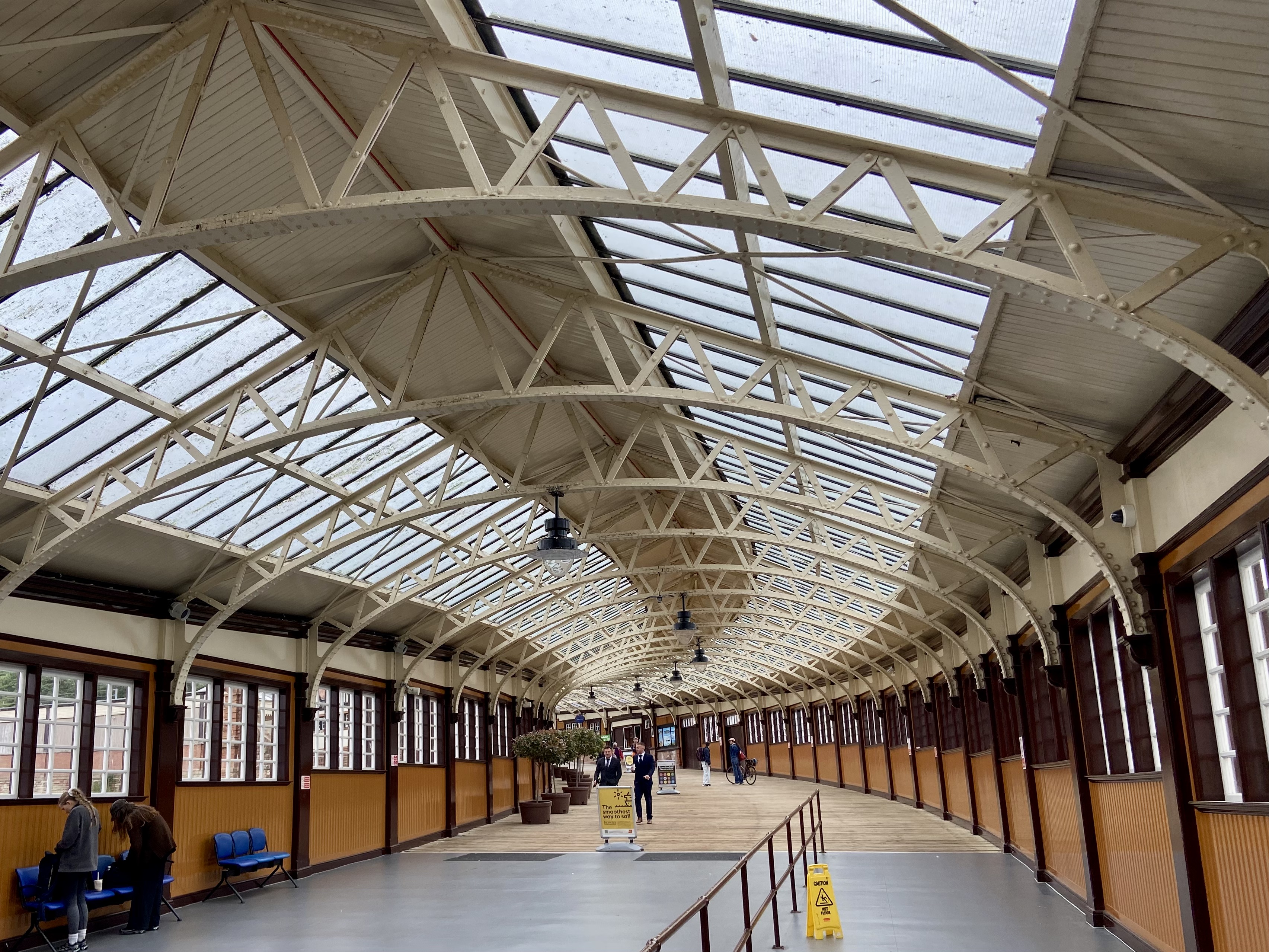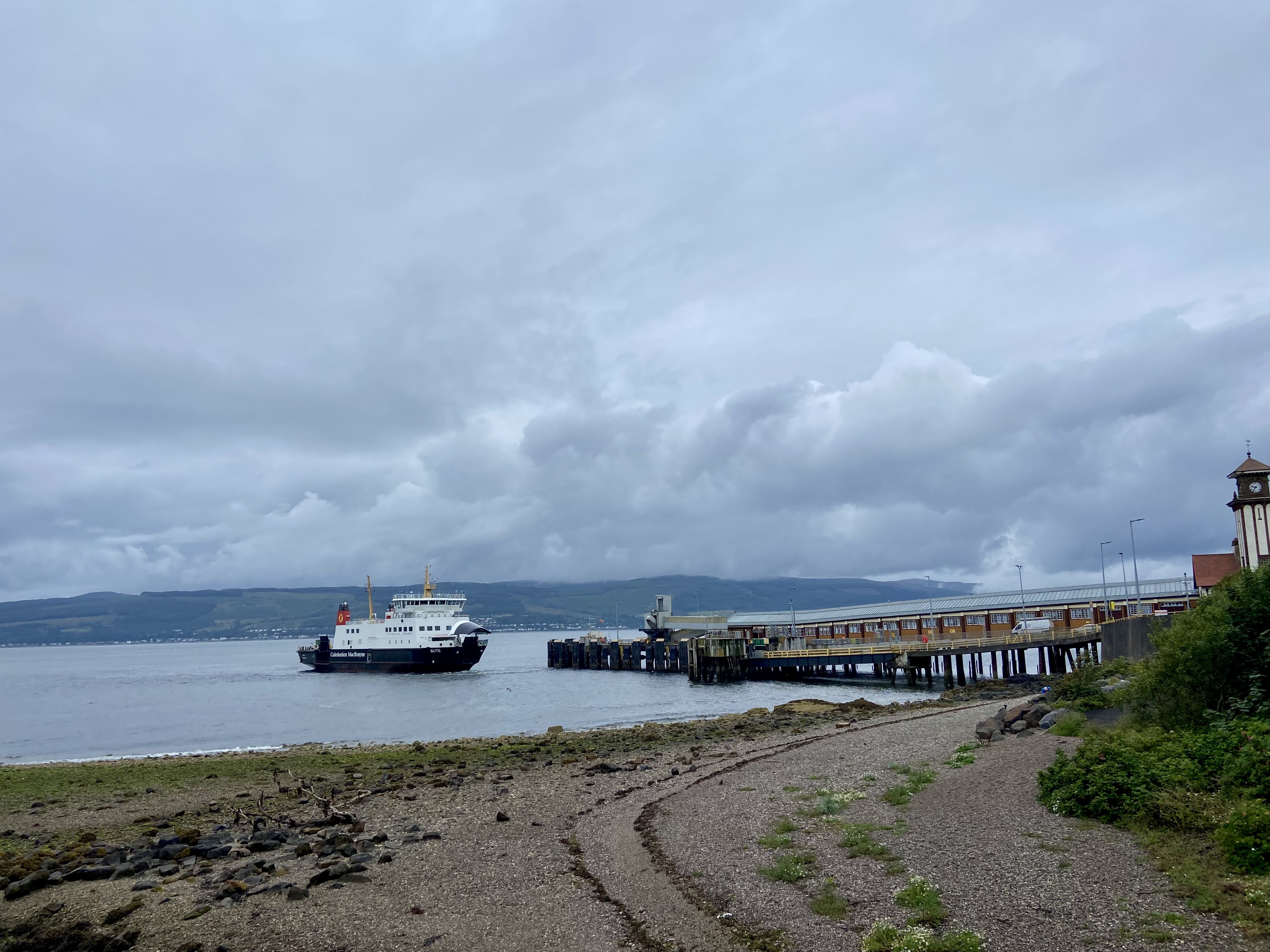
This morning, I’m listening to the sobbing of gulls outside the window, but I’m not at the seaside. I’m in the heart of Paisley, which is a few miles west of Glasgow, though there’s no longer really any gap between the two. My friend Lara has kindly lent me a bedroom in her flat there while I’m working in Glasgow.
City life is certainly very different. To get to work in the morning, I take the train into Glasgow Central, then walk twenty minutes or so to Shamrock Street. The work is also very different from what I’ve been doing. It’s odd because I had occasionally (and rather regretfully) thought I would probably never do surgery again as I was unlikely to return to practice, but here I am, doing surgery all day from nine in the morning until five in the evening. It’s very intense. On Thursday, I did four cat castrations, three dog castrations, two cat spays (one midline) and a bitch spay. I’d have done the same yesterday, but two of the cats didn’t turn up, so my day was marginally easier.
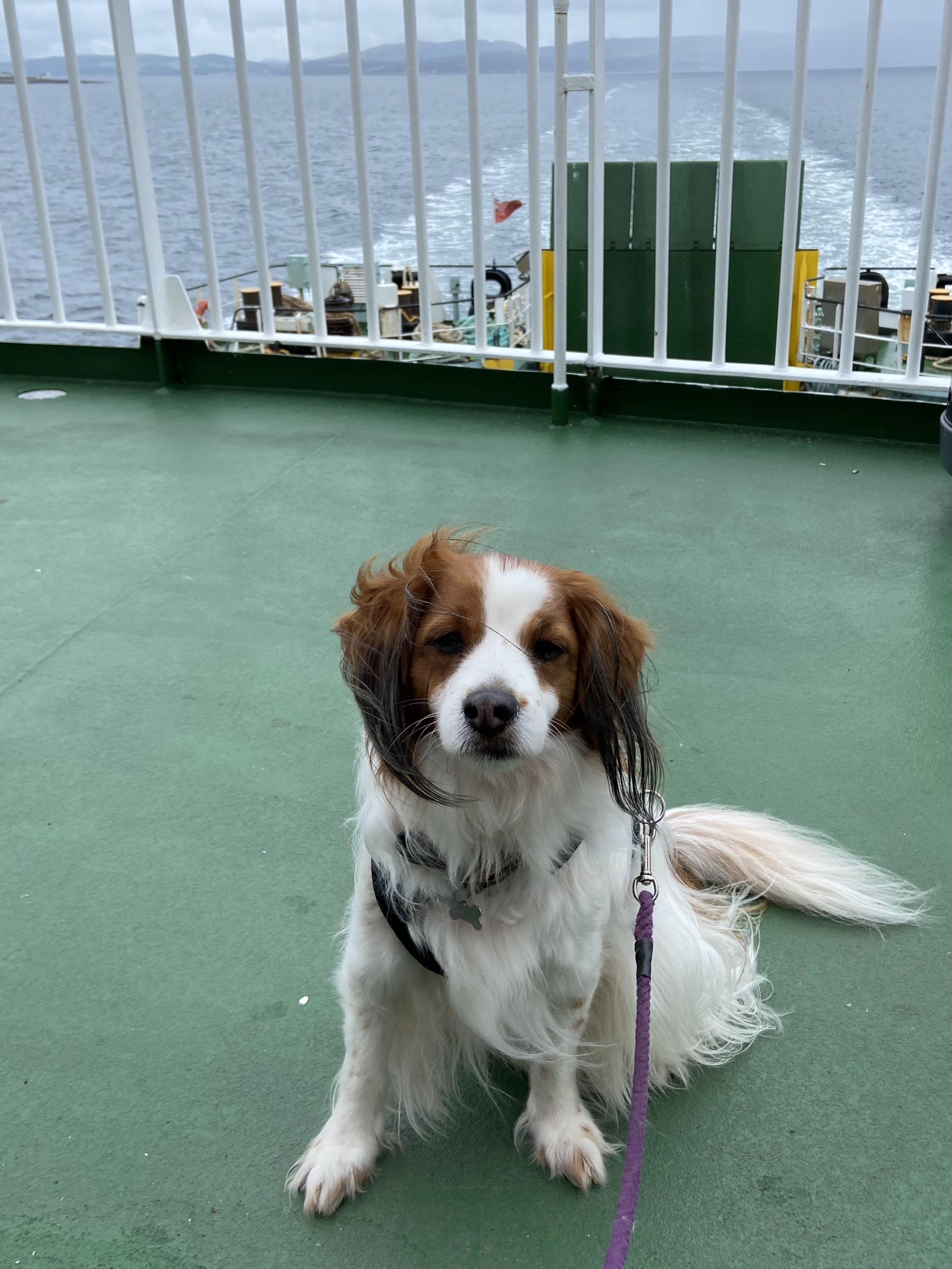
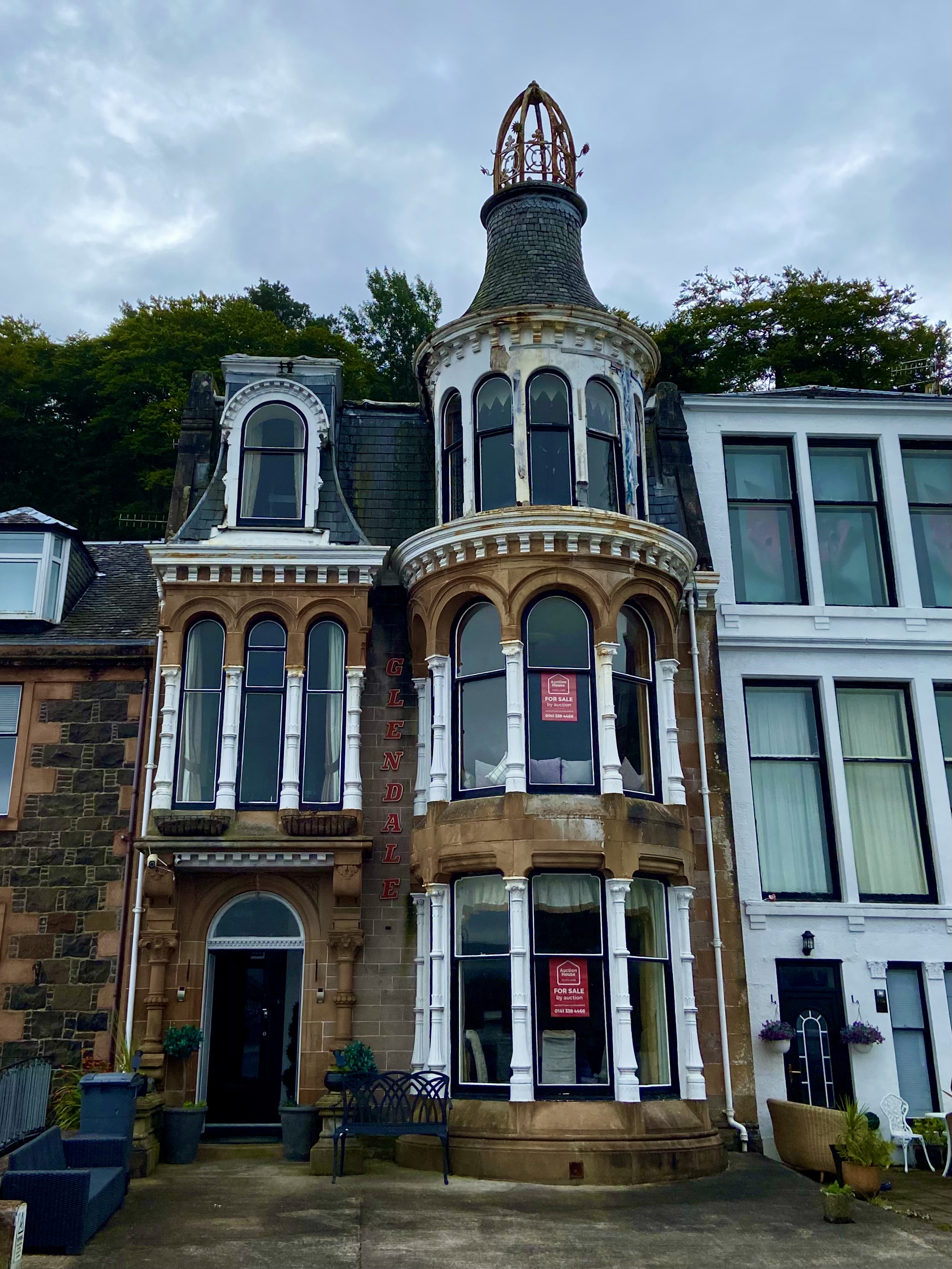
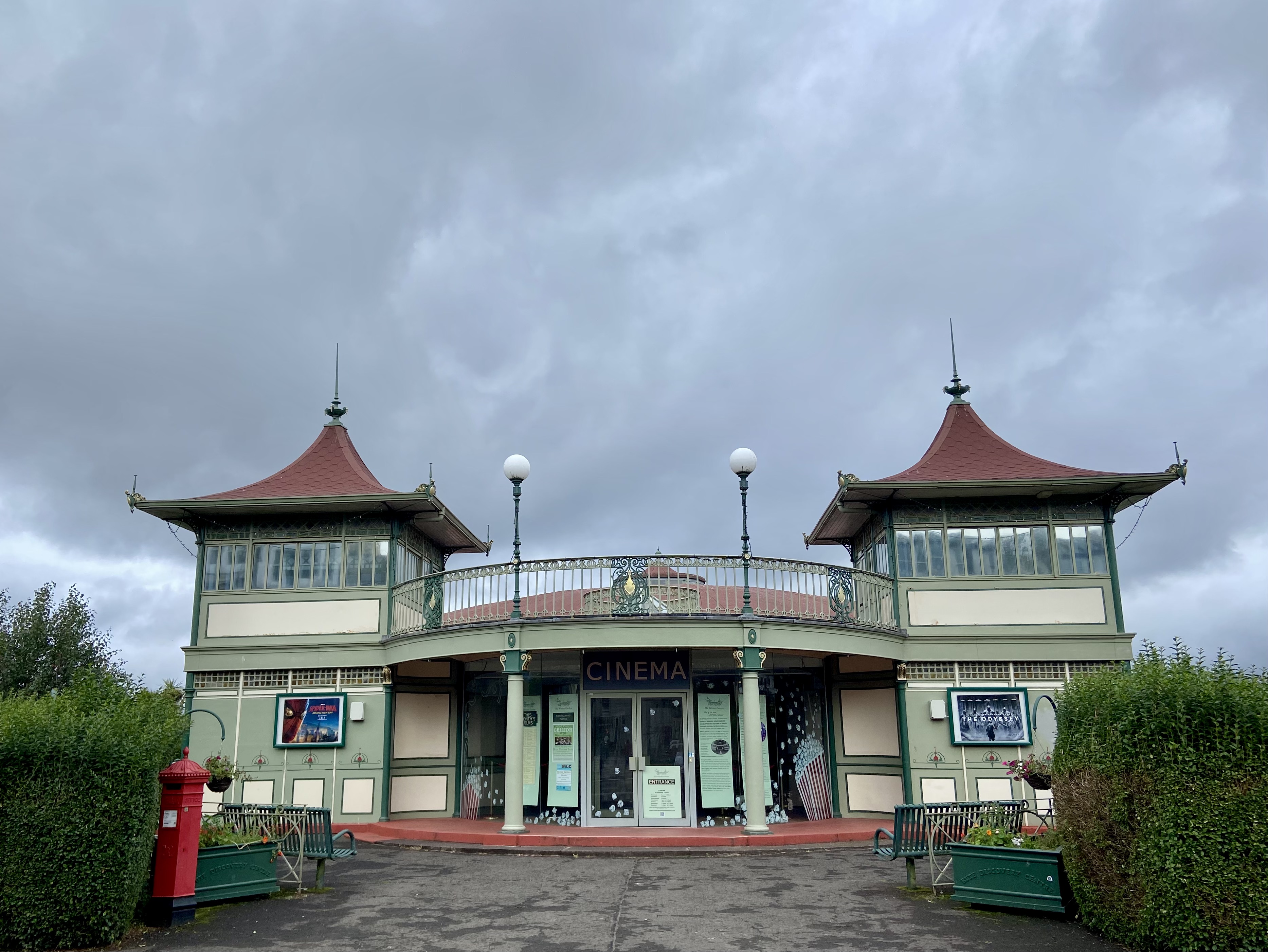
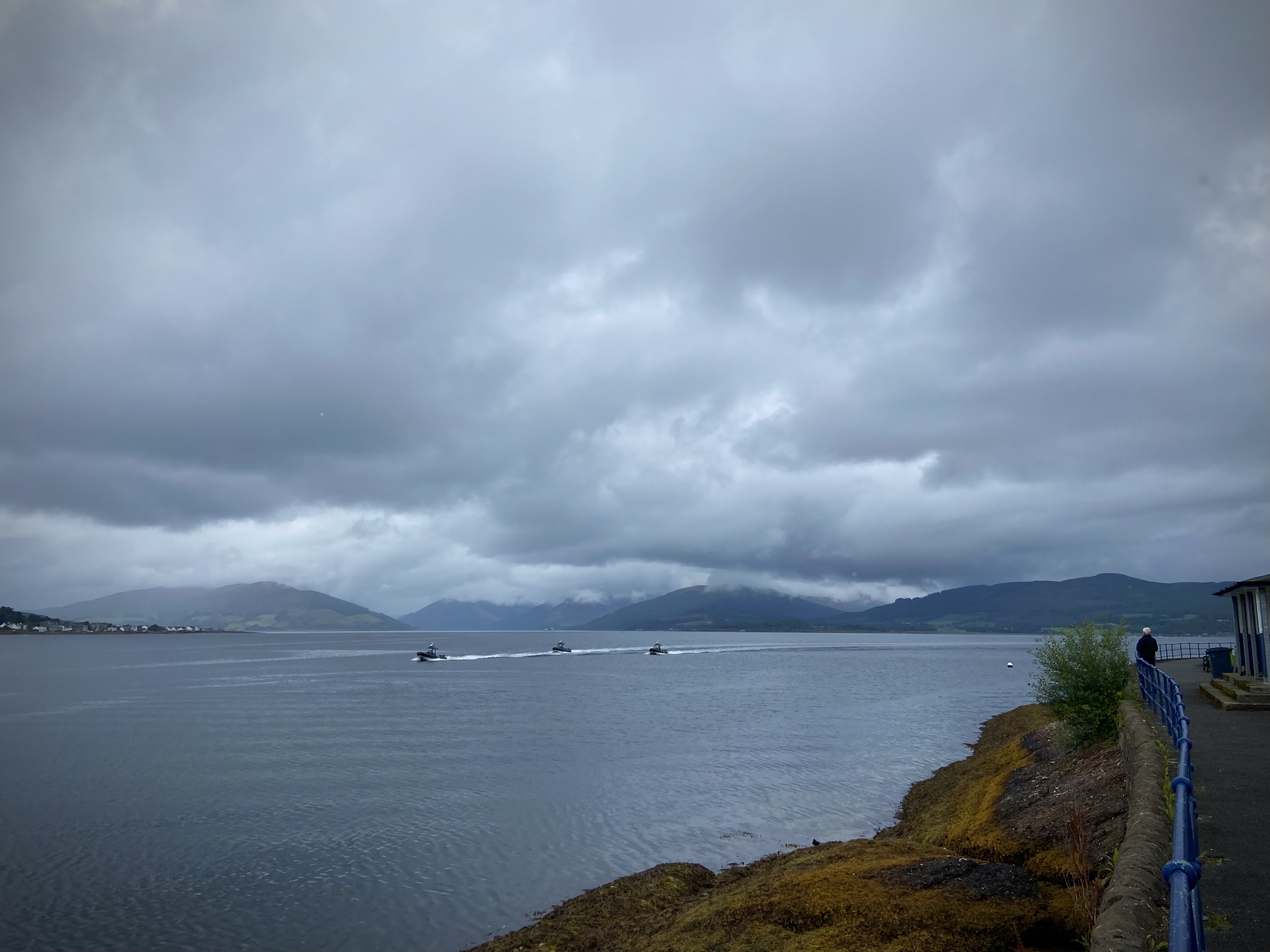
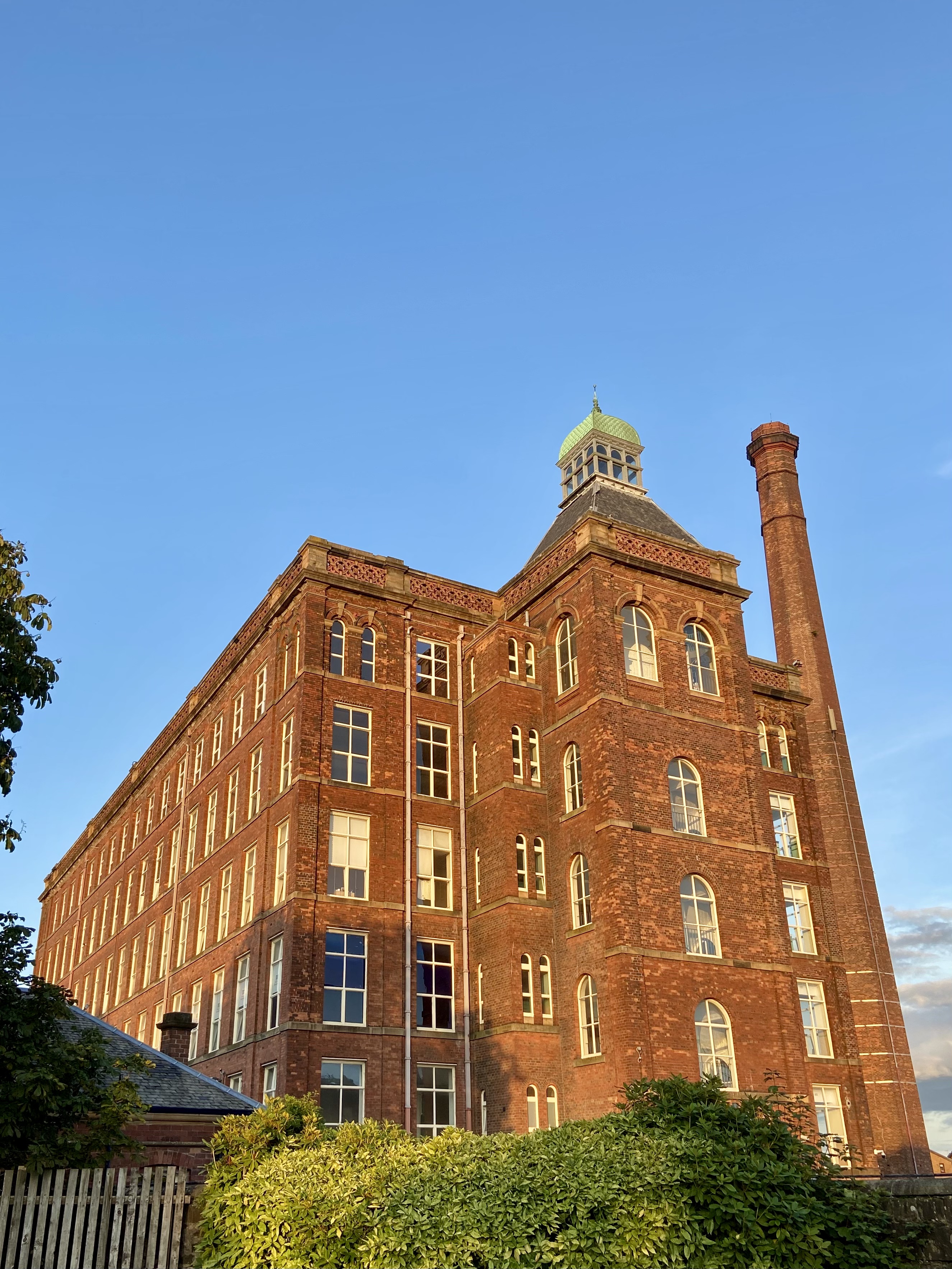
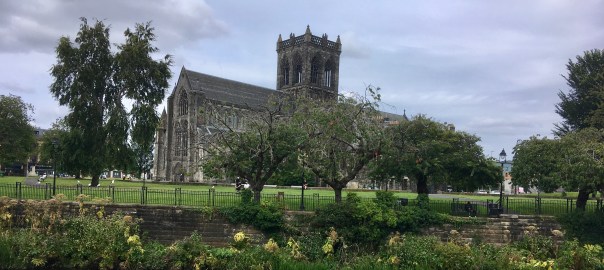
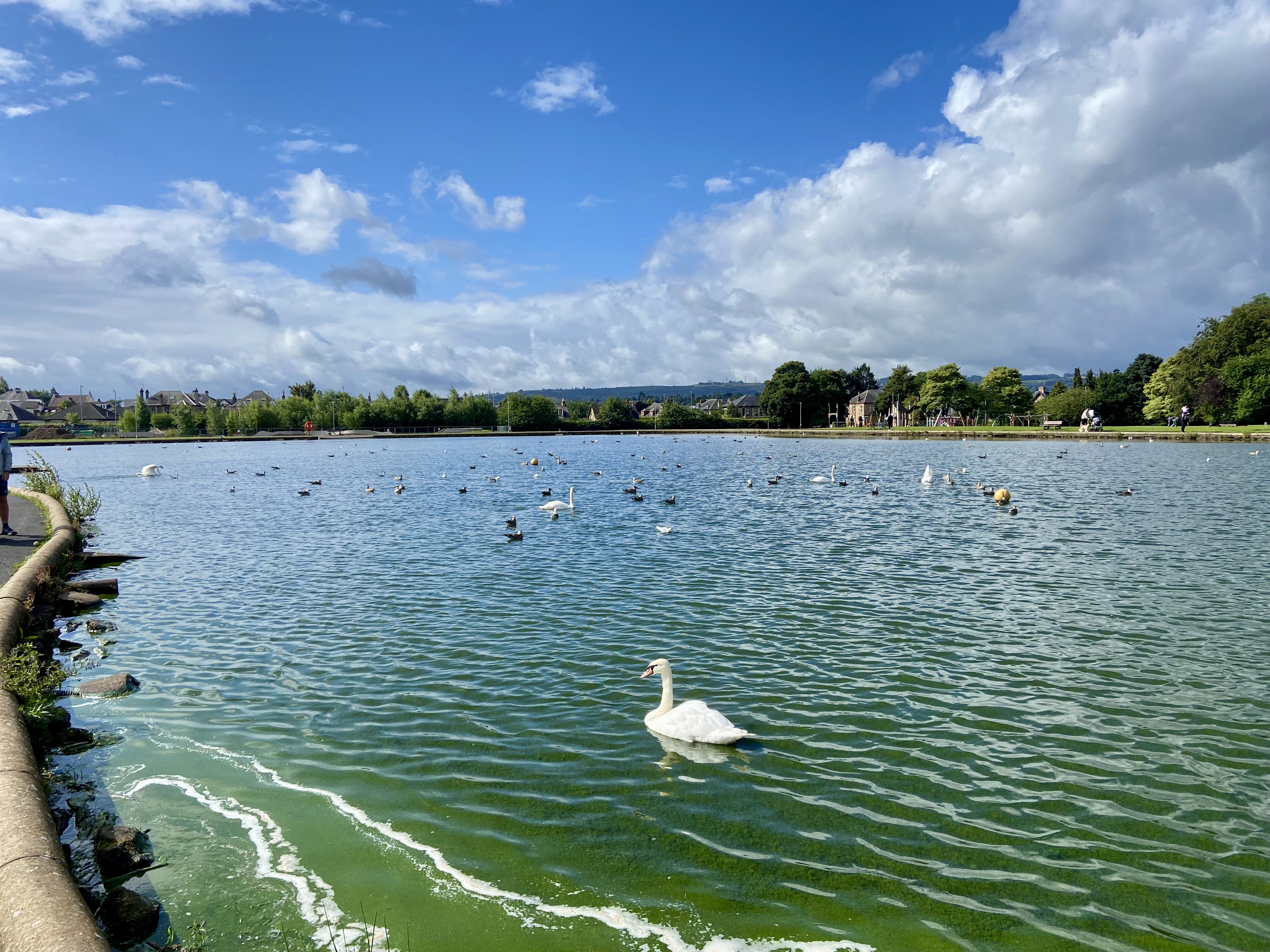
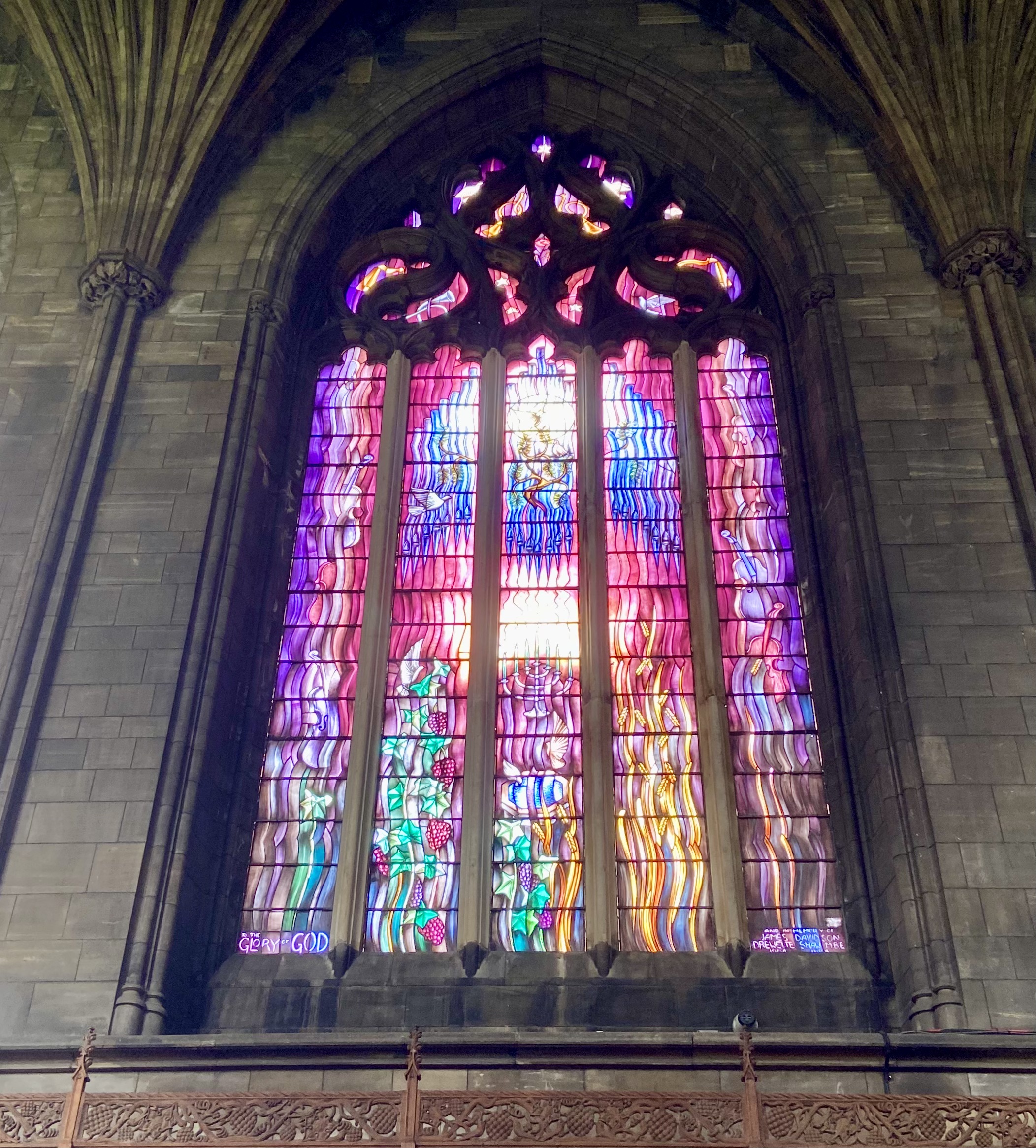
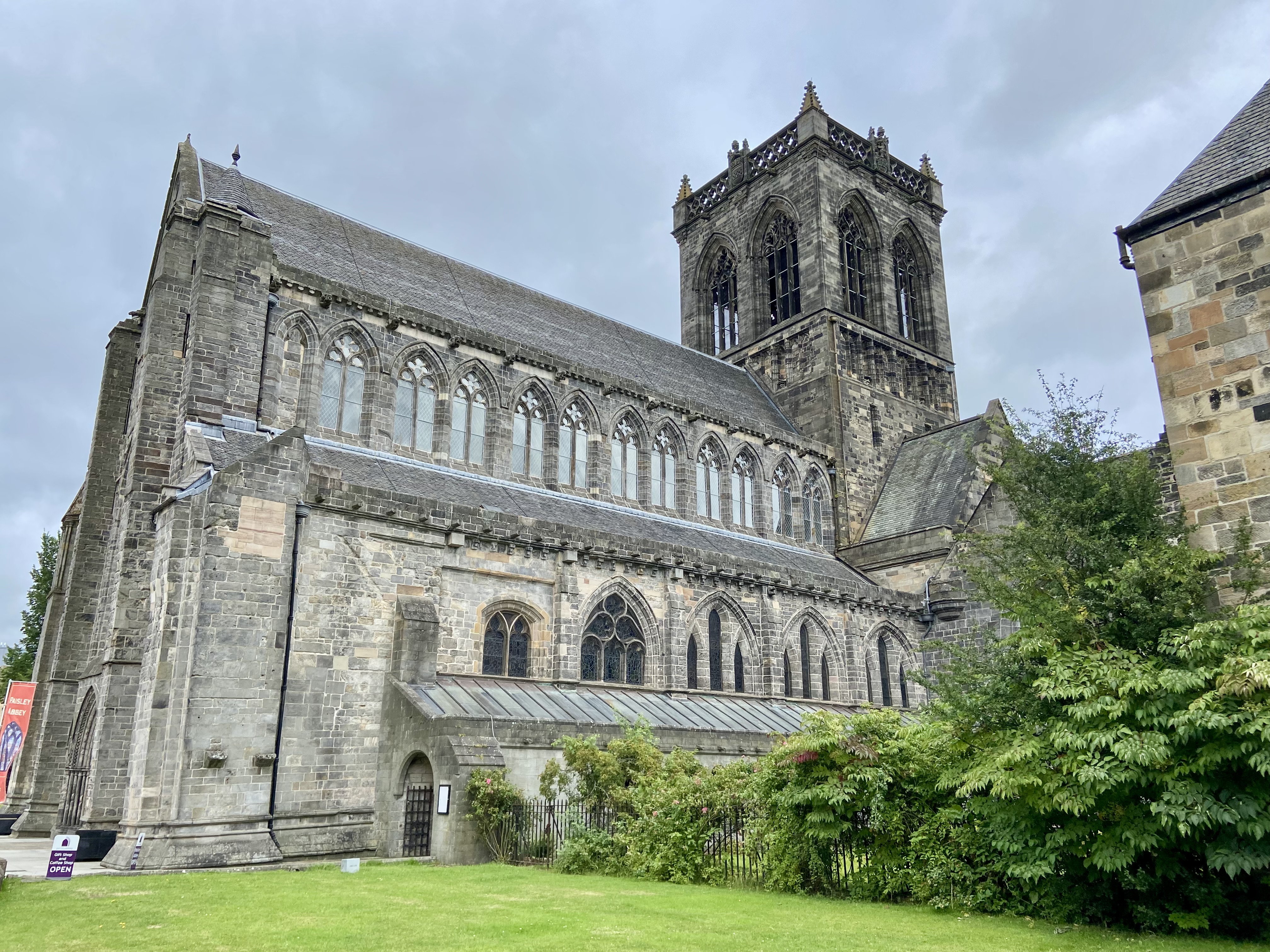
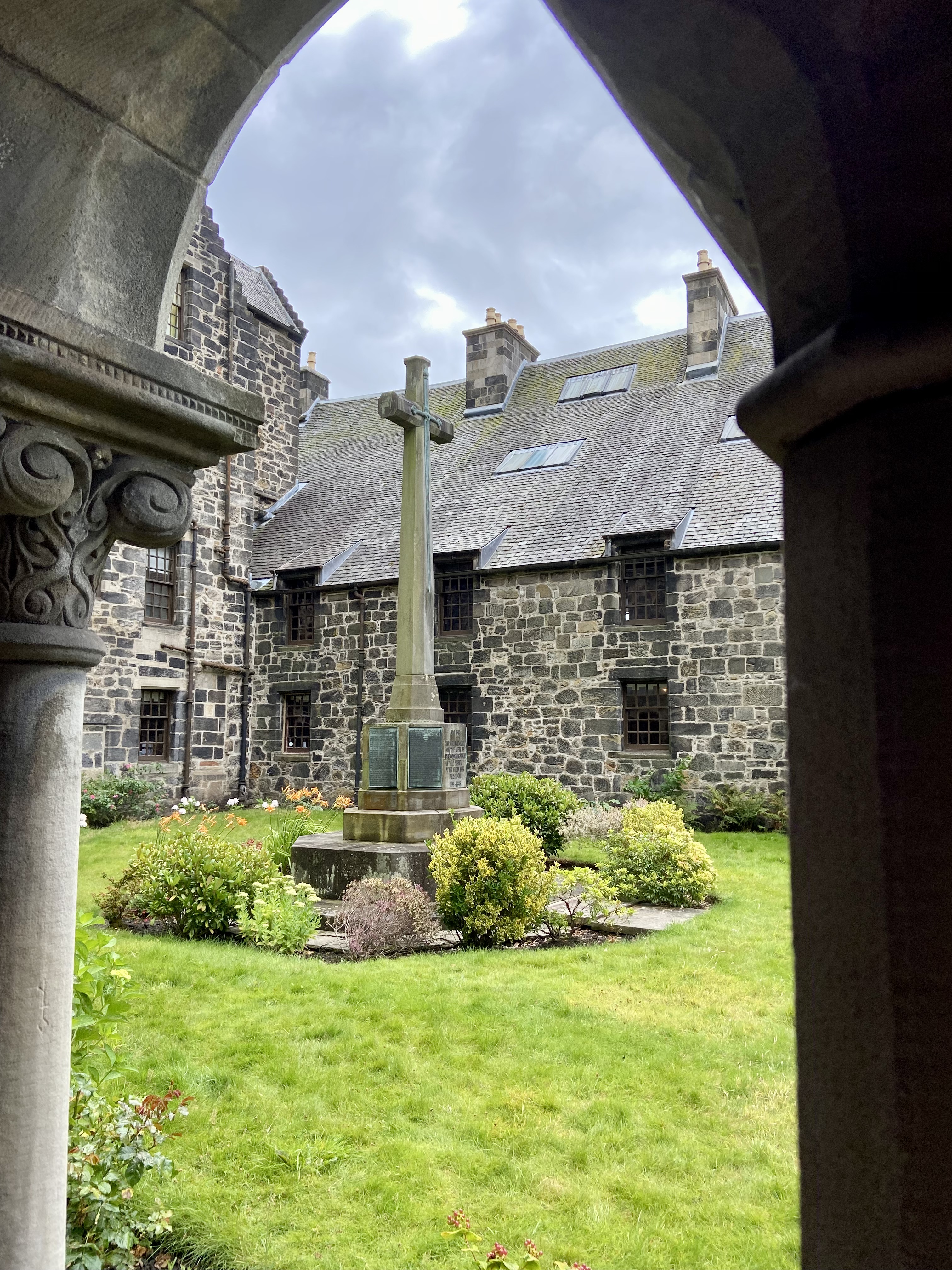
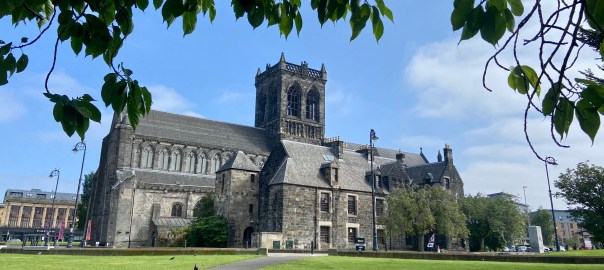
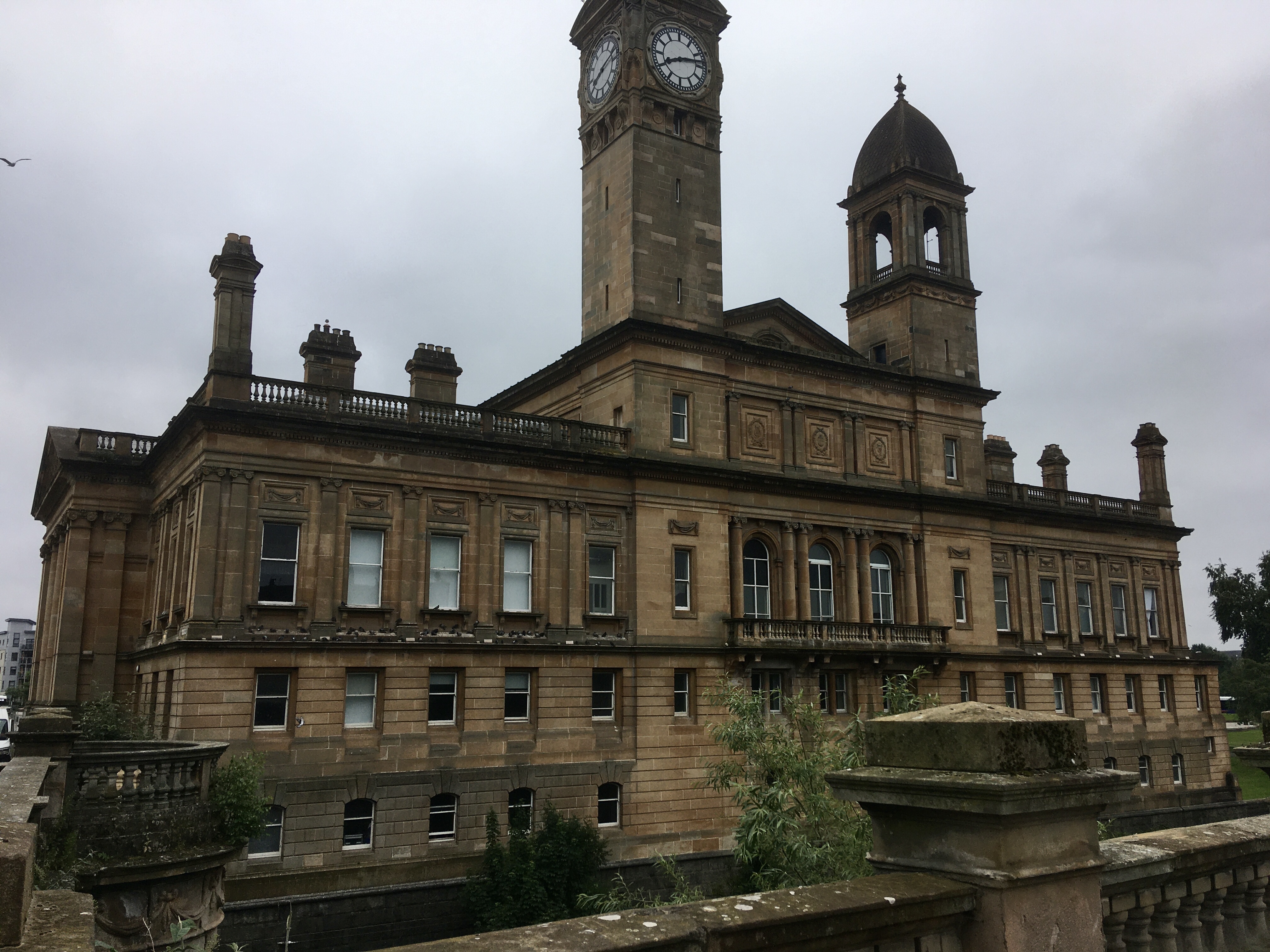
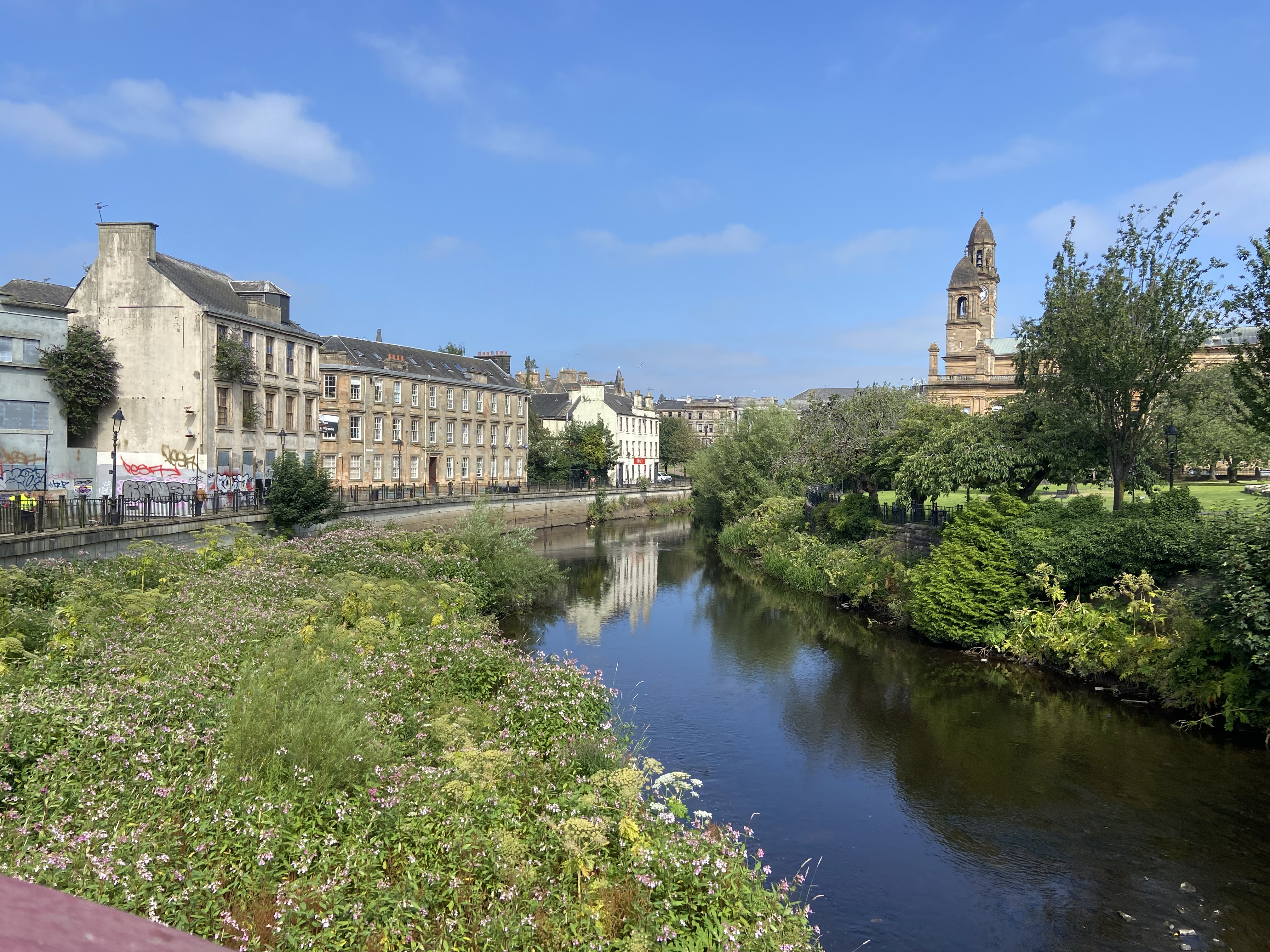
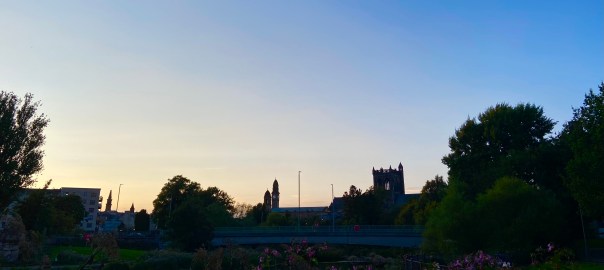
There are benefits however. I only worked three days this week: Monday, Thursday and Friday. So Tuesday and Wednesday were all my own. I started both days with a walk with Triar to It’s Noe Coffee, where I bought a latte and drank it on a bench. The second day, the bench was near Paisley Cathedral, which is when I took the photo at the top of the page. There are lots of fascinating old buildings scattered around the town centre. It’s obviously been a very rich place in the not too distant past. This enormous building is the town hall, though (criminally) I managed to miss the top of the clock tower out of the picture.
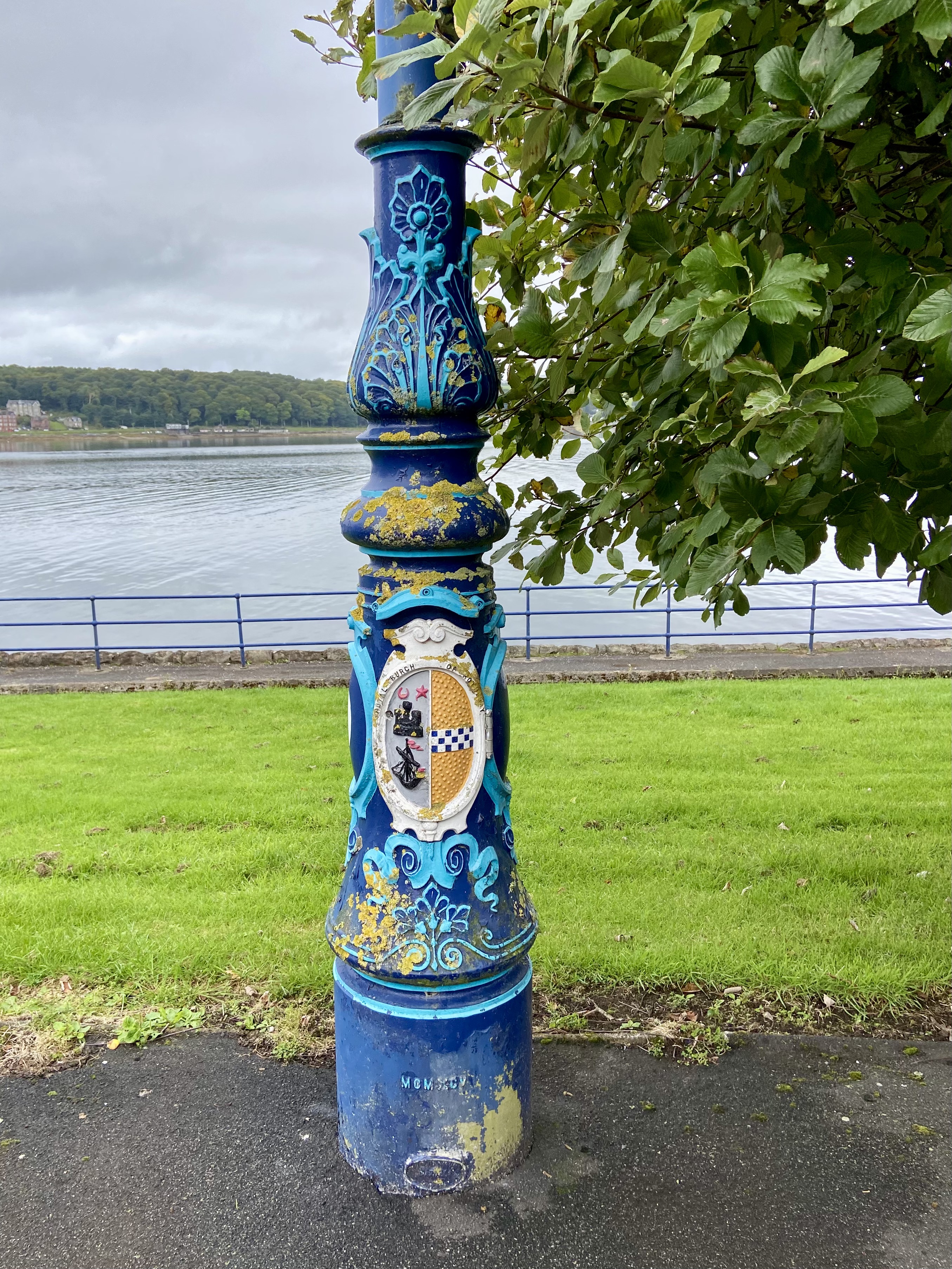
There are oases of green, even in the centre of the town. This little patch of parkland, with its carefully laid out flowerbeds and palm trees is where I take Triar in the early morning before I go out to work.
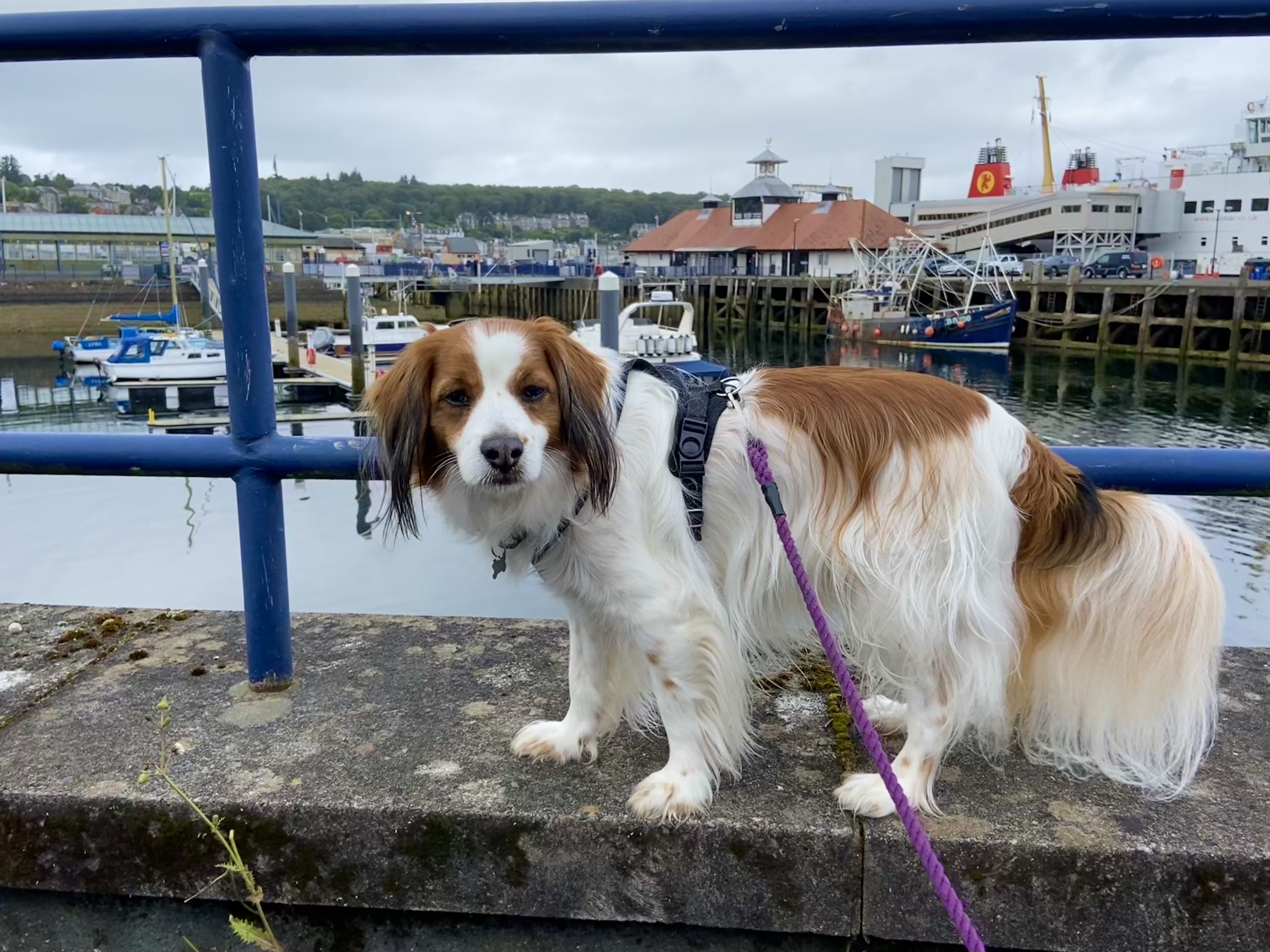
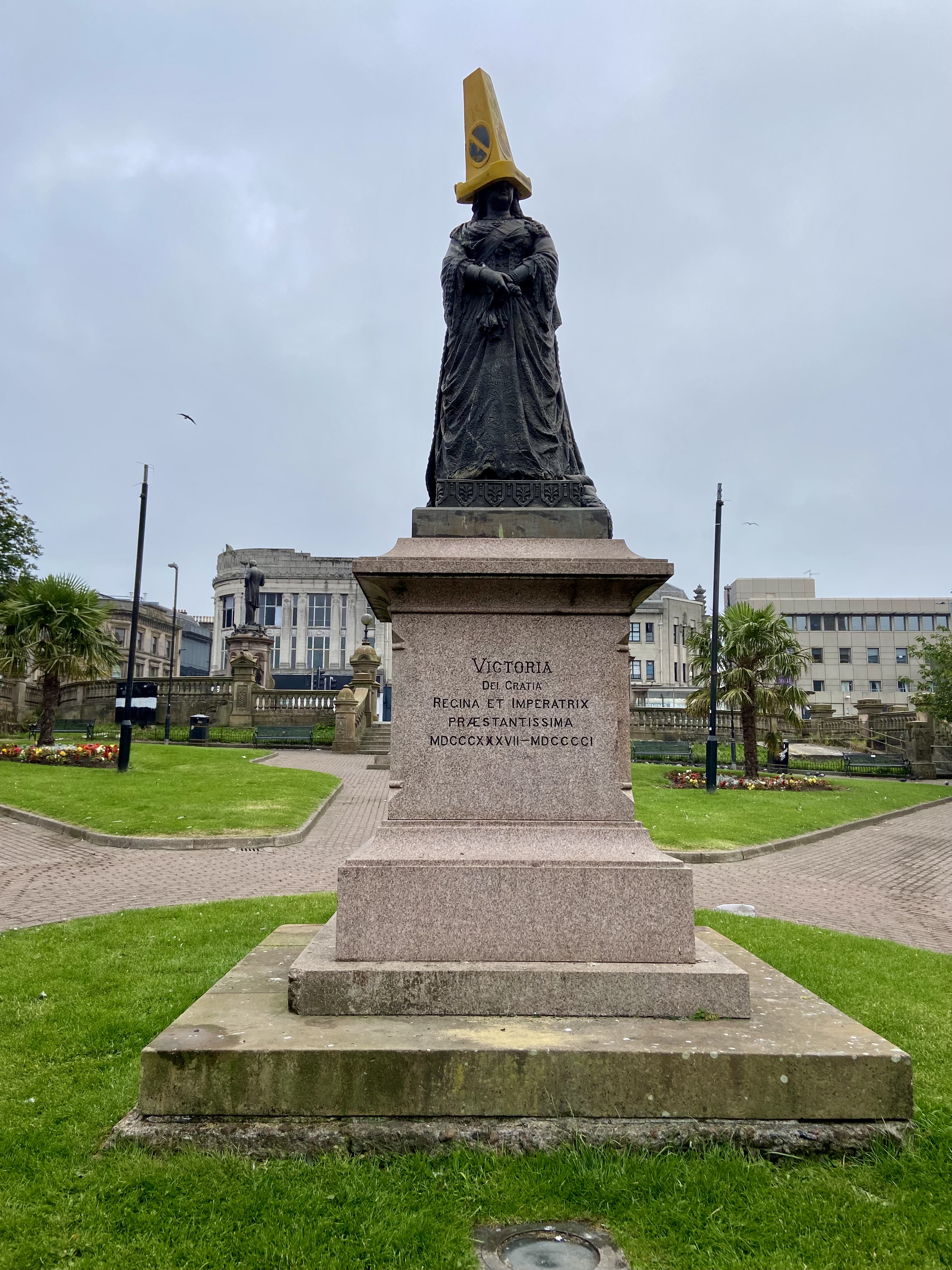
Triar seems to be universally loved wherever we go, which gives me huge pleasure. Lots of people stop to say hello to him. He has also adjusted incredibly fast to city life, though sometimes he’s so distracted by all the smells and stains that he almost forgets to pee and poo. The little patch of parkland in the photo is covered in pigeons in the early morning (Merlin tells me they’re Rock Doves) and Triar loves to send them flapping into the air with a lunge and bark combo. I think the locals have been trying to protect Queen Victoria from them (or maybe were just getting into the spirit of the World Cup) because she is wearing a traffic cone, though not one of the traditional orange and white design.
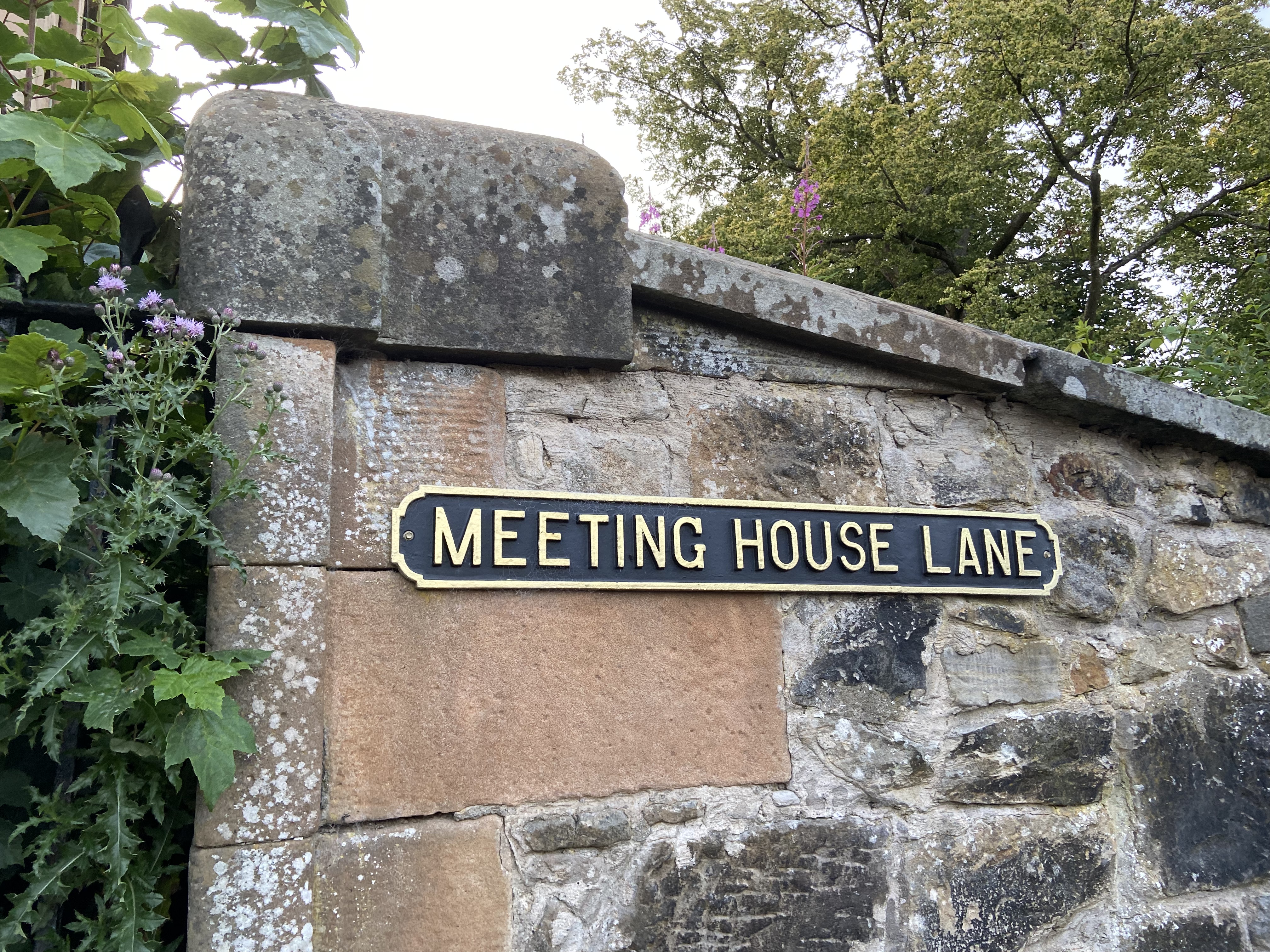
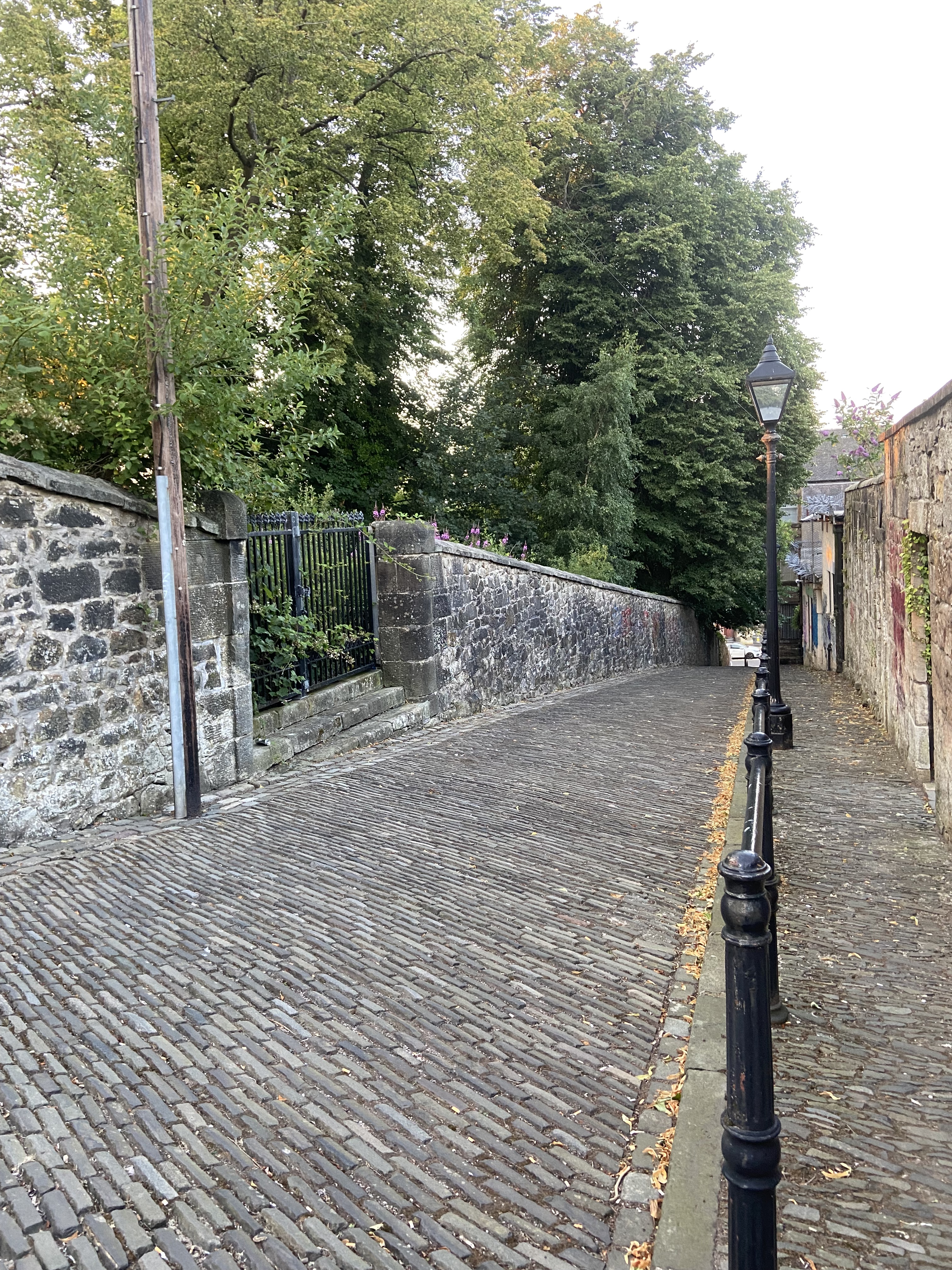
There’s another little passageway called Meeting House Lane that intrigues me. It’s quite steep, hemmed in by buildings on one side and a wall and trees on the other, and cobbled all the way down. It’s nice and shady, which is good right now as it’s been very hot.
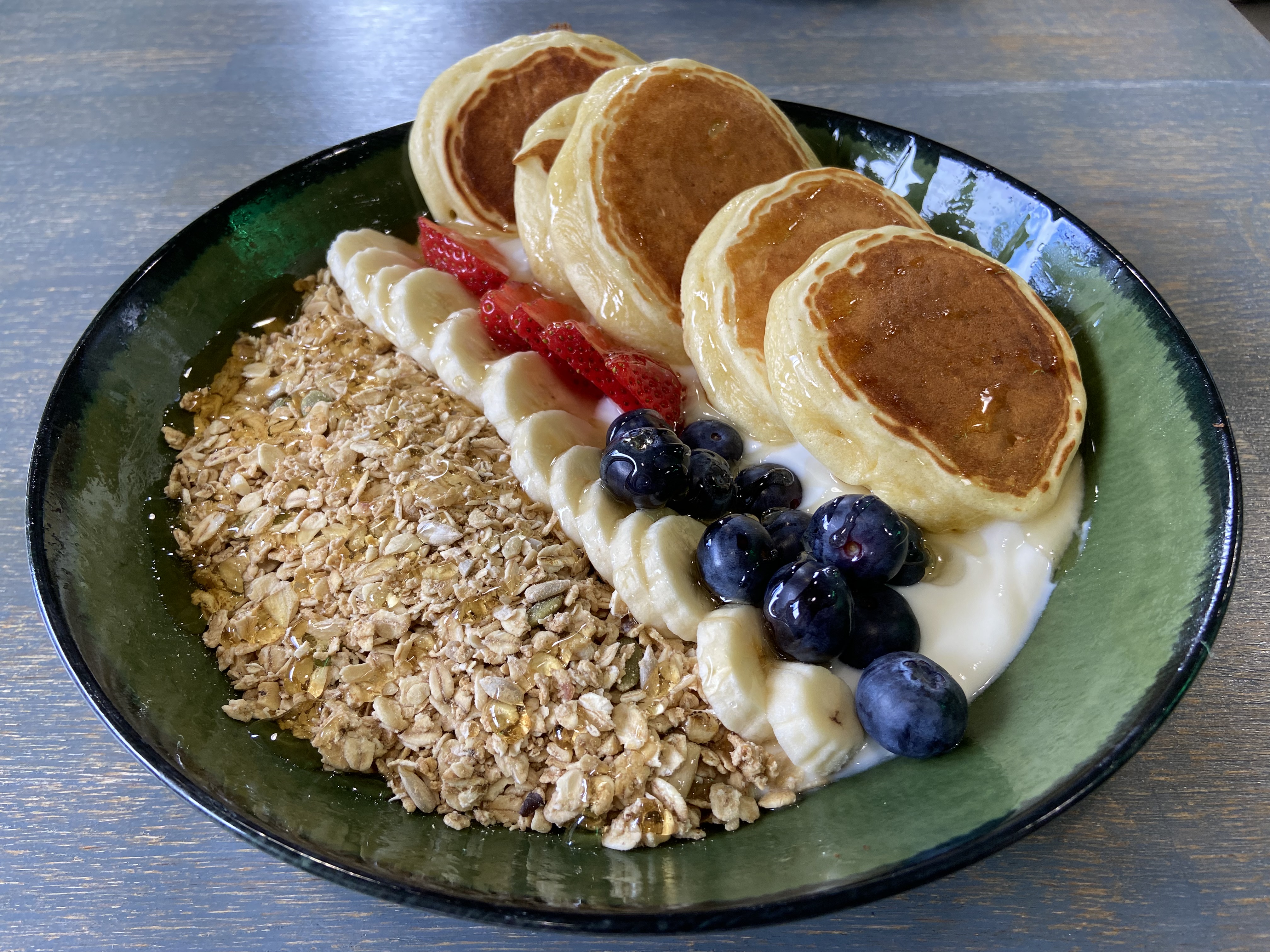
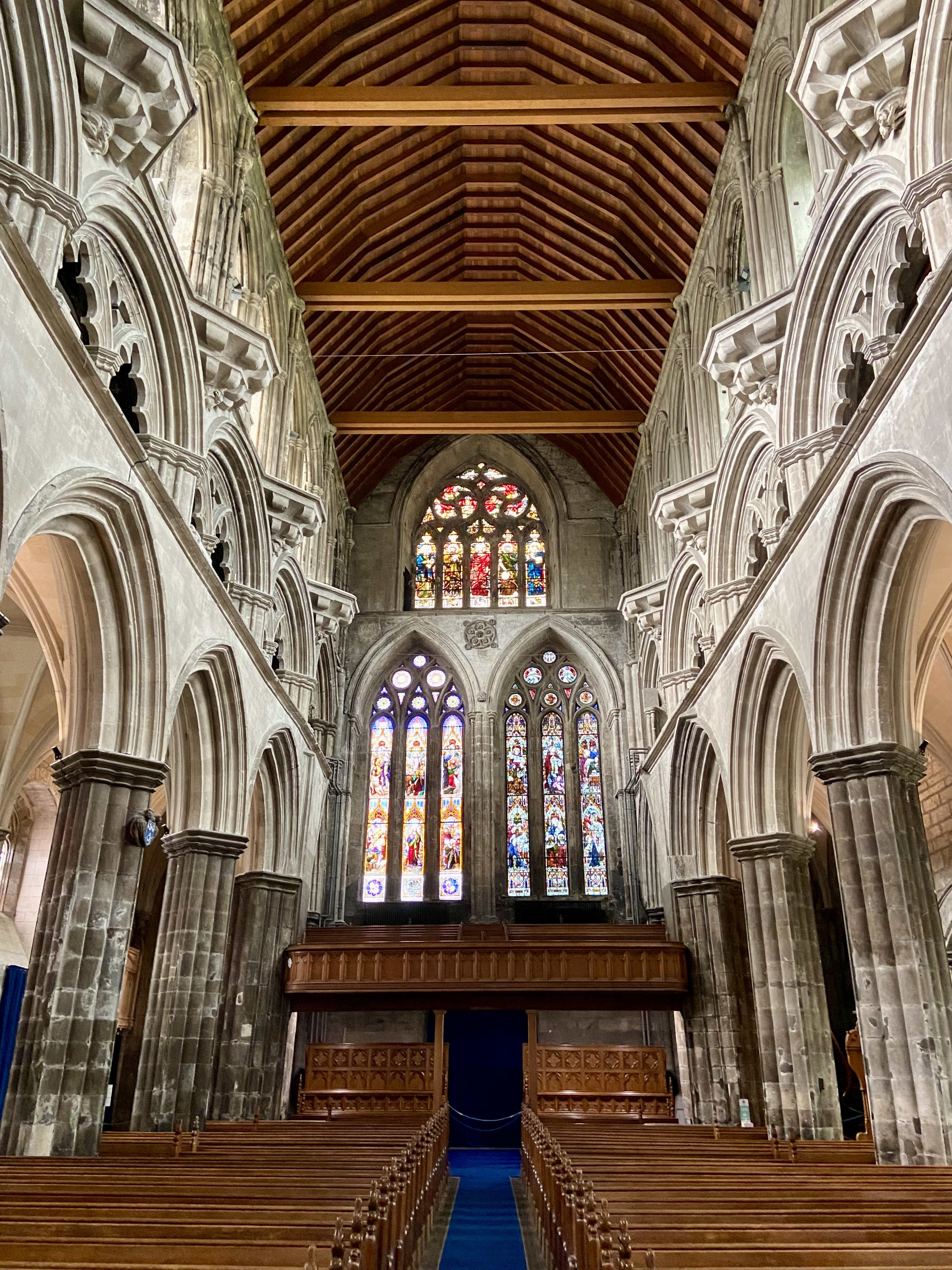
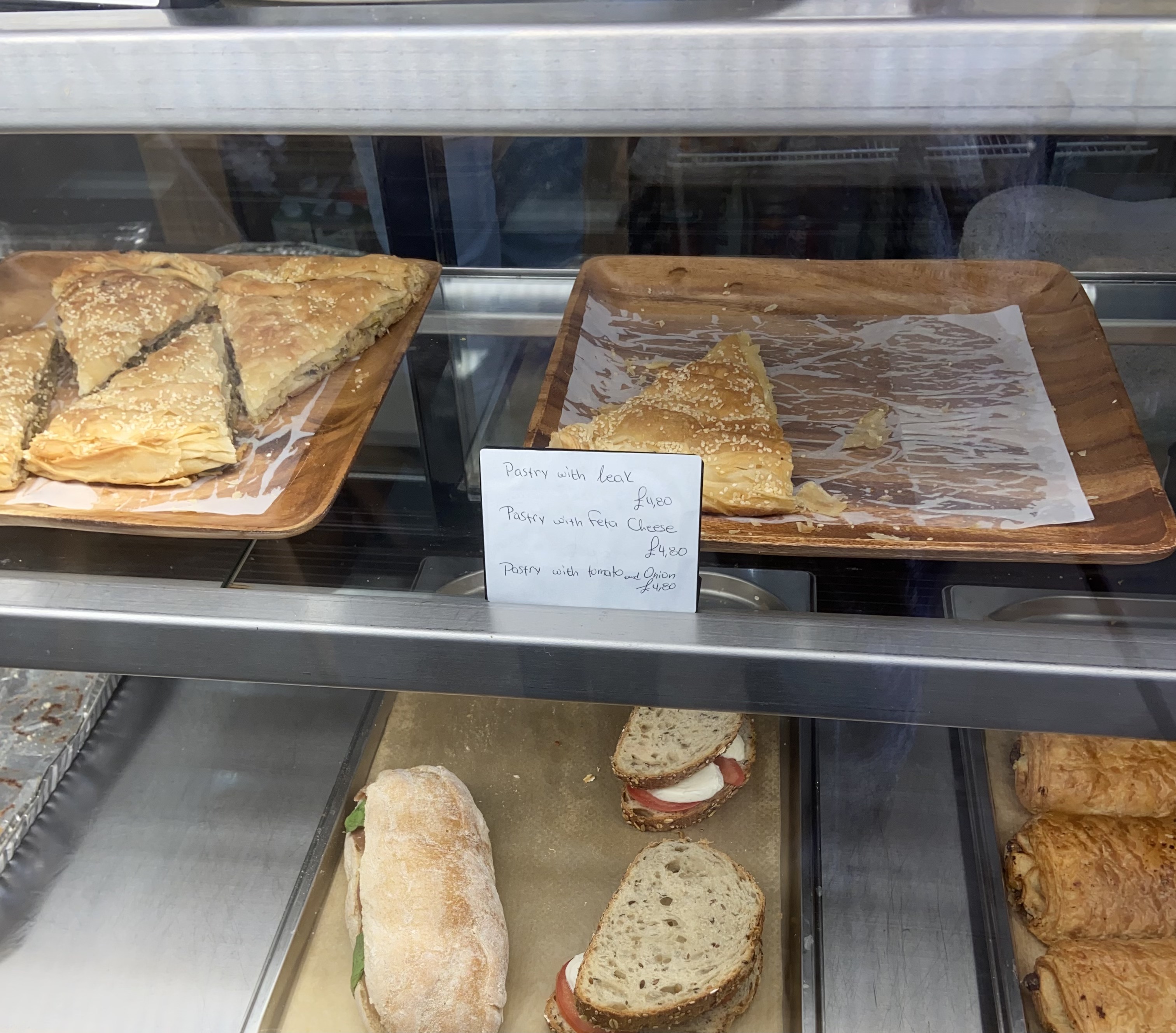
Anyway, I’m going to be staying here, on and off, for the best part of a month and a half and it feels like the beginning of an adventure. There’s so much mor to explore. I want to go into the cathedral and look round. It’s Noe has some amazing looking feta pastries (as well as spinach, potato, leek and tomato and onion filled versions) so one day, I’ll have to try those.
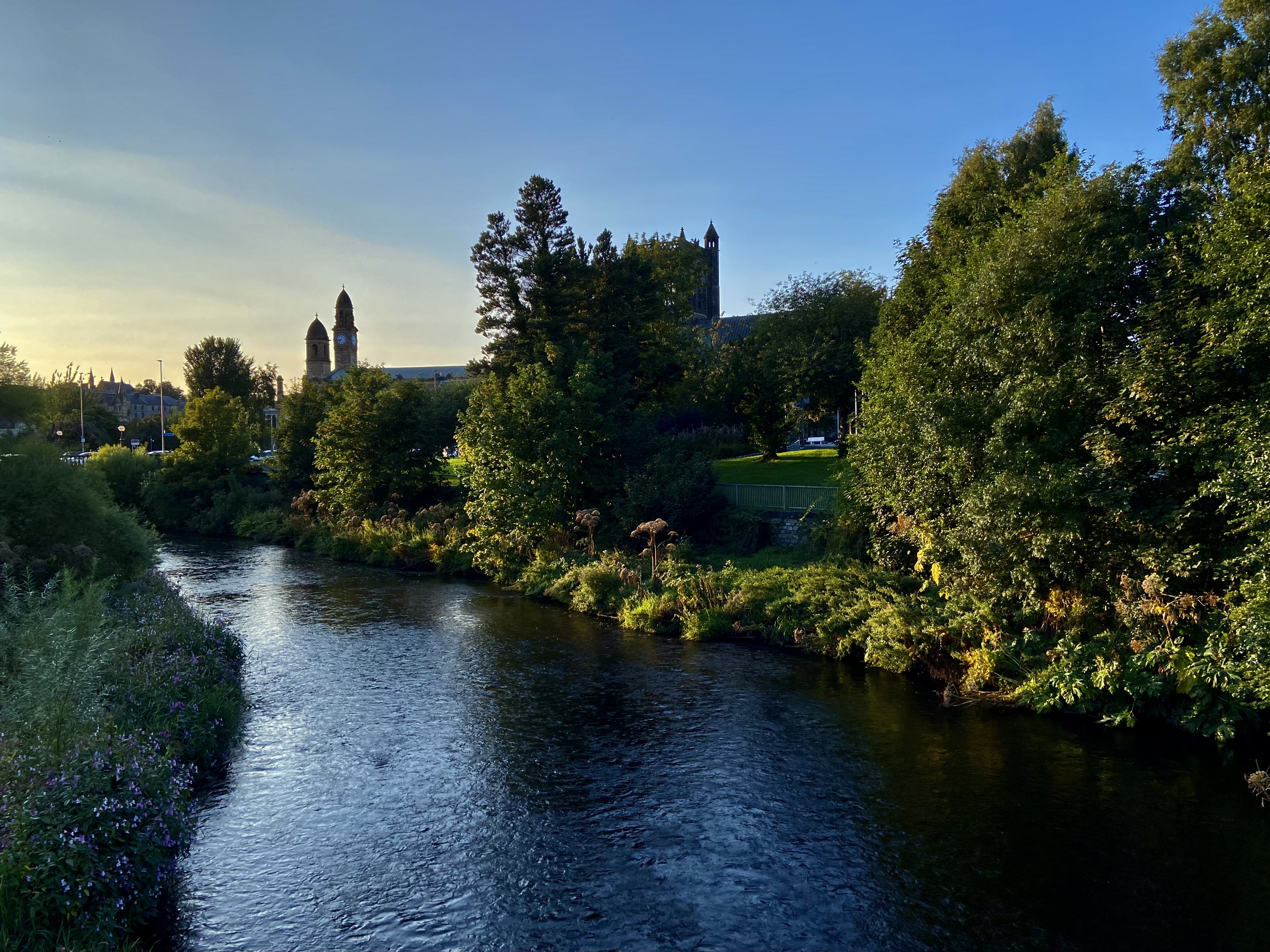
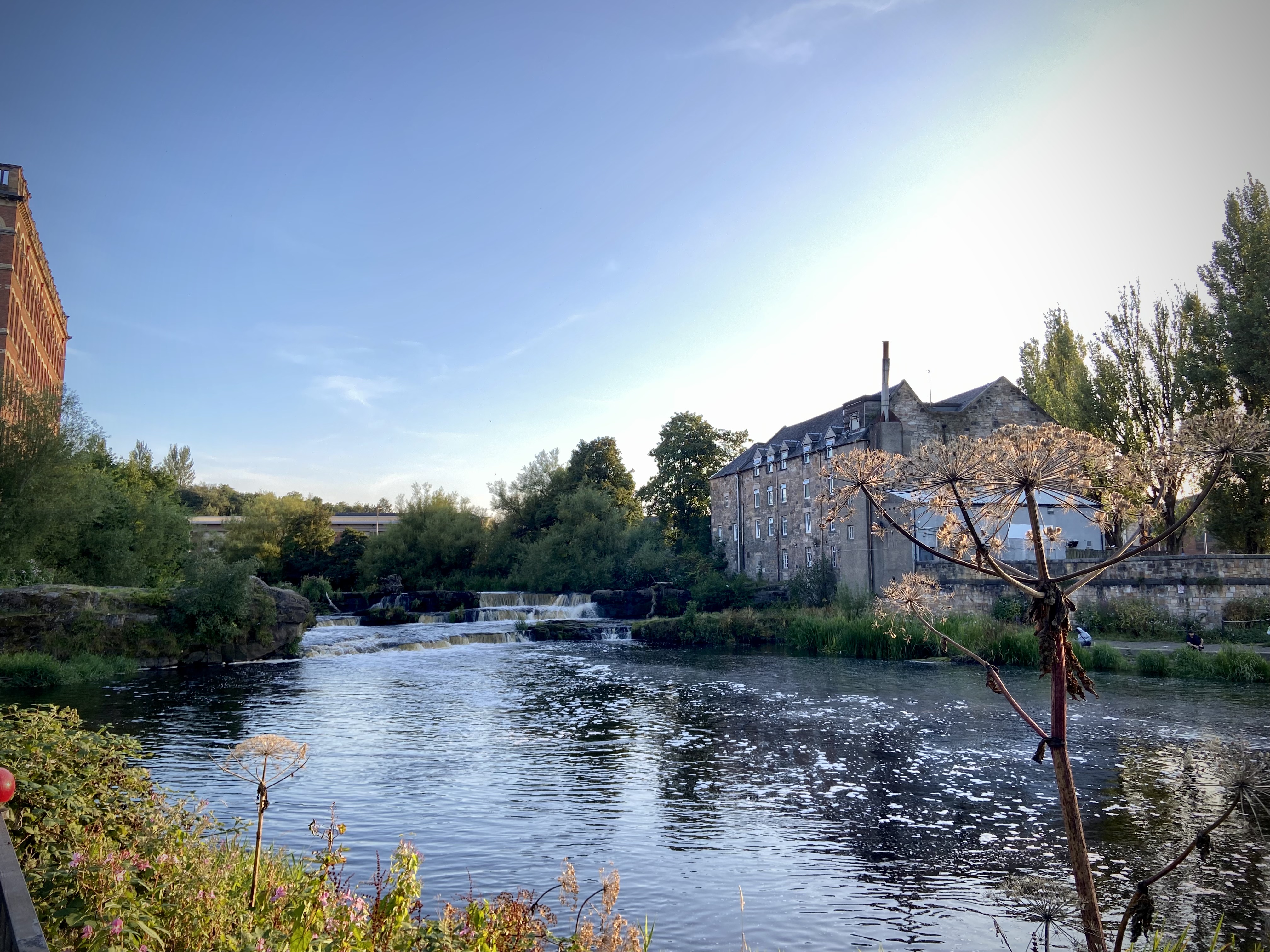
White Cart Water (a major tributary of the Clyde) runs through the centre of town and there are some bridges and banks to explore, though this photo, on the surface, makes it look more upmarket than it really is nowadays. On closer inspection, the buildings on the left are boarded up and one of the beautiful old houses has trees growing from its windows and graffiti downstairs.
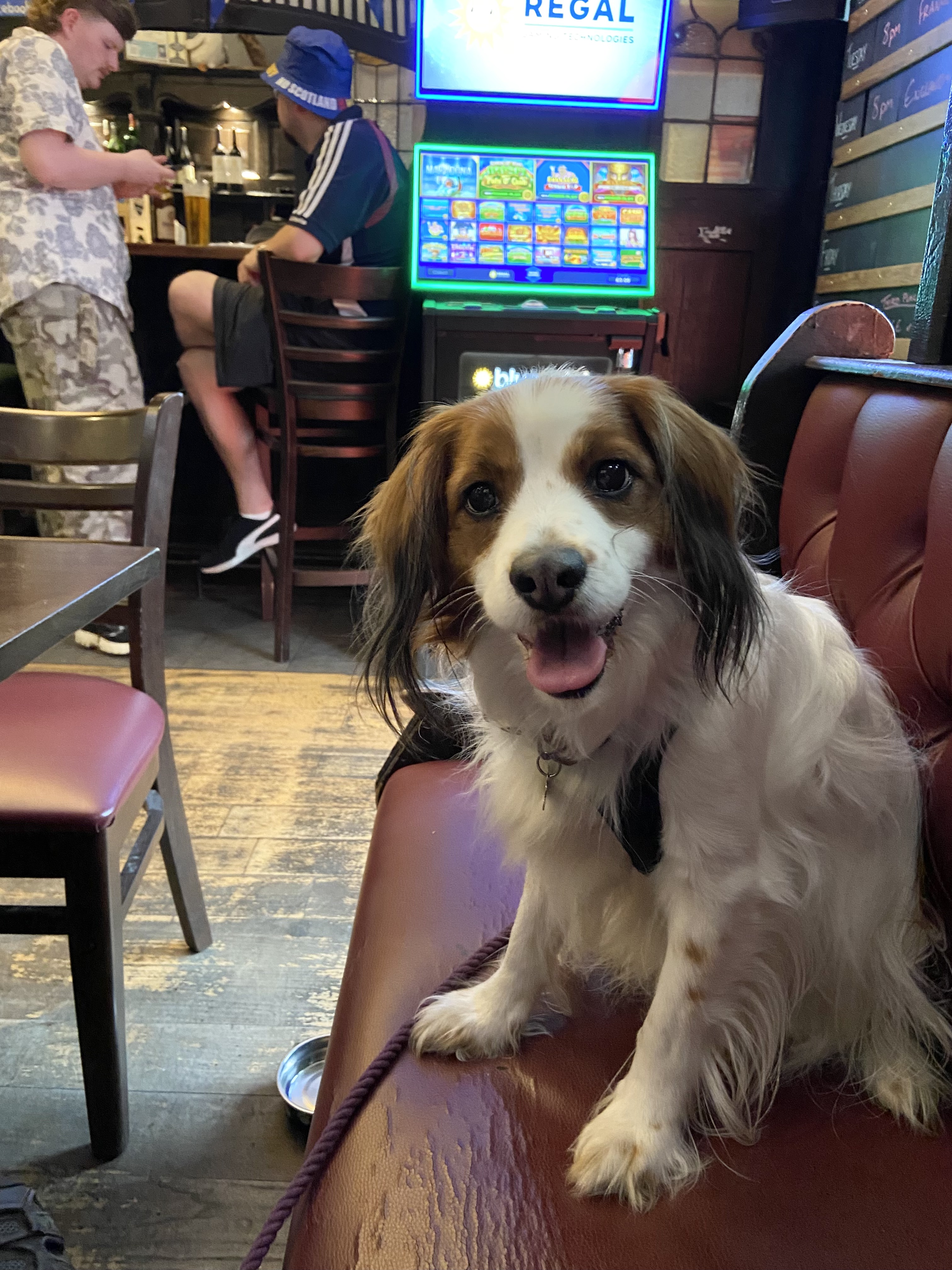
Yesterday evening, after a long day and 13,000 steps, I decided to go and enjoy a beer in one of the local hostelries. The Bull got a good write up for being dog friendly, so we stopped in there on our evening walk. Triar enjoyed greeting the locals and was given a bowl of water and two treats. He repaid the poor barman by spilling his water all over the floor. I think he quite enjoyed the whole experience though.
Anyway, back on Tuesday, mindful of home, I went to IKEA and bought a chest of drawers. Much as Paisley is drawing me in, today I’m going back to Dumfries to restart the clearing of my bedroom and hopefully put the new drawers together, so I suppose I’d better get organized. I’m not working again until Thursday, so I have a few days of much needed rest. I will leave you with a photo of one of the painted Scottie Dog statues that I walked past on the way to work. Like Queen Victoria, he was wearing a cone, though his was at a very jaunty angle.
Thank you for reading and I hope you have a good week.
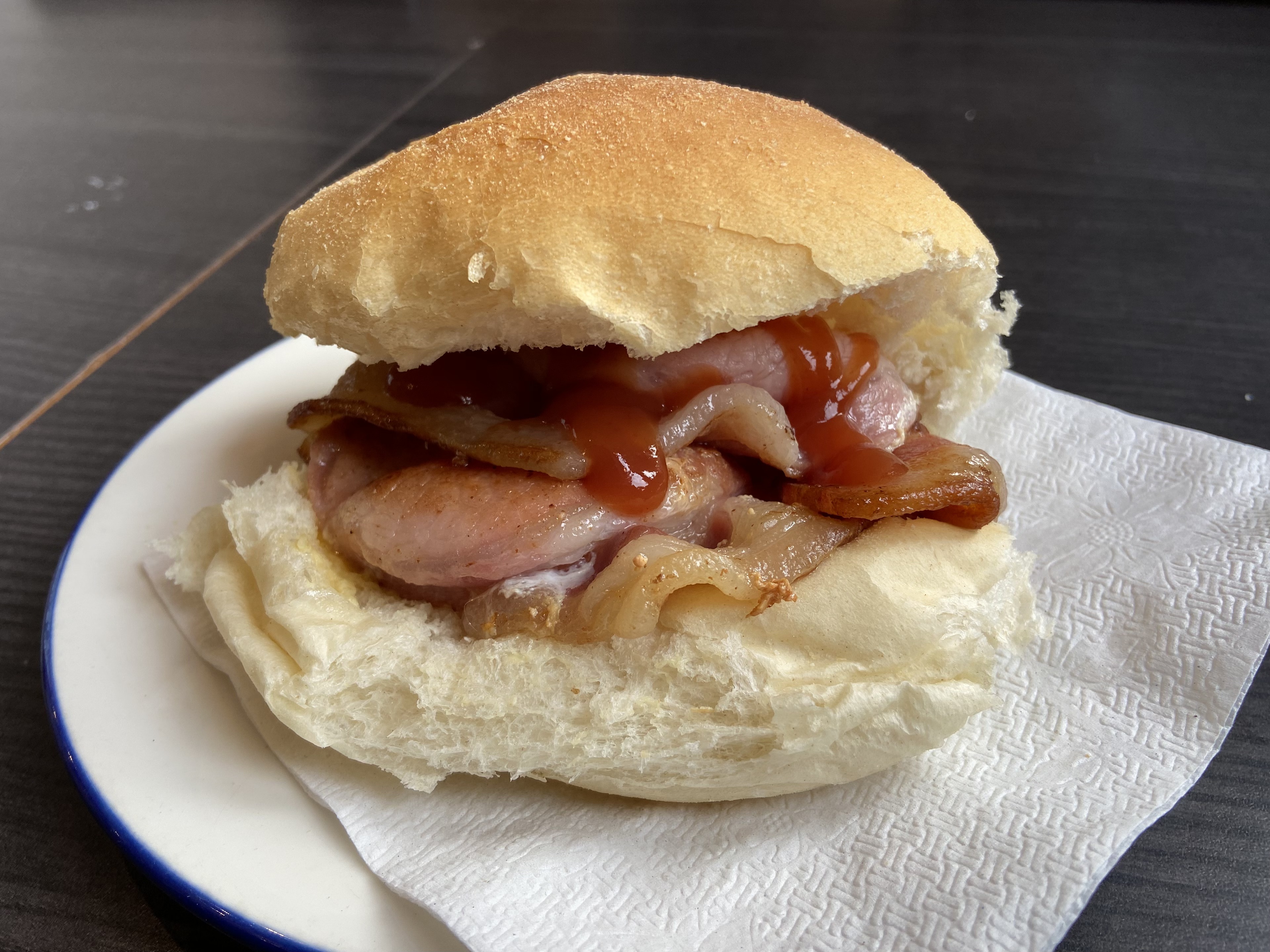
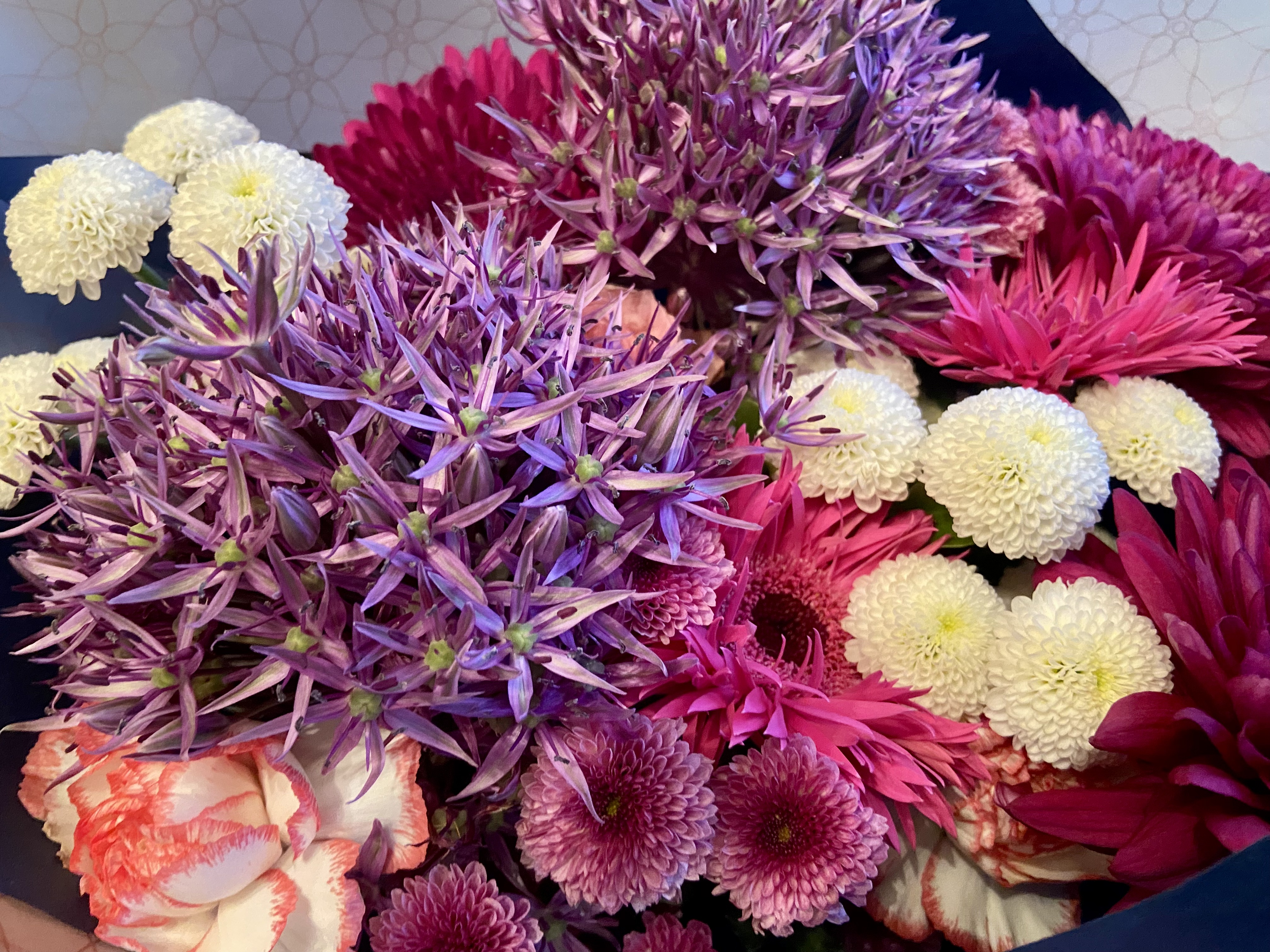
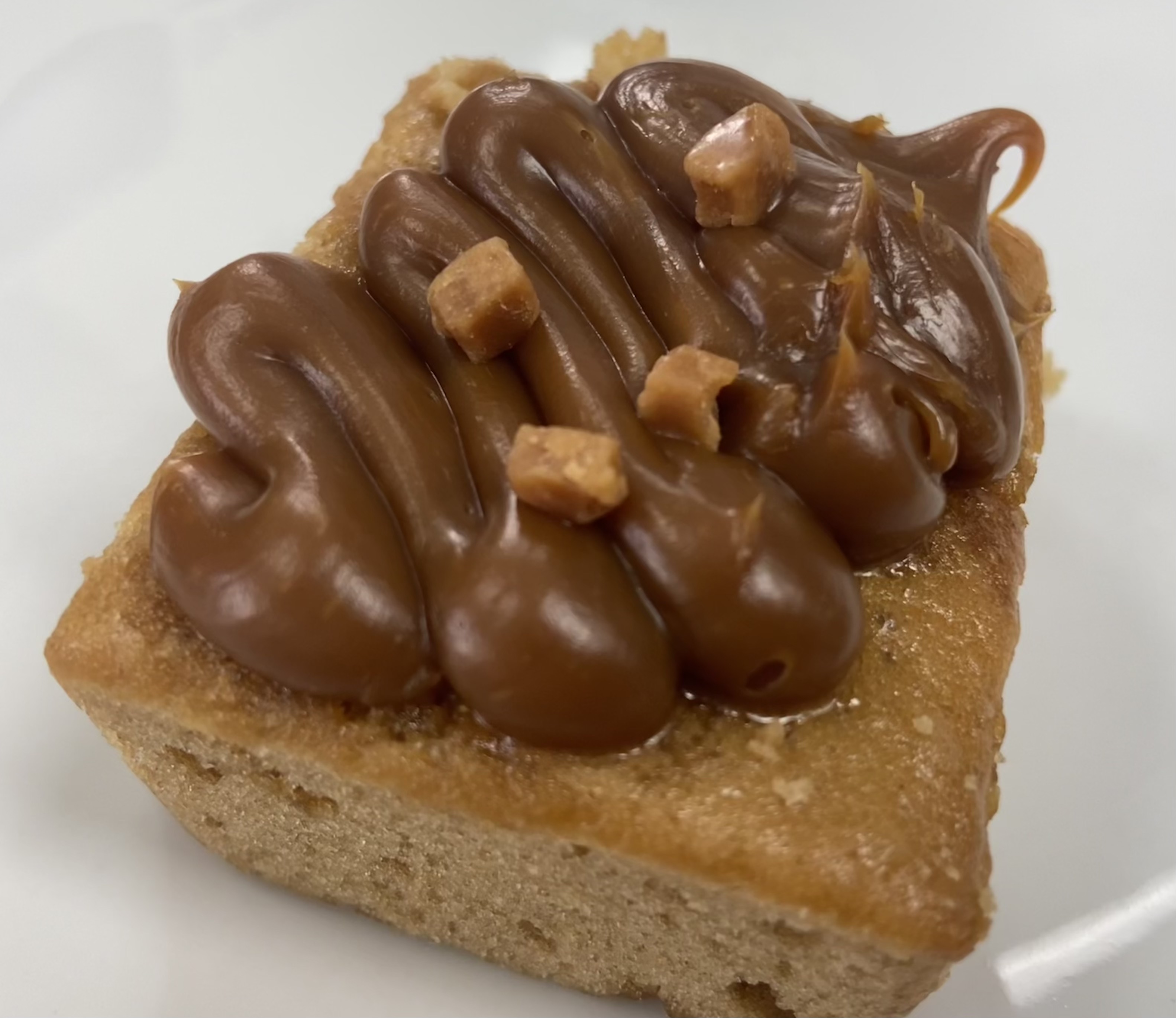
Just like that, the Inchcolm adventure is over. It started with promise, but turned out to be my shortest ever stint in a practice. Remarkably, we parted amicably. Though it was uncomfortable, I was able to explain my reasons and be heard. Despite having flowers and cake, as well as a Fat portion of loaded fries, yesterday was mostly sad. As I drove away, It Must Have Been Love played on the radio, offering an appropriate level of melancholy.
I’m now back in Dumfries, returning too late to really do very much, other than go to bed. The future is wide open and I haven’t had confirmation of any if the possible jobs that might be lined up, but I have a week in Yorkshire to look forward to and I have faith that all will be resolved soon.
The house is a mess and the garden overgrown. Looking at it, the idea of going away yet again, and spending six weeks or more in another practice is rather frustrating. Before I left, it was finally starting to take shape. Still, the mortgage has to be paid, so I will do what I need to do and sort out the rest later.
Anyway, I have some lovely memories, both of the last two and a half months, and of the last week. Highlights of the last months include the daily commute from Airth to Dunfermline. Crossing the Forth every morning, driving through green and rolling fields, with Scotland as a backdrop was magical. I’m going to miss all the central Scotland radio stations. As I rolled down the hill around Abington, Smooth Radio died. Dumfries is an absolute dead space when it comes to FM stations and my 15 year old car can’t do anything more up to date.
I met some lovely people and I hope we’ll stay in touch. I promised to pop in if I was passing, which isn’t that unlikely, especially if I return to APHA.
It’s also been incredible living with Valerie and Charles. They’ve been wonderful company and I haven’t once felt that I was in the way or that they wanted their spare room back. Through them, I was baptised as a Christadelphian. I’ll be inviting myself back for next year’s Eurovision party. Kyle and Candice’s ceilidh is in September. I need to get into shape for dancing, so that’s my next project, whatever else comes along.
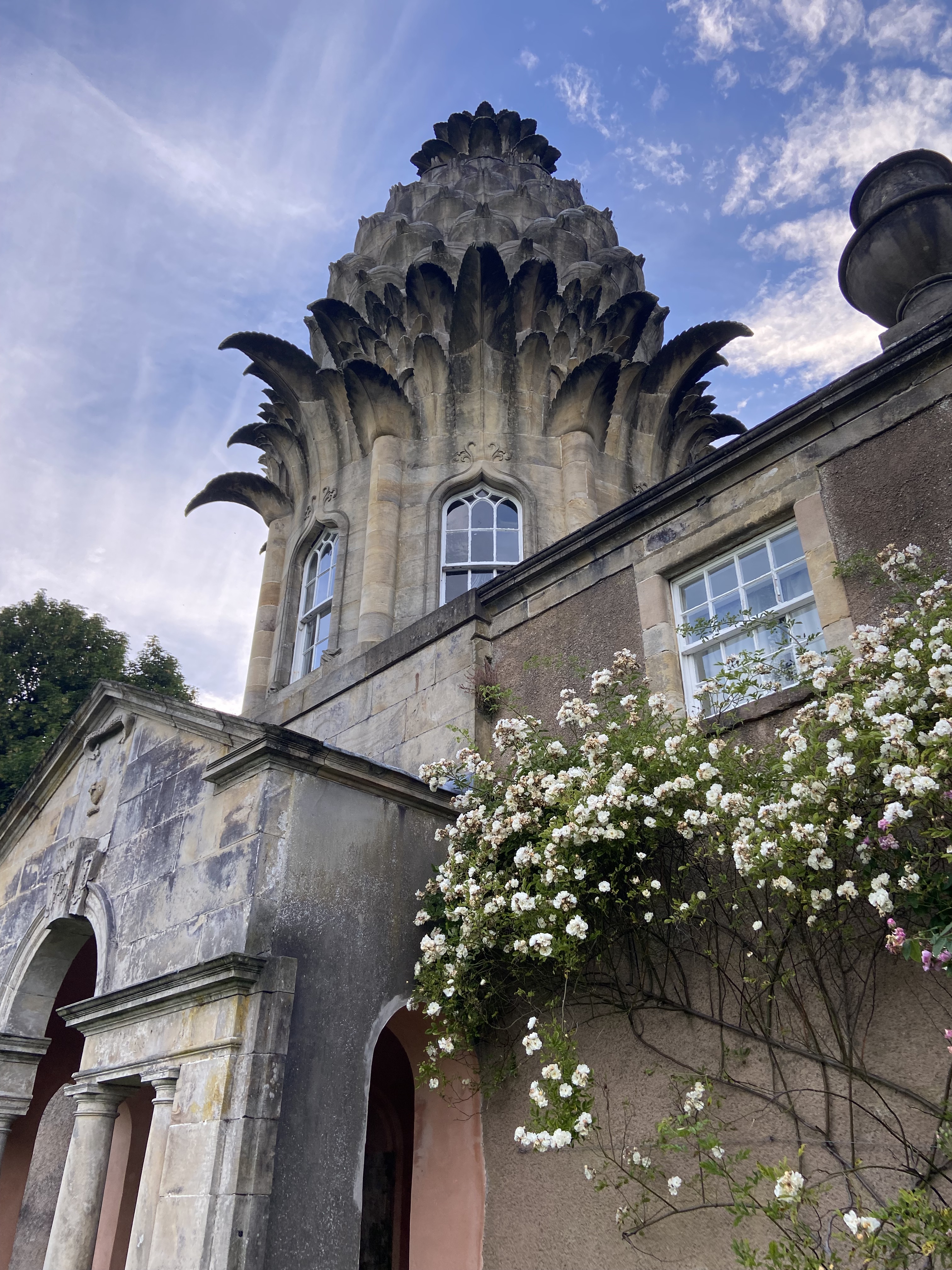
Val and I enjoyed the warm weather this week, heading out on Monday night to the Pineapple and on Wednesday to Fallin Bing.
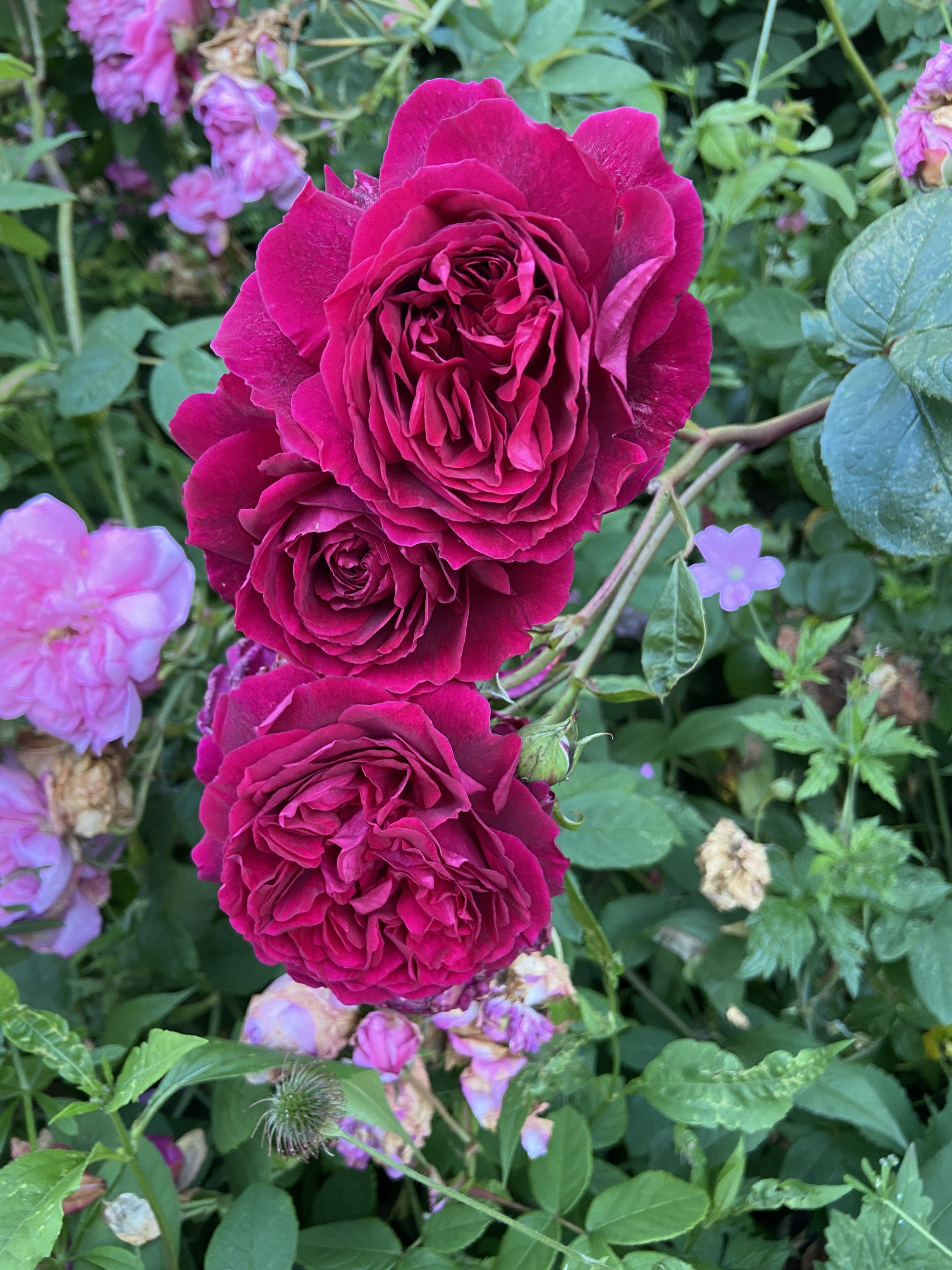
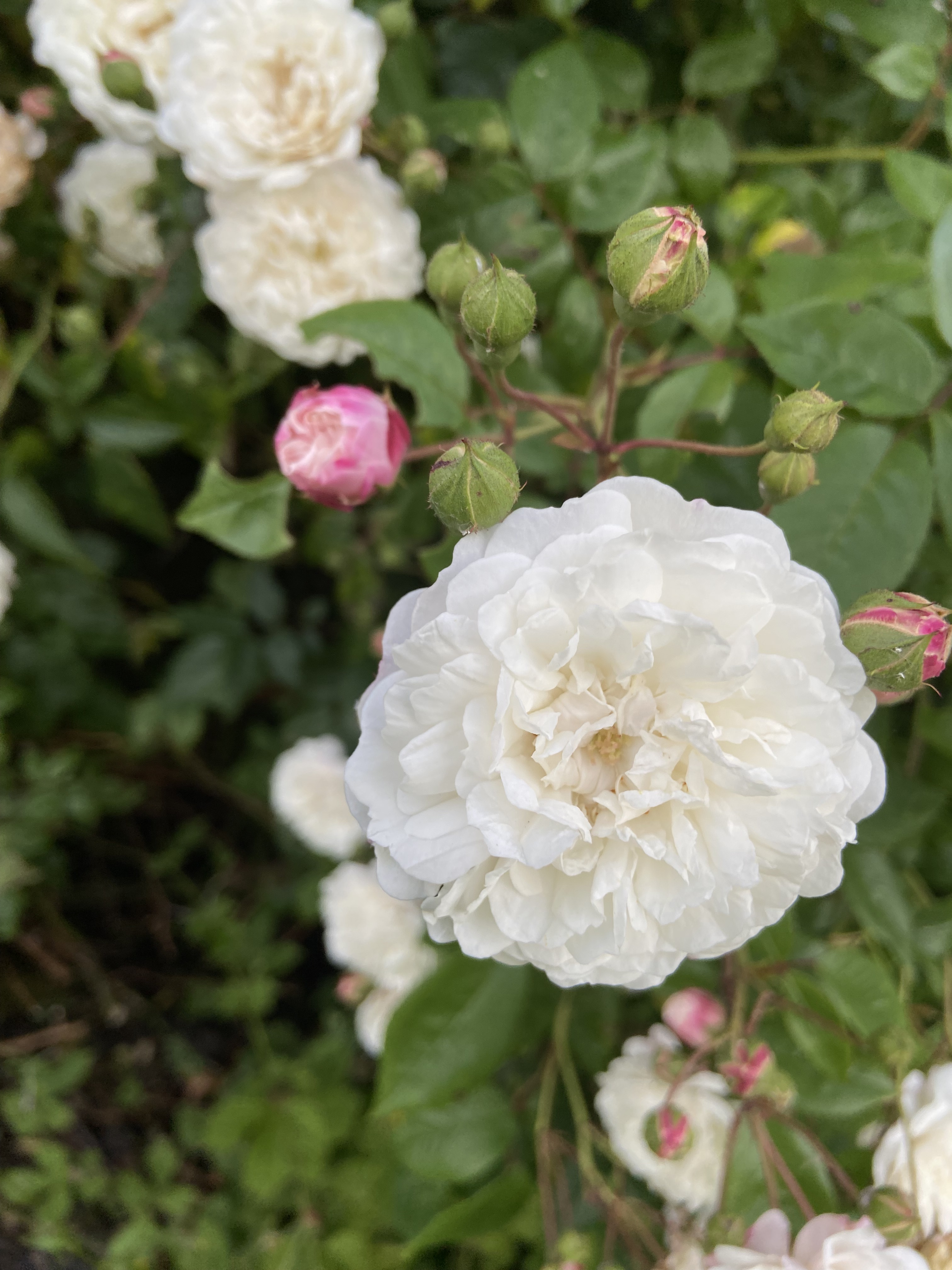
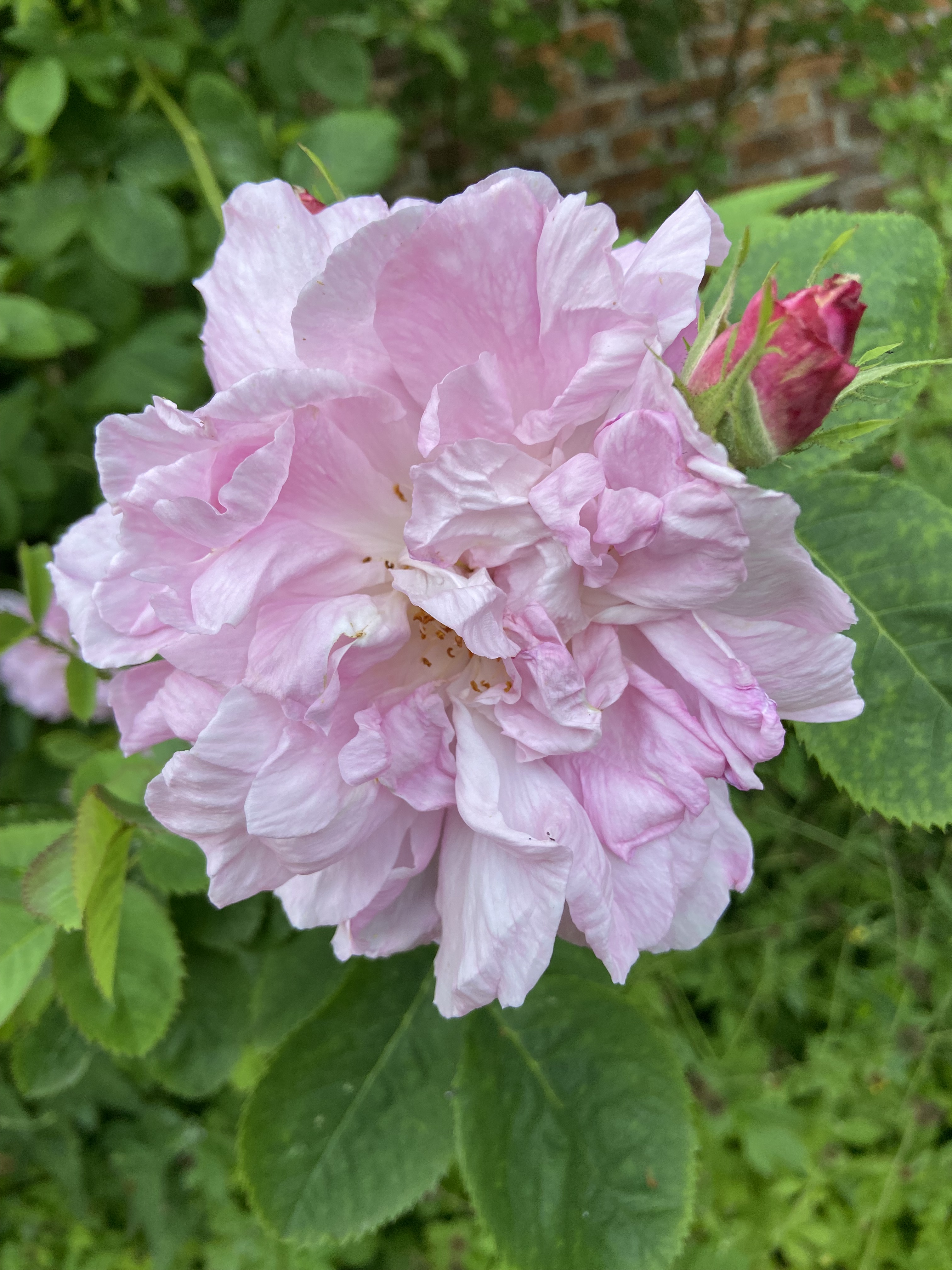
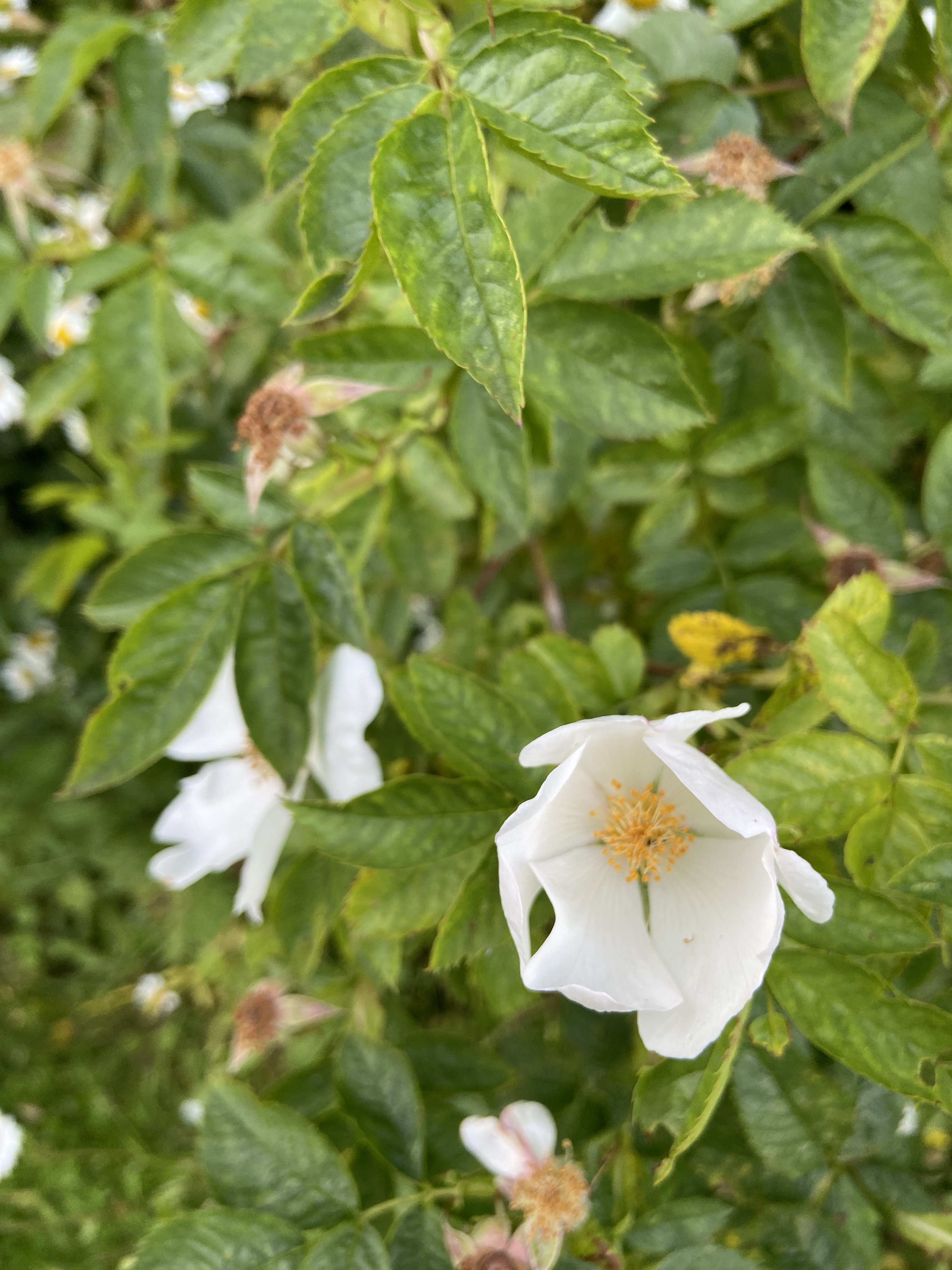
As usual, the gardens at the Pineapple were beautiful. Everything is in full bloom at the moment.
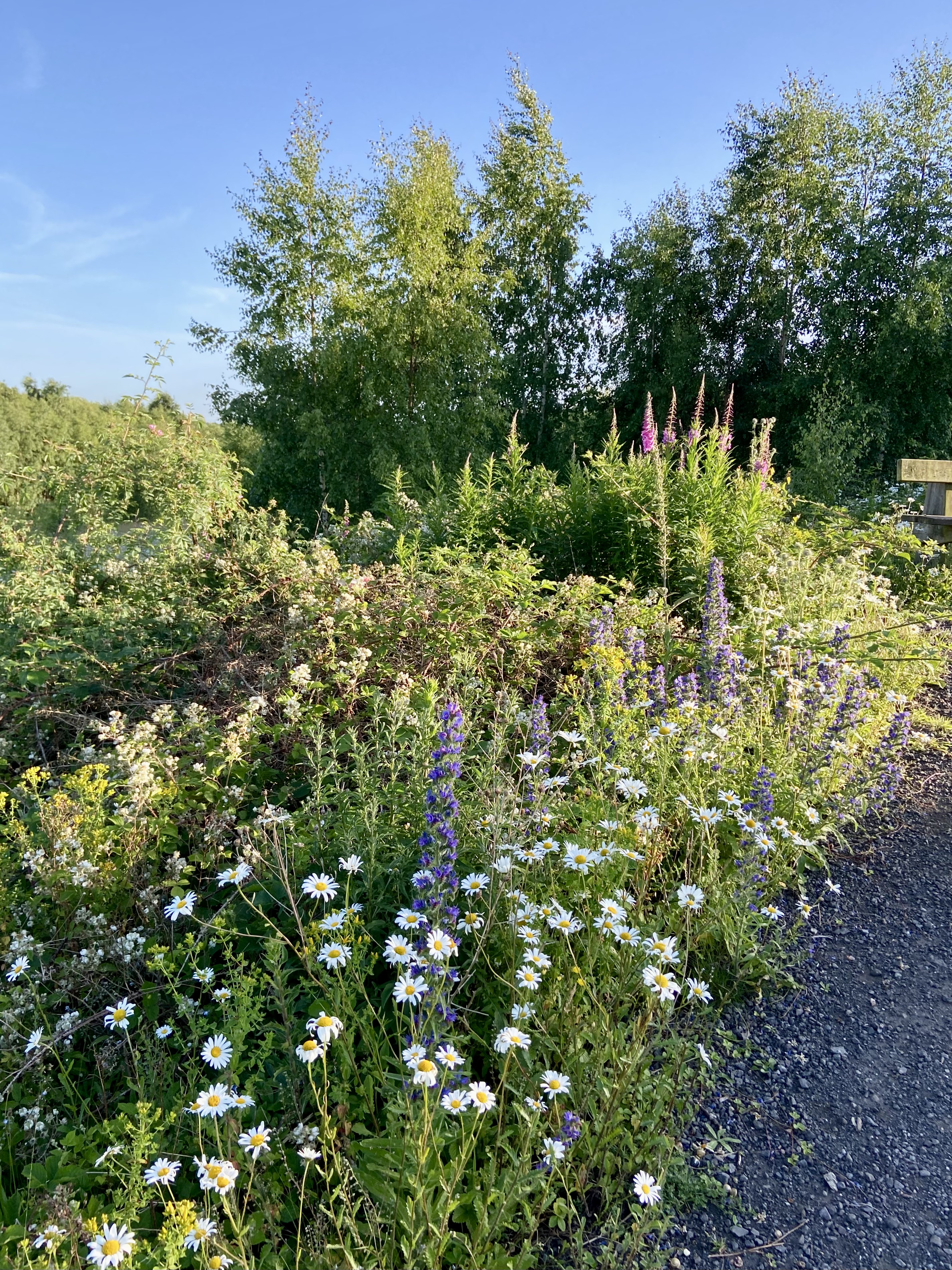
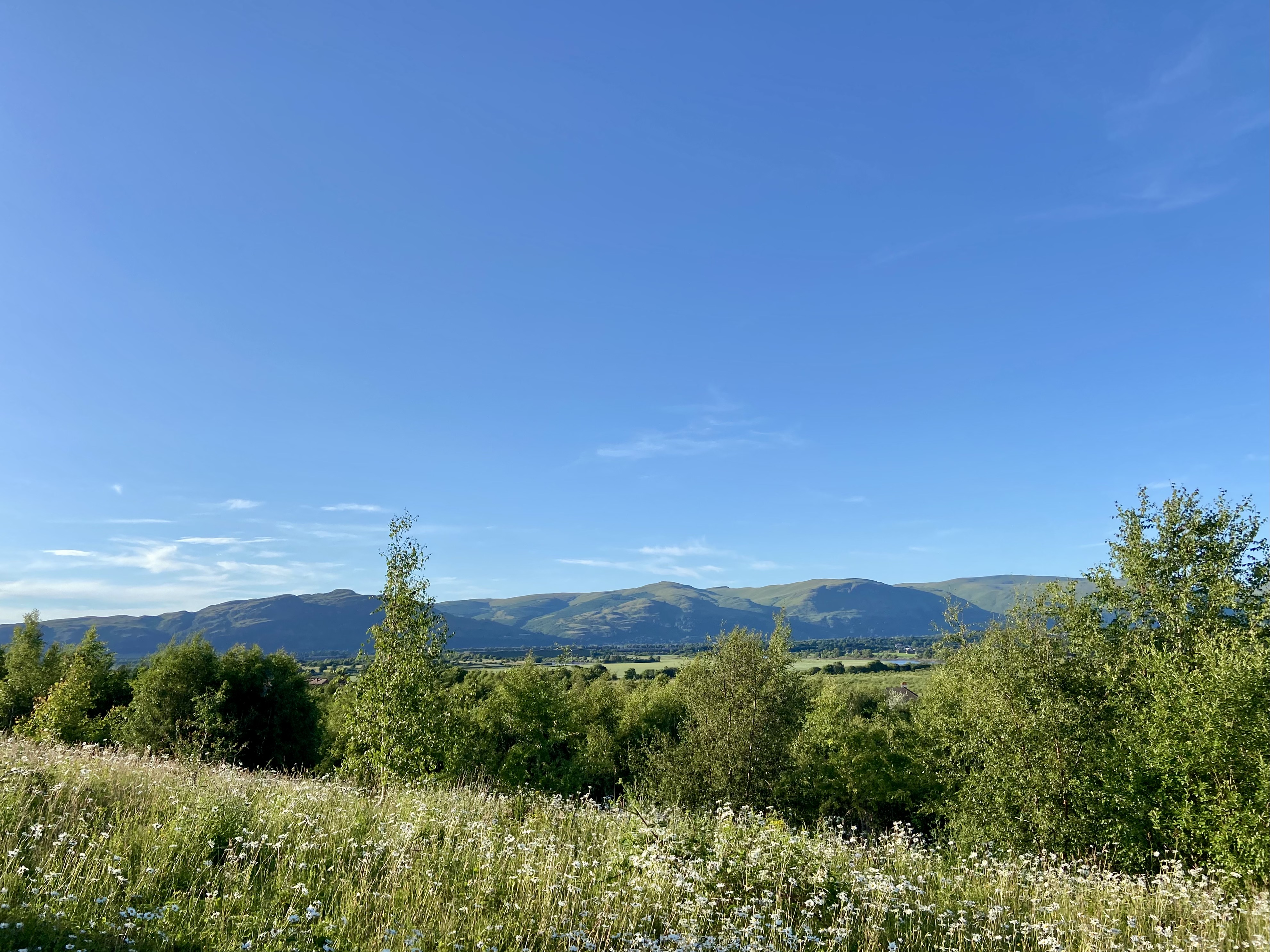
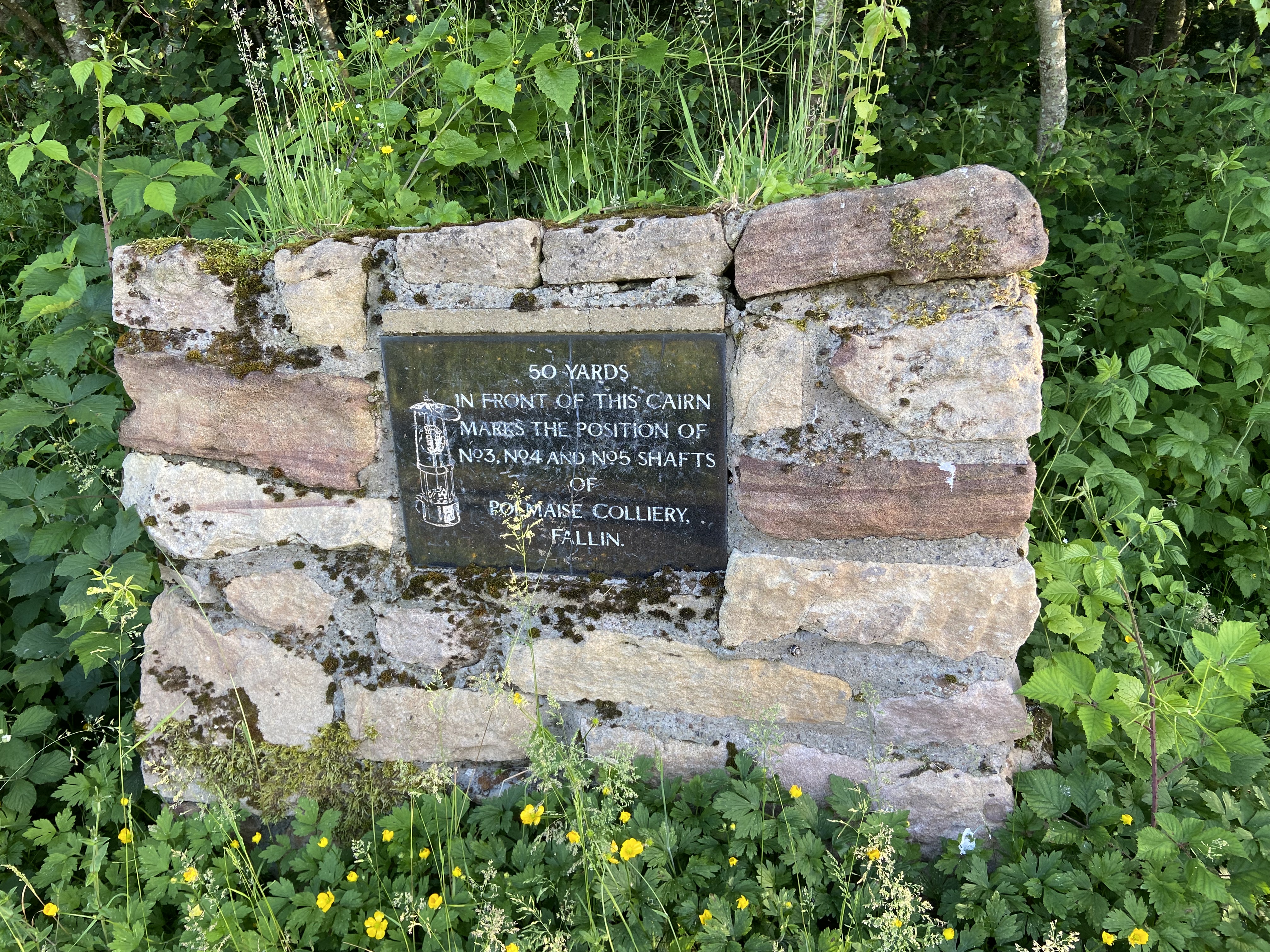
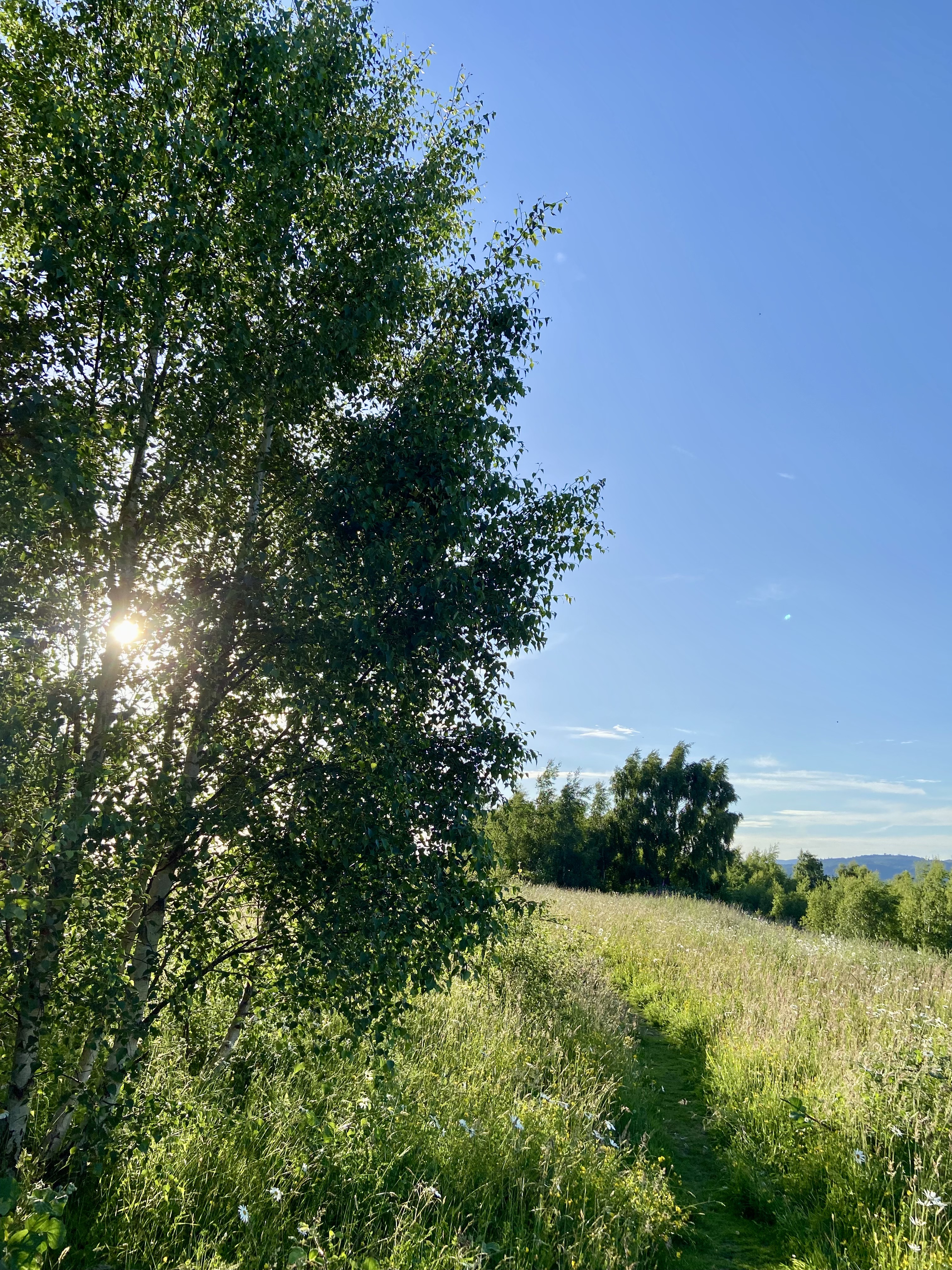
Wednesday evening’s walk on Fallin Bing was a surprise. For those who don’t know, a bing is a slag heap, leftover waste from mining. I was half aware that Fallin had been a mining village, where Airth was a fishing village in past times. The mine closed in 1987, along with so many others in Scotland, which closed around the same time. I grew up near Bilston Glen Colliery and remember the miner’s strikes. Now both are long gone.
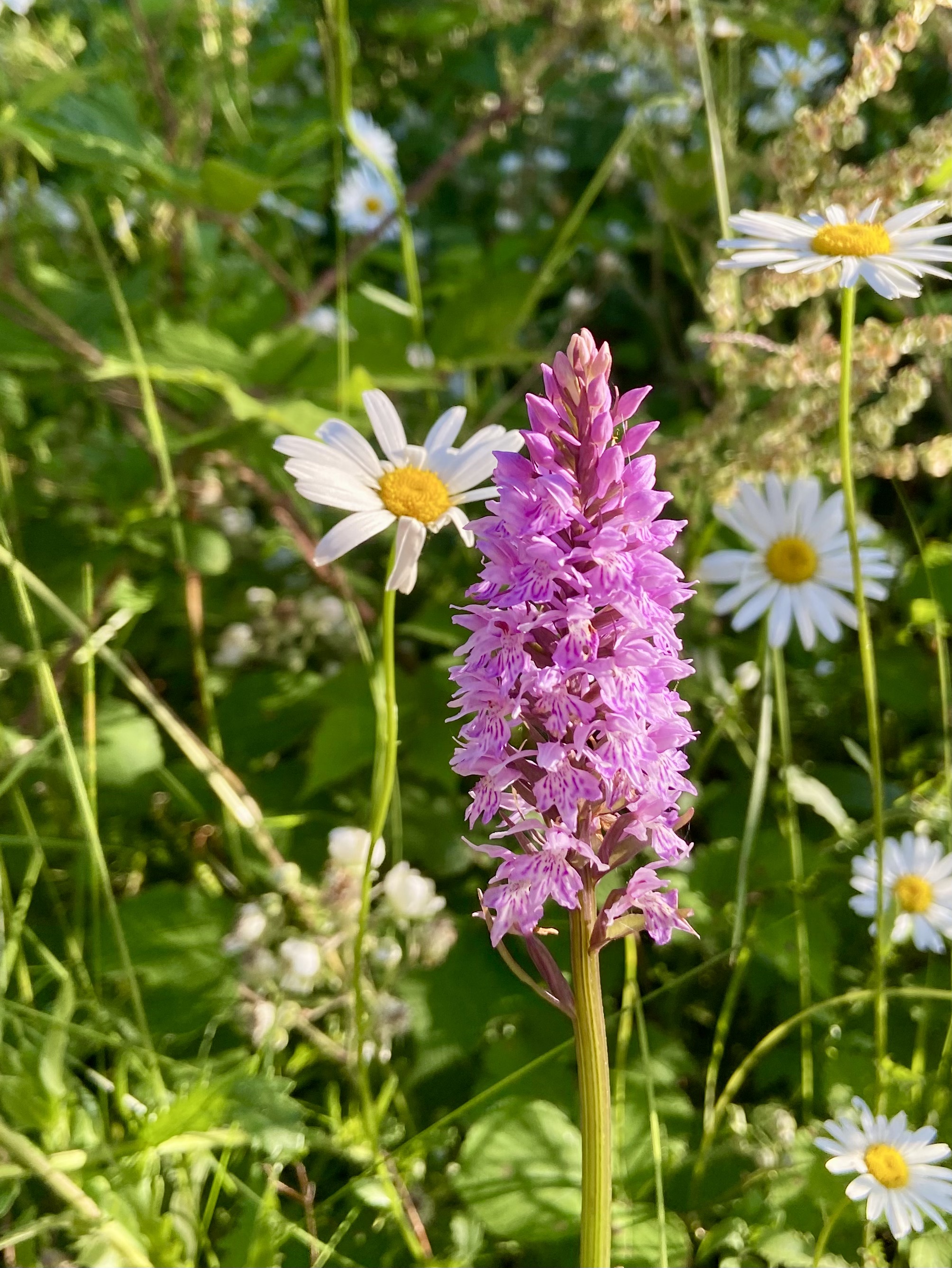
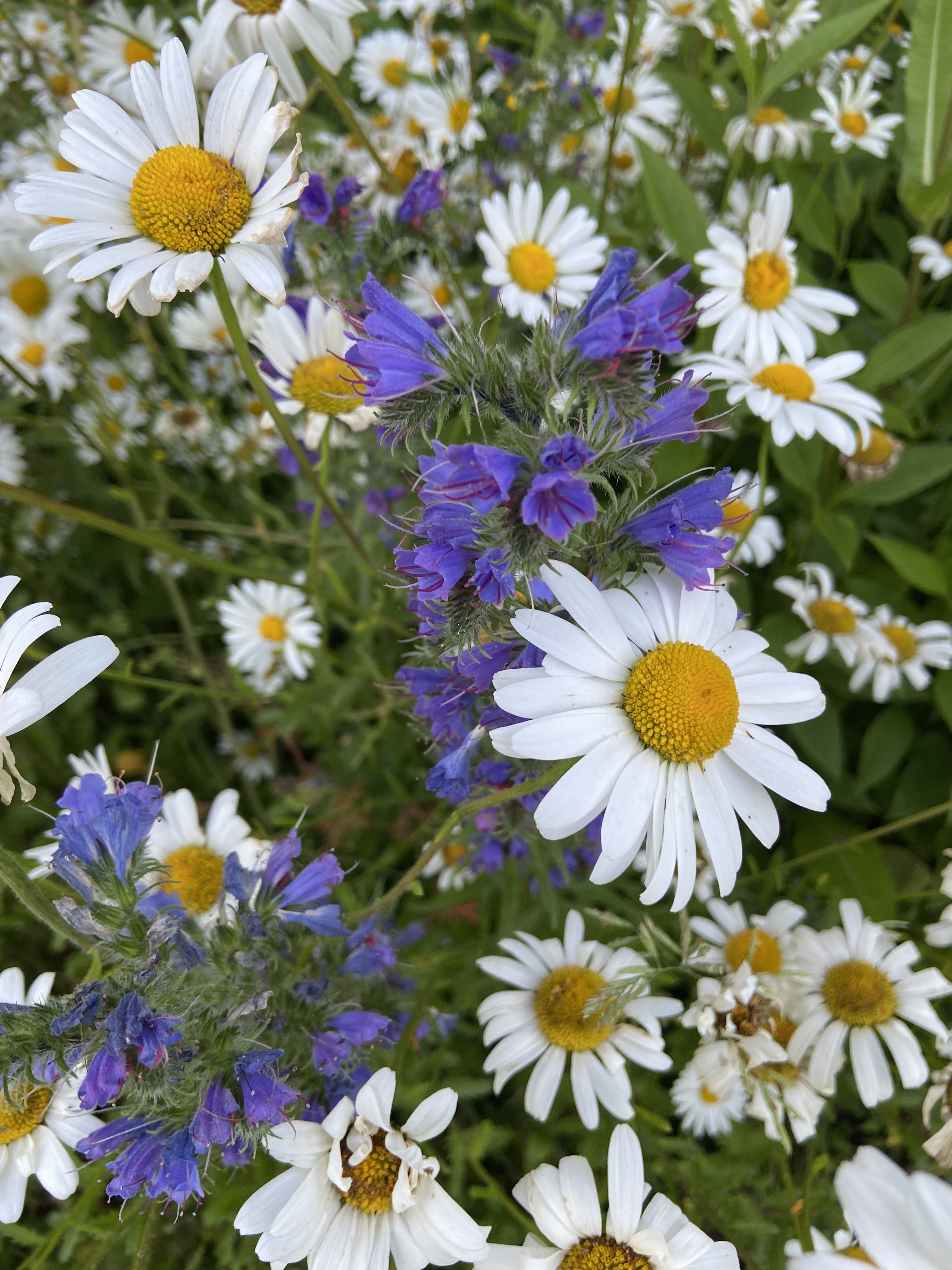
But the bing is beautiful. Once it would have been a black desert. Now it’s an oasis of Oxeye Daisies and silver birch trees.
I had better finish off. Before I went away, Donna invited me to a Mumma Mia Party, with dancing and singing, and bring your own bottle fun. I won’t say I’m properly introverted, but I am feeling some trepidation at the prospect. It’s generally worth pushing outside your comfort zone though. You never know what you’ll find out there. So I need to walk Triar and buy a bottle of something or other, before heading round to Donna’s just before twelve.
Thanks for reading. I hope you have a lovely weekend.
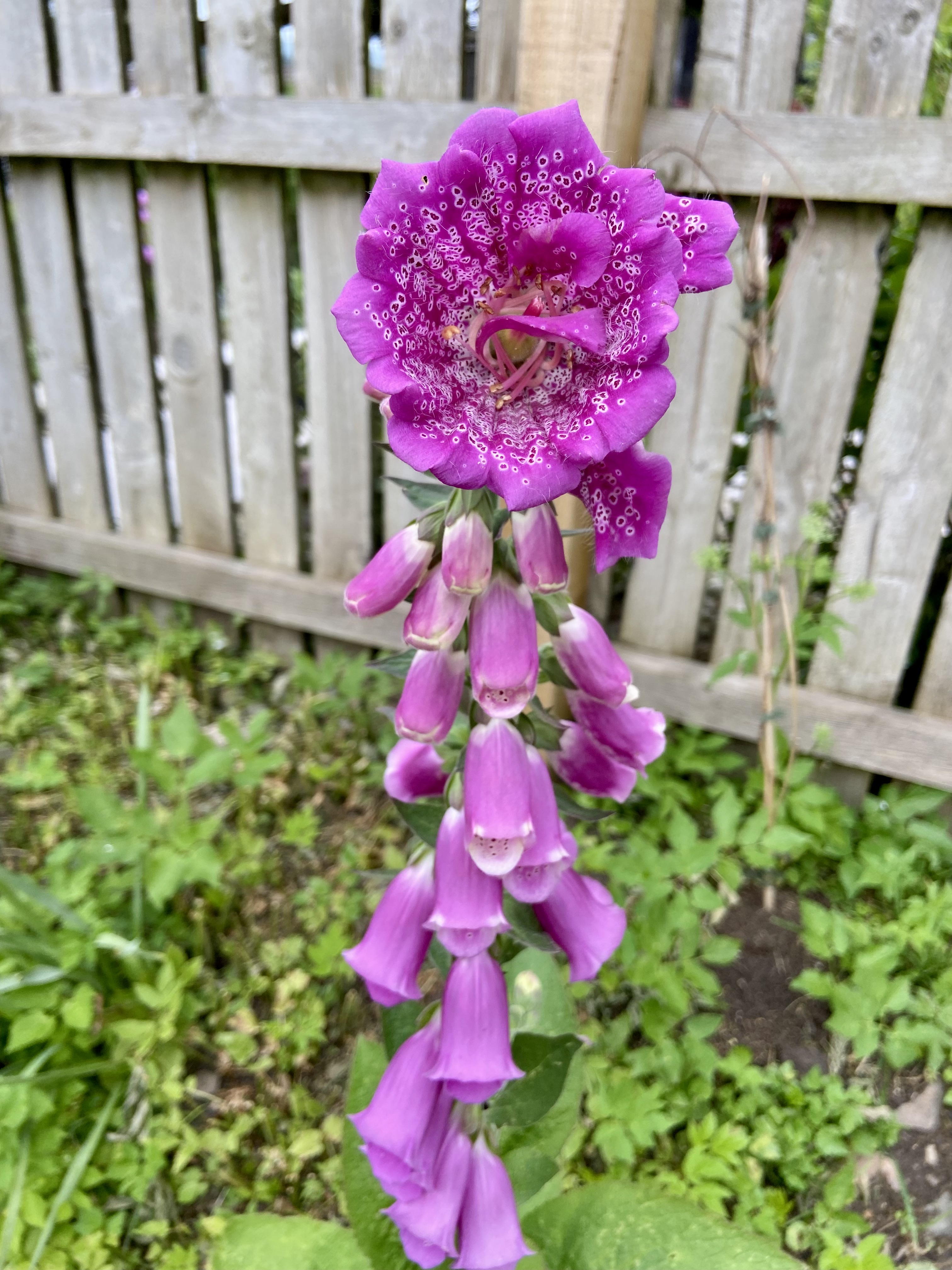
I shall begin with the aberrant foxglove. There are lots of gorgeous foxgloves in Valerie’s garden and I was reminded of something odd I’d seen in my own garden, last time I was home. I talked to her about it. Basically, my one, lonely foxglove has all the normal bell-shaped flowers on the lower part of its stem. At the top though, where there should be tapering buds, instead mine has a veritable flamenco dancer of a bloom. She wondered whether it was a different flower altogether, but I had taken a photo and when I showed her, she agreed that it almost certainly was a foxglove. “It’s very beautiful,” she commented. So here it is. My aberrant (but beautiful) probable foxglove. Feel free to comment if you can shed light on it!
The miscalculation related to where my call was on Monday. The farm was near Kelso, which is in the Scottish Borders, south of Edinburgh. I was in North Yorkshire and mentally calculated that (as I said last week) there was no point driving north to Airth, only to go south again. Equally to go to Dumfries would be an hour’s unnecessary driving as it’s also not on the route between where I was and where I needed to be. I’m now driving the practice van, so I’m very much aware of the mileages and not using it for personal use.
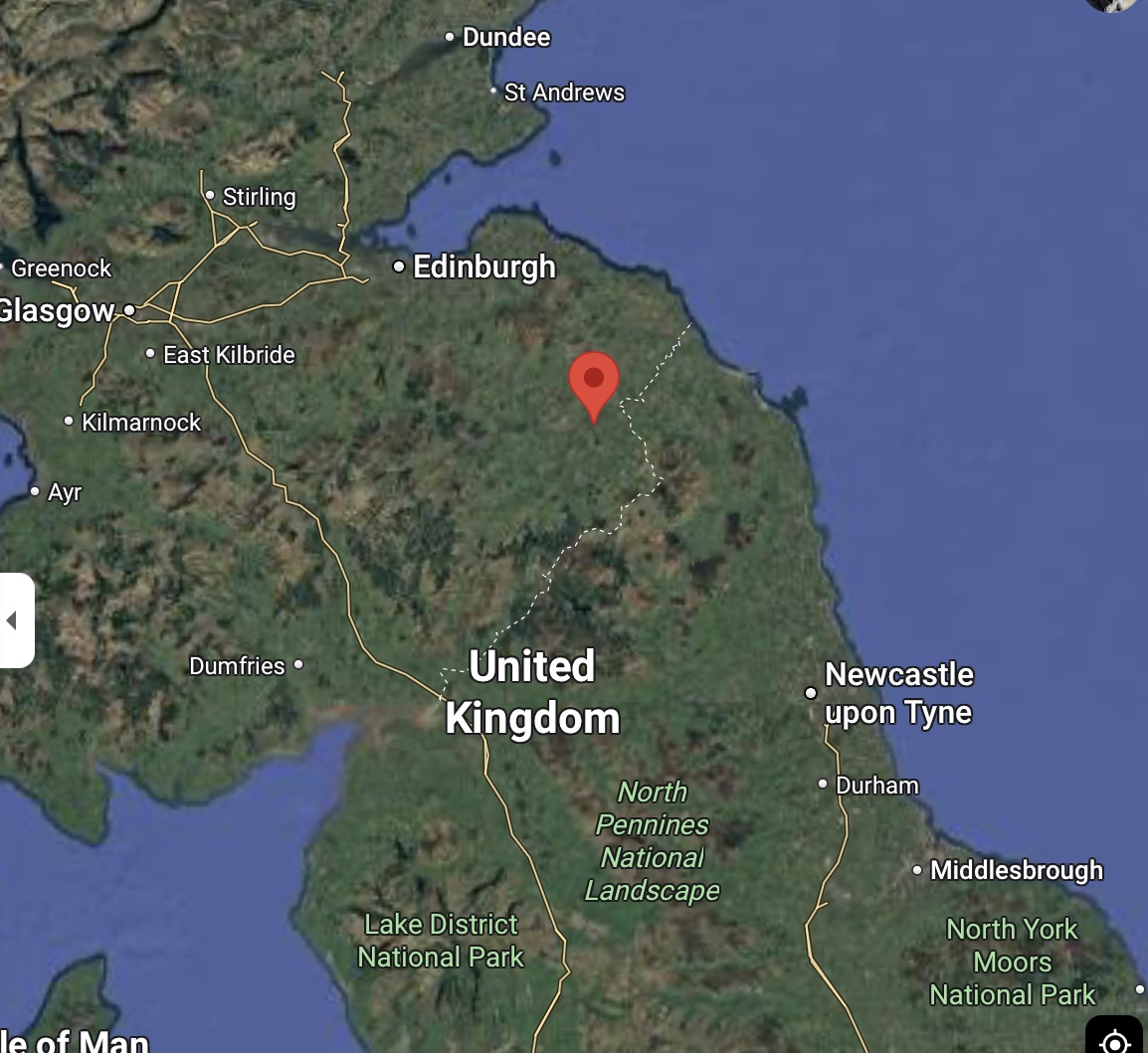
Anyway, in my mind, Kelso was in the Scottish Borders and Dumfries is near the border with England, so I was imagining that traveling to Kelso, then on to Airth (or Dunfermline) would be a similar journey to traveling to Dumfries, then on to Airth (or Dunfermline). The first leg of the journey (I thought) would be shorter than the second. What I had not taken into consideration was that Scotland’s border with England isn’t a nice, level line from West to East. It’s actually more at a 45 degree angle – much further north in the east than in the west. In addition, I think Eleanor said the farm was in Jedburgh, which is actually south of Kelso. I’ve made a map image to show where Kelso is (the red marker) in comparison with Dumfries and Airth, which is near Stirling.
The bright yellow road running up the west side of the country should also have been included in that calculation. It’s the M6/M74 which connects with all the motorways in the central belt of Scotland. It’s also nearly a straight line from Dumfries to Stirling. Driving up through the Borders takes way longer and is a massive detour.
Anyway, having got up and set off early, in order to get to Kelso by the allotted time of 11am, I found that, in the van, on these windy roads, the journey took even longer than expected. I couldn’t find the farm when I got there either. The postcode I’d been given took me to a small housing estate on the edge of a village. Sometimes when that happens, you discover there are chicken sheds hidden by some trees, but not this time. By the time I finally found the farm, it had taken me four hours to get there and I was also thirsty, as I hadn’t had time to stop for coffee along the way.
The visit itself went well. Some lovely, free range hens, very healthy and well looked after. It was only when I got back in the van and put Airth as my destination into the app, that I found I was only an hour and forty five minutes away. Worse still, I had to skirt round Edinburgh, which meant that Dunfermline was marginally closer.
So by now I was thinking that the boss would be wondering how I had taken quite so long on a call that was less than two hours from home. It was also around two in the afternoon. It’s a half hour drive from Dunfermline to Airth so (for me anyway) it made more sense to go to Airth and work from home for a couple of hours. I had enough to write up, after all. Technically, from the practice’s point of view, I had actually done the least amount of miles and the lowest number of hours worked. My conscience remains clear, but I am finding the expectations of private practice quite tough. At APHA, I had a lot of freedom. My boss trusted that I would plan my days effectively. He and I would have laughed together at my miscalculation. Nor would he have expected me to travel the three hours back to Airth (I was in Yorkshire for work) in my own time, knowing I would still have to put in a full day’s work on Monday.
From all of this navel gazing, you might have worked out that all is not entirely well in my new job. I chose to go back to Airth anyway, knowing it might not be popular, but unwilling to enter into a lengthy discussion over what had happened. Where there is no trust, I find it hard to function and (frankly) I’m too old for mind games.
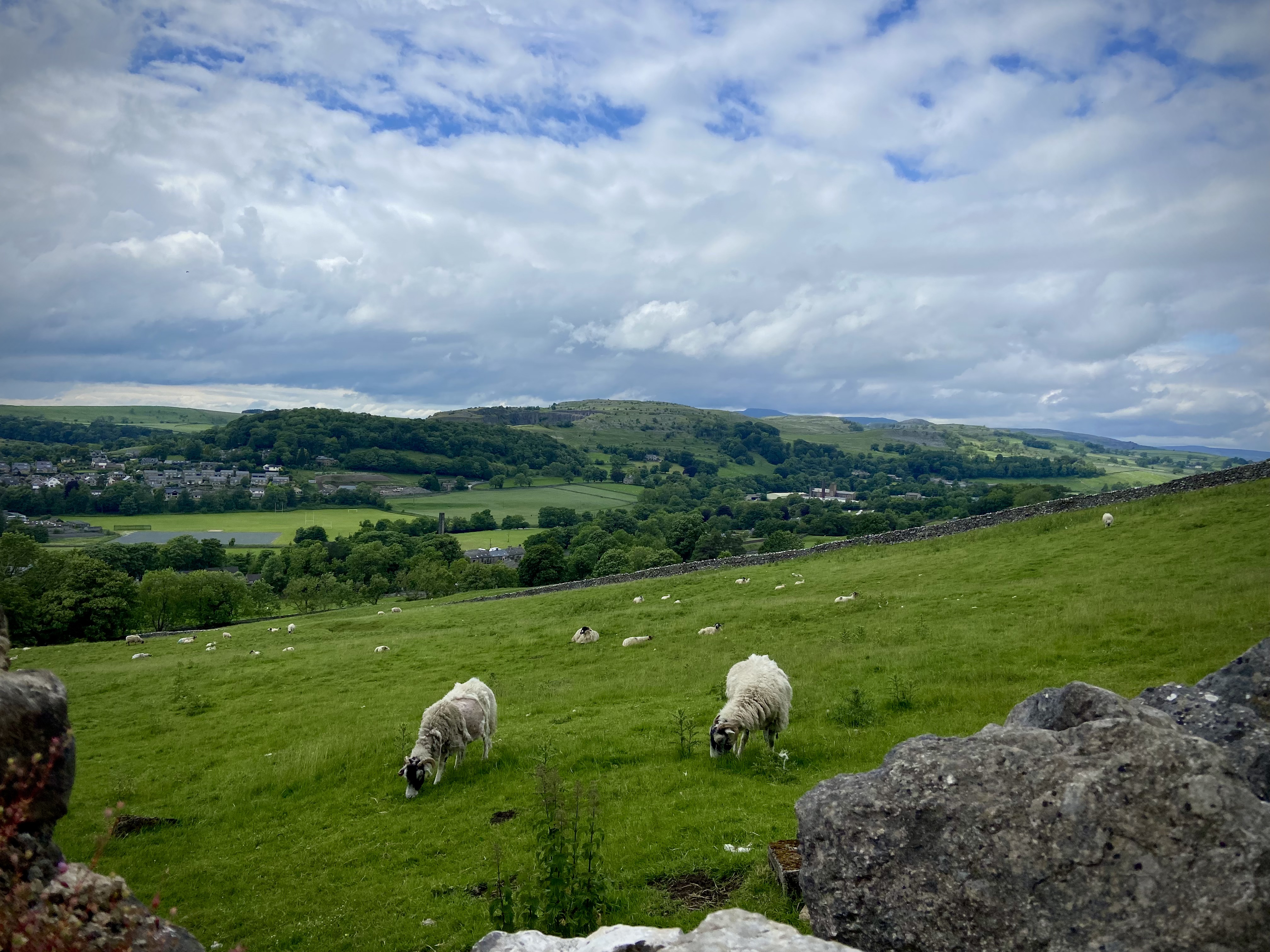
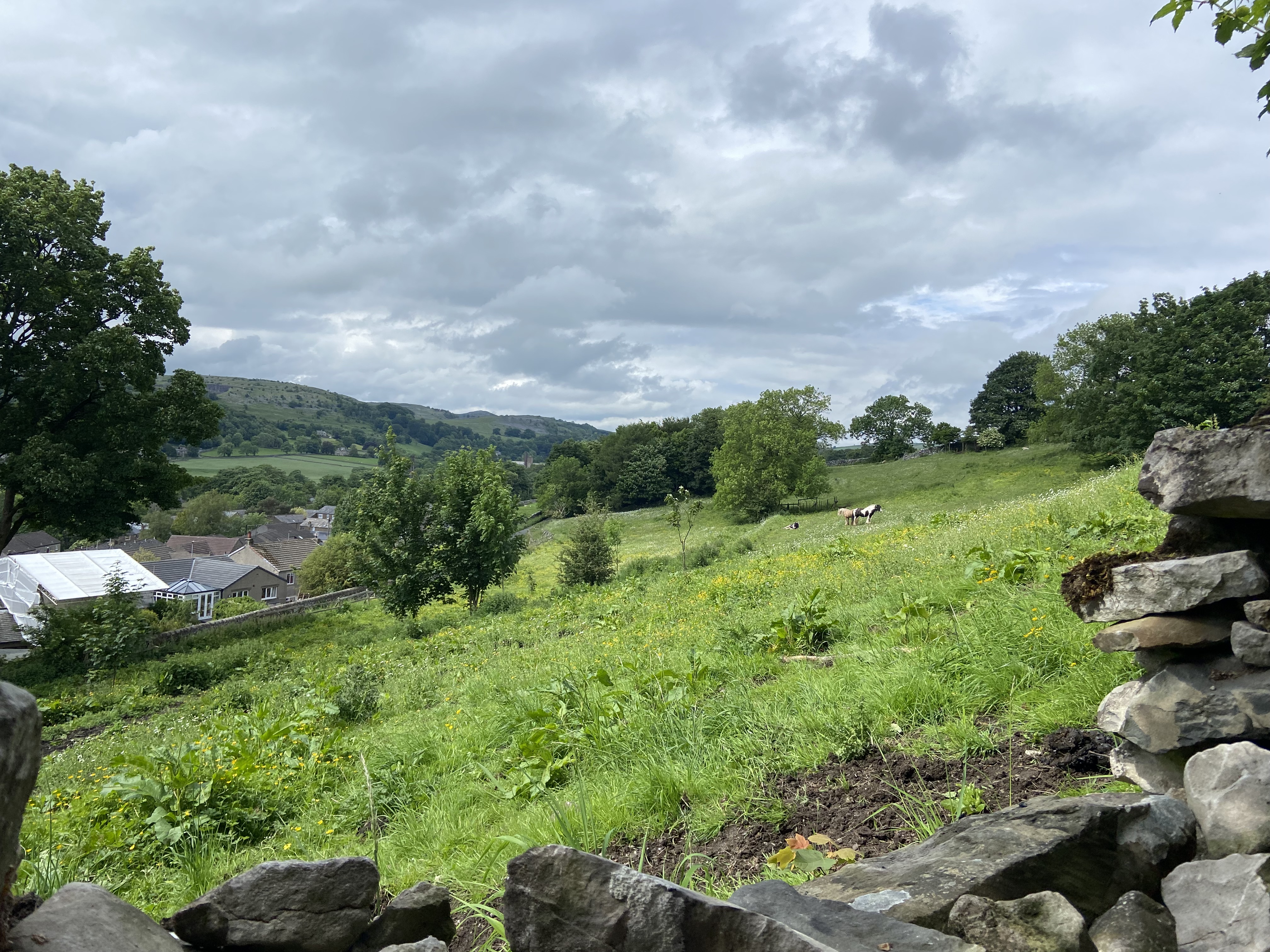
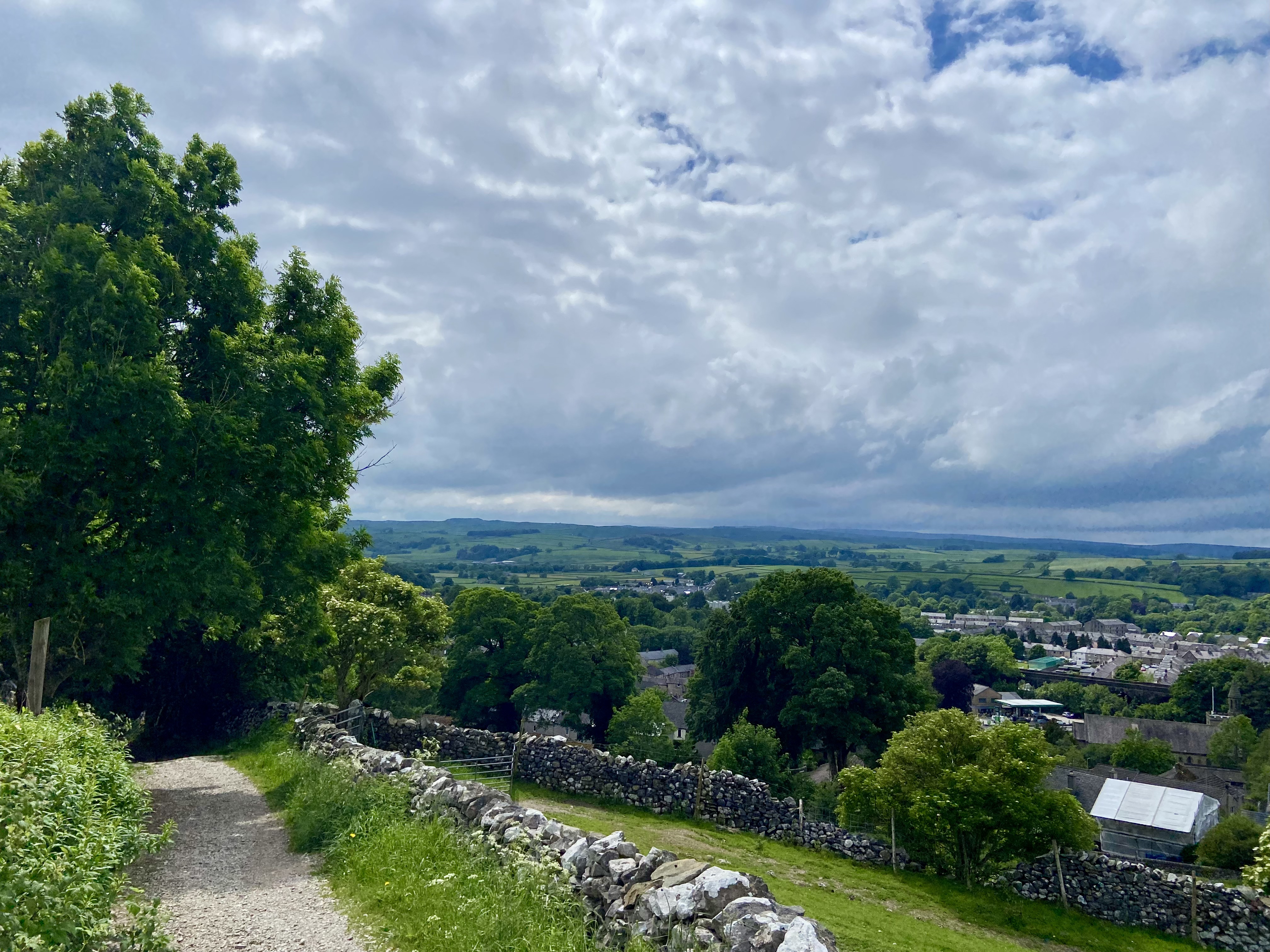
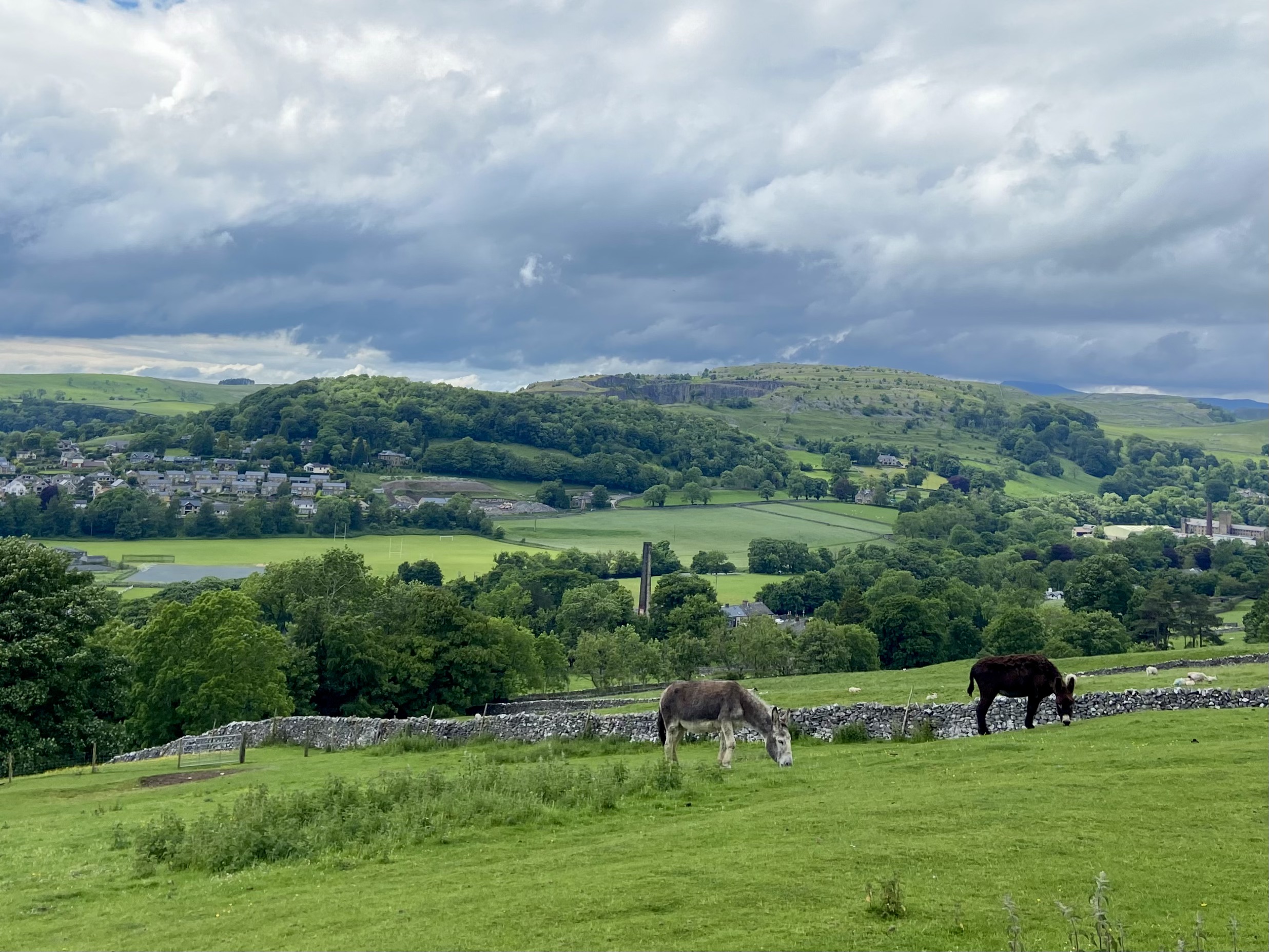
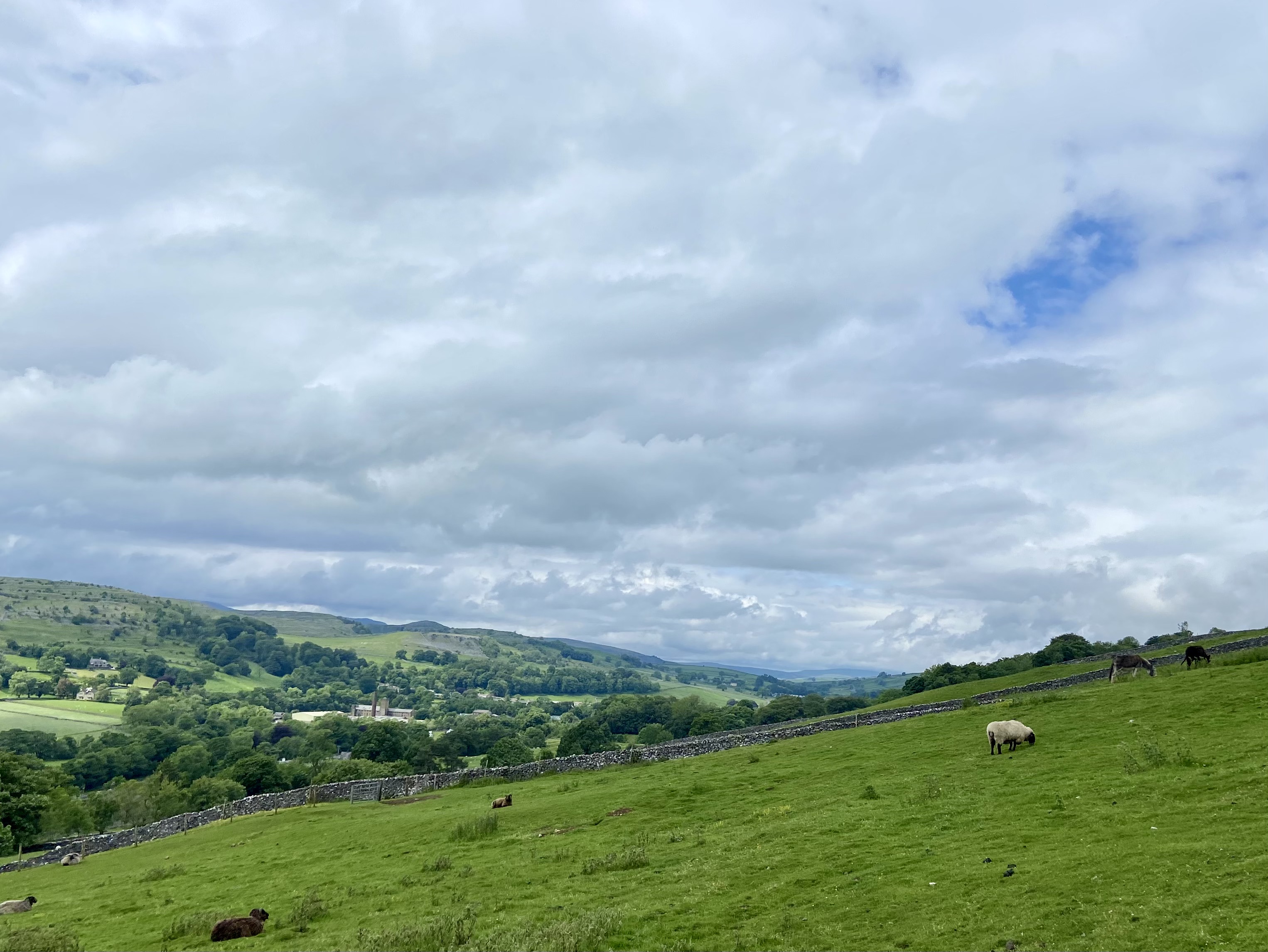
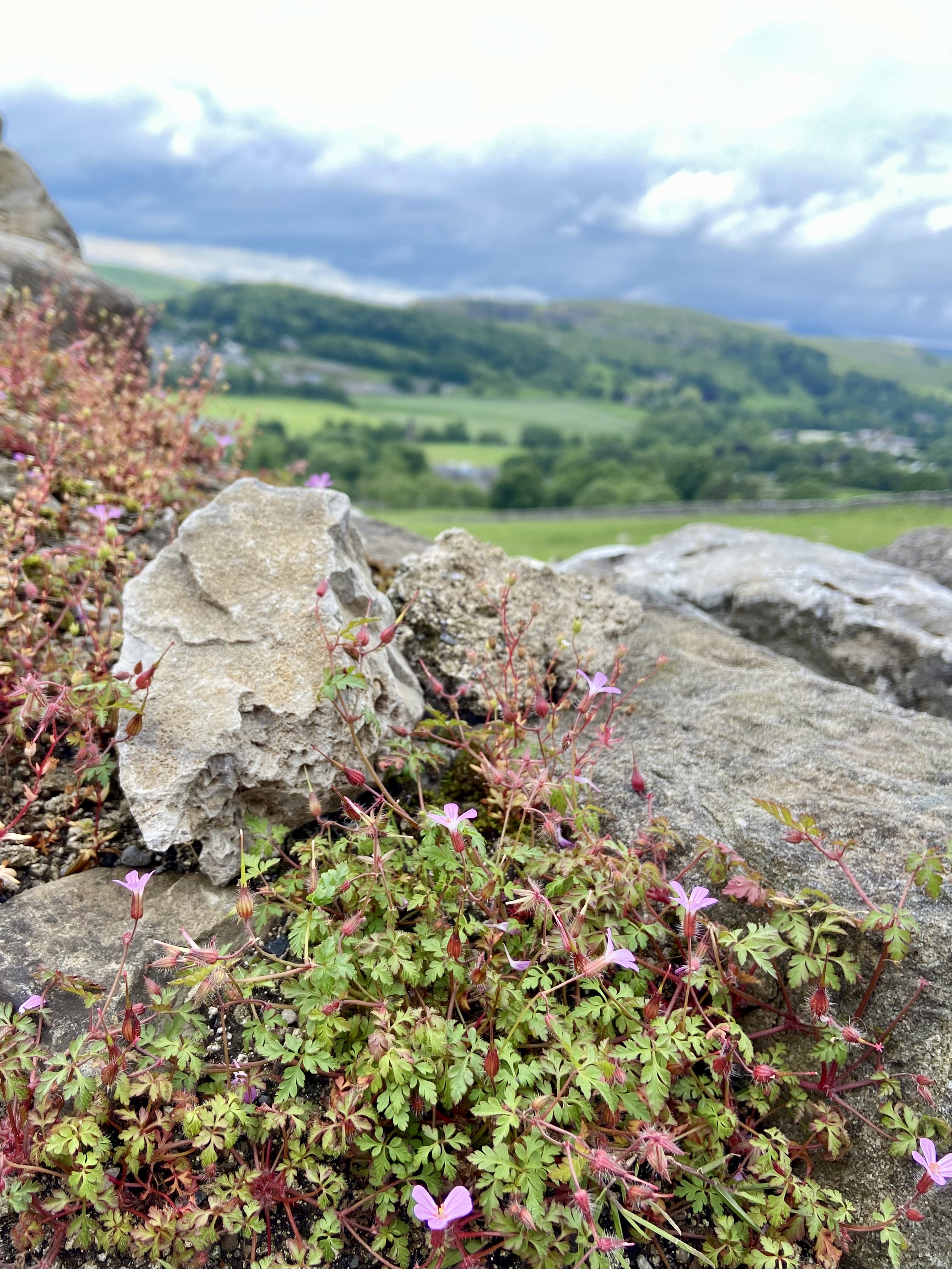
For what it’s worth, I had a lovely weekend in Yorkshire, staying with mum and dad. I had a lovely walk on Saturday, in between rain showers, so I will end on a positive note, with some photos. Thank you for reading. Hopefully next week’s post will be more cheery. Have a good week all.
When I booked this year’s Norwegian holiday in December, it didn’t cross my mind that I would see snow in Scotland before I went. Living in Dumfries for the last two winters, I’ve not seen more than a heavyish frost, so I joyfully booked a pre-Christmas week in the Arctic to boost my chances. Not that there is invariably snow there in December, but the odds of it (and Aurora) are much greater. Perhaps I should have been prepared for it. After all, last time I went there (May last year) Donna sent pictures of spectacular northern lights over my house. Life is sometimes topsy-turvy after all.
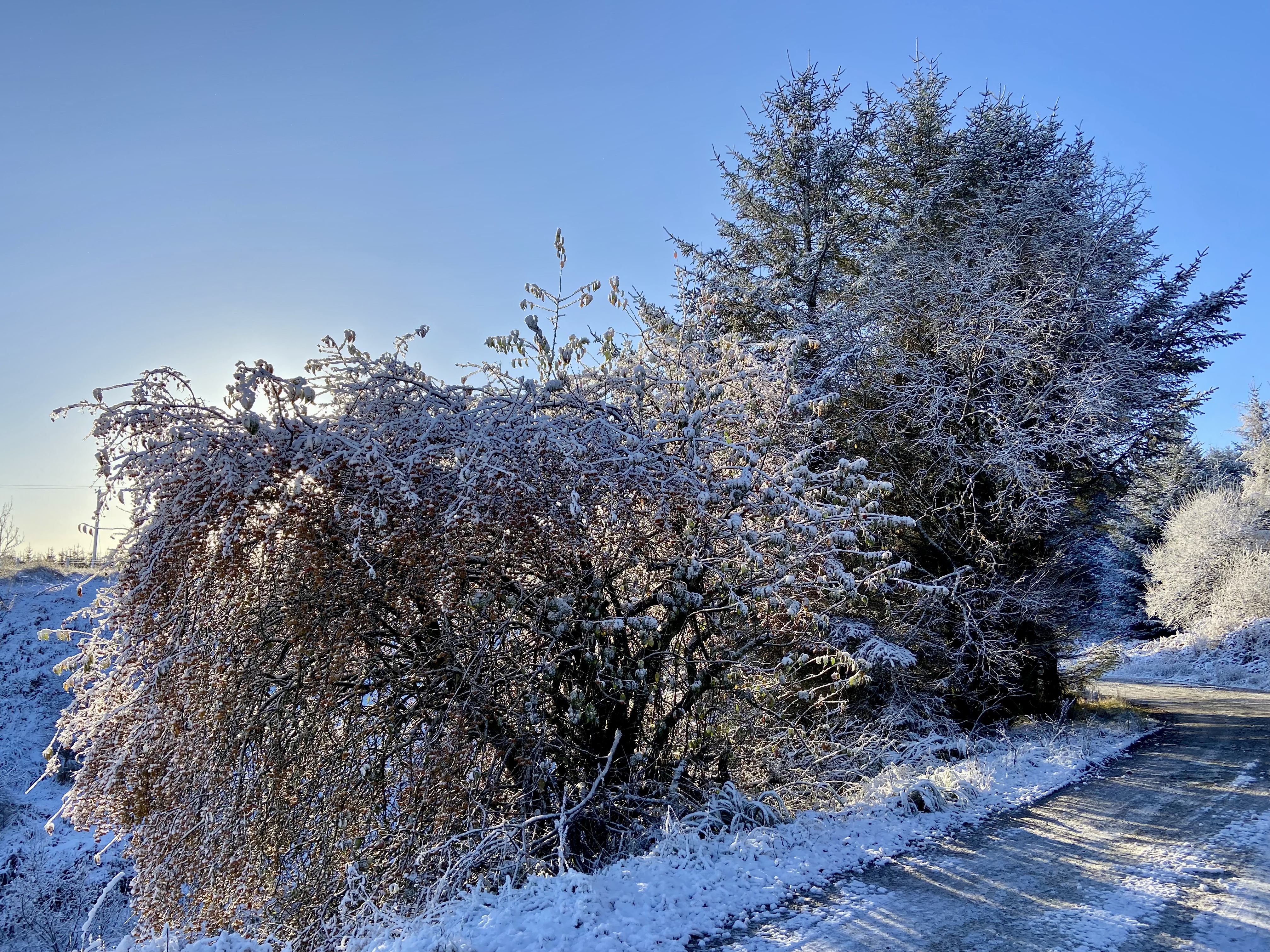
I guess in North Norwegian terms, this barely counts as snow, but it was beautiful anyway. A white world under a cloudless blue sky. My favourite kind of day.
This was my second day in the area, working with a team that was trying to ensure the last of the maurauding pigs were gone. Most had been removed the week before by my colleague from the local authority in a trailer. These were the stragglers: those which were no longer domesticated enough to come back to their field for food. Knowing this might happen, I had asked for, and received, permission to invite a wildlife firearms team to come up.
I guess some might criticize that decision, but these were pigs living in close proximity to a nasty bend in an A road. We’d already dealt with one that had been hit by a lorry. Someone asked if I would be traumatized, but my thinking is that these are healthy animals being shot from a distance in an environment where they are comfortable. There are much worse ways to go. I was there as welfare vet though in truth, the two members of the team who came were so professional that my presence was barely needed. There were very few pigs, though there was a young pair, probably brother and sister, who would have bred if left.
As well as taking me up the hill where we had great views of the snow, my local authority colleague took me to see the weaned piglets from the members of the herd he’d taken away the week before. Instead of being outside in the cold, they were inside in a comfortable pen, with plenty of food. This hasn’t been a perfect operation, but it’s a good end to a welfare case that held the prospect of getting completely out of hand.
I’ve been out to a couple of cafes this week. The first was a trip to my local garden centre, where I have a card that lets me have two coffees each month. Mostly my intention is only to have coffee, but on my previous visit, I had seen a gingerbread cake that I decided was worth going back for when I was hungry. This then, was last week’s belated breakfast after waiting for the plasterer. It was worth the wait: the cake had a warm and spicy flavour that was nicely offset by the coolness of the icing. If I was being pernickety about it, I was slightly disappointed that the litttle gingerbread man and the biscuit crumbs on the cake wer soft and not crunchy but, complemented by the smooth bitterness of the coffee, it was a delicious start to the day.
The second was a revelation. On a dreich day at work, I went with a colleague to a cafe in Sanquhar called A’ the Airts. As Scots readers can possibly predict, this venue had lots of paintings on the walls. There was a gorgeous acrylic of a cat on a black background and a glorious golden painting of a stag with antlers. I may go back to buy a painting when the work in my house is finished, but I will definitely be going back before that for more food.
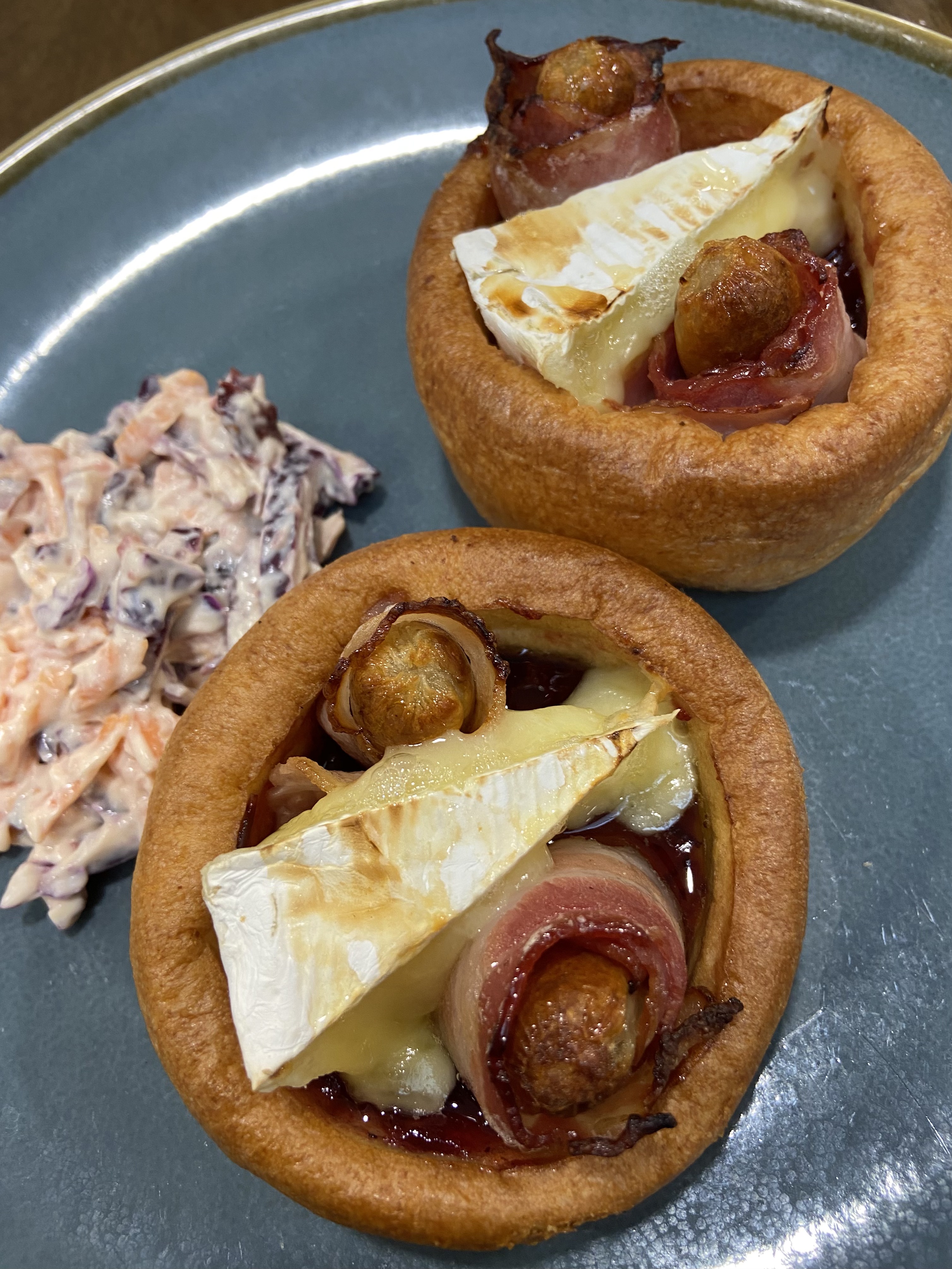
In addition to the normal menu of toasted sandwiches and soup, there were two Christmas offerings. Having been out in the rain all morning (I saw myself in a mirror and bedraggled would have been a good description) I was keen to order, so decided quickly on the second choice, which involved pigs in blankets, gravy and Yorkshire puddings. It was only after the order was in that I read the description properly: “Two Yorkshire Puddings stuffed with Cranberry, Pigs in Blankets & Honey Topped Baked Brie served with gravy & festive slaw”
I guess there is nothing wrong with a cheese and Yorkshire Pudding combination, but I confess I was surprised. Still, bedraggled and hungry as I was, I was delighted when it appeared.
It wasn’t easy to photograph. I’m not sure how enticing it looks, but reader it was delicious! Cranberry and Brie is a common combination. I’m usually wary of adding in bacon. For me that is gilding the lily because the sharpness cranberry offsets the creaminess of the Brie so well. But this time, with the honey accentuating the salty and crunchy bacon, alongside that heavenly Brie and cranberry combination… well it was divine. I’m not sure I detected any gravy (I love gravy) but for a hot meal on a wet November day, it was perfect. And if you want to know what was festive about the slaw? That had cranberries in it too. Not sure they added much, other than it being an odd colour, but it’s a forgivable experiment! All in all, this was a wonderful meal.
And now I am down in Yorkshire. Not the snowy part, but the past two days were beautiful with frost. It’s been a lovely start to a long weekend.
Disclaimer: the pig picture above belongs to a friend and is not part of my case.
Looking back at this post from last year it’s kind of odd to see how little has changed in terms of my workplace, workload and colleagues. The reason I was reading it was because this week, on top of my TB case, the aftermath of Thursday’s report case, big welfare in transport investigation and a couple of routine inspections done or due, the marauding pigs have made a return. It’s been posted on Facebook and the local news, so I guess I can say that these pigs are now causing a significant hazard on the A76. Last year, it appeared the situation was back under control but (as with many other welfare situations) it has spiraled again.
It’s not that surprising. During my three years in Norway, it became obvious that most farmers are doing a great job and that almost all the problems we have to deal with stem from a few people, a few of whom are genuinely bad or ignorant, but most of whom are struggling with life, one way or another. Lots of people have a dream where they run a successful business, keeping animals. The reality is that doing so involves a huge amount of hard graft and a steely mind that can cope when catastrophe hits. Farming is a tough business. To quote James Herriot, ‘I was beginning to learn about the farmers and what I found I liked. They had a toughness and a philosophical attitude which was new to me. Misfortunes which would make the city dweller want to bang his head against a wall were shrugged off with “Aye, well, these things happen.”‘
Anyway, Tuesday was a bit sad as one of the poor pigs was hit by a lorry. The end of the week was filled with meetings and multi-agency planning to find a solution that will last. Otherwise, we’re going to be dealing with ongoing problems for years to come.
A lot of what we do involves fighting against the system. These welfare issues are typical – we have to make sure we give people the chance to rectify problems themselves, when the reality is they are only in that place because they aren’t coping. There’s little we can offer in terms of support and neither advice nor penalties really help. After almost two years though, I have a reasonable grasp on many of the tasks I’m handling and what I can actually do. I have a network of contacts, both local and national, who can be relied on to get things done, which makes all the difference.
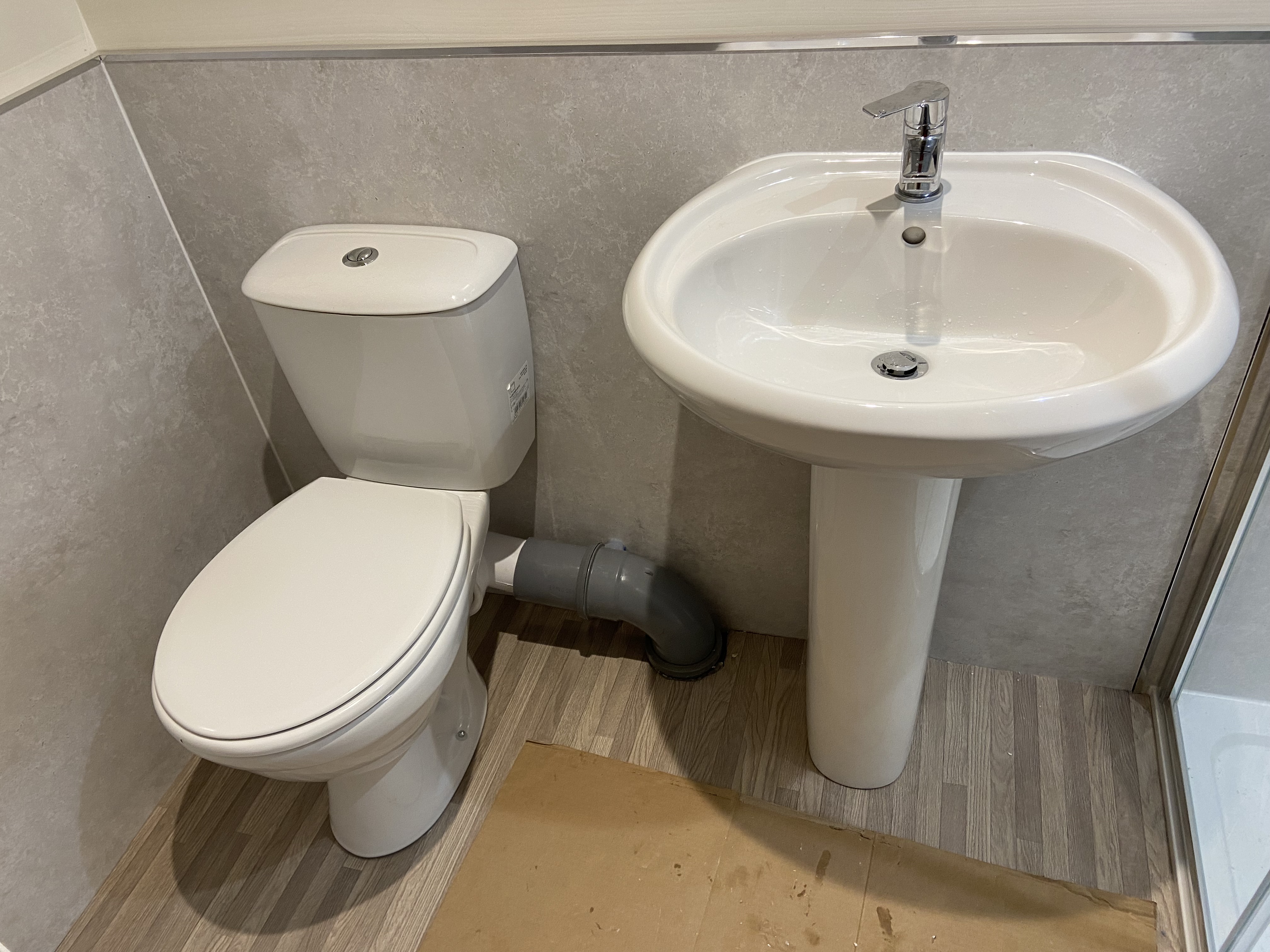
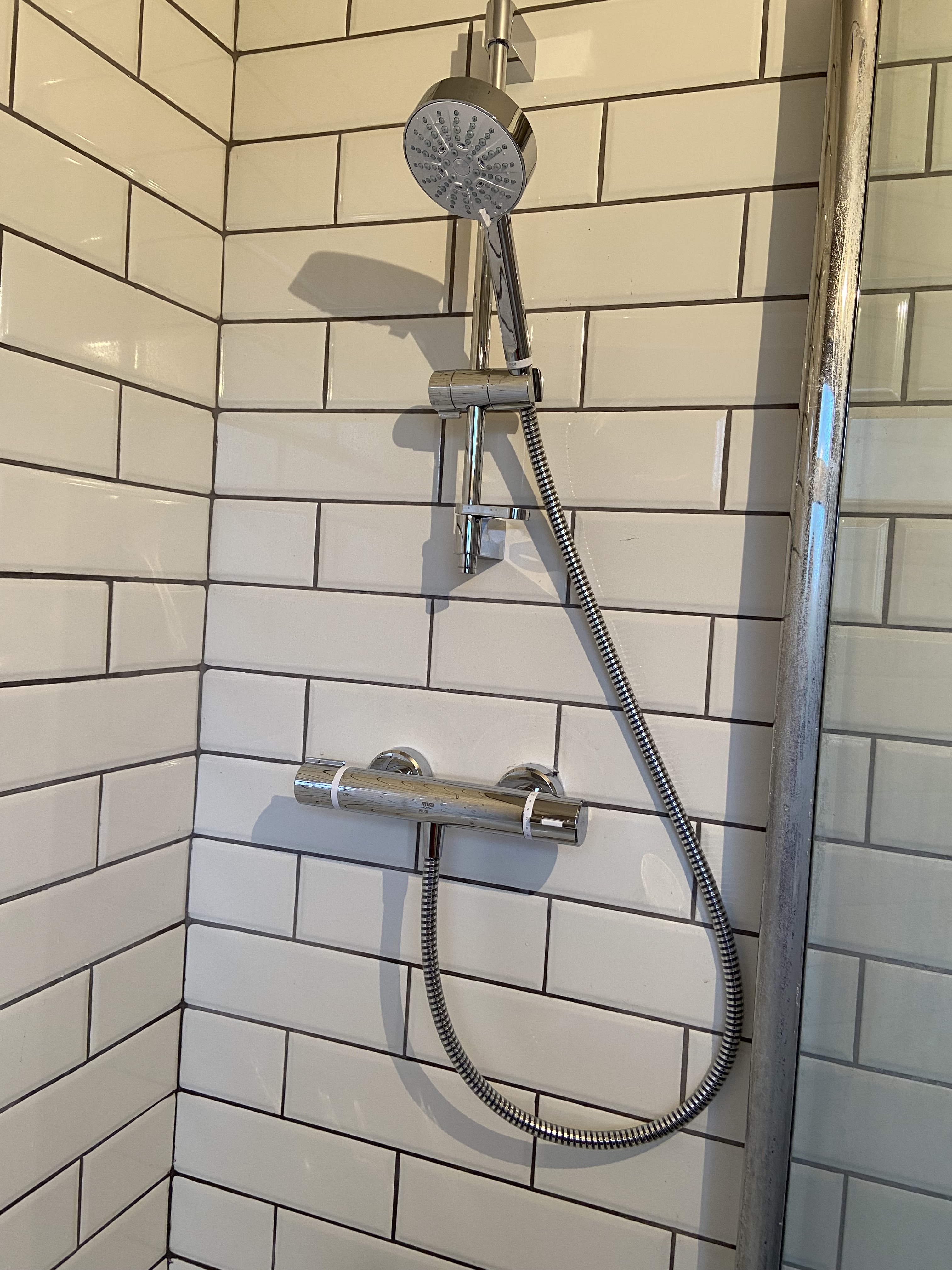
In other good news, after waiting since May for a non-appearing plumber, I contacted a different plumber from my street, who came the same evening and started work the next day. I now have a functioning shower and toilet upstairs and the rusty and unusable shower over the bath downstairs has now been replaced. So now, after more than a year without a shower, I have two. Still plastering and decorating to go, but it feels like the end is now in sight for my room-in-roof insulation project.
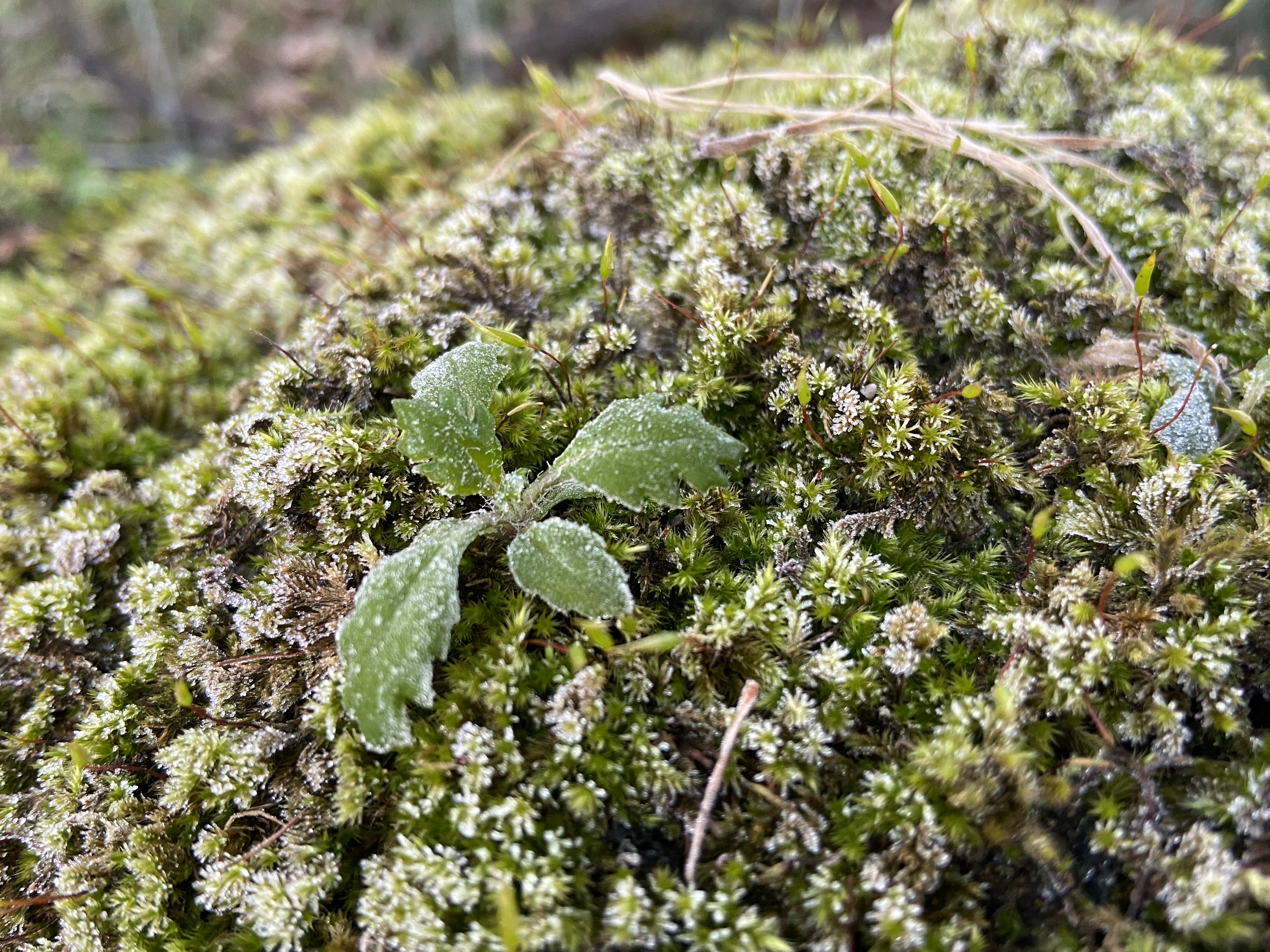
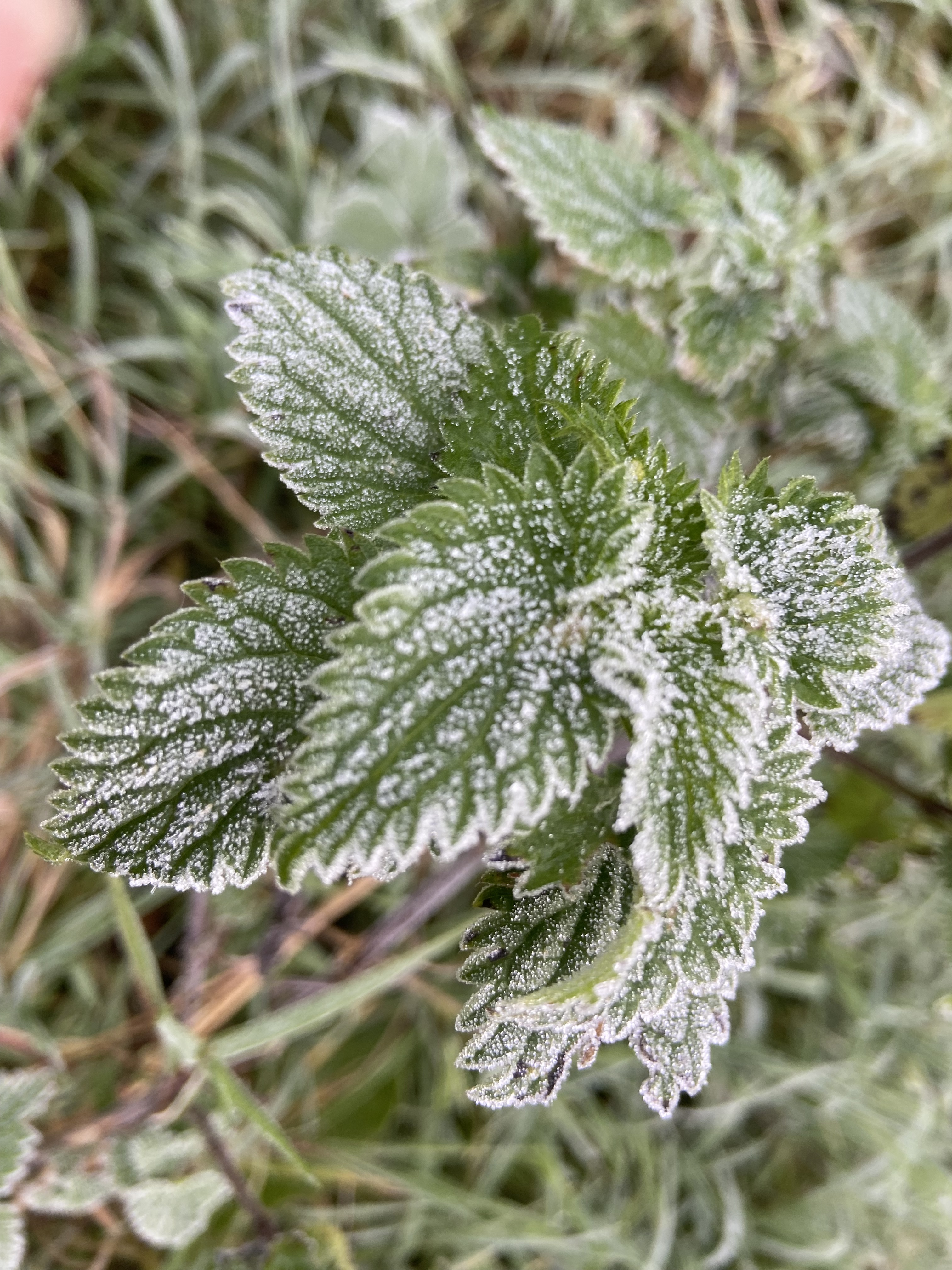
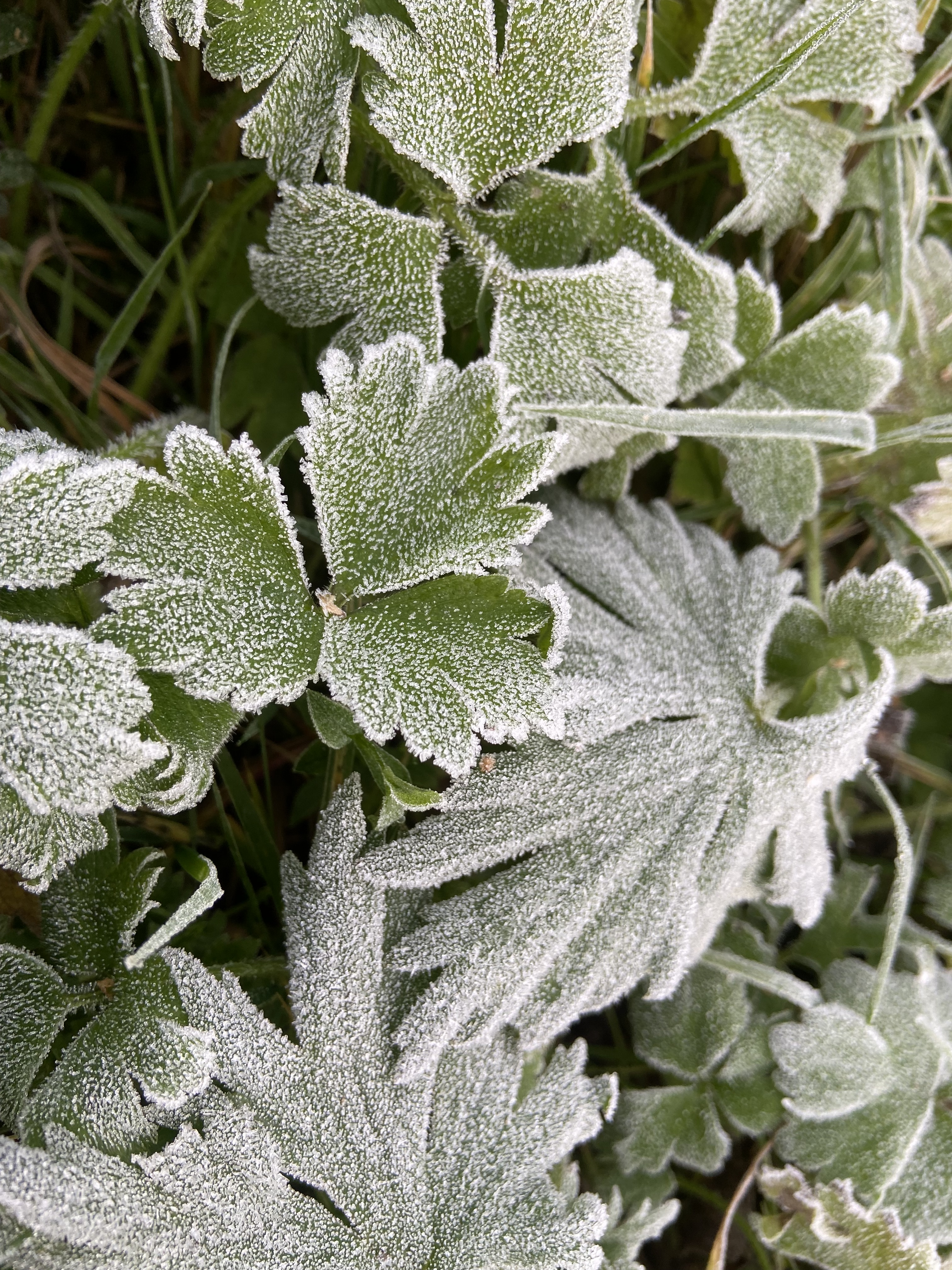
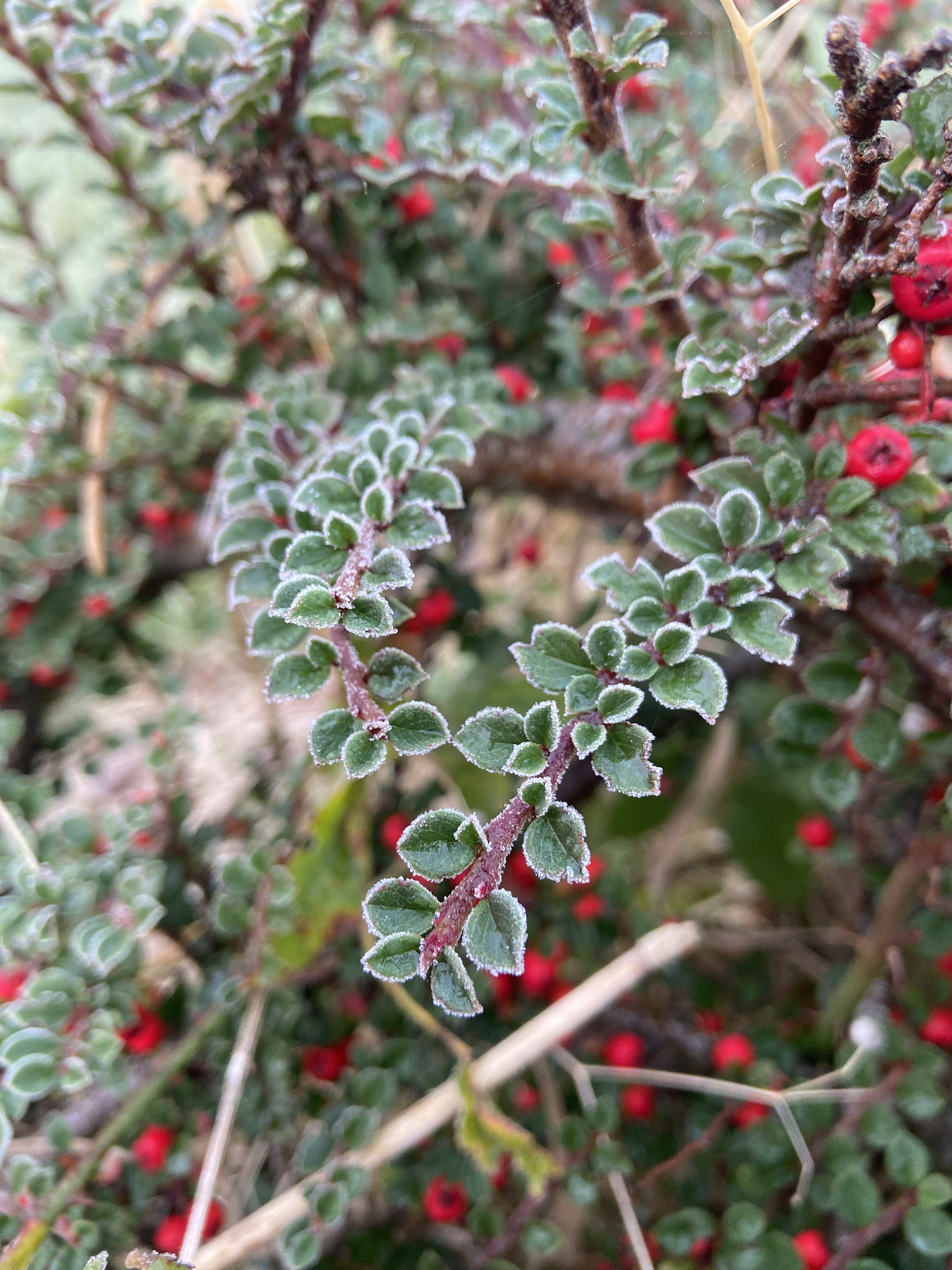
On Thursday, we had the first frost of the year. Less spectacular than the Arctic frosts that could go on for weeks, building huge ice-crystals, frost here still adds a new layer of beauty to the small things. I do love proper winter weather.
I’m tired after a busy couple of weeks at work, but there’s not much I need to do this weekend. I have a shoebox from the church that I need to fill with Christmas gifts for (I think) refugees somewhere, so I shall take a wander to the shops this morning to get that filled. I may stop for a coffee and a slice of gingerbread cake at the garden centre. Other than that, it looks a bit stormy outside, so I intend to spend some time in front of the TV. It’s almost time to start my Harry Potter Christmas marathon, so that might be on the agenda. In the meantime, I will leave you with some photographs I took last weekend, over towards Wigtown. It’s a beautiful part of the country. Thanks for reading and hope you have a great week.
Firstly, a disclaimer. The sheep in the photo at the top of the page are random Norwegian sheep and are in no way related to any invest
Last week’s blog was a week late because I received a phone call as I was writing it. Two weeks ago, I was on call for the weekend and hoping to rest. Most on-call weekends are a matter of keeping your phone near you, maybe dealing with a request by a private vet for a case number so they can go out to test a cow that’s dropped dead to check it wasn’t anthrax or a similar request for itchy sheep that might have scab.
This time, to my surprise, I found my line-manager on the phone. “How would you feel about another report case?” he asked. Well how I felt was broadly irrelevant. I was the ready-to-go vet, so unless I was seriously unwell, it was my task to be handled, whatever it was. “Another AI?” I ventured.
”Um… no.” He paused. “We’ve been sent photos of lesions from some sheep’s tongues. They’re trying to decide whether to treat it as a bluetongue enquiry, or foot and mouth. This isn’t your official call, just a prewarning so you can start to prepare.”
Once the official call comes in, you are expected to be on the road within 30 minutes. In theory, everything should be in your car and you should be able to get in and go. In reality, there are things you might need for sampling that have to stay in the fridge in the lab at work. The buffer solution used for foot and mouth sampling is one of these, so I was glad for the heads up.
I admit, I did feel slightly breathless. Those living in the UK who are old enough to remember 2001 will recall the horrors unleashed on the country as whole farms and regions were forced to cull their livestock and burn them in the fields on horrific pyres of death. The recent, sporadic outbreaks in Europe mean we are on high alert. That the photographs sent in had the high heidyins in a nine am meeting discussing whether they dared risking treating it as “only” blue tongue felt quite significant.
I dressed and went into the office and started to gather paperwork. In theory, I should have paperwork for every eventually in my car, but having the appropriate papers to hand for setting up restrictions is useful. To my mild consternation, I found the main printer wasn’t working. Thanking my lucky stars that I wasn’t a newbie and knew how to work the secondary printer in the lab, I printed out what I thought I’d need.
I also threw a load of blood sampling equipment into my car. Better to have too many tubes than to create the necessity for someone else to come out and onto a farm with possible foot and mouth because you weren’t well enough prepared.
It was quite a long drive out to the farm. As I neared the farm, I slowed down to cast an eye over animals in the nearby fields. None were drooling or looking sick. A good start.
It had been confirmed that I was to treat it, for now, as bluetongue, but that foot and mouth was still there as a possibility. To explain the difference in requirements, because bluetongue is spread by midges, tramping on and off the farm with dirty boots and tyres isn’t so much of a worry. Not that I do that, but if I did, it’s not a disaster.
The restrictions served on the farmer are different too. Bluetongue restrictions only stop animals coming and going. Foot and mouth suspicions, like avian influenza suspicions, mean that every person and vehicle going on and off the farm has to have an individual license and any and all incursions are strictly limited to absolute necessities.
I arrived at the farm , put on paper suit and gloves and served the restrictions. It’s always the first thing to be done and having signed the form, I read out all the clauses that explained in full what was required. Next was history taking.
This is not like taking a history for a normal vet case, where you mostly want to know what has happened to the animal. For a notifiable disease investigation, by the time you are finished, you should have details of every movement on and off the farm within the last twenty one days. You have to assess whether there are any high risk factors. Are there rights of way and picnic sites where people might have fed the animals? Has anyone from the farm recently been on holiday to a different country? Are there stagnant ponds in the vicinity that might encourage midges? The factors, like everything else, vary with the disease suspected.
Having taken a careful history of the animals and the risk factors, I donned more layers of PPE and prepared to look at the animals. I knew, both by being told and by observation, that there were fields nearby that held another farmer’s cattle. I decided to walk up to look at them first. If it was something highly infectious, they might be showing signs too. Again the picture was reassuring. They were young stock from a dairy farm and could not have looked more healthy. They were eating as we approached, then lifted their heads to look at us. Not a nose lesion among them. Nolameness, no drooling. Bright eyes and shiny coats.
I was already, mentally, beginning to think foot and mouth was less likely. Obviously there were still the sheep to look at, but clinical signs in sheep can be subtle, cattle less so. These animals had been in relatively close contact, so by the time the mature mouth lesions were spotted in the sheep (with the caveat that it might have been caught early) I would expect to have seen some spread.
There were two groups of sheep – adults and lambs. The lesions in the photographs, nasty red eroded areas on the tongues, had both been from lambs. We therefore looked at the adult sheep first, partly to prevent any possible cross-infection, but also because a complete absence of problems there would go further towards ruling out foot and mouth. No reason why young sheep would be more severely affected than the old in a disease where neither group would have immunity.
What struck me again was that I was looking at a broadly healthy group of animals. There were 43 ewes and as I scanned their mouths, feet and udders (where possible) I saw nothing. Only bright, uncrusted eyes and alert ears. There were two that the farmer had noted had been getting thin for a while. We selected them out and I examined them more closely. Not a lesion in sight. Normal breathing, normal temperature. One was a bit dirty on her backside, but nothing to suggest foot and mouth or bluetongue.
We moved onto the lambs. This time, I decided we should examine all of them. There were thirty two in the group and the farmer caught each one and held them while their mouths and feet were inspected. In the end, there were four with tongue lesions, four with lesions around their lips and one with a sore area above its foot. None of the lambs with lesions was running a fever. I was strongly beginning to think that what we were dealing with was a severe case of orf – a pox virus that affects sheep and can infect humans who come in contact. It would be unusual to have tongue lesions, but not impossible.
Having taken history and examined the animals, it was time to decide where we were going to go with this. At one extreme, if I thought foot and mouth was still in the picture as a possibility, we would have to issue new restrictions as well as taking samples. I might well have to stay on the farm until it was ruled in or out. I’m still a bit sketchy on the details, though I had arranged for Triar to be looked after, just in case.
If I thought everything was ruled out, I would leave the farm with no tests done and hope I’d got it right. To do that, I’d need to be very certain. My gut feeling was that this was orf, based on the fact that it was only affecting the lambs. Orf is common and spreads in flocks to the new crop of animals born each year. Older animals can carry it, but usually have enough immunity that there are no clinical signs.
So on the grounds that only the lambs were affected and the adult ewes and neighbouring cattle were perfectly healthy, along with the fact that all the lesions were quite mature and I would have expected to see more early stage lesions (we have lectures about aging foot and mouth lesions) I felt confident enough to rule out foot and mouth (phew!). But could I rule out bluetongue too? I decided I couldn’t . After all, midges might well have selectively bitten the lambs with their thinner wool pelt. And orf might exist alongside bluetongue. The lip lesions could be orf and the tongue lesions something else.
And so, armed with my evidence, I called VENDU (the veterinary exotic notifiable disease unit) to tell them what samples I wanted to take. I have never been asked so many times and in so many different ways if I was sure, 100% certain, absolutely confident that I could rule out vesicular diseases like foot and mouth. At the start of the conversation I was using words like probably, but by the end, I was telling the, firmly that no, it was not foot and mouth.
So we tested the nine lambs for bluetongue: the four with mouth lesions, the four with lip lesions and the one with the foot. To cut a long story short, the test was negative, but most of Sunday was still spent on paperwork. I strongly suspect all the lesions were caused by orf: an unusual and interesting case all round and a good learning experience for me.
Lots of text so far and not many pictures, so I shall rectify that. Last weekend, I went to Drumlanrig Castle and met Sue (who used to locum with APHA) for a walk and for lunch. The gardens were beautiful.
I missed posting last week as I wasn’t feeling great. Happily I’m feeling better, but I was asked to go out yesterday afternoon to a report case (suspicion of notifiable disease). I couldn’t rule out disease, so we have sent off samples to be tested. Today, I will likely have to work again – there’s a lot of history to be taken about movements of animals/birds, people, vehicles, feed sources and so on, to be ready for if it comes back positive. So I’m going to post a few lovely pictures, mostly from Blackbird Lane. I hope you enjoy them.
Where are the sticky willies, you ask (or perhaps what)? They’re those little round seeds that have been sticking themselves into Triar’s coat for weeks now. They’re rife this year.
Hoping my samples come back negative! Have a good week all.
I am finally inspired to work on my story based on the Norwegian song/poem Tir n’a Noir again. I have decided it shall be a short story – different from what I usually write. I have also signed up for a scriptwriting course and am waiting for that to begin. I think it will benefit me trying out different formats. A novel takes so much time and concentration and I am in short supply of both those things. My day job takes too much energy.
That said, I’ve had a good week at work. On Monday I was out with Lauren, one of our animal health officers, training her to blood sample sheep. With only minor instruction from me, she quickly got the hang of it and took blood from twenty sheep in no time. I enjoy teaching people how to do things I’ve spent half a lifetime learning.
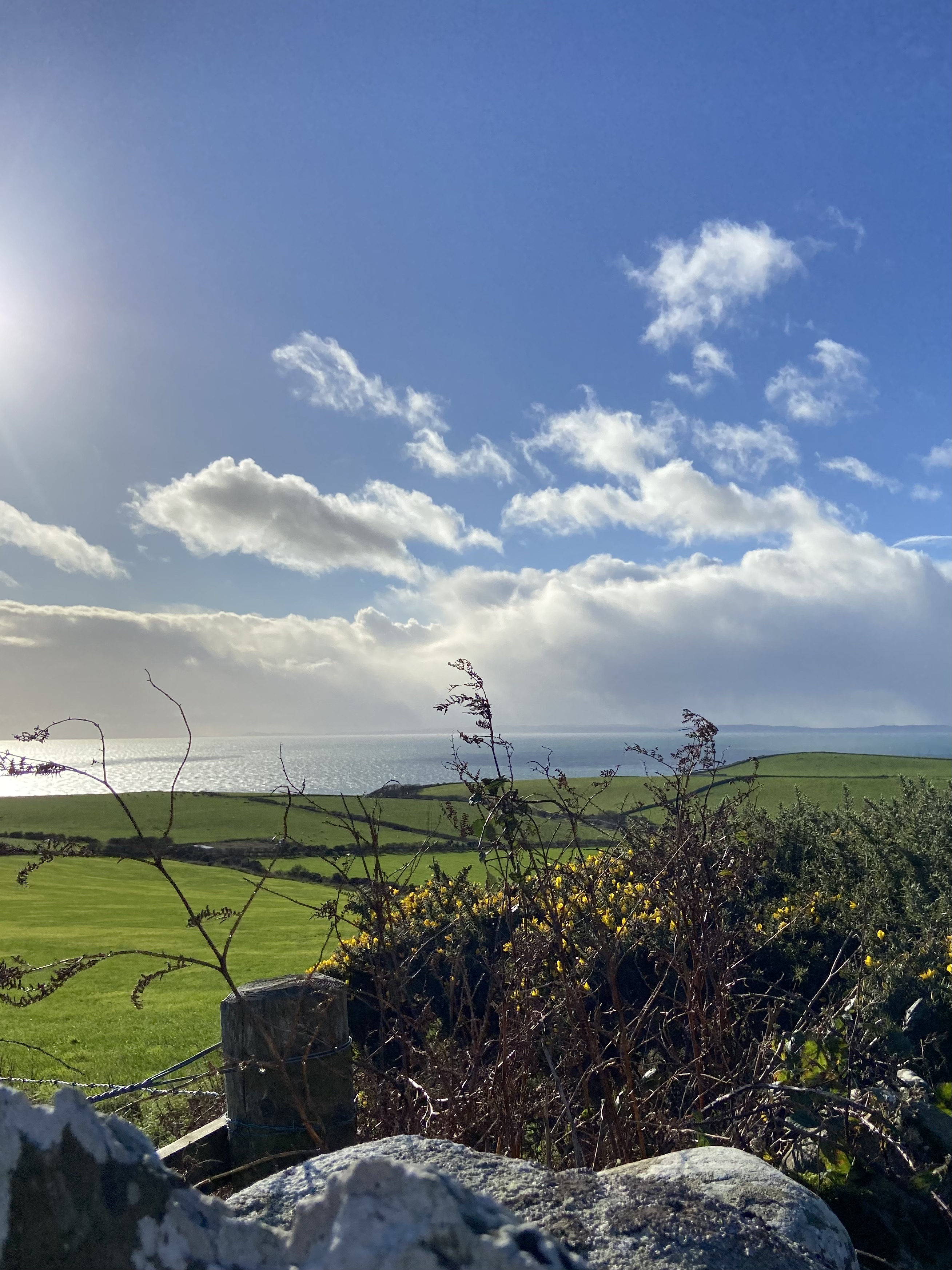
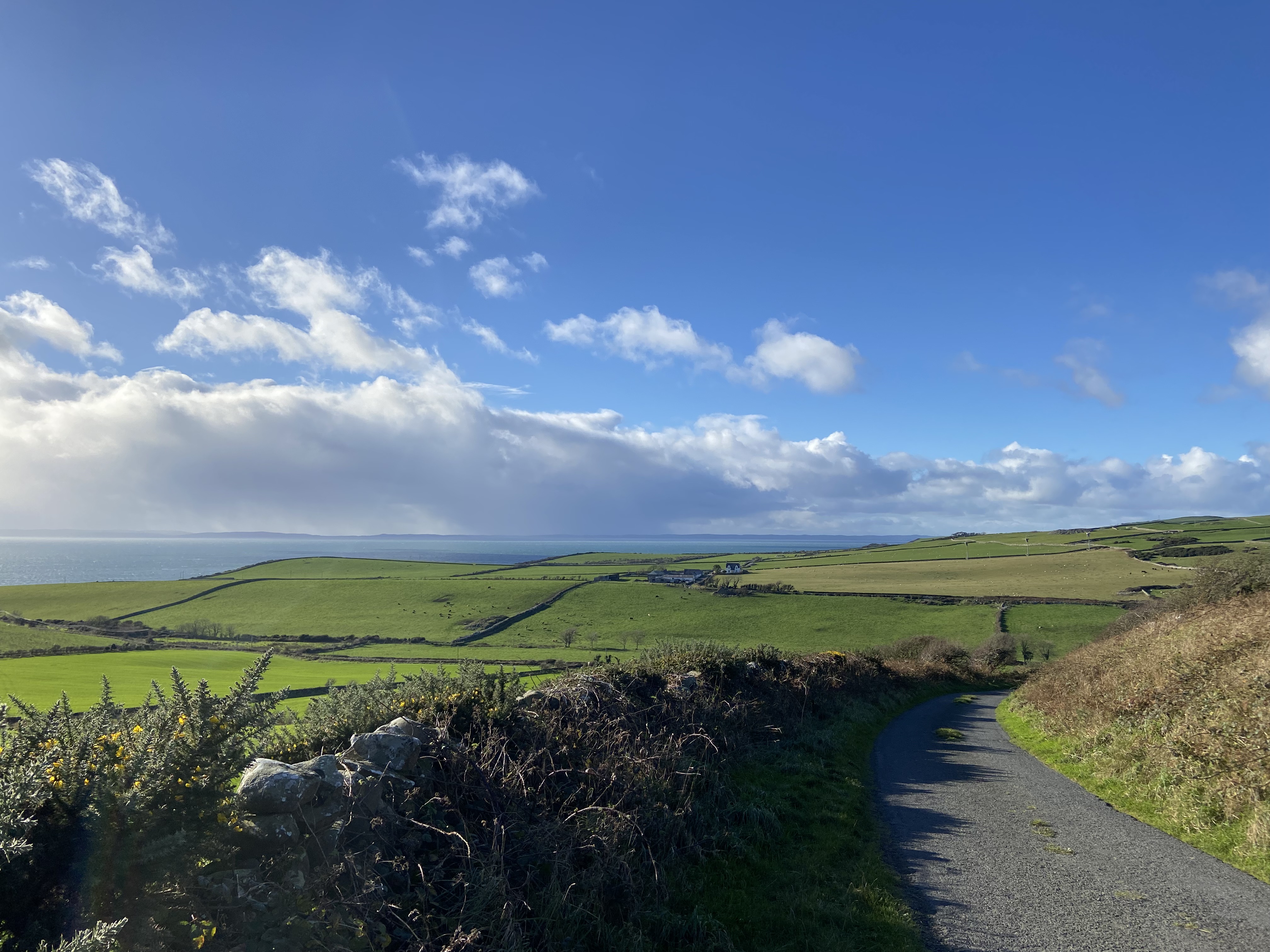
On Tuesday, I was learning myself. I was up at Prestwick Airport again, checking two beautiful horses that had flown in from the US. It was a broodmare and her foal and they were blue blood in the racing world. Absolutely stunning. Another colleague recommended I took the Castle Douglas road on the way back and I did. The normal Ayr road is rather boring, so I was delighted to find myself driving through some gorgeous Galloway scenery. There are mostly rolling hills here, rather than mountains, but I passed through spiky fir forests and by lochans and burns.
As you can see, the sky became quite spectacular and shortly afterwards, it began to pour. I was reminded of a summer long ago, when we holidayed in New Galloway and went walking every morning, but made sure we were back in the cottage in the afternoon as the rain started each day at about 3pm.
On Wednesday, I recorded the training on the Disease Report Form that I had given in front of an audience the week before. To do this, I was told to set up a Teams meeting with my mentor, Josephine. “Mark it, ‘Do not attend’” she told me, so I gave it that title and then began. I muffed it a couple of times and I wasn’t sure how to delete, so I decided to quit that meeting and set up another. This time, I thought I would give her a giggle and gave it a rather tongue in cheek name.
That time, the recording went well and I laid down a perfectly respectable piece of training. What I hadn’t realized was that when anyone accesses the presentation, what they would come to was a video with the title of the meeting it was recorded on in broad letters at the bottom of the page. And so, you guessed it, I have created a piece of training on a serious topic, with the title that will be there in perpetuity – Do Not Attend Again – The Director’s Cut.
I don’t have any real plans for this weekend so far. Last weekend I went for a walk with Belle, who is one of the women who will be teaching me about scriptwriting. Her dog George is very laid back, and he and Triar seeem to get on fine. Triar did shame me slightly by disappearing into a massive field, filled with long grass and rabbits, and failing entirely to return when I called him. Belle and George were fortunately very laid back about the whole thing and Belle even suggested that, as Triar enjoyed it so much, we could come back another day, but bring a picnic instead of aiming to go to a pub for a drink. Sounds good to me!
So here I am, almost two weeks into my Walkfit project. Am I feeling and looking better? Well I’m not sure about the latter. It’s hard for me to assess, not least because I don’t have any decent sized mirrors to check myself out in. However, I am beginning to notice my energy creeping up a little.
As well as encouraging walking, there’s a kind of mini-aerobics session each day, that lasts between seven and ten minutes. I suspect the times will build gradually, but maybe not. They’re low impact and I’m starting to enjoy them, which is why I conclude my energy is building. I usually do them at the end of the day, by which time my steps are usually done anyway so that feels positive.
The current step count aim is 5,200 which I am easily surpassing most days, but if I overdo it one day, then I can drop it right down to that figure and still have achieved the goal, which feels positive. So far, I haven’t lost any weight at all, so their prediction that I would be at my goal weight by June or July was the nonsense I knew it would be, but I do hope that it will start to drop a bit at some point if I carry on, and if it doesn’t, being fitter is never a bad thing.
I have, of course, been doing most of my walking in Blackbird Lane, which has been gorgeous. My Merlin bird app has often picked up a song thrush, but it’s usually been in the distance. Last night I heard its song so loudly that I looked into the bush beside me and there it was. So beautiful. I reached for my phone, to add it to my bird life-list (birds you’ve seen to confirm the app got the identification right) but alas, I had the wrong phone with me. Another day, perhaps!
At the start of the lane, there’s a kind of brownish pond. While the hedge was bare, it was more visible, but it’s really barely more than a big deep puddle. As I walked past on Wednesday, a flash of green caught my eye. There, on this miniature pond, silent and still, was a beautiful mallard. I was amazed to see him there, on this tiny stretch of water.
The lane is a proper road with tarmac for a short distance, then it turns into more of a pathway. Here there are hedges and fields on either side and my eye (and ears) were caught by a group of graylag geese. This time I had my Merlin phone with me. I clicked on the life-list button, which showed me a picture of a graylag goose and asked “Is this your bird?” I answered “Yes” and the graylag goose was added. Though they were clear enough to my eye, they were a bit distant for phone photography, but I did my best.
Only a little further on, I saw movement near the edge of the field. This time I saw the pricked ears and graceful forms of two deer. Again, I could see them fairly clearly, but on my phone, they are distant shapes, though still beautiful.
It was a damp morning, as you might guess from the sky. As well as the animal and bird life, I am entranced by the new leaves on the hedges as well as the flowers that shelter underneath. Everything was sparkling with new life and raindrops. It was a truly lovely morning.
And as I made my way back along the final lengths of the lane, I peeked through the hedge to see whether the little mallard was still there… and caught sight of Mrs Mallard. I don’t know whether that tiny pond, secluded as it is, would be a good place to raise a family, but you never know!
And after Easter and its long weekend are past, I only have two days left at work, before I head to Stavanger for a weekend, then up to Shetland. If my blog next weekend is late, it’s hopefully because I’m enjoying a weekend with John and Yoana.
It’s been a relatively peaceful week at work. I’ve been catching up with all the work that was pushed aside in the past few weeks and even getting ahead for work that’s coming up. By happy coincidence, it’s been beautiful weather. The skies have been clear and blue, and on the walls and under the hedges in Blackbird Lane, everything is growing.
I came across the ghost of one of last year’s flowers as well and couldn’t resist taking a picture. Nature weaving the finest lace!
With the clear skies at night, there was frost under the hedge too. I think these are celandines, edged with hoar frost, which quickly melted away as the sun came up.
Next week, things are still a bit up in the air. Part of the deal with working for APHA is that for one week every three months, I am expected to make myself available for what is called detached duty. This means I could be deployed anywhere to help with disease outbreak work.
On Thursday, I was contacted and asked if I had any experience of licencing. The central licencing team need someone apparently. I asked what kind of licencing and she didn’t know. She told me late yesterday afternoon that she was still trying to find out, so I may still be contacted on Monday about working for that team. In the meantime, I have other work pencilled in, that might all need to be rubbed back out again. Still, it means life is never boring!
And now I’ve deserted Scotland to inspect the Yorkshire flowers, though sadly, the weather seems to have broken and it’s quite chilly again. Thanks for reading and I hope you have a lovely week, wherever you are.