I’m short of photos for this week’s entry. In addition to a photo drought, I’ve also been struggling for steps. To my amazement, following the unexpected plumber completion after months of waiting, I’ve hit the jackpot because James the plasterer arrived on Tuesday morning, all ready to go. He was here yesterday and said he’d be back this morning.
So with all that in mind, I had hatched a cunning plan to get more photos and steps before I started to write. James told me he’d be here at eight (even checking if it was okay with me to come so early). So, I thought I could go out when he arrived, take Triar for a sunrise walk (steps!) somewhere pretty (photos!) then as a bonus, I could go for coffee and cake at the garden centre and maybe write this there.
I was rather looking forward to all of that, but my plans fell through when eight a.m. came and went, with no sign of James. This isn’t unexpected. James is a lovely man, singing cheerily as he does a fabulous plastering job, but as I discovered last year, he’s also a bit unreliable. I don’t honestly mind. The job he does is great and he seems to prioritize getting my work done (all his kit is in my house, I don’t think he’s off doing work elsewhere) but planning ahead based on when he’s said he’ll come is a pointless exercise.
Still, I’m incredibly happy that the work in my house is finally moving forward again. Once the plaster has dried, I need some decorating done and a couple of electrical installations completing before I can thinking about frivolities like carpets and curtains. It’s probably not going to quite be finished for Christmas, but I had been starting to wonder whether I was going to have to find a whole new team and priming them to take over the project, so for it to suddenly be moving forward again is fantastic.
In equally good news, my car went in for its MOT and service on Wednesday and passed with no problems. Last year, it cost me £2,000 for things that should really have been fixed before I bought it, so I was nervous about finding myself in similarly expensive hot water, but I heaved a sigh of relief when I was told it was all okay. A month before Christmas isn’t the best time for big bills.
Work has been frenetic. When is it ever anything else? If you’re in the UK, you might know already that the bird flu season has started in earnest in England. Well this week, there has also been a case in southern Scotland. It’s not in my area, but it’s had a knock on effect on everything. All the vets in that area are now going flat out. I had to take over as duty vet on Thursday, and all the higher up staff, who usually act as advisors when anything complicated comes up, are embroiled in managing the situation. All the birds will be culled and, in the meantime, animals and birds within a ten km radius are under lockdown, so any movements on or off their farms have to be assessed and licenced.
In the meantime, with that as background, two of my long-term welfare cases are being wound up. By the end of next week, one more farmer will have gone out of business and the marauding pigs will (hopefully) have been removed. From an animal welfare and future work point of view, this is a good thing, but even as I have been putting the work in that will allow these things to happen, it’s been a sad experience. As I looked into various health implications of moving animals off the farm, I could see that in times past (and not so long ago) this has been a good farm, with high standards. How did we end up here, I wondered? Still, for both of the animal owners involved, I hope that as we help to wind up their dreams-turned-nightmares, that we can work as gently as possible and that it will bring relief and not further sorrow.
Only two more weeks at work and I will be on holiday. I need a break. Yesterday, for the first time in months, my FND twitches came back. Not that surprising. Duty vet on Thursday was exhausting with two calls about possible bird flu cases (fortunately negated during the calls, without having to trigger a full report case investigation) and various other tasks, all hitting at the same time. I’m intending to take it easy this weekend, but as a minimum I want to trim the hedge at the bottom of the garden, at least enough to fill the brown bin for its last emptying of the year. But that’s a task for later. James has arrived, so it’s time to head out for that walk and coffee.
Disclaimer: the pig picture above belongs to a friend and is not part of my case.
Looking back at this post from last year it’s kind of odd to see how little has changed in terms of my workplace, workload and colleagues. The reason I was reading it was because this week, on top of my TB case, the aftermath of Thursday’s report case, big welfare in transport investigation and a couple of routine inspections done or due, the marauding pigs have made a return. It’s been posted on Facebook and the local news, so I guess I can say that these pigs are now causing a significant hazard on the A76. Last year, it appeared the situation was back under control but (as with many other welfare situations) it has spiraled again.
It’s not that surprising. During my three years in Norway, it became obvious that most farmers are doing a great job and that almost all the problems we have to deal with stem from a few people, a few of whom are genuinely bad or ignorant, but most of whom are struggling with life, one way or another. Lots of people have a dream where they run a successful business, keeping animals. The reality is that doing so involves a huge amount of hard graft and a steely mind that can cope when catastrophe hits. Farming is a tough business. To quote James Herriot, ‘I was beginning to learn about the farmers and what I found I liked. They had a toughness and a philosophical attitude which was new to me. Misfortunes which would make the city dweller want to bang his head against a wall were shrugged off with “Aye, well, these things happen.”‘
Anyway, Tuesday was a bit sad as one of the poor pigs was hit by a lorry. The end of the week was filled with meetings and multi-agency planning to find a solution that will last. Otherwise, we’re going to be dealing with ongoing problems for years to come.
A lot of what we do involves fighting against the system. These welfare issues are typical – we have to make sure we give people the chance to rectify problems themselves, when the reality is they are only in that place because they aren’t coping. There’s little we can offer in terms of support and neither advice nor penalties really help. After almost two years though, I have a reasonable grasp on many of the tasks I’m handling and what I can actually do. I have a network of contacts, both local and national, who can be relied on to get things done, which makes all the difference.
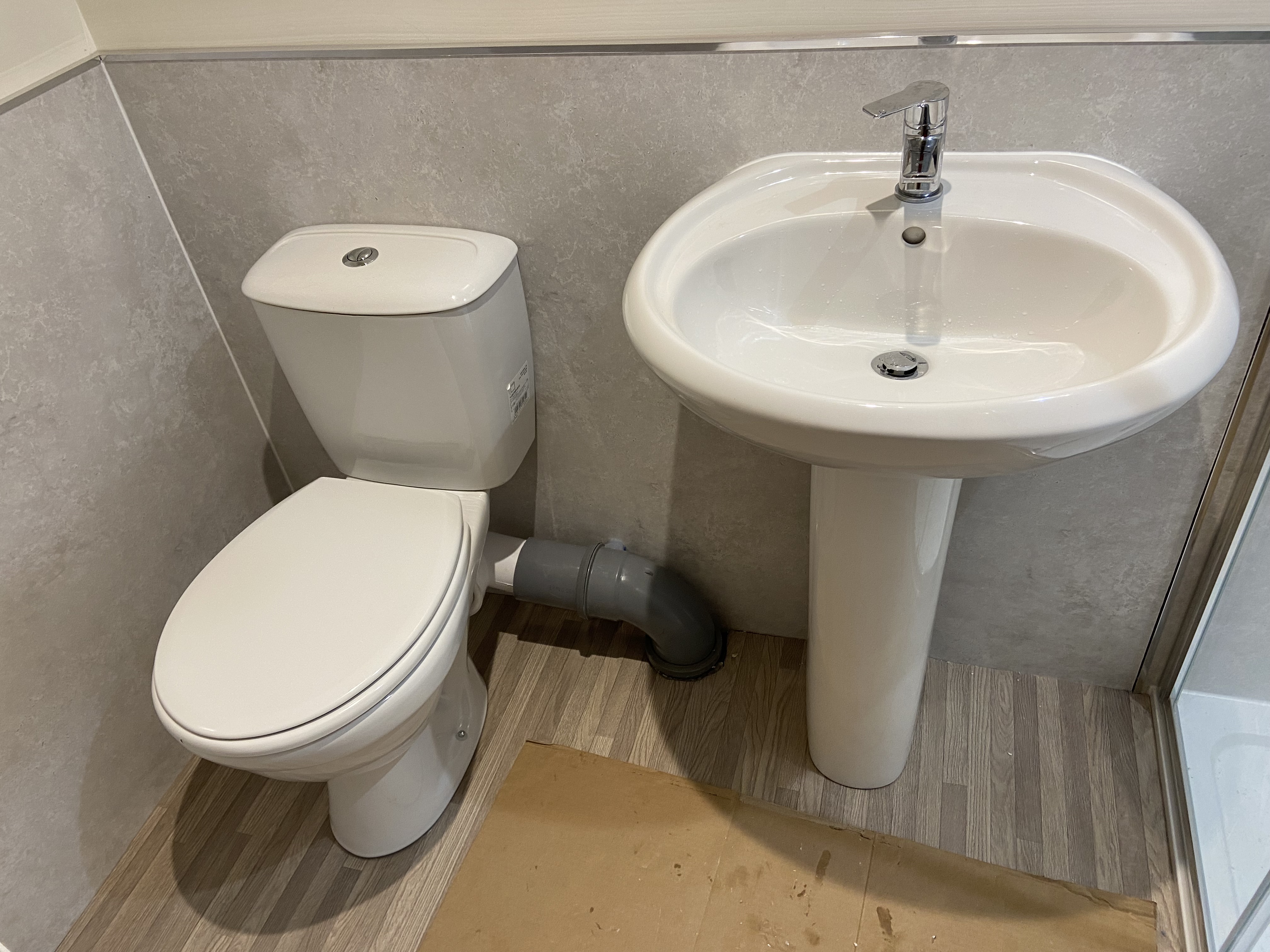
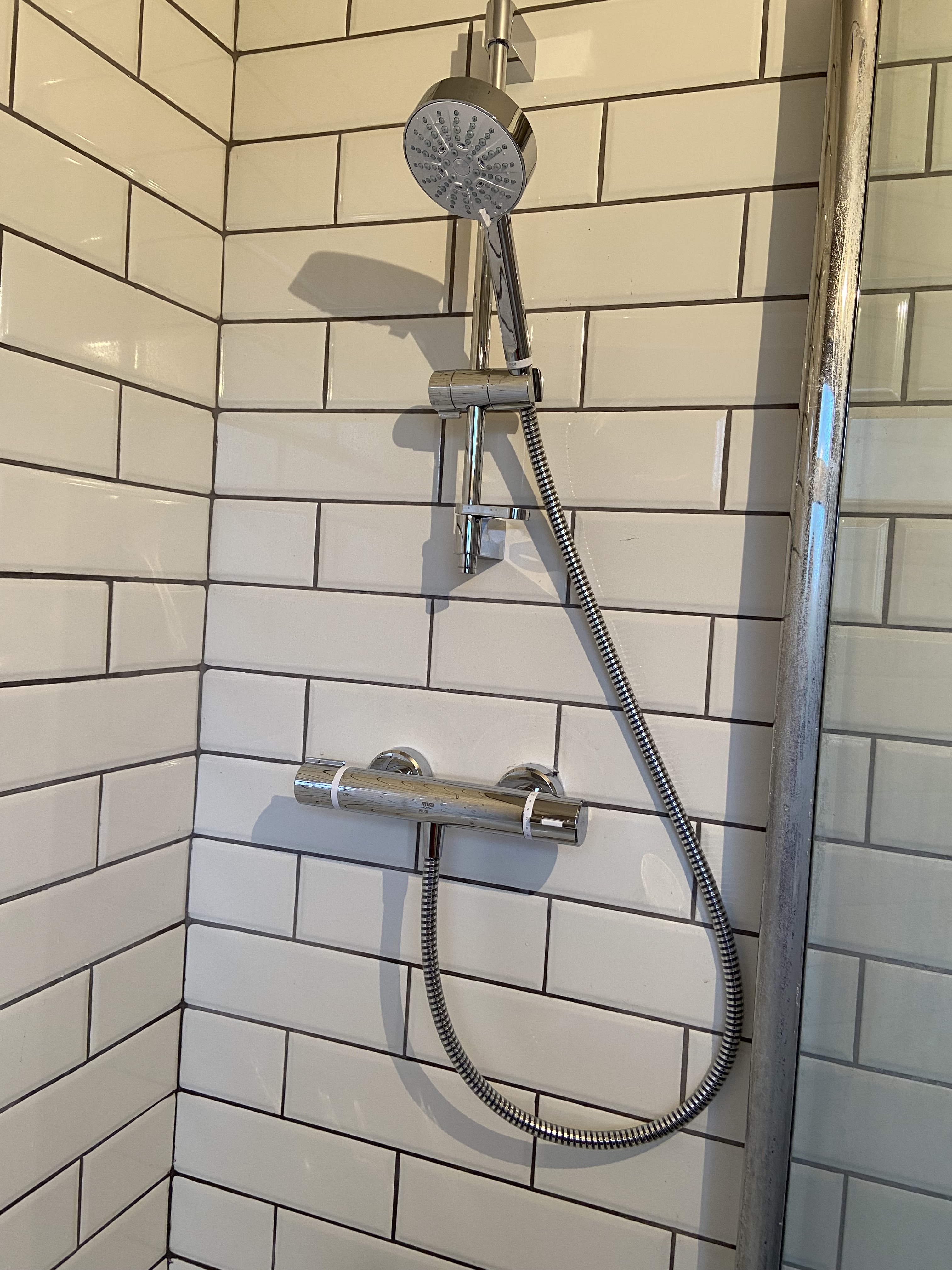
In other good news, after waiting since May for a non-appearing plumber, I contacted a different plumber from my street, who came the same evening and started work the next day. I now have a functioning shower and toilet upstairs and the rusty and unusable shower over the bath downstairs has now been replaced. So now, after more than a year without a shower, I have two. Still plastering and decorating to go, but it feels like the end is now in sight for my room-in-roof insulation project.
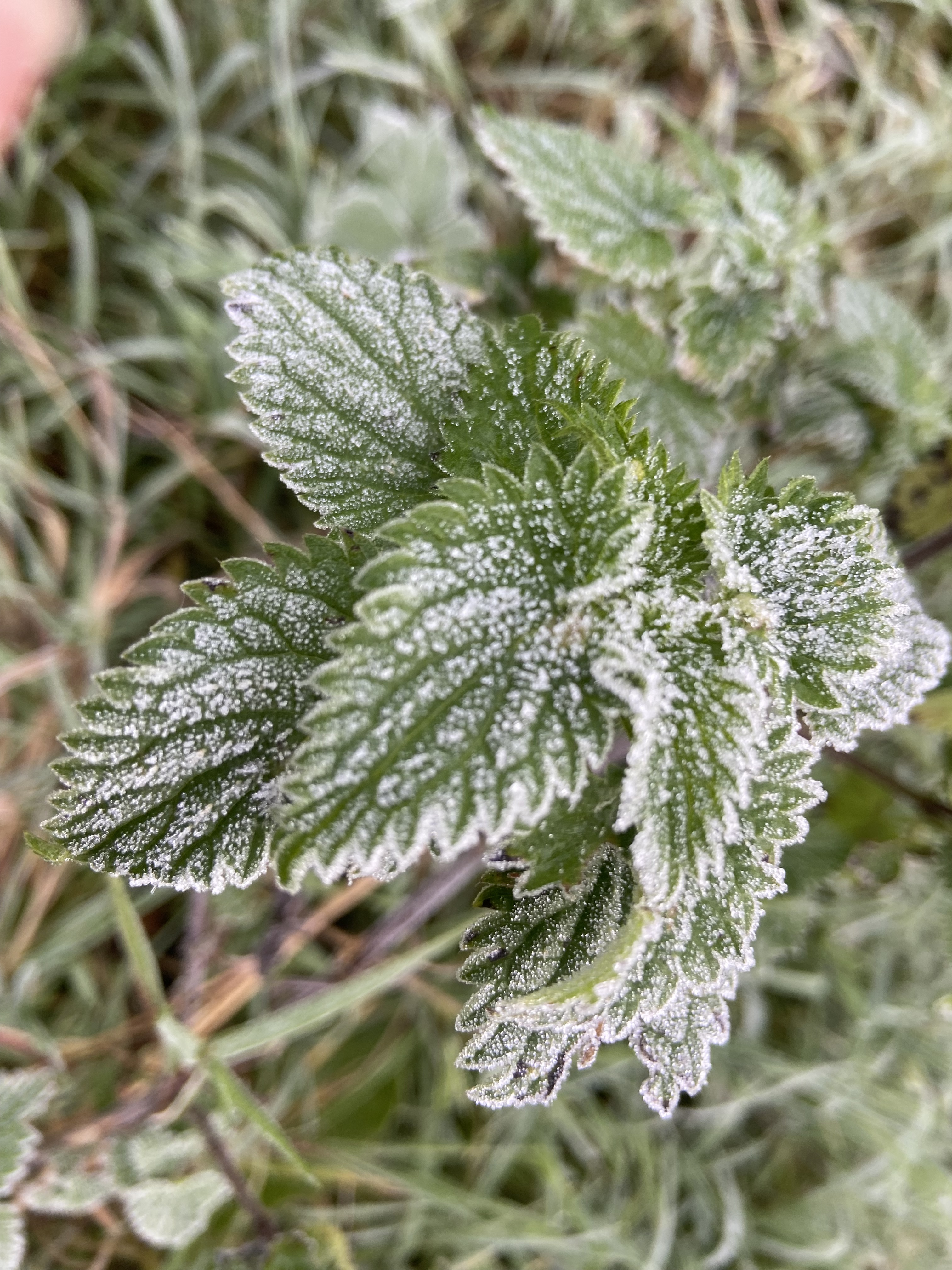
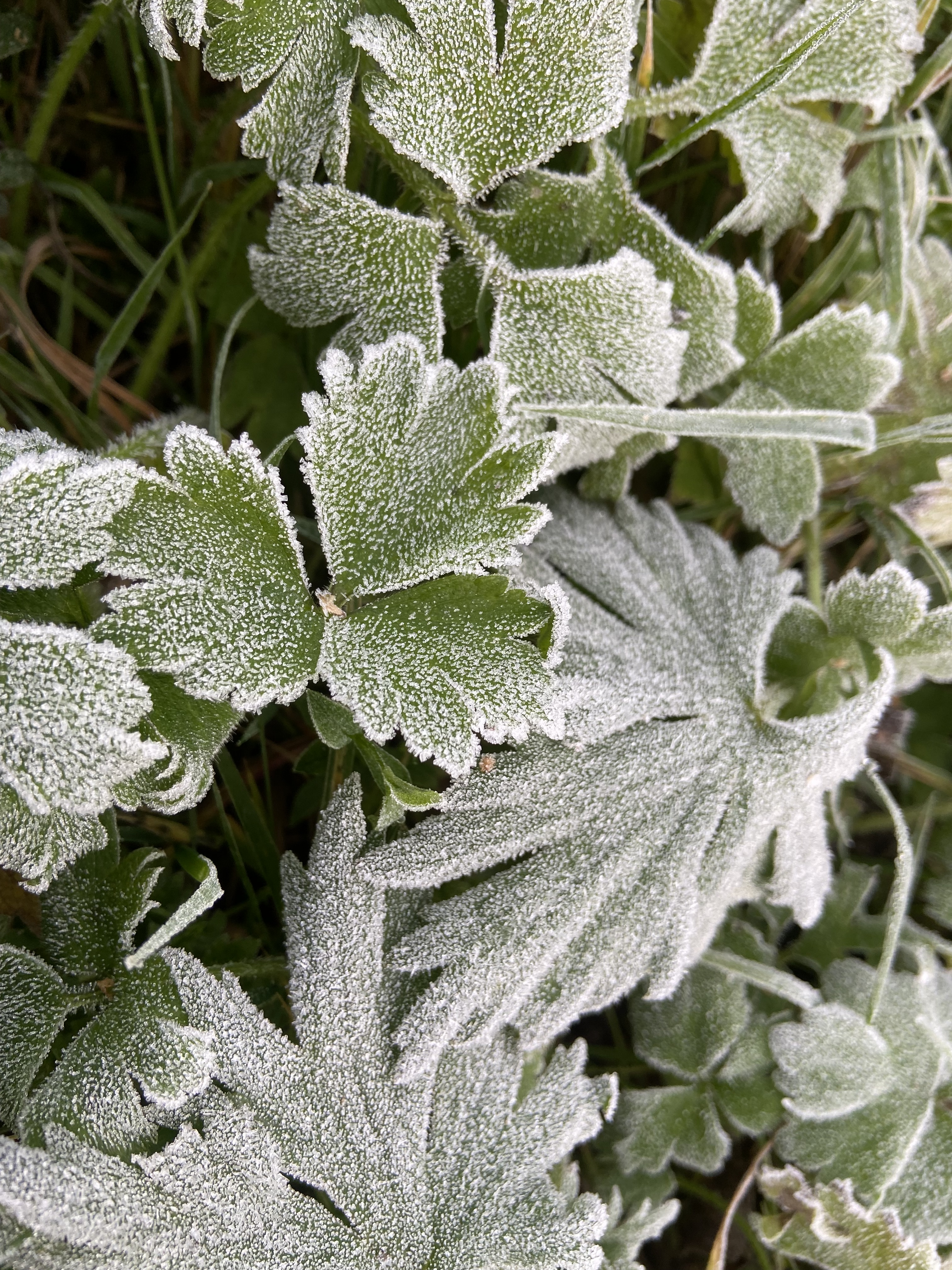
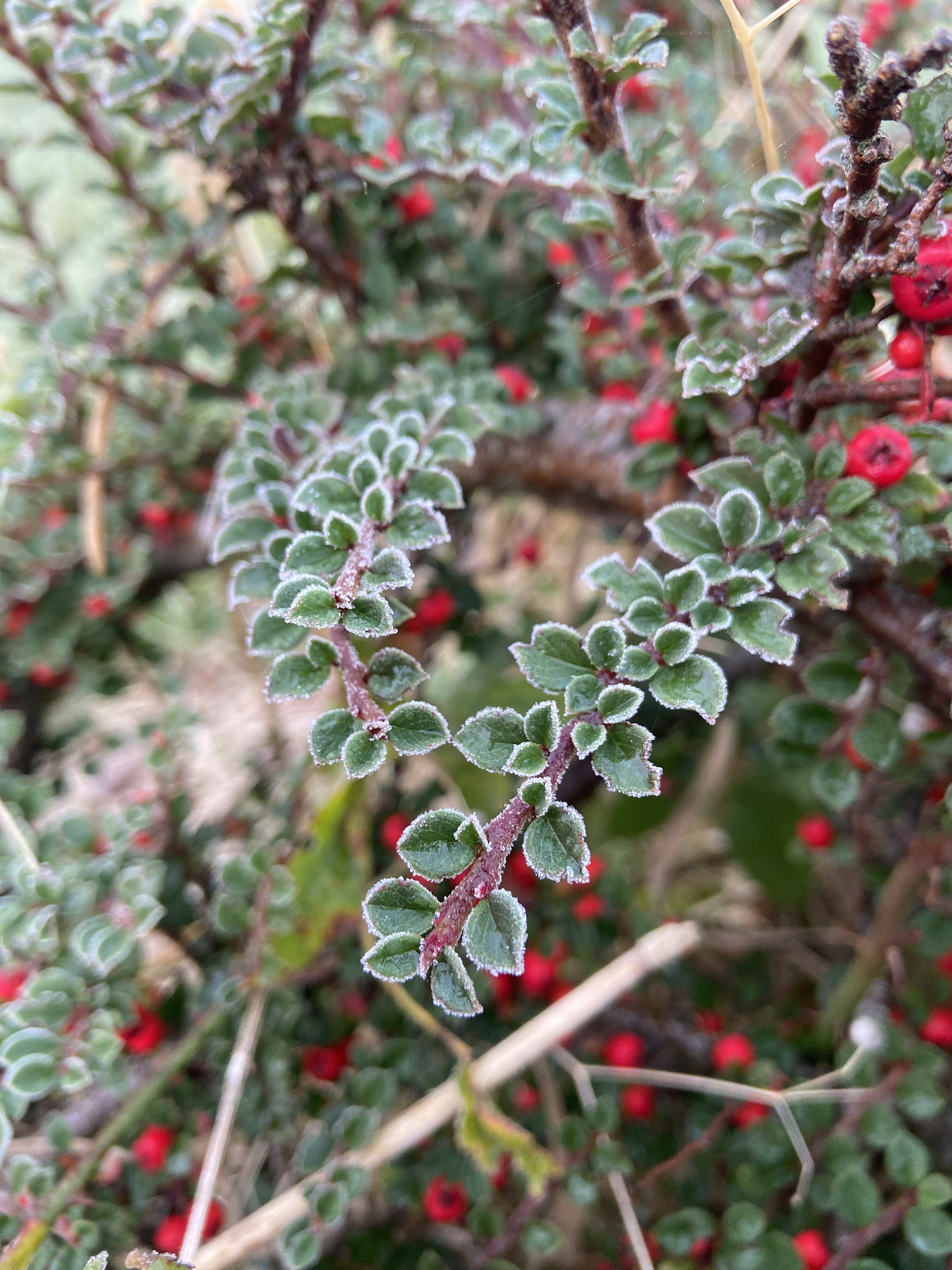
On Thursday, we had the first frost of the year. Less spectacular than the Arctic frosts that could go on for weeks, building huge ice-crystals, frost here still adds a new layer of beauty to the small things. I do love proper winter weather.
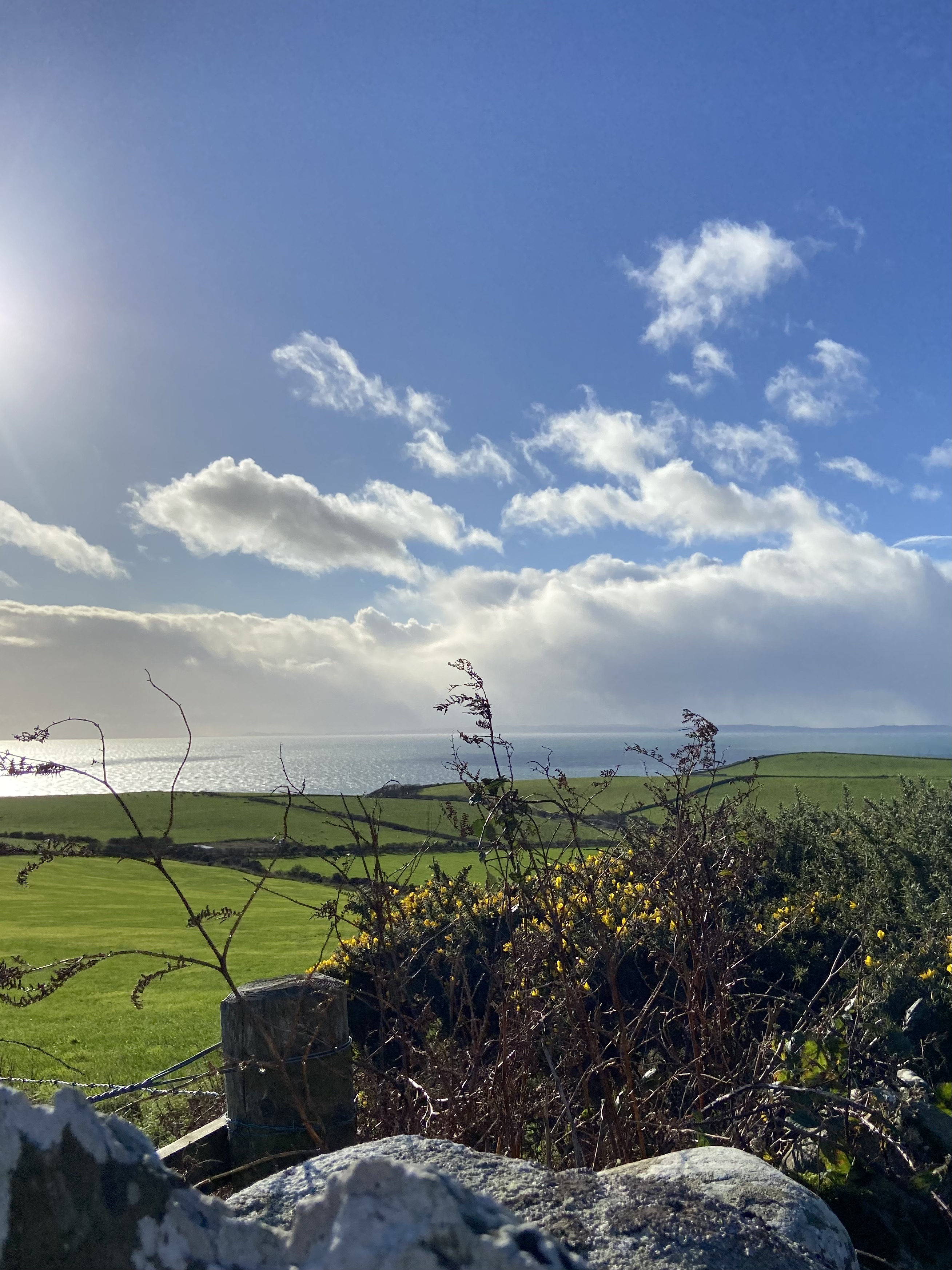
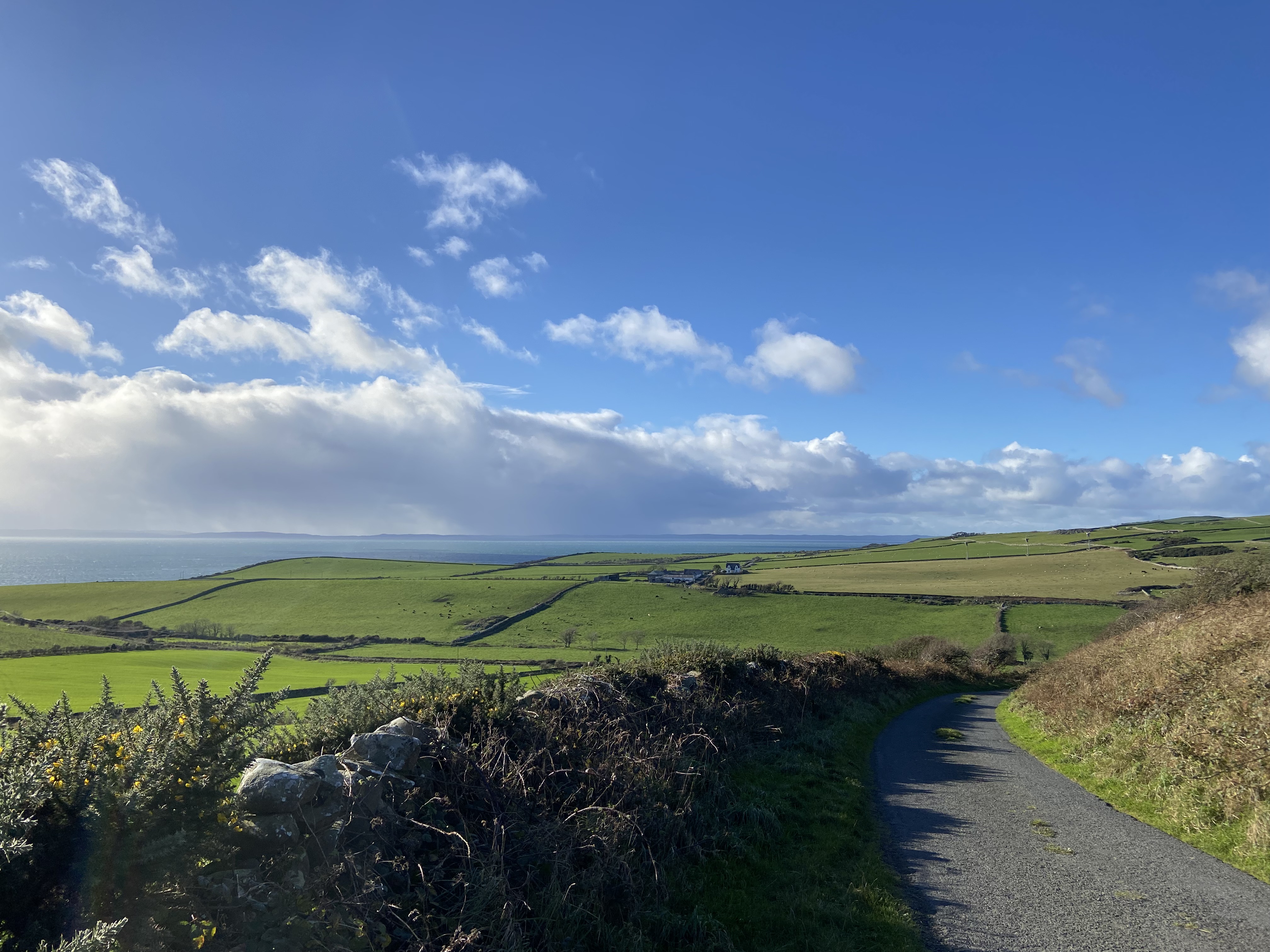
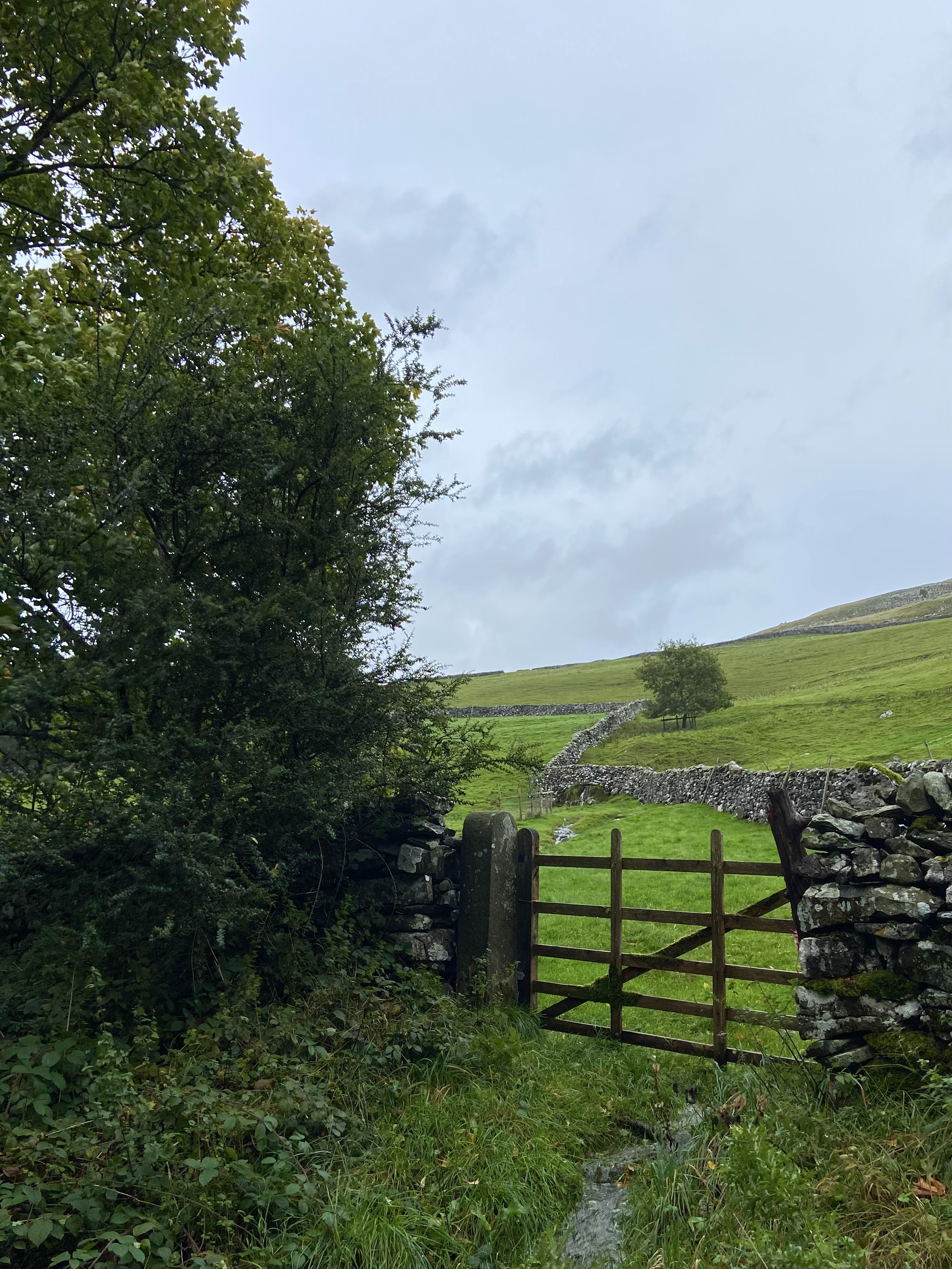
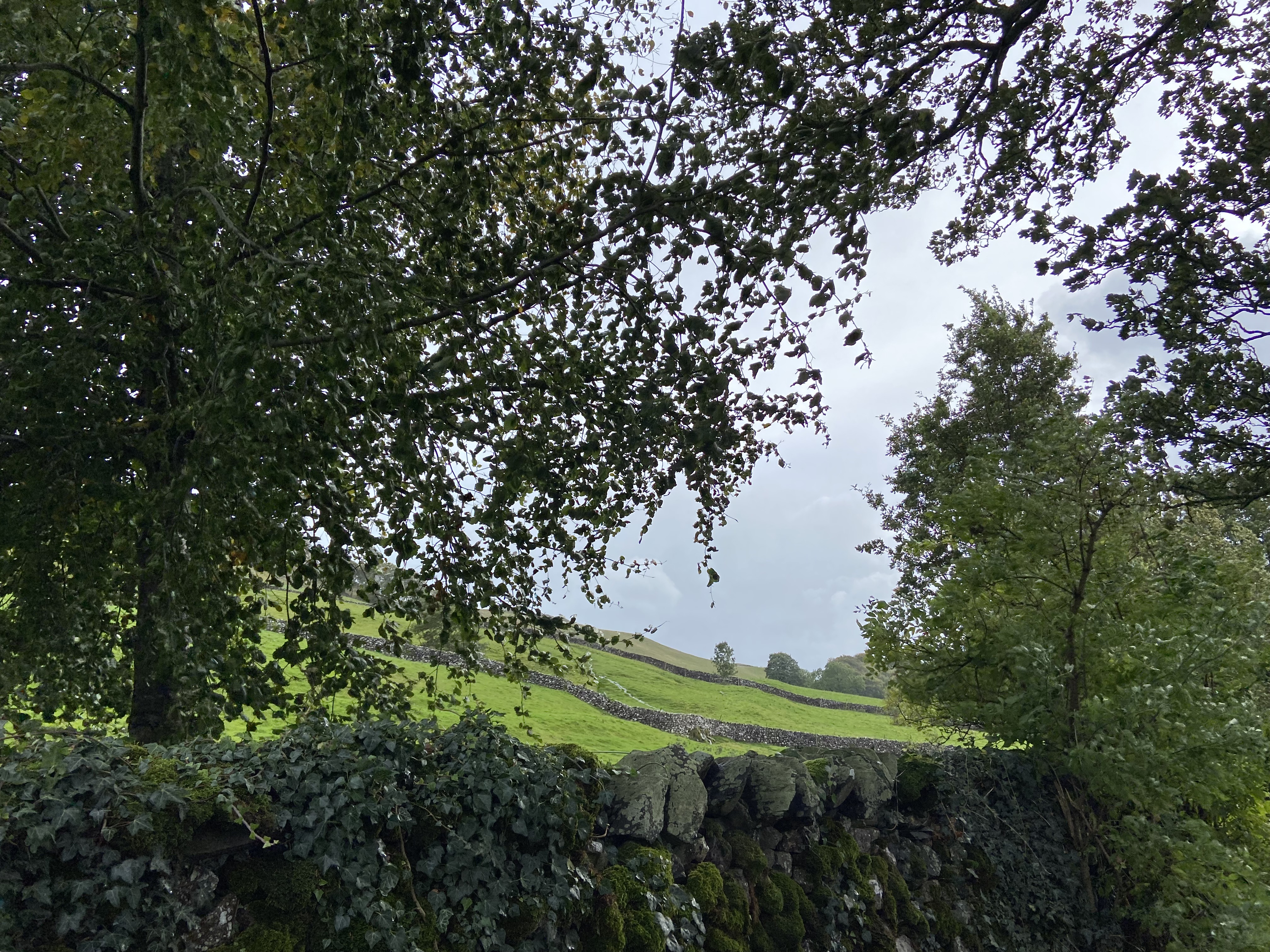
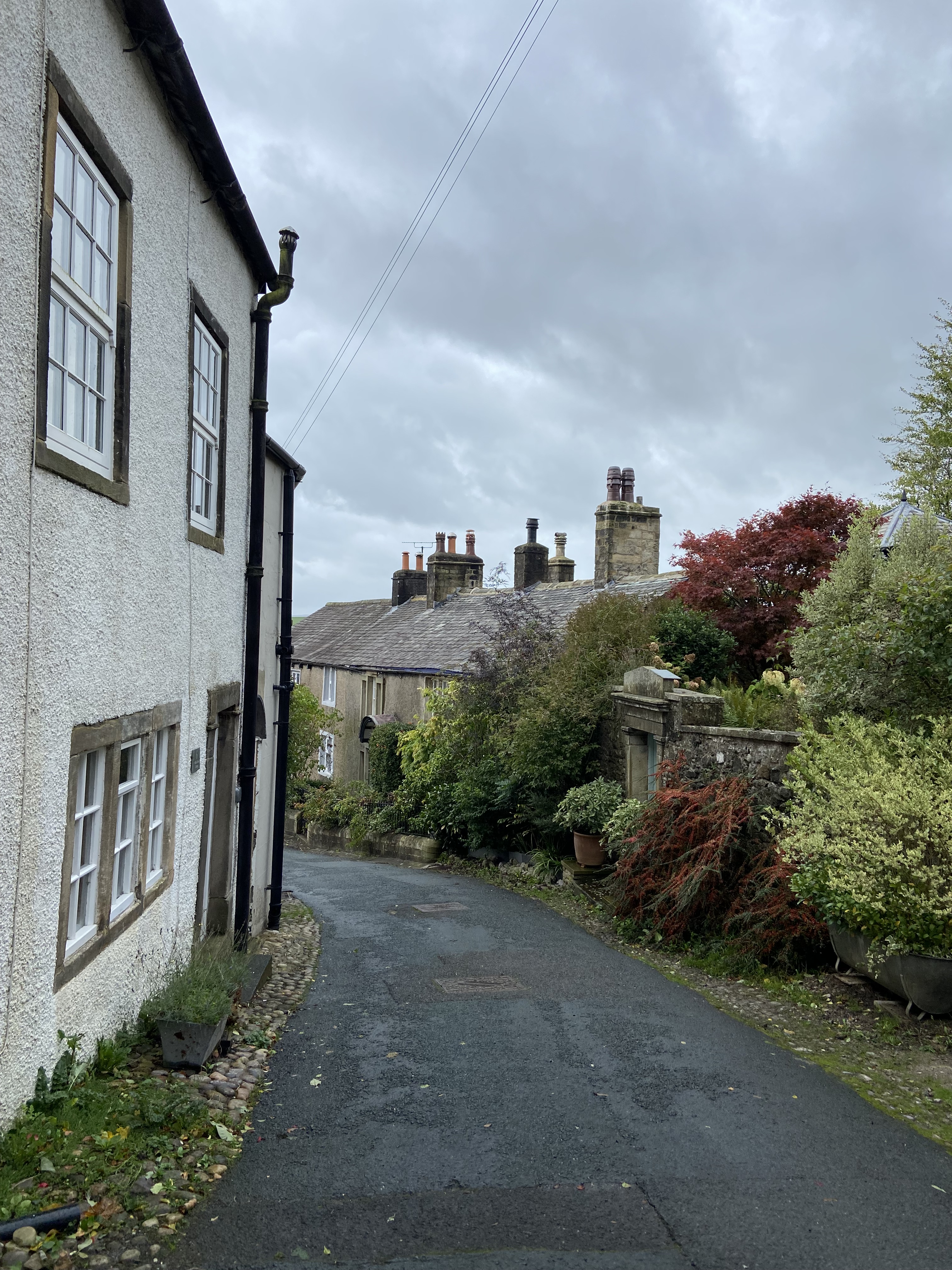
I’m tired after a busy couple of weeks at work, but there’s not much I need to do this weekend. I have a shoebox from the church that I need to fill with Christmas gifts for (I think) refugees somewhere, so I shall take a wander to the shops this morning to get that filled. I may stop for a coffee and a slice of gingerbread cake at the garden centre. Other than that, it looks a bit stormy outside, so I intend to spend some time in front of the TV. It’s almost time to start my Harry Potter Christmas marathon, so that might be on the agenda. In the meantime, I will leave you with some photographs I took last weekend, over towards Wigtown. It’s a beautiful part of the country. Thanks for reading and hope you have a great week.
I was in Brighton last weekend to attend “the largest annual grassroots feminist conference in Europe”, according to FiLiA who ran it. If you’re in the UK, you might have seen in the news that the Brighton Centre venue was vandalised the night before it started. The whole of the front of the building was sprayed with pink paint and several windows were broken. In addition, inside there was also disagreement, with a woman announcing in the opening ceremony that she “wouldn’t be lectured on Hamas” before attempting to rouse the room with chants of, “free, free Palestine”. A few women stood up and joined in, some Jewish women stood up and walked out, some jeered and the rest of us sat there in stunned silence. For an uplifting weekend, where FiLiA say you can “Build your Feminist Network. Leave inspired,” it wasn’t a great start.
Regular readers will know I love strong women and there were plenty of them there, but I don’t think I will be going to the next one. Brighton was also curiously depressing, though perhaps it isn’t curious really. Like many UK cities, the drugged homeless lined the pavements and the whole place seemed dirty and down at heel. Like many seaside towns, you could see it had once been gorgeous and rather grand, a haven for holiday makers. Now they go for beaches abroad, with reliable sunshine at lower prices. I did get a photograph on the first evening that I love though. The sea is still beautiful, under the evening sky.
There were cafés along the beachfront, where the lovely Welsh woman I made friends with on the first day bought me an ice cream! It was probably the high point of the weeekend!
On Monday, I headed back to Scotland. Somewhat rashly, I had agreed to work in Stranraer on Tuesday and had booked to stay there Monday night. The logistics of collecting Triar from my parents in Yorkshire and dropping him off with a friend in Dumfries were complicated. Several delays on the railways meant I ended up getting a taxi for the last leg of my Yorkshire journey. A jackknifed lorry on the A75, with blue flashing lights lighting up the night (nobody was hurt) was the final hold-up, but at least the hotel was comfortable when I finally got there at 10:30 in the evening.
My lovely friend also seems to have enjoyed having Triar and sent reassuring photos of him looking happy. I’d been a bit worried about picking him up, driving him two hours, then dropping him off again, but he seems to have been so well looked after, that it was all good!
As usual, after a few days back at work, it feels as if I never left. Two days out on farm, blood testing cattle with three (female) animal health officers was uplifting. We have some wonderful women in our APHA team. I was duty vet on Thursday, where the high point of the day was dealing with a query about fish-sludge being fed to maggots (no, me neither). And all the while, as I was out on farm and juggling bizarre questions, there were emails landing in my inbox about cows which had been transported to slaughterhouses with shackles on.
For my non-farm readership, occasionally (and particularly around calving time when the ligaments are softened) cows do the splits on their hind legs and then can’t easily get up. With shackles buckled onto their hind legs, that stop their legs sliding outwards, they can often manage okay, until they heal. A new decision has been made that travelling in shackles isn’t allowed, on the grounds that an animal with them on, isn’t fit to travel. This isn’t a law, it’s a directive that has come from someone high up in APHA. Like all such decisions, it’s somewhat controversial. If a farmer wants to send such a cow to the slaughterhouse and can’t send her in shackles, he may decide to take them off and risk sending her anyway, which is more risky than sending her with them on.
As my investigative case is all about unfit animals being transported, all the emails about this new rule being broken (in Scotland) are now being directed to me. What it really highlights is not that animals in shackles shouldn’t be travelling, so much as that there is a huge gap in care, now that having lame animals culled on farm and being sent to the abattoir afterwards is so incredibly limited. If a cow has an accident, farmers only have 24 hours to decide if it’s so serious that she should be culled, so there’s no time to wait and see how she fares. This is all a hangover from the EU, so since we’ve left, perhaps we could start to look at systems that might work better for our animal welfare here. If I can find the time, and put together some coherent arguments, maybe a visit to my MP is in order. There are times when trying to sort things out locally, just isn’t enough.
I shall leave you with some stormy pictures of Yorkshire. Thanks for reading and have a lovely week!
It’s been a pleasant enough week back at work. I’m piling up cases slightly faster than I’m able to do the paperwork, but unless something urgent comes in, I should hopefully catch up with the ones I have next week.
Tuesday was spent training a new locum vet how to conduct a welfare visit. Wednesday saw me conducting a meeting with members of the local council. I work with two of them – Scott and David – on a regular basis and we get on well, but as with everything these days, it all has to be fully justified and written down. Thursday I tested a sheep for bluetongue.
And as all that was going on, all the cattle in my current TB breakdown were undergoing their first wave of testing. Until there are two clear tests, the cattle can’t be moved off the farm to another farm, so the farmer is essentially in lockdown. In the meantime, I have to dig into where the disease might have originated and where it might have spread to. All those animals will need to be tested too.
For now, I am actually on call. There are two “ready to go” vets in Scotland at nights and weekends: one North one South. I’m covering the South, so if any suspicion of notifiable disease crops up, or a welfare case that’s so urgent it can’t wait, then I’m the vet that will deal with it. I don’t know whether to hope something comes up or not. I still have to get my first report case (notifiable disease) under my belt, but obviously I don’t want any animal to have anything bad to crop up. We’re still on high alert for foot and mouth because of the European outbreaks.
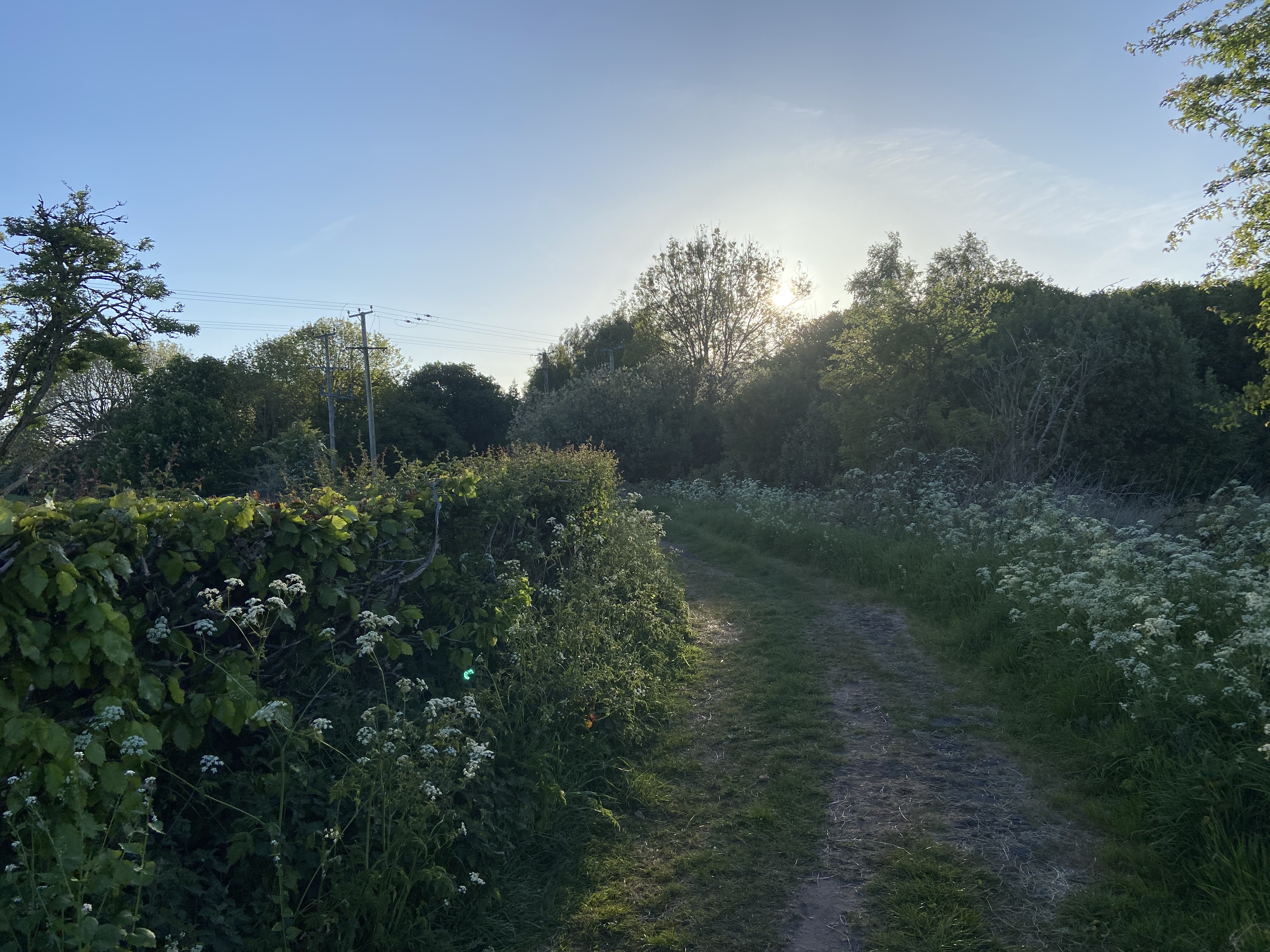
After a long spell of warm weather, the pattern has now become more mixed, but Triar and I have been regularly walking down Blackbird Lane together. Well be walking there a lot today because I can’t go far from home in case any call comes in, but I want to get in 15,000 steps today.
I’m still keeping up with my WalkFit challenges and one of those is to do 15,000 steps three times in May. I’ve done two days already and this is the last day in May, so I’m going to go for it. My daily step requirement has stopped rising and is stable at 7,500 steps a day, which suits me for now. I often do more, but on bad days, I can still usually achieve that without too much effort.
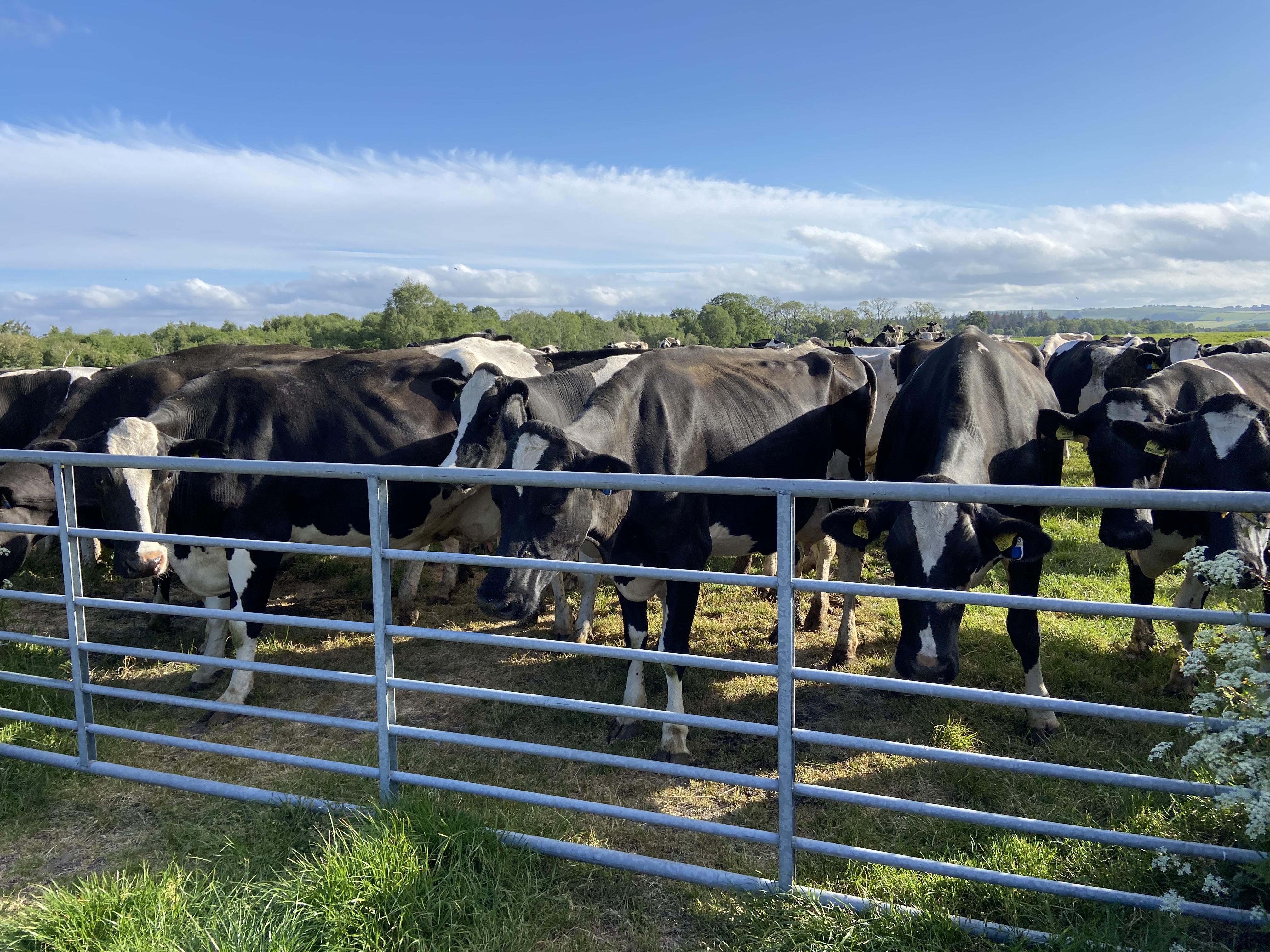
There are sometimes cows in the fields lining the lane. I’m working on getting Triar to walk past them quietly. He’s always been something of a barker, but does respond well to bribery.
We did have something of an incident yesterday, not with the cows, but with water. He does love a paddle and there is a fairly disgusting, stagnant looking pool at the far end of the lane. Until yesterday , he had always ignored it, but yesterday he decided to jump in. Despite bathing him for about an hour when we got home, he still retains a definite odour of muddy puddle.
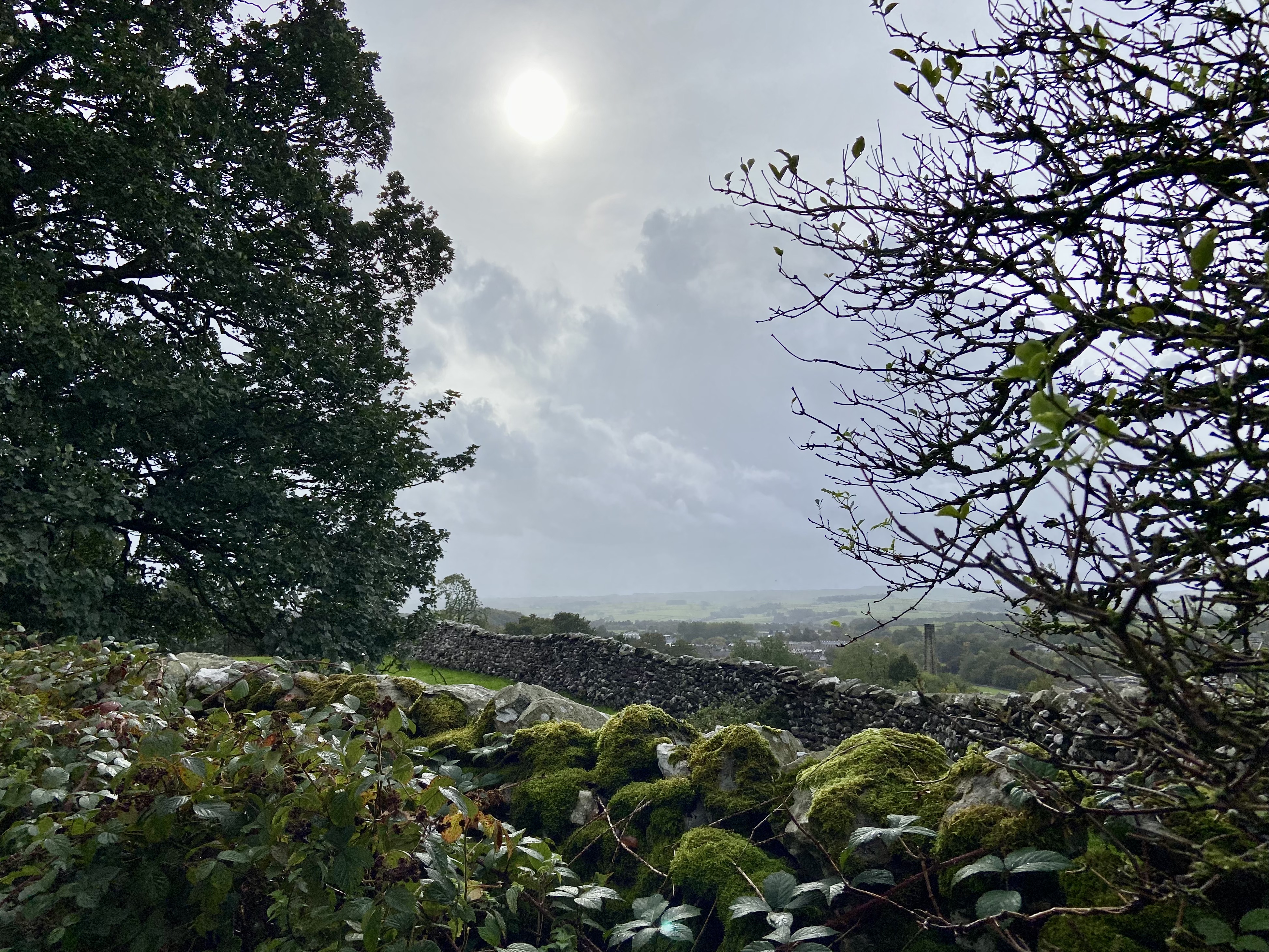
I’m going to finish with a few more photos of Yorkshire from last weekend. The picture at the top of the page was taken from my parents’ conservatory. The rest were taken while out with Triar. I do love a dramatic sky over stone walls and sunny fields. Have a lovely week all and thanks for reading.
To continue what I started yesterday, Tuesday and Wednesday were broadly taken up with meetings about Monday and follow-up actions. When faced with something complex that requires careful handling of many different aspects of care, there are always things missed that need to be rectified, and follow up questions and investigation.
Not entirely coincidentally, I had an appointment early on Tuesday morning with the doctor from Occupational Health (OH). We had a good chat and discussed some things that I found helpful. For example, she suggested using flexitime to take days off when I am tired in the immediate aftermath of something that takes a lot of energy.
There were other suggestions my mind rebelled against. For example, she suggested I could try anti-depressants, partly on the grounds that they wouldn’t interfere with any neurological examination because “half the population are on them”. That doesn’t strike me as a good thing. I know some people find them very useful, but I’m not depressed.
I said as much and she suggested some of my symptoms mimic anxiety symptoms. She also said the tingling in my hands and feet (which I was experiencing during the meeting) were not due to anxiety as I was speaking (and therefore breathing) normally. That’s quite a useful observation actually, because it’s been suggested before that some of my symptoms might be anxiety, but I have never been breathless in that way, even when my symptoms were at their worst.
Anyway, having driven through Tuesday and Wednesday on adrenaline, I woke up on Thursday and my mind and body rebelled. I had noticed, on my flexitime sheet that the extra hours I’d worked on Monday and Tuesday had taken me over eight hours, so I called my line manager, explained what the OH doctor had suggested and, to my relief, he agreed. My shoulders immediately dropped several inches, so I knew, at once, it was the right thing to have done.
I didn’t do much that day. I wrote a bit of my new story and immediately came upon a conundrum. Setting it in Dyrøya is all very well, but if the man who fell in love with Mary McKear is old now, he must have met her some time ago. So I need to know about Dyrøya’s past. It’s now an island, connected to the mainland by a bridge. So knowing when Mary arrived… and how… is important. More than that, what is a young Irish woman doing on a remote island in Arctic Norway anyway? It’s going to be the first thing he asks, surely?
Leaving all that aside, it was time to take Triar out. I set off to go down Blackbird Lane, and halfway there, decided to look if there was somewhere else I could take him in the car, that wasn’t too far away. Google led me to Castledykes Park, which was only a few minutes drive. We wandered slowly round the park. I know vets are meant to despise extending leads, but this was the perfect time to use one, because then Triar can zoom about, while I meander.
It was warm and sunny in the park. We looked at the trees and flowers and Triar did what dogs do on trees and flowers, and quite shortly, I found a nice bench. It was warm enough to sit down and close my eyes and hope that Triar wasn’t eating a dropped bar of chocolate or rolling in fox poo as I listened to the birds singing.
There was, yet another meeting on Friday morning, but much of the day was spent on a refresher course about handling animal welfare cases. It all sounds very peaceful when you’re talking about the legal framework and the form filling.
And so, yesterday I went to another mini-writing retreat and I used the time to delve into Mary’s background. She now has a history – a Norwegian grandmother, who escaped from Norway in World War 2. Maybe she came over in one of the boats that are coming to Shetland when I’m there in May!
Anyway, that’s me up to date now, after my busy week. If you’ve read this far, thank you. Take care!
Last Sunday, having not written anything on my novel for a good few weeks despite good intentions, a new idea thrust its way into my head. There’s a well-known song by folk rock band Vamp, called Tir n’a Noir. It has a beautiful melody, and when I came to understand the words (they’re in Norwegian and also dialect) they are, if anything, even more beautiful.
On a stormy November day, an old man is reaching for memories of a beautiful summer from his youth, when he met and fell in love with Mary McKear. His remembrance is dim, there are hints he has been melancholy and seeking solace for a long time, sometimes at the bottom of a glass. I like to think, a glass of Irish Whisky, as that’s where Mary is from.
Tir n’a Noir is named in the song as the place he met Mary, but it is, I believe, a reference to Tír na nÓg, which is a mystical land in Irish mythology, a paradise of everlasting youth and beauty.
Towards the end is a hauntingly written verse, which I will try to translate for my English readers, though I won’t be able to do it justice and I’m not going to cast aside meaning for rhyme or rhythm.
Så når kvelden komme og eg stilt går ombord, Og min livbåt blir låra i seks fot med jord, Seil’ eg vest i havet te Mary McKear i Det grønna Tir n’a Noir.
Then when evening comes and I silently board, And my lifeboat is laid six feet under the earth, I sail west on the sea to Mary McKear in The green Tir n’a Noir.
I’ve just seen on Norwegian Wikipedia, about this song, it describes her as his wife, but (unless I missed something in my translation) it’s unclear whether Mary was his wife, or how long she was with him. We only catch a glimpse, where his grey life now is contrasted with the wonderful green summer when he felt fully alive as they laughed together. It’s suggested it was long ago, as he remembers her, as if through a mist, over horizons that slide and crumble, or wither.
Anyway, the urge came to me that I wanted to write their story, showing those contrasts, between the dim present and the wonderfully remembered green land, when he was young and filled with love and hope. I want to explore and reveal his story, or at least my own interpretation at how he might have arrived at the point where he sees his coffin as a lifeboat.
In researching and translating the song, I found reference to the fact that the words were actually a poem, by a Norwegian poet: Kolbein Falkeid. The lyrics are written in his local Haugesund dialect. So I hope my Norwegian friends can forgive me the imperfection, because I want to set my story in the North of Norway, where the winters are long and dark and the summers are so intensely green that I can imagine them as the green paradise where he met her.
I don’t know where the story will take me, though ideas are already arriving of how he ended up taking to the bottle. It’s melancholy in it’s beauty but the song steers very clear of being a dirge, and I want my story to have a similarly haunting beauty. Of course, I look at what I want to achieve and know it’s beyond my current writing skills, but I can only start and hope that I can come close to the vision that has arisen in my head.
I’ve a lot to say this morning. It’s been a long week and I may run out of time as I’m going on a mini-writing retreat, which meets at 10:30, so I will write what I can, and if I run out of time, I can finish later or tomorrow.
These flowers were given to me by a colleague (Lauren) along with some scones on Tuesday. Another colleague (Lisa) ran me home on Monday evening and brought me back the morning after. By some miracle, Donna must have felt my pain as she invited me for dinner at 17:35 on Monday evening.
As regular readers noticed, there was a two week gap in this blog. I couldn’t face writing and it was due to uneasiness in my mind. I was dealing with a welfare case. Sometimes, with experience, there are factors which ring alarm bells in your head, and this one has been sounding in mine, loud and clear. I feel a bit like Miss Marple, remembering people and drawing parallels. My parallel this time, was to an awful case in Norway that I wasn’t involved in. Rather, it fell to a close colleague. I only read about it: a report I couldn’t read in one go as the horrors were too much. It made the national news and the farmer went to prison for two years.
The day before I missed my first blog post, I had seen the farmer take an action which meant that, in theory, the animals should be easier to look after, but also had the effect that they were now entirely reliant on that person. They had been outside, where to an extent they could forage for themselves, though there wasn’t a huge amount of grass. Now they were shut in. The animals in Norway had been shut in too. So uneasy was I that they would not be properly looked after, that I went back out the day after, a Saturday morning when I shouldn’t have been working, but I hadn’t slept and knew I wouldn’t unless I put my mind at rest.
That trip out, did put my mind at rest, to an extent. I saw the animals had been fed and they had water. It’s difficult with cases where the extent of the problems can’t be easily predicted. You have to put a plan in place, then trust that the farmer will follow it, but follow up yourself within a timeframe that’s not too long, in case he or she fails to follow through. I guess, if I did one thing wrong, it was that three weeks was too long, but visiting too often can be seen as micromanagement or even harassment.
It is some consolation to me, that a private vet had been out in between and said he hadn’t seen any real cause for alarm. And though it was bad, I am aware that it could have been a lot worse. Because of the actions we took on that day, most of the animals have now been moved to somewhere where they are safe. We have done what we can to ensure those that remain are not at risk… they are now back outside, but still with access to shelter.
And I discovered how thoughtful my colleagues and friends are. I’ve said before that I find great support when surrounded by a circle of strong women, and somehow, my circle is getting stronger as time goes by.
I’m going to go now as there are a couple of things I have to do before going out, not least to take Triar down Blackbird Lane, but I will return, probably tomorrow, to write about the rest of the week.
I have arrived on the other side of Storm Éowyn safe, but feeling a bit battered. It’s been altogether a mixed week. I’m dealing with a complicated welfare case just now, where I’m on something of a tightrope. There are mental health issues involved and financial problems and, for me, at the centre of it all, are some at-risk animals. The next few days will be tense and, frustrating.
There are several agencies working together and yesterday should have been a significant opportunity to drive some changes, but because we were in a red warning area, all outdoor work was cancelled. The window we had, where it looked like all of us might come together to effect some change, vanished and now we have to pull something else out of the hat.
For me, animal welfare is 100% front and centre, but one of the other agencies has different priorities and won’t move their activities forward to help. I don’t really understand the lack of flexibility, but it means that the local authority and I will have to work around them, even though it makes the situation more difficult. At the end of the day, I need to be able to tell myself I did everything I could, within my professional capacity, but it seems likely there might be some distressing days ahead.
Storm Éowyn herself was a battering experience. I have three mobile phones and when the first of five warning alarms came, I had no idea what it was. It’s a very unpleasant tone they use. Triar looked worried every time it happened. I had planned to go to Valerie’s this weekend. I genuinely thought I would still be able to get away on Friday afternoon, but there were so many roads blocked by then that I decided I shouldn’t try.
Power went off in my house at 10:42 yesterday morning. Technically, I was working from home, but I ended up mostly preserving my phone battery for two important Teams meetings. By some miracle, Donna still had power, so she fed me delicious comfort food, including macaroni cheese and sourdough garlic bread and I walked home using the phone on my torch. It’s very dark indeed when all the streetlights are out.
And now, in the aftermath, I have to work out what to do about the half a slate that has smashed the plant pot at my back door. When I went to see if the neighbours’ power was off yesterday, neighbour Gary was on the roof. He said mine was okay, but I don’t know how closely he looked. I can’t really see how the half slate could have slipped from anywhere other than my roof, but the back garden slopes away, so seeing the whole thing clearly, isn’t that easy. I’m probably going to have to get someone out to check. Going on the roof feels beyond my middle-aged capabilities. At least it isn’t raining.
I don’t have any photos of Éowyn. I took a video of the trees in my garden, dancing wildly, but don’t have the capacity to post videos here. The pictures I do have are from driving over to Stranraer on Tuesday, when I was meant to witness Lesley taking blood from cattle.
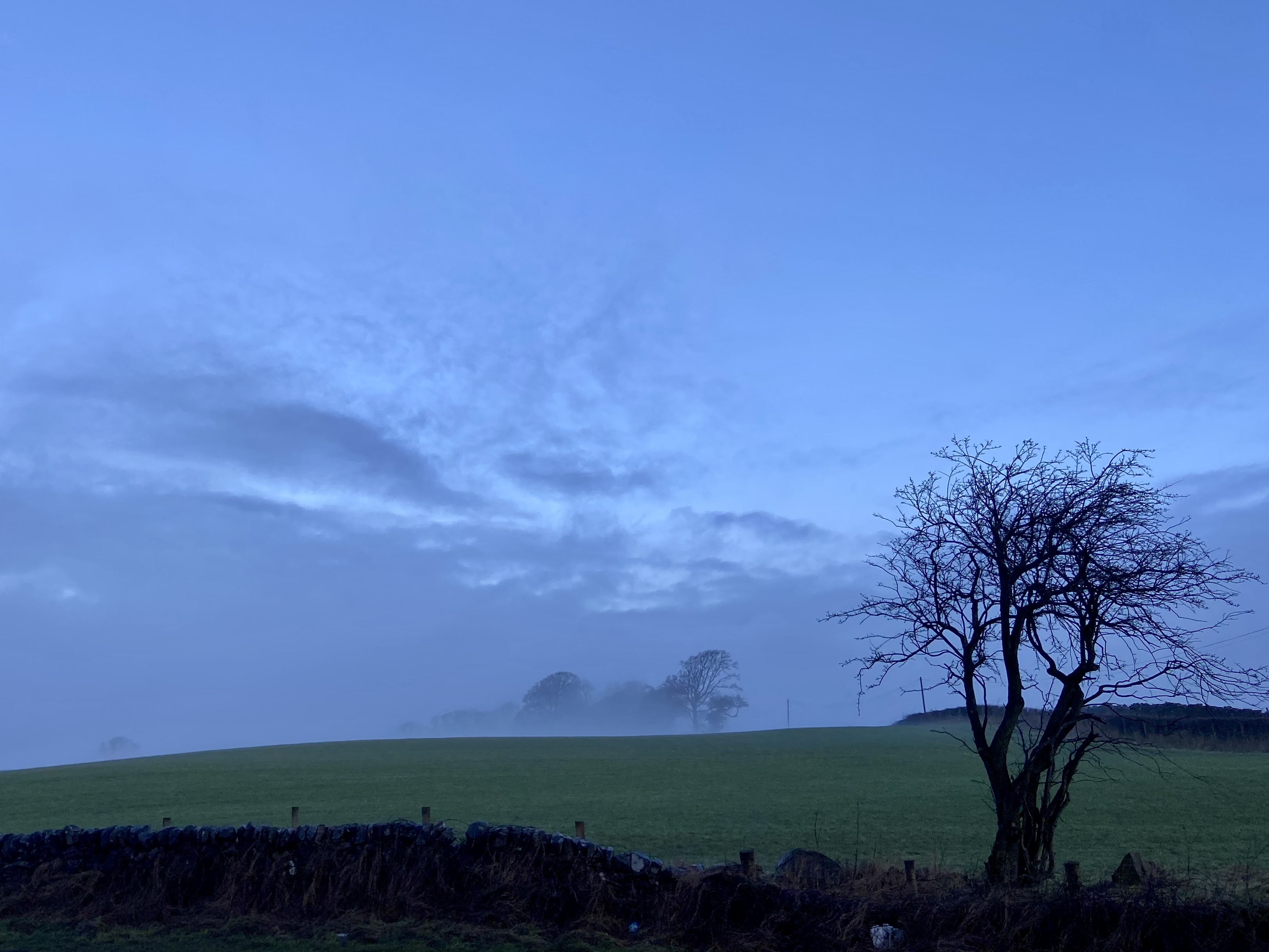
Unfortunately, though I arrived at the planned time, they had just finished when I got there, so it was a bit of a wasted day. As well as the photos of low-lying mist, I also had a lovely lunch of avocado on toast, with poached eggs and buttered thyme mushrooms. The cafe options in Stranraer are very different from when I went there for an interview in 1993, when there was only Petrucci’s, with its brown Formica tables and lasagne and chips.
Anyway, I shall leave you now. It’s light outside and I’d better go out and peer up at the roof to assess what I can see from ground level and work out what do do from there. I hope that, if you were in the path of the storm, there’s nothing that can’t be fixed. My own power returned sometime in the early hours of the morning, which was an enormous relief, not least because my adjustable bed wasn’t adjustable with no power, and sitting up to sleep doesn’t really work!
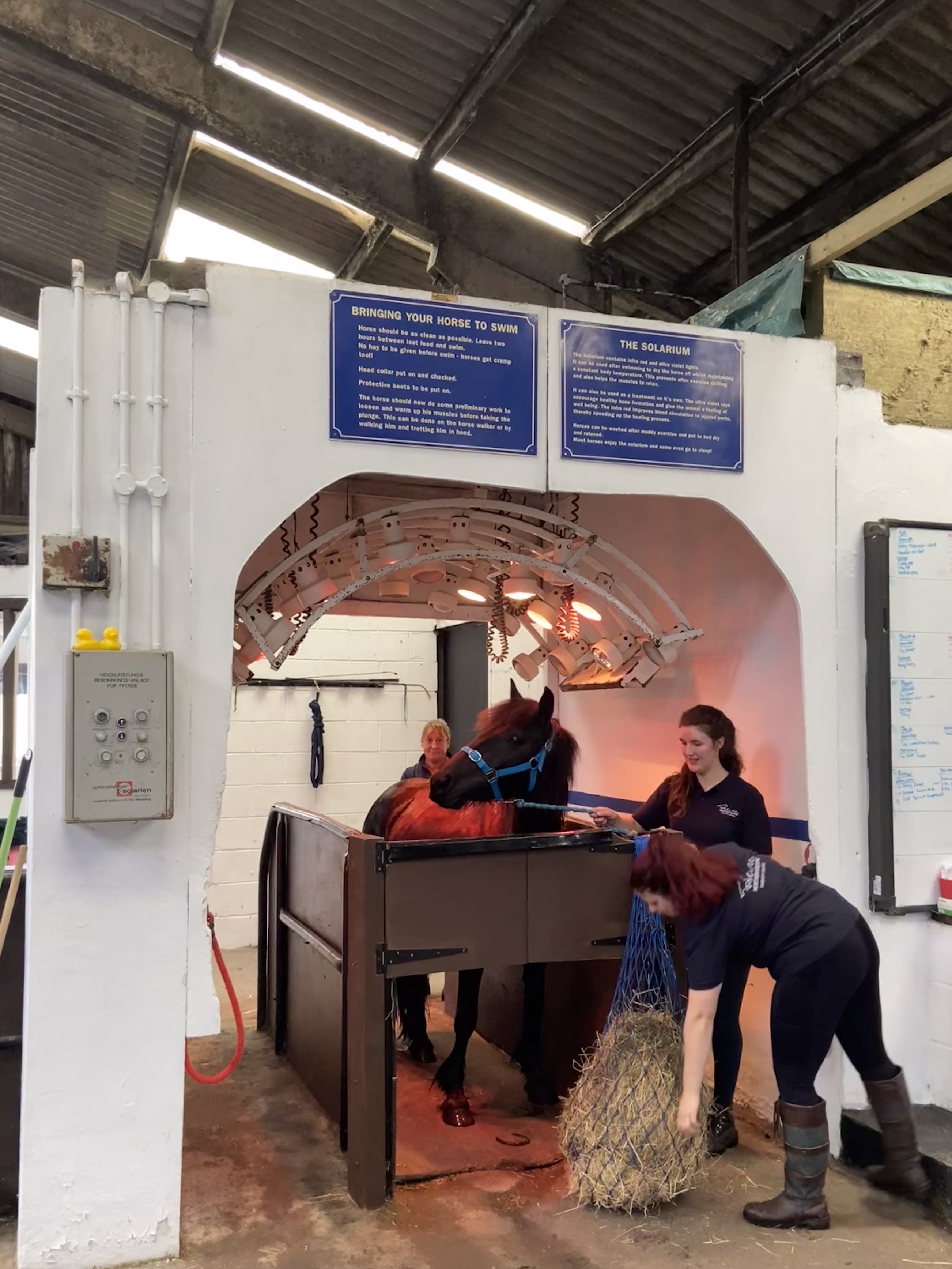
This week has felt so long, and has been so full, that it was almost a surprise when I looked back at my photos and realised that it was only last weekend I went to the Northern Canine and Equine Therapy Centre in Rathmell, where they do hydrotherapy for horses and dogs. They had advertised it as a coffee morning and we did indeed purchase a lovely coffee from a van outside the centre, but the real attraction lay inside.
The horse hydrotherapy session was due first, so we walked into the part of the centre where the horses were kept. I wish that I had taken more photos, but it was a lovely place and I instantly felt at home. The centrepiece of the covered yard was obviously the pool (pictured at the top of the page) but around two edges there were stables for the hospitalised horses. Some were there for lameness, some for weight loss and conditioning. Others were there, not so much for treatment, but for pampering. Imagine sending your horse away for a spa weekend!
Having swum round, the pony in the picture was taken out, towelled down, then treated with oils to replace the natural oils that would have been removed from his coat. He then was walked into a solarium to dry out a bit.
After we’d seen the horse swimming, we moved through to the dog pool. There. We watched as a dog physio put her labrador through his paces in the pool.
She told us about the different conditions they helped with. Her own dog doesn’t need any therapy, but he does love swimming. It’s also possible to book a half hour fun session with your dog and I immediately decided I’d like to take Triar to see if he would like indoor swimming. I also found myself wishing I worked there, or perhaps was a vet who could refer animals to them. It felt like a very positive place.
We had rather a bombshell last Friday afternoon, which I couldn’t bring myself to mention last week. My lovely boss, Kirsty, unexpectedly sent out a message to say she was leaving and her last day would be early in August. I will be very sad to see her go, and by the outpouring of shock, so will many of my colleagues. Both Lindsay (my Veterinary advisor – one step up from me) and Sue, who has just taken on a year long post after locumming on and off, called me up, mainly to express their sadness. Though it feels very sudden, it’s good for Kirsty and I hope she gets some much deserved time to relax.
Back at work on Monday, I visited a chicken farm with my colleague, Aleks. I have to do three visits with other vets before I can go solo, and this was my third. Because everyone is so busy, it’s difficult to find dates when two of us can go out together, so I’m glad my third accompanied visit is done. I have three of my own to do, so now I can more easily fit them into my timetable.
I can’t even remember what I did on Tuesday. It all feels so long ago! I was due to revisit a welfare case on Wednesday with David, who works for the local authority with animal health and welfare. We often work together and the revisit was to a farm where we witnessed some serious welfare issues before. But when he arrived, he asked me if we could divert to a more pressing issue. A group of pigs had escaped from their field and had turned up in someone else’s farmyard. It wasn’t the first time they’d escaped, but the farmer, quite correctly, now had them coralled in a barn.
Other authorities, including the police and the SSPCA had been called out when the pigs had escaped before, but nothing had been done. These situations are complicated to deal with. Animals do escape from time to time, and unless they’re on a road or causing risk, it’s really the farmer’s responsibility to get them back and secure them in the field or barn. For David and me, it was essentially a welfare issue. It’s not safe for the pigs to be marauding round the countryside. All farmers have a responsibility to keep their animals safe and keeping them enclosed within a safe area is key to that.
After the big foot and mouth outbreak in 2001, various laws were brought in to try to reduce the risks of another big outbreak. These included standstill laws on animal movements. If cloven hoofed animals (mainly cattle, sheep and pigs) are moved onto a farm, then the farm comes under a standstill order and for thirteen days, no animals can be moved off the farm without special permission.
So pigs landing unexpectedly on someone else’s farm presents quite an issue to that farmer, especially if they were planning on selling some animals, which our farmer was, and imminently. Our first action was to find out if the sale could go ahead. The pigs had not, to anyone’s knowledge, been near the animals that were to be sold, but equally, they had been loose, so where they had been was anyone’s guess. The movement ban applies to all animals on the farm, so the sale had to be stopped. That was done before we left the office.
Our next action was to visit the farm. It was an hour’s drive, but when we got there, I was able to examine the pigs. They were healthy and being well looked after. The main issue that had to be dealt with (or so we thought) was that they were not where they were meant to be.
Having looked at the entrapped pigs, we then went to visit the pig owner. The remainder of the herd were in a separate field from the ones who had escaped. To get to them, we had to walk through the field where the escapee pigs had been. There were some green boxes that looked like the boxes supermarkets use to deliver produce, but I had walked past them, keen to see if the pigs were okay. David had gone to get something from his van and I expected him to follow immediately, but when I turned to see where he was, he was standing at the gate, looking round.
He joined us eventually and we went and looked at the pigs. They looked well and the field they were in was (in my opinion) the perfect environment, with a small shelter, long grass and rushes to hide in and mud in which to wallow when the weather was warm.
It was only when we turned and walked back, that David told me what he had seen at the gate. Across from the supermarket boxes, there was litter, lying about. And in that rubbish, which was mostly food packaging, he had found empty packages for sausage rolls, ham and bacon, along with bags for bread and hot dog rolls.
I mentioned foot and mouth and the rules created after the big 2001 outbreak earlier. In addition to new rules on animal movements, strict rules were brought in about feeding pigs. Feeding them any kind of human food or kitchen waste is banned. We asked the farmer about the packages. It wasn’t impossible they had been left by someone having a picnic, but he didn’t know where they’d come from and said he thought people sometimes came and fed the pigs.
So now we had a situation, where there were empty packages for pork products that the escaped pigs had access to, and worse, that it was possible the produce, including raw bacon, might have been fed to the pigs.
These are the kinds of situations that have immediately to be sent up the food chain. Even if I had dealt with such a situation before, I would still have to call it in, without delay. The upshot of my phone call, and the work I have been doing for the last three days, is that both farms have to be locked down, with no movements of live or dead animals onto or off the premises, except under special licence. All the animals have to be inspected every 72 hours for signs of disease for a week, then probably weekly thereafter, for another two weeks. There was also the matter of the pigs being on the wrong farm, which was resolved yesterday, after lots of negotiation and paperwork.
So a vist which I thought might be a little complicated to resolve has turned into a behemoth case. One thing I will say is that we have an enormous amount to be grateful for with the farmer who took in the marauding pigs. She did everything right from start to finish, including calling us in. Chances are, the pigs don’t have foot and mouth, but now we have everything under supervision, so if the worst happens, we are already on top of it.
Had she chosen not to trap the pigs and call us, but had shoo’d them away and sent her animals to the sale, the potential for us being faced with another 2001 was there. That was started by pigs being fed improperly processed food and the disease wasn’t spotted until it had been sent all over the country. I may now be faced with three weeks of visits and a ton of paperwork, but this is the kind of work that can prevent a world of pain for farmers and a devastating cull that costs the country billions.
So this is what I am here for. I’m only a tiny cog in a very important chain, and kudos to both the wonderful farmer who called it in and for David for his observational skills. Next time, I won’t be so quick to pass by litter to look at animals.
But if I have one final thought, it is that I wish the government could see what we are here to do and how important vets and animal health and welfare officers are to this process. There should be more of us on the ground and the pay for those of us who choose to do this should be much better. Staff come and go, or work quickly to get promotion as there is no pay progression in our part of the civil service any more.
We need experienced people on the front line, but there is zero financial incentive to come and stay. Maybe saying this publically could get me into trouble, but if so, so be it. The people responsible for removing progressive pay bands for these roles have put the health and welfare of the nation’s animals at risk.
I work alongside a few, faithful staff, who have years of experience, a network of connections, a load of invaluable local knowledge, who are asked to train new entrants on the same wage as them. That is both plain wrong and absolute insanity. We should be making sure those people have an incentive to stay, that they know they are valued and that they don’t have to move to a different job to be properly rewarded.
And on that cheery note (sarcasm alert for non Brits) I shall leave you to your weekend! Have a good week all, and see you next week.
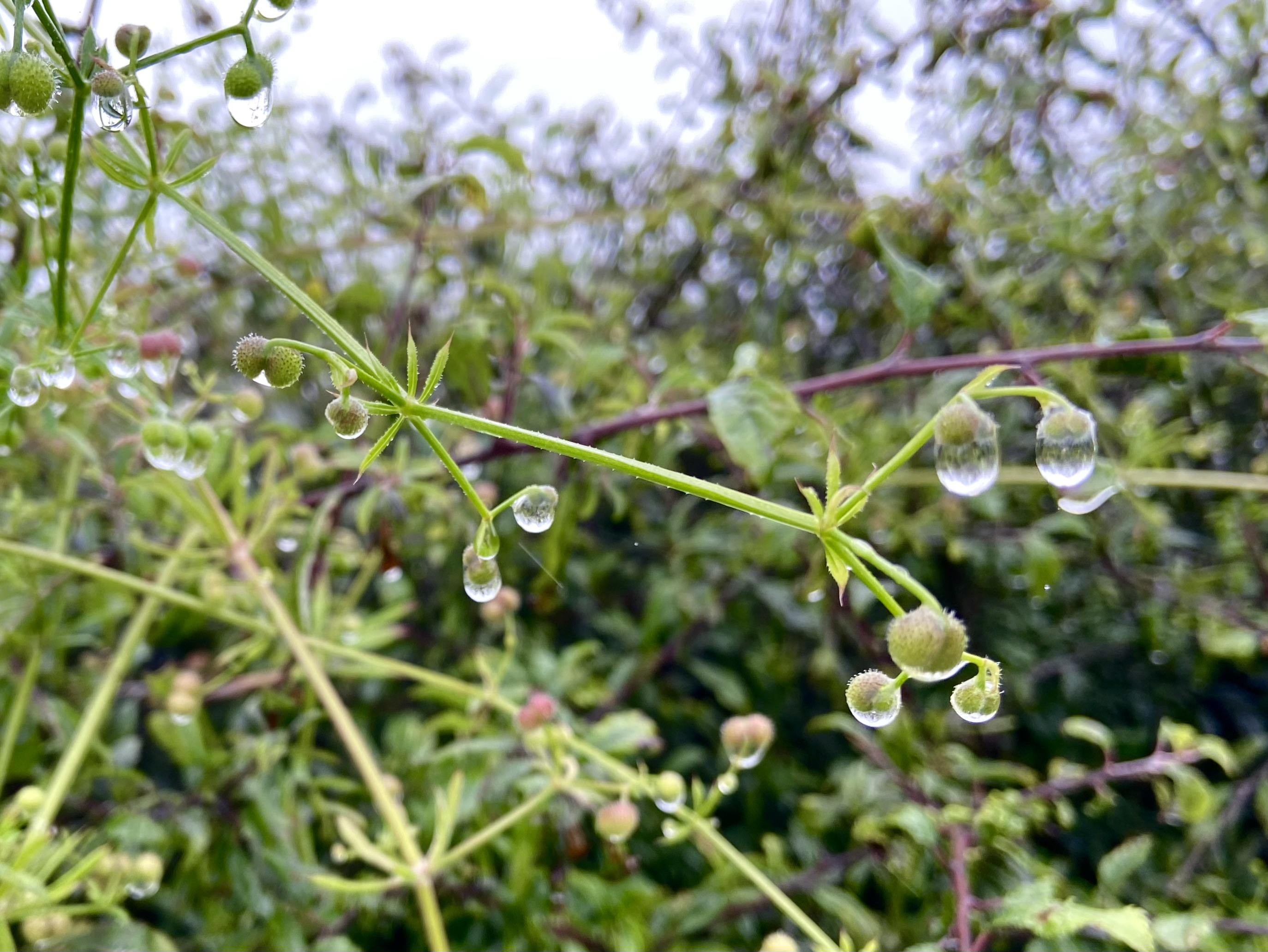
A few “after the rain” photographs for those who love Blackbird Lane.
This has felt like the longest week yet. I was duty vet on Monday, Tuesday and Wednesday. At any given time, there are three vets covering direct enquiries in Scotland and these can vary hugely from issues that are directly relevant to other tasks we do (TB, welfare, notifiable or reportable disease, animal by-products) to enquiries that have effectively been sent to the wrong agency or department. For example at one point, I had a question about sheep scab (a reportable mite infestation) alongside another about some brown banded cockroaches that had been seen in a consignment of books brought in from India.
The first of those – the sheep scab – is absolutely our territory. That one I knew I would have to deal with from start to finish. The cockroaches? Really I am clueless. So the first part of my task was to working out which of the tasks was mine to complete and which should be forwarded on. As a complete novice, even making that decision isn’t straightforward. The two other vets on duty with me were busy with their own tasks. There’s a more senior vet on call, but that’s mostly for consultation on serious cases at nights or weekends.
I had thought, before I started, that it was only three days. How bad could it be? But by Monday lunchtime, I was overwhelmed. I was told to follow various checklists, but without prior understanding, they didn’t have enough detail. The instruction, “obtain owner or keeper’s e-mail so restrictions can be served and lifted with fewer delays” sounds straightforward enough, but there are multiple different systems where that e-mail might be recorded. Moreover, those are so complex that looking things up could take an hour and even then, I might still not have found it.
Finally, in desperation, I called my veterinary advisor, Pilar. I probably should have done it earlier, but I knew she was busy and she had already spent hours with me, trying to prepare me. Fortunately she was empathetic and understood how out of depth I was feeling. I had actually reached the stage where I was contemplating switching off computer and phone and walking away, but she talked me through everything in simple steps, told me I could gather most information by calling the vet who diagnosed the scab and the farmer whose sheep were infected and gave me a list of what to ask each. The cockroaches, she directed me to another APHA specialist, who would be able to advise.
It took me a very long time to work through that sheep scab case. Next time, it will be much quicker, but the good news is, that by the time I phoned cockroach guy back afterwards to find out more about his query, he’d already had the Forestry Commission in, who had dealt with the problem. As someone else pointed out, almost none of the enquiries are urgent, but it still feels overwhelming. It will get better over time, but those three days left me feeling wrung out.
Having survived the three days (and nights – no calls, but not relaxing knowing the possibility is there) of duty vet, I was hoping for a good end to the week, but it wasn’t to be. On Friday, I had booked in a welfare investigation with David, the local authority inspector. As regular readers will know, mostly those investigations reveal good welfare, but occasionally the reports are accurate, and this was one of them.
There are two main sets of rules we follow. There’s both the law of the land (Animal Health and Wefare Act, Scotland, 2006) and a more stringent set of welfare guidelines that farmers sign up to in order to receive government subsidies. Up until now, I have mostly visited farms where the farmers were broadly compliant with the guidelines, which represent a higher standard than the law. There have been a couple who met the law but not the guidelines, but until now, I haven’t seen any proper breaches of both.
There are various protocols in place for dealing with breaches, depending on severity. Minor breaches can be corrected with simple guidance. There’s a sliding scale from there, including serving notices for improvement within a specific timeframe, calling for direct action while on the farm (such as calling the private vet or requiring that animals are culled) right up to prosecution, for the most serious cases. The latter is usually (though not always) a last resort after improvements haven’t been made.
Anyway, yesterday I had my first Scottish breach. I’ve dealt with some in Norway before, so the welfare signs and how to record them are similar. However the protocols differ and it’s easy to put your foot in it. One thing I have learned is that, when I come across welfare problems, it’s intense. There’s a lot of pressure to make sure you get stuff right. If you say the wrong thing, the farmer can get prematurely angry or defensive, which makes everything more difficult. On every case I’ve reflected on afterwards, I have looked back and realised there were ways I should have done better and some things I learned. This is my initial list after yesterday. I know more will crop up as the case is processed and followed up.
Firstly, don’t forget to take supplies. There’s a minimum kit I should have had with me and didn’t. In Norway, we used disposable overalls and boot covers on every farm and I would go round the stockroom and pick up measuring implements, microchip readers and other equipment each time. It had become routine. Here there are certain items I am meant to have with me at all times, but I went out with someone from the local authority and (incorrectly) assumed that the LA inspector would have everything I needed. I don’t think it caused any catastrophic problems, but that was only by good fortune. I can easily rectify that for next time.
In addition, I will never again go out without food and drink. Generally such inspections take a few hours at most and we can go and buy lunch, but this time, there was a lot to get through and I was uncomfortably thirsty before we managed to take a break. In Norway there were often no cafes or shops within a two hour drive. Thomas never ever went anywhere without a can of cola and something to eat and I had started to do similar. Again, an easy lesson.
Second, don’t do welfare on a Friday. Graham mentioned this and it’s great advice. Sometimes it’s unavoidable, but in fact, it can cause no end of problems. Vets go onto out-of-hours rates and limited staffing at weekends, so if a call-out is fairly urgently required, it’s more complicated. Worse, abattoirs close for the weekends. They did in Norway too, but we had an emergency slaughter service 24/7. Labs close. If you want to send them anything, and it’s late, you can’t leave it till the next day. Even from the point of view of our own follow-up, it would have been better to go through the case the next day and not have two days in between.
Third (and unexpected). Don’t use the word evidence. It’s a funny thing to reflect on, but I never accidentally used that word in Norway. I didn’t even know the Norwegian word when I started working in Finnsnes! I rapidly learned how important language was when I started out in practice years ago though and now I need to learn what works in this role. The way you phrase things makes a massive difference to how the person on the other side of the exchange reacts.
To me, it felt like a technicality. Evidence is stuff I see and write down. It can be positive or negative, but it was obvious when I used it a couple of times that it instantly conjured the threat of a court case. Next time, I will find alternatives. If I ask to take photos, it’s not for evidence, it’s to get or record a full and accurate snapshot of what I’m seeing. Doing that is easily described as being in everyone’s interest. There are so many police shows now that the rights they read out (that include the word evidence) are probably at the forefront of people’s minds. I’ve always thought it would be easier to do this job in English and there’s no doubt it is, but there are new pitfalls and I need to adjust.
Anyway, as well as the things I got wrong, there were others that I did get right. The habit of using descriptive, observational, factual language, not opinion became second nature in Norway. A cow is not “thin”. Thin is an opinion. Instead I might write that “I can see her ribs and the bony prominences of her pelvis and spine and I rate her body condition score at 2” (with an explanation of what the condition score means). Those are facts. Realistically, “thin” is shorthand for “I observed those things” but it can open up the problem that different people might assess “thin” in different ways.
On my suggestion, David drew a map. I learned that from police in Norway after working on a case with them. It makes it easier to keep track if you have all the farm buildings mapped out and the sheds numbered. You can then describe more accurately where you found various animals and what your photos show.
This is a Scottish/British one; I should record important words verbatim. I learned that on a statement writing course. It’s not easy to do that as conversations go faster than I can write, but writing down someone’s actual words removes any confusion created by a summary of what you thought they said.
And finally, I’m going to end with something David told me. It can feel overwhelming during a welfare case, especially if there are many issues that need to be addressed. Again, harking back to Norway, even if I managed to improve things, I could still get bogged down in what I didn’t achieve, because it could have been done better. But as David pointed out, in the end of the day, if the actions I took relieved the suffering of a single animal, that was still an important achievement.
I have been down to Weybridge agent this week, this time for a cattle handling course. Before going, I was rather cynical. After all, I’ve been a vet and have worked with cattle for a long time, I’d done a course in Norway about the design of facilities in abattoirs, where I learned about behaviours, so I rather thought it might be a lot of repetition. The two colleagues who attended with me were actually farmers, so I think they had the same concern, but it warm in fact, very interesting.
The essence of the course was to teach us about health and safety when it comes to cattle. I haven’t read it yet, but there is a health and safety document (HS32) regarding handling facilities and minimum safety standards when we go to a farm, what we should look for and when to walk away.
There’s a drive in UK farming at the moment and grants available for building safer facilities, we were told. Farmers who provide inadequate, unsafe facilities are paid the same for their products as farmers who don’t, so if we walk away, for valid reasons (backed up by HS32) then there is legal pressure for them to comply. If they don’t, they will find themselves under a movement ban. As someone who probably would have tended to push on through, this in itself was a good message. Take it further and it’s also good for the animals. Escape attempts that go wrong don’t only result in risk to the human beings present, but to the animals as well.
Most of the course was led by Miriam Parker, and if you are interested in what she does, there are videos online. In essence, she designs livestock handling facilities with the animals in mind. If you want an animal to go somewhere, the best way to do that is to design the facility so the animal wants to walk through it. Ideally, you want the handlers to be able to guide them from outside as well, as that is much safer.
I had learned about flight zones before: the area an animal maintains around itself – enter it and the animal tries to move away. I also knew about the balance point – if you stand behind its shoulder, it tends to move forwards, in front, it moves back or turns. But we also looked at the behaviour and signs of discomfort when you are in the flight zone (a potentially risky place to be) and the limitations of cattle sight.
I had always thought that, with their eyes in the sides of the head, that cattle were mostly looking out to the sides. Not so! They have very wide peripheral vision and can perceive movement there, but most of their attention is still focused in front of them. I should have known that really. When they stand looking at you in a field, they do look straight at you, after all. What they do have though, is a great big blind spot in front of them, which means it’s much harder to judge distance when close up, for example. If you wondered what the picture at the top of the page was, it’s my colleague, Lesley, wearing a pair of spectacles that allow you to get an idea of what a cow sees. No wonder, when cows are walking into somewhere that looks strange, they take a lot of time, putting their heads down and to different angles, trying to eye up not only whether it’s safe, but whether they can get through at all.
We also went out to a field, where there were some fairly flighty calves. Our group of about twenty was split into smaller groups, then we were sent out in turn to try various exercises, such as getting them to walk to different places in the field. This proved to be quite difficult as getting them moving slowly in the first place was one thing. Slowing them down if they took off was much more difficult. Miriam explained the importance of moving back to give them space, rather than pushing them on, or standing close to keep them where you want, to the point where they’re stressed and milling. Step back and they are more likely to relax and stand.
I had been disappointed with my performance with various teams for much of the exercise. However the last task of the day was to try to split off two calves, leaving the others in a group. Many years ago, I used to stay up late into the night, watching One Man and his Dog on TV. For those who don’t know, this was a shepherding competition for a shepherd and his sheepdog, where they had to guide the sheep round the field, through various gates and into certain areas, before guiding them into a pen and closing the gate.
One of the exercises they did was to separate out two sheep from the rest of the flock. How many times did I watch as those calm dogs edged towards the group, moving in an out until they saw their chance? A gap would form, where two of the animals started to edge away and the rest weren’t quite ready to follow, and then the dog went in between them, cutting the group cleanly into two. To my enormous pleasure, I found I could do this instinctively, and for the first time that day, our group performed this task smoothly and without a hitch. It was a great end to the session.
Good as the cattle course was, it was also great to spend some extra time getting to know my colleagues better. As well as Lesley, we had Lauren there. Both of them are from farming backgrounds and, like many people from farming stock, they are very down to earth, as well as funny and practical. I’ve always felt that the people I work with are what make the most difference between enjoying work or not and I’m looking forward to working with them more!
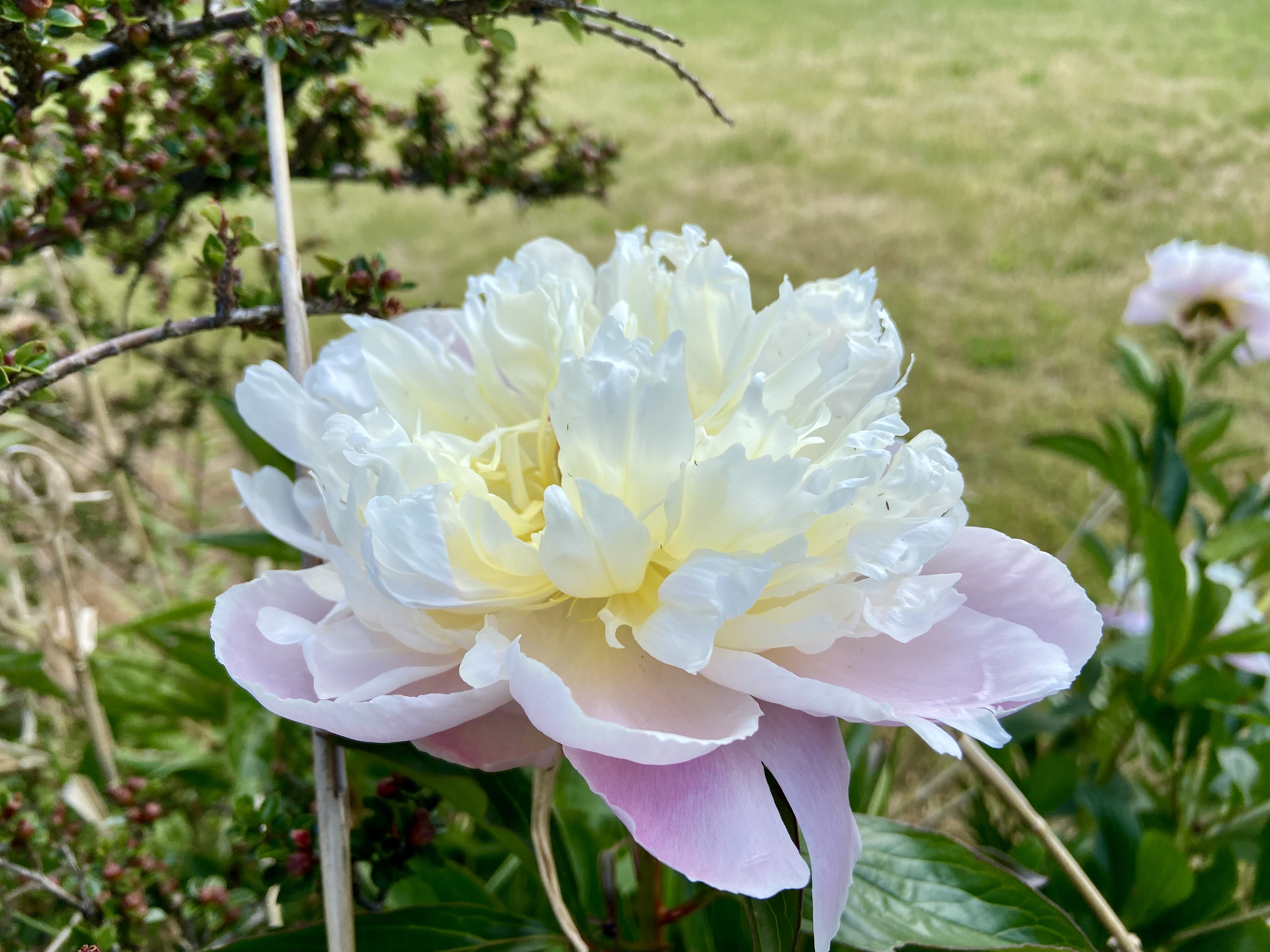
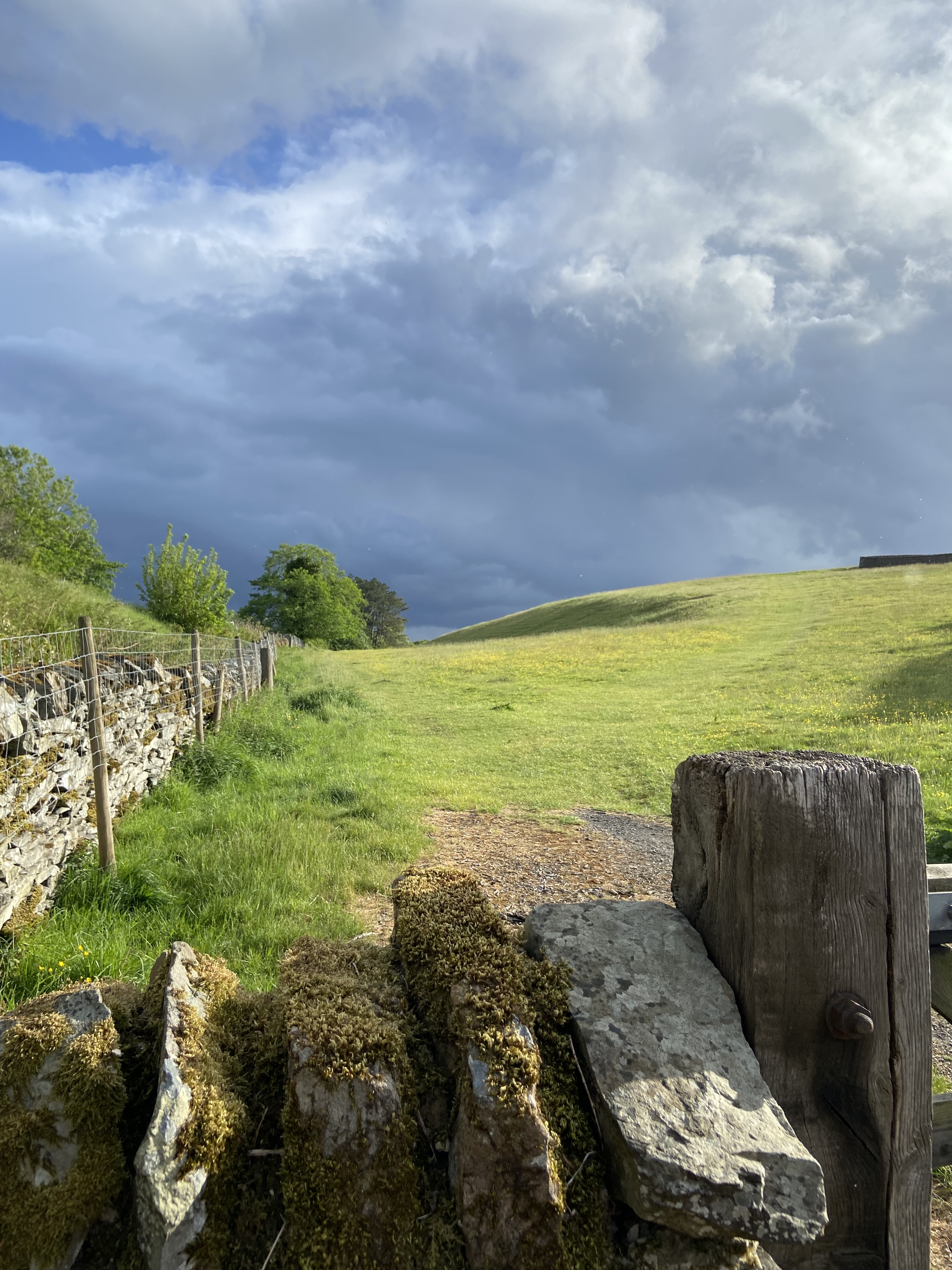
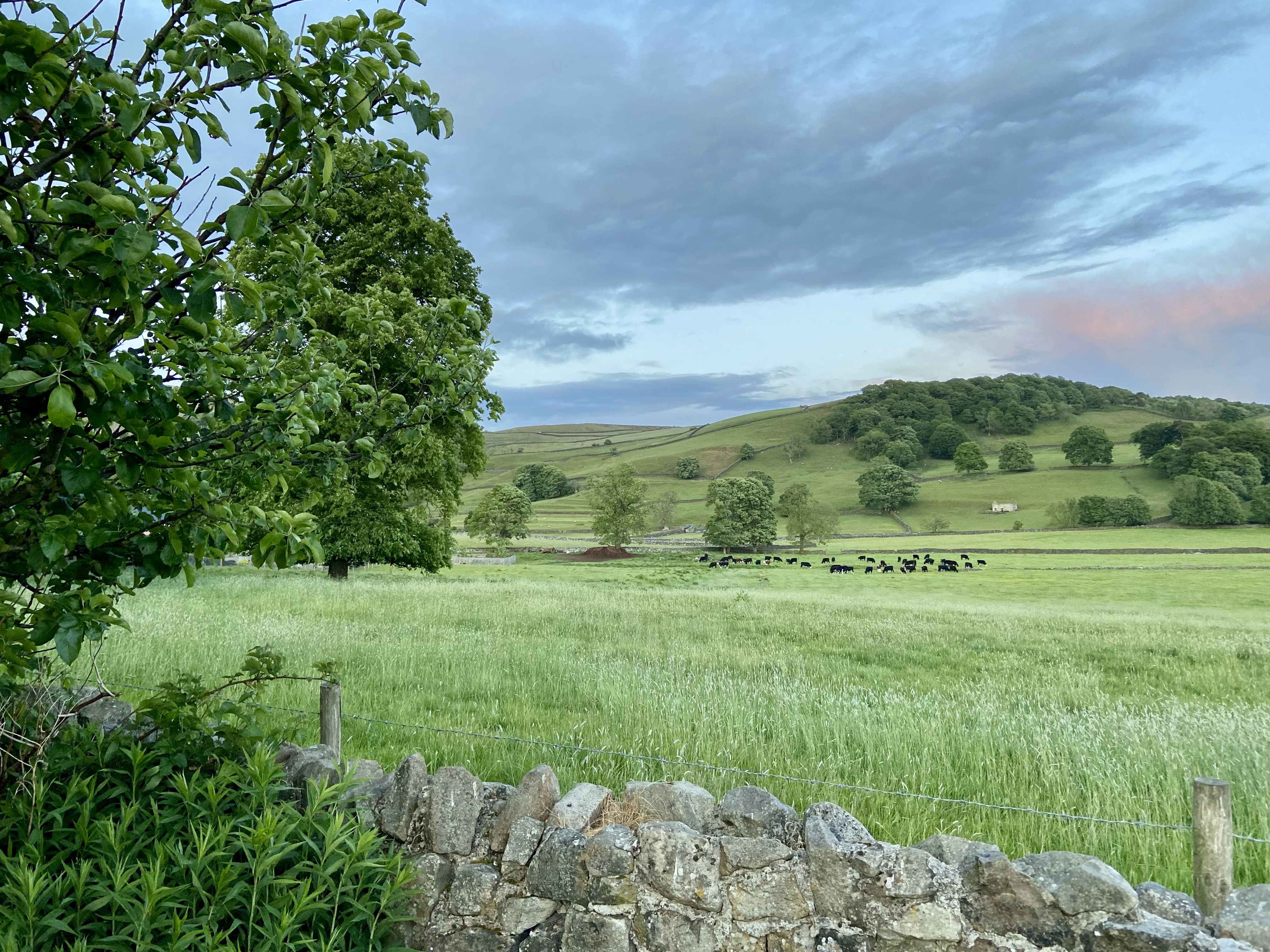
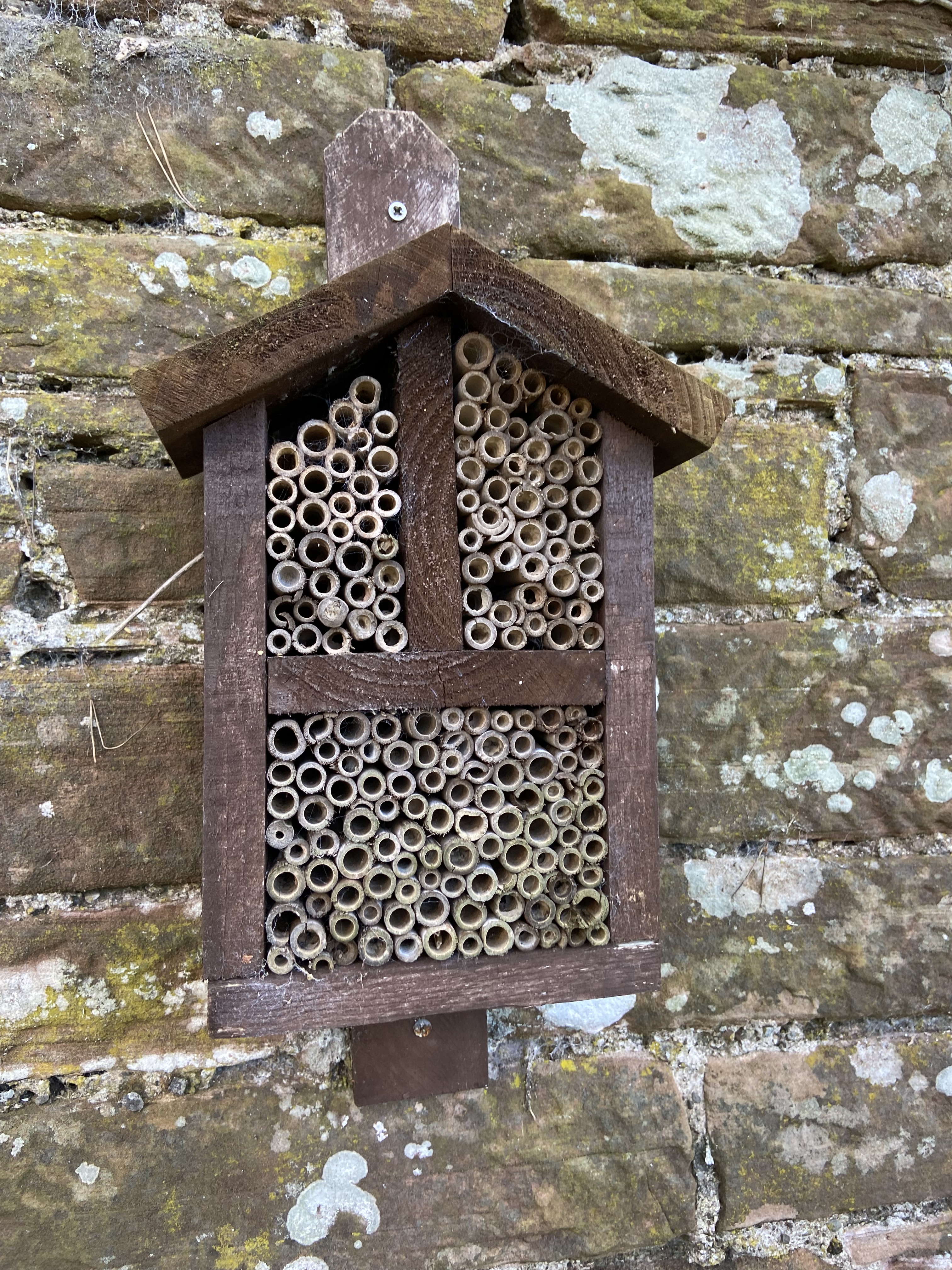
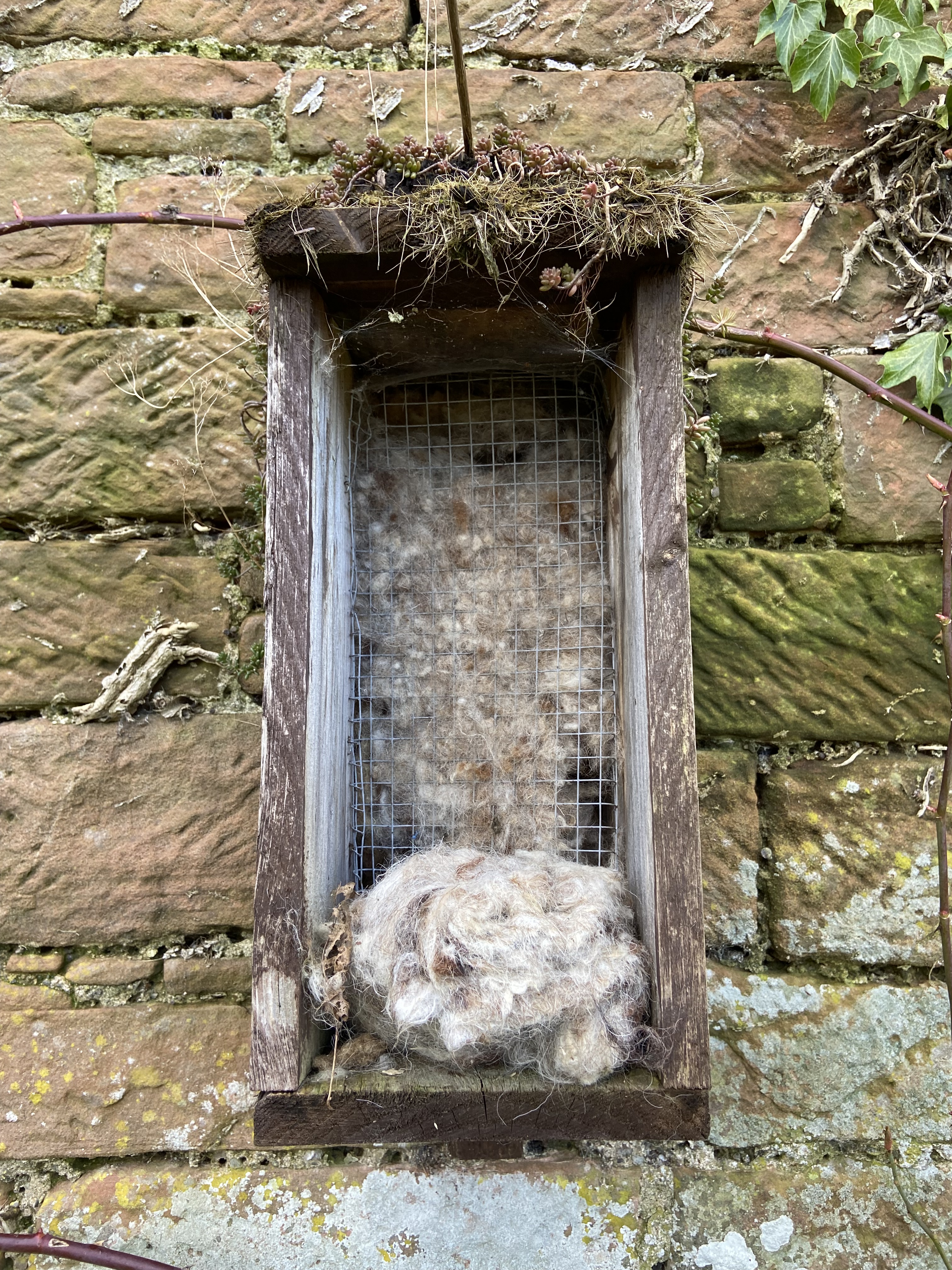
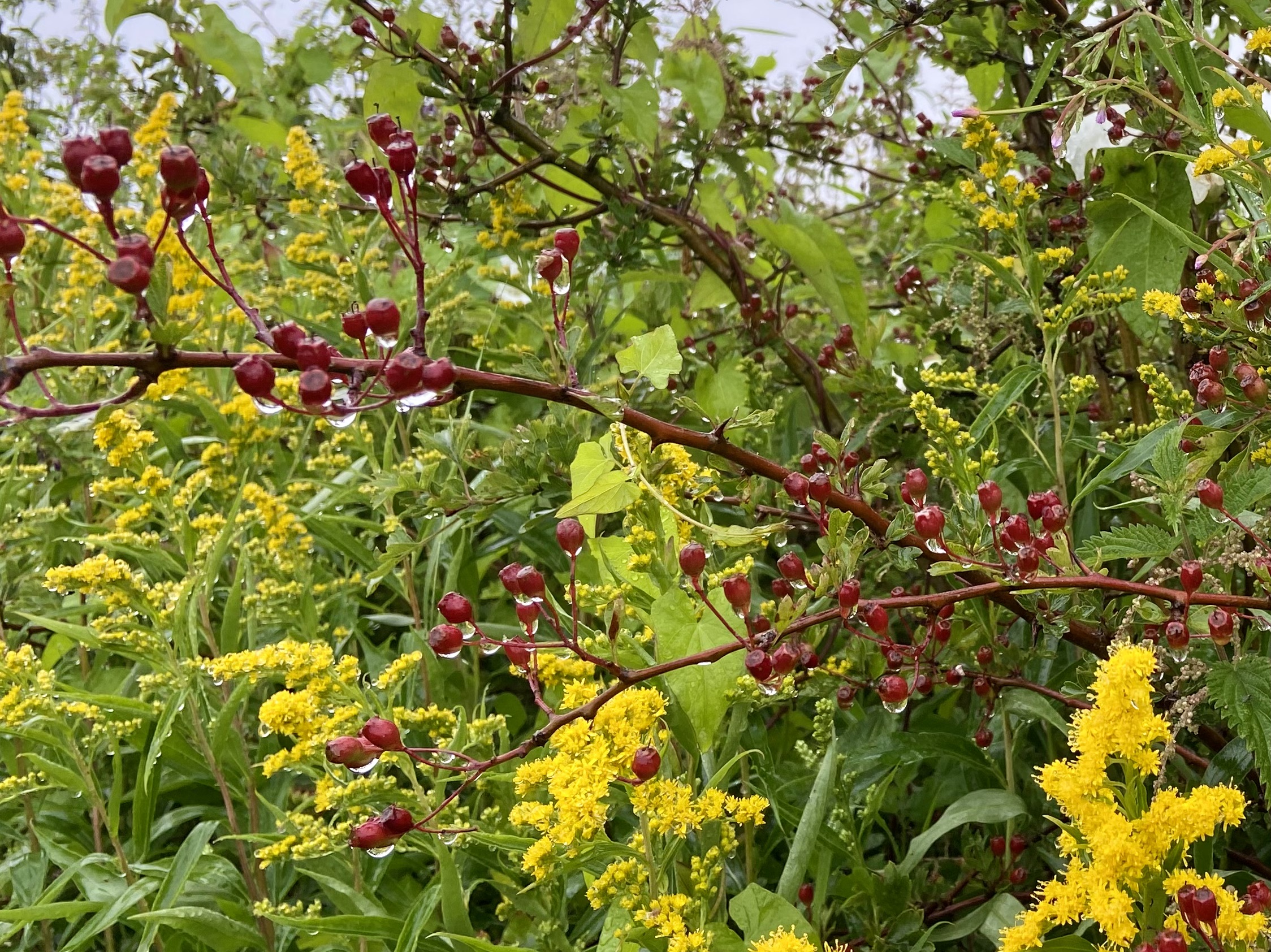
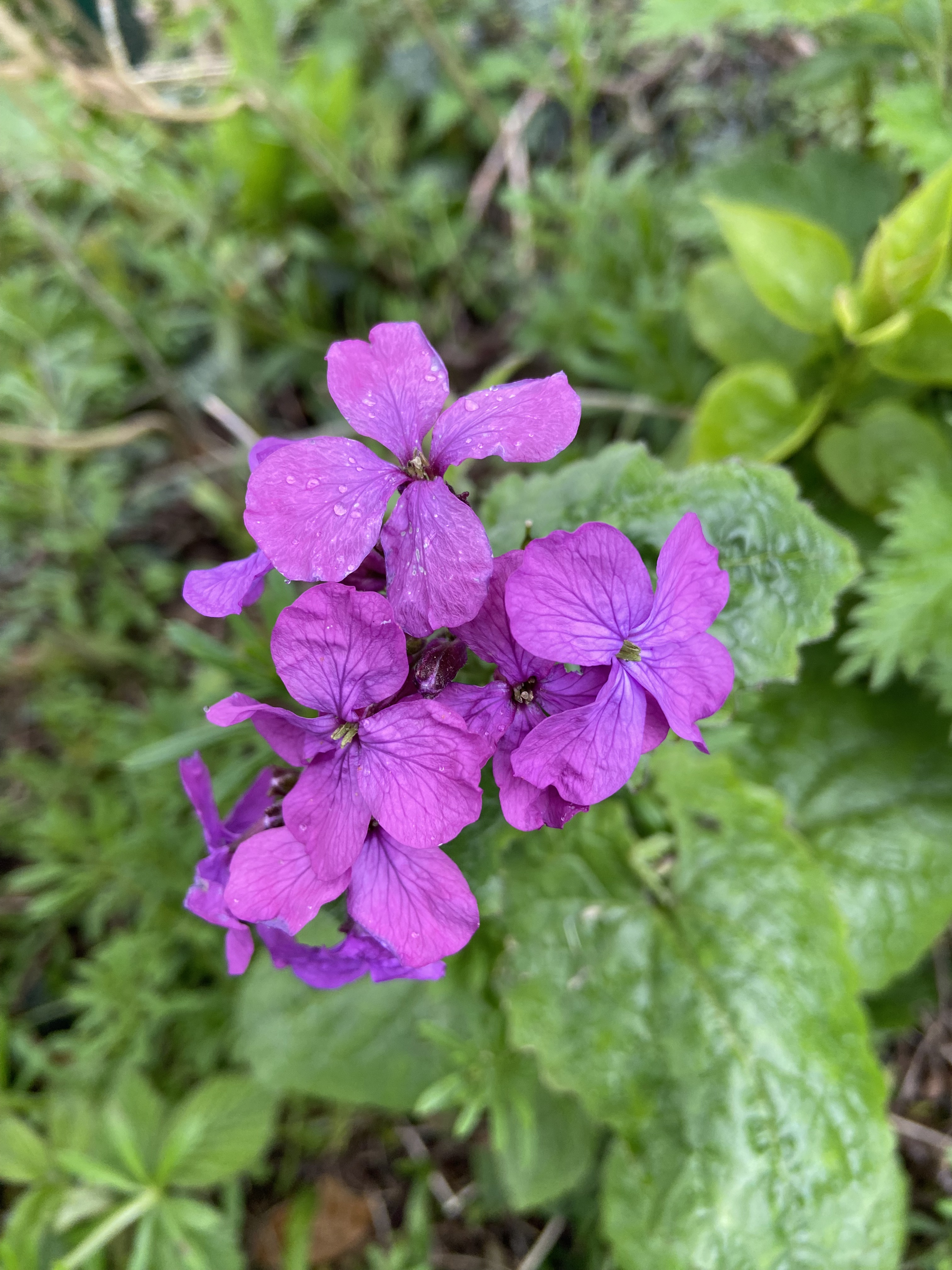
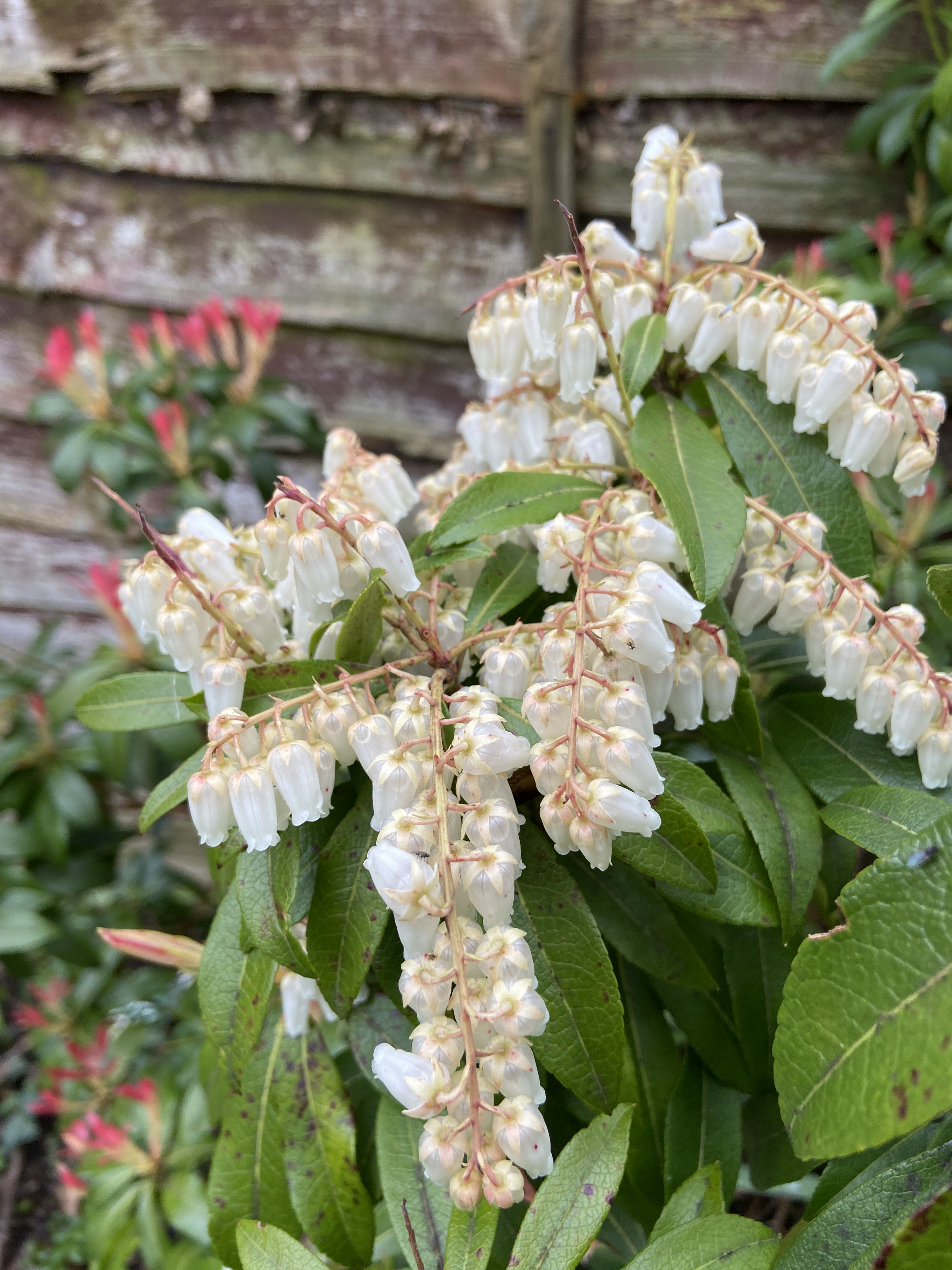
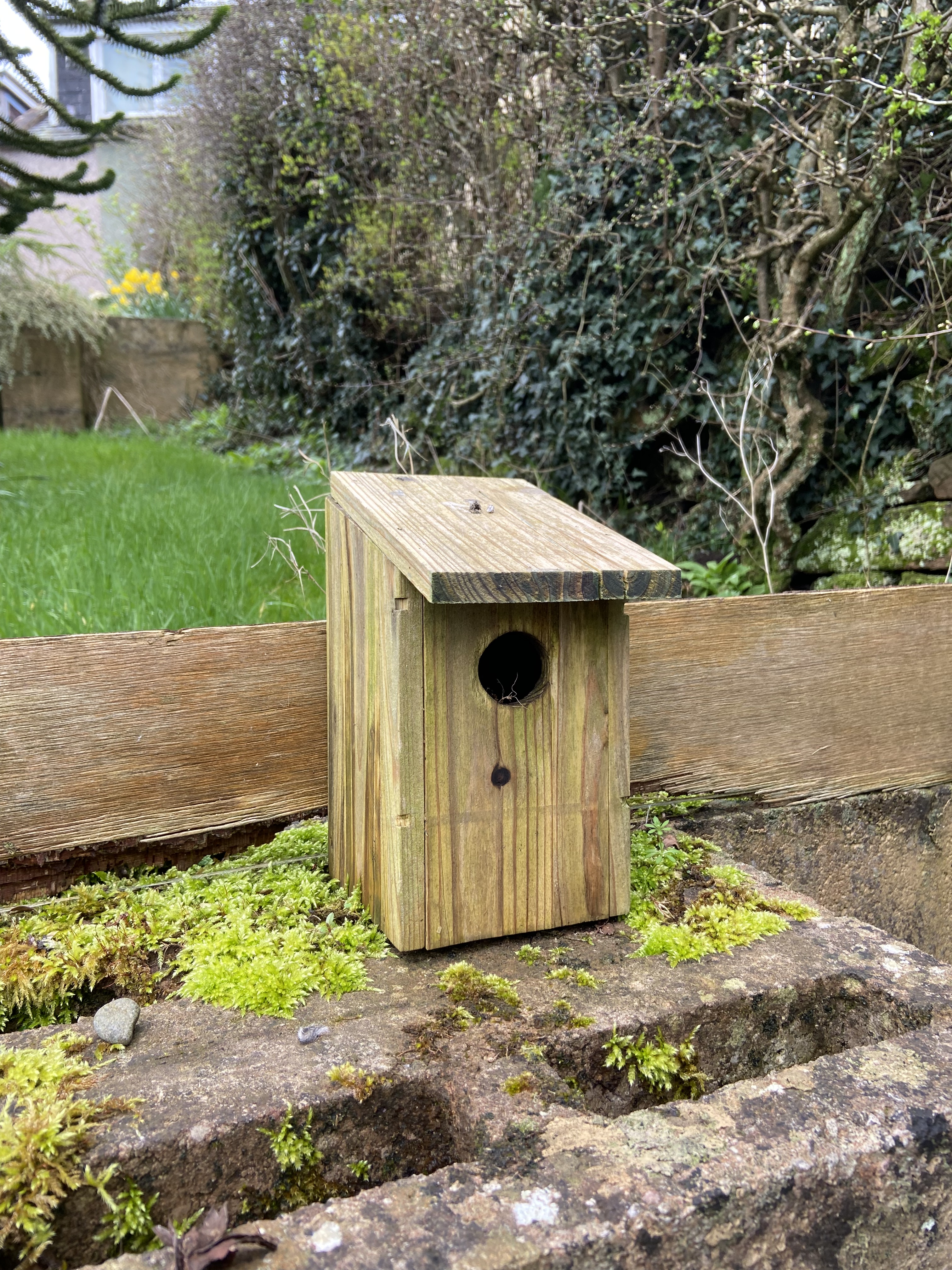
I’ll finish with a few photos from my new garden. Though it’s running a bit wild at the moment m there’s plenty of colour and lots to look at. Have a good week, all!





























 A Vet’s Life