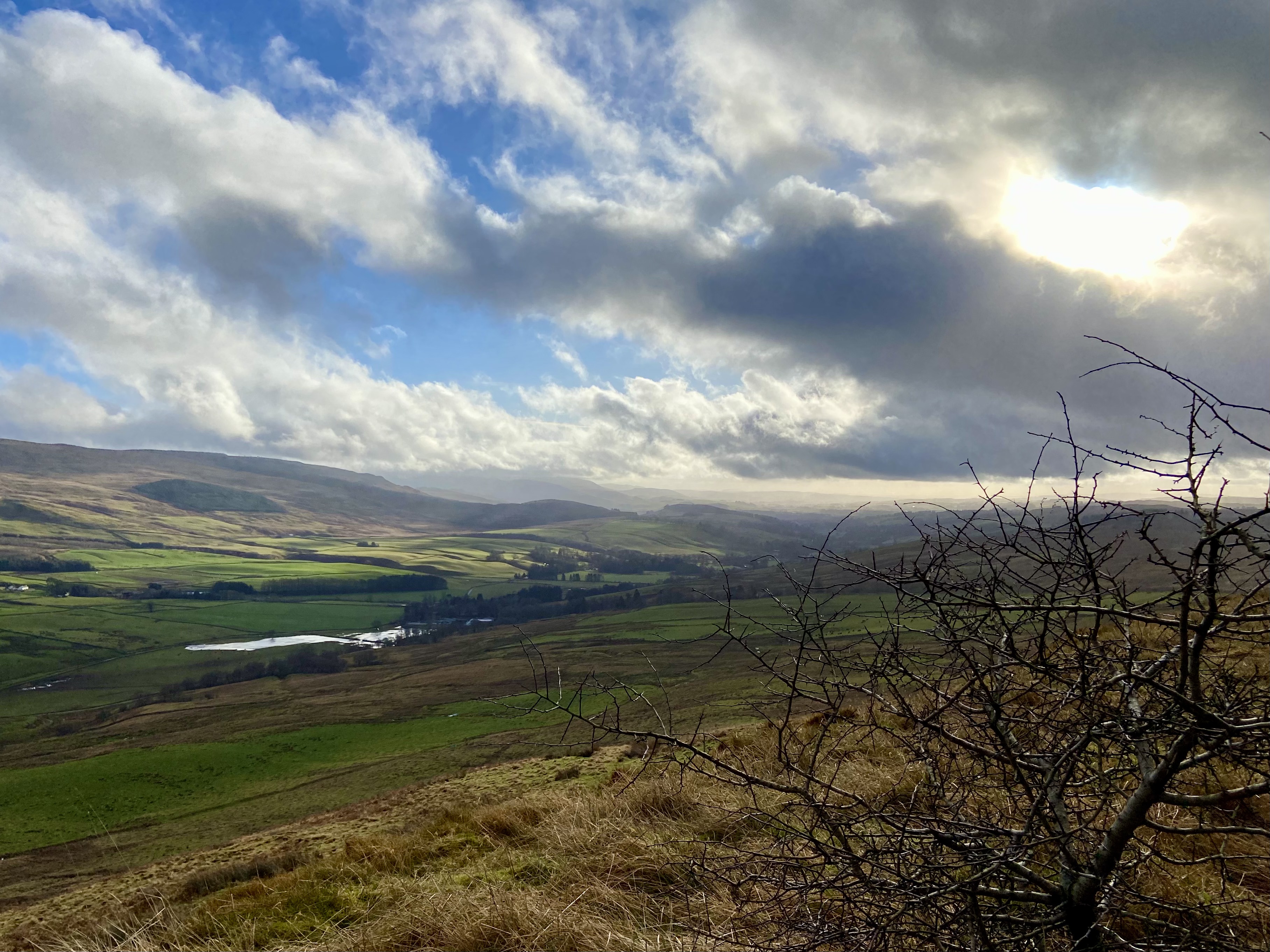
I’m back in Dumfries for the weekend. I came down to get a prescription and to get my glasses fixed. I’ve returned home a couple of times now and it’s been a quiet reminder of how peaceful it is here. Sometimes I miss being married and I absolutely miss the Arctic days when all my adult offspring returned home (thanks Covid) but there is a lot of peace to be found in the solitary life I’ve carved out here and Blackbird Lane is an integral part of that.
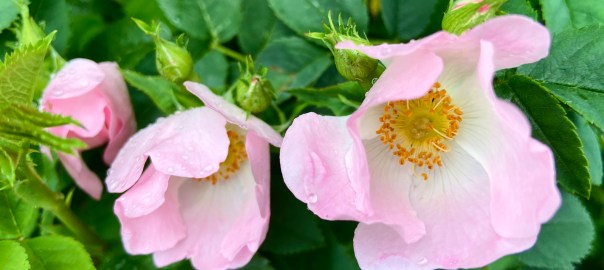
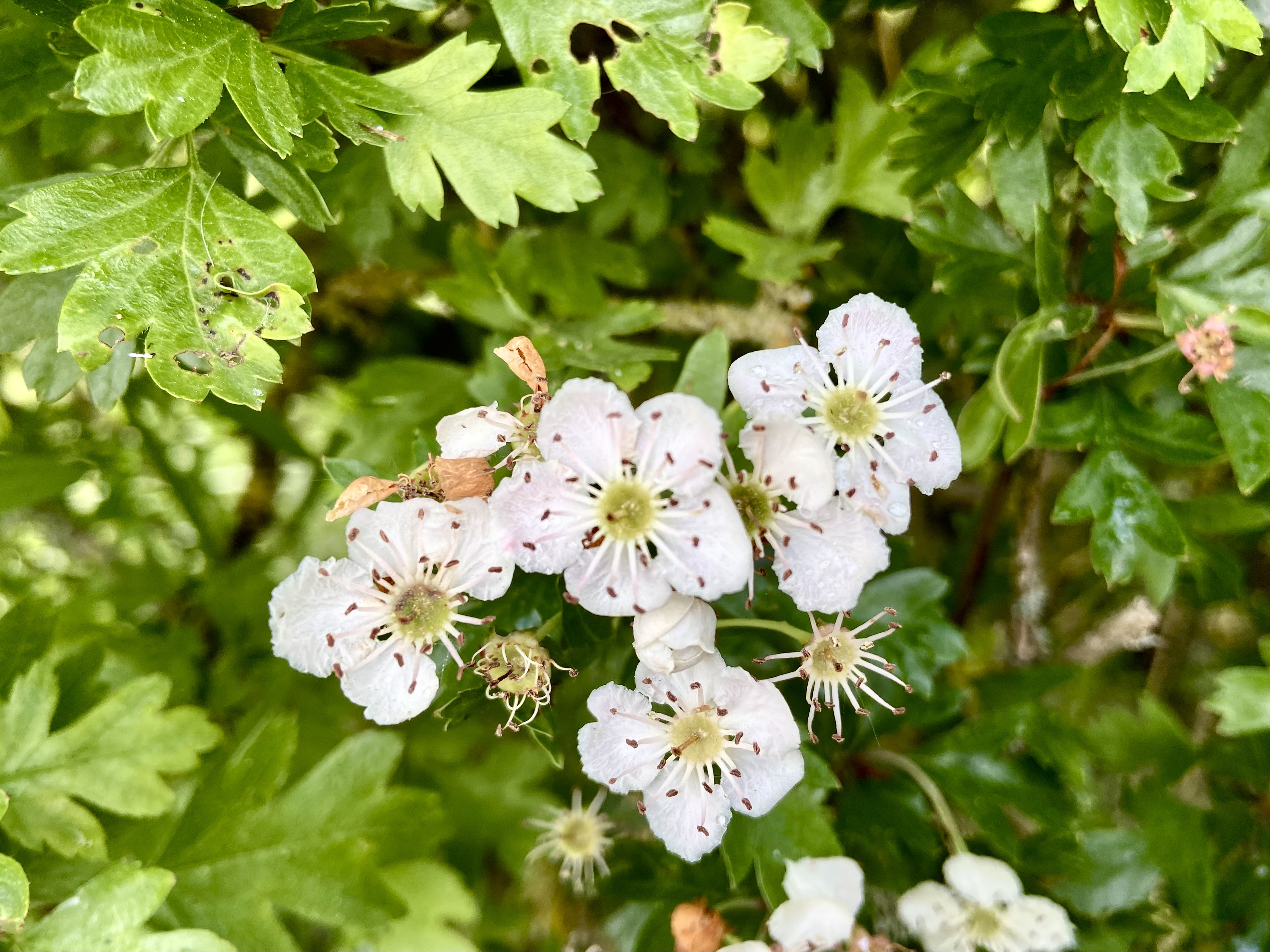
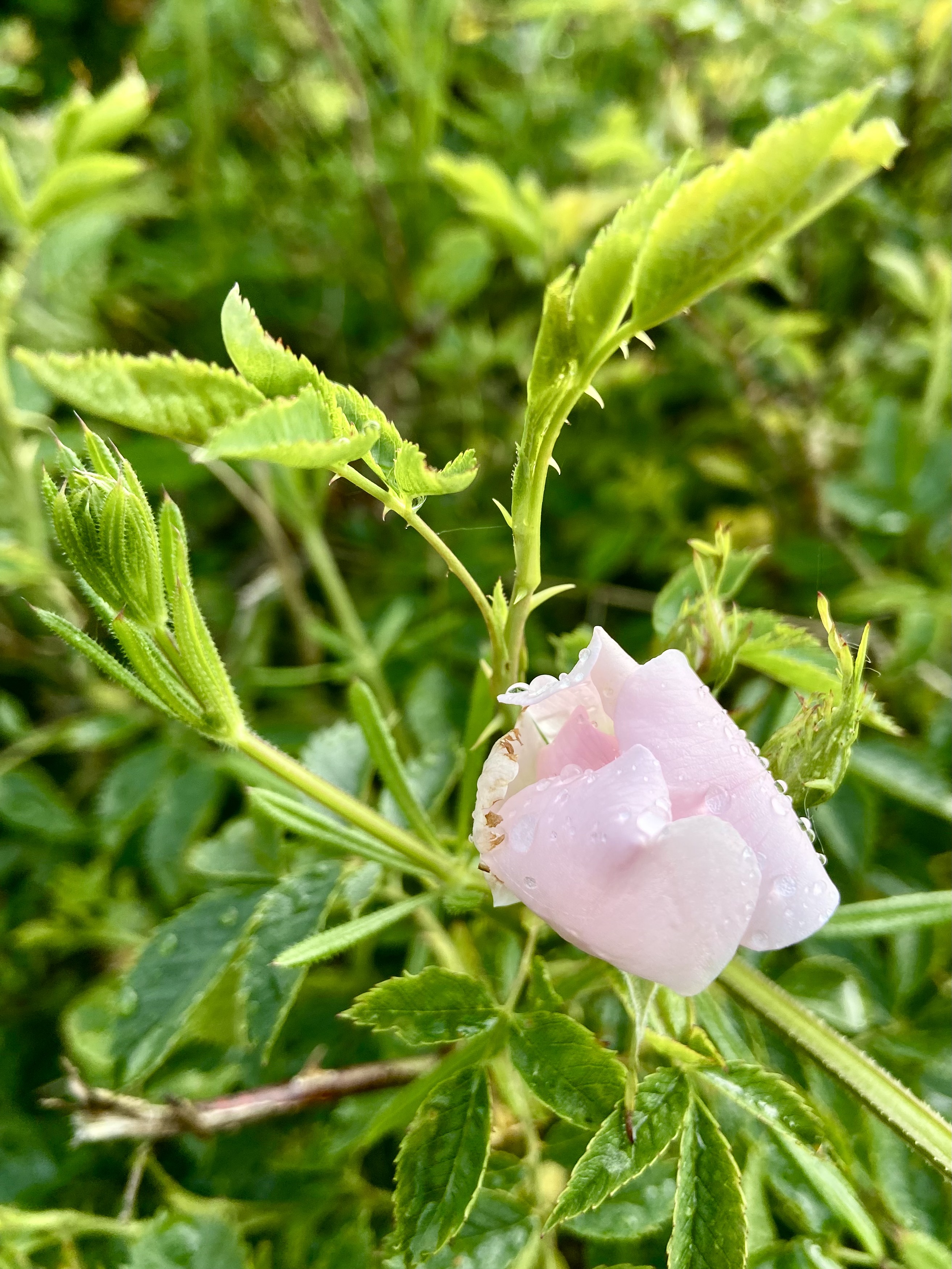
Triar and I walked down there yesterday afternoon. The warmth of the day had been cooled by a rain shower, which had left behind it the scent of damp earth. Early summer has filled it with vibrant green leaves and dancing insects. There were flowers too. Lots of them, hiding among the hawthorne and standing tall in gardens.
Triar came with me into the optician’s. I had lost a nose pad from my glasses a couple of weeks back. Working in Dunfermline, in an office in an industrial estate, with a half-hour commute at each end of a nine to five day, doesn’t make it easy to get the little things done that I would have done at lunch time in Dumfries. Anyway, Triar loves going into Frances Dunne’s. The entire staff come out a coo over how cute he is, with at least two of them petting him at any given time. He takes it as his due with a wildly wagging tail and the kind of writhing ecstasy that only a truly happy dog can bring.
It’s been a decent enough week at work. I was out with Ben at the start of the week and with Naomi at the end. She and I had a trip down to Carlisle to see some laying hens. She weighed some of them using some very natty scales and her extensive experience was obvious. She showed me where red mite hide and pointed out some maintenance issues that I might not have picked up on.
Red mites are evil little critters. They hide under the edges of the nest boxes and when the poor hens go in to lay at night, they sneak out and bite them. With a really bad infestation, not only do you get problems with itching and feather plucking, but the birds can actually become anaemic. The little horrors breed quickly in warm weather as well, so the last few days will have sent them into overdrive.
It’s one thing spraying your hen house if you have a few chickens in the garden. You can put the birds outside the house, wash down their shed and apply treatment. It’s quite another trying to eradicate them from a large shed, where the birds are mid-season in lay. There’s no way you can move them all out to clean down their shed. There are treatments that go in the drinking water, but they need to be used responsibly. As we’ve seen with antibiotics, the overuse of any drugs can render them less effective over time.
This does also raise some questions about free range. A lot of my job now is about biosecurity. The high value flocks I used to visit with APHA used almost no medicines in their birds. As part of my check, I would look at their medicines book. Many of them had no entries for years and that was broadly because the outside world was strictly kept out. Staff showered as they entered and left, and when inside, you wore only clothing and footwear supplied to you by the company. The clothing didn’t leave the building either, but was washed on site.
But if you open the doors and let the hens outside, you can’t protect them from anything. Wild birds fly in, bringing everything from red mite to avian influenza. While I have loved visiting some of our farms and seeing hens scratching around on grass, under trees, there is a balance to be struck. Sickness also causes welfare issues.
So life in the poultry world is the same as all other areas of life. A balance must be struck between aspects of freedom and safety. It crossed my mind as I wrote this, that one of the things I have already learned about my new industry is how many vaccinations are used in laying hens. Most are given early in life, so that the hens remain healthy throughout their laying time. In fact, I did think about calling this post, “Anti-vaxxers shouldn’t eat eggs,” but perhaps that isn’t the audience I want to attract!
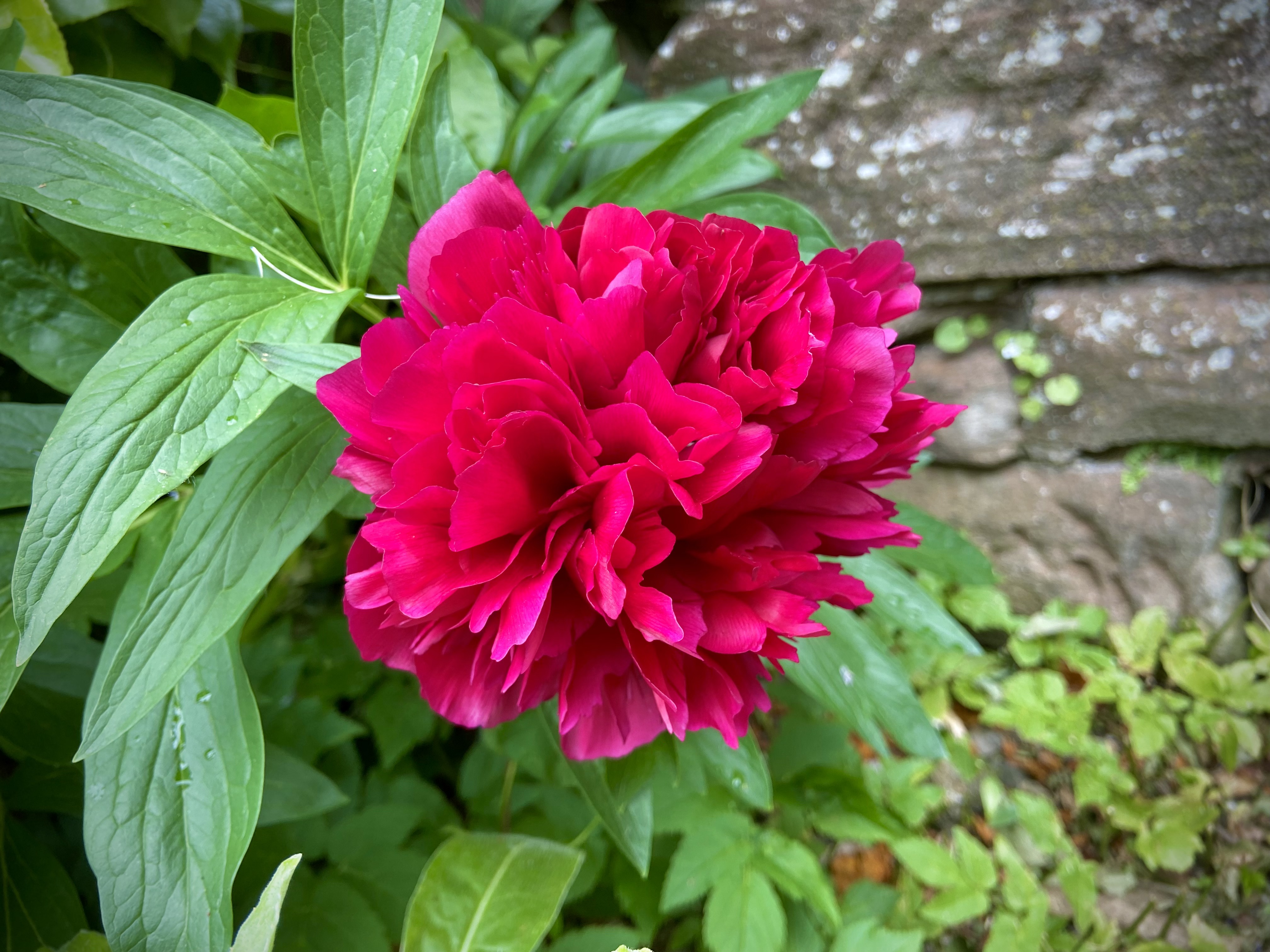
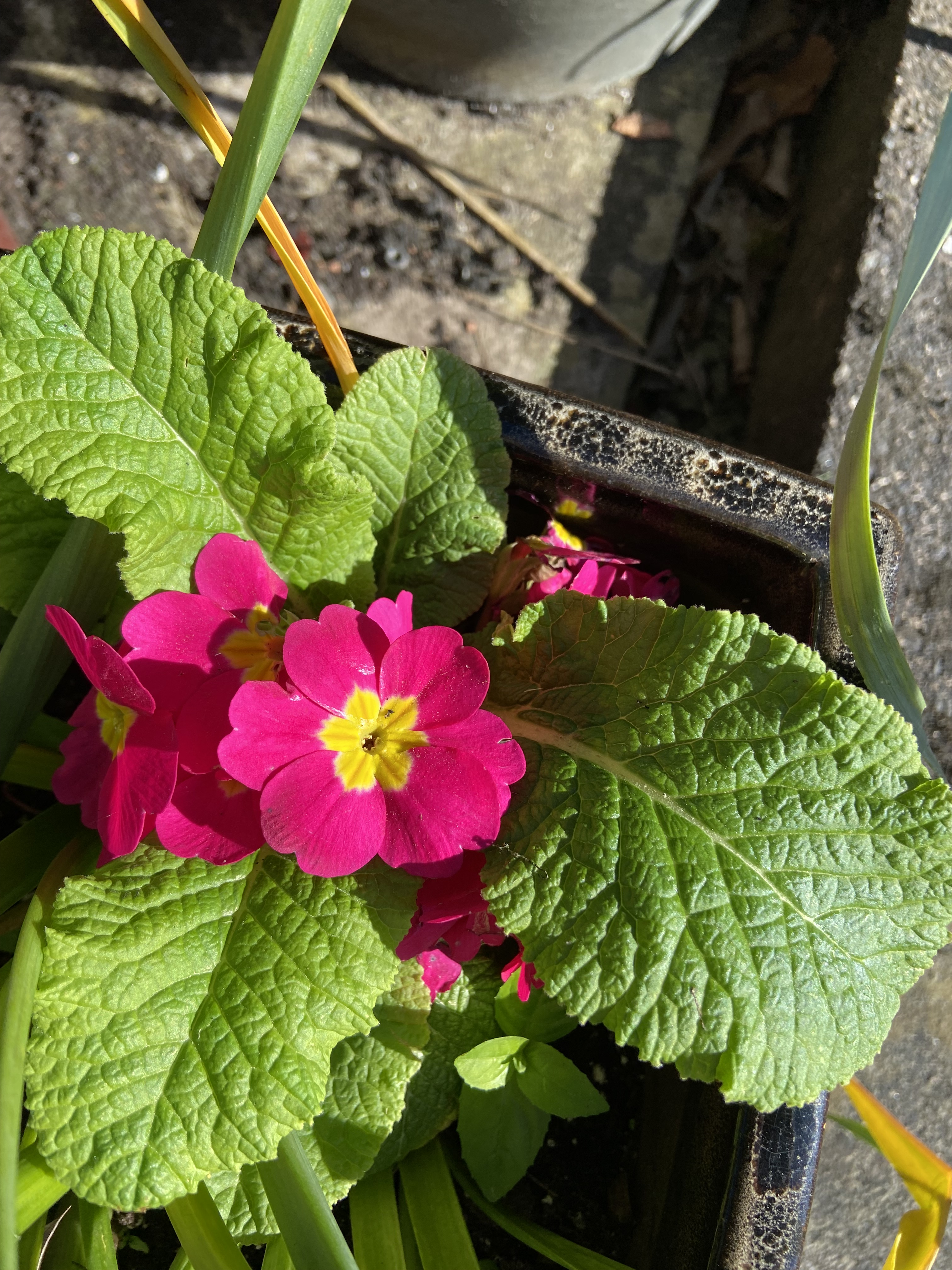
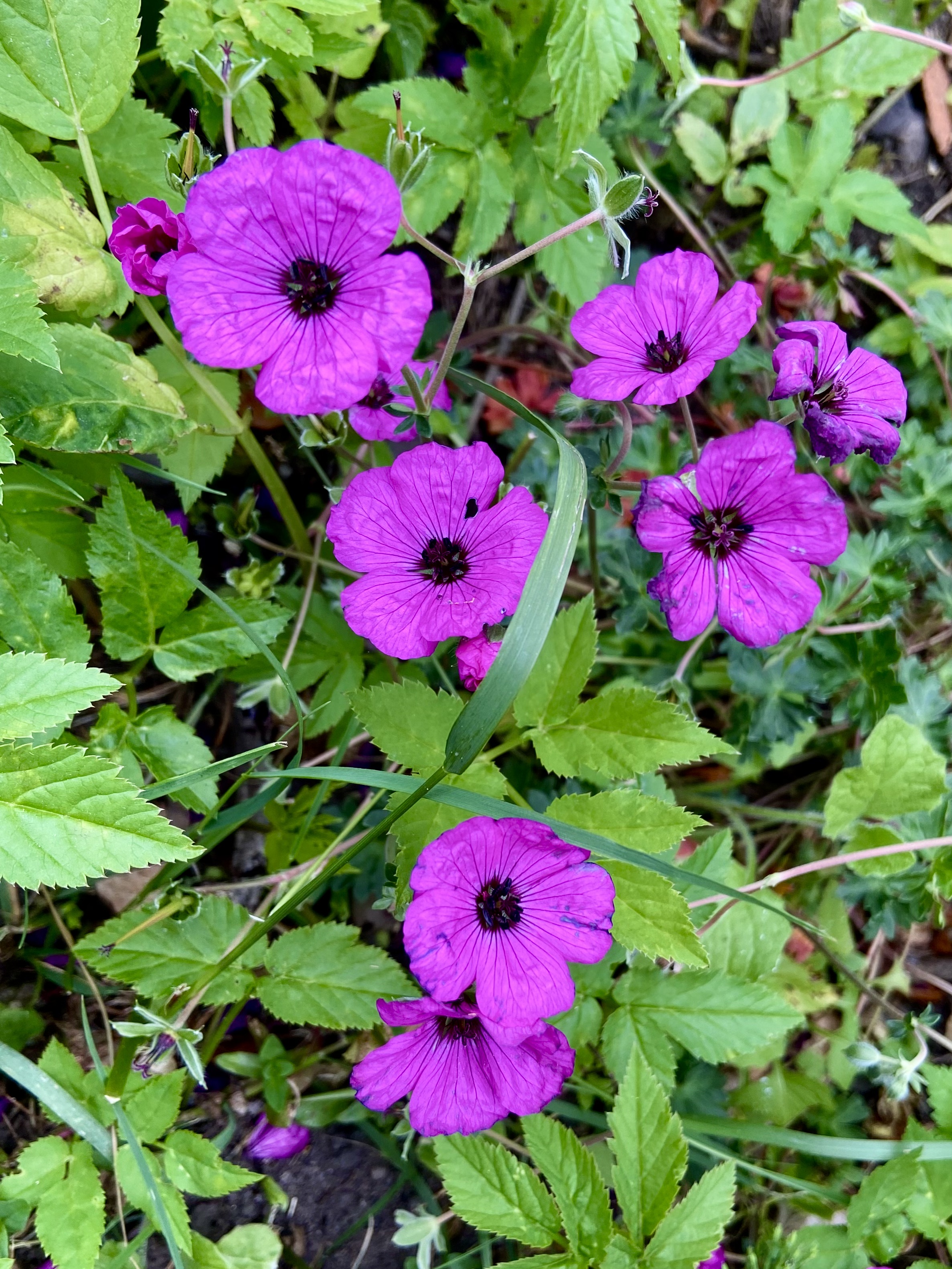
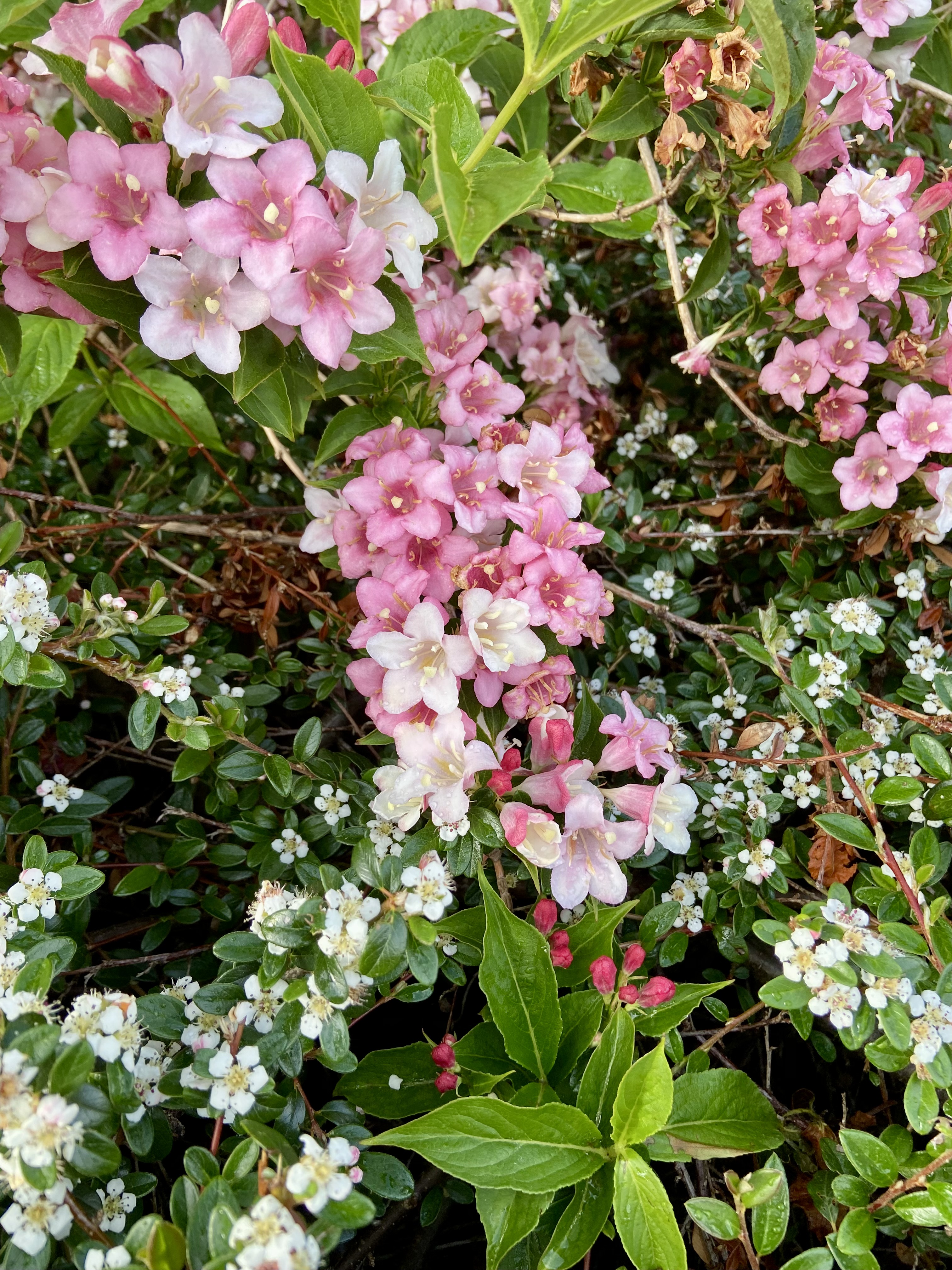
I will leave you with more flowers. These are in my garden. Thanks for reading and I hope you have a lovely week.