Working as a government vet, there are times when my job brings an intensity to life that I find fascinating, almost addictive at times. I am still dealing with the aftermath of the bird flu investigation. The initial visit – walking round the shed seeing the sick birds was just the start. There followed a tense period of information gathering. Behind the front line workers like me, there are teams working on epidemiology, tracings and licensing. They need to understand the minutiae of the on-farm operations.
So during that period, it’s as if nothing else matters. It’s all-consuming. The rest of life takes such a back seat that any daily struggles and all other work fall into the background. I fall into a seat in front of the TV at the end of my working day and it’s enough.
As the tidal wave of that work begins to slow, the rest of life and the other work tasks trickle back into focus, but at the moment, those (work) tasks are still quite urgent. Principally, I fell back from avian influenza into the slower wave of bovine tuberculosis. As well as dealing with outbreak work, I should also be doing routine work relating to trade and imports and exports. But our work is prioritised and often we are so busy that we are only skimming the top of what needs to be done. That said, I slipped in a Poultry Health Scheme inspection into my calendar on Tuesday, completed the paperwork and sent it off the next day. The deadline was March, but it was painless (actually I enjoy those visits) and now it’s done.
So picking up the reins of my TB cases, one is quite far along. At the start, there’s a lot to be done, contacting the farmer, explaining what will happen. Broadly, no cattle can move on or off the premises, other than to a slaughterhouse (where they will be scrutinized for disease) and even that is done under licence. There follows a period of testing and culling. Most of the tests are skin tests, but we do blood testing too, at the start. Any animals with positive results are culled and those too are inspected for signs of TB infection. Once we have two clear tests in a row and we have paperwork to say the farmer has cleaned and disinfected the area or areas where the sick animals were housed, then we lift the restrictions.
So with the first of my cases, we are past the blood test and the first of the two skin tests just came back clear. It’s not impossible something might show up, but generally from here it’s plain sailing. In my other case, we are just concluding the blood test. It tends to throw up more positive results, so those animals have to be processed, slaughtered and inspected. I guess it may sound barbaric, but compared with the suffering TB can cause if it goes unchecked… well these things have to be weighed against each other. To me, those results look quite good. There weren’t so many positives. It will be interesting to see whether any of the animals have what are called “visible lesions” – the TB bacteria tend to wall areas off in the body, a bit like abscesses. If they find those, they will do further testing. Finding the bacteria is almost the holy grail because that allows us to get a much better idea of where the disease came from because they can test to see what strain it is and which other cases are closely related. It takes ages though to grow the bacteria and sometimes they can’t.
Anyway, I digress! As well as working through this process, I have to write everything up in a monthly report. My information and that of all the other cases goes to Scottish Government for oversight. The whole thing takes up a lot of time. I’ve also been allocated the job of overseeing the cleansing and disinfection work at my bird flu farm. The cull is finished and the shed is almost empty. But as the end of the week came into view, I was just thinking that next week, I have plenty to do, but that I will also be able to fit in a welfare visit that’s part of another ongoing investigation that has currently been sidelined. And then my line manager asked me to take on another TB case. This one’s just starting. What testing will be required remains to be seen because all we have at the moment is a positive result, found on a routine skin test. If they don’t find visible lesions then the regime will be different again, but my initial tasks include a Disease Risk Form – a visit to the farm to look at possible source and spread. Is this beginning to sound familiar? This is what I do!
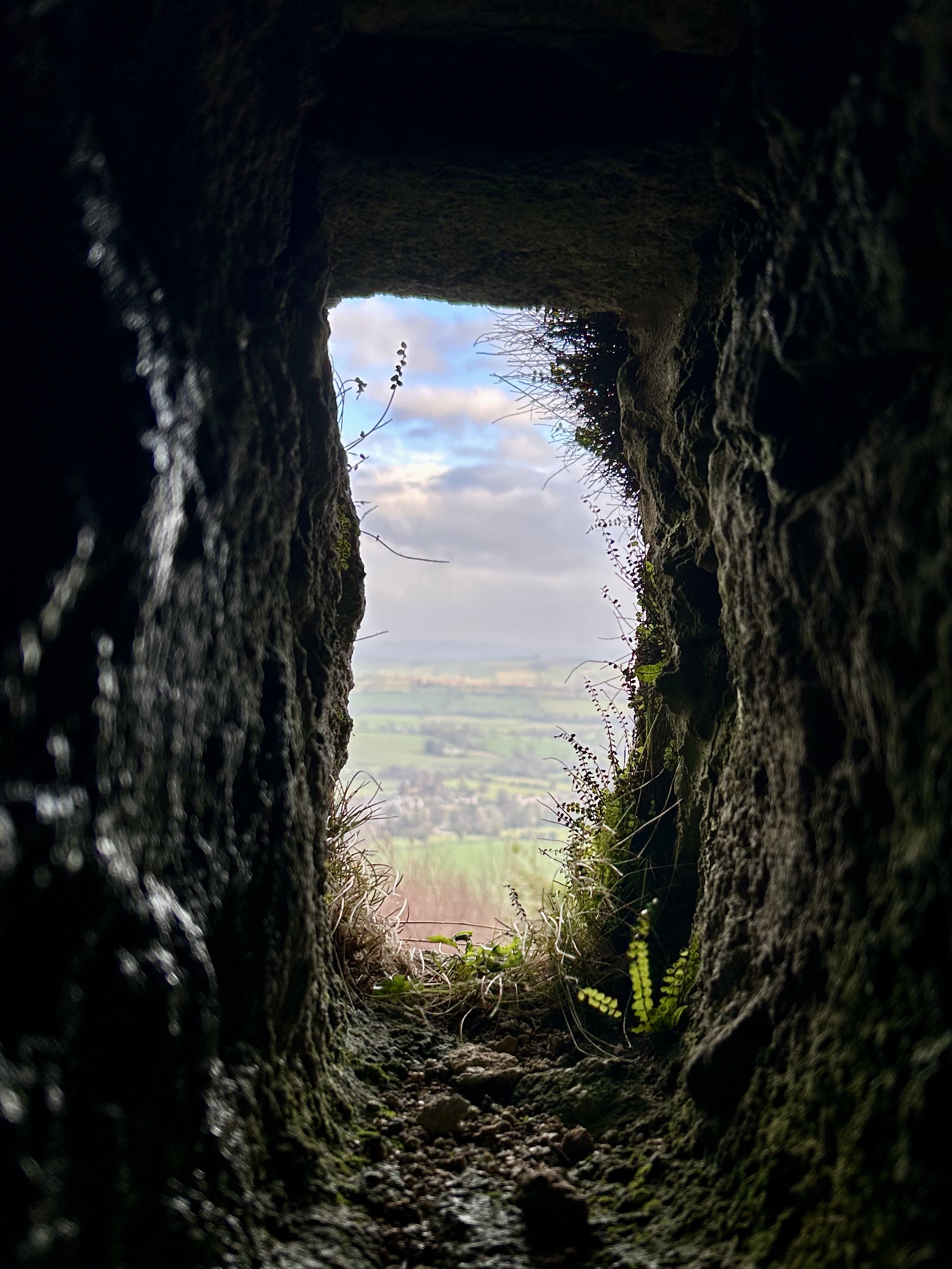
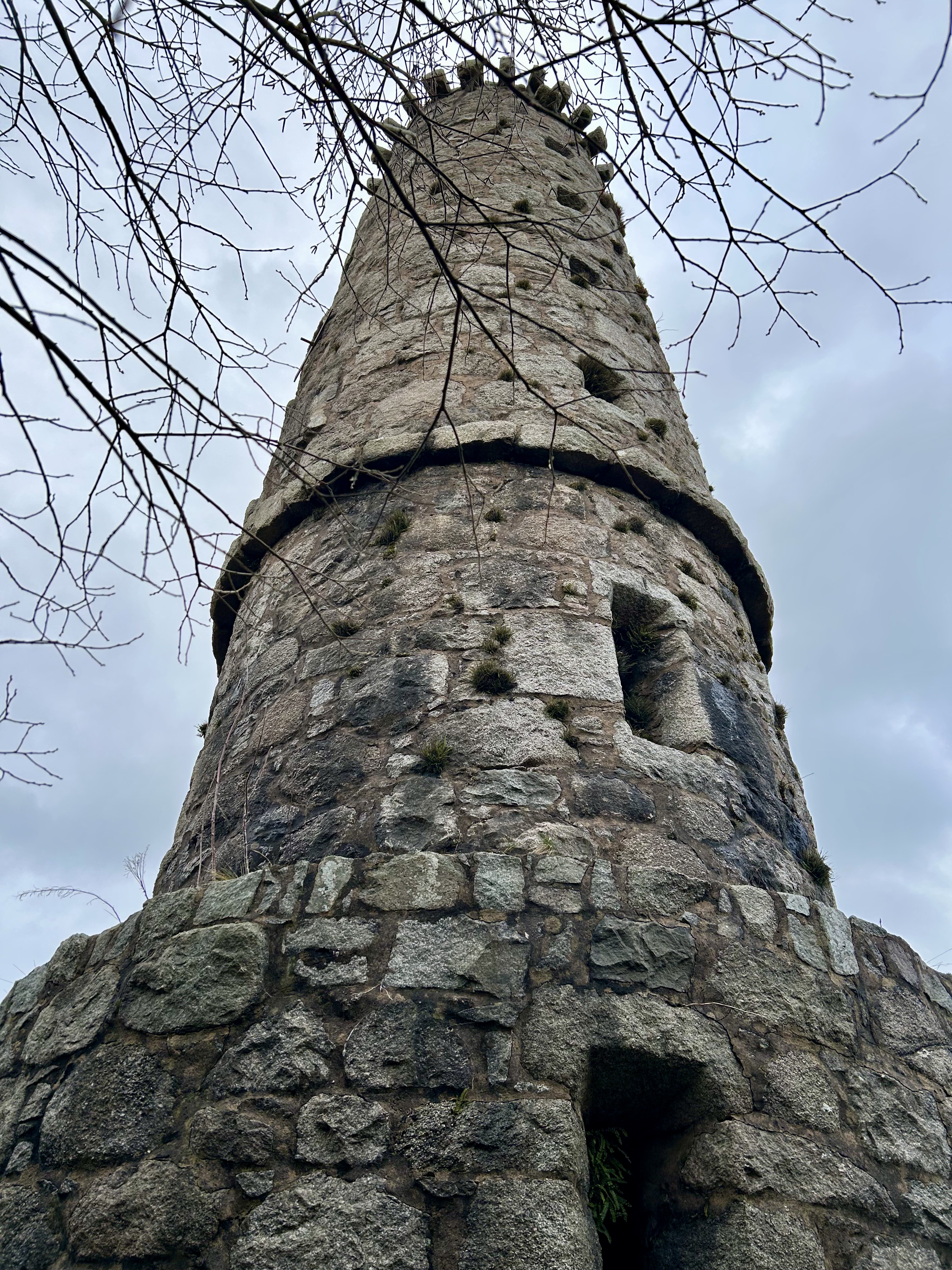
Anyway, in among the work, I am trying to sort out when I might take holidays and who I might visit. My attention is so distracted that I realized yesterday that I’ve booked a week’s holiday that overlaps with a weekend on duty, so I’m going to have to work out what to do about that. For now though, I intend to rest and enjoy the weekend. Last week, Triar and I climbed a whole load of rough steps to visit the Waterloo Monument above New Abbey. It was quite a grey day, but I took a few photos.
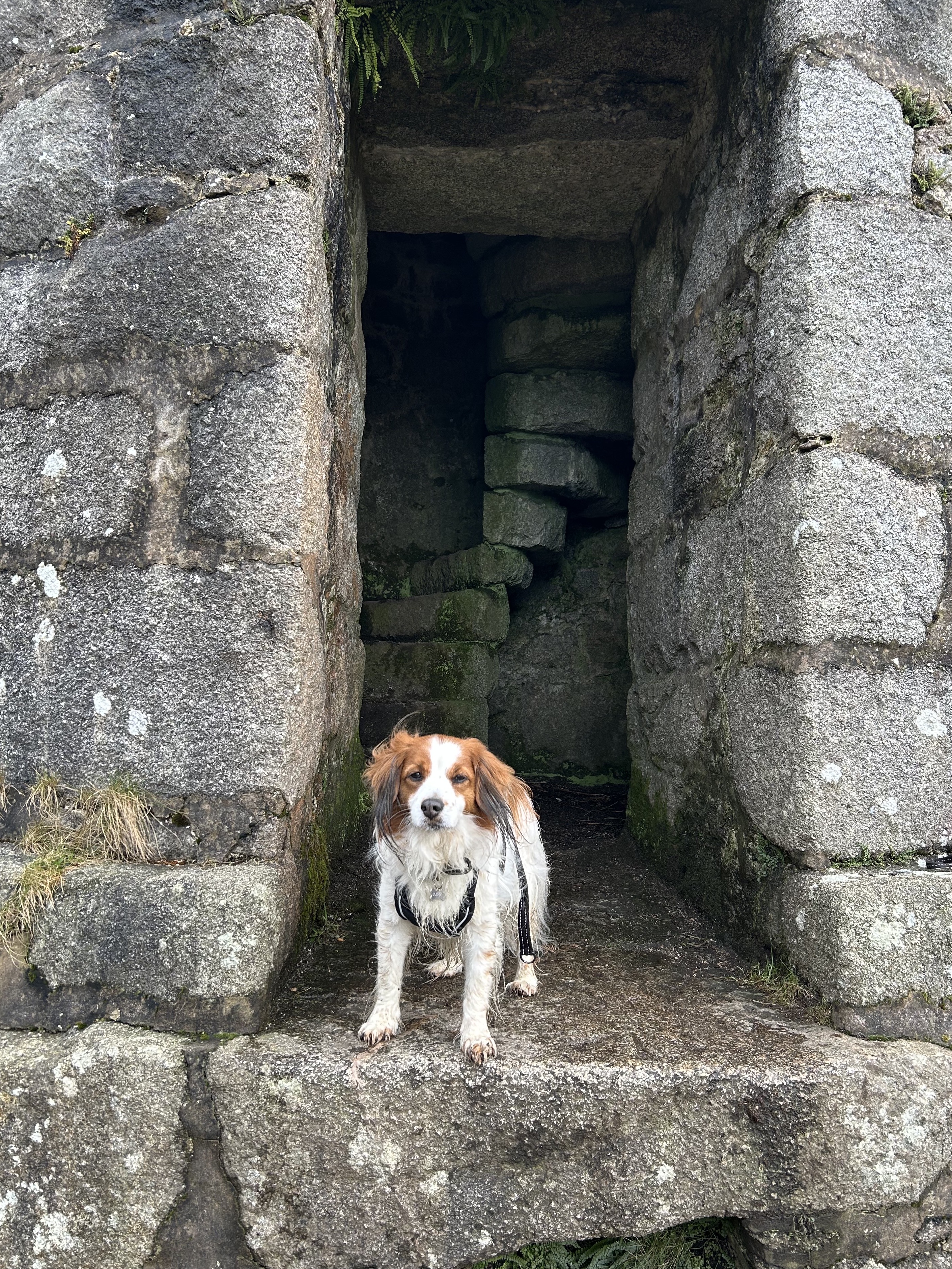
We didn’t make it all the way to the top. The stairs were very dark and Triar said no halfway up. Unsurprising really and a sensible decision! Anyway, thanks as ever for reading. I hope you have a lovely week.
During the winter months, it was always going to be hard to keep up with my walking intentions. I’ve mentioned before that, with WalkFit’s help, I was doing a regular 7,500 steps a day, with additional monthly challenges on top. I don’t know whether I might have kept it up if WalkFit hadn’t failed me, but with a combination of complete darkness outside of working hours and the onset of icy weather, which makes falling much more likely, I have not been keeping up with my intentions in the past week.
I did start well over the New Year break. Last week, I described my waterfall adventures and I had two lovely walks at the weekend. The first was up a path near Torthorwald which I found when looking for a different path, but went with it anyway. Triar and I ended up tramping 10,000 steps on some lovely tracks and backroads.
Sunday’s walk was a bit more limited, crammed in between church and a birthday celebration Donna held for me in the afternoon. It was another lovely day though, more backroad walking and some possible exploration for the future.
Work continues to be very up and down and that does have a bearing on my walking as well. As I mentioned above, the shortness of the days, combined with a workday where we are supposed to work from eight thirty until five leaves little time for walking in the sun. And some of my tasks, such as duty vet, which I did yesterday, leave me so exhausted and demoralised that there is little energy for anything other than slumping in front of the TV.
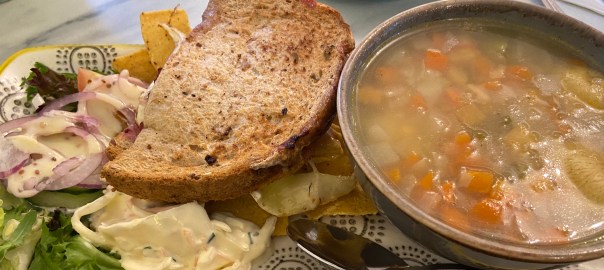
There are good days though. I like working on farms and with farmers. There are few places I would rather be than in a cow shed. There’s something about being among cattle that brings me a feeling of serenity. I realise I don’t instil the same feeling in them, but I do try! Sometimes, because of the nature of my cases, I have to spend time away from home and that probably happens most with TB cases. I’m dealing with two outbreaks at present and both are a couple of hours drive from Dumfries. I’ve named this week’s blog after the lunch I have most often when I’m working away from home.
On days when I work away from the office for more than five hours and less than ten, I’m allowed to claim £7 expenses for food and drink. Most cafes in Scotland offer some kind of soup and sandwich combination and as it is warming and cheap, that is the lunch I go for most often. The lunch in the picture was potato soup and a Brie and cranberry toastie and it was as rustic and delicious as it looks. The week after next, I will be spending two days at the same farm I visited this week to train a new animal health officer in blood sampling. I’ll be staying up there with some lovely colleagues, working on farm during the day, staying in a Premier Inn overnight. Those trips are undoubtedly the highlight of my job. I’m just hoping this time that it’s not too cold.
It seems that half of the UK is currently enveloped in snow, but here in Dumfries, nothing. I find it a bit disappointing after my years in the Arctic. Over there, it was perhaps too much of a good thing, but I miss the brightness it brings and I also have some fabulous spiky boots that aren’t really useful on ice as they need some depth to dig into!
Reading back, I’ve just realized I hadn’t explained how WalkFit let me down. It was always a bit of a poor programme. When I started, it offered a slow, medium or fast option, without any explanation of what those were. As I was fairly unfit at the time, I chose medium on the assumption that it would build up over time at a medium rate, probably to 10,000 steps a day. Instead, it started on 4,300 and built up , but then stopped at 7,500 steps, again without saying that was what it was doing. I waited quite a while before I realised that was it.
But 7,500 steps suited me well. It was relatively easy to stick to. With two “days off” allowed each week, I had been meeting my target steps for six months. And then my three monthly renewal fee came in. At £66 for what was a fairly limited program, it was not cheap, but it was working for me, so I went with it. And then they reset my program. Instead of continuing at 7,500 steps (as it had the first time I renewed) it started me back at 4,300.
I contacted them, of course I did, but the response was insulting. Instead of acknowledging that an error had been made, Nicole told me that the app “sets up daily goals for you based on your personal parameters”. She told me I could change my daily goals, but left it to me to find out that 7,500 was not an option. I could have whole thousands only and the only way to get back to 7,500 (with which I had been very happy) was to work up through the medium program again. Not only that, but it was obvious to me that the whole thing might happen again in three months.
I wrote again, explaining that it was obvious something had gone wrong and the reset should not have occurred. Nicole replied once more, saying “the app occasionally adjusts goals based on recent activity or completion of the personal plan”. As this was a bare faced lie, I decided (quite regretfully) to cancel my account. They did add insult to injury afterwards, by offering me a year’s use at £30 (so much for rewarding loyal customers) but tempting as it was to have the app back again, I wasn’t going to send them any more of my money, whatever the terms.
.
My search for a replacement app has, so far, been unsuccessful. All it was, basically, was a step counter with flashy awards when you managed to reach your totals and some fairly useless fitness programmes that very quickly rose beyond 20 minutes, which exceeded my boredom threshold and couldn’t be readjusted down to a level I was happy with. So if anyone wants to set something up, I’d happily pay for it. I guess the WalkFit false advertising (promised weight loss) wouldn’t be an option for a decent person, but it might just take off anyway, at the right price.
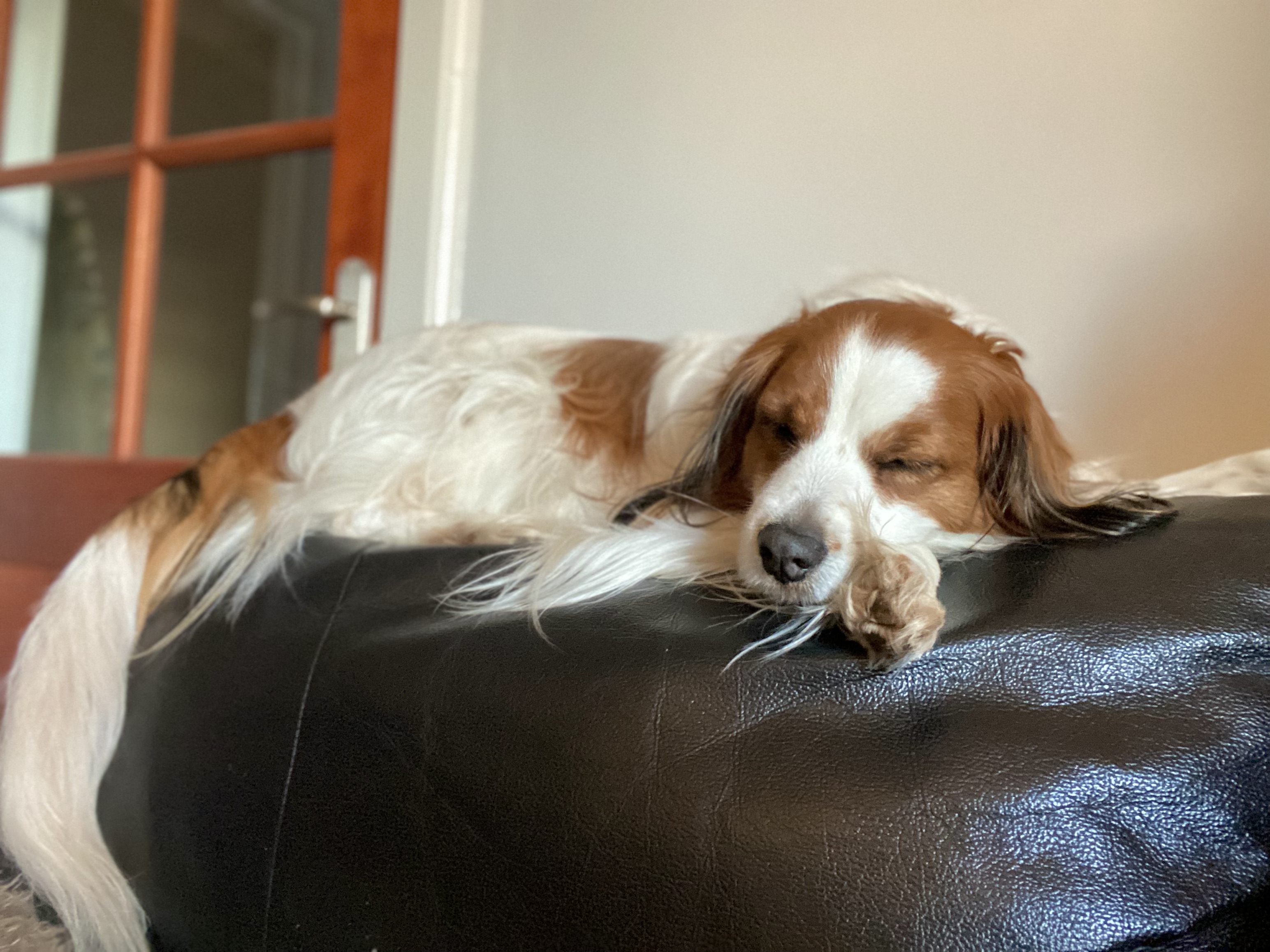
I shall leave you with a picture of Triar in his favourite place. I brought my (financially worthless) squashy leather sofas all the way from Norway because we both like them and this one is in front of a radiator, so double comfort for him lying up on the top. Have a good week all, and thanks for reading.
Disclaimer: the pig picture above belongs to a friend and is not part of my case.
Looking back at this post from last year it’s kind of odd to see how little has changed in terms of my workplace, workload and colleagues. The reason I was reading it was because this week, on top of my TB case, the aftermath of Thursday’s report case, big welfare in transport investigation and a couple of routine inspections done or due, the marauding pigs have made a return. It’s been posted on Facebook and the local news, so I guess I can say that these pigs are now causing a significant hazard on the A76. Last year, it appeared the situation was back under control but (as with many other welfare situations) it has spiraled again.
It’s not that surprising. During my three years in Norway, it became obvious that most farmers are doing a great job and that almost all the problems we have to deal with stem from a few people, a few of whom are genuinely bad or ignorant, but most of whom are struggling with life, one way or another. Lots of people have a dream where they run a successful business, keeping animals. The reality is that doing so involves a huge amount of hard graft and a steely mind that can cope when catastrophe hits. Farming is a tough business. To quote James Herriot, ‘I was beginning to learn about the farmers and what I found I liked. They had a toughness and a philosophical attitude which was new to me. Misfortunes which would make the city dweller want to bang his head against a wall were shrugged off with “Aye, well, these things happen.”‘
Anyway, Tuesday was a bit sad as one of the poor pigs was hit by a lorry. The end of the week was filled with meetings and multi-agency planning to find a solution that will last. Otherwise, we’re going to be dealing with ongoing problems for years to come.
A lot of what we do involves fighting against the system. These welfare issues are typical – we have to make sure we give people the chance to rectify problems themselves, when the reality is they are only in that place because they aren’t coping. There’s little we can offer in terms of support and neither advice nor penalties really help. After almost two years though, I have a reasonable grasp on many of the tasks I’m handling and what I can actually do. I have a network of contacts, both local and national, who can be relied on to get things done, which makes all the difference.
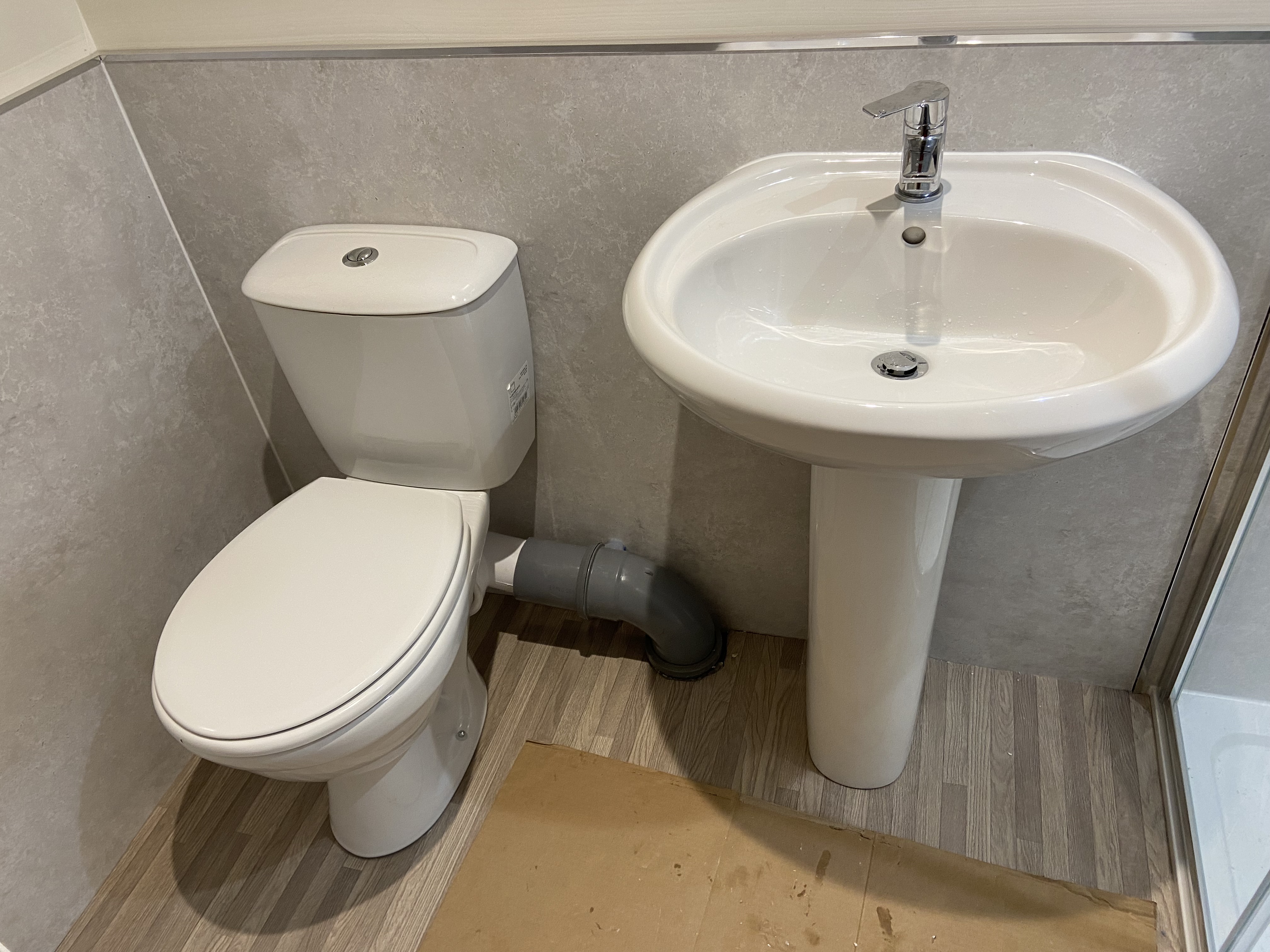
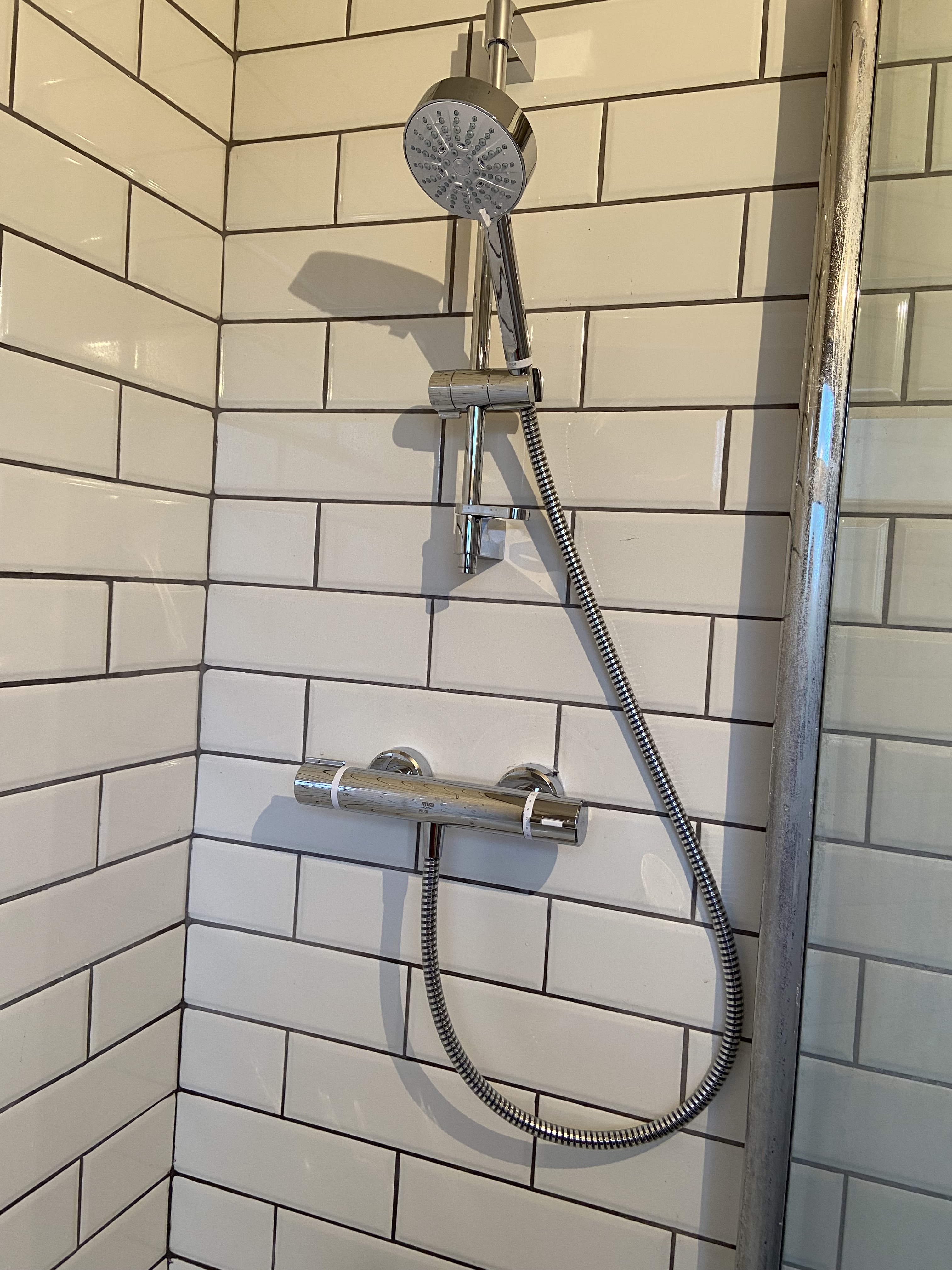
In other good news, after waiting since May for a non-appearing plumber, I contacted a different plumber from my street, who came the same evening and started work the next day. I now have a functioning shower and toilet upstairs and the rusty and unusable shower over the bath downstairs has now been replaced. So now, after more than a year without a shower, I have two. Still plastering and decorating to go, but it feels like the end is now in sight for my room-in-roof insulation project.
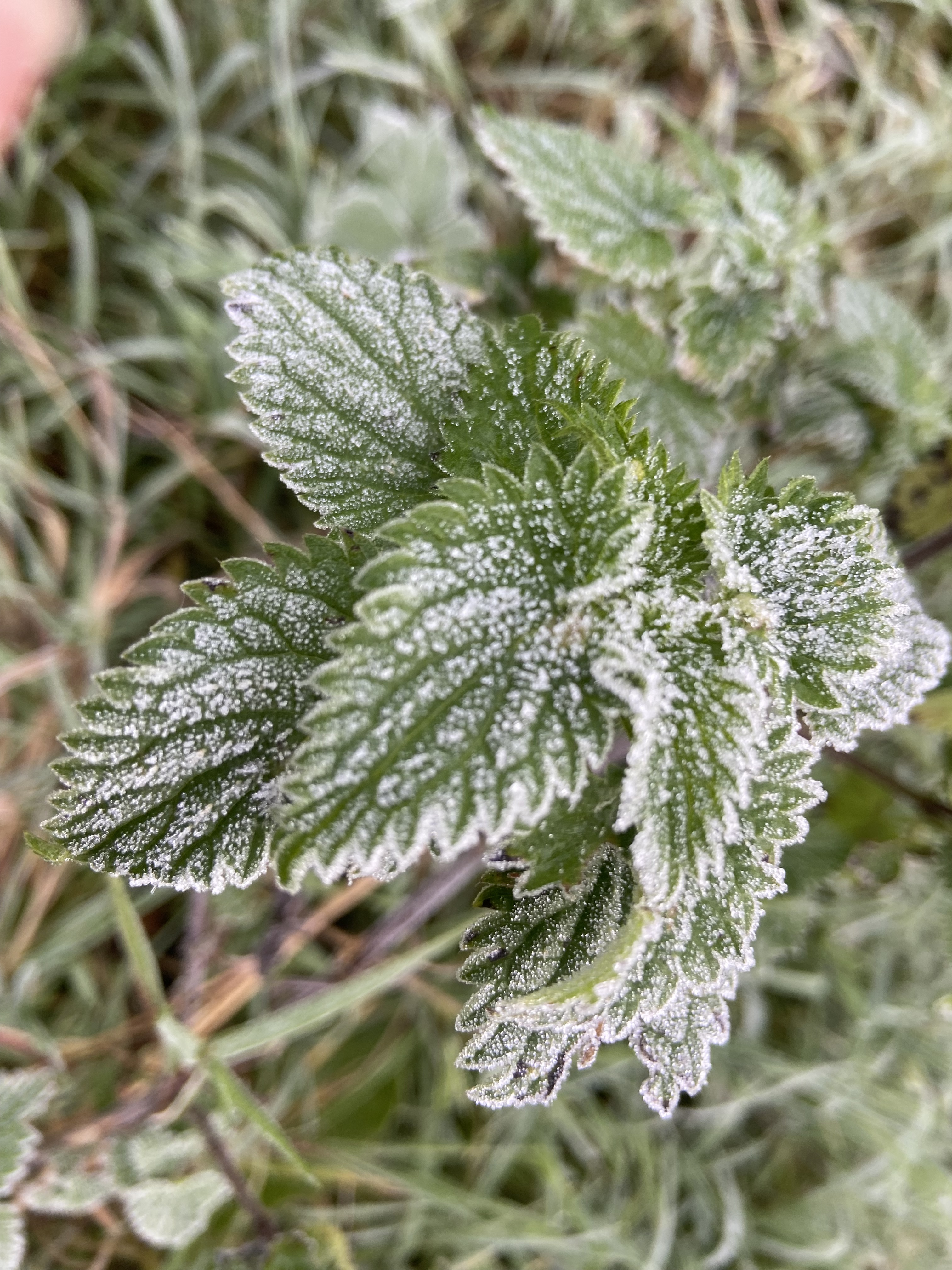
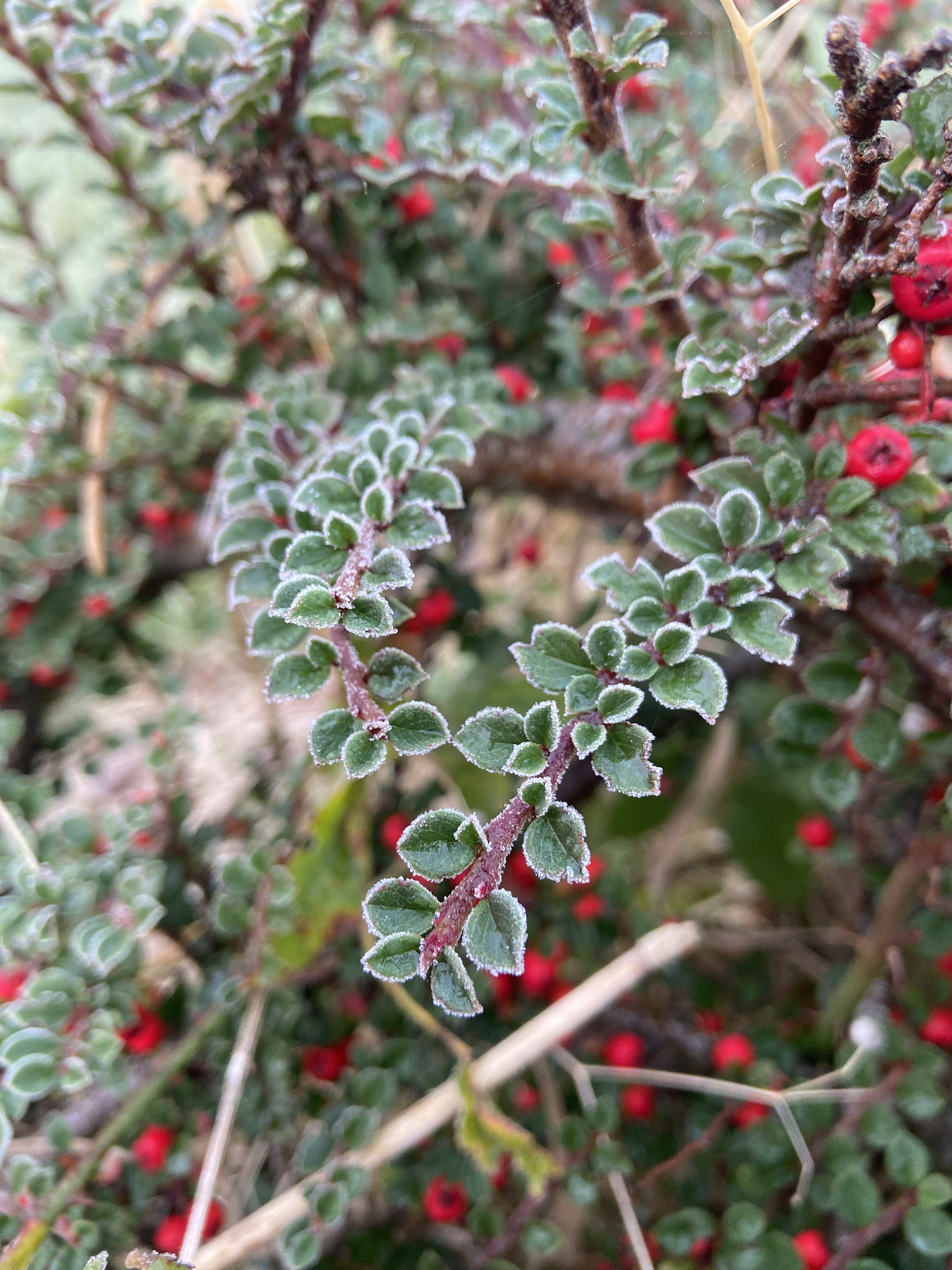
On Thursday, we had the first frost of the year. Less spectacular than the Arctic frosts that could go on for weeks, building huge ice-crystals, frost here still adds a new layer of beauty to the small things. I do love proper winter weather.
I’m tired after a busy couple of weeks at work, but there’s not much I need to do this weekend. I have a shoebox from the church that I need to fill with Christmas gifts for (I think) refugees somewhere, so I shall take a wander to the shops this morning to get that filled. I may stop for a coffee and a slice of gingerbread cake at the garden centre. Other than that, it looks a bit stormy outside, so I intend to spend some time in front of the TV. It’s almost time to start my Harry Potter Christmas marathon, so that might be on the agenda. In the meantime, I will leave you with some photographs I took last weekend, over towards Wigtown. It’s a beautiful part of the country. Thanks for reading and hope you have a great week.
I was in the middle of writing this last Saturday when my work phone rang and that was that! No time for blogging last weekend. I shall finish this now, then leave the next installment for another day. Sometimes, life is crazy!
Last weekend, I had my first real report case. Unlike the disappearing seal, this one involved live animals, or rather birds. I had intended to go down to Yorkshire last weekend. My sister, Helen, and some of her family were there and my intention was to take Triar down to introduce them. I had a couple of tasks I had to complete first. Some birds that had been imported (as eggs) from the US had been in isolation for three weeks. I had to inspect their health and make sure all the paperwork was in order before releasing them.
In addition to that, one of my TB cases was on its final test and while I was looking at chickens, that test went clear. After they’ve been locked down and unable to move cattle on and off the farm for months, I try to prioritize getting their restrictions lifted as soon as I can.
I had just completed these two time-specific tasks (it was around midday) and was about to go complete all the surrounding paperwork (I had to look up the import isolation release as it was my first) when my phone rang. It was my line manager. “How would you feel about going on a report case?” he asked.
Well I couldn’t really say no. I’ve put in an application for special pay, competence based, and one of the weak points in my application was that I had never done a report case. If my Veterinary Advisor had to defend my application, one of the easiest ways would be if she could point out I now had done one, competently. And apart from that, I wanted to get the first one out of the way. It’s an important part of the job.
My mind was working quickly. I’d seen last night that there was a bluetongue report case in, to be done this morning and, though it seemed unlikely nobody had gone there yet, it seemed even more unlikely there was a second suspicion of notifiable disease report in our region. The reason I hadn’t been to one was because there hadn’t been any locally in the last year and a half.
”Is it the bluetongue one?” I asked. I had been hoping my first one would be. After all, blue tongue is spread by midges. Infection control is still considered, but compared to diseases that spread directly, animal to animal, or worse, to humans as well, there’s a whole lot less PPE to worry about.
”Um… no,” came the reply. “It’s an avian influenza one in pheasants.”
He told me where it was – an hour in the wrong direction for driving to Yorkshire. Mentally cancelling my planned weekend, “Yes, okay,” I said.
I could hear the relief in his voice, and no wonder. We’d had few report cases recently and alongside our two, there was a third in the north already. Depleted as we are by summer holidays and staff signed off from fieldwork, finding willing staff locally must have been a relief.
I spent the next couple of minutes ripping through my Teams contacts to see if someone could talk to me. I knew where all the gear was, but I needed paperwork and some of it had to be printed out before going. Each different notifiable disease has a different form to restrict movement. They quote the relevant sections of the law, under which the restrictions are put in place, so you need the right one. And then there were sampling forms, which are different depending on whether the birds are classified as wild. I had to take hard copies as those need to go with any samples I decided were necessary.
Frankly, my mind was whirling. I needed someone to give me instructions. Fortunately, one of the Veterinary Advisors called me back and (as is my habit) I started the first of the many lists I was going to need over the next few hours, to keep everything straight. Having printed out all the forms I would need, and having thrown the “grab and go” boxes with all the report case gear in them, I set off.
Traffic was awful. Going round the Dumfries by-pass on a Friday afternoon is a nightmare at the best of times. They’d found me an animal health officer, who was being deployed from Ayr. He wanted to know what kit to bring for sampling and I had to pull into a couple of lay bys to talk to him. The whole exercise was obviously going to take a while and going back to collect something we’d forgotten between us would be a real pain.
There was a small incident when I had been stuck behind a dawdling camper van for some time. There was a short section with two lanes on my side of the road. I pulled out to pass (I bought a car that can accelerate fast for a reason) and some idiot motorcyclist waiting in a queue going the other way dawdled over a double white line and right into my lane so I couldn’t. It’s just as well I wasn’t driving a car marked with APHA on it. It’s a long time since I have given someone the finger while driving, but really, some people are beyond the pale in their selfishness and I was undoubtedly fueled by adrenaline at this point, as well as diesel.
By the time I arrived on the farm, I was my usual professional self. This is my job. It’s the animal owner who’s having a bad day and my task to present a calm exterior and offer guidance. At any time, I could call for advice, but to be too obviously ignorant is to invite worry. My first task was to complete the movement restriction form. There was a section with two boxes on it where I couldn’t decide whether I should write my name, or strike through them. Phoning to ask would be the most obvious indicator to the poor gamekeeper whose birds were dying that I hadn’t done this before. I struck through them, carried on and handed over the form, reading out the instructions on the back to make sure he knew what was and wasn’t allowed.
There was a slightly disconcerting moment, when the gamekeeper looked at me and asked, “Is this your first?” I was surprised he could tell, but am old enough to know honesty is the best policy at these moments. “Yes,” I said. “It is, actually.”
”Oh,” he said. “I knew from her questions on the phone that the person I spoke to on the phone knew nothing about pheasants. I thought they probably wouldn’t find a pheasant expert. She didn’t even seem to know that partridges and pheasants are different.”
My shoulders sank a couple of inches. I hadn’t been rumbled after all and I did, at least know enough about game birds not to make an idiot of myself.
Having served the papers that locked down everyone and everything on the farm, it was time to start the investigation. Most of the birds were healthy, but I needed to have eyes on them and I also needed to map where they all were. It’s not so hard when you have chickens and they are all in a shed in the farmyard. You can print out a satellite image or map of the premises, put an X on the spot and provide a GPS reading. That reading is essential because if disease is confirmed, that X becomes the centre of the 3km restriction zone and the 10km surveillance zone. This time, I had 15 different GPS readings, spread over different farms: at least I think they were. I was taken to them in a kind of buggy on back roads and tracks. There was no way I could mark where they all were on a printout of the steading.
I lost contact with the team and with time. We drove between pens and I took readings with my OS maps app. I screenshot each reading, took a photo of the pen and any nearby animals and scrawled notes on a piece of paper. How many birds? What species? Were they in or out? The last question was crucial. When they are young, the pheasants are in closed pens with mesh over the top. At that point they are kept. Eventually, the gates of the pens are open and the birds can roam fully. At that point they are wild. In between is a grey zone.
Coming back to the steading, I saw the animal health officers had arrived, one experienced, the other in training. I still hadn’t seen a single sick bird. After yet another conversation with the Veterinary Advisor, I put on a second layer of PPE over the single layer I’d been wearing up until that point and we headed up to see the sick birds. I had with me the Sundstrøm hood that we are given for AI cases. Even though I would be outdoors, I still had to wear the full kit. It was rather bizarre, outside the pen, on a patch of grass on a forest track, donning a hood that would isolate me from everything. It felt very incongruous.
I had occasionally worried about how I would cope with the hood, which blows air into your face, but it was actually fine. I walked into the pen alone and surveyed the sorry picture. Sick birds, feathers puffed out, tails down and looking sorry for themselves, carcasses of others that hadn’t made it. Yet there were no specific signs. Birds with bird flu often have neurological signs and pheasants have been described as having cloudy looking eyes, but there was nothing. I should perhaps, have done some post-mortems, but hadn’t brought kit and there wasn’t really much time remaining. We are on a strict twelve hour limit when it comes to driving for work and Triar was waiting at home.
We went back, again, to the steading and I checked in with my report. Could I rule out avian influenza? I couldn’t. No specific signs to rule it in, but none that would rule it out either. Were they wild or kept. Grey zone. It was time to call VENDU. The Veterinary Exotic Notifiable Disease Unit are the body that dictates what tests should be taken, once the on-site vet decides disease can’t be ruled out. The answer was to sample 20 birds, swabs from the throat and cloaca, plus bloods and two heads.
It was time for the AHOs to don their gear and as they started to do their work, it was time for me to leave. It was a 45 minute drive home and I had to get there by 20:30 if I wasn’t to get a slapped wrist for going over my twelve hours. Luckily there was no traffic now and I made it by the skin of my teeth. I hadn’t eaten all day, so having passed the office (so technically onto my commute) I stopped at the chip shop. The time on the receipt is 20:32, thank goodness, so I could prove I hadn’t gone over!
After that, there was all the follow up to do. Saturday was spent filling in EXD40, a colossal document where I had to transfer all the GPS and other data I’d collected, as well as explaining in triplicate, why I felt that testing was justified. There were calls flying at me as well. Because the birds were tested they would be locked down for at least a week until the final test results were through.
A positive result would be quick, but would raise all the complicated questions about what and how to cull. Again, not like birds in a closed shed. These were ranging about and half wild in pens that spread over acres of forestry. In the event, just as I was about to be sent out on Saturday afternoon to do a valuation (healthy birds are paid for as compensation – a good incentive for early reporting) the initial results came back: not confirmed. Still, it would be another week until they were certain. Along with my form filling, there was someone from the licensing team doing more form filling. Everyone who might enter, every vehicle that drove onto and off the locked-down premises had to have permission.
And so, that was my first report case. For a week, even after the initial results were back, I had daily contact with the gamekeeper as the mystery disease spread slowly, though still all in that one pen. I supported as best I could and then, with relief, handed over to his private vet. Finally they could go on and sample for other things, now it was confirmed there was no bird flu. And as I said at the top of the page, no sooner was this case handed over, I had a different one to tackle, but this is more than long enough already.
I’m a day late in writing this, mostly because I am experiencing what could probably be best described as lassitude: described in the online Oxford Dictionary as “a state of physical or mental weariness; lack of energy.”
Don’t get me wrong, I am still able to function, on the surface. Yesterday and Friday, I met friends and today, I will go to church and walk the dog, but my body feels tired. There is a feeling in my feet and lower legs, as well as in my fingers that is probably best described as if they are fizzing, like I should imagine a glass of cola would feel, if it was able to. If I try to move fast, my body reacts by jerking. That feels similar to the effect you get if you touch an electric fence: the movement comes and there is no control over it. It’s not painful, nor is it alarming these days. It’s just a bit of a bore and rather tiring.
I wondered, for a while, if the fizzing was an anxiety attack. The occupational health doctor told me it wasn’t, one day when I was speaking to her and I said I felt it now. I was speaking and breathing normally, she said; it’s not that.
Looking for patterns, I think this attack is the result of being woken at two in the morning, working a twelve hour day, then having a very hot, hour long walk on the beach, without having any real opportunity to rest afterwards.
Should I have cancelled the friends and going to church? I took Friday off (flexi time) to rest and I would probably feel better now if I had spent a long weekend resting in bed or in front of the TV, but I am reluctant to cancel the things in my life that lift me up, to preserve myself for work.
What didn’t help was that I also spent Friday morning composing a long letter to the neurologist I saw about a month ago. His promised letter reached me on Tuesday and I read through it to the end, including the final paragraph that left me metaphorically gasping.
To go back to the appointment itself, we spent a lot of time discussing history, which inevitably took a while. I was in Norway 15 years, so everything medical that happened there is missing from my files. That part of his letter was reasonable. He didn’t get it all right, but the discrepancies probably aren’t significant enough to be worth arguing about it. As an aside here I will add, that FND is seen by many doctors as akin to hysteria, so I am wary about being seen as fussing too much. If I say that being diagnosed with FND messes with your mind, I hope you can understand what I’m getting at.
He then did something of a physical exam. I’ve had a lot of neurological exams over the years, so I know that he missed a lot out. If I took a positive view, he was concentrating his examination on what our discussion had highlighted as likely areas for assessment. A more negative take would be that he was looking for what he hoped to see, having already decided it was probably FND and needing a positive sign upon which to hang a that diagnosis.
I suspect the latter is nearer to the truth, because as soon as he saw something (head shaking during various exercises where I had to close my eyes to assess balance) he announced the diagnosis and quickly drew the appointment to a close. There was only the briefest discussion on why I was there. I mentioned being sent by occupational health, the problems with having only six sick days before formal proceedings, and how I had been much better in Norway where that didn’t occur, but not really anything about what is actually happening at present, for example as I described above.
His last paragraph then, described what he had heard during that last brief discussion. To my shock, what he wrote was “the biggest problem she has found is that employers in the UK only give six weeks of leave and she had the pattern in Norway where she would work for three weeks, her jerks would start to aggravate and then she had a week off and the jerks settled.”
Having written my response on Friday, I decided to send it on Monday, partly because Friday afternoon is not the best time to send anyone a letter at work and partly to allow myself more reflection time, which has actually been useful.
The real situation is that, in Norway, those physical and mental stressors that trigger the exhaustion (which can eventually require complete rest and absence from work, if I push on too hard) just didn’t happen that often. The job was much more reasonable and we were not chronically understaffed. I took a week off work to rest perhaps four times in three years.
Here in the UK, those events are perhaps coming four times a year and because I haven’t dared to take proper time off to recover, I am probably more susceptible as well. In the last six months, I have probably felt relatively normal for fifty percent of the time. The rest, I experience this weariness. I can still function, but it’s not pleasant and I tend to forget things and make stupid errors, that sometimes I find later and feel glad that nothing serious happened because I couldn’t concentrate properly.
So although I am shocked by what the doctor said, working through what is happening and why has been a useful exercise. I suspect, with all the frustrations in my current job, it is not going to be compatible with my health to continue in the same role, long term. I would add that I know it isn’t me. Many others are circling the drain or (as the health and safety officer corrected me) approaching burnout.
What I am going to do about it remains undecided. I quite like my job and I’m good at it, but my body and mind are not fit enough to tackle it and the risk of staying is that my health could worsen. I am considering reducing my work hours to four days a week, perhaps as a trial. Other alternatives obviously include trying to find something else, either within the civil service or elsewhere. I briefly toyed with the idea of returning to Norway, but I returned to the UK for various reasons and those remain unchanged.
Anyway, enough of that heavy stuff and self analysis. We had another fun training session on Wednesday with Josephine. She sadly only has two months left in her temporary role and they’ve only just started to advertise for a permanent replacement, so it looks like I may be left again without a veterinary mentor/guide while the civil service procrastinates. However, for now, she is a breath of fresh air and great at building up the team.
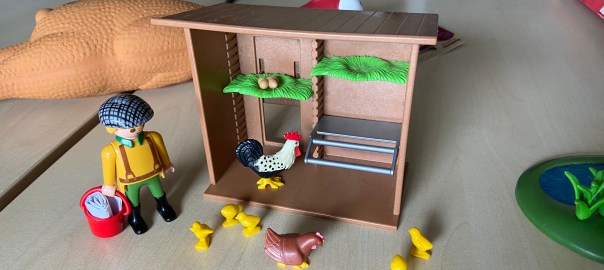
The exercise involved toy animals again. She set up various scenes, where there were disease outbreaks and we had to look for information and describe how we would go about diagnosis and putting the information onto the inevitable forms.
At the top of the page is a scene where there is an outbreak of avian influenza. That was slightly complicated because of these guys:
I assume that group had to discuss what to do about local wildlife, but my group had to investigate and record a possible bluetongue sampling at this lovely farm:
I got extra brownie points for querying the assorted carrots and other vegetables in the yellow box. This farmer may be feeding kitchen scraps, which is illegal in the UK!
There has also been some amusement at work this week, because of some seagulls which have been nesting somewhere on or near the building where I work. Perhaps others have not been so amused as a couple of people have been dive bombed or poohed on, but a theory of mine was confirmed when we had a number of extra staff visiting on Wednesday for a meeting. These are sexist seagulls and while I have passed out of the door, watched over by a relatively benign beady eye, all the actual attacks have been on men. Clearly there are some advantages to being female!
I’m not going to finish without giving high praise to The Boathouse restaurant at Glencaple. Regular readers may recall a lovely Christmas meal Donna and I had there back in December. I suggested a revisit, having seen an advertisement on Facebook for afternoon tea. It would be an understatement to say that it did not disappoint! As with the Christmas dinner, I took home enough food to last me until the next day and it really did taste as good as it looks!
Anyway, I shall go now. Thanks for reading and have a good week!
I made a happy discovery yesterday evening, when I was travelling to Yorkshire. I like to break my journey at Tebay, but when it’s hot and I have Triar in the car, I tend to push on. Last night though, I was tired enough to stop. On entering the car park, instead of going straight ahead, I turned left up the hill, hoping to find some shade behind the trees. What I didn’t expect to find was a lovely shady dog walk, set among the trees. So as well as crunchy cheese and mango flavoured fizzy water, I got in 1,000 steps and a very pleasant woodland wander.
It’s been an unexpected type of week really. The only visits I had planned were to a farm where I was to TB test eight cattle. They had tested before as inconclusive, following a move up to Scotland from a higher risk area, so they were being retested. That was booked in for Tuesday/Friday (inject and read) so when my line manager sent out a message asking for volunteers to do night duty on Monday, Tuesday and Wednesday nights, I quickly offered.
Usually, being on call is not too onerous. Sometimes there are phone calls in the evening, but it’s fairly rare, so I was quite unprepared when the phone rang at 2am on Wednesday morning. Quickly gathering pen and paper, I spoke to a vet about an owner whose dog had been in contact with a bat. The dog was now unwell and she wanted some advice. As both bat and dog were in central Scotland, the chances of rabies infection were small, but having been phoned, I had to make sure. Most of the form filling was left for the morning, but I was still up for a couple of hours recording the situation, so the vets taking over in the morning knew I was dealing with it.
So Wednesday morning was mostly taken up with the aftermath. The afternoon was quiet, but I was glad when home time came. However, I had only just sat down when the phone rang again. This time it was my veterinary advisor. Did I want to go on a report case the following morning. I’ve been waiting to do a report case, which is an investigation into a potential notifiable disease outbreak, so I said yes first, then braced myself for whatever she was going to say next. Whatever had run through my head, I wasn’t expecting what came next.
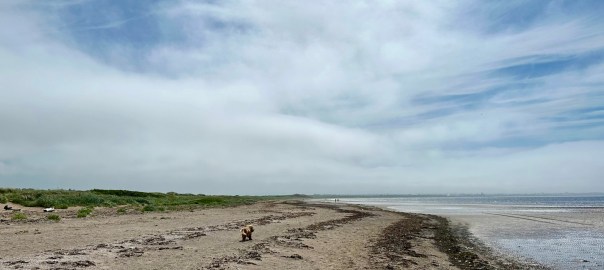
I was being asked to go to a beach where there had apparently been a number of dead birds found, as well as a seal (or maybe a porpoise). I was to test the seal for avian influenza and to do so would involve taking brain and lung samples, while fully dressed in all my protective gear, including my space-age hood, which circulates air through filters and blows it on my face.
I did double check about the hood. After all, I have tested dead birds in Norway for avian influenza and nobody even reminded me to wear a mask. But the answer was yes, I had to wear the hood. To be fair, brain sampling required a hammer, so spray was quite possible, but what struck me as particularly amusing was that this wasn’t a beach in the middle of nowhere. It was near a relatively popular west-coast holiday resort. I understand there were background discussions going on about whether we should let the police know. I was half imagining television cameras turning up, creating mass panic over people donning virtual space suits to approach dead animals that, half an hour earlier, someone’s dog might well have been sniffing.
Having spent two hours on Wednesday evening, learning about techniques for sampling marine wildlife and refreshing myself on donning and doffing PPE safely, and another hour on Thursday morning, ensuring I had everything in the car I might need, I drove an hour and a half and met my colleague , an experienced animal health officer, at the beach.
Partly because it was already warm, and partly to avoid causing alarm, I had decided that we should plot the position of the animals first, then get our final permission and instructions to test from VENDU (the Veterinary Exotic Notifiable Disease Unit). My plan was to photograph the animal or bird (necessary so that an expert can make sure what species it is) and get OS coordinates for each. All those details have to be recorded, so it made sense to do that before getting all the kit on.
In the event, what actually happened was that we walked onto the beach, made our way to the mark on the satellite image where the seal carcase had been recorded, and found… only tyre tracks. There were a number of dog walkers on the beach, so my colleague began to ask whether any of them had seen anything. None of them had. We walked on down the beach. No dead seal. No bird carcasses either.
I called my veterinary advisor. Was it possible the local authority, or someone, had already been and removed the seal? In the background, she started to make enquires to all the possible agencies and groups that might possibly have done so. In the meantime, my colleague and I walked on, scouring the beach with our eyes. After all, the worst possible scenario I could imagine was that we failed to find it after all the prep and travel, only for it to be reported again the next day.
The tyre tracks were explained – the local council had been out, but hadn’t found anything apparently. Nor did we. Despite walking for half an hour along the beach, the only things we found were a number of dead jelly fish and one, single, very rotten bird carcase, where there was nothing much left except bones and a wing. Eventually, we had to admit defeat and turn back. All that remained was to call VENDU and call off the hunt.
I did that, back at my car. I was just driving off when VENDU called back and asked whether we could go back and sample the bird. I said no. Sampling is from the cloaca and the back of the throat. Neither of those would have been identifiable. Not only that, but it was a good half-hour walk back to where we had seen it and there was no guarantee we’d find it again as, by that time, I’d abandoned all thoughts of OS coordinates.
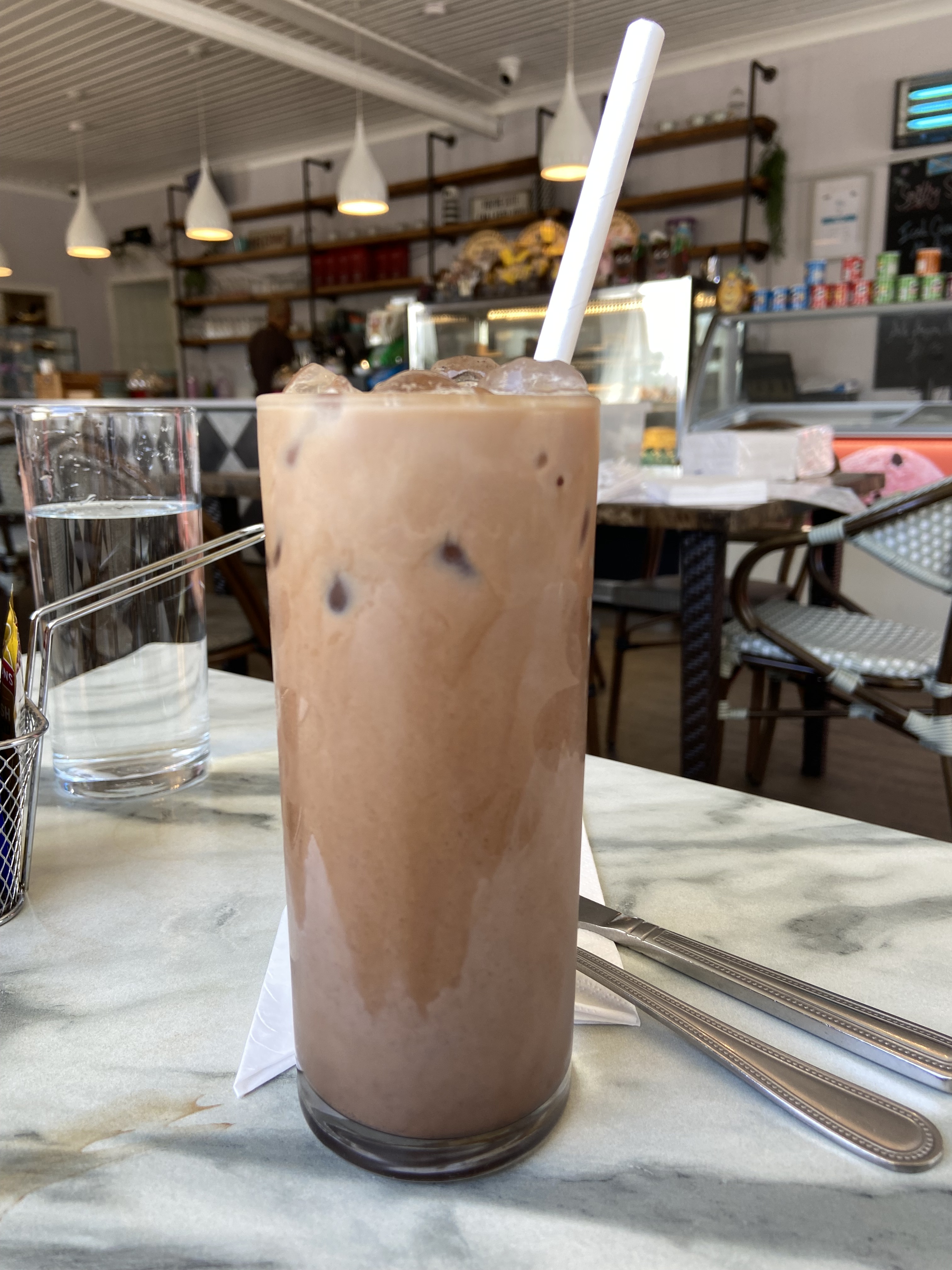
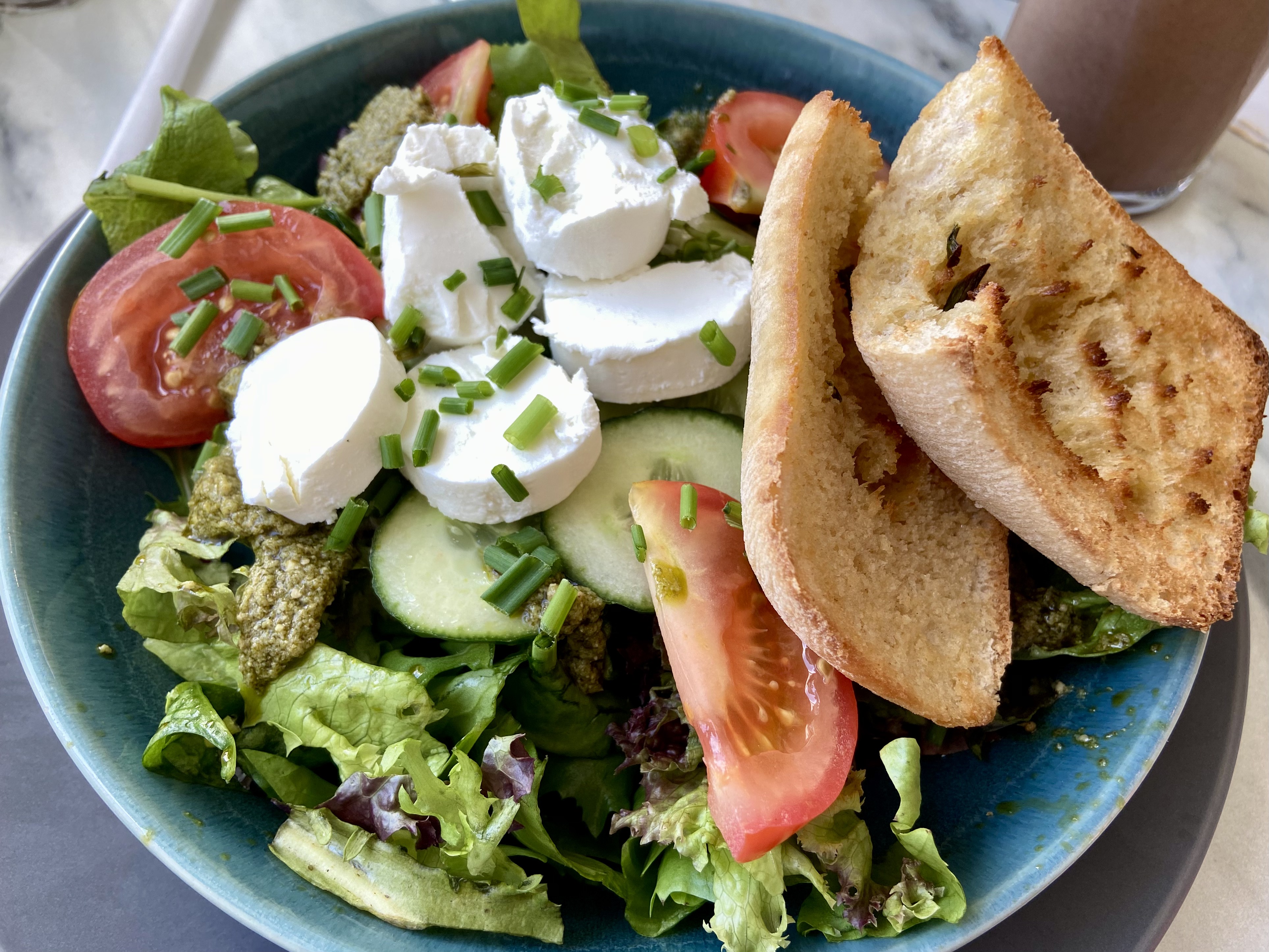
We’ve been told that in hot weather, we have been allocated a £2 cold drinks allowance, so when I stopped for lunch, I ordered an iced caramel mocha. £2 doesn’t come close to covering it, but it was delicious, as was the goats’ cheese salad I ordered along with it.
I had a pleasant drive back down the Galloway Trail. Really, it ended up being one of those rare days where I look back and want to laugh and feel highly pleased that someone actually paid for me to do that. There are truly awful moments in this line of work, but there are some great ones too. And next time I am asked to go on a report case, there will be things I learned this time that will be put to good use.
I rounded off the week reading the TB test. Sadly, there were some animals that tested positive. Another farm, now under restrictions, with thousands of animals that all need to be tested. If I were in charge, I would be looking at banning moving cattle from high risk zones and into Scotland. I know there’s a lot of negativity about red tape, but the eventual cost of allowing those movements is unreasonably high. Then again, after 15 years in Norway, I’d be on board for massive limitation on moving animals around.
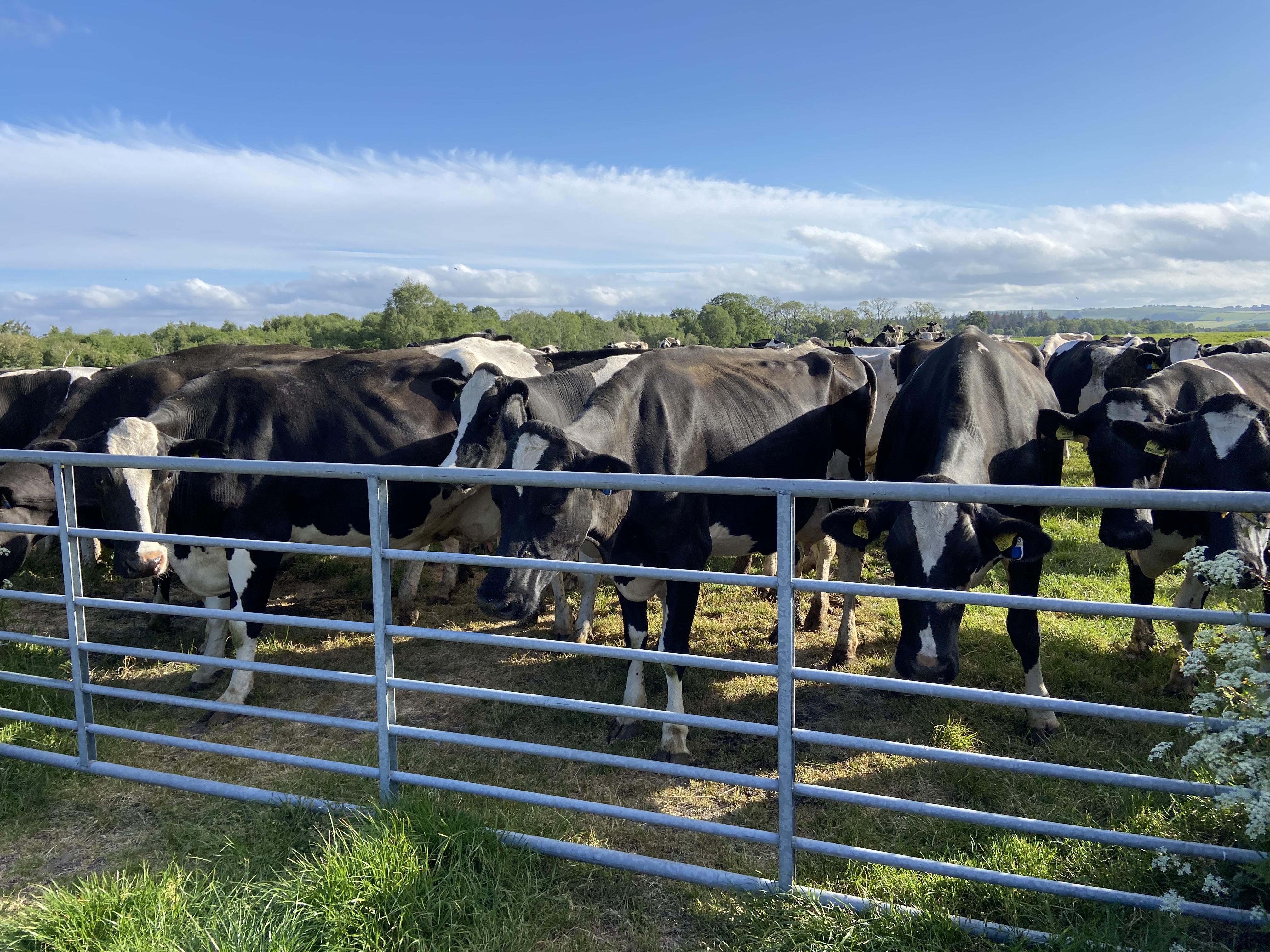
Isn’t it warm? It’s not yet seven thirty as I write this, but Triar and I have been out for our walk early. We stopped to have a chat with some heifers in a field (we stayed outside the gate) which is the high point of our day so far! Aren’t they gorgeous?
I came down yesterday as I had a dentist’s appointment to get a filling. I intended to come down on Thursday evening, but was unexpectedly offered a cancellation appointment to see a neurologist, so of course I jumped at the chance. As the occupational therapist at work wanted, he has given me a diagnosis – FND, which I’m guessing most people haven’t heard of. It’s described everywhere as being “like a software problem and not a hardware problem”. Basically they can’t see anything wrong on a battery of tests, but it fits certain criteria.
I’m still trying to process the ramifications. The tests I had were years ago and he hasn’t sent me for any new ones. With hindsight, I’m not sure we talked enough about what’s happening now and how it will be fixed. Back in Norway, I maintained fairly good health for three years, by resting properly when I needed to. He’s going to write me a letter to take to occupational health, so I will see what it says.
But overall, I think it’s good. On examination, he didn’t find anything new or particularly significant. He seemed certain there wasn’t a degenerative disorder. Having spent years looking up my own symptoms (don’t do this!) I had myself thought FND was the closest fit. Back in 2017 when this all began for me, I found almost nothing online about it. Now the internet is awash with information. It is, I feel the neurological disorder du jour! Hopefully I can find a way to manage it better than I am at the moment. I’m still working full time and doing a good job. I’d just like to have more energy to do things when work is over.
In other news, I’m getting through the paperwork mountain, though the dreaded Framework Agreement still needs some work. I’m giving training sessions next week, on Foot and Mouth disease, to some local authority inspectors on Tuesday and on the Disease Risk Form (investigation) during TB outbreaks to my fellow Senior Veterinary Inspectors. My boss, Dean, has a case lined up for me when those are done and there is some chicken work starting from July, so plenty to keep me going. I may be easily tired, but I also don’t like twiddling my thumbs, so it’s all going right at the moment.
I shall leave you with some more cow pictures and maybe some flowers too. Blackbird Lane is wonderfully overgrown and tangled at the moment, with wildflowers peeking out all over the place. And now it’s time to go make breakfast, so have a good week all, and thanks for reading.
It’s been a pleasant enough week back at work. I’m piling up cases slightly faster than I’m able to do the paperwork, but unless something urgent comes in, I should hopefully catch up with the ones I have next week.
Tuesday was spent training a new locum vet how to conduct a welfare visit. Wednesday saw me conducting a meeting with members of the local council. I work with two of them – Scott and David – on a regular basis and we get on well, but as with everything these days, it all has to be fully justified and written down. Thursday I tested a sheep for bluetongue.
And as all that was going on, all the cattle in my current TB breakdown were undergoing their first wave of testing. Until there are two clear tests, the cattle can’t be moved off the farm to another farm, so the farmer is essentially in lockdown. In the meantime, I have to dig into where the disease might have originated and where it might have spread to. All those animals will need to be tested too.
For now, I am actually on call. There are two “ready to go” vets in Scotland at nights and weekends: one North one South. I’m covering the South, so if any suspicion of notifiable disease crops up, or a welfare case that’s so urgent it can’t wait, then I’m the vet that will deal with it. I don’t know whether to hope something comes up or not. I still have to get my first report case (notifiable disease) under my belt, but obviously I don’t want any animal to have anything bad to crop up. We’re still on high alert for foot and mouth because of the European outbreaks.
After a long spell of warm weather, the pattern has now become more mixed, but Triar and I have been regularly walking down Blackbird Lane together. Well be walking there a lot today because I can’t go far from home in case any call comes in, but I want to get in 15,000 steps today.
I’m still keeping up with my WalkFit challenges and one of those is to do 15,000 steps three times in May. I’ve done two days already and this is the last day in May, so I’m going to go for it. My daily step requirement has stopped rising and is stable at 7,500 steps a day, which suits me for now. I often do more, but on bad days, I can still usually achieve that without too much effort.
There are sometimes cows in the fields lining the lane. I’m working on getting Triar to walk past them quietly. He’s always been something of a barker, but does respond well to bribery.
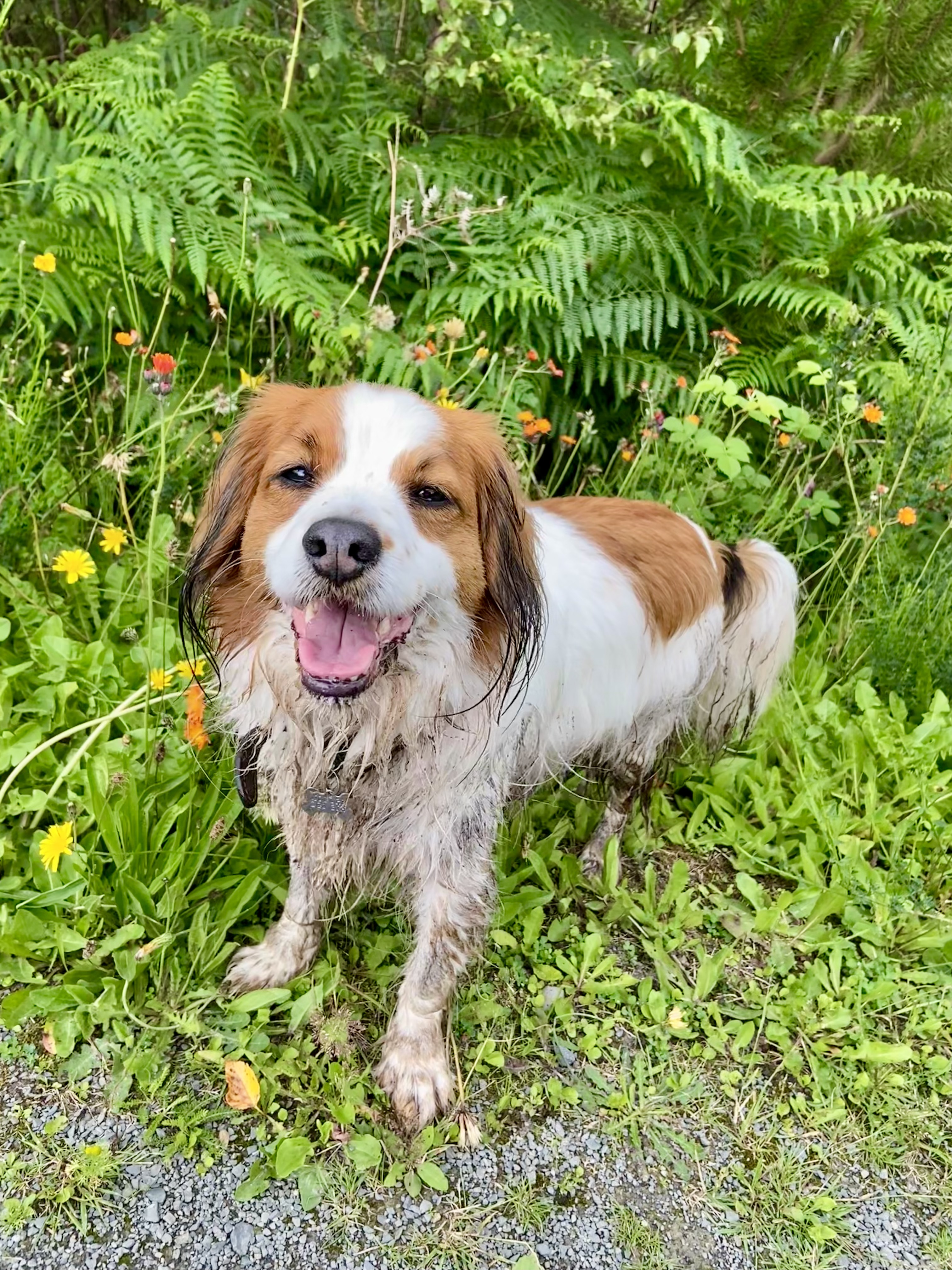
We did have something of an incident yesterday, not with the cows, but with water. He does love a paddle and there is a fairly disgusting, stagnant looking pool at the far end of the lane. Until yesterday , he had always ignored it, but yesterday he decided to jump in. Despite bathing him for about an hour when we got home, he still retains a definite odour of muddy puddle.
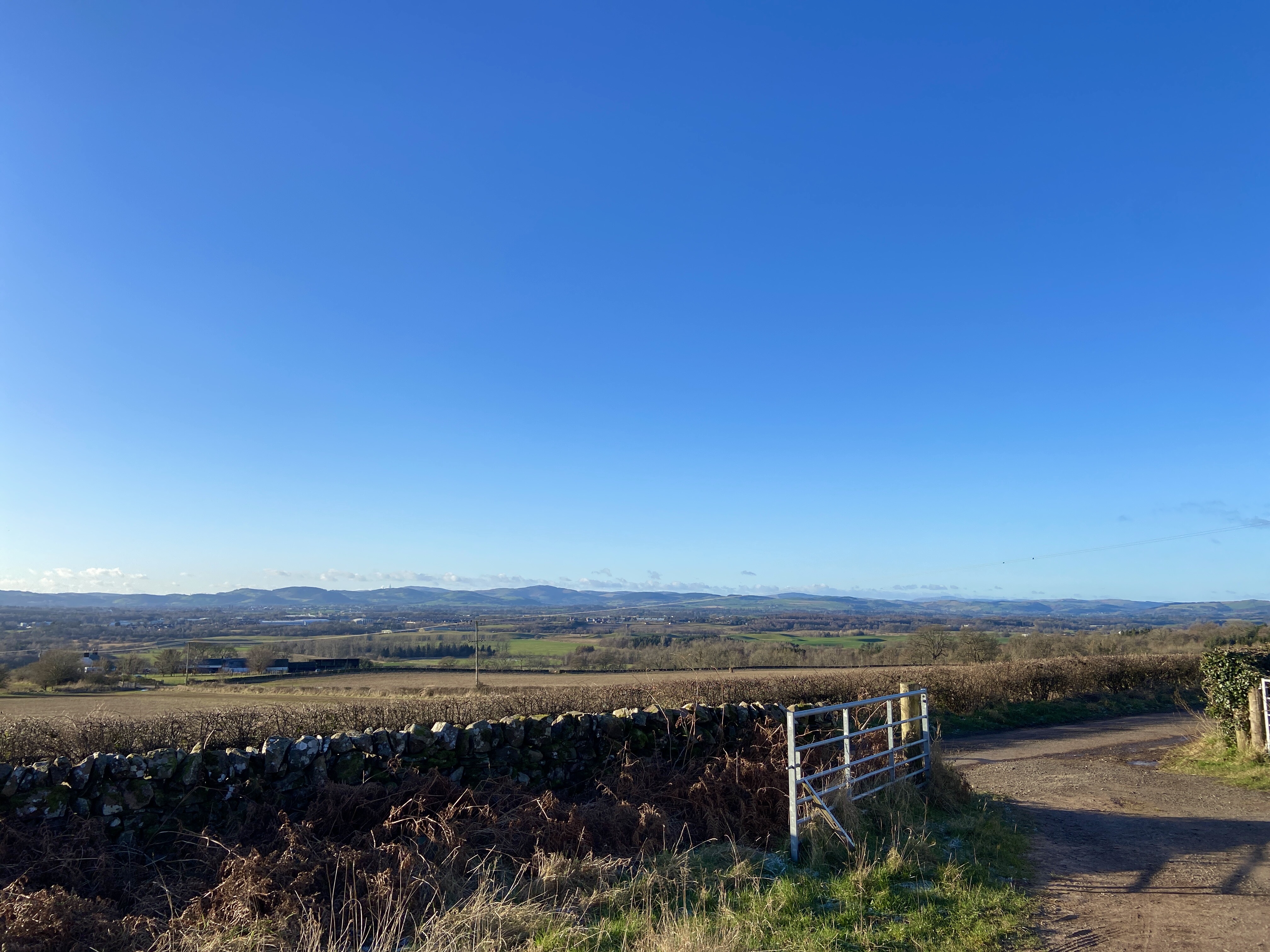
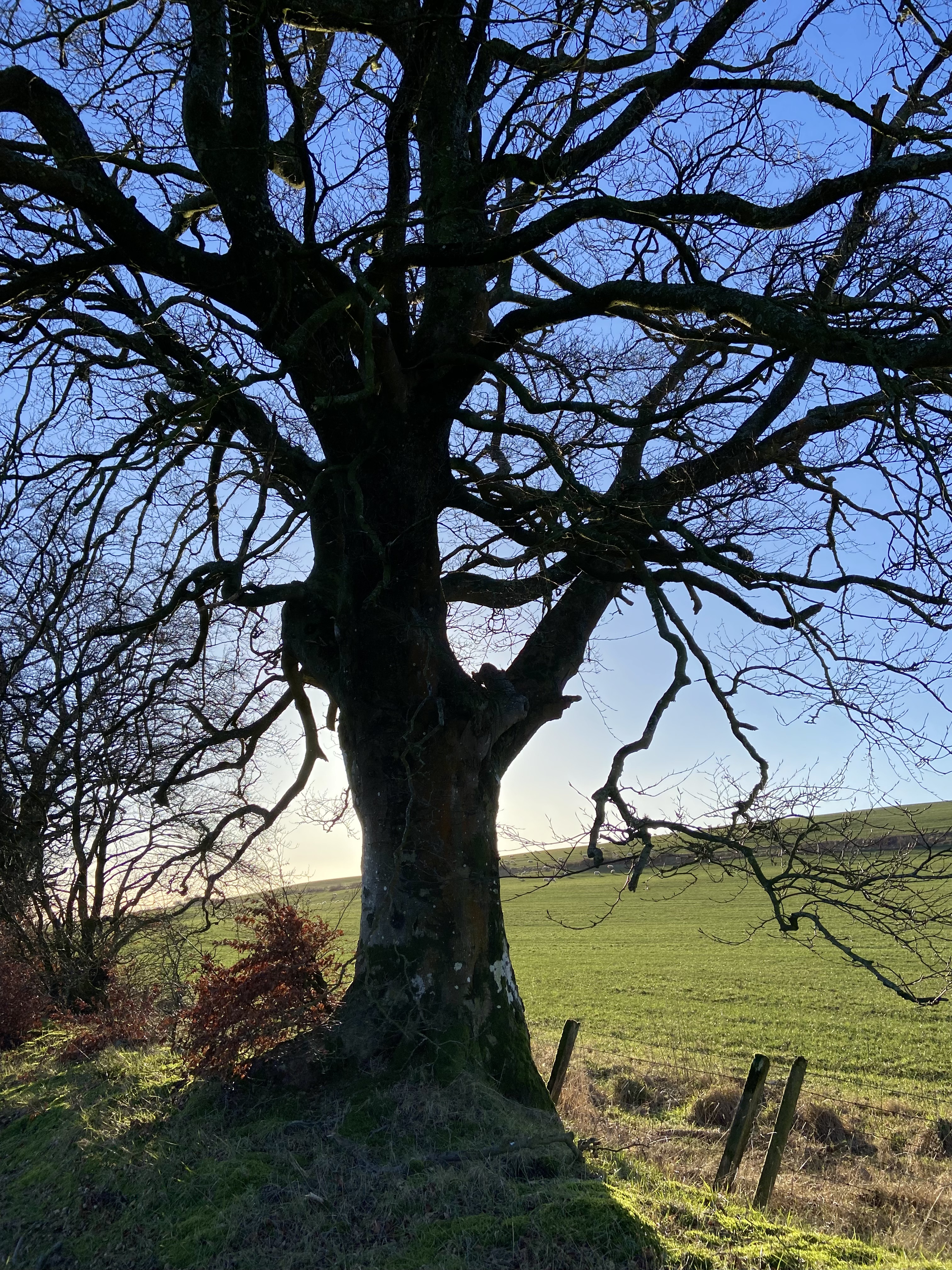
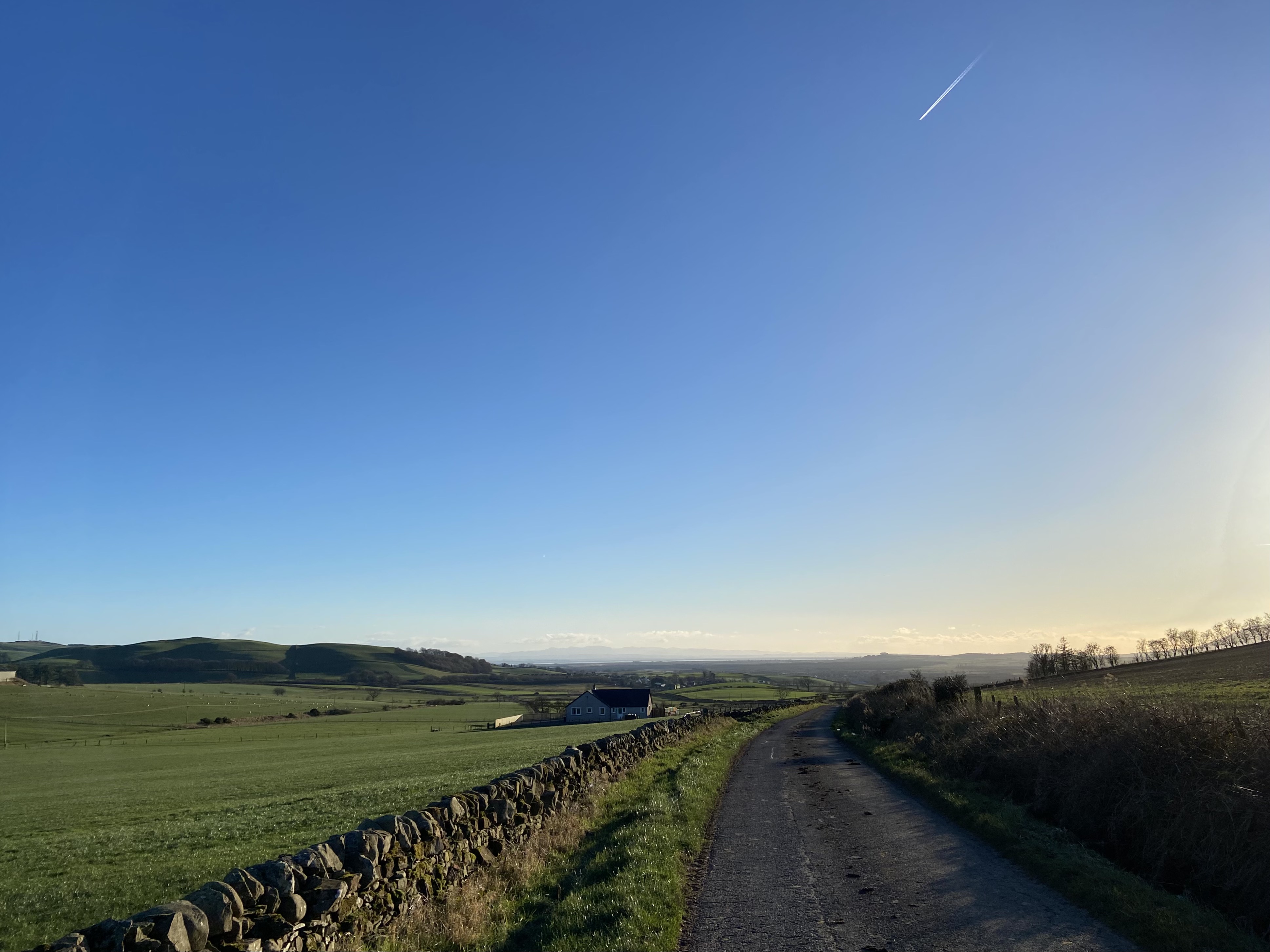
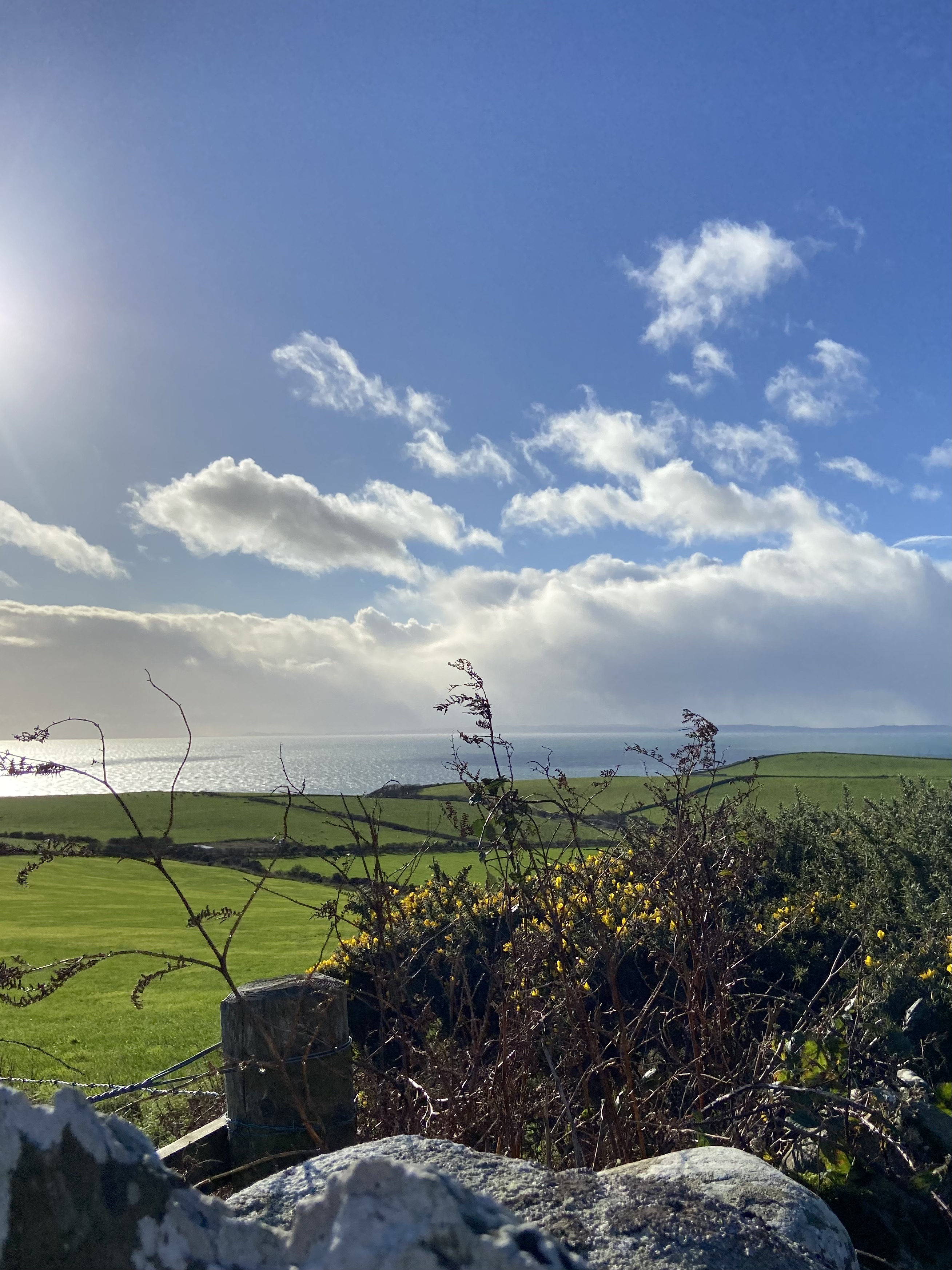
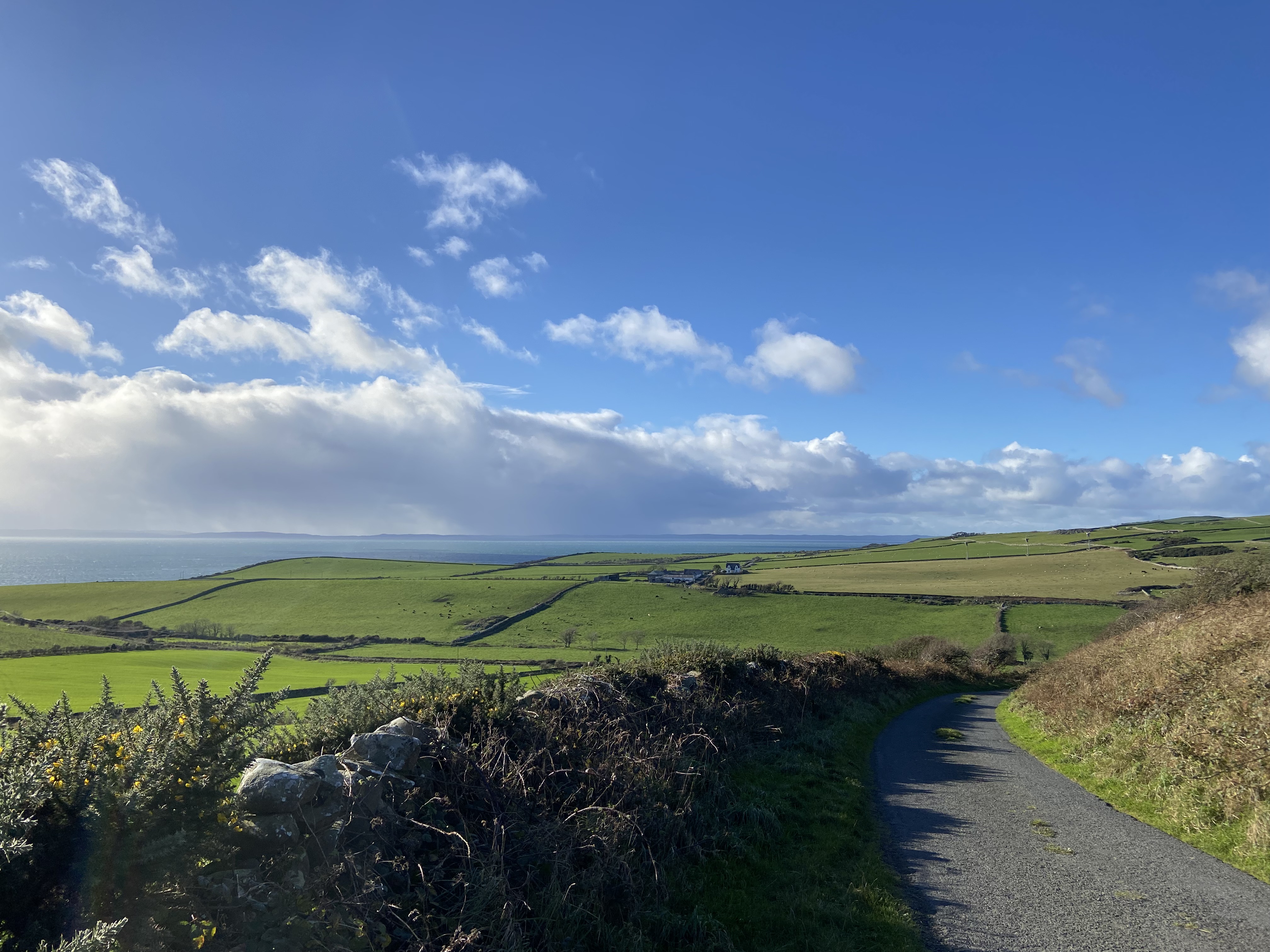
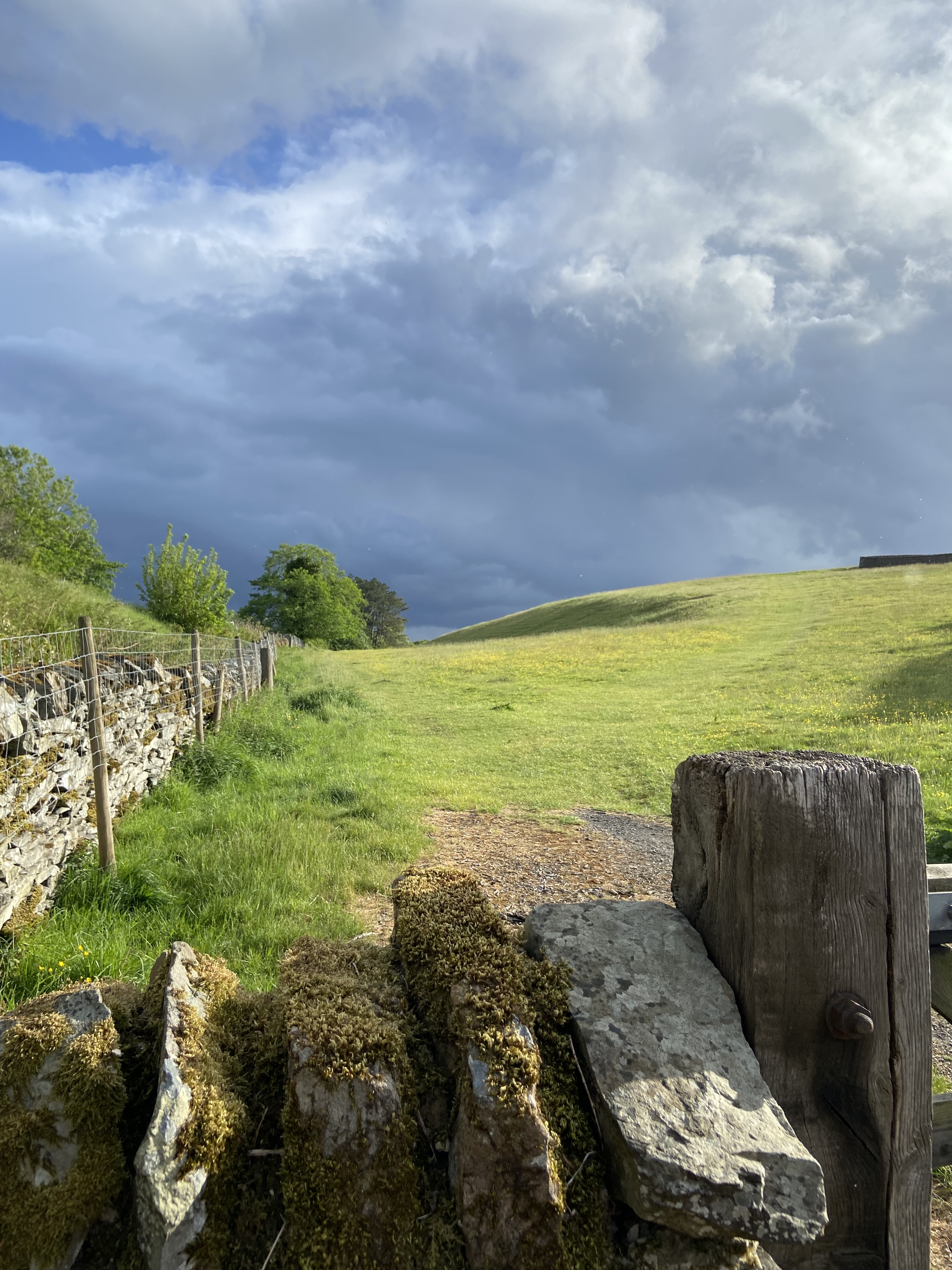
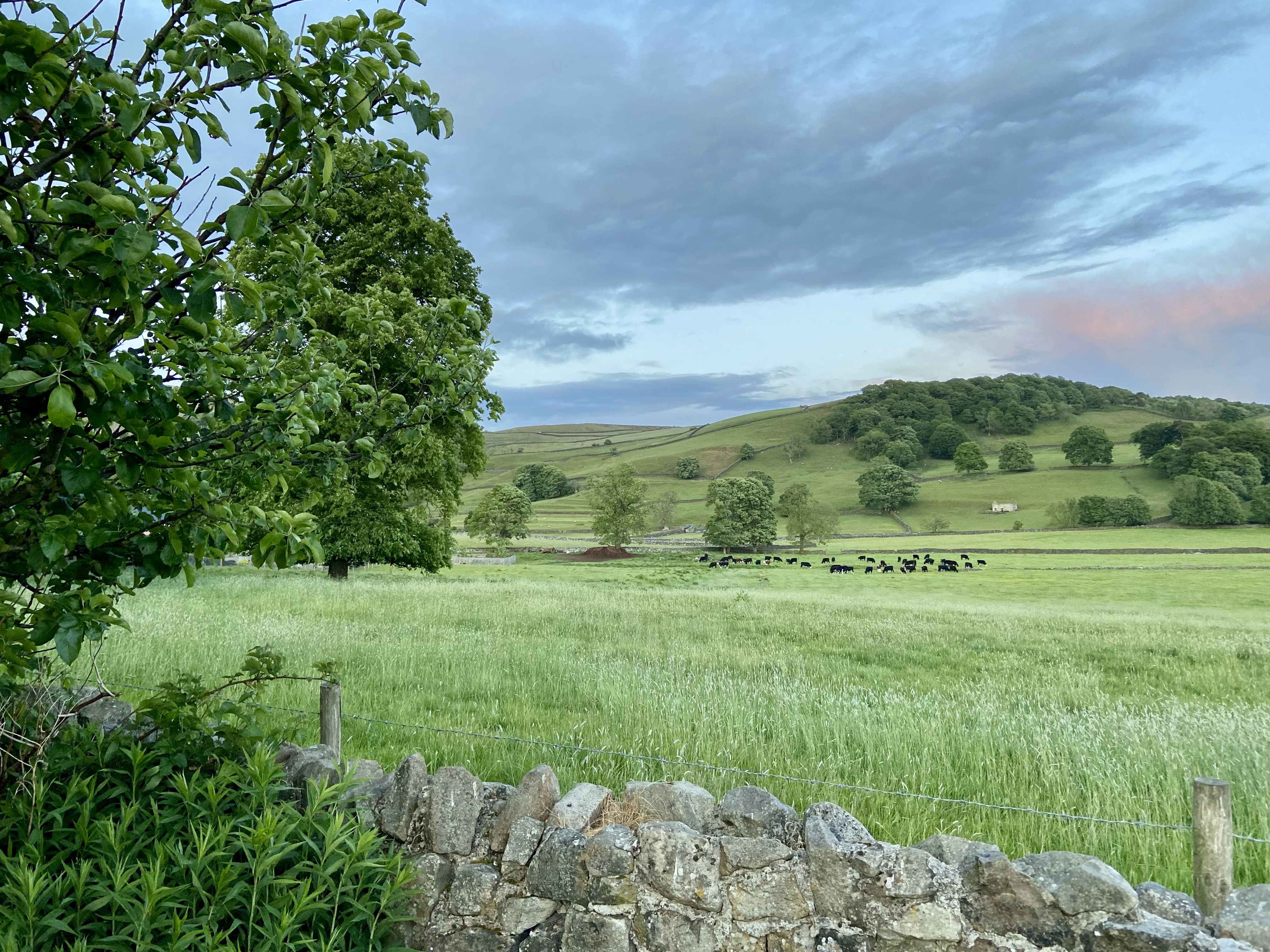
I’m going to finish with a few more photos of Yorkshire from last weekend. The picture at the top of the page was taken from my parents’ conservatory. The rest were taken while out with Triar. I do love a dramatic sky over stone walls and sunny fields. Have a lovely week all and thanks for reading.
To continue what I started yesterday, Tuesday and Wednesday were broadly taken up with meetings about Monday and follow-up actions. When faced with something complex that requires careful handling of many different aspects of care, there are always things missed that need to be rectified, and follow up questions and investigation.
Not entirely coincidentally, I had an appointment early on Tuesday morning with the doctor from Occupational Health (OH). We had a good chat and discussed some things that I found helpful. For example, she suggested using flexitime to take days off when I am tired in the immediate aftermath of something that takes a lot of energy.
There were other suggestions my mind rebelled against. For example, she suggested I could try anti-depressants, partly on the grounds that they wouldn’t interfere with any neurological examination because “half the population are on them”. That doesn’t strike me as a good thing. I know some people find them very useful, but I’m not depressed.
I said as much and she suggested some of my symptoms mimic anxiety symptoms. She also said the tingling in my hands and feet (which I was experiencing during the meeting) were not due to anxiety as I was speaking (and therefore breathing) normally. That’s quite a useful observation actually, because it’s been suggested before that some of my symptoms might be anxiety, but I have never been breathless in that way, even when my symptoms were at their worst.
Anyway, having driven through Tuesday and Wednesday on adrenaline, I woke up on Thursday and my mind and body rebelled. I had noticed, on my flexitime sheet that the extra hours I’d worked on Monday and Tuesday had taken me over eight hours, so I called my line manager, explained what the OH doctor had suggested and, to my relief, he agreed. My shoulders immediately dropped several inches, so I knew, at once, it was the right thing to have done.
I didn’t do much that day. I wrote a bit of my new story and immediately came upon a conundrum. Setting it in Dyrøya is all very well, but if the man who fell in love with Mary McKear is old now, he must have met her some time ago. So I need to know about Dyrøya’s past. It’s now an island, connected to the mainland by a bridge. So knowing when Mary arrived… and how… is important. More than that, what is a young Irish woman doing on a remote island in Arctic Norway anyway? It’s going to be the first thing he asks, surely?
Leaving all that aside, it was time to take Triar out. I set off to go down Blackbird Lane, and halfway there, decided to look if there was somewhere else I could take him in the car, that wasn’t too far away. Google led me to Castledykes Park, which was only a few minutes drive. We wandered slowly round the park. I know vets are meant to despise extending leads, but this was the perfect time to use one, because then Triar can zoom about, while I meander.
It was warm and sunny in the park. We looked at the trees and flowers and Triar did what dogs do on trees and flowers, and quite shortly, I found a nice bench. It was warm enough to sit down and close my eyes and hope that Triar wasn’t eating a dropped bar of chocolate or rolling in fox poo as I listened to the birds singing.
There was, yet another meeting on Friday morning, but much of the day was spent on a refresher course about handling animal welfare cases. It all sounds very peaceful when you’re talking about the legal framework and the form filling.
And so, yesterday I went to another mini-writing retreat and I used the time to delve into Mary’s background. She now has a history – a Norwegian grandmother, who escaped from Norway in World War 2. Maybe she came over in one of the boats that are coming to Shetland when I’m there in May!
Anyway, that’s me up to date now, after my busy week. If you’ve read this far, thank you. Take care!
I had a wonderful weekend last week, with Valerie. Back when the children were young, I met Valerie outside a classroom door. Her youngest, Stacey, was in the same class as John. We were both newcomers to the area and she quickly became one of my favourite people. She looked after Andrew when he was a baby and none of the child minders in the village had space for him. We both worked nights, but when we had time, we used to go for lunch at Jimmy Chung’s – a Chinese restaurant that did a fantastic buffet.
Meeting up made me feel I had gone back in time. With some friends, even when you haven’t seen them for years, you can pick it up where you left off and it was like that. Effortless and joyful. There were some new things. Valerie has a hot tub and evenings in the water with a glass of red wine (thoughtfully bought by her husband, Charles) were a wonderful new addition.
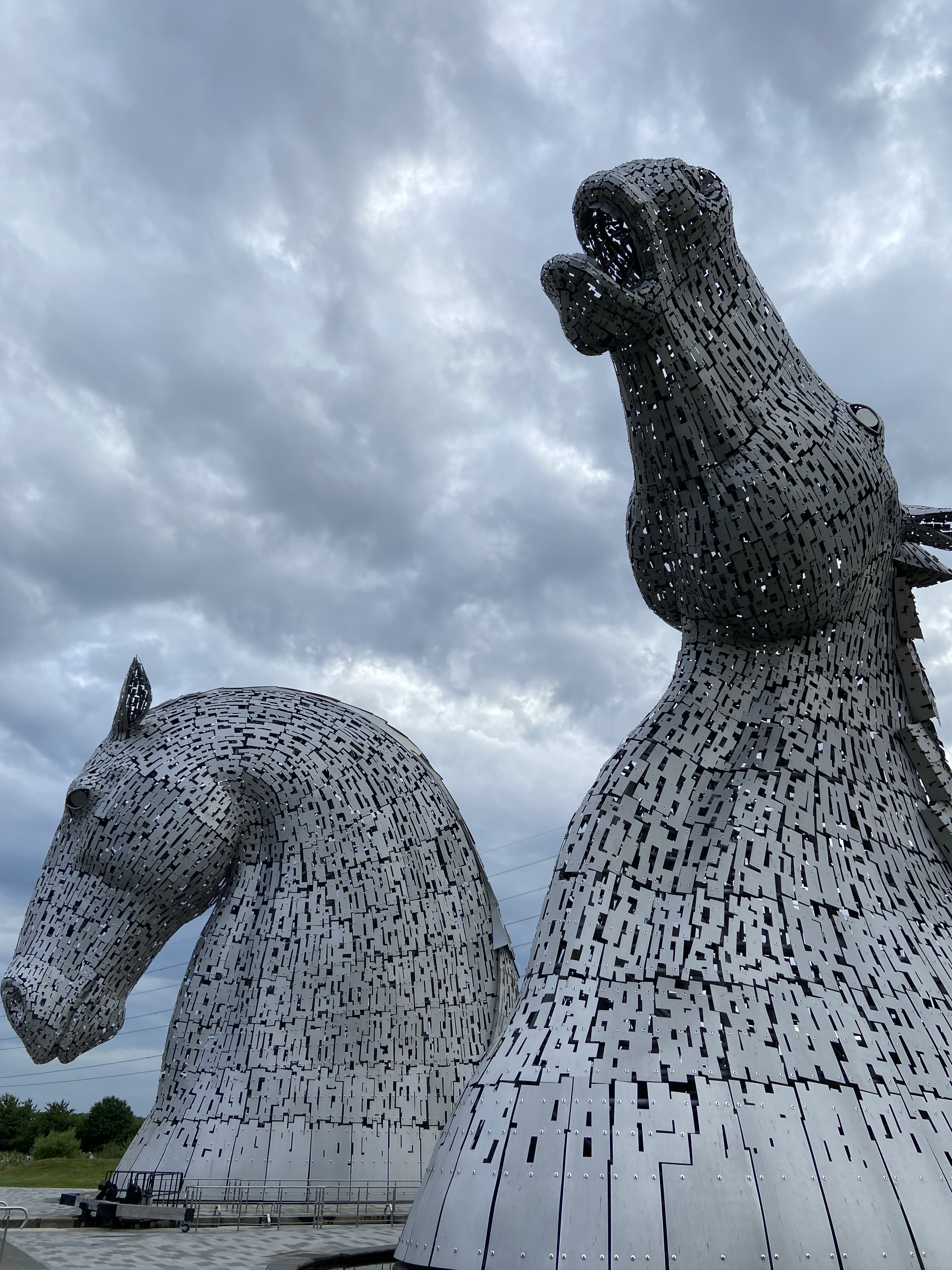
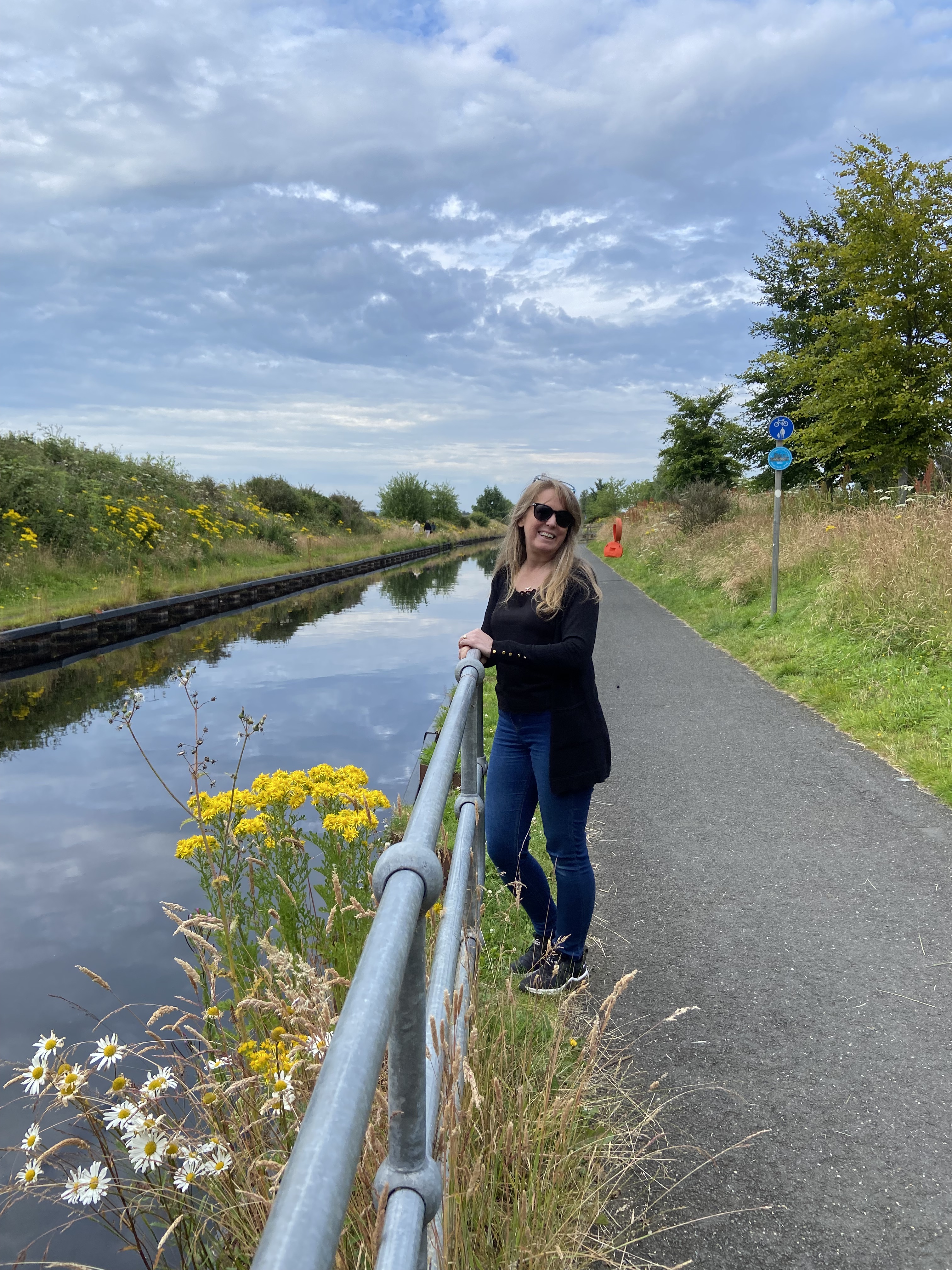
We also visited the Kelpies, which are not far from where I used to live. I’ve seen them in photos before, so it was lovely to see them, and that also fitted in to the daily walks I am now taking.
Valerie still looks amazing, despite all those Jimmy Chung’s meals and a bout of long Covid, caused by working in the NHS, in the front line, with no PPE. I had more protective gear as a technician in a chicken slaughterhouse in Norway. The chronic underfunding of public services in the UK has been going on for many years now. I hope it changes. Treating hard-working staff badly is not a recipe for a happy and healthy workforce.
I was in Ayr this week, Monday, Tuesday and Wednesday. My colleague (Pilar) was duty vet and I was shadowing her. While I was there to learn, it was an instructive lesson. Monday was fortunately quiet, but the two queries that took longest to deal with were about primates and alpacas. She also was put under pressure by a very grumpy vet, who probably knew he’d done something wrong and was taking it out on our staff. It didn’t inspire confidence in me that the role of duty vet is going to get any easier.
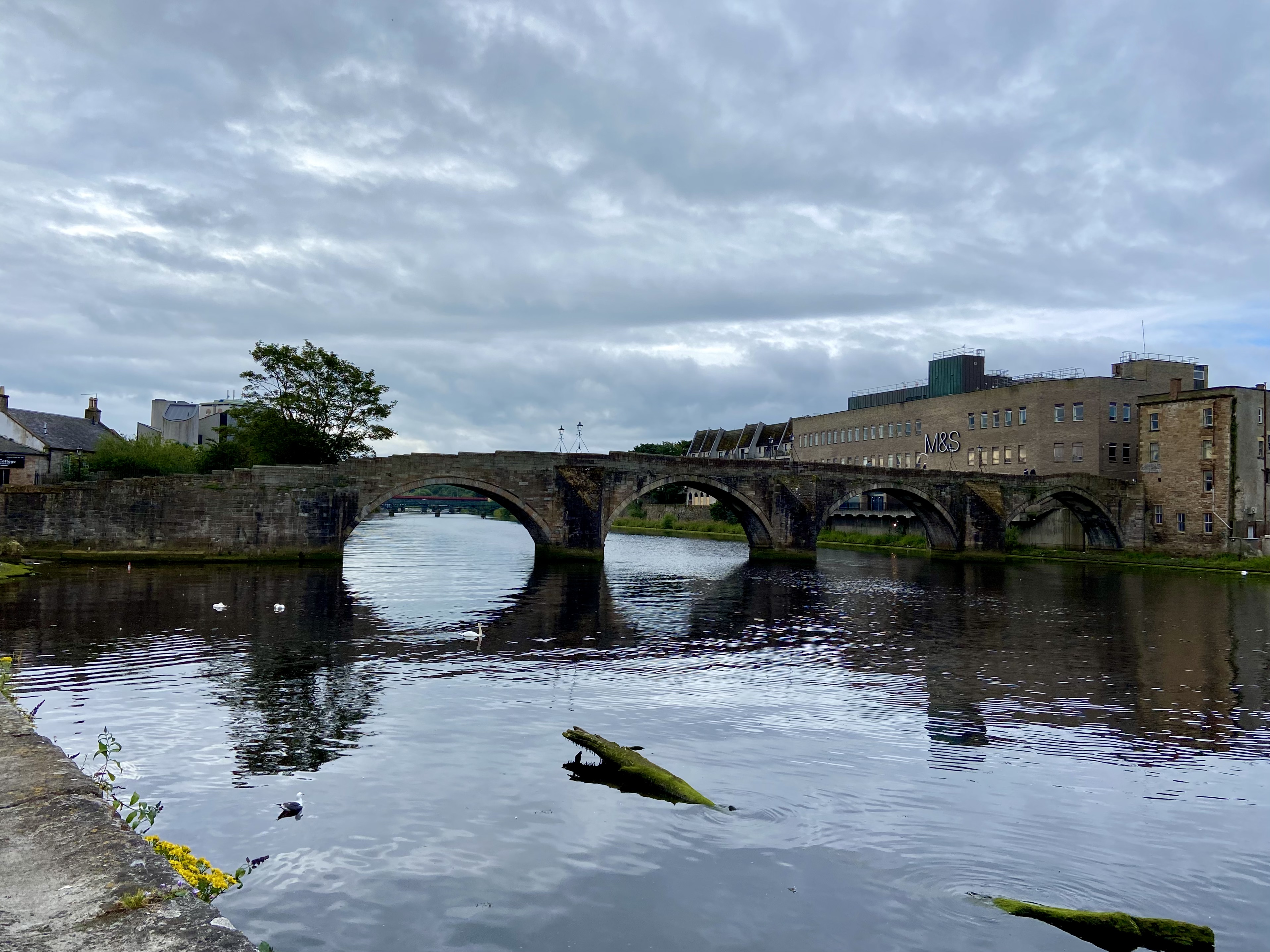
I did have time to wander around Ayr though, which was interesting. It’s on the coast and there’s a tidal river running through the town centre. It no longer seems deep enough for ships: perhaps years ago it was dredged and deeper, but there are many signs that it was once a thriving dock.
On the town centre side of the river, over the old bridge, which is now used as a foot bridge, there are some new buildings, such as Marks and Spencer.
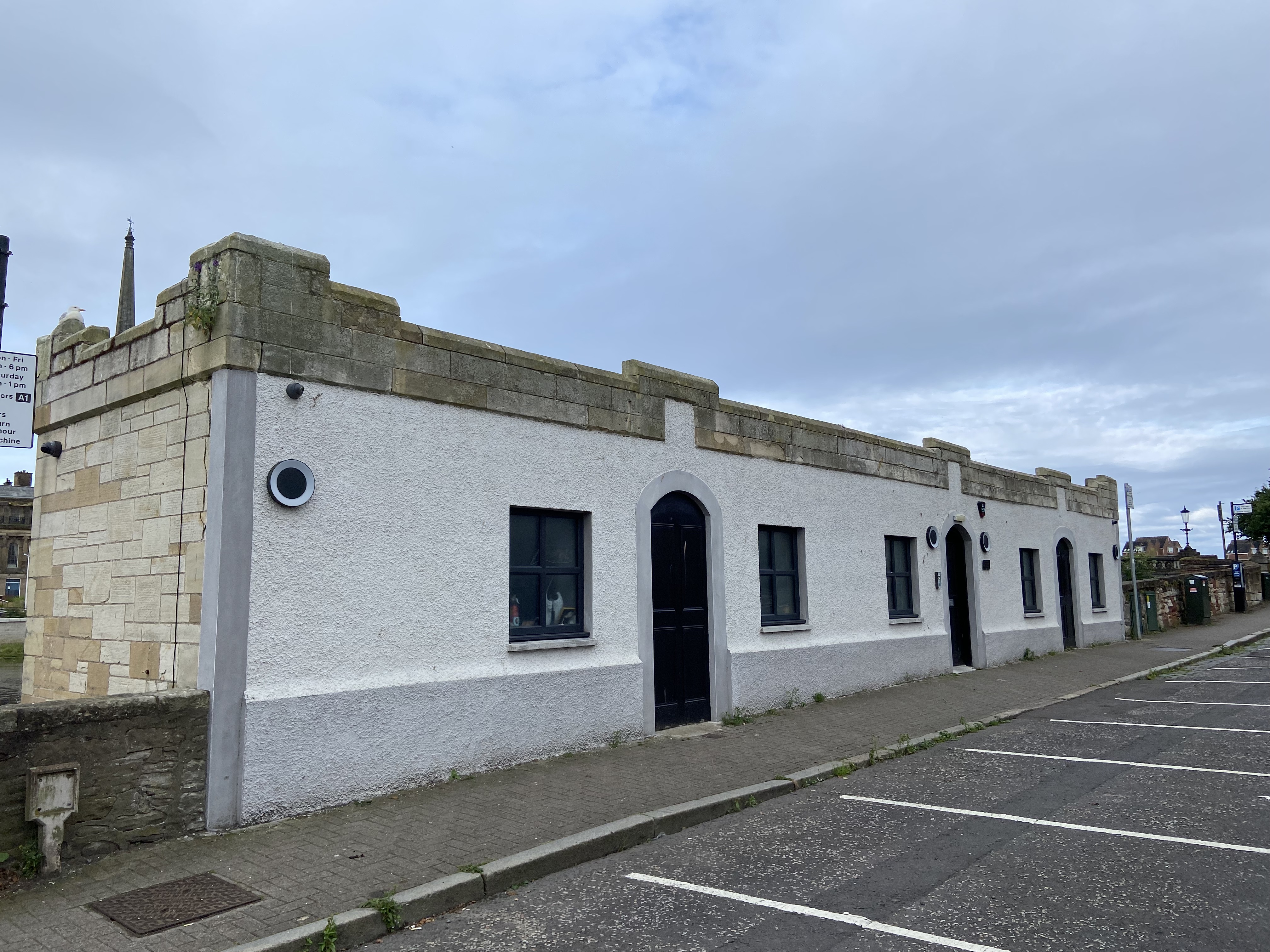
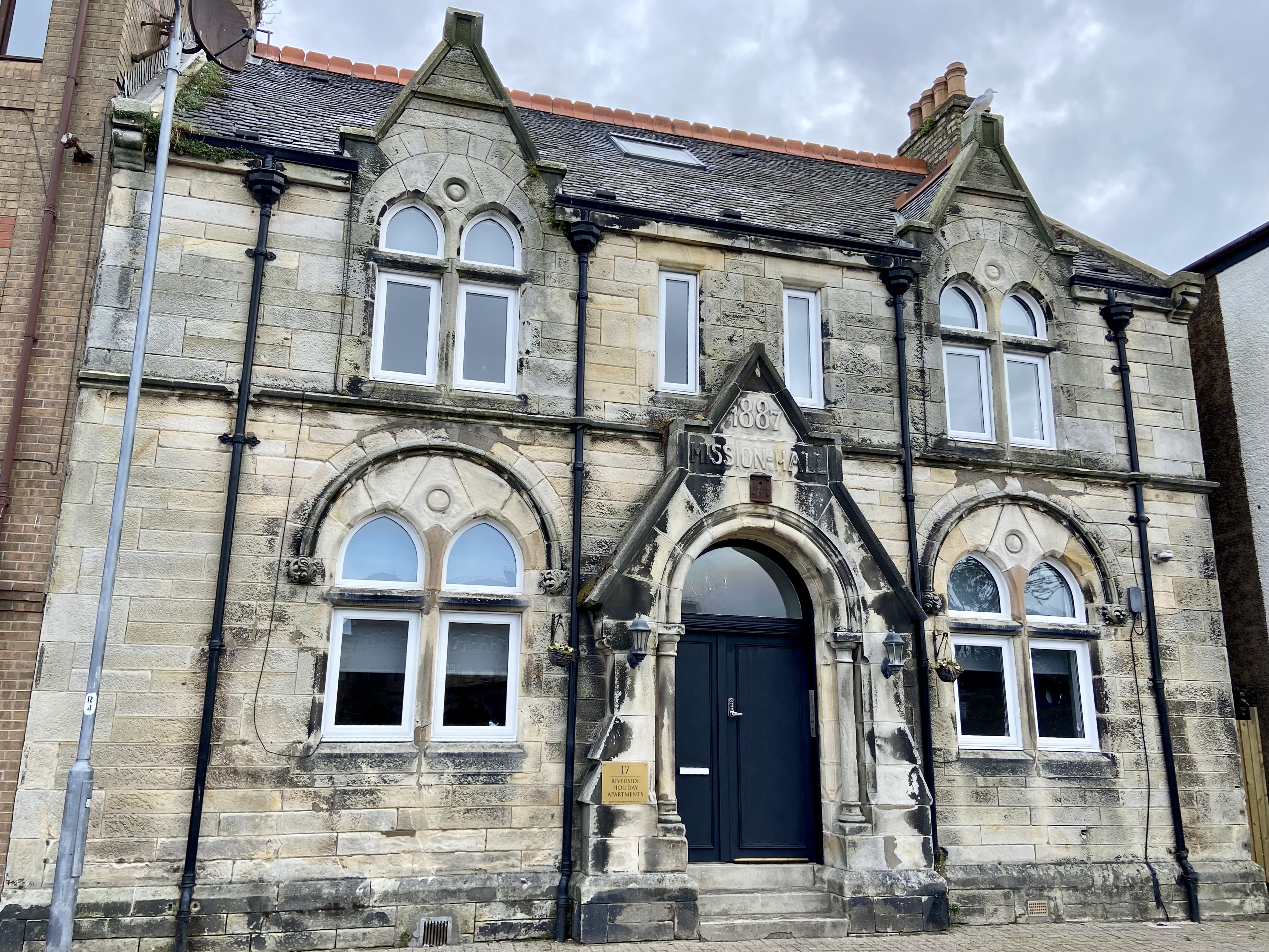
But on the north side of the river, there are older buildings that speak of sailors and ships and a different life for the town. These is the old bath house.
The seaman’s mission:
And while the oldest bar in Ayr still looks to be in use, the oldest restaurant seems to be falling into a sad state of disrepair.
I can be difficult finding good food in new places, but I happened upon The Stravaig while wandering in search of inspiration on Tuesday evening. They served me a wonderful beetroot and goats cheese salad, with pickled walnuts. It was properly delicious and I will definitely be going back.
I have been doing the Second Nature program, primarily to lose weight (I’ve lost 5kg/11lb so far) but the program encourages better habits and lifestyle changes, rather than concentrating exclusively on food and calories. There are articles each day and a theme each week. So far we’ve had Prepare for the Program, Reset Your Lifestyle, Nutrition – Focus on Meal Planning, Mindset – Develop a Positive Mindset, Exercise – Increase Your Steps and this week’s Stress – Start Deep Breathing.
While I think it is a good program, and hope I can stick with it, it has struck me this week that an awful lot of it is about managing stress. The obesity epidemic undoubtedly has a lot of causes, from too much sugar, high availability of fast food and so on, but as I have embraced trying to sleep better and get into different routines, it did strike me as rather sad that my life is indeed filled with stress that I have to manage, and always has been. I’m sure it’s true of a lot of people and perhaps the reasons for that should be explored. Working hours in the UK are much longer than those in Norway, for example. After three in the afternoon, I’ve already worked out I’m not good in front of a computer. Out in the field, I can keep going, but I don’t achieve more by staying those extra hours.
Living in Norway opened my eyes to the horrible work situation in the UK. I remember sitting in a hotel at breakfast, listening to some southern businessman pontificating to his friend about how he knew who to promote as it would be the person who stayed late and really put in the hours. Perhaps he should have looked a bit harder at those who managed to finish their work within the allocated hours and prioritized their home life over crawling up the boss’s backside.
I felt a bit smug sitting there, having escaped all that. Nobody in Norway thinks that way. And now I’m back and it hasn’t changed, but I am thinking hard about what I can personally do so as not to slide back into those attitudes. I’m not going to be able to change the civil service, but in time, I may be able to change my own pattern of working. Deep breathing is all very well, but it should be an add on in a healthy lifestyle, not a lifeline to cling onto to survive.
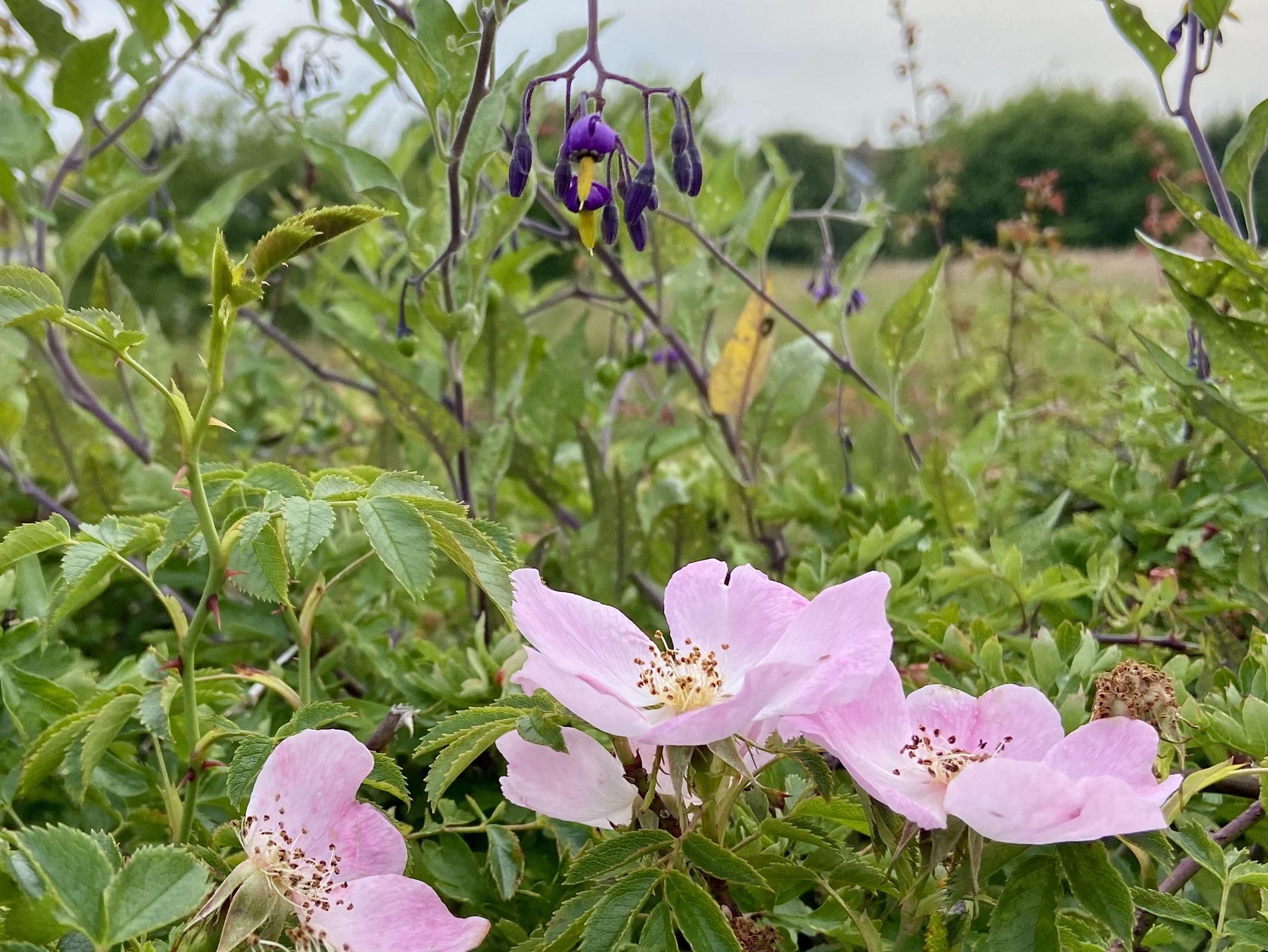
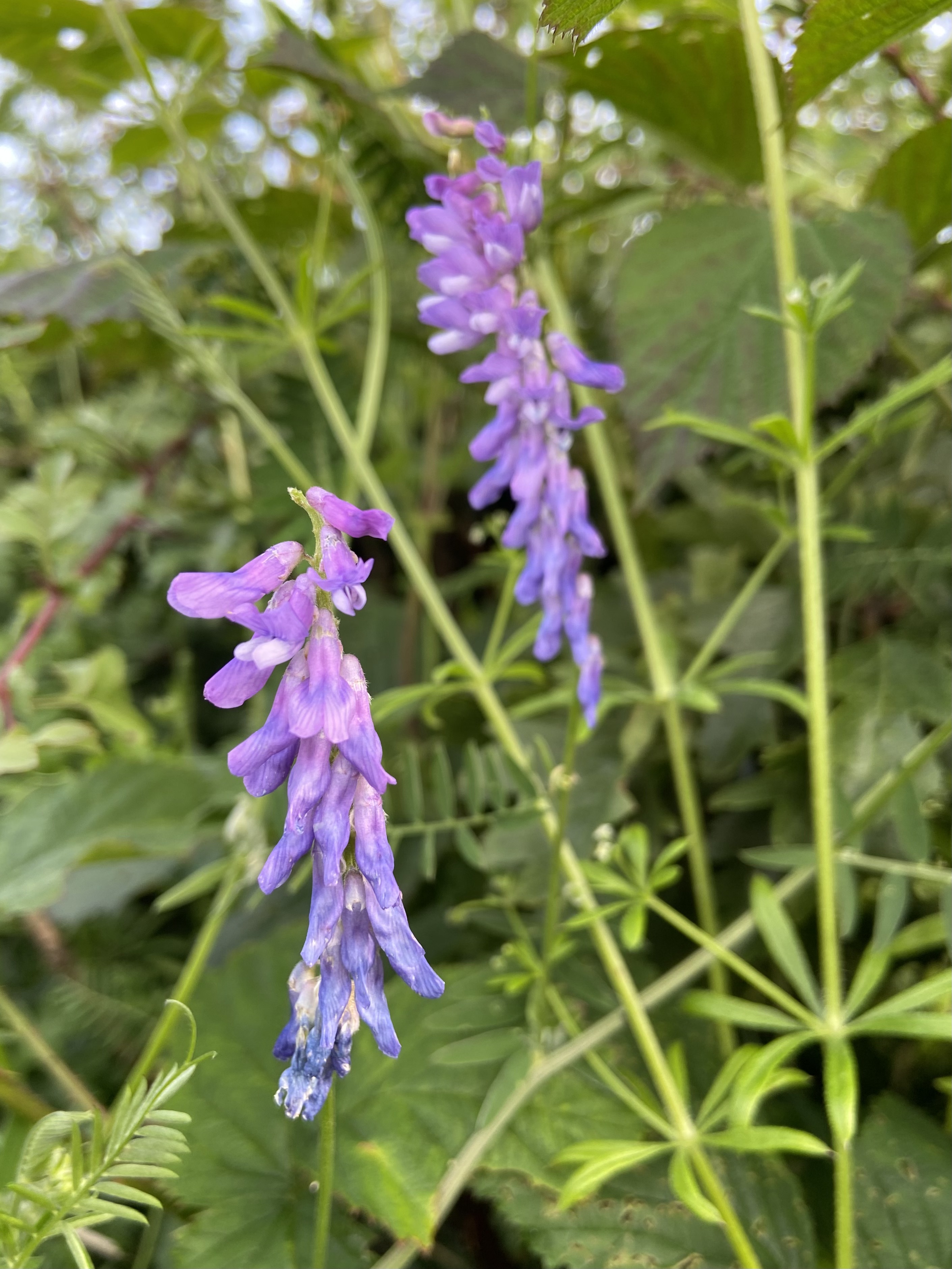
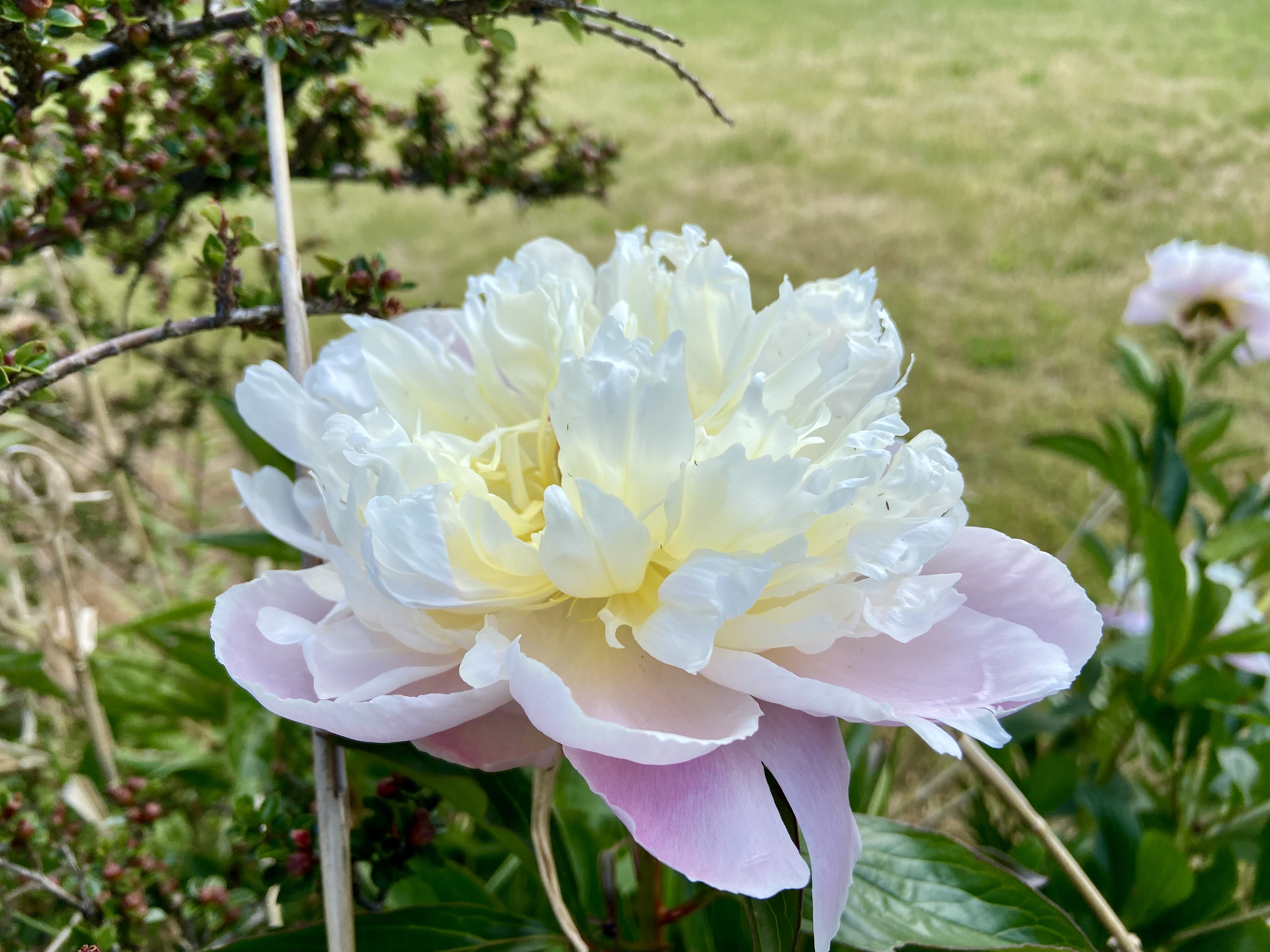
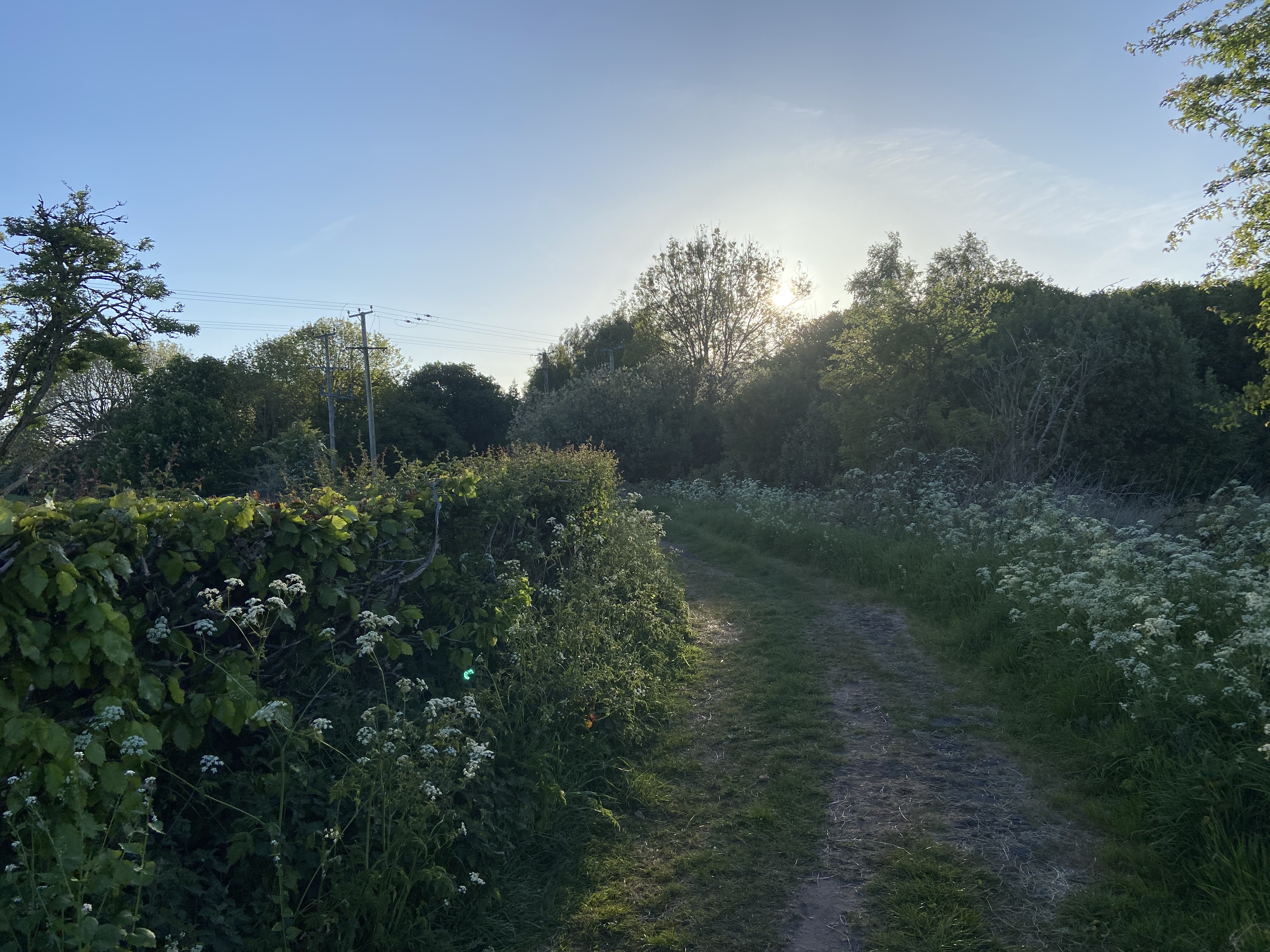
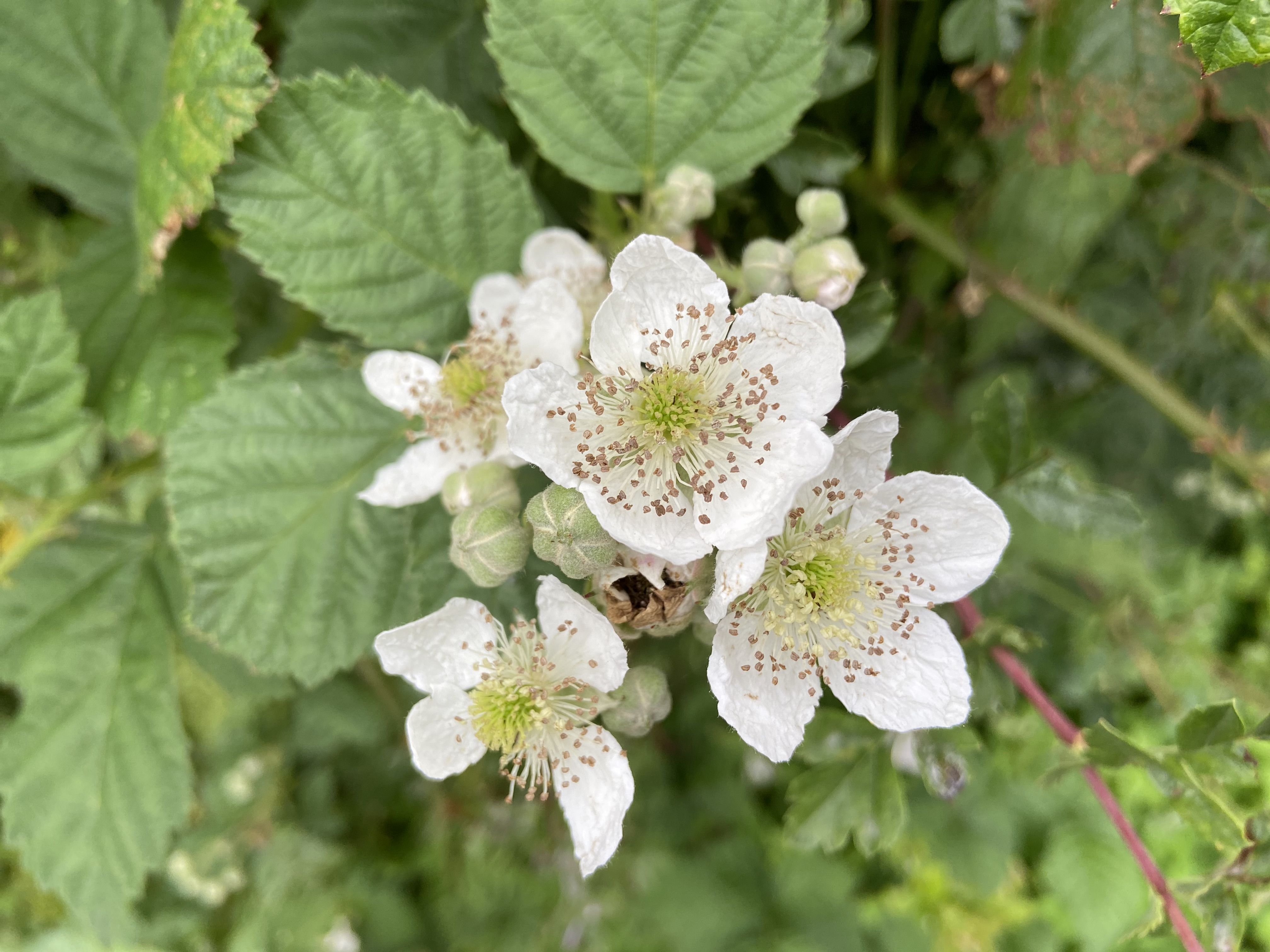
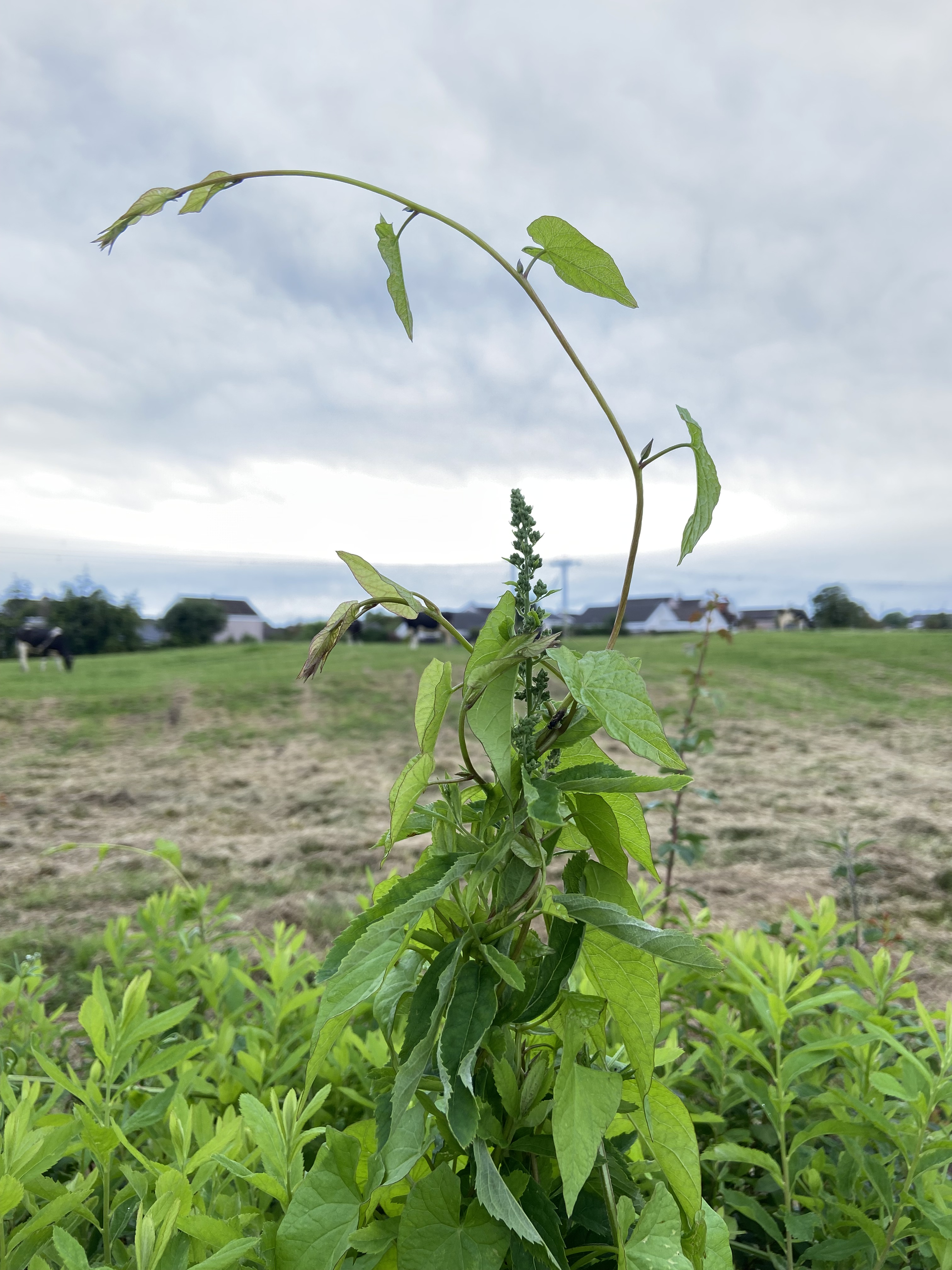
I will finish with some photos from Blackbird Lane. The hedgerow is filled with flowers and weeds and twined with different plants. I was struck yesterday by the bindweed, which is both pretty and efficient, though it achieves its height by strangling others. It isn’t just climbing through the hawthorn, but even engulfed a dead nettle and other flimsy plants. Anyway, they are all climbing towards the light and though it’s not been a warm summer, I still find new things there daily. The bees at the top of the page were there too.




























 A Vet’s Life