It has been a bit sad, sorting out everything so I can leave with everything in order. Because I haven’t been given any new cases, most of what I’ve been doing is making sure all my cases are completely up to date, before I hand them over. The welfare investigation report is done, though I think it will now go in with someone else’s name on it. The cleansing and disinfection at the bird flu premises hasn’t really got under way yet. The completed paperwork is filed, so nothing more to do there. That leaves my three TB outbreak cases.
Amazingly, the earliest of those cases, which I’ve been working with since summer last year, completed its second, clear, short interval skin test on Friday. Cleansing and disinfection there has already been completed and certified, so as long as the test is completed on the computer system (SAM)by Monday, my last act will be to lift the restrictions so that cattle can move on and off the farm again. That’s always a very satisfying moment. The other two are waiting for their final short interval tests.
There has to be 60 days between skin tests, so cases where TB is confirmed usually take at least six months to get to that point. For both of those two farms, I spent a day there doing a Disease Report Form (or DRF) which is a deep dive into the way the farm runs, to assess where TB might have come from and the risks of spread. On one of them, I joined the Animal Health Officers at the Gamma test, so spent several days on the farm. Over the months, dealing with queries and finding solutions, I have built up a relationship with that farmer.
I haven’t yet told him I’m going. That will happen on Monday, but I’ve set up the test and pre-written a Veterinary Risk Assessment so he can move his young stock outside in spring. The monthly report is completed, as is the completion report on SAM. I’m hoping there will be a smooth run to restrictions being lifted there too. I haven’t been told who I’m handing my cases on to, which is a shame as I’d have liked more time to introduce whoever is replacing me, but it is what it is and I’ve done what I can.
I was on “ready to go” duty from the weekend until Thursday morning, so everything had to stay in my car. I cleared out all my gear yesterday. I’ve emptied my cupboard and my desk. Some of the paperwork will have to be kept because there may be court cases to come, or queries made. But Monday is my last day and a lunch has been arranged. Sadly, some of my best friends can’t come as they are busy, but I’m not moving away, so fully intend to keep in touch.
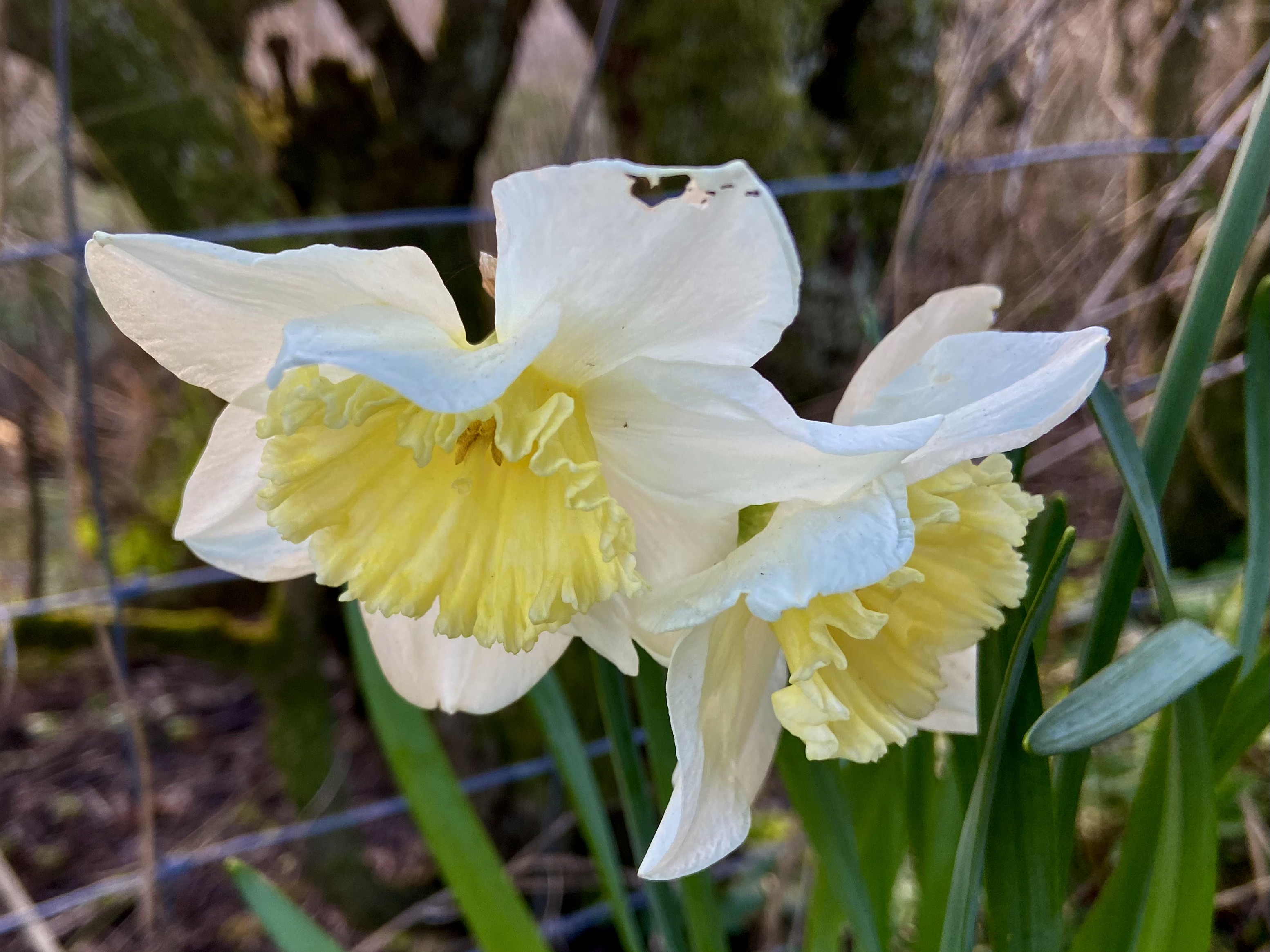
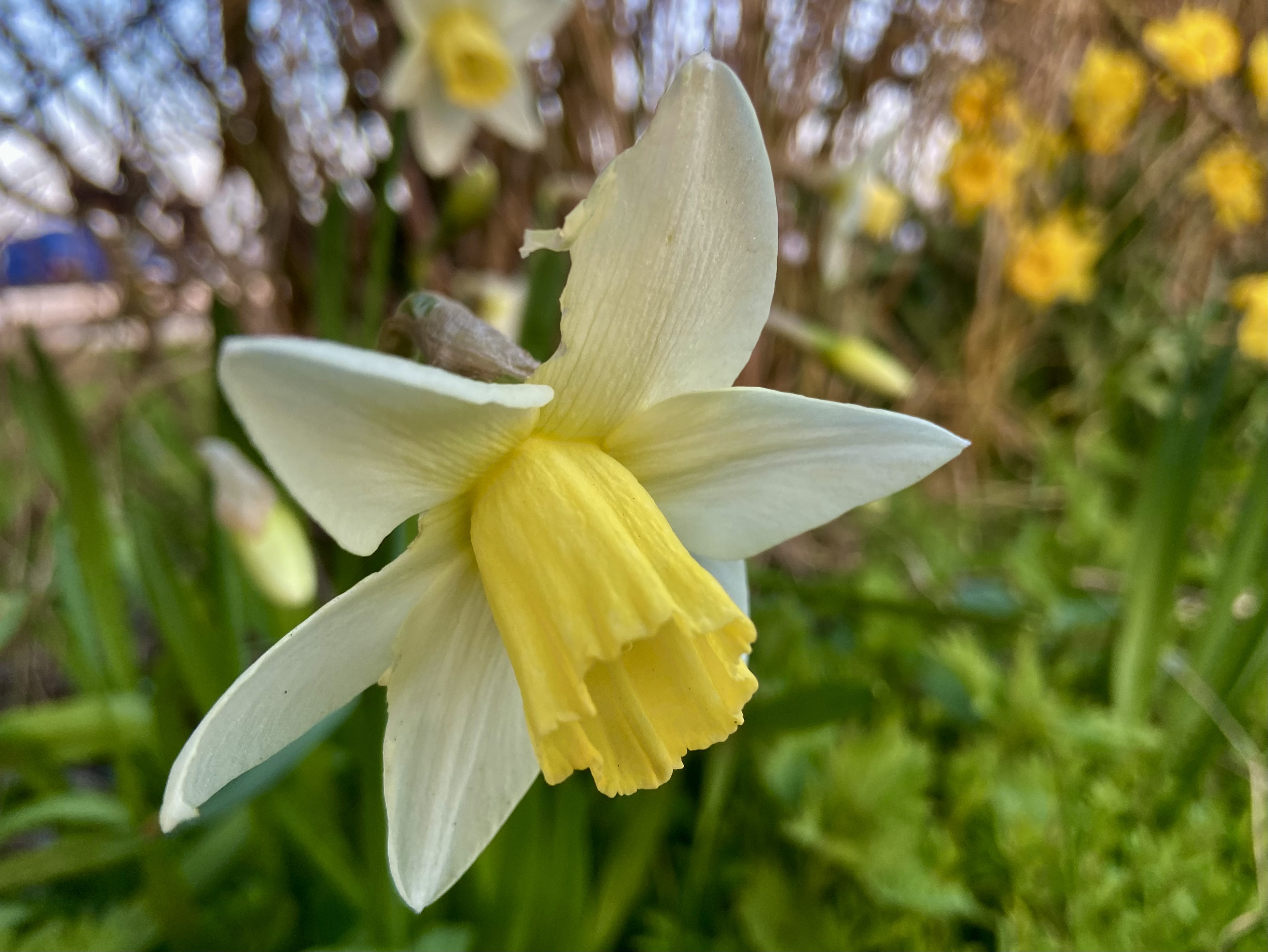
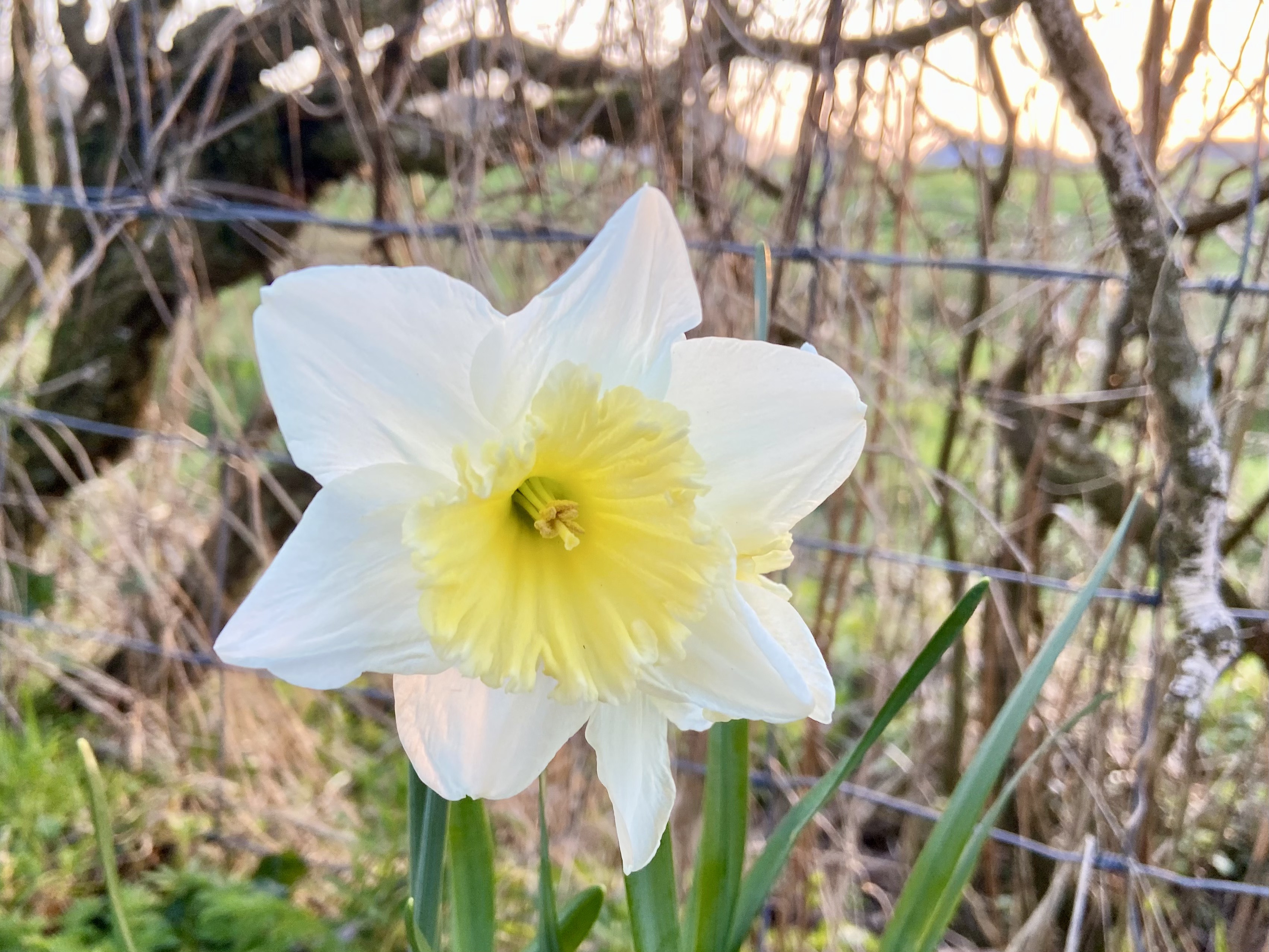
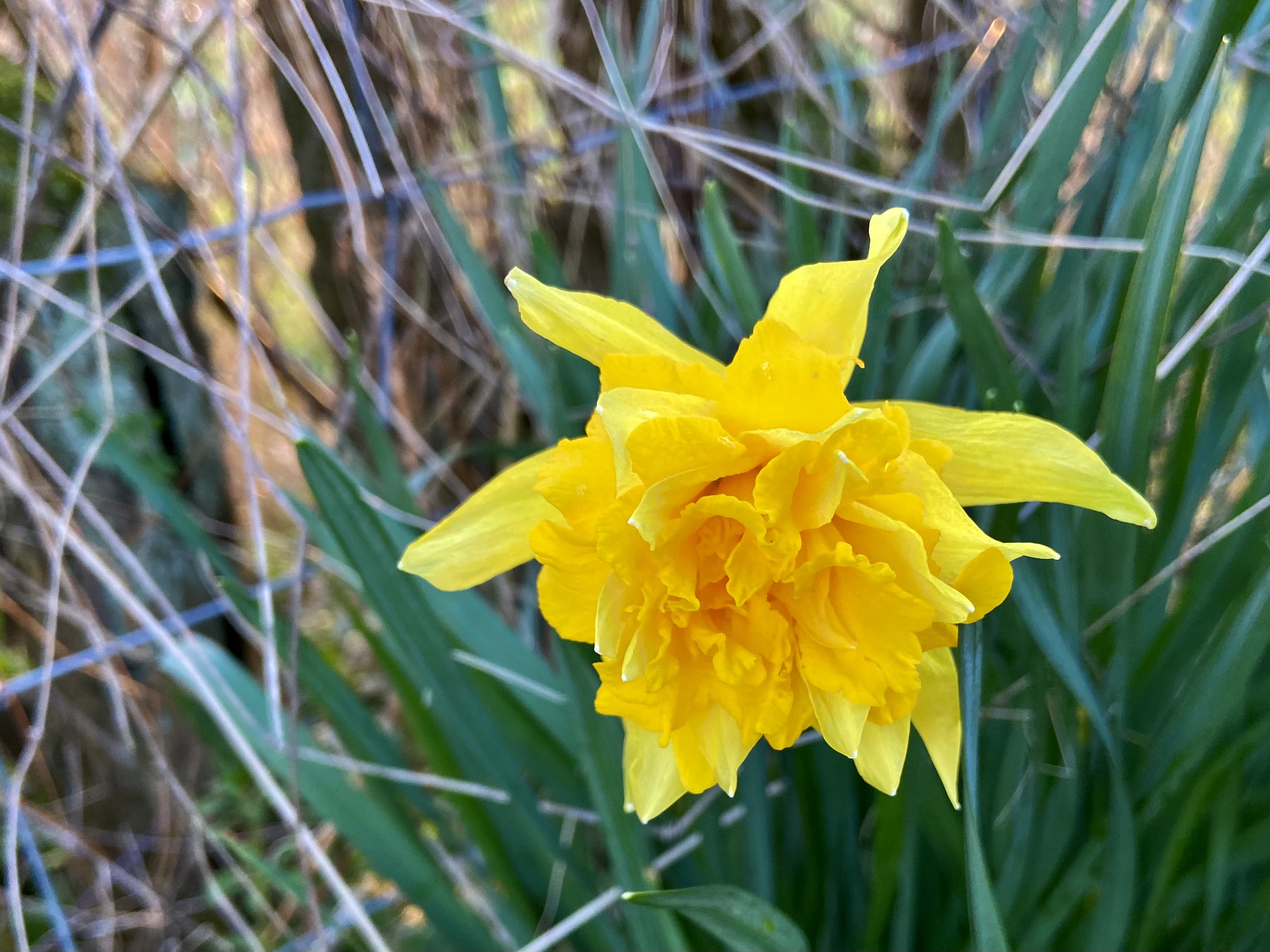
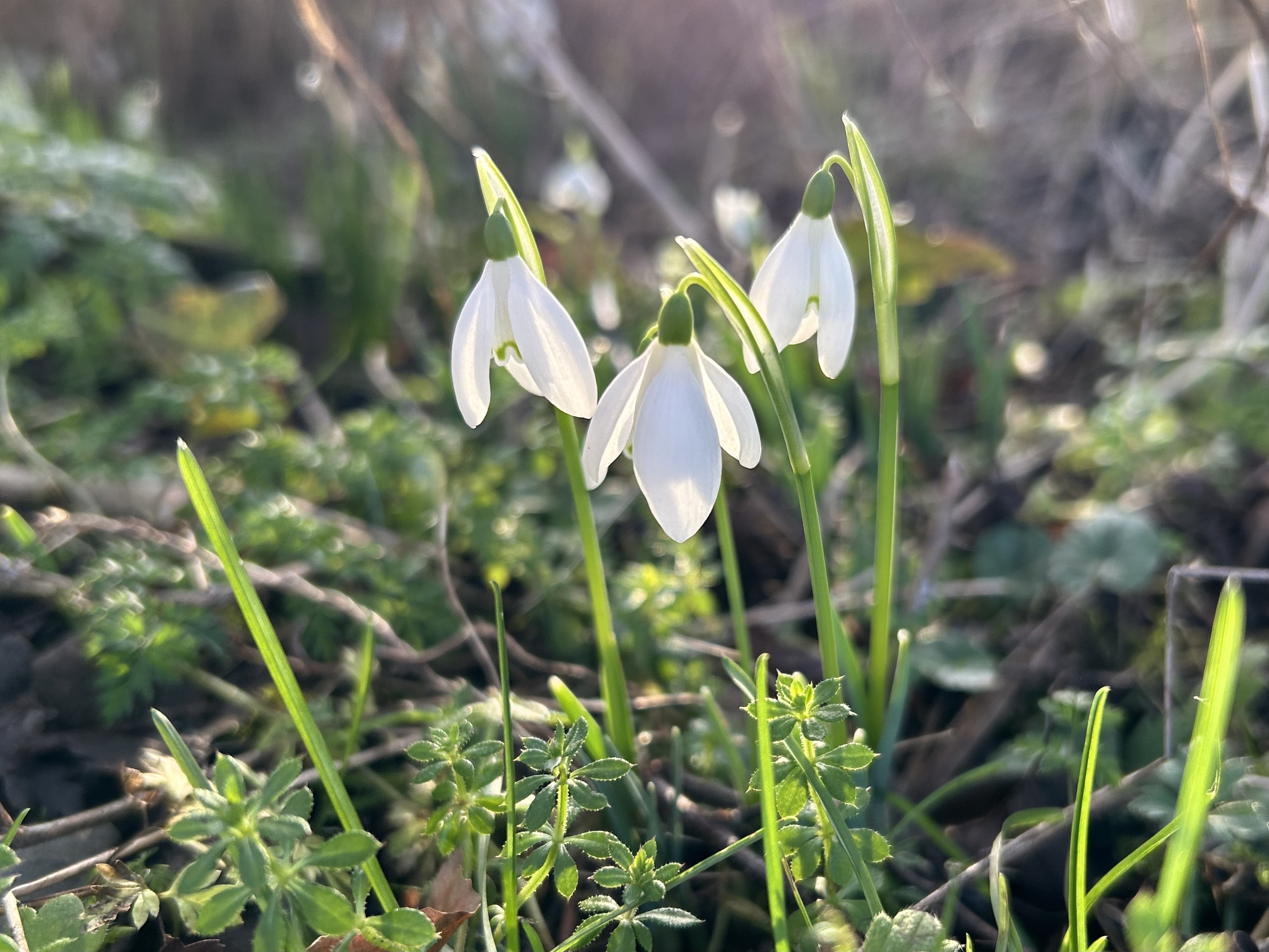
Next week, I hope to meet another ex-APHA vet for lunch and next Saturday, a group of APHA vets and I are meeting for another escape room experience, so still lots to look forward to, as well as all that is to come with my new job. It’s also spring and the birds have started their courting songs in Blackbird Lane. The variety of daffodils is very pleasing. I’m sure, when I was young, they were almost all identical.
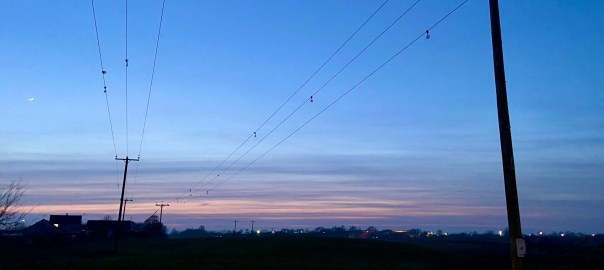
Anyway, I shall leave you with a few pictures of those. Thank you for reading and have a good week.
I’m not going to miss duty vet. It’s no coincidence that I applied to the poultry practice shortly after receiving the 2026 rota and putting all the dates in my diary. Entries in spring were relatively far apart, but the summer months were going to be intense. The thought of it set my teeth on edge.
And then bird flu hit and all my work days were filled with notifiable disease work. Real vet work: the kind I signed up for all those years ago. I’ve massively enjoyed the last few months at work and for a good while, I didn’t follow up on my application. I was meant to meet one of the partners on 14th January – the day I was sent to West Linton to investigate the latest outbreak. I sent a message to say I couldn’t and received one in return, which I skim read. Then in a whirl of printing forms, rearranging evening engagements and finding care for Triar, I headed off.
In truth, I was so busy and engaged, I probably wouldn’t have checked back in at all, if it hadn’t been for Liz, my sports massage therapist. I started going to Liz last year, to ease shoulder tension, which was one of my better life choices. Before she begins, she catches up with how things are going. She asked about my application and it was only then I actually looked back to review what my contact had written. To my surprise, his message didn’t say we could arrange a different time for an interview. It said he wanted to inform me about the job, and terms and conditions to see if it would help with my final decision. I told Liz I would reply later. She said, in essence, “Why wait? Do it now!” I sent a message there and then.
I met him in a cafe in mid-February. We got on well, but I still wasn’t sure. The job itself might be better, but weighing up the differences between public sector and private practice is difficult. I was working out how to say I was going to turn the position down when the more senior partner in the practice messaged to ask if we could chat. He asked me, in essence, how they could make this job the perfect fit for me. What would I enjoy? What problems could I foresee? I don’t think anyone has ever asked me that before.
I am probably beginning to sound like I never make decisions by myself, but having discussed the pros and cons with Donna the night before, she had suggested that maybe a few days at Inchcolm would resolve my doubts one way or another. So I suggested to E that I would book some time off and spend a couple of days with them, seeing what they do.
Those two days were honestly great. They genuinely were listening to my concerns. One of them was the age of my car. The more senior partner called yesterday, in the middle of a nightmare day of duty vet, to tell me they’re getting a pool car I can use sometimes. Not sure how it will work, but even before I’ve arrived, he’s finding ways to make my life easier.
But yesterday was a good reminder of why duty vet is so tough. I know what I am doing a lot better now, so juggling the questions and problems that come in isn’t quite so difficult. The biggest challenge is when the cases come in so fast that there isn’t time to deal with them. You resolve one and find two more waiting. Each situation is a unique puzzle, needing research and consideration. By yesterday afternoon, my brain was frazzled. And then I called an estate owner to tell him that we’d had a report of sheep scab on his farm.
The procedures and laws around sheep scab are inflexible. If we receive a credible report, we are obliged to put the animals under a movement ban until the owner shows the sheep have been treated or their vet has certified the animals as clear of parasites. This leaves farmers at risk of malicious reporting. I check records to see the history, such as frequent reports or recorded objections from farmers of over-reporting, but there was nothing on this account to suggest anything of the sort.
I’m usually good at handling people, but this time it didn’t work. I was roundly shouted at when I explained I couldn’t say who had made the report. Even if I’d wanted to, I couldn’t as the report was anonymous. I was abused for the system being bad. The system is awful, but I was only the messenger. It was after three on a long day, with two more cases waiting for me and it was just too much.
I made myself a coffee and pulled myself together and carried on, but it was a stark reminder of how awful duty vet is. I got home from work late and wished I could have a glass of wine, or that there was someone there to hug, but I was on call. I’m on call all weekend, which is fine. I can cope with whatever is thrown at me. I’ve said before that one of my aims is to help farmers through incredibly stressful events. I’m good at it. But being shouted at when there is no need, for something that’s not my fault, leaves me drained and empty. I won’t miss duty vet.
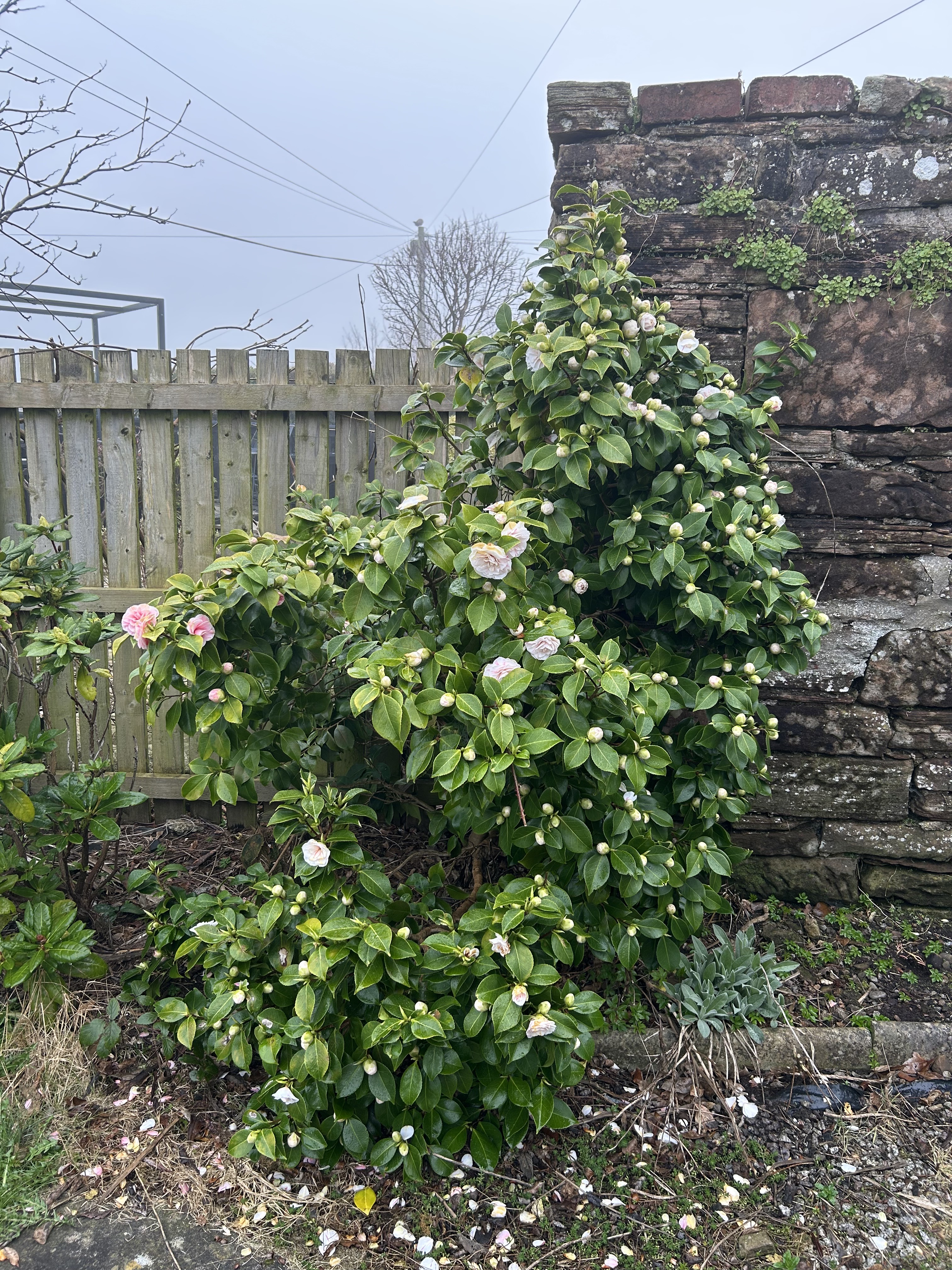
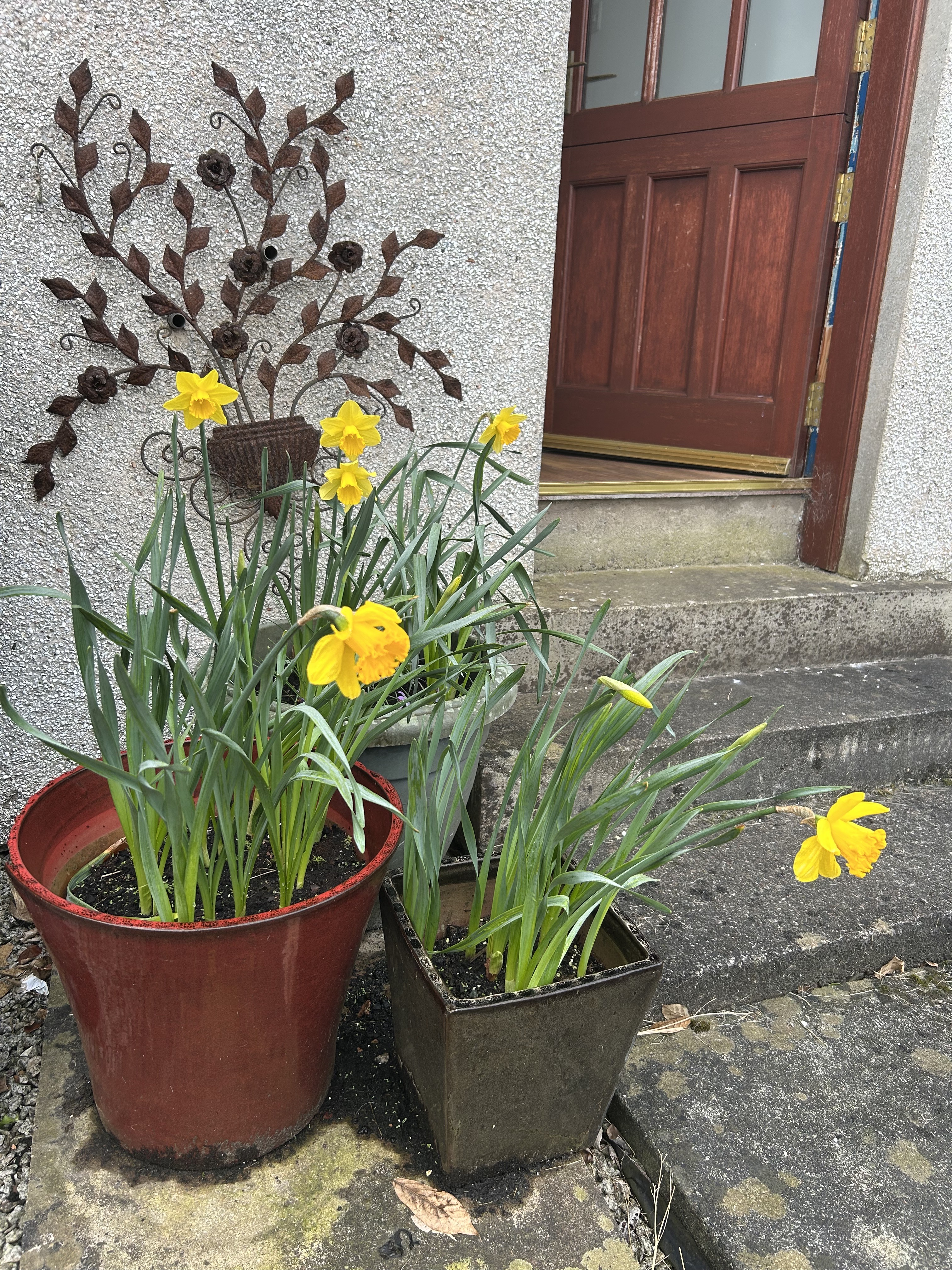
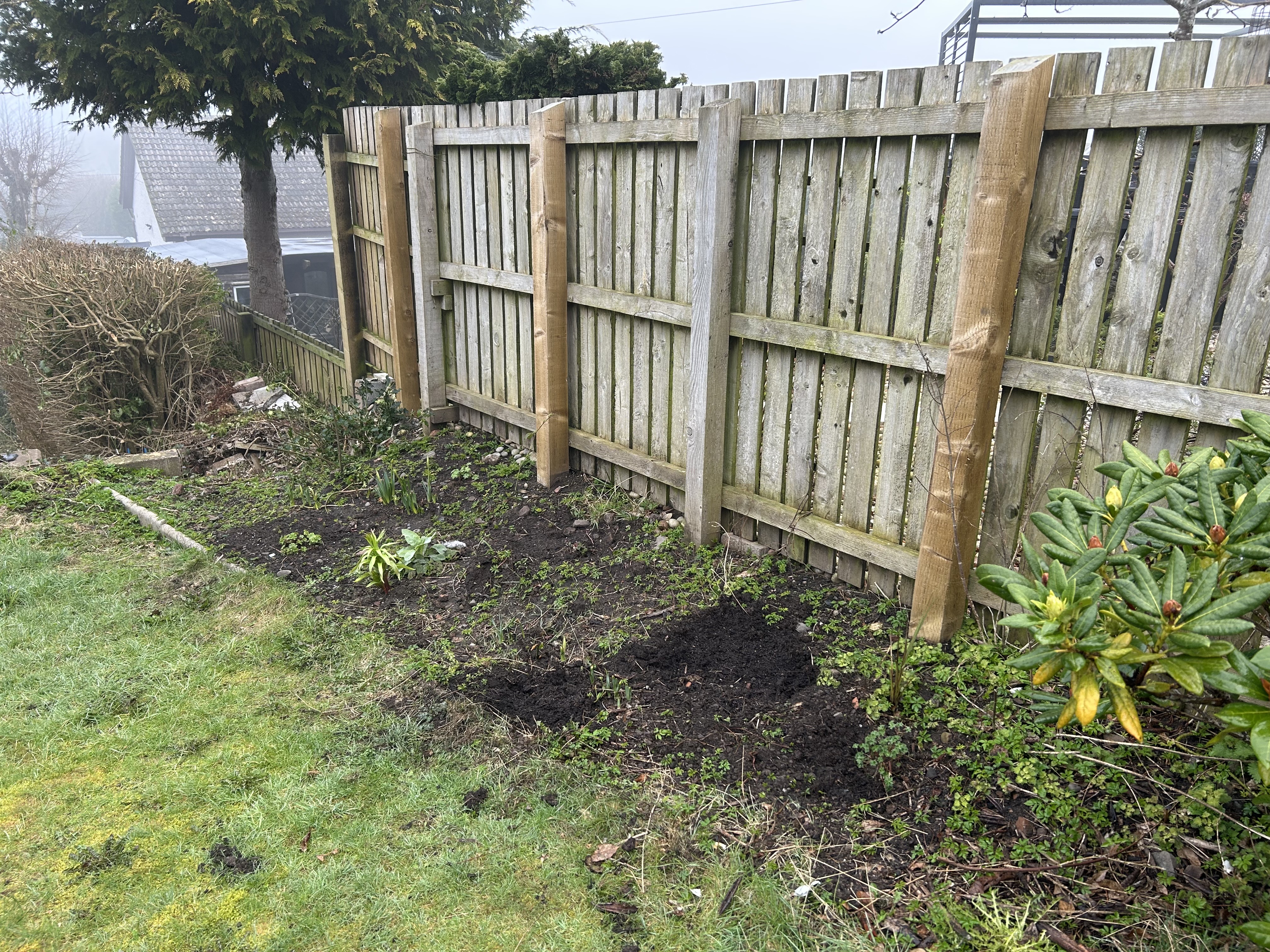
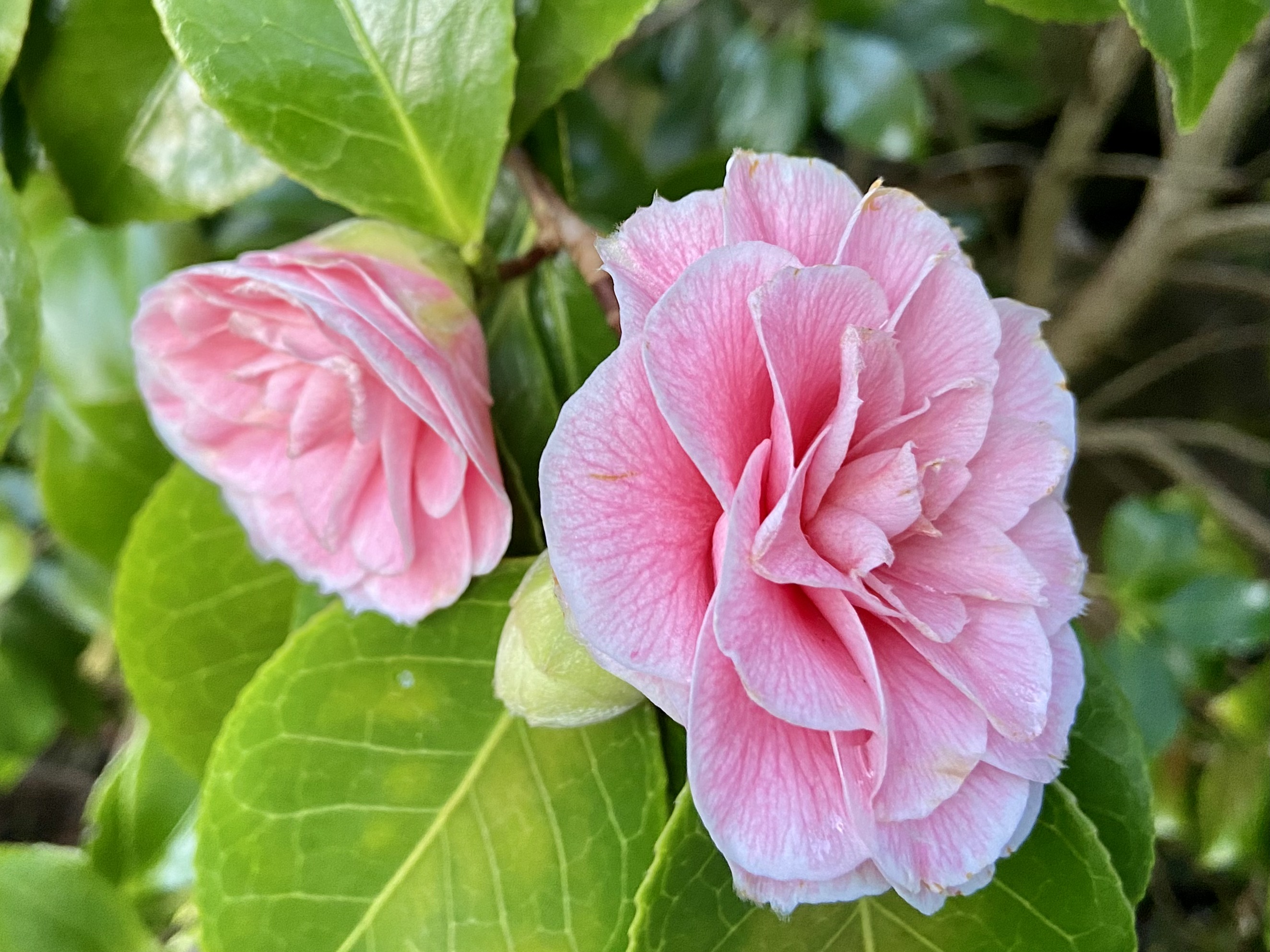
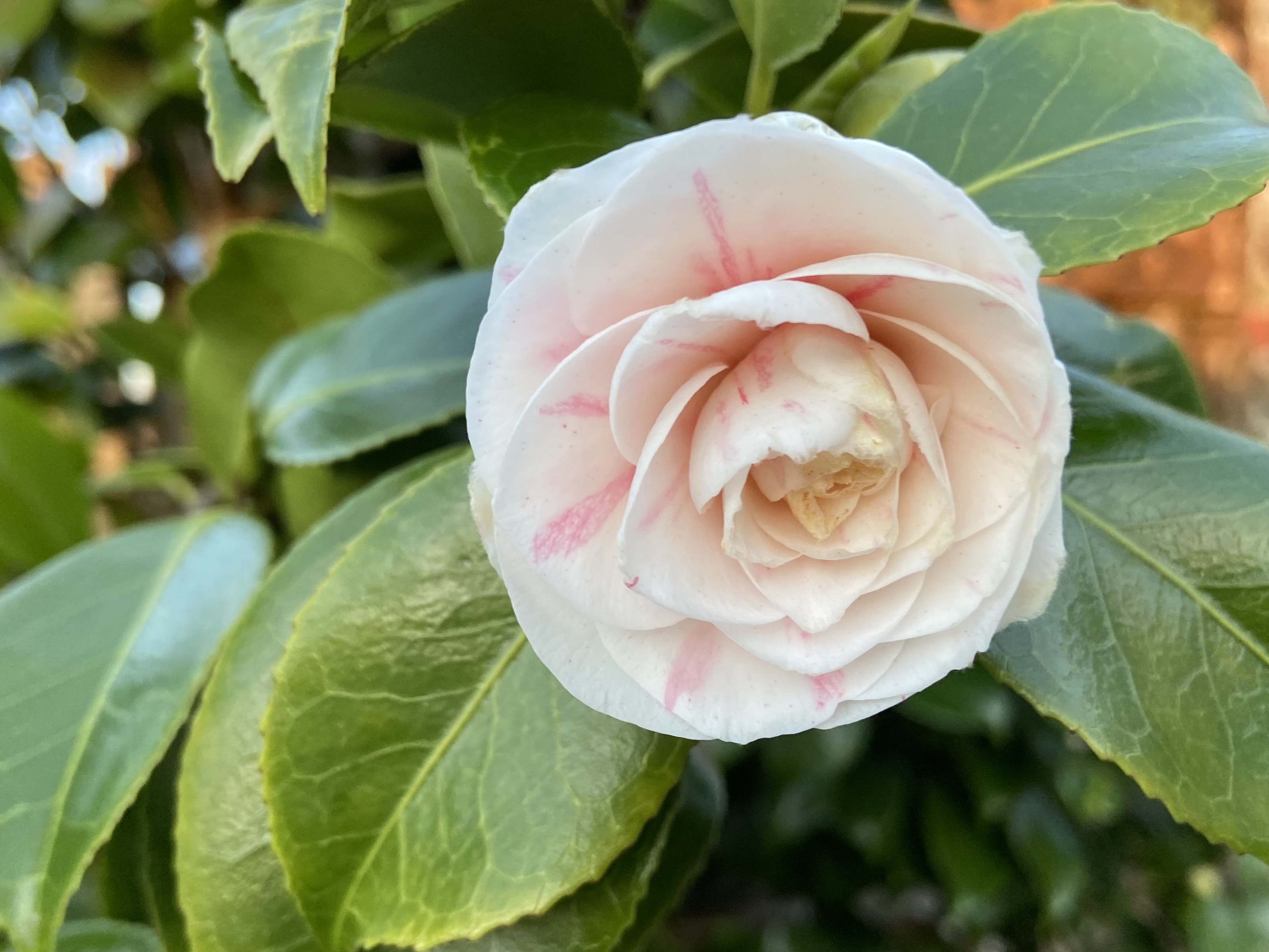
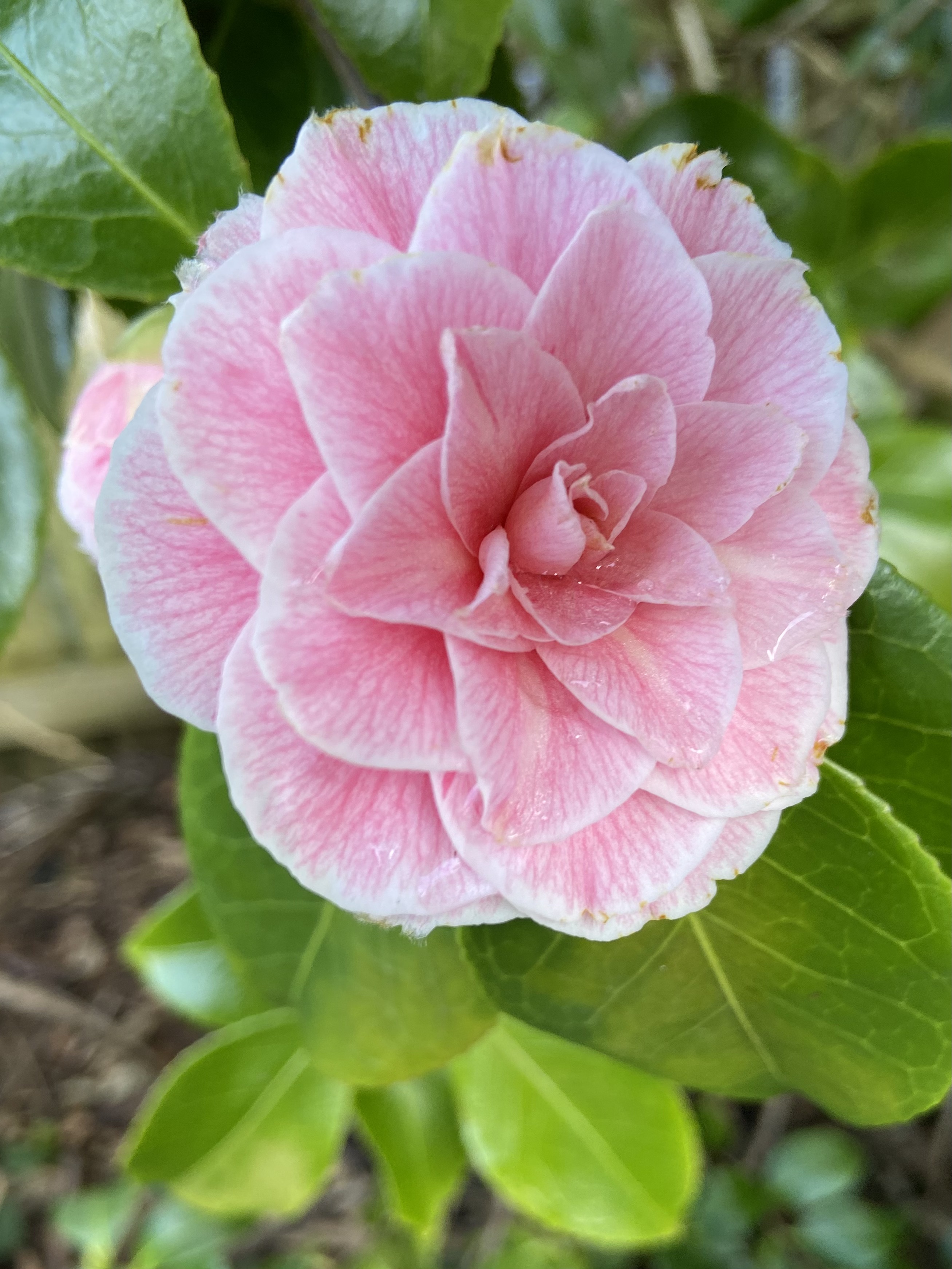
I’m going to leave you with a few pictures of my garden. The camellia has too many buds to count. I’m happy with the pots beside the door, though what comes next is a good question. I’m working on the flower bed that was overrun with ground elder. I’ve dug out masses of roots and planted competing geraniums, compost and seeds, but there’s still lots more to dig out and I’m not sure whether me or the ground elder will win this year. It will probably outmanoeuvre me, as a novice gardener. The good thing is that, even if I mess it up, there’s always next year!
Thank you for reading. I hope you have a good week.
Last week on my two day holiday, I spent my time in Dunfermline, as I mentioned last week. What I didn’t say was that I was visiting a vet practice to see if I wanted to work there. The practice works with poultry, which is an area that has interested me for a while. I prefer production animal medicine over treating pets and, much as I love cows, I don’t think I’m up to calving them at three in the morning any more.
I must say, I immediately felt at home there, with the people and the set up. It felt friendly, busy enough to be interesting, but not manic, and they had a Nespresso-type coffee machine and two kinds of milk. The last point may sound a bit of an odd thing to focus on, but from past experience, the best practice I ever worked in had a coffee percolator which was permanently in action. The boss there cared enough about sitting down with a good cup of coffee that he went a step further than most places to make sure everyone benefited.
Handing my notice in was sad though. I’ve been very happy working for APHA in recent months. Ironic as it has been so busy that it has been almost impossible to keep up, but I’ve been working almost exclusively on TB and bird flu, which I enjoy a lot more than imports and by-products, or even welfare. Not really surprising as working with sick animals was what I trained for, all those years ago. I will also miss the team I’ve been working with and my line manager and vet advisor, who have both gone the extra mile to look after me. I’ve also already booked lunch with Scott, one of the Local Authority inspectors I worked with often. Having carefully built up all these relationships, now I am about to let them all go. I guess the ones worth having will continue and erstwhile colleagues may become long-term friends.
Things are moving on in the house too. After over a year of living in a building site, the end looks to be near. My first approach to a carpet shop resulted in a quotation for carpets (two bedrooms and stairs) of £6,500. I said I would go back and look at other carpets, but instead, I am trying another shop. Someone will come round to measure up on Monday and I’m hoping for a price that doesn’t involve going deeply into debt. The young man giving me the high quotation didn’t seem to have any idea that the price was ridiculous. Nor did he make any alternative suggestions or offer any help. Perhaps he thought I was ridiculous because I wanted to order in a carpet I’d found online, rather than in their store, but he certainly isn’t a natural salesman and he lost me as a customer.
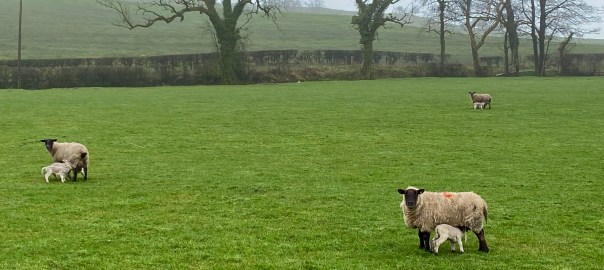
The picture at the top of the page is of newborn lambs I saw when out on a visit this week. I’d been out examining some cattle for signs of bluetongue, while an AHO learned to blood sample. Those blood sampling training visits are probably the thing I will miss most. Getting to drive around beautiful areas of farming country has always been one of the major benefits of veterinary work. My new patch as a poultry vet is likely to be mostly in Cumbria, so hopefully there will be new photo opportunities! The area round Dumfries is beautiful, but gently rolling, which requires more photographic skills than I possess.
Anyway, that’s all for this week. I hope you will continue to join me in my new adventure, which will begin after Easter. Thank you for reading and I hope you have a good week.
It feels like a long time since last weekend. Monday was a typically busy day with queries flying at my head from farmers who aren’t allowed to move their cattle as they are under movement restrictions. I was also chasing up information for a report about welfare in transport issues and (probably predictably) my oversight over bird-flu cleansing and disinfection needed rapid attention in the afternoon. It would have been easier if I hadn’t taken holiday on Tuesday and Wednesday, but I wanted to get my desk clear before leaving and I did.
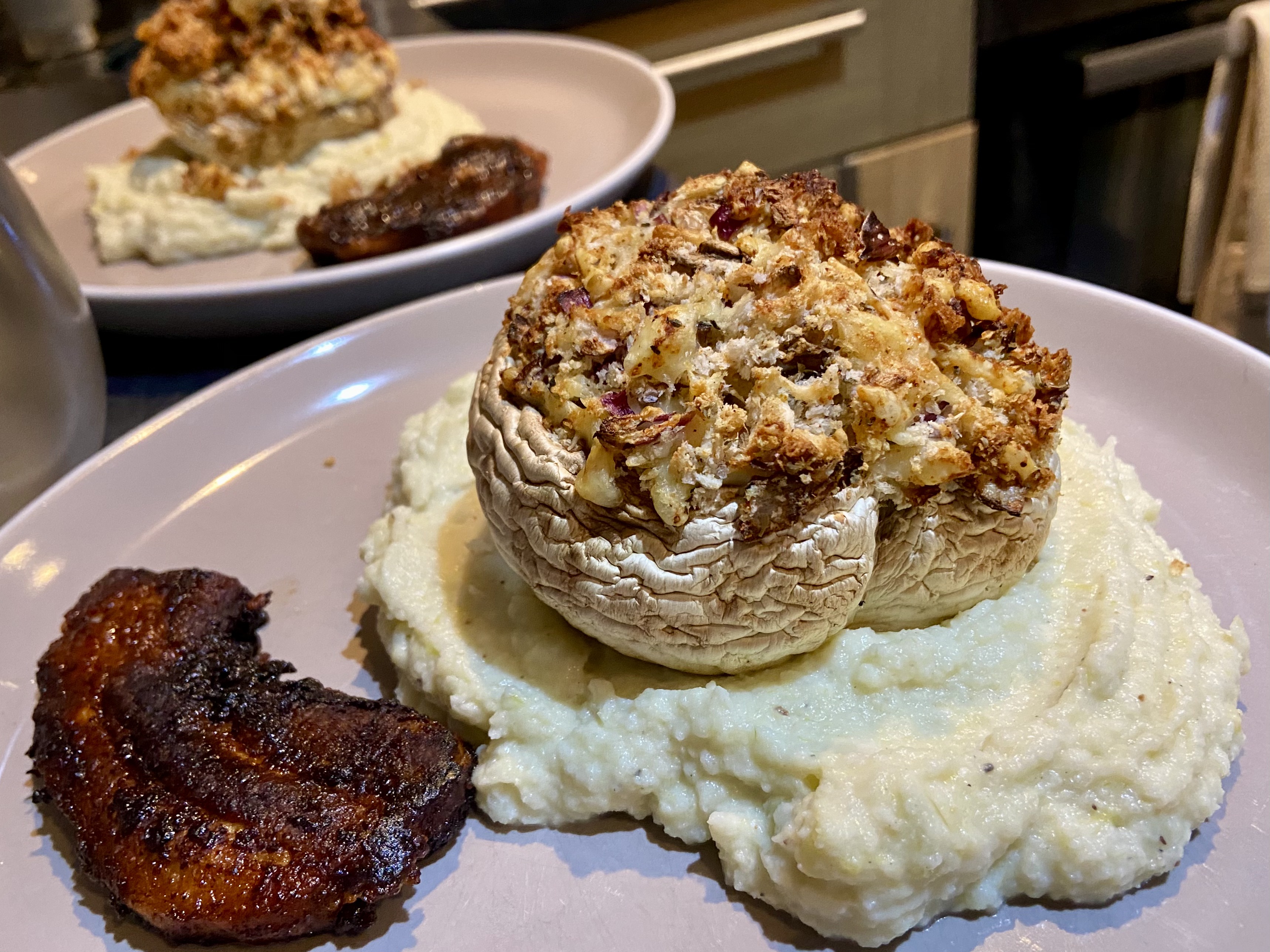
I spent Tuesday and Wednesday in Dunfermline. More about that next week, but I was lucky enough to stay with Valerie in Airth, from where it was only a half hour drive. We had planned to cook stuffed mushrooms when I was there at the weekend and we did that, using garlic and herb cream cheese with a crumb, cheese and onion topping. Cauliflower and leek purée made a wonderful accompaniment, with a slice of fried belly pork on the side. Delicious!
Thursday, I played catch-up and prepared for Friday’s Bluetongue tracing visit. They have found the virus in animals in Northern Ireland, so now we are testing cattle that might have been in contact several months ago. It was a gorgeous sunny day and, for the first time, I was out with my colleague Lisa as she trained a recently joined up Animal Health Officer to blood sample cattle. I had to do a clinical examination of them, while another vet from a local practice did a TB test. Happily they all looked fit and well. The farmer was lambing, so had to leave before I could present him with all the questions I need answers to to complete the predictable ream of paperwork, but I shall go back there on Monday and finish up.
By the time we were done, I was very thirsty, so I decided to stop on the way back for a coffee from the garden centre where my card gets me free drinks. They have a selection of delicious looking cakes there and I hadn’t had any lunch. This time, my eye was caught by the cake at the top of the page. Described as an apple and carrot cake, with lemon icing and pistachio, I really thought I couldn’t go wrong. Moist carrot and apple cake, I thought, which would be tempered by delicious tart lemon to cut through any heaviness. Maybe the pistachio was a step too far, but such a delicious combination could surely not be spoiled, I thought.
I could not have been more wrong. My first advice would be never to buy the last slice of any cake. I’ve never experienced dry carrot cake, but somehow this one was dry enough to stick in the throat. The lemon icing and lemon curd, rather than being tangy, was cloyingly sweet. I genuinely took my first mouthful and thought I should leave the remainder, but if course, my finish-what’s-on-your-plate training kicked in. Reader, I ate the lot.
The last mouthful had something chewy in it, that I initially assumed was a thin slice of candied lemon. It took several minutes of chewing and a lot of hard swallowing, before I realized it was a slice of pretty much dried out apple, which still had the peel on. Driving on afterwards, I suffered some regrets at having wasted part of my precious calorie intake on something so grim, but the deed was done and … well I got over it. What else was there to do?
Spring is arriving properly in my garden. My camellia has so many buds on it that they are almost as prevalent as the leaves. The daffodils and crocuses are still glorious and I feel a warm glow when I look at them as I planted them in the autumn and this is my first real act of gardening. Today I have been out to try to buy some hardy geraniums which I hope will manage to compete with the overwhelming ground elder invasion in one of the flowerbeds.
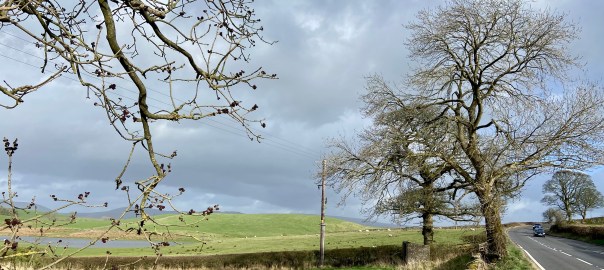
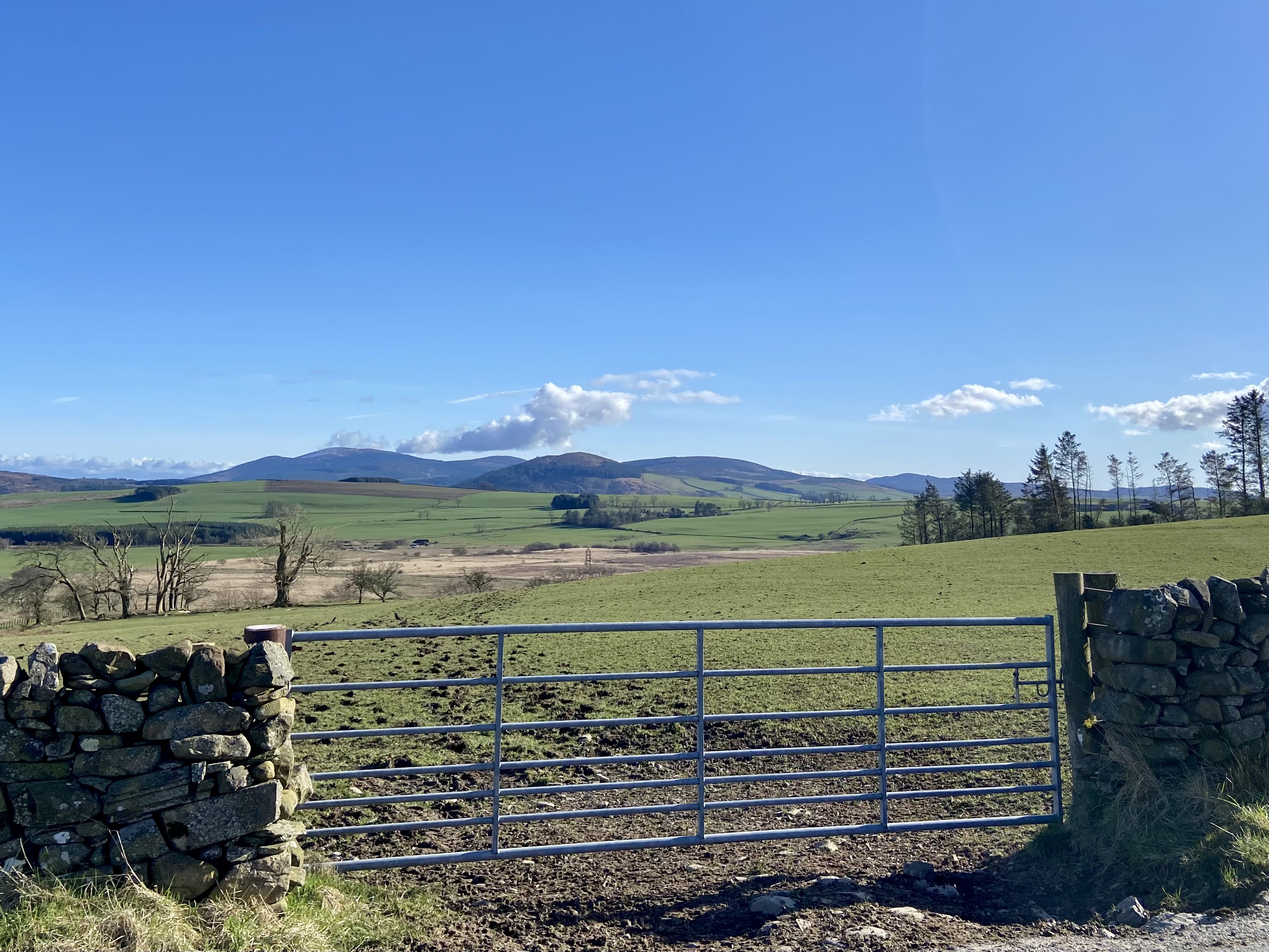
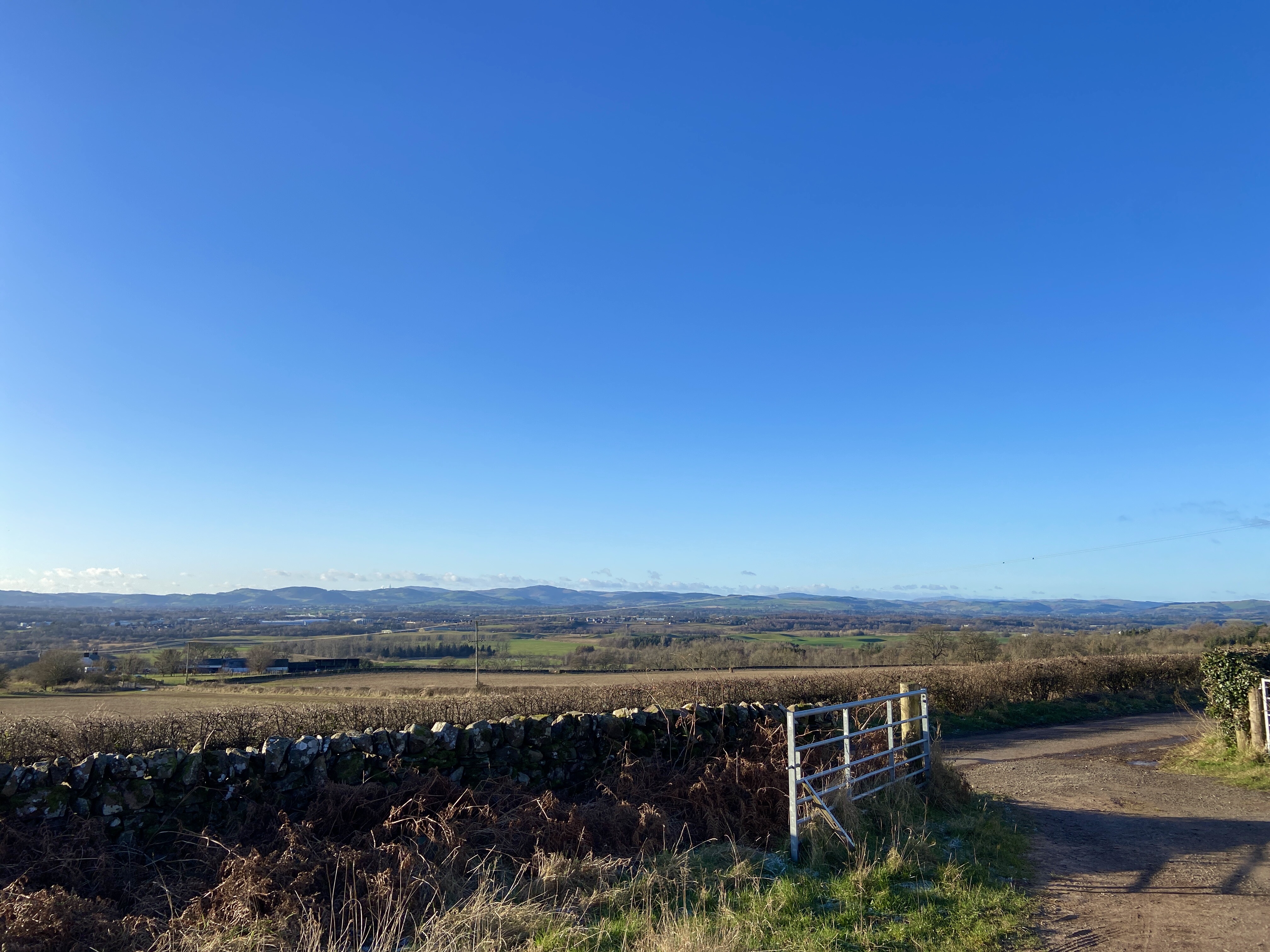
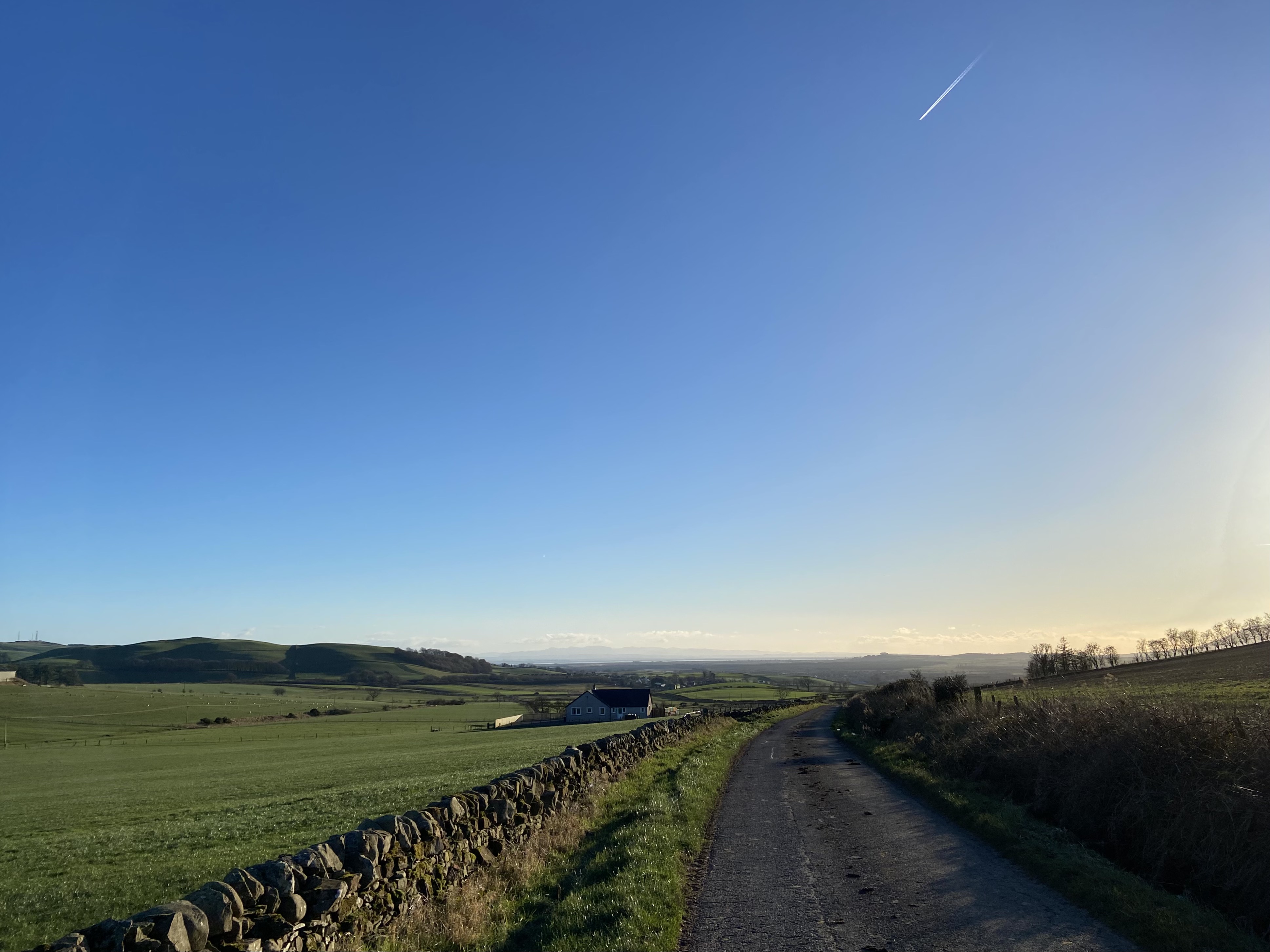
And now I’m back in Yorkshire for more house-move shuffling. One day we will get there, but for now, I will leave you with a typical scene from the gently rolling part of Dumfries and Galloway where I live. Have a lovely week all and thank you for reading.
Some weeks, this blog almost writes itself, but I can tell this isn’t going to be one of them. Very little has happened and the most exciting picture I have for the top of the page is of the lemon curd tart I bought in Costa at Southwaite Services as I drove home from Yorkshire last Sunday. It was, at least, a nice tart. The pastry had a pleasant crispiness, the lemon flavour was tangy and it was well complemented by the milky coffee. I would recommend it, if you are in the mood and can’t find a local cafe that serves your needs.
At work, my week was broken up by meetings, appointments and duty vet. On Monday there was our monthly team meeting. In the past, this was often in Ayr, but Ayr office has been unusable for some time now, so everyone comes to us in Dumfries. The afternoon was enlivened by a spontaneous Yoga session, where Lesley showed Tommy a few moves.
Wednesday, I went to Hamilton for a face fitting. The FFP3 masks we use when dealing with a lot of dust or low levels of viruses have to fit well or they simply don’t work, so they attach the mask to a tube that measures breathing, then put us through a series of contortions as we simulate walking, to check that whatever we do, the mask doesn’t leak. It’s quite good exercise and I was quite glad I passed first time. If you don’t, the mask has to be adjusted and you have to go through the whole rigmarole again.
Yesterday, I was duty vet. It was quiet for most of the morning, then in the afternoon, one of my routine cases threw up a big piece of work at almost exactly the same time that a complicated new TB case came in. Much of the time, I’d say I work efficiently, but when that sort of load falls on me, I can manage so much and then it all seems to come to a standstill. At that point, I need clear instructions and the checklist I was using for dealing with the TB case had loads of extraneous instructions because the case handling had been started at an abattoir in England. Trying to work out which steps I had to carry out and which had already been done was more complicated than I needed it to be. Still, in the end I got there and did a couple of extra tasks that will ease the farmer’s progress through the process, which is something I always work hard to achieve.
On the housing front, the decorator has finally finished the bedrooms and hallway. My long, long building project is close to being complete. I got the hall painted white and it looks glaring right now, but I am starting to have ideas about where to hang paintings and what to do to break up the blank walls. The glorious new varnished wood in the bedrooms has given me a hankering to replace the dark, orangey brown wood in the hallway though. The joiner inspected my kitchen and bathroom doors and said he could come back and change them, so perhaps he could do some work in the hall too. However, the next steps are carpeting and getting the light fittings put in. After that, I can decide what to do next!
So that’s really it for this week. I’m on call, so the weekend ahead may be quiet, restful and boring, or if a case comes in, it may be the exact opposite. Only time will tell. But for now, thanks for reading, and I hope you have a good week.
I was meant to be going to York this week for a conference on TB. I suppose I’m not surprised, but my trip was cancelled yesterday afternoon as they need me to cover duty vet from Tuesday evening to Thursday morning. I knew others had already cancelled, and really it was going to be hard to fit in my TB cases (and ongoing work round the bird flu outbreak) around it, but I am disappointed. It would have been a good chance to meet with the UK APHA team who are trying to eradicate the disease from the UK and to better understand the fuller picture.
I do have a day of flexi booked for Monday and at least that is being honoured. I’m paying a flying visit to see mum and dad, so that can still go ahead. They are still in the throes of moving house, so help is needed.
On the home front, the decorator finally arrived on Monday and has been doing a sterling job on the woodwork bedrooms upstairs and the hallway. I asked him to paint the hall white. It’s an old house and rather dark, so this seemed like a good plan, but it struck me when looking at it that I’m used to Scandinavian white walls with wooden skirtings, that break the whole thing up. It’s not quite finished, but I’m now looking at what I can hang on the walls and how many plants I need to bring in to break up the blank look. I don’t really have the spare mental capacity or indeed the finances to tackle it all at once, but I’ve been living in a building site for more than a year now. I can wait a bit longer.
I was out yesterday at two farms. One has a TB outbreak, the other has been put under restrictions because some stock from the first farm are being overwintered there. When a farm has an animal that reacts to a TB test (or where TB typical lesions are found at the slaughterhouse) that farm is automatically placed under a movement restriction. This isn’t as cataclysmic as the bans for bird flu (which mean everyone and everything coming on and off the farm needs a licence) but it does mean cattle can’t be moved on or off.
Straightforward enough, you’d think, but I’ve been amazed since returning to the UK, to find out how intricate the UK farming industry is. Perhaps I just wasn’t seeing some of the detail, but mostly in Norway it seemed that cattle were born on a farm, grew up there, gave birth and milked and/or raised their young (some of which were sent to the abattoir when big enough) then died. People sometimes sold animals and of course, they were moved from winter housing to summer grazing, but mostly I wasn’t aware of too much moving around.
Here in the UK, many beef cattle are born on one farm then go to the market and are sold as “stores”. They stay on that farm for a while, then go back to the market and are sold as “finishers”, before finally being sent for slaughter. In addition to that, lots of farms send a few of their cattle to overwinter on someone else’s farm. I guess this maximises the number of animals. If you have plenty of grazing, but not quite enough housing, and someone else has sheds they’re not using, it makes sense in a way, but from a notifiable disease perspective, all these moves are a nightmare.
So then, back to my second farm that is under restrictions because there are animals there from the breakdown farm. There are animals from three farms on that premises. They are there for the winter, but there isn’t grazing space in the summer and now they are under restrictions where they can’t be moved off until we are as sure as we can be that none of them have TB.
Not talking about the specific farm, but in general, there are various possible groups. Some might be finishers, so they can still go to the slaughterhouse (under licence) when they are big enough. Others might be dairy heifers. They are overwintered on farms where there is no dairy or facilities. If they are in calf and calving is imminent, they may need to be moved to somewhere they can calve and then be milked.
As you can imagine, this all becomes very complicated. Occasionally we can move animals on welfare grounds, but all such moves have to be justified, with an assessment of how much it will increase the risk of spreading disease and how much it might cost the government if a healthy animal is moved to an infected premises and picks up the disease. I must admit, I often look at this whole web of movements and wish it didn’t happen.
Anyway, after looking at this particular situation, I now need to apply for general licences for the two sets of finishers that are present, then I need to call the third farmer, who I haven’t yet spoken to (the land owner should have informed him of the restrictions, but I can’t control what third parties do) and ask what animals he has there and whether they are fine there for the foreseeable future, or whether being there longer than expected might create a welfare problem.
So as you can probably see, finding a single animal that has reacted to a TB test can cause a cascade of work. And that’s before we start to look at testing neighbouring animals that might have said hello over a wall, or where animals might have come from and been sold to. In one of my other cases, they have finally identified the strain of the bacteria. Now I have to look at other farms where they’ve had related strains to see if I can find any links. It’s fascinating work, but there’s quite a lot of it and a finite amount of time in which to do it. So really, it’s probably just as well I’m not going to York, but it’s still a bit sad I can’t go.
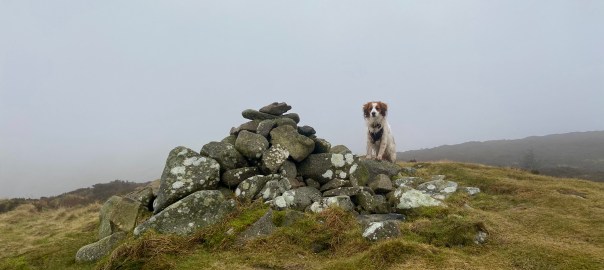
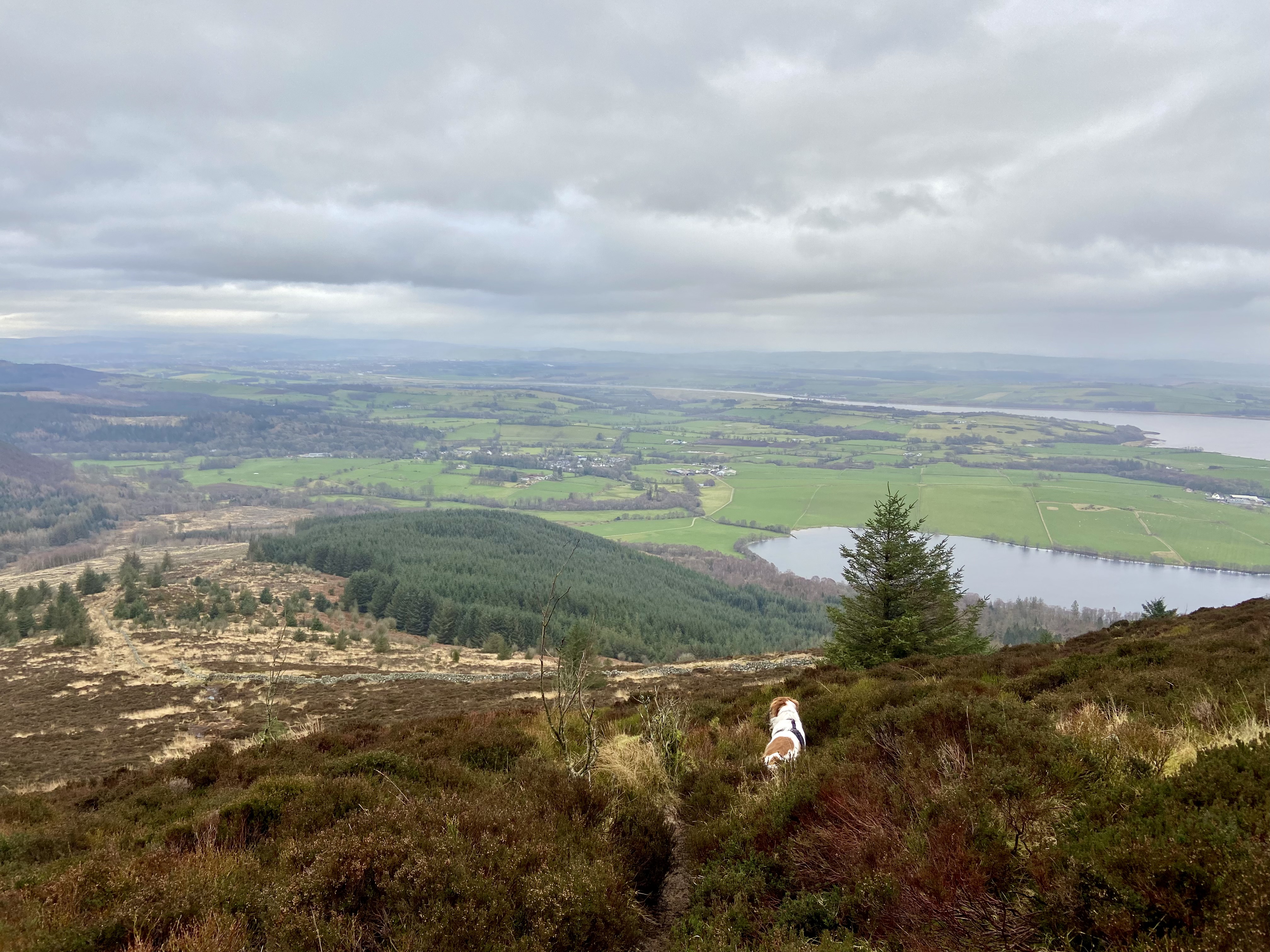
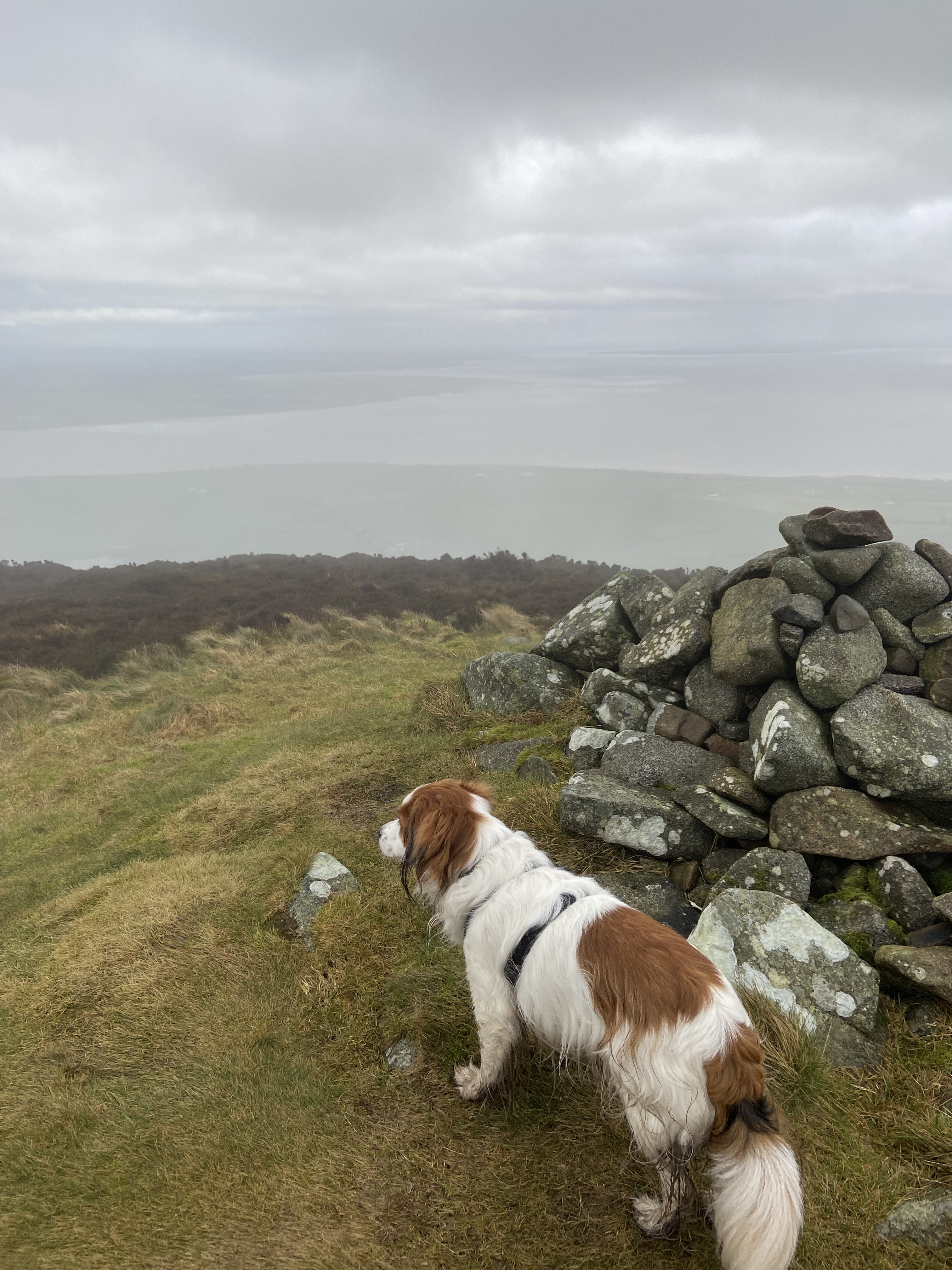
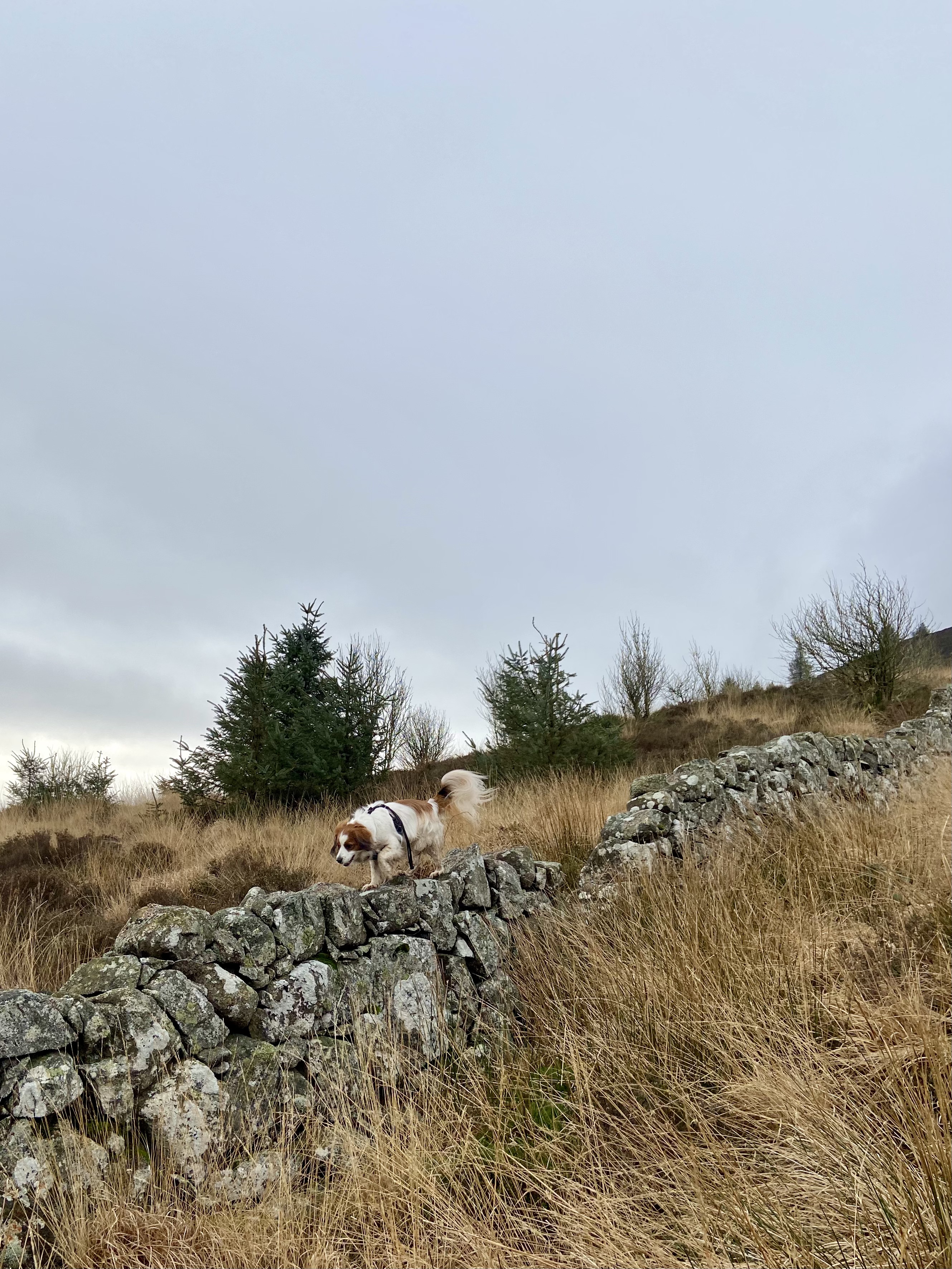
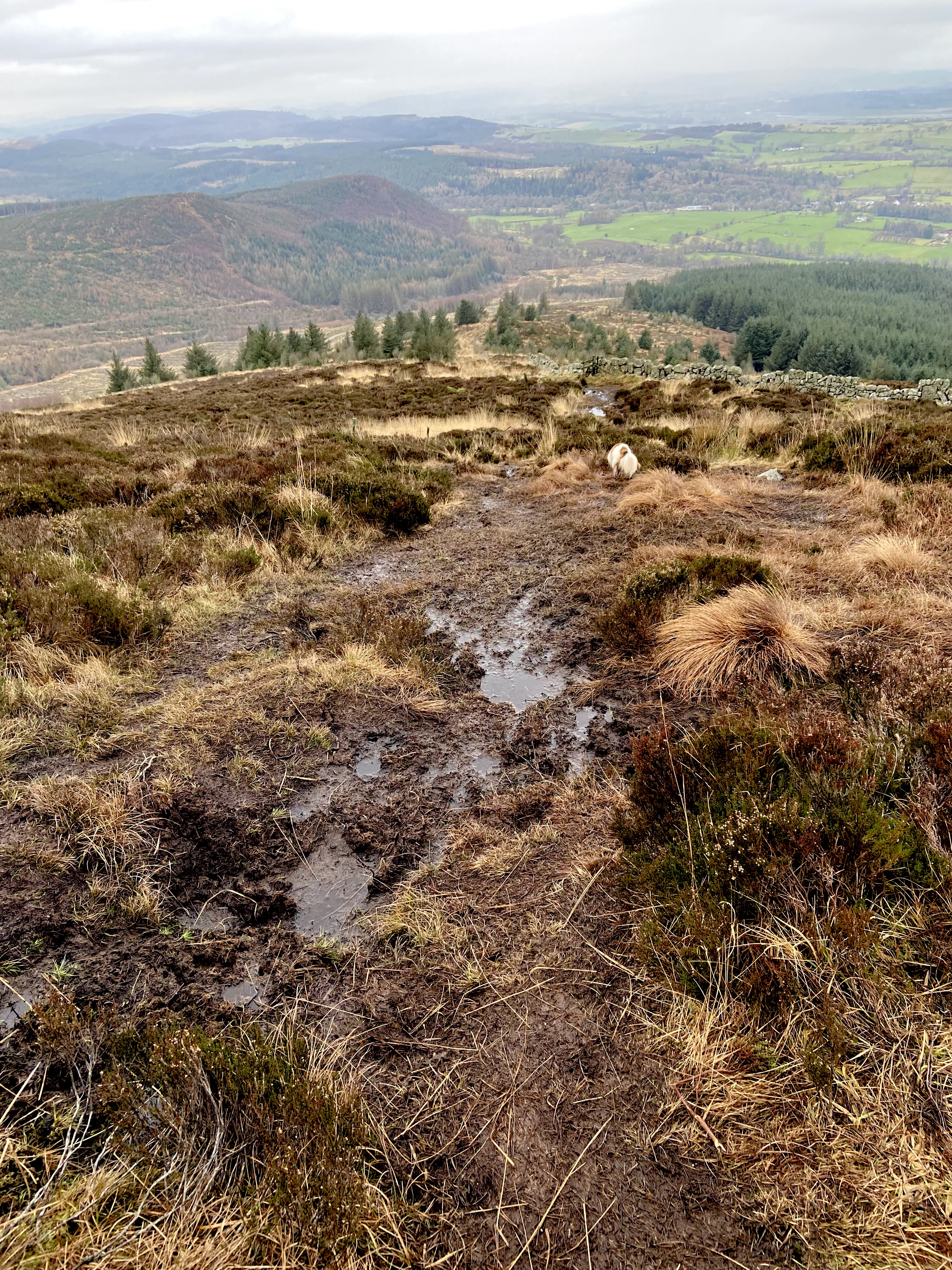
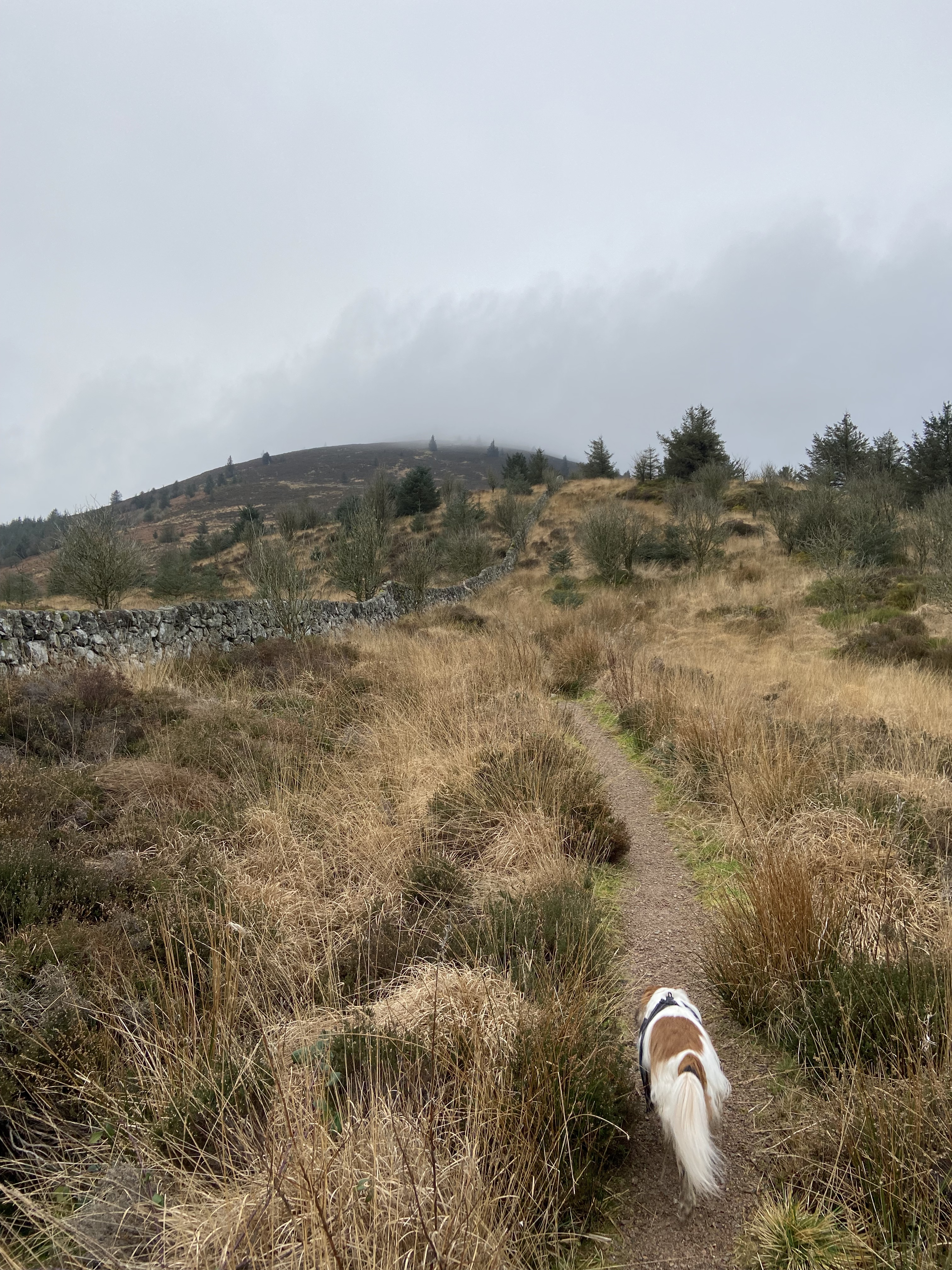
Last week, Triar and I walked up Knockendock, which is a smaller hill attached to Criffel, which we walked up last summer. It was a bit misty on top, but Triar posed very prettily beside the cairn, as you can see in the picture at the top of the page. There was a great view from nearly the top and I survived walking through a high-level peat bog without unexpectedly sitting down or falling on my face, which was undoubtedly a result!
For me, seeing Triar trotting happily ahead of me is one of the best views possible. But that’s all for now. Thanks for reading and have a lovely week.
Working as a government vet, there are times when my job brings an intensity to life that I find fascinating, almost addictive at times. I am still dealing with the aftermath of the bird flu investigation. The initial visit – walking round the shed seeing the sick birds was just the start. There followed a tense period of information gathering. Behind the front line workers like me, there are teams working on epidemiology, tracings and licensing. They need to understand the minutiae of the on-farm operations.
So during that period, it’s as if nothing else matters. It’s all-consuming. The rest of life takes such a back seat that any daily struggles and all other work fall into the background. I fall into a seat in front of the TV at the end of my working day and it’s enough.
As the tidal wave of that work begins to slow, the rest of life and the other work tasks trickle back into focus, but at the moment, those (work) tasks are still quite urgent. Principally, I fell back from avian influenza into the slower wave of bovine tuberculosis. As well as dealing with outbreak work, I should also be doing routine work relating to trade and imports and exports. But our work is prioritised and often we are so busy that we are only skimming the top of what needs to be done. That said, I slipped in a Poultry Health Scheme inspection into my calendar on Tuesday, completed the paperwork and sent it off the next day. The deadline was March, but it was painless (actually I enjoy those visits) and now it’s done.
So picking up the reins of my TB cases, one is quite far along. At the start, there’s a lot to be done, contacting the farmer, explaining what will happen. Broadly, no cattle can move on or off the premises, other than to a slaughterhouse (where they will be scrutinized for disease) and even that is done under licence. There follows a period of testing and culling. Most of the tests are skin tests, but we do blood testing too, at the start. Any animals with positive results are culled and those too are inspected for signs of TB infection. Once we have two clear tests in a row and we have paperwork to say the farmer has cleaned and disinfected the area or areas where the sick animals were housed, then we lift the restrictions.
So with the first of my cases, we are past the blood test and the first of the two skin tests just came back clear. It’s not impossible something might show up, but generally from here it’s plain sailing. In my other case, we are just concluding the blood test. It tends to throw up more positive results, so those animals have to be processed, slaughtered and inspected. I guess it may sound barbaric, but compared with the suffering TB can cause if it goes unchecked… well these things have to be weighed against each other. To me, those results look quite good. There weren’t so many positives. It will be interesting to see whether any of the animals have what are called “visible lesions” – the TB bacteria tend to wall areas off in the body, a bit like abscesses. If they find those, they will do further testing. Finding the bacteria is almost the holy grail because that allows us to get a much better idea of where the disease came from because they can test to see what strain it is and which other cases are closely related. It takes ages though to grow the bacteria and sometimes they can’t.
Anyway, I digress! As well as working through this process, I have to write everything up in a monthly report. My information and that of all the other cases goes to Scottish Government for oversight. The whole thing takes up a lot of time. I’ve also been allocated the job of overseeing the cleansing and disinfection work at my bird flu farm. The cull is finished and the shed is almost empty. But as the end of the week came into view, I was just thinking that next week, I have plenty to do, but that I will also be able to fit in a welfare visit that’s part of another ongoing investigation that has currently been sidelined. And then my line manager asked me to take on another TB case. This one’s just starting. What testing will be required remains to be seen because all we have at the moment is a positive result, found on a routine skin test. If they don’t find visible lesions then the regime will be different again, but my initial tasks include a Disease Risk Form – a visit to the farm to look at possible source and spread. Is this beginning to sound familiar? This is what I do!
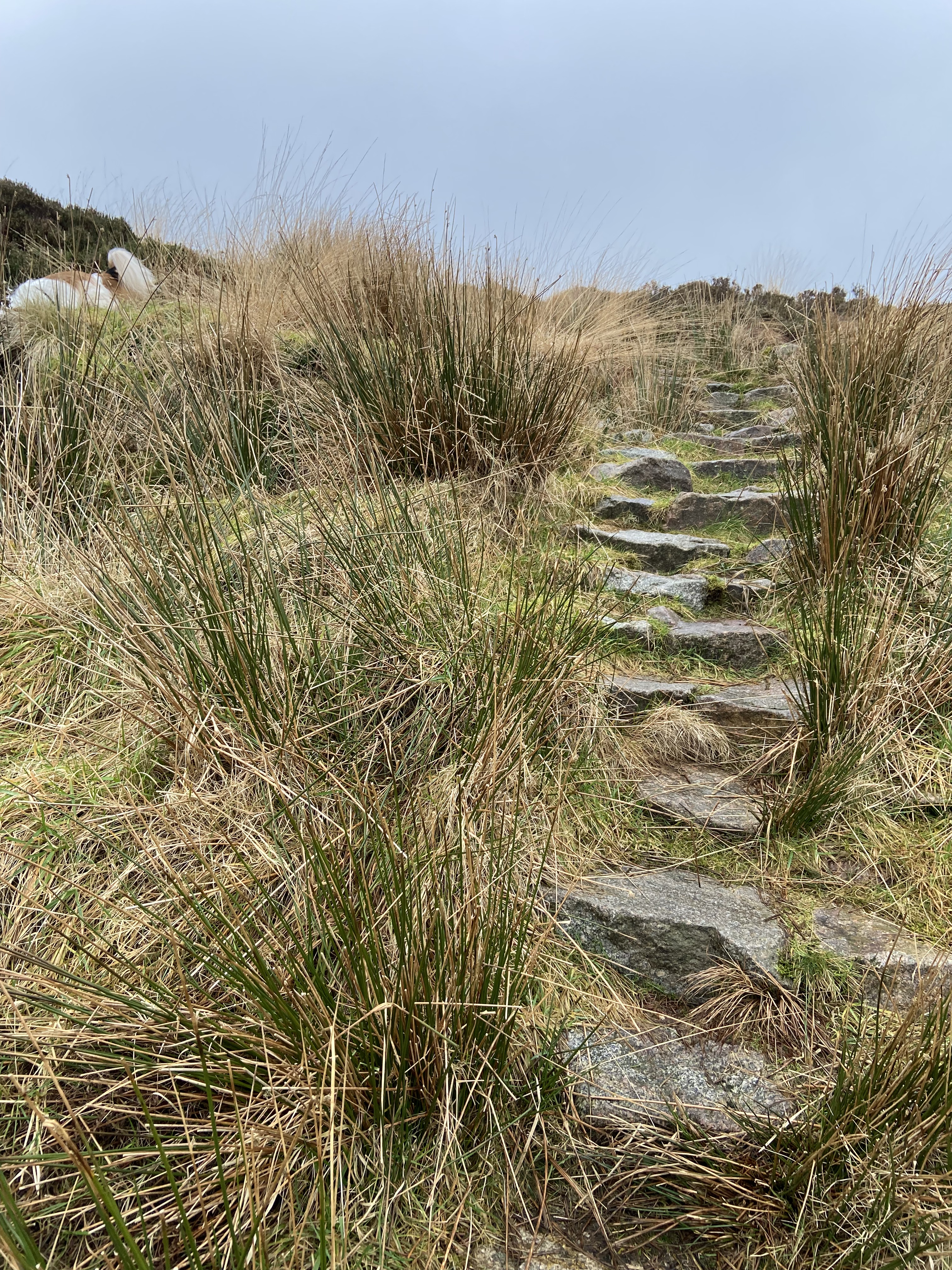
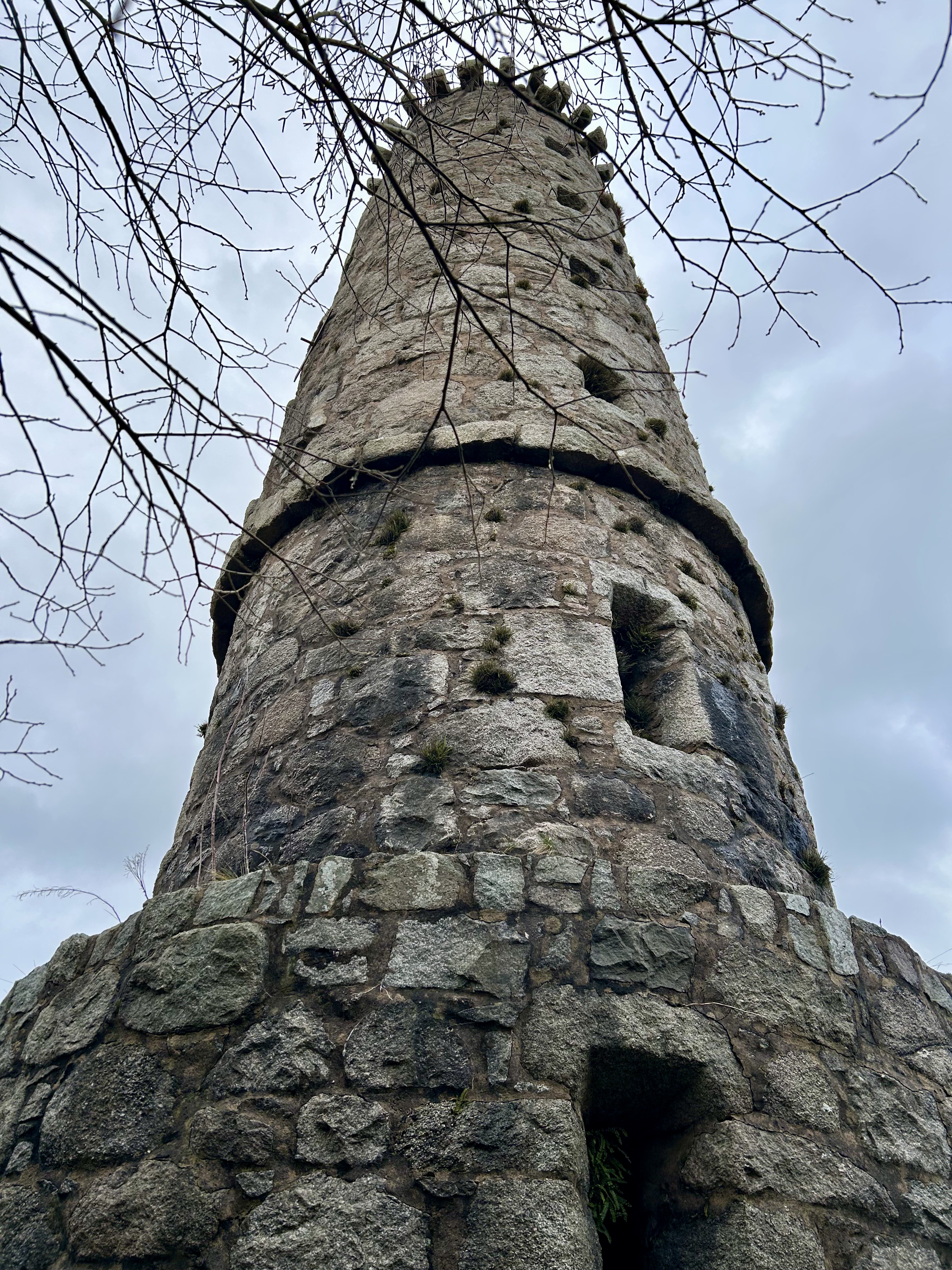
Anyway, in among the work, I am trying to sort out when I might take holidays and who I might visit. My attention is so distracted that I realized yesterday that I’ve booked a week’s holiday that overlaps with a weekend on duty, so I’m going to have to work out what to do about that. For now though, I intend to rest and enjoy the weekend. Last week, Triar and I climbed a whole load of rough steps to visit the Waterloo Monument above New Abbey. It was quite a grey day, but I took a few photos.
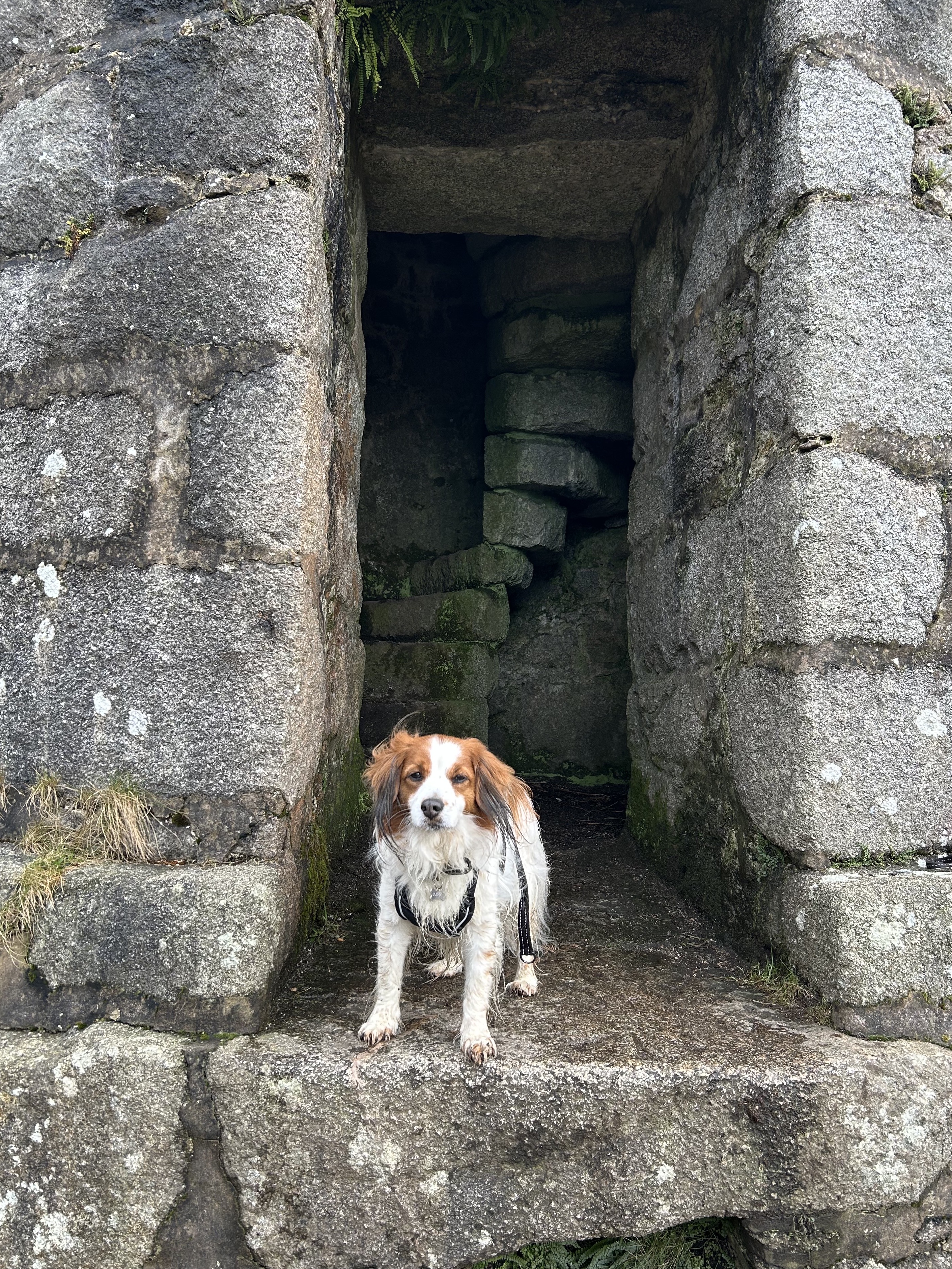
We didn’t make it all the way to the top. The stairs were very dark and Triar said no halfway up. Unsurprising really and a sensible decision! Anyway, thanks as ever for reading. I hope you have a lovely week.
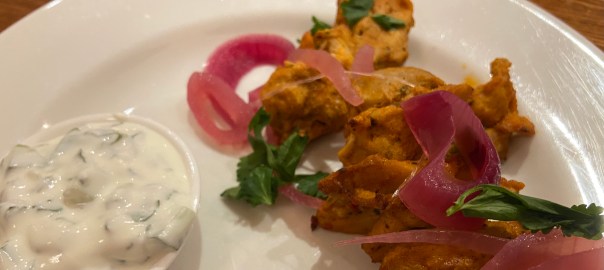
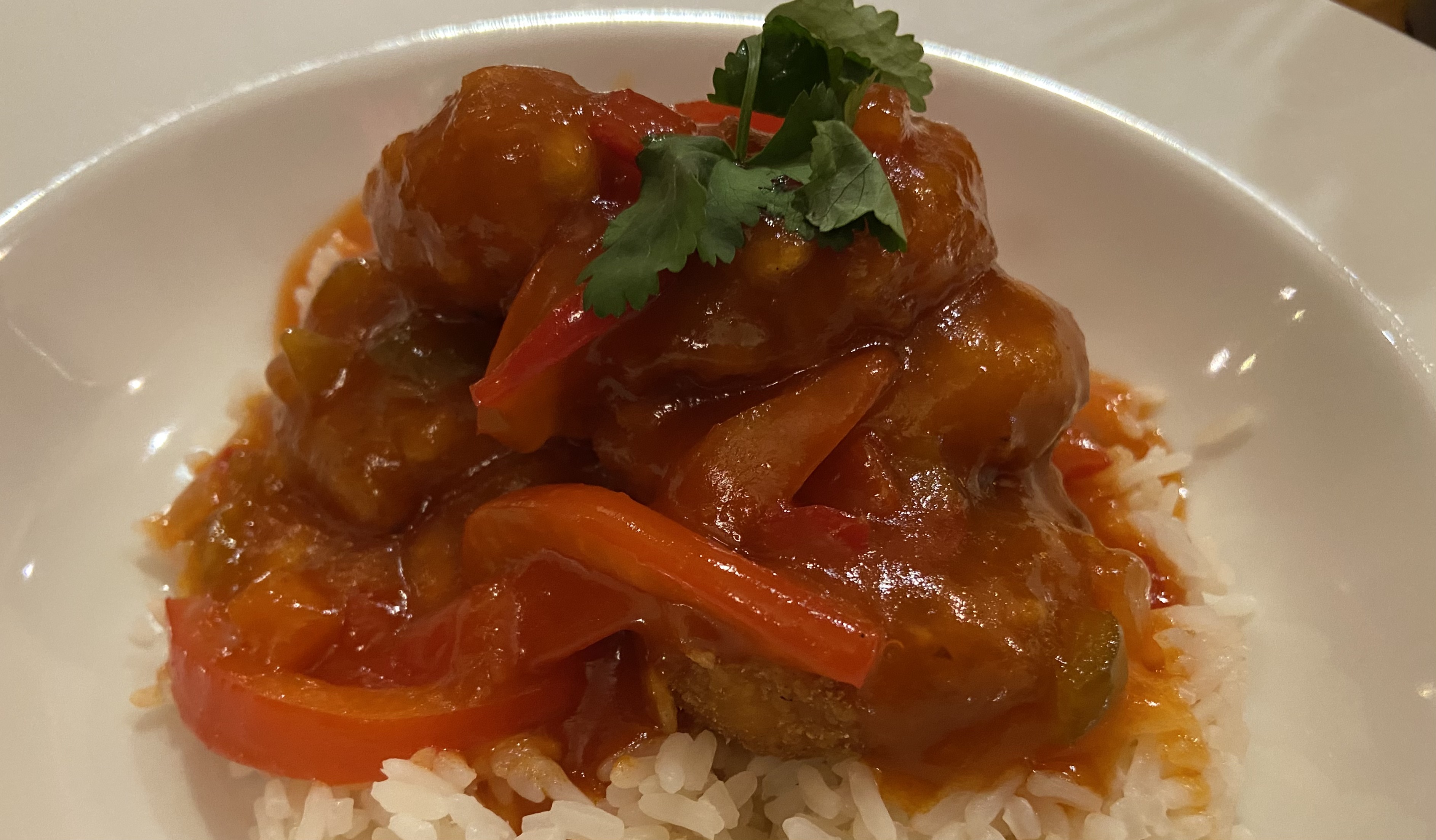
Another weekend is here, and looking back through my photos, most of them are of food! It would be fair to say that, when I’m out walking round a chilly farmyard all day, it is lovely to get back to a hotel, where someone else will cook for me. The picture at the top of the page was a starter – chicken skewers. I followed it up with sweet and sour prawns.
We were staying in the Premier Inn in Ayr, which was very pleasant. I know there are other staff who prefer to go out and find different restaurants to eat in, but for me the benefits of simply walking downstairs and being fed are too tempting to resist. Although the food is obviously mass prepared (it’s fairly consistent from hotel to hotel) I can usually find something I want to eat. I discovered the sweet and sour in Brighton and I would order it again.
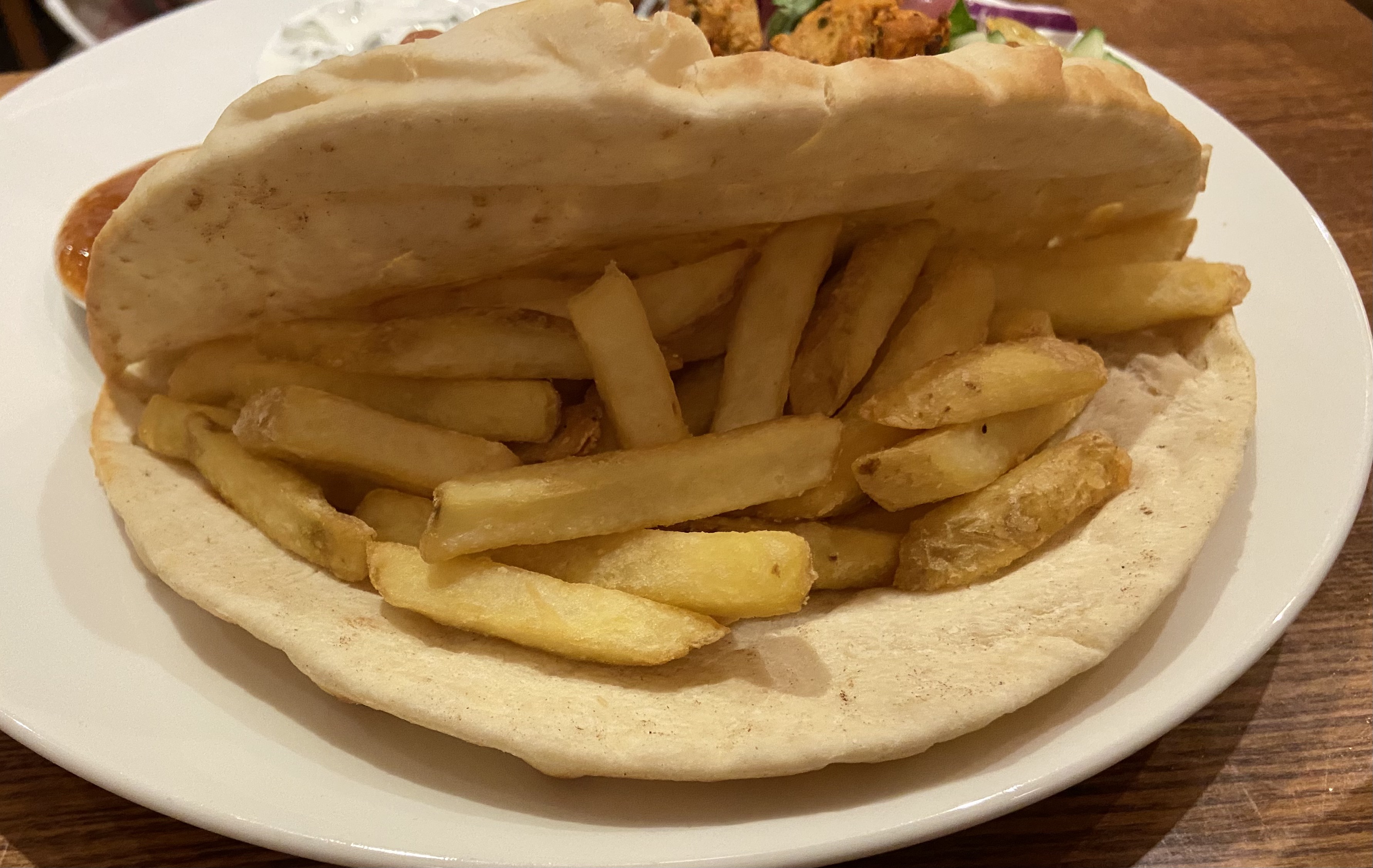
I had to laugh at Lesley’s (the animal health officer who had arranged the trip) main course. She had ordered the chicken skewers as a main. I saw it came with flatbread, but hadn’t twigged that there were chips too. What turned up was a plate of chicken skewers (pretty succulent and with that tangy yogurt dip) with a mega flatbread chip butty! Guess it was probably not much more carb overload than mine, with its white rice and sweet sauce, but it looked way less appetizing!
Lesley had booked the rooms and, for the first time ever, I had a Premier room in the Premier Inn. I was impressed to find both a fridge and a coffee machine in the room, though in the end, having tried to coffee machine with the small sachets of cold milk, I reverted to instant decaffeinated with lattes from the restaurant at breakfast. The little bars of chocolate were nice though.
The farm visits went well. We were blood testing the cattle for a TB Gamma test. The traditional test for TB has always been a skin test, where tuberculin (non infectious liquid, derived from the bacteria that cause tuberculosis) is injected into the neck, to see if it causes an immune response . While a positive skin reaction means it’s very likely the cow has tuberculosis, a non-reaction isn’t a good guarantee that she doesn’t have it. With the gamma test, some cows without TB might have a positive result, but it can pick up earlier infections and is more likely to identify animals with TB that the skin test would miss. We use these tests in combination where there is an outbreak, to try to ensure we get as many of the infected animals as possible.
Fortunately for me, we had a great team and I didn’t have to do too much of the testing. It’s a very physical job, either lifting the cow’s tail and taking blood from a vein that runs down the centre, or getting down on your knees and taking it from the neck. I did a lot of blood testing in the early years of my career because brucellosis testing was still routinely done in cattle, every three years. It seems it’s like riding a bike, because I can still do it, which is just as well because I was asked to step in a couple of times on animals where it was difficult to get blood. The relief when I managed was significant. As my main role was in supervising a new animal health officer who was learning, it wouldn’t look good if I couldn’t do it myself.
The bird flu outbreak is going on and on, though really February is possibly the worst month for it, so it’s not unexpected. I was duty vet yesterday and another two investigations came in. One of them sounded like a certainty, so it looks like our little team will continue to be busy in the coming weeks. I have learned a lot from my involvement last week, not least because I made some errors in case handling and didn’t collect anything like enough evidence for the tracings team. I had to go back and get additional information about exactly where manure had been spread from the farm, when feed had been delivered to each shed, where they got their bedding materials and when and to where had any carcasses been taken away, before the outbreak set in. On a big farm, there are a lot of comings and goings over twenty one days. I did gather the information, but I should have returned the day after I walked round the shed to look at the birds to ask a whole load more questions and to get copies of the paperwork showing all those interactions. Next time, I will have much better oversight. This is how I learn best. As well as being a huge farm, it was only my fourth ever investigation and my first to go positive, and so the steep learning curve goes on.
I had a lovely weekend with Valerie. As well as the hot tub, she introduced me to the addictive TV experience that is Traitors. We binge watched it and it was fascinating to see the damage done in a society when some are enabled and willing to lie and deceive and others (acting innocently) cause havoc and failure through their over-confidence in their skills and beliefs. Others yet, with unseen wisdom and less self-confidence, are ignored. I realise what we see is heavily edited to give a certain slant to things, but seeing the interplay when we know more of the truth than the contestants is very interesting indeed.
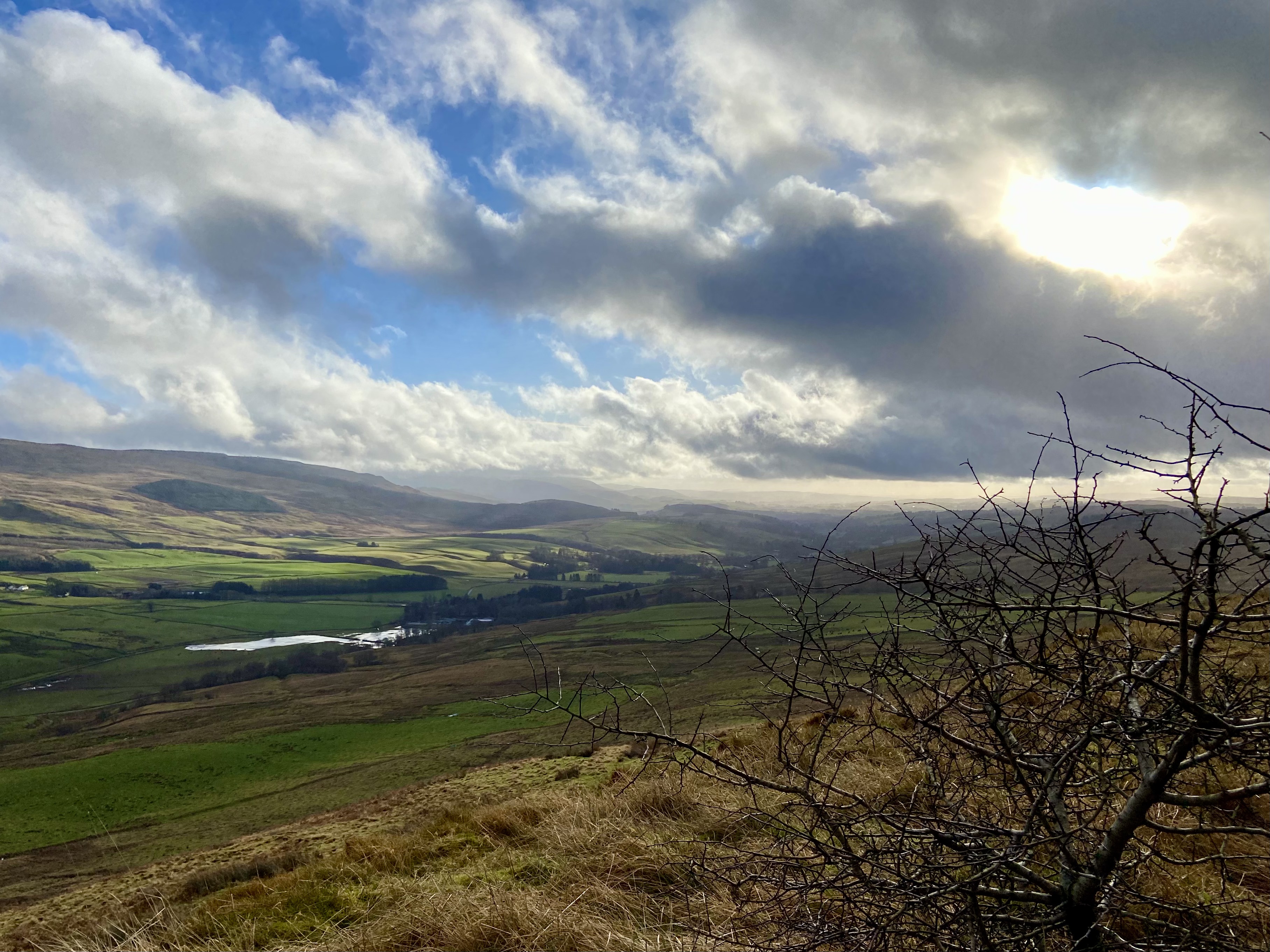
Anyway, I shall leave you with my one, single, scenic photo from Ayrshire. Scotland is very beautiful, even in the middle of a sullen, damp winter. Thank you for reading. I hope you have a good week.
This week, I’ve been involved at the ongoing bird flu outbreak at Scotland’s biggest egg producer. Case AIV2026-06 Millennium Farm was confirmed positive for infection on 15th January. As it’s already in the press, I can say that this was not the first in the group of farms in that area, but the investigation and clinical assessment still took me many hours and the last two days have been filled with paperwork. Once disease has been confirmed, more work is triggered, both on farm, where teams prepare for the culling of thousands of birds, while in offices, other teams begin the long process of tracing which commercial vehicles came on and off the farm, delivering feed, collecting eggs and manure. Where did they go. Where might the virus have spread. As you can imagine, our limited staff of vets and animal health officers have been working flat out. The management team must be exhausted too. I was incredibly pleased though, that when I was sent out on Wednesday, one of our most experienced animal health officers was sent out to carry out the sampling process. As I had been in full PPE for four hours by this time, carrying out my clinical investigation on the birds, I was incredibly grateful as he swung into action. All I had to do was number the swabs and hand them to him. By this point, writing clearly and getting the numbers in the right order took all my concentration.
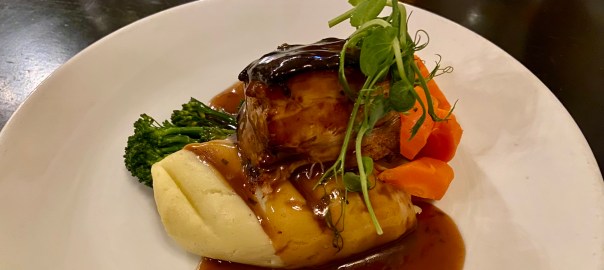
I stayed in a nearby hotel overnight, where they very kindly kept the kitchen open for me for an extra few minutes and produced the meal in the picture at the top of the page, which was slow roast belly pork. I had already downed a pint of cola and a glass of water by the time it arrived. Having eaten it, I did begin to feel almost human again!
I can’t say I slept much. Not in any way the fault of the hotel bed, which was very comfortable, but my mind and body were in that state where I was almost too tired to sleep. Still, I got up for breakfast at 07:30 to join my colleagues, one of whom, I think, was involved in the breakdown from the weekend before, and the other was my lovely, experienced animal health officer from the day before. While I went back up to my hotel room to start completing the forty pages of information I had to provide, he was heading back to the farm to start measuring buildings and assessing how the cull would go ahead. These experienced staff are invaluable and my one sour note in all this is that the civil service have removed progressive pay, so that these hugely experienced staff get paid very little more than someone who is just starting on the job.
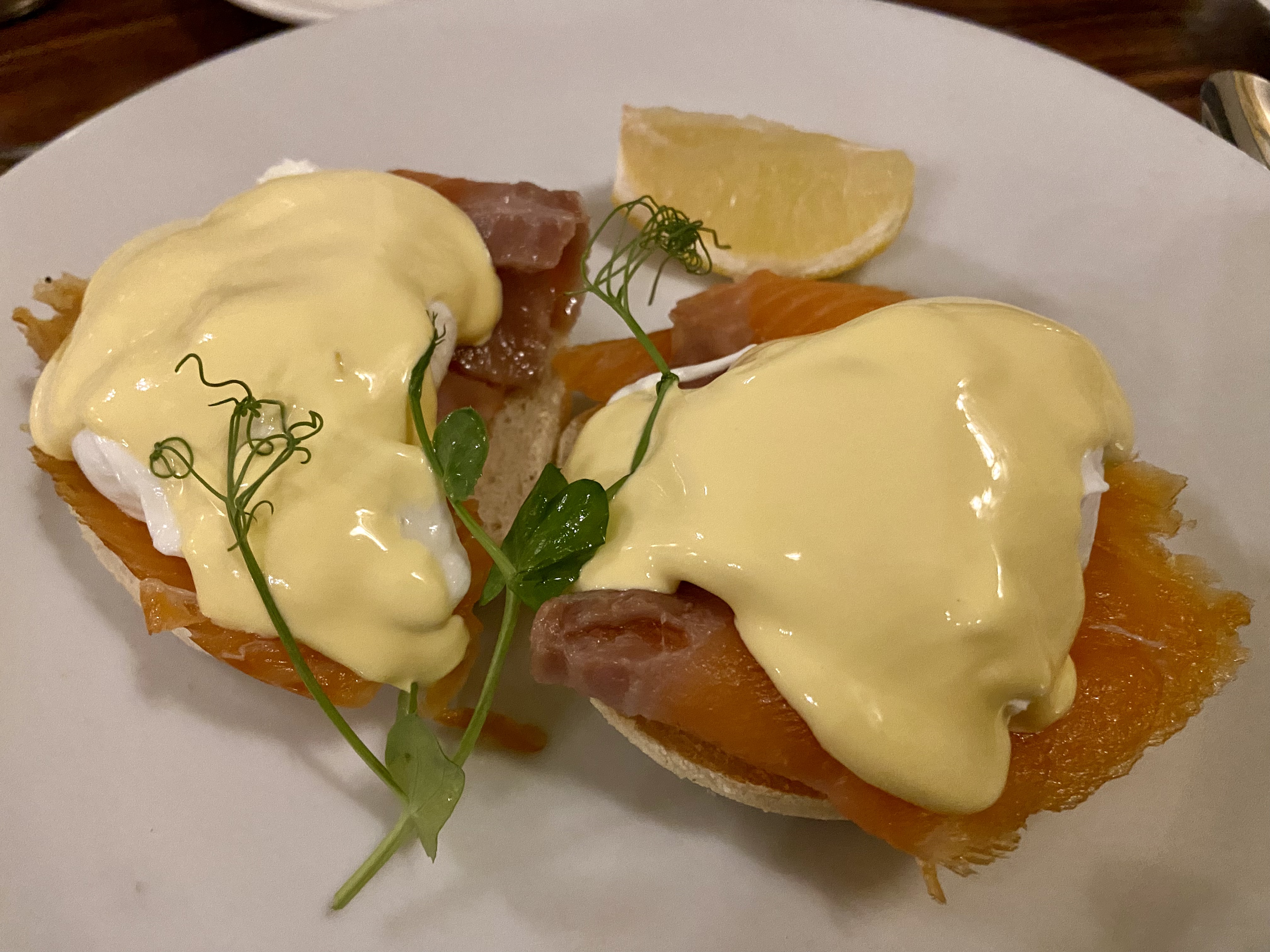
Eggs royale for breakfast. Delicious!
I returned to Dumfries on Thursday afternoon and picked up poor Triar, who’d had to watch me rush in, pack a case, and leave the day before. I’m incredibly grateful to Donna (when am I not?) who calmly agreed to take him in and told me just to go and everything would be taken care of. I do have the most wonderful friends.
I had barely expected to get the weekend off. I was on what’s called the detached duty rota this week, which means I can be sent to an outbreak anywhere. My phone is on, my kit is in the car and, if anything else goes down, it’s not impossible I’ll be called on. But for now, I’m at Valerie’s near Stirling. Yesterday evening, I drank mulled wine in her hot tub and today (God willing 😆) we’re going to a Chinese buffet for lunch. Next week’s plan involves blood testing cattle for two days, or at least teaching one of the new animal health officers to do so. Obviously, there’s still a chance I might be redirected, but wherever I’m sent, Triar will be here for a few days, while I’ll be away. One thing about this job, life never stands still.
During the winter months, it was always going to be hard to keep up with my walking intentions. I’ve mentioned before that, with WalkFit’s help, I was doing a regular 7,500 steps a day, with additional monthly challenges on top. I don’t know whether I might have kept it up if WalkFit hadn’t failed me, but with a combination of complete darkness outside of working hours and the onset of icy weather, which makes falling much more likely, I have not been keeping up with my intentions in the past week.
I did start well over the New Year break. Last week, I described my waterfall adventures and I had two lovely walks at the weekend. The first was up a path near Torthorwald which I found when looking for a different path, but went with it anyway. Triar and I ended up tramping 10,000 steps on some lovely tracks and backroads.
Sunday’s walk was a bit more limited, crammed in between church and a birthday celebration Donna held for me in the afternoon. It was another lovely day though, more backroad walking and some possible exploration for the future.
Work continues to be very up and down and that does have a bearing on my walking as well. As I mentioned above, the shortness of the days, combined with a workday where we are supposed to work from eight thirty until five leaves little time for walking in the sun. And some of my tasks, such as duty vet, which I did yesterday, leave me so exhausted and demoralised that there is little energy for anything other than slumping in front of the TV.
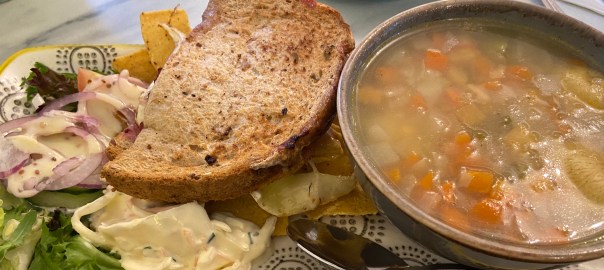
There are good days though. I like working on farms and with farmers. There are few places I would rather be than in a cow shed. There’s something about being among cattle that brings me a feeling of serenity. I realise I don’t instil the same feeling in them, but I do try! Sometimes, because of the nature of my cases, I have to spend time away from home and that probably happens most with TB cases. I’m dealing with two outbreaks at present and both are a couple of hours drive from Dumfries. I’ve named this week’s blog after the lunch I have most often when I’m working away from home.
On days when I work away from the office for more than five hours and less than ten, I’m allowed to claim £7 expenses for food and drink. Most cafes in Scotland offer some kind of soup and sandwich combination and as it is warming and cheap, that is the lunch I go for most often. The lunch in the picture was potato soup and a Brie and cranberry toastie and it was as rustic and delicious as it looks. The week after next, I will be spending two days at the same farm I visited this week to train a new animal health officer in blood sampling. I’ll be staying up there with some lovely colleagues, working on farm during the day, staying in a Premier Inn overnight. Those trips are undoubtedly the highlight of my job. I’m just hoping this time that it’s not too cold.
It seems that half of the UK is currently enveloped in snow, but here in Dumfries, nothing. I find it a bit disappointing after my years in the Arctic. Over there, it was perhaps too much of a good thing, but I miss the brightness it brings and I also have some fabulous spiky boots that aren’t really useful on ice as they need some depth to dig into!
Reading back, I’ve just realized I hadn’t explained how WalkFit let me down. It was always a bit of a poor programme. When I started, it offered a slow, medium or fast option, without any explanation of what those were. As I was fairly unfit at the time, I chose medium on the assumption that it would build up over time at a medium rate, probably to 10,000 steps a day. Instead, it started on 4,300 and built up , but then stopped at 7,500 steps, again without saying that was what it was doing. I waited quite a while before I realised that was it.
But 7,500 steps suited me well. It was relatively easy to stick to. With two “days off” allowed each week, I had been meeting my target steps for six months. And then my three monthly renewal fee came in. At £66 for what was a fairly limited program, it was not cheap, but it was working for me, so I went with it. And then they reset my program. Instead of continuing at 7,500 steps (as it had the first time I renewed) it started me back at 4,300.
I contacted them, of course I did, but the response was insulting. Instead of acknowledging that an error had been made, Nicole told me that the app “sets up daily goals for you based on your personal parameters”. She told me I could change my daily goals, but left it to me to find out that 7,500 was not an option. I could have whole thousands only and the only way to get back to 7,500 (with which I had been very happy) was to work up through the medium program again. Not only that, but it was obvious to me that the whole thing might happen again in three months.
I wrote again, explaining that it was obvious something had gone wrong and the reset should not have occurred. Nicole replied once more, saying “the app occasionally adjusts goals based on recent activity or completion of the personal plan”. As this was a bare faced lie, I decided (quite regretfully) to cancel my account. They did add insult to injury afterwards, by offering me a year’s use at £30 (so much for rewarding loyal customers) but tempting as it was to have the app back again, I wasn’t going to send them any more of my money, whatever the terms.
.
My search for a replacement app has, so far, been unsuccessful. All it was, basically, was a step counter with flashy awards when you managed to reach your totals and some fairly useless fitness programmes that very quickly rose beyond 20 minutes, which exceeded my boredom threshold and couldn’t be readjusted down to a level I was happy with. So if anyone wants to set something up, I’d happily pay for it. I guess the WalkFit false advertising (promised weight loss) wouldn’t be an option for a decent person, but it might just take off anyway, at the right price.
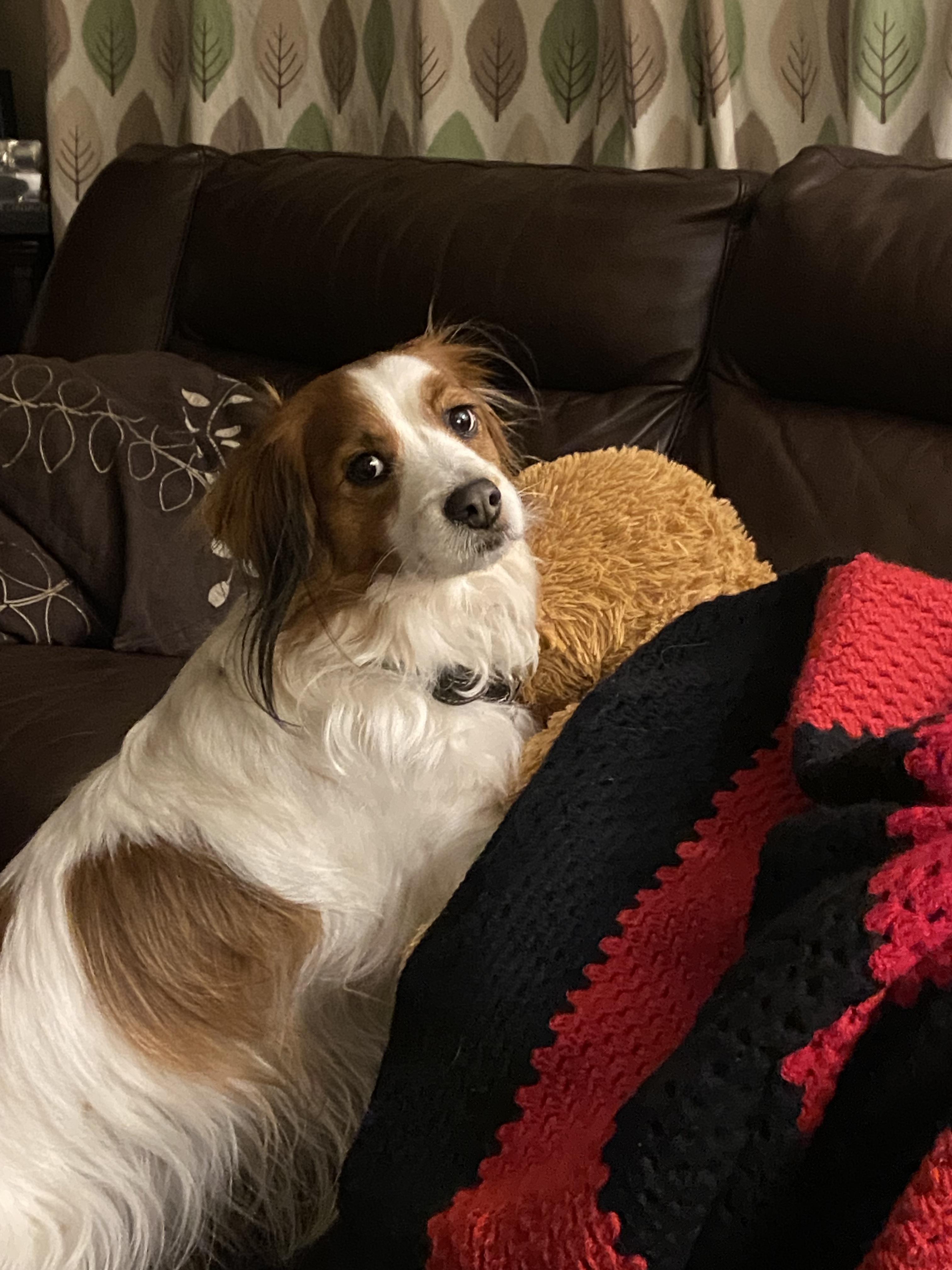
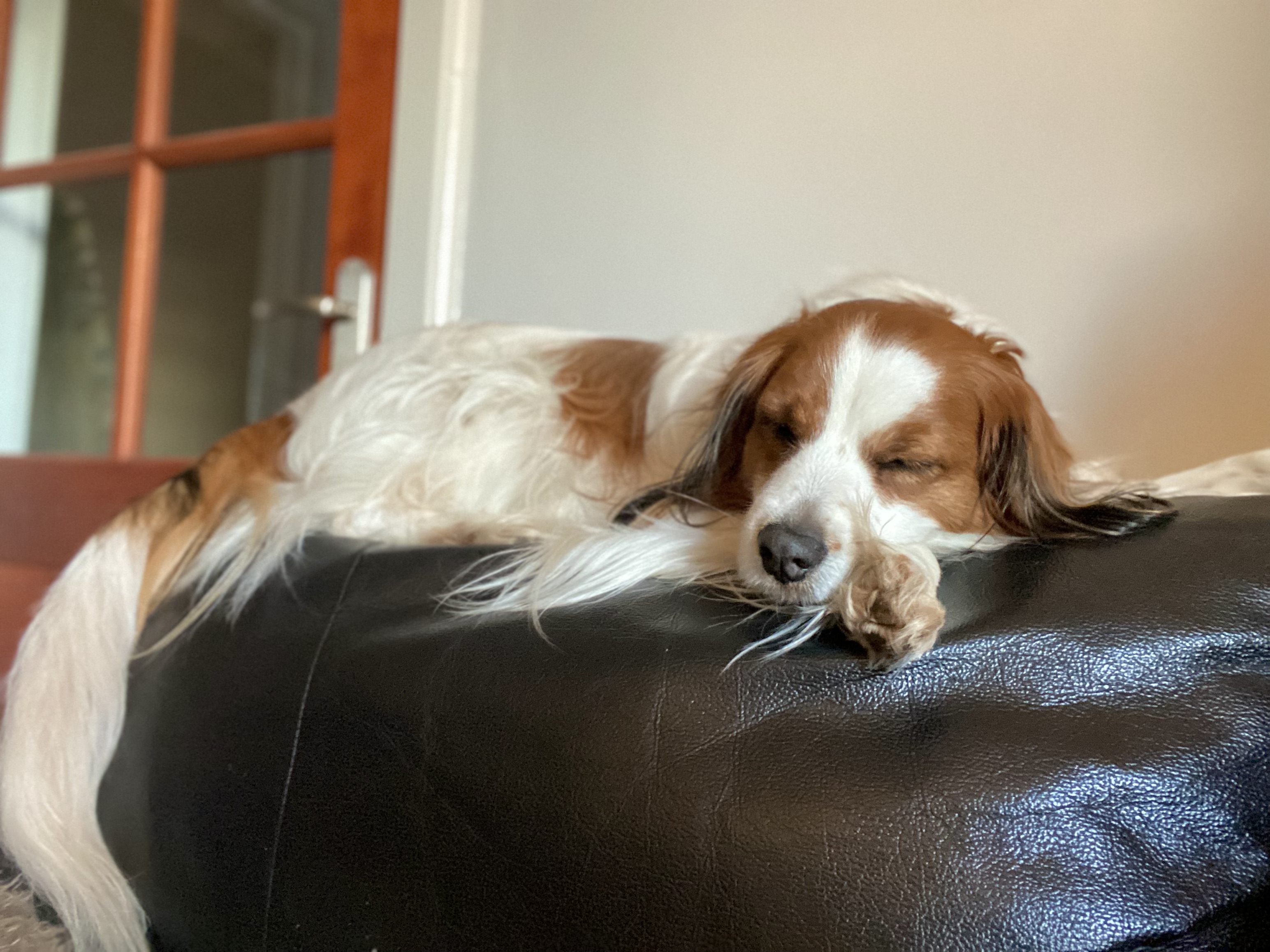
I shall leave you with a picture of Triar in his favourite place. I brought my (financially worthless) squashy leather sofas all the way from Norway because we both like them and this one is in front of a radiator, so double comfort for him lying up on the top. Have a good week all, and thanks for reading.












 A Vet’s Life