Category Archives: Scotland

A Sky Full of Kites

I stayed in Scotland last weekend and Triar and I had a couple of good days. He and I went for a walk in a forest on Saturday. He was off lead and though I was a little nervous as he rushed off, splashing through ditches and disappearing into the undergrowth, he kept coming back and was eventually so tired that he returned to walk at my side, at which point I put him back on the lead. There were laws in Norway and going off lead was banned at certain times of year, so this is mostly new to both of us, but hopefully will become normal. He came home with manky paws and a coat full of twigs. I’ve spent the past week picking tiny bits of wood from the carpets, but it was worth it to see his cheery face.

On Sunday, I hired a dog field at Kirkgunzeon and that was also great fun. I invited Donna and her two dogs and thought they didn’t interact too much, they didn’t fight and all of them were tired out after running around for forty five minutes. I also got to practice Triar’s whistle recall, which is still excellent, thank goodness.

Treacle and Rubens
Tabletop Triar

My brain has been a bit frazzled at work this week. One of the most disconcerting things in my new job is having to jump from case to case, sometimes at the drop of a hat. Part of the reason it’s tough at the moment is that so many things are new to me. I can be just starting to be feeling things are under control, when suddenly something unexpected wangs into my e-mail that needs an urgent response and (this is the problem) I don’t know how to handle it.

I know from experience that this will get better. It’s a long time ago now, but I can remember as a brand new vet that every night on call felt this way. Anything could fly at me and I was more or less on my own to deal with it. Yes, I could usually call on someone, but you you can’t do that for every case. After a while, it became normal and I could deal with anything without that panicky feeling that I might mess something up.

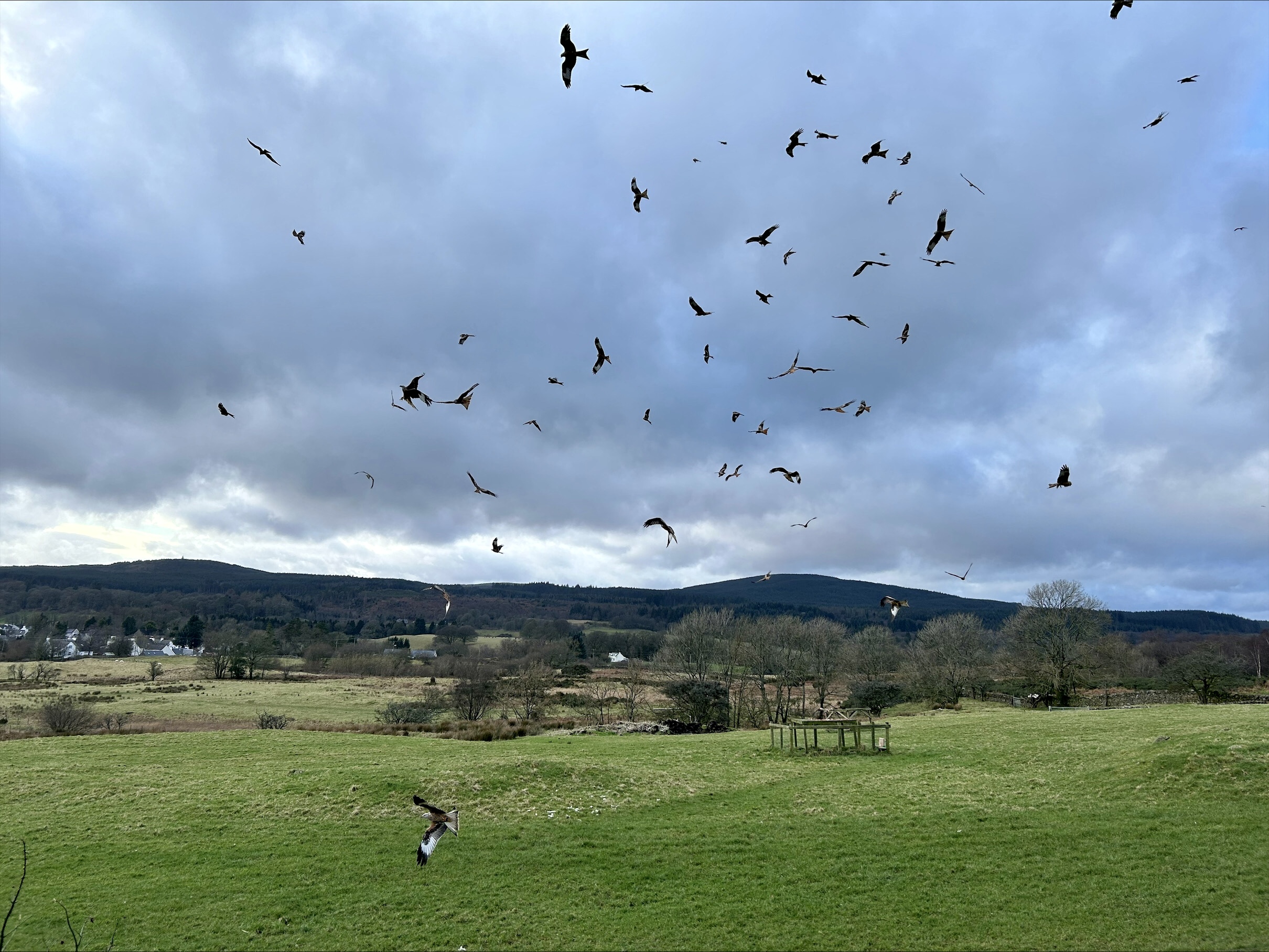
Outside of that, my new life continues to be interesting and rewarding. On Monday, C took me out on a visit to the Red Kite Centre at Ballymack Farm. We weren’t there to see the kites, rather the way their food was prepared and stored, but we stopped to watch the kites anyway. It was probably amongst the best lunchtime breaks I’ve ever had!

The delightful owner is in her eighties, but still goes out every day to feed the birds. There were a few birds circling in the sky overhead but we watched her go out and scatter their food and then suddenly the entire sky was filled with soaring wings. Their cries sounded melancholy on the wind as they waited, then in a flurry, they swooped in, diving to grab the raw meat, rising again into the air and then circling again. It was a stunning display and though I tried to take some photos, my phone camera couldn’t really do it justice. I envied the man who had a huge zoom lens on his camera. His family were waiting impatiently for him, but I fully understood as he stood outside in the blustery wind taking picture after picture, hoping for that perfect shot.

I’ve done a couple of other visits this week and raw pet food has been a feature of all of them. It comes under the classification Animal By Products or ABP and the agency I work for does quite a lot of work trying to ensure it is produced and stored safely. Other features included work on my first potential TB case and a complaint about two dead cows. One thing I can say is that every day is different! Thank goodness I have wonderful colleagues who seem very willing to support me through it all.

I’m in Yorkshire this weekend, dropping Triar off as next week I will be in Stranraer again, learning more about TB case handling out on a farm. Have a good week all!

Lunch at the kite feeding station – they do a mean carrot cake!

Tuberculosis

The rain is hurling itself against the window as I write this, having returned home after half a week in Stranraer. The wind there was relentless and felt like it was filled with icicles. Not quite the balmy, maritime climate I might have hoped for. Despite the chilly wind and the sleet that fell, the fields were still green and many animals are still outside. So different from the months of snow and ice in the far north. I finally found the time to take a few photos when I was out and about, which I’ll share in between the streams of reminiscence!

It was strange being back. A lot has changed in the last thirty years, although one thing that hasn’t changed much is the little lodge house I lived in back then. It now has oil central heating, where once the only warmth came from a coal fire, and the wheelie bins are out front, rather than tucked away at the back door, but other than that, it still looks much as it did when I lived there. I swore, after those eighteen months that I would never again accept a house without central heating.

The practice I worked in is long gone. The younger of my bosses sold it to the neighbouring practice (now Academy Vets) years ago. I went into Academy Vets as I had to chat to them about a case. I thought I didn’t know any of the staff, but I discovered that one of the senior vets had seen practice with me when he was a student, which illustrates how long ago it all was. My older boss is still around, apparently. Hopefully I can visit him, next time I’m over.

Simpson’s the bakers is still there on the main shopping street. I remember Anne, the kindest receptionist ever, asking if I wanted anything from Simpson’s at lunch time on an almost daily basis. I bought a sandwich: coronation chicken on white bread and they must still be using the same recipe as they used, all those years ago. It was as delicious as I remembered, though it now comes in plastic, where once it was in a white paper bag. The cakes haven’t changed either: very traditionally Scottish, all intensely sweet, no fresh cream and some very garish icing.

I was quite surprised (and rather saddened) by how unfamiliar a lot of it seemed, though I did keep tripping over memories over the course of a few days. I thought the Morrisons supermarket was new, but when I went in, it dawned on me that it was the precious supermarket that was built when I was there. It was Safeway when it arrived in town and was a wonderful addition. Before that, there was only a dim and narrow W.M. Low’s that I would walk around, looking for something for dinner, finding no inspiration. Morrison’s was closer to the centre than I remember and I don’t recall using a roundabout to get into it, but maybe I’ve just forgotten. A colleague who grew up in Stranraer reminded me that the old cattle market was knocked down to build it, and I do recall that as well, but only in the vaguest of ways.

Mostly I drove around, thinking how unfamiliar it all seemed, though when I drove away from Academy Vets (where we used to take dogs for x-rays as my practice didn’t have one) I knew exactly how to get to Lewis Street, where McTaggart and Williamson used to be, and for a few moments, I felt as if time had shifted.

Though my time in Stranraer wasn’t particularly happy, it is where I met Charlie. He took a job in my practice, having spent time as a student doing extramural studies around the corner in Academy Street. We were married twenty three years and have three wonderful children together, so it was a significant time in my life.


Anyway, enough reminiscing and back to the present. This week I have been learning about tuberculosis. It’s important that I do as I will be taking over several TB outbreak cases in just over a month’s time, when my Stranraer colleague goes on maternity leave. Although I’m learning a lot at high speed, I am now reaching the stage when I can see just how much I don’t know.

There’s an online course I need to take, as well as having time for the cases to be handed over. I am finding out where to look up case handling and I’ve an offer of help with the tracing and epidemiology, but I am still going to need a lot of guidance. Each case is different, depending on whether there were signs of TB found when an animal went to slaughter, or whether it was picked up during a skin test, and beyond that how exactly the case progresses, once a positive skin test occurs. There are a multitude of pathways, depending on those factors. I did the skin testing thirty years back, but there were no positive skin tests back then, so the rest is new to me.

Now in addition to skin tests, they can take blood tests and are beginning to understand some of the genetics. Tracing where it came from (and where it might have spread to) is now becoming more clear. You can sometimes tell where a strain might have come from, because it is genetically similar to a separate case. When I was testing, thirty years ago, there was no TB in the area. The aim is to return to that situation, but I think that will take a very long time, if it’s possible at all. Only time will tell.

Yesterday, R and I visited a farm where the investigation is just beginning. One of their cows had a small reaction to the injection during a routine skin test. When tested again, sixty days later, she reacted more. Now she will sadly be taken to slaughter, where they will check her for visible signs of TB and also do a PCR check, where they look for TB DNA. After that, whatever the result, the whole herd will have to be checked again. Until they get the all-clear, with no reactors, they cannot sell any of their animals, or move them off the farm, other than for slaughter. It’s a huge blow to any farmer to find out some of his cows will have to be culled and that there is disease in the herd that can spread to humans. I hope, for their sake, that the tests all come back clear.

I had left my car in a car park in the middle of nowhere while R took me to the farm, and on my return, I was quite surprised to see a van parked beside it. R headed off and to my surprise, the driver of the van came over to chat to me. He was wizened as if he had spent a lot of years battling the weather, but he seemed cheery as he told me he was a mole exterminator! He is seventy five, he said, and still tending to over seventy farms, though in his heyday, he cleared a hundred and twenty. I confess that it had never crossed my mind that the job of mole exterminator existed, but he seemed very upbeat about it and was obviously very efficient. It did cross my mind that perhaps I should consider a new career, but he said he thinks he has someone lined up to take over his patch when he finally gets too old.

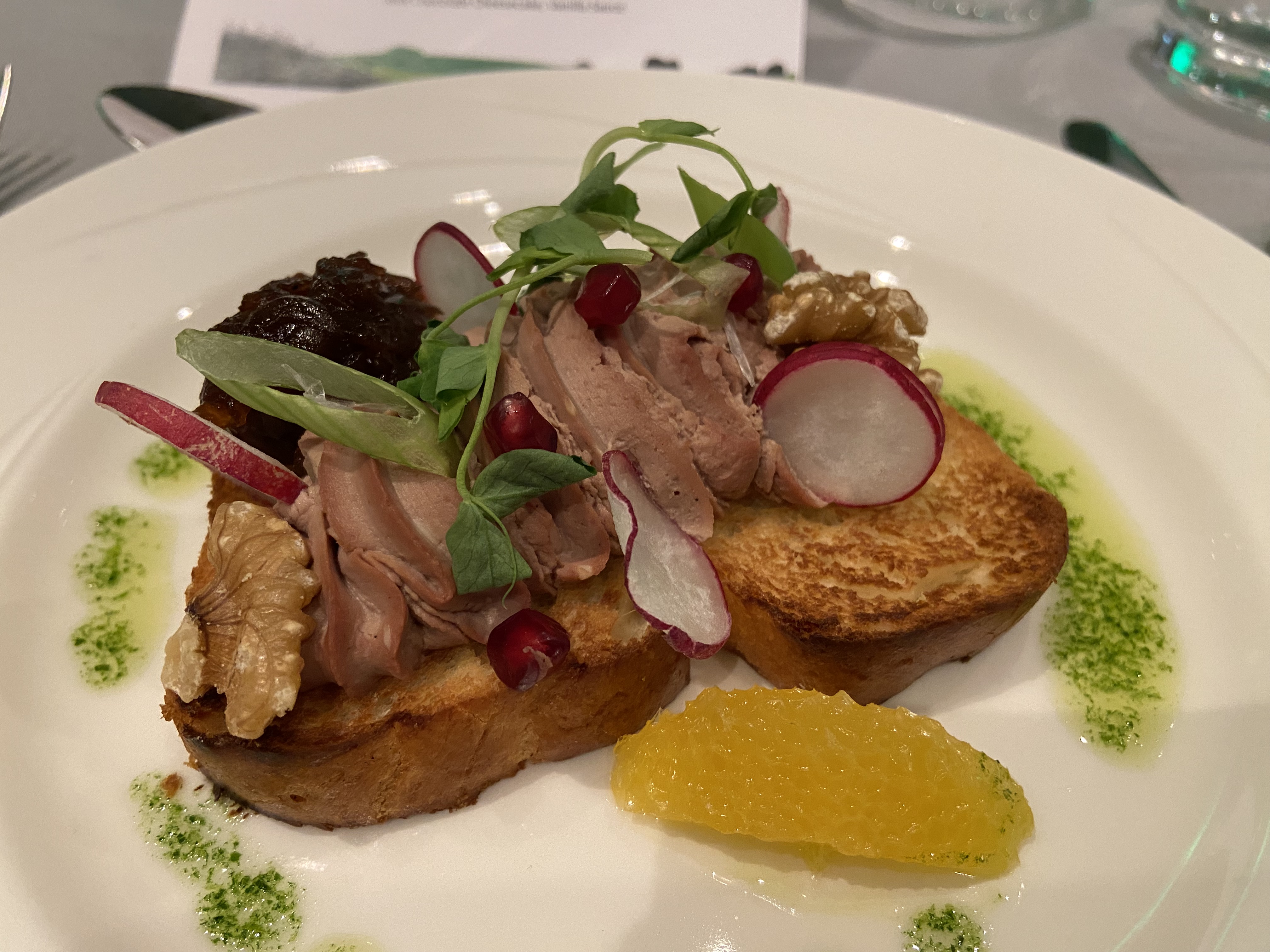
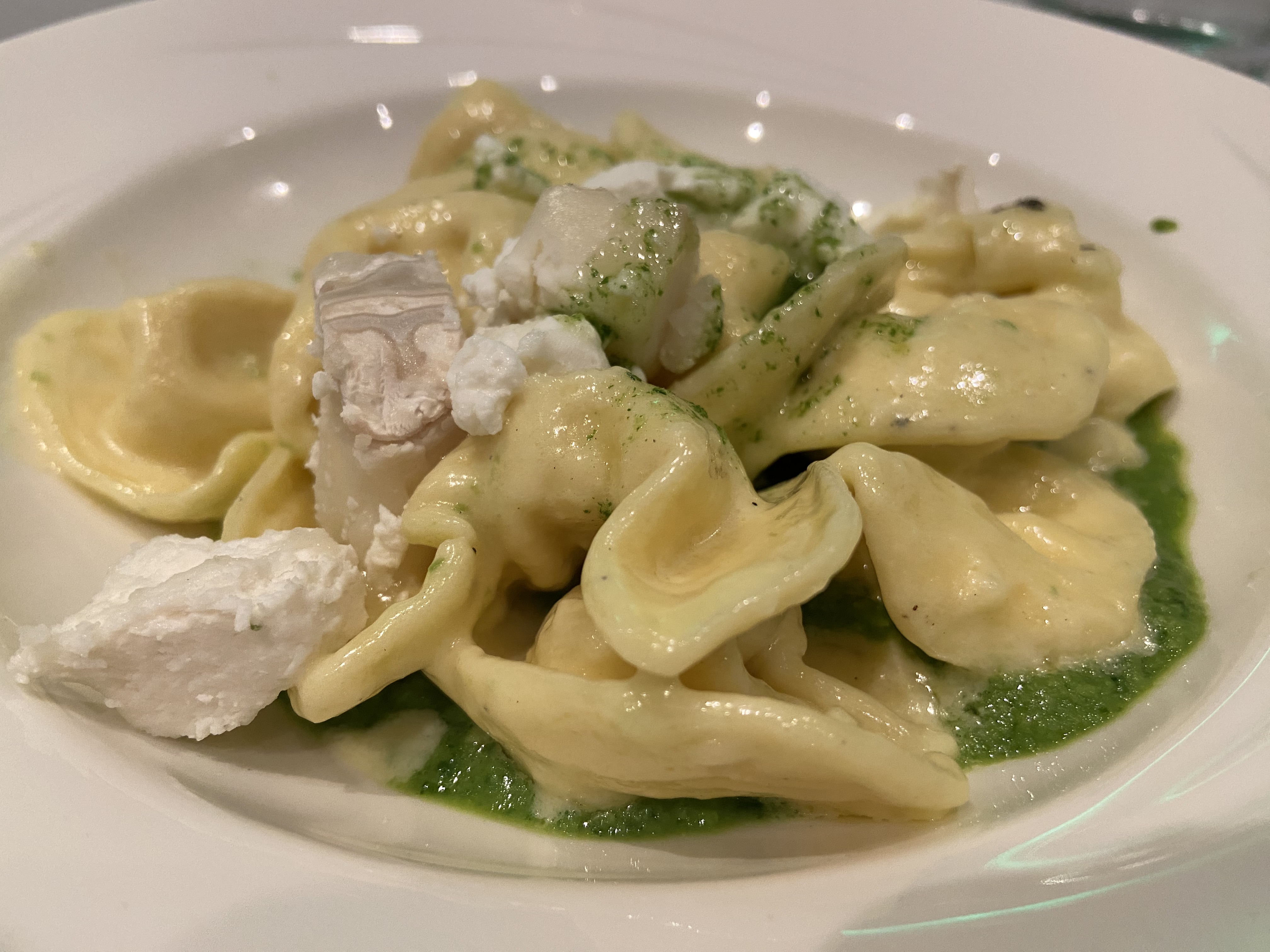
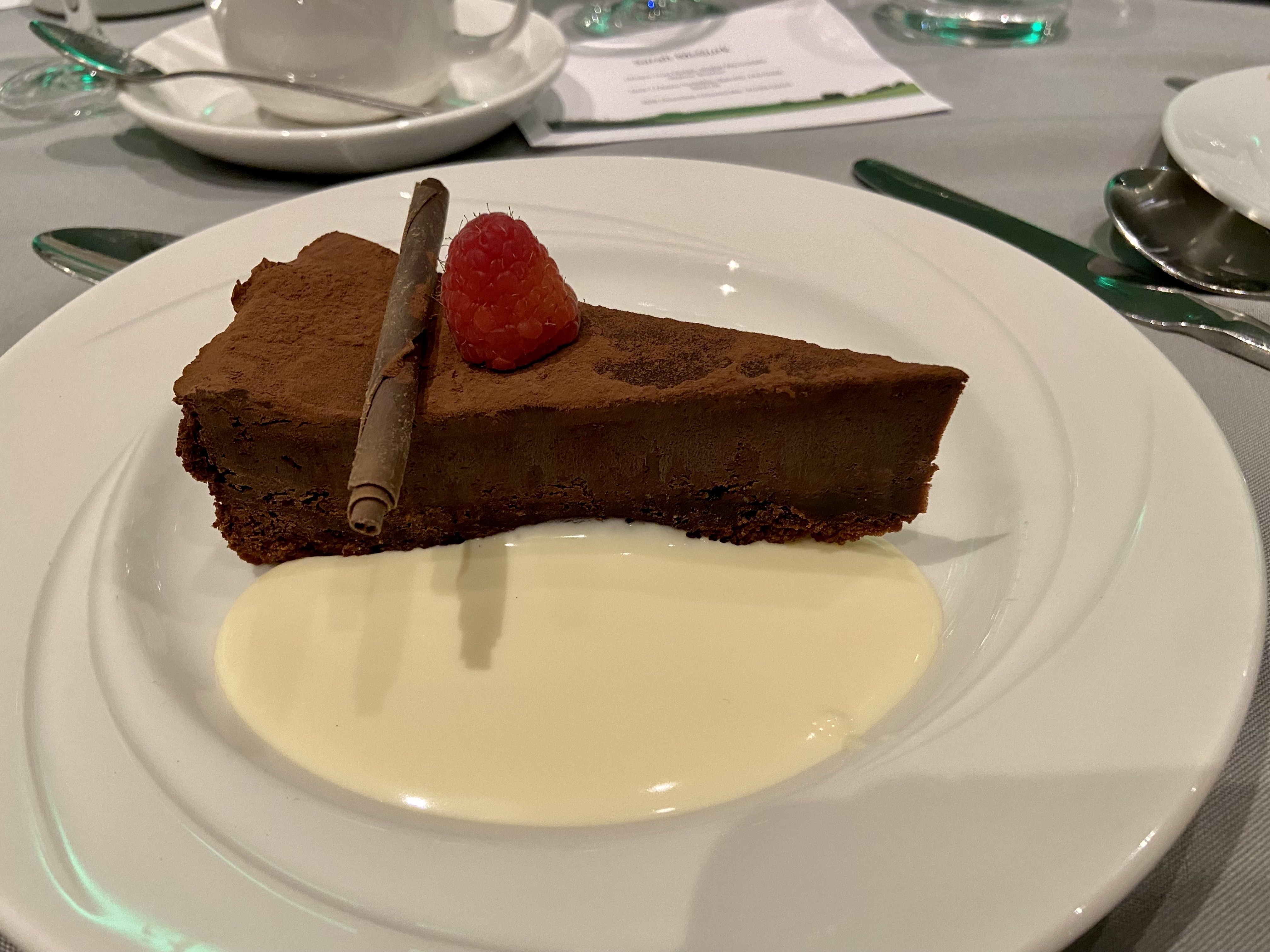
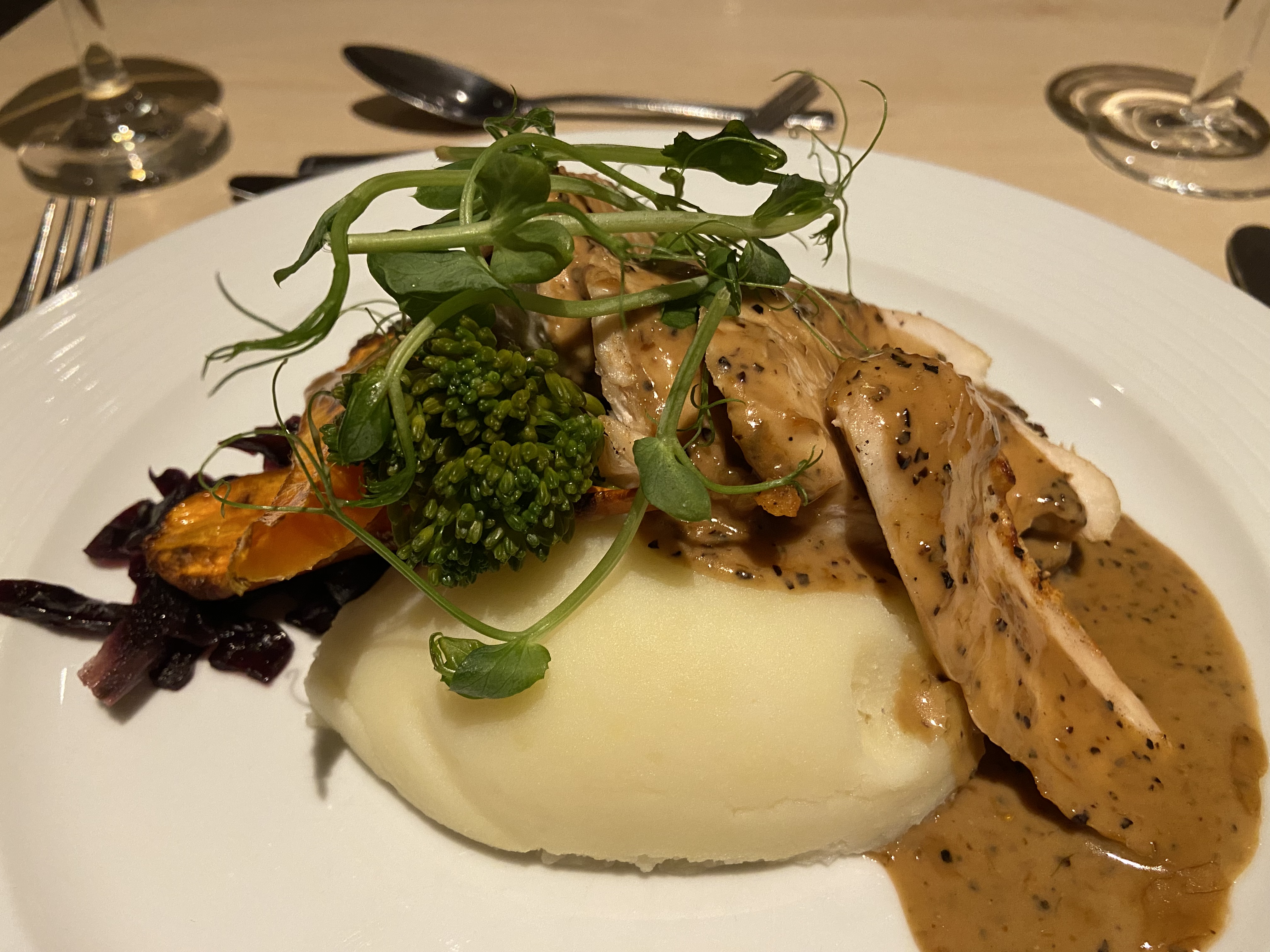
Anyway, I’ll leave you with some food pictures. I ate every night in the North West Castle Hotel and would highly recommend it!

Sea bass with creamed potatoes, prawn and chive butter and seasonal vegetables
Breast of chicken with mash, haggis and peppercorn sauce

… and the piece de resistance…

Strawberry cheesecake

Delicious! See you next week.

Cross Compliance

On Friday, I headed out to meet S. S is a locum vet, currently working with the Animal and Plant Health Agency (APHA) and she is being sent out over half of Scotland to cover welfare inspections on farms. Many of these visits are what are called cross compliance visits.

In the UK, farmers and land owners can apply for subsidies from the government. In order to receive these subsidies, they have to follow some rules that are designed to ensure that they are taking good care of the land and any animals that they keep. There are a number of different rules, some of which are for protection of the land from pollution and ensuring boundary markers, such as hedges, are maintained. Others are related to identification of animals via ear tags and so on, but the ones APHA are responsible for are the animal welfare regulations.

You can read a bit more about the cross compliance rules here: Cross compliance

When carrying out a cross compliance welfare visit, many of the aspects of care we look at are similar to any welfare visit. We check whether animals are being looked at regularly and fed and watered, whether they have shelter from the weather and from predators, whether they are protected from injuries, and if they are taken care of when sick or injured. If the farmer is found to be in breech of some of the rules, an assessment is made on how serious the breech is and that can depend on whether he or she knew that they were breaking the rules, how severe the effect is in terms of animal suffering, whether the effect might have spread to other farms and whether it is rectifiable.

For example, a farmer who has been warned before that she needs to treat her sheep as they are infected with the mites that cause sheep scab, but has let the infection continue to the point where the sheep are suffering and some have died, and worse, hasn’t maintained her boundary fences so that it has spread to the neighbour’s sheep, has ticked all the boxes for a very serious breech. She should probably expect to have her subsidy substantially reduced.

The vast majority of visits we do are triggered by other events. These can be reports from neighbours or the market or abattoir. Every year there are routine visits to a certain number of farms. A very small percentage are randomized, but most are risk based, depending on past performance and previous breeches. Most of the farms we inspect still have good standards of welfare though and most farmers are doing their best and do care for their animals. Unfortunately, there are a few rogues, and those are probably the hardest to deal with.

As I discovered in Norway though, it’s rarely as simple as that any farmer who allows animal suffering to occur is an awful person. Very often problems arise when something happens and the animal owner finds themselves in a situation where it’s difficult to cope and then things spiral out of control. There’s a risk that docking someone’s subsidy when they’re already struggling financially might actually have a further negative effect on the animals, so it’s a nuanced situation where some of the decisions can be very difficult.

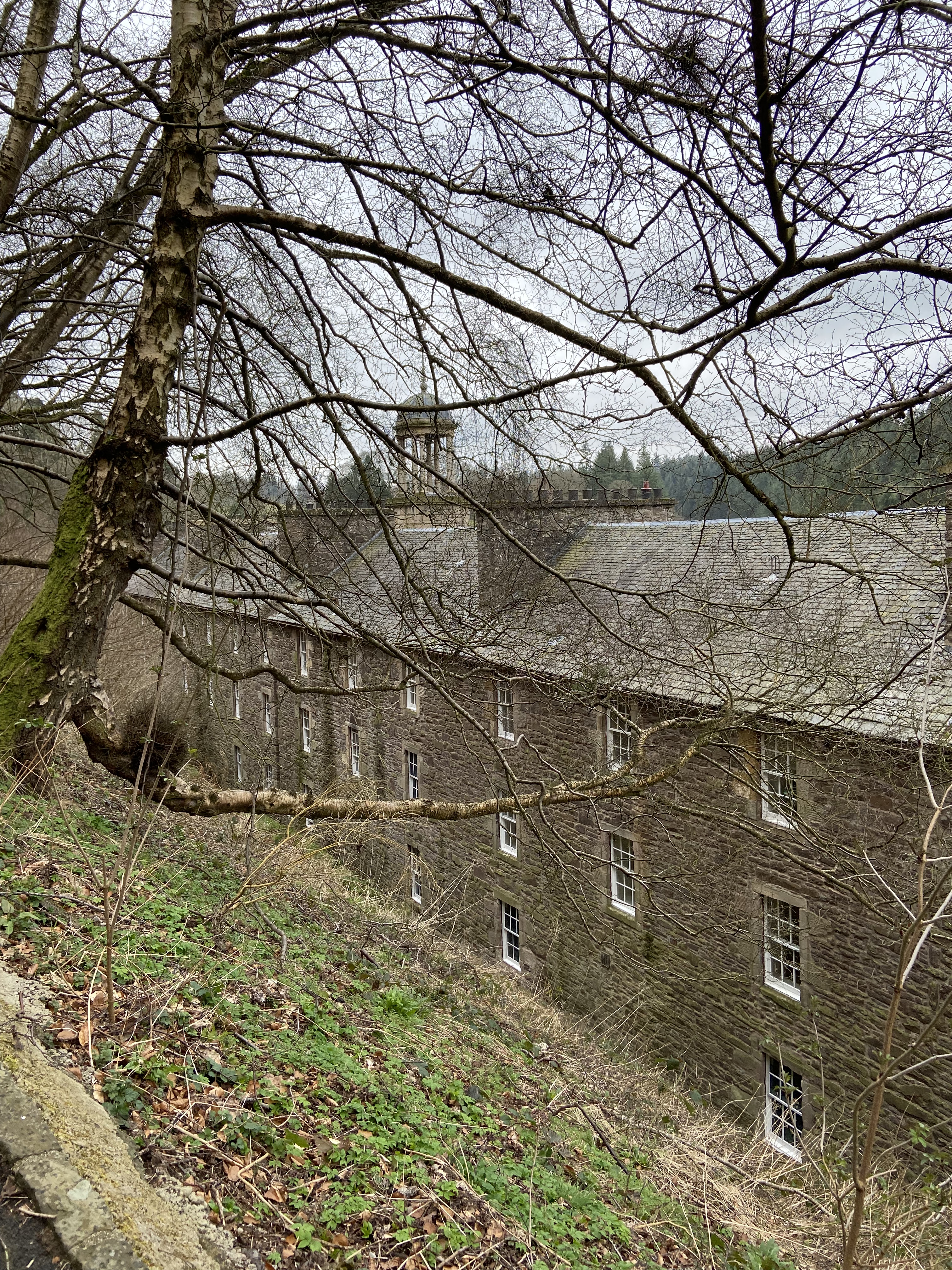
Next week, I will be spending some time in my old stomping ground of Stranraer. Thirty years ago, I worked in a practice there. The practice is long gone, but the farms I used to visit are still there. A few of the names that come up sound familiar, but so far I haven’t come across the double recognition of a surname and farm.

I will shortly be taking over responsibility for a TB outbreak over there and the farmer’s name is familiar, but he is on (to me) the wrong farm. So I don’t know whether it’s a new farmer, or whether it’s the same family and they’ve moved to a different place, or whether two families have intermarried. That is relatively common of course. Farming families are often connected and back in the day, I also joined Young Farmers when I lived there.

My memory is not that great, but of course the few farms and farmers I do remember were the ones I was friendly with, either at Young Farmers or through visiting their farms. When I started, I had to declare any possible conflicts of interest and I didn’t think I had any to declare as I was working in Dumfries. But over in Stranraer, there might be some minor considerations. Should I be dealing with the farmer who was an asshole on a date back in 1993, do I have to declare it? Probably not. He’s had plenty of time to mature since then, as have I. But I’m looking forward to spending some time there.

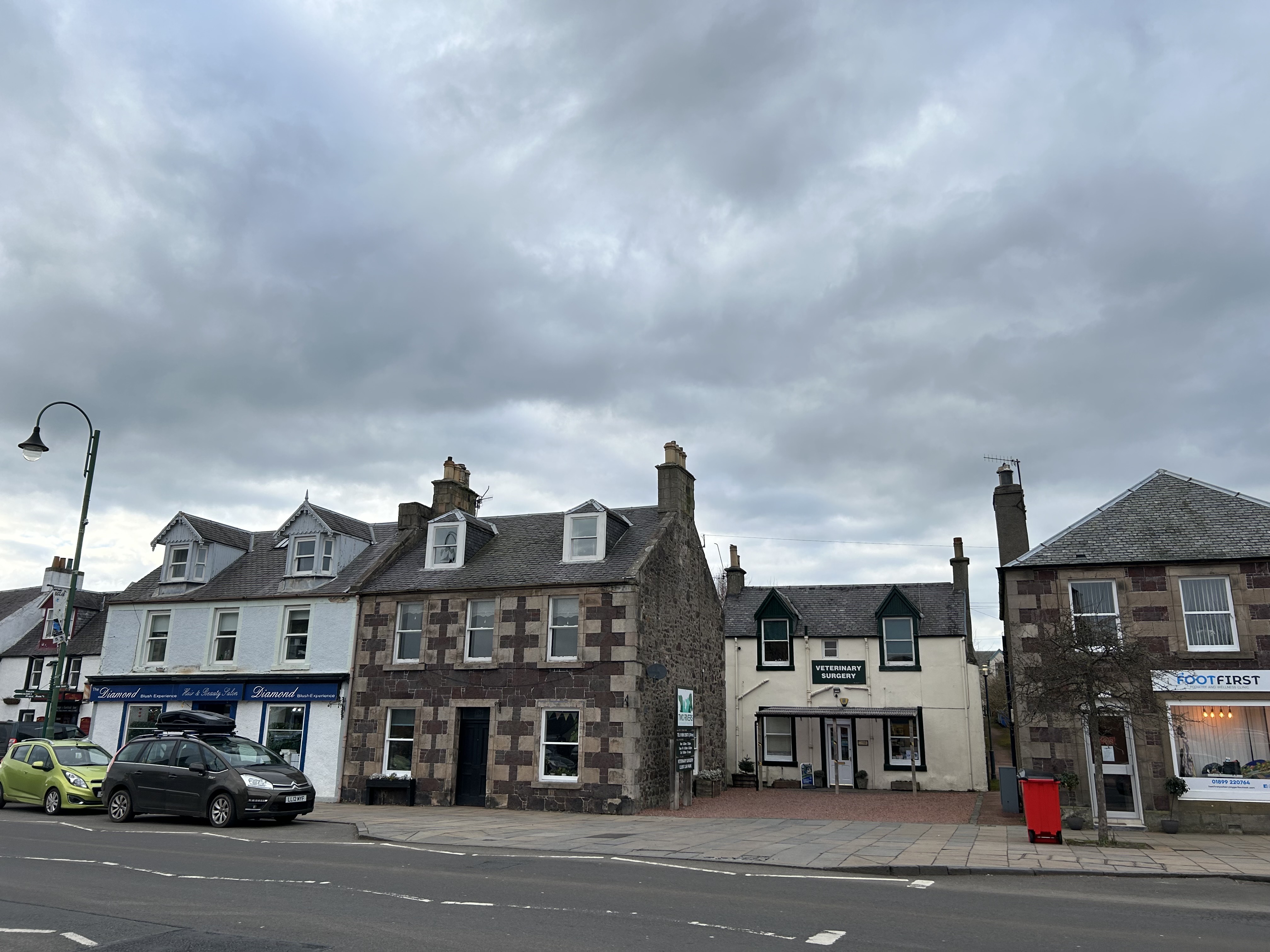
Viaduct at Glenluce

And last but not least, my solicitor has now made an official, written offer on the cottage I hope to buy. Keep your fingers crossed for me please. All being well, by Easter I may have a house of my own.

Offering

I’ve made a bid on a house. It’s a small, terraced cottage with two windows and a door at the front, but like most such cottages, which originally only had a couple of rooms, it’s been extended at the back and has bedrooms in the roof space. The main part of the house is old, with thick stone walls.

There seem to be a lot of houses Scotland where the fireplaces have been removed and this is one of them. There were originally fireplaces in both downstairs rooms. Presumably there was a time when real fires were considered too dirty and inconvenient and anyway, new build houses don’t have them, but after so many years in Norway, I would love to have a wood stove. It’s possible that there’s an intact chimney behind the blocked off fireplace, but equally possible there isn’t. That isn’t something the surveyor would look at. What I do find fascinating is that it’s now quite common to have an electric fire with an entire fake fireplace built in. They’re quite nice, but it’s kind of funny and sad and also a demonstration that the old fireplace was quite a focal point in any room that people sat in and a TV in the corner doesn’t quite hit the mark when it comes to making a room feel cosy.

I’m having to feel my way through the buying process. I’ve been away a long time, and like other things, the process has changed somewhat. Parts of it are still the same. Some houses are listed as “offers over” and a price. That was traditionally the initial move when selling a house in Scotland. The hope was that several people would be interested, at which point a “closing date” would be set. That was the date by which any bids had to be made. The bid had to be made by a solicitor and it was blind – nobody knew what anyone else was bidding, so if you really wanted the house, you had to make a high bid and hope for the best.

Houses that had been on the market a while and hadn’t sold with “offers over” could then be moved to a “fixed price”. That meant pretty much you knew where you were. You could bid that and it would be accepted or perhaps bid a little lower and might still be successful.

Fixed price seems to have disappeared now. I think I’ve only seen one house listed that way. Now there are two other standard wordings which are “offers in the region of” and “offers around”. There doesn’t seem to be much difference between those two, but quite a lot of houses seem to go on directly in those categories.

The one I’ve made a tentative bid on is “in the region of”. I say a tentative bid because at this stage, my solicitor is in a verbal negotiation with the estate agent (also a solicitor) about what the owner might accept. I assume I’m paying for the solicitor to carry out this discussion on my part, but that the full work of putting in an actual bid hasn’t started yet. In Norway , it was up to me to check out everything was all in order legally with the house I was buying. Here in Scotland it’s hers.

I’m glad though of this tentative bid system. When you want to buy a house with a closing date, you have to bid blind and with a popular house, there’s a good chance several people will have to pay their solicitor to do that work, with no house at the end of it. I think I liked the Norwegian bidding system better, though I do remember that momentous feeling of jumping in with a bid on my mobile phone, knowing that bid was legally binding if accepted. Using a solicitor puts a layer between me and the process that takes some of the pressure off.

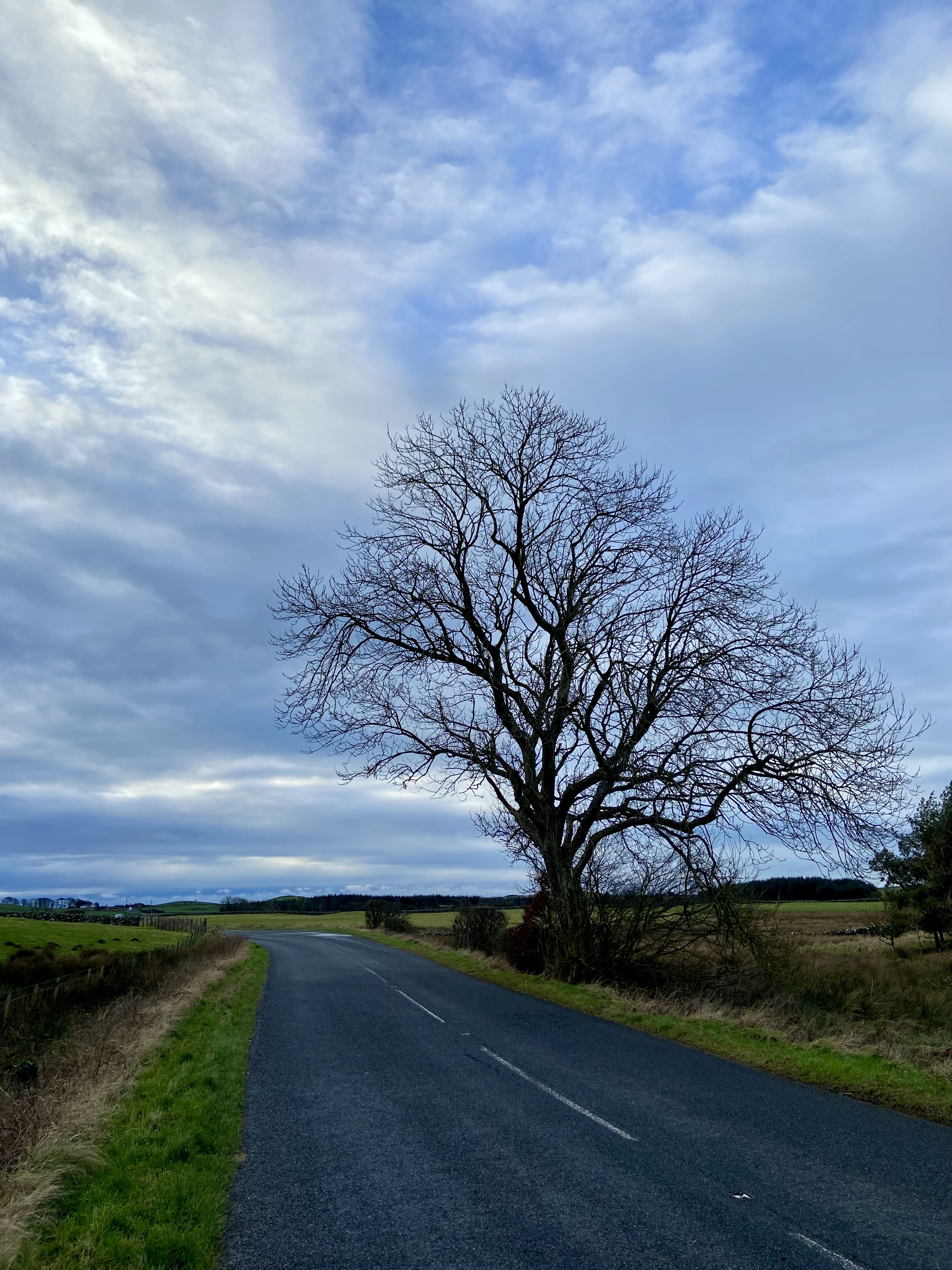
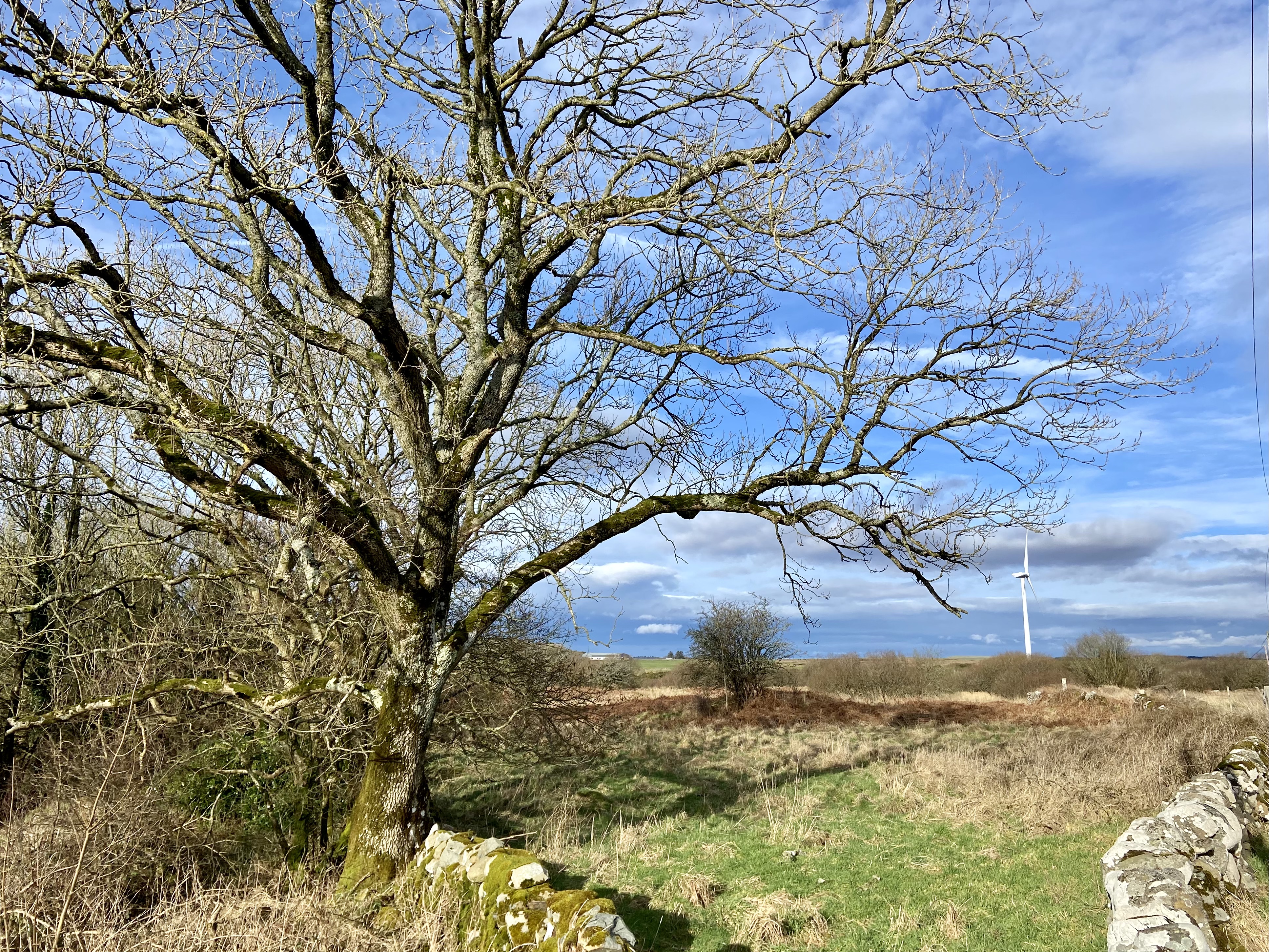
As you can probably see from the photos, Triar and I are taking a lot of walks at dawn and dusk. It’s nothing like as extreme as it was in Norway, but it’s good to see the days lengthening. C took me out on a welfare visit on Monday, albeit a very brief one. The report had come in from a vet at the slaughterhouse, which seems to be quite common here. For minor welfare issues at the abattoir in Norway, I’d probably have looked at the case myself, assessed whether I thought there was a significant problem and then dealt with it myself if it was something minor or if I thought an animal had been transported when it wasn’t fit.

Here in Scotland, those cases come to us for assessment of welfare on farm and the local authority decide whether the laws on transporting animals were breeched. Many of the animals also go through markets or are bought by dealers on their way to the slaughterhouse, which adds in another layer of complexity in the case and stress for the animal. When looking at a welfare case that went to market and was bought by a dealer who then sold it on to the slaughterhouse, you have to consider whether the market that sold that animal on and the person who bought it there ought to have spotted the problem. Also whether the issue worsened during that process. Much less complicated when it’s only down to the farmer who sent it and the driver who brought it.


Still, that case and another I dealt with myself have helped me get to grips with the system a little bit. I will probably be capable of managing minor cases myself quite shortly. Now I have to start to get to grips with dealing with tuberculosis investigations, which look equally complicated, perhaps more so. That’s something I haven’t been involved in at all in Norway, so it will be interesting to learn.

I should imagine it’s going to be mentally quite tough. The farms we visit will be dealing with confirmed outbreaks and though the aim is to get rid of a risky disease, telling a farmer that some of his animals will need to be culled, and sometimes many of them, isn’t going to be easy. TB is quite slow moving, but also near silent in the early stages. It can spread a long way before anyone picks up that it’s there. Still, trying to control notifiable diseases is a major part of my role and I’ve moved to an area of Scotland where the density of farms is relatively high. The important thing is to learn to do the job to the best of my ability. If the farmer is going through something tough, the last thing I want to do is add to his or her problems.

Thanks for reading. Have a good week!

Very Expensive Chicken

This week, my fellow senior veterinary inspector, C, took me out on some chicken visits. I guess I may have a poultry vet or two among my readers, but in general, beyond occasional pictures of huge chicken sheds on the news, and the understanding that all chickens came from an egg, most people have probably never thought about where all those chickens come from.

Back in Norway, I worked for a while in a chicken slaughterhouse and I did visit a few broiler units in Norway (a broiler is a chicken specifically raised for meat). During those visits I had to put on protective clothing over my own. This consisted of a full disposable overall with a hood, Wellington boots that were kept inside the shed and a face mask. Biosecurity is very important in any large flock of birds as infections like chicken flu or salmonella can move quickly through a flock with devastating effects.

What I didn’t know then was that the broilers I saw were the end result of an extensive, highly controlled breeding program that took three to four years from start to finish. Obviously I was aware that all the tiny chicks that come onto a broiler unit were bred somewhere, but I hadn’t realized how complicated the process was.


Logically, those broilers must have parents that are used for breeding and egg production, not meat and those flocks are parent flocks. Go back another layer and there are grandparent flocks, then another to the great grandparent flocks. Beyond that there is one final layer – the pedigree or pure line stock, and these are the birds from which all the chicken on your table are originally bred.

Those pedigree stock represent many years of careful genetic selection, which was initially aimed at increasing production levels, but animal welfare is being taken more into account now. When you’re rearing so many birds for food, there’s an extent to which each individual animal doesn’t have much significance, unlike in a small dairy, for example, where the farmer probably knows each individual animal very well. That means that welfare considerations are generally taken at a flock level and breeding birds that stay healthy has to be an important part of that.

As you can probably imagine though, a shed full of those pedigree chickens would be extremely valuable in monetary terms, and even down the chain at the grandparent flock level, each individual chicken is worth a lot more than the birds I saw in those broiler units. The birds C took me out to see were part of a grandparent flock and the inspection was a routine inspection, not linked to any welfare concerns.

I thought the biosecurity with the broilers was good, but before visiting the grandparent unit, we had to answer a whole series of questions about how recently we’d been in contact with other birds and animals and whether we had any symptoms of illness. Any wrong answers and we would have been refused entry. After that, we had to go into a unit where we left all our own clothes at one side, showered thoroughly, then put on clothes that are only used inside the restricted areas of the unit. Even after that, as we entered each individual shed, we had to change boots again. Each shed has its own boots and we had to disinfectant our boots and hands at every stage as we moved in between the houses.

I found the whole process both interesting and exhausting. Taking long Wellington boots on and off and balancing as you step over a barrier to get into them is physically quite demanding, though I imagine it gets easier with practice. Anyway, the birds are valuable enough that I will have to do several visits with another vet before I am allowed out on my own.

I’ve been out on a lot of visits this week, most of them with C. I also had a day long course on statement writing, aimed at ensuring we were capable of writing reports that were high enough quality that if we were asked about them in a courtroom, we wouldn’t find ourselves having to answer complicated questions about how we had arrived at our conclusions that the animals were suffering. This is something I learned quite a lot about in Norway, so it was interesting to see how it all compared. It’s very important, for example, that you give concrete examples. It’s not enough to say that the farmer had allowed the animals to become thirsty. Rather you would include observations about whether there was any water available l whether it was clean, whether there were enough troughs or nipples feeders for all the animals to drink and state that when you did give the animals water, that they stood drinking for x amount of time. If you merely said they were thirsty, three years later, in court, when challenged how you knew, you could easily find yourself floundering to recall the specific details of how you drew that conclusion.
If anything, I’ve been a bit too busy this week. There is still a lot of basic information I need to learn and there are courses I need to take to learn some of the basics. Time management and making sure I understand the underlying principles and context is something I need to be aware of as there is an awful lot of work to get through, but I get frustrated when I try to do tasks and simply don’t have the knowledge I need to tackle them.

Still it’s all interesting and I know from experience that I will learn it all eventually. And there are some beautiful days and some wonderful scenery. C took me out on a visit and she took me into Drumlanrig Castle on the way there. She tells me there’s a good coffee shop there, but we didn’t have time when we passed through. We did have time to stop and take photos though! These grounds and trees are so British. For me it is wonderfully familiar. It was beautiful in Norway, but it was always wild in a way the great estates in the UK are not.

I was also reminded, as I basked in the frosty sunlight, that my friends and family in the far north may not have seen the sun yet this year. Polar night officially ended in Tromsø this week, but sometimes it can be days or even weeks before you catch that first, wonderful peek of the sun’s rays after a month and a half. Love to all my friends up there.

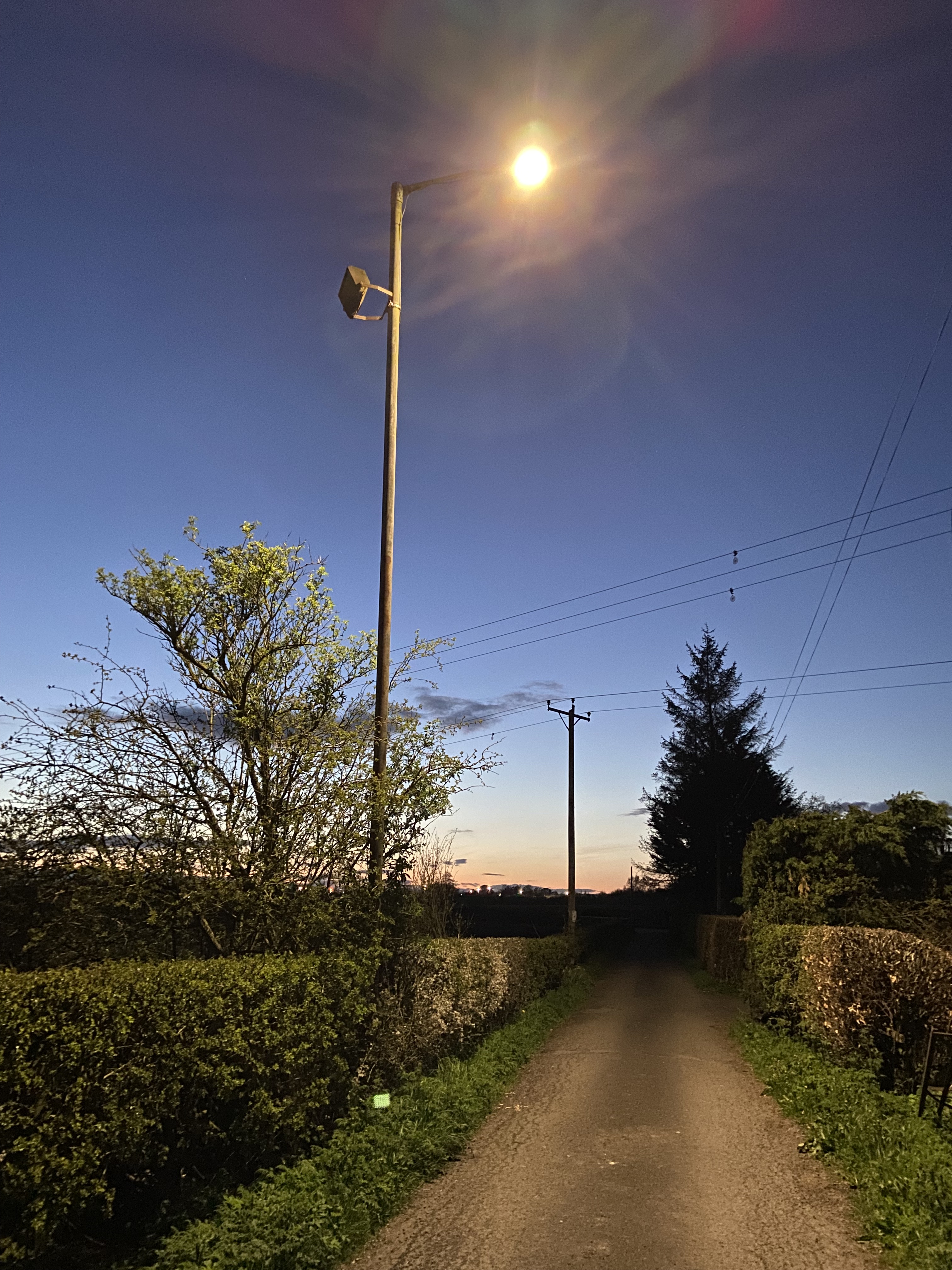
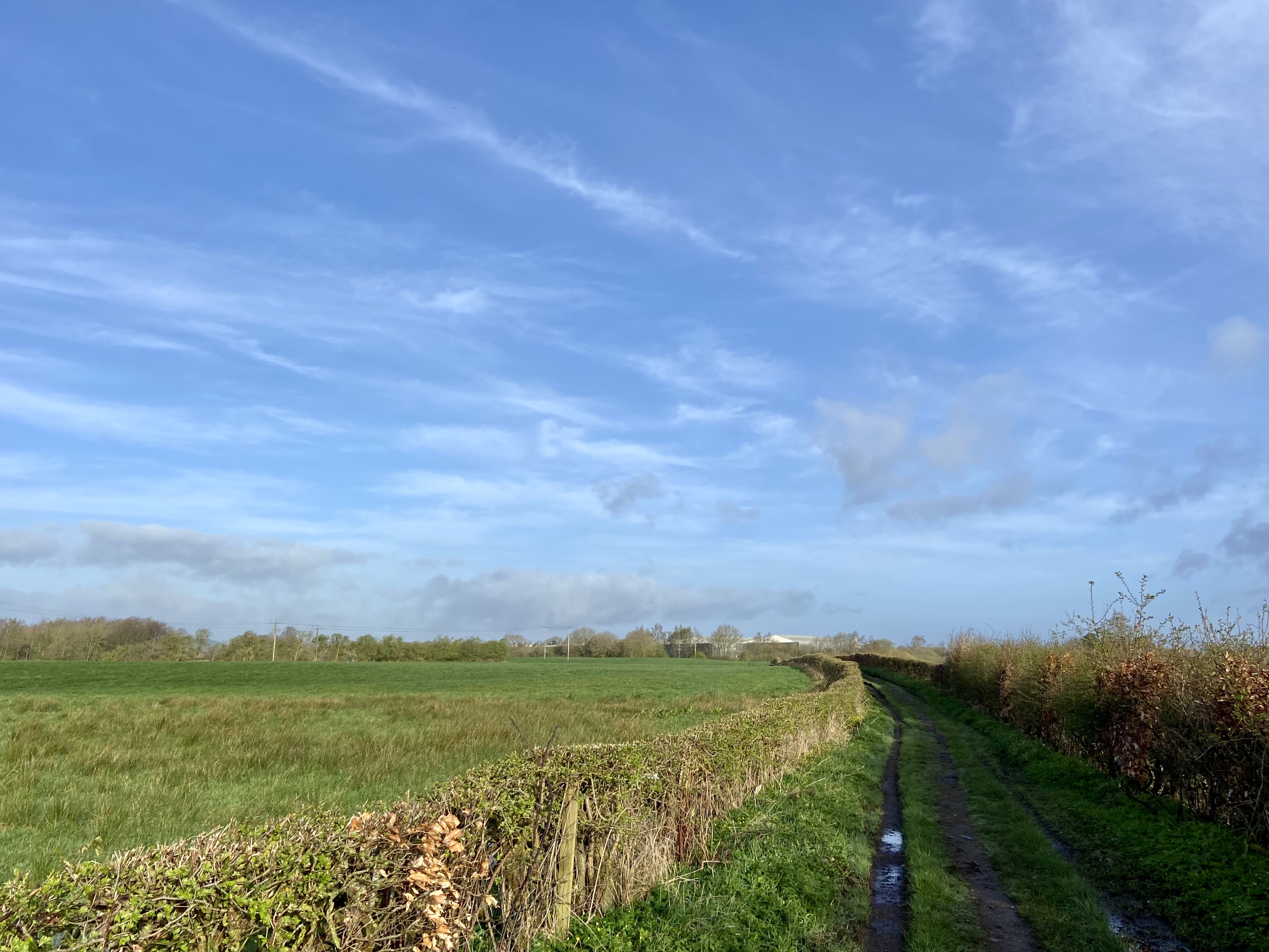
Anyway it’s late so I’m not going to write any more for now, though I am starting to progress through the process of buying a house here in Scotland. It’s quite different to the process in Norway and I will probably say more about that next week, but for now I’ll leave you with some photos from evening walks with Triar around the area where I’m currently living. Have a good week all!

A Latte with a View

A few more things have been sorted out this week. I checked my UK bank account last weekend and my first paycheck has arrived in the bank. That meant I could go into my local branch and set up a standing order for my rent. The teller did point out I could have done it online, and in time I will work on that because I know I’ll have to, but for now it’s a novelty to have an actual branch I can go into and people I can speak to that doesn’t involve a thirty hour drive to get there.

I’m enjoying the small things. I stopped at Tebay services on the way up the M6 and drank a coffee looking at the view. By the time I turned off the motorway and onto the A75, the sunset had turned into a line of liquid fire on the horizon, so I stopped for a moment and stepped out of the car into the frosty evening to capture it.

I completed my first welfare case at the beginning of the week. Hopping from tuft to tuft in a churned up field on a (fortunately) frosty morning taught me how unfit I am. The animals were in good order though, which is the most important thing. My colleague C came with me and she did something I had never once done in Norway, which was to ask the farmer if we could feed back our findings to the person who had complained.

So for the first time ever, I sent an e-mail message to the person who had sent in the report, explaining that what we had seen was normal for extensively farmed animals in Scotland. Muddy fields may not be ideal, but given the climate, they are inevitable and the animals are probably still better off outside. Housing them brings different problems. The law is different here regarding shelter. In Norway, some kind of building with walls on three sides was required. Here the shelter can be from dry stone walls, trees and features of the landscape and that is because the weather here is not so harsh.

C has been taking me out and about and has also been taking me to a few local haunts for meals along the way. We’d headed out so early for my welfare visit that I hadn’t eaten breakfast. We stopped on the way back to the office and I had coffee and an almond croissant in The Frothy Bike Co. in Dumfries. I’ve never been in a combined bike shop and cafe before, but there’s a first time for everything!

I also did some socializing, meeting up with old friends and new. On Monday evening, I drove up to Larkhall to meet Lara. I worked with Lara before moving to Norway and though I we hadn’t met for years, she was with me online at various significant moments, including helping me to write during Covid and being with me on Facebook messenger as I shakily typed in my first bid on the house I bought. We took a punt on a bar I found on TripAdvisor – the Applebank Inn. The food was good, the company great. Hopefully there will be a repeat performance in due course.

I also attended a writers group on Wednesday. It’s six months since I did any writing other than this blog and I made a pact with someone else who was struggling to make a start before the next meeting in two weeks time.

Yesterday I finally got Wi-Fi at home, and along with it, Netflix. Last night, I binge watched Fool Me Once., though I haven’t reached the end. This weekend will be the first time I’ve stayed in Dumfries, rather than heading down to Yorkshire. I have made myself a shopping list, which includes items like measuring jugs and a chest of drawers. Half my life is still in boxes at the moment and I need to find a cooking and eating regime that works for one person. I suppose I’d better buy in a few stock food items as well. They keep threatening snow on the weather forecasts and though getting snowed in here is highly unlikely, I’d look a bit of a numpty if I moved down from the Arctic, only to go hungry in Southwest Scotland because I didn’t buy in a few cans of beans.

Have a good week and thanks for reading!

Same, but Different.

Readjusting to UK life is a journey. In some ways, it feels like a homecoming; so much is familiar. Then I’ll come up against something that’s changed so much that I feel utterly lost.

For example, I was with Donna in the supermarket when I was looking for washing powder. In Norway, it was still mostly powder I used, usually a low-scent ultra brand. There were liquids available too, but generally I was happy with my ultra-powder. So there I was, standing in the aisle, looking for a similar, small box and I couldn’t see any. There were a few old-fashioned large boxes, but otherwise there was a massive array of unfamiliar things – not even tablets, which I could understand, but squidgy balls of stuff with different combinations and names I didn’t know. I had already noticed at Donna’s house that she put little sheets of stuff in the washing machine, but I had assumed these were the equivalent of fabric softener, which I have never used. It seems I was wrong and this was the new way of getting your clothes clean and fragrant.

Similarly, I was looking for dishwasher powder and I couldn’t see that either. Donna seemed to think using powder also involved using salt (or so she said). I’ve never used that either! My dishwasher in Norway was so old it couldn’t manage to dissolve hard tablets, hence the powder. I don’t think it had a place for salt! In the event, having bought squishy balls for both machines, I still managed to cock it up. The first time I used my dishwasher, I used the squishy washing machine combo rather than the dishwasher one. Lovely, fragrant smelling mugs are not really the right receptacle for morning coffee.

Supermarkets in general are rather overwhelming, but I was expecting that. Even when I came over on holiday, I’d noticed it. Andrew and I couldn’t understand why we couldn’t find baked beans in the canned goods aisle. It turns out there are so many types of baked beans that they had their own area!

That said, the range of ready meals is a delight. I can’t speak for all of Norway. I think there might be some upmarket supermarkets around the bigger cities that carry a few more things. But in Finnsnes, there were probably only ten ready meals, mostly some kind of meat and potato combination (the meatballs and mash were delicious, though at a price where they were a rare treat) and maybe one or two sub-par pasta dishes. I’ll not be using ready meals too often as I intend to cook from scratch, but as I’m living alone and may be tired sometimes, it’s lovely to have the option.

There are other things that are unfamiliar, not because they’ve changed, rather I’ve adjusted to a very different style of living. Andrew went home yesterday and he flew from Manchester Airport. I had picked him up from Lancaster station when he arrived. Having just spent weeks looking at car adverts, I had it in mind that there might be ULEZ taxes and restrictions around Manchester** (see update below) so I didn’t want to navigate that. Three weeks on, I’d already forgotten.

But now Andrew was leaving and getting a train to the airport in time to catch a plane was more complicated than getting off a plane and catching the next train. So I looked up the driving time to Manchester Airport (two hour forty minutes) and decided it would be nice to drop him off. We could stop off somewhere on the way (I thought) and have a coffee and then later, we could have a nice meal together.

It wasn’t until we stopped for that coffee and I started to look at the route that I remembered that, though it would mostly be motorways (in my mind, easier and faster) that we’d be hitting Manchester at about four thirty to five in the afternoon. While motorways might be easier and faster when quiet, as rush hour hit, traversing a city, the opposite was true. Still, I had managed to get to Heathrow in four lanes of stationary traffic. I would manage, I thought. I had to really; it was already on the late side for him to get the train from Lancaster. However, I wanted to get near the airport before we stopped for that meal.

It was only as, with heart in mouth, I negotiated the busy, high-speed, tail-gating traffic around the city, that I realised we couldn’t leave the motorway to look for food without entering the ULEZ zone. With hindsight, I could have just paid it and left the motorway, but anyway, I was no longer certain I’d be able to get back on. The five hours we’d set aside for the journey no longer seemed so generous. Still, I’ve stayed at Manchester airport often enough to know there were Premier Inns and hotels with restaurants. We’d find something there, I thought.

In the event, I was so frazzled by the time we approached the airport that I couldn’t bring myself to ask Andrew to look up those hotels on the map, and approaching in the car was nothing like coming in on the train, then walking or getting a taxi. Nothing seemed familiar and as we drove into the drop off for Terminal 2 (which cost money each time you drove through) I sadly abandoned the meal plan and dropped Andrew off an hour early and three hours before his plane was due to take off. Had I been more organized (or even mentally ready) there was plenty of time, but it already felt a too much, and now I had to get back to Yorkshire.

Again, with hindsight, it probably would have been better to find somewhere and stop for food. I could have then planned my onward journey better. When I navigated my way to Heathrow, it was in a hired car, with excellent sat-nav that warned you what lane to be in early and how to navigate each junction. On the way into the airport, Andrew had done the same from Google Maps, albeit rather less efficiently. I had only a couple of minutes at the drop off to assimilate the route back to Settle, on a motorway network that I had forgotten was so complicated. The whole ULEZ thing meant I couldn’t even leave the motorway to find a roadside place to stop and work it out.

I guess to anyone familiar with UK driving, I probably sound a bit of an idiot, but I recently navigated my way the length of Norway (a thirty hour drive) and back again through Sweden. I had forgotten about UK cities: how busy and complicated they are, with their restrictions, rush hours and aggressive drivers. Still, I survived, I didn’t crash and I have worked out that before I approach any such journey again, I need to get a proper sat-nav in my car and I should do my homework and think ahead. All adjustments take time, and I’m very much of the opinion that what doesn’t kill you makes you stronger.

All in all though, it’s been a good week. I’ve finally met C, the other vet in Dumfries. She’s immediately offered the thing I hoped for, which is to take me out on some calls and show me the paperwork. Veterinary leader L also came down and was very encouraging. C says nobody stays in Dumfries, but I’ve just sent in a claim for removal expenses that APHA can claw back if I leave before two years is up, so C will be stuck with me for some time. I’d better make sure it’s time well spent!


**Quick update – it seems the ULEZ tax for Manchester is still under review, so I needn’t have worried. The signs were all up though, saying if you left the motorway, you’d be in the zone, as it were. Wish It’d known that last night. Preparation is key!

In With the New

This week, Andrew and I spent our first few days in the house I am renting in Dumfries. We travelled up on Tuesday amid dire warnings that there was a storm on the way. It duly arrived that night. I had bought some new duvets in a sale in Skipton and had worried that 13.5 and 15 tog might be ridiculously warm, but I was glad of mine as I huddled in bed, feeling the chill of the bedroom on my face. Before I left Norway, a few people asked what I would miss and I couldn’t answer. You never really know which things you will feel most intensely, but I can now tell those people that the thing I miss most so far is having a draught-free house!

It did get better. The storm changed direction the next day and the house warmed up a good deal after I’d adjusted the central heating. We don’t have internet yet (which is why this post is late) but Andrew had downloaded some TV programmes onto my laptop, so we had something to watch in the evenings and it was, in the end, quite cosy and comfortable.


Work has been up and down. The whole IT situation seems very sketchy. A new planning system is coming into use and there seem to be daily e-mails about getting ourselves on board. The only problem for me was that, when I followed the link that should have taken me there, I got a message to say that an app was missing and I should ask my administrator for help. I took a screenshot before I started the Christmas break and sent a message to IT support. I came back to a series of messages, the last of which said the case had now been closed as it had been marked as resolved for three days,

Working backwards, I finally found the message that supposedly resolved the issue. Rather than helping me with instructions on how to get the app, or who to ask, there was a message saying everyone had the app, with a series of links about how to use it and all the different applications it covered. At least that was the topic of the first three or so links. I didn’t open the entire list because none of them appeared in any way related to my actual problem, which was that I didn’t have the app.

The most spectacular part of the message though, was the instruction at the end. It said that if you still had a problem, you should refer to the links and that if you wanted to ask them again for help, you must have read all the links. You had to give a full explanation of what you had tried, with reference to which link it related to. If you hadn’t explored every option, you wouldn’t receive a response.

I was close to sending back a snotty message, pointing out that they had just asked a qualified vet to waste several paid hours wading through a long list of articles that (from the evidence of the first three links) were not even targetted for the problem I had reported. My second thought was to send a message appealing to their better nature and asking them to treat me as if I was an elderly relative asking for help with working their newly installed TV.

Instead, I went back to one of the daily e-mails exhorting us to get onto the new planner and check our profiles. Right at the bottom was an address to contact if you were having trouble doing that. Crossing my fingers, I sent a message. The response came back quite quickly. I was, apparently, one of a tiny number people whose laptops had slipped through a crack in the system and hadn’t had the app installed.

I must say that the original e-mail left a bad taste. Presumably the terse message was borne of frustration with their own system somewhere, but it was so impolite that my gut reaction was to abandon any attempt to use the new planner until someone insisted I use it, at which point they would be forced to address the issue that I couldn’t. I’d add that it hasn’t all been bad. I’ve had some very helpful experiences with the IT providers as well, whenever I’ve actually called rather than sending a message, so it definitely isn’t that they’re heartless and horrible. I need to remember not to respond with a knee-jerk reaction when something seems a bit off.

But maybe that’s the second thing that I miss. In Norway, Øivind was often my first port of call when I had an IT problem and he also arranged great parties. I think we need a Party General with IT skills in Dumfries.

Despite my IT teething problems and the weather, it’s been a good week. I’ve been handed my first welfare case, and though my first reaction was that I didn’t know how to tackle it, I’ve had enough help to jump in and make a start.

The report that was sent in used the What3Words system and my first inclination was to follow that trail and see what I found. For anyone who hasn’t come across What3Words, it’s a computer mapping system, where every three square metres of land is allocated a combination of three words. If you are standing somewhere and want to direct someone to find you, the system tells you the words, which then can be used by the finder to trace the location.

So interested was I in seeing whether it worked, and wondering what I would find, I forgot that I hadn’t put my kit in the car. What I actually found was a muddy field and what I now have is a lot more information and a ruined pair of shoes. As G said as he helped me to find out who owned the muddy field the next day, I won’t make that mistake again. Still, tackling my first welfare case was a great reminder that this was what I came here to do.

Andrew and I stopped for lunch on the way from Dumfries to Yorkshire yesterday. Robert Burns’ Selkirk Grace at the top of the page was painted on the wall and I thought it was an apt quotation on a day when Auld Lang Syne – Burns’ most famous song – will be sung in so many places round the world as the year turns. While sitting there, I was struck by another difference between Scotland and Norway. I had Cullen Skink – Scottish fish soup – with crusty bread. In Norway, there would have been two slices of bread and one small pat of butter. In Scotland, there was one slice of bread and two pats of butter. There’s also a lot of haggis on the menu everywhere, which I’m embracing with gusto. Triar and I are going to have to do a lot of walking when the rain finally slows down.

Anyway, I’ll leave you with a photo, taken from Mum and Dad’s conservatory, just after midnight last night. For me 2024 is going to be very different from 2023. I hope (once I have internet in my house) you’ll join me on my journey through it.

Happy New Year!

A Long Week

I almost forgot it was blog day this morning. It feels like ages since last weekend. I took the astonishing photo at the top of the page last Saturday after dropping off the man who sold Anna his car back at his house. The intensity of those iron grey clouds, brooding above the sunny Yorkshire Dales landscape was so arresting that I had to try to capture it.

I worked from Yorkshire on Monday, then left Anna, Lauren, Andrew and Triar at Mum and Dad’s to head back up to Scotland. I was sad to miss Anna and Lauren’s last day, but my furniture was due to arrive on Tuesday (at last) so Scotland beckoned.

I started work early on Tuesday morning at Donna’s house, which is only a ten minute drive from the house I’m renting. Having heard nothing from Pickford’s, I called them, getting through at about nine-forty, only to be told my slot was between ten and twelve. Grabbing my work bag, I rushed out to my car and drove over, arriving only moments before ten. The only furniture in the house was a single kitchen chair and I set it by the living room window, thinking I’d try to get some work done before they arrived, but before I could open my laptop, they arrived.

Regular readers will remember the awful day back in October when the removal men arrived a day early, causing chaos and doing an appallingly bad job in general (Last Post) so I was very pleased that this time, the (different) crew had arrived right on schedule. The contrast continued as they unpacked my sofas and beds, working hard to find all the parts of the beds, as they were worried I wouldn’t have anywhere to sleep without them.

They eventually found the three metal barriers that hold the mattress in place and the remote control for one of the beds in two random boxes, but when I assured them that I had somewhere to sleep that night, they gave up on the search for the legs and the parts for the other bed (both are adjustable) and carried on bringing the remaining furniture in. Their willingness and communication was such a contrast with the firm at the Norwegian end. They worked for a company called Bee Smart and I found myself musing that, if I move again within the next year (the rental house is temporary) I would probably call them.

Donna had offered to help me unpack on Thursday and so, having taken the day off work, she and I headed over to start to get my new house into some kind of order. Like Shirley, who helped me to clean the old house, Donna worked so efficiently that, by the end of the day, the kitchen was cleaned, all my kitchen equipment was found and washed and both beds were assembled. We had a bit of a laugh over some of the packing. As I said in my October post, the removal men had run out of boxes and complained I had too much stuff. Donna, who was going through the boxes, brought two of them to me to show their contents, or rather, the lack of them. This kitchen box was only half full.

Perhaps there was some excuse as that one was heavy, but this was the most sublime:

Top tip: if you’re moving in Norway, don’t use Vinje’s!

The landlady (Lorna) unexpectedly arrived, just as as Donna was finishing up the kitchen. As I brought Lorna in, Donna was standing in a cloud of steam, sleeves rolled up, placing the last of my bowls onto a towel she had placed on one of the worktops, having run out of space on the drainer. All the cupboards were washed and standing open to dry. For a first impression, as a new tenant, I couldn’t have hoped for better.

We had discovered the night before, that the toilet flush wasn’t working properly, so within minutes, Lorna was on the phone to a plumber. They gave a tentative promise that they’d try to pop in at eight the next morning. No mean feat two days before the weekend before Christmas. Then she left and Donna and I went back to sorting through my stuff.

There were a few broken things, but fortunately not too much. Donna had offered to wash some bed clothes, so that when Andrew and I came up there would be beds all ready to go and anyway, I was beginning to feel tired, so we headed back to Donna’s at about three.

To top off the day, Donna had friends coming round, and again, I was included in the invitation. We had wine and Chinese food and plenty of friendly chat. I slept well overnight, but had to get up early to go back to the rental to meet the plumbers. And so, I now have two beds, ready to sleep in, a kitchen full of clean pots and pans and a working toilet. It was sad to leave Donna’s yesterday, though also lovely to be back at Mum and Dad’s. This will be my first UK Christmas in over ten years and I’m really looking forward to it.

Turkey Calling


I arrived back at Donna and Will’s on Sunday afternoon and we spent the evening putting up Christmas decorations. They’ve got a real tree and Christmas decorations from different people and places they’ve been. I was also impressed they had even more boxes of decorations than I did before my moving rationalisation, when sadly, I had to cut it down to three boxes. Can’t have too much Christmas cheer, in my opinion. The amazing Lego Christmas Village picture at the top of the page is theirs. Building an entire village is real dedication to the Christmas cause.

Although my online induction continues apace (deadline 24th December for the general program) I’ve been out on two visits this week. The first was to a veterinary practice which carries out some Official Veterinarian work on behalf of the government. Much of this doesn’t seem to have changed too much since I was doing it myself back in the early nineties, though we didn’t use much rabies vaccine back then, before the days of pet passports. We inspected equipment such as the guns that are used to inject tuberculin to check for TB and the practice microscope for looking for anthrax. There was a feeling of familiarity, being back in a mixed animal country practice, though the lingering scents of iodine, vitamin B12 and calcium were sadly absent from the stockroom.

I also went on a visit to a fallen stock plant, where culled animals that are not fit for human consumption are taken. Though they’re not going into the food chain, the animals are still tested for BSE or Scrapie (the sheep version). One thing I’m really revelling in is chatting to people effortlessly. Back in Norway, I’d go out with Birgit and she’d launch into chatting about what was happening at that time of year and perhaps more local news. Suddenly I can do it too!

We received a directive about carrying out welfare visits on turkey farms at the time of slaughter. As regular readers will know, killing animals as humanely as possible is something that really energises me, so I was hoping to get involved, but it seems that there are very few in our region and that most of them either send them outside the area or are already finished. This is definitely something I should write in my calendar for October next year. I was asked to do some of the phoning though. I can see I’m going to be leaping into this job like a pig rushing to the muddy corner of its field, only with more disinfectant involved.

Andrew arrived last night from Norway and will be here over Christmas and New Year. Triar was very pleased to see us both when we arrived at Mum and Dad’s, though it was well after his bedtime when we got here. Anna and Lauren will be arriving later today for a weekend visit, so it’s going to be a full house. I went to Aldi on the way to pick up some party food. Another novelty for me. Vol-au-vents, cocktail sausages and duck spring rolls were in short supply in Finnsnes. I miss ribberull meat on my sandwiches though. I wonder if I could make my own.

My furniture should arrive on Tuesday and I’m hoping to take a couple of days off later in the week to unpack. Donna has offered to give me a hand, which I’ve gladly accepted. It’ll be good to get my things back, though I’ll be sad to move out of Donna’s very comfortable spare room. Her social life is so busy that I will need to make appointments to see her, once I’ve moved out. We’ve already booked Pilates classes including one in January though, so we’ll be keeping fit as well as in contact.

Anyway, I’d better go and get breakfast. See you tomorrow for the exciting third installment in this years advent adventure!