I am finally inspired to work on my story based on the Norwegian song/poem Tir n’a Noir again. I have decided it shall be a short story – different from what I usually write. I have also signed up for a scriptwriting course and am waiting for that to begin. I think it will benefit me trying out different formats. A novel takes so much time and concentration and I am in short supply of both those things. My day job takes too much energy.
That said, I’ve had a good week at work. On Monday I was out with Lauren, one of our animal health officers, training her to blood sample sheep. With only minor instruction from me, she quickly got the hang of it and took blood from twenty sheep in no time. I enjoy teaching people how to do things I’ve spent half a lifetime learning.
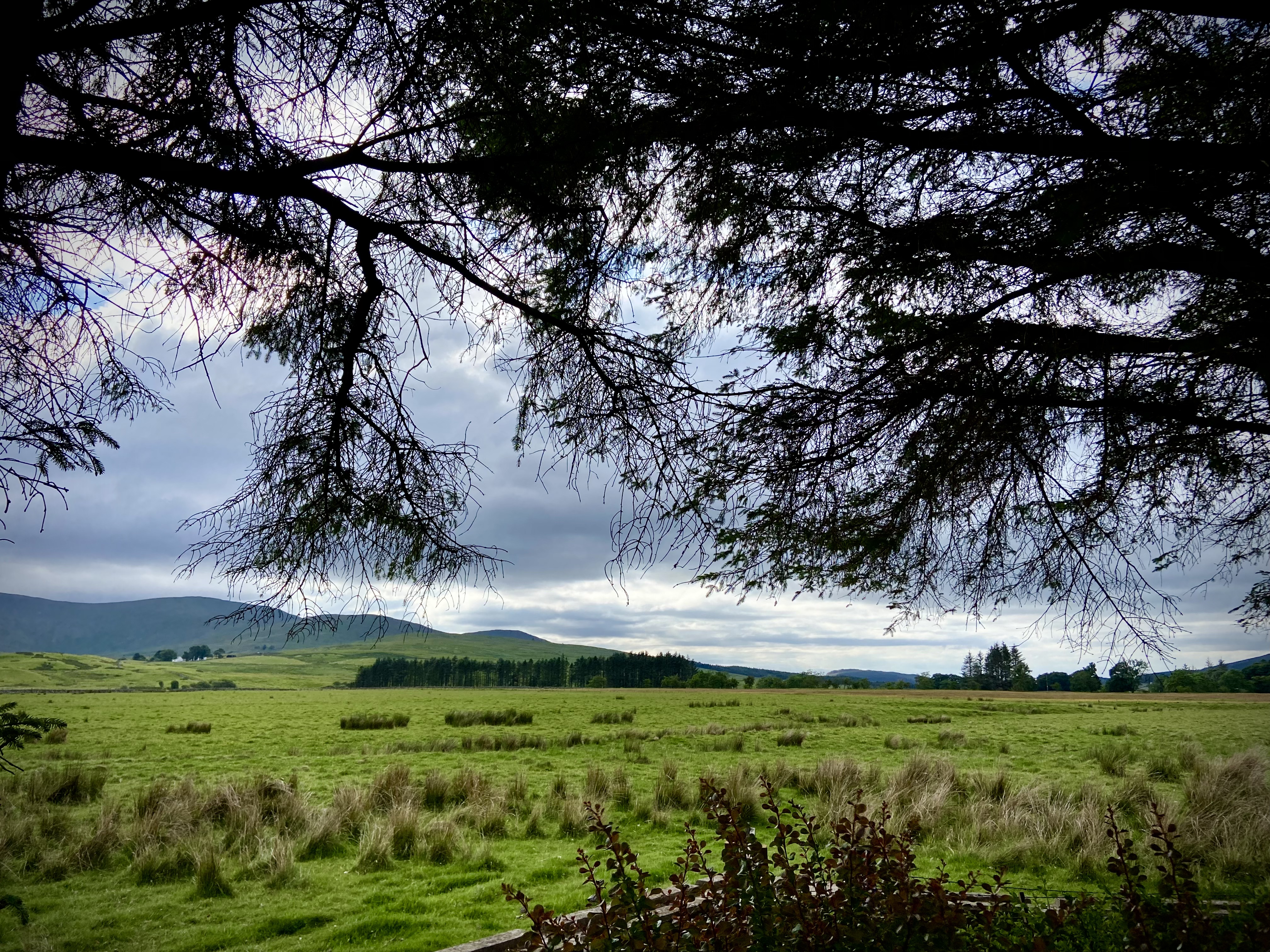
On Tuesday, I was learning myself. I was up at Prestwick Airport again, checking two beautiful horses that had flown in from the US. It was a broodmare and her foal and they were blue blood in the racing world. Absolutely stunning. Another colleague recommended I took the Castle Douglas road on the way back and I did. The normal Ayr road is rather boring, so I was delighted to find myself driving through some gorgeous Galloway scenery. There are mostly rolling hills here, rather than mountains, but I passed through spiky fir forests and by lochans and burns.
As you can see, the sky became quite spectacular and shortly afterwards, it began to pour. I was reminded of a summer long ago, when we holidayed in New Galloway and went walking every morning, but made sure we were back in the cottage in the afternoon as the rain started each day at about 3pm.
On Wednesday, I recorded the training on the Disease Report Form that I had given in front of an audience the week before. To do this, I was told to set up a Teams meeting with my mentor, Josephine. “Mark it, ‘Do not attend’” she told me, so I gave it that title and then began. I muffed it a couple of times and I wasn’t sure how to delete, so I decided to quit that meeting and set up another. This time, I thought I would give her a giggle and gave it a rather tongue in cheek name.
That time, the recording went well and I laid down a perfectly respectable piece of training. What I hadn’t realized was that when anyone accesses the presentation, what they would come to was a video with the title of the meeting it was recorded on in broad letters at the bottom of the page. And so, you guessed it, I have created a piece of training on a serious topic, with the title that will be there in perpetuity – Do Not Attend Again – The Director’s Cut.
I don’t have any real plans for this weekend so far. Last weekend I went for a walk with Belle, who is one of the women who will be teaching me about scriptwriting. Her dog George is very laid back, and he and Triar seeem to get on fine. Triar did shame me slightly by disappearing into a massive field, filled with long grass and rabbits, and failing entirely to return when I called him. Belle and George were fortunately very laid back about the whole thing and Belle even suggested that, as Triar enjoyed it so much, we could come back another day, but bring a picnic instead of aiming to go to a pub for a drink. Sounds good to me!
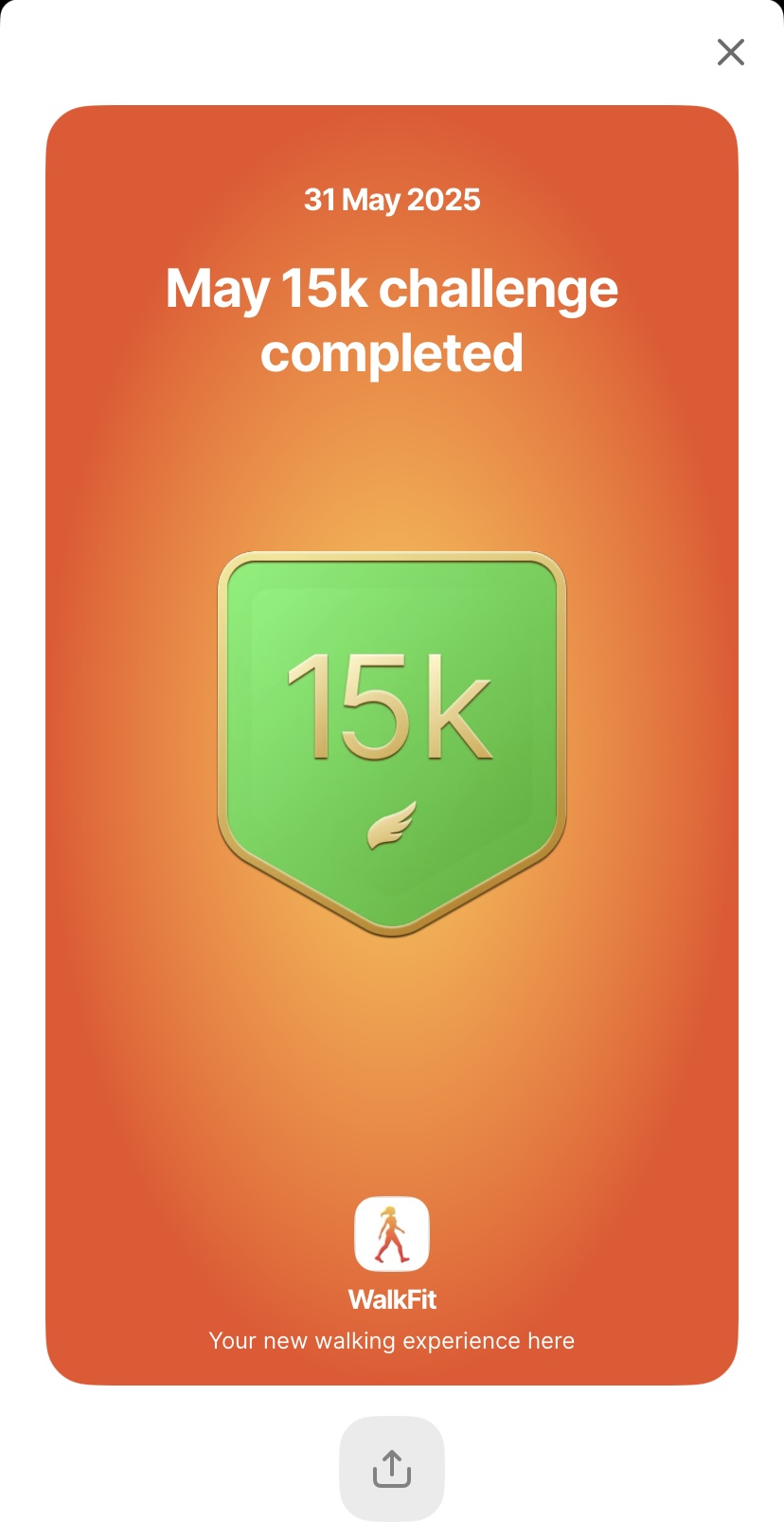
I managed the May Walkfit Challenge: 15,000 steps, three times in May.
Screenshot
I opened the app on 1st of June, wondering what I would find. April had been 10,000 four times. If it jumped to 20k in a day, I didn’t think I would manage it. Instead, for some reason it’s set the bizarre target of 6,000 steps ten times over. Given my daily steps target is 7,500, which I have been meeting regularly, that doesn’t really seem like anything to aim at. I’m enjoying the app and it is undoubtedly encouraging me to move more than I did, but there are a few things that undoubtedly could do with some improvement.
I didn’t have any callouts last weekend. It’s less stressful than it used to be in practice, though it’s so many years since I’ve done on-call that it’s very different in many ways. Back then, mobile phones weren’t reliable enough for the RCVS to allow them to be used for on-call vets, so you had to stay within hearing distance of your landline. No popping out to the shops if you’d forgotten to get something. Well you could, but you had to phone your boss’s mother (or whoever was covering when you were out working) and ask if it was okay.
Still, I went to church on Sunday and it wasn’t very relaxed. There’s a time limit of 30 minutes after a report case (notifiable disease) comes in. After that, you’re meant to be on the road. As church is a 15 minute drive from home, that 15 minutes would be long enough to add stress to that time constraint.
I had a fascinating day on Tuesday. One of the tasks senior veterinary inspectors cover is import checks of live animals coming into the UK. Obviously how many of those come your way depends on the region where you work. Prestwick Airport is within the area covered by Ayr Field Services and there is a terminal there for horses to come into the country. Until last year, it was very quiet, but because of some problems at Stansted, there are now quite a few horses coming in, so they are increasing the number of vets trained to do it.
So I headed up to Prestwick on Tuesday morning. I probably should have arranged a hotel for the night before or the night after the training, but because of Triar and the APHA restriction on having dogs in cars, I couldn’t do that. I have done a small amount of import and export work in Norway, so the general protocols don’t seem all that complicated and anyway, I was really interested, which always helps when learning something new.
Watching the horse boxes being unloaded from the plane was a new experience. The boxes are actually moved on rollers and pushed by hand, off the plane, onto a platform that lowers them to the ground, then onto a trailer that brings them into the horse terminal. The boxes are then pushed again onto more rollers on a platform, where they are secured. The horses are then given a few minutes to settle, before the doors are opened and they are walked down a ramp and into a stable where they can be checked.
There were two lots of horses, four horses on total and they were coming in from the US. Two of them were owned by a woman who was moving to the UK. One of her horses was 26 years old and she had used him as her FEI horse (eventing, I think). The other was younger – her new competition horse. The other two were from a stud in the US and were coming into the UK as race horses. They were all stunning, even the old boy, and I have made a note of the names of the racehorses, just in case they ever do anything remarkable. I know the odds are that they won’t, but man they were beautiful!
The only other interesting thing I’ve done this week is the homework before I begin a screenwriting course with a small, local, media company, run by a friend. I’ve been sent the first chapter of Great Expectations, along with a shooting script by David Nicholas and a link to the film on YouTube. It’s a 1946 film, so presumably the script is out of copyright. It was interesting to see the changes from the chapter Dickens wrote, to the pared down script, and then to see what the director made of it. Also, films have changed a lot since then, but the opening scene was very dramatic in black and white. I’m now really looking forward to learning more.
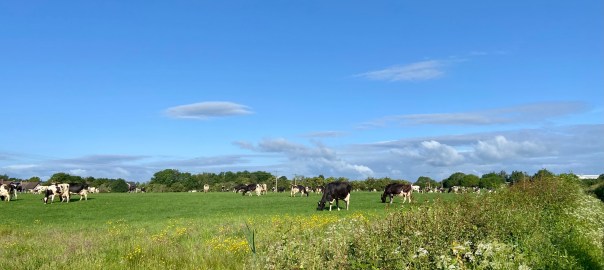
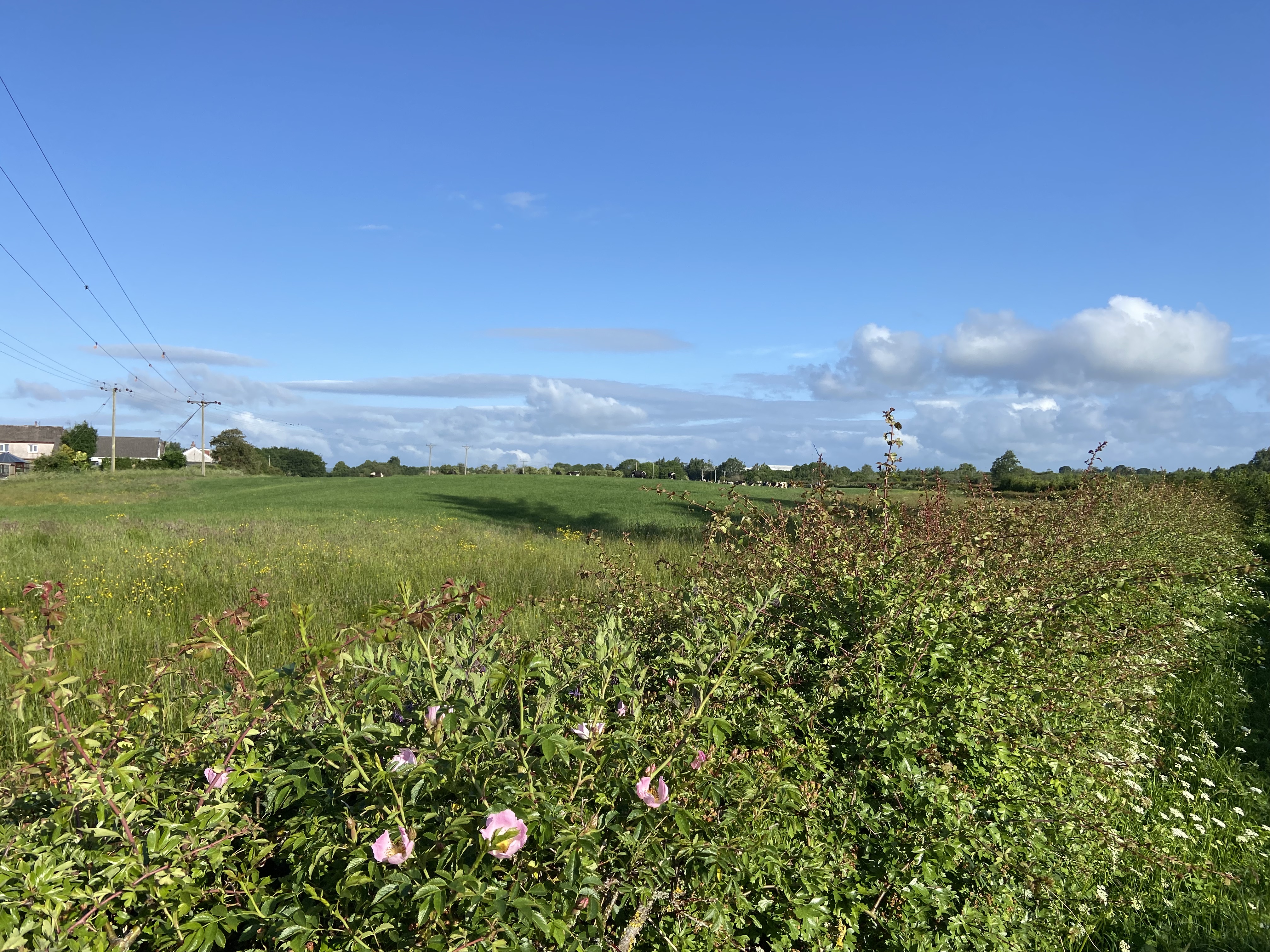
I’ve only a few photos of Blackbird Lane to share with you this week, so I will drop those here. Thanks for reading.
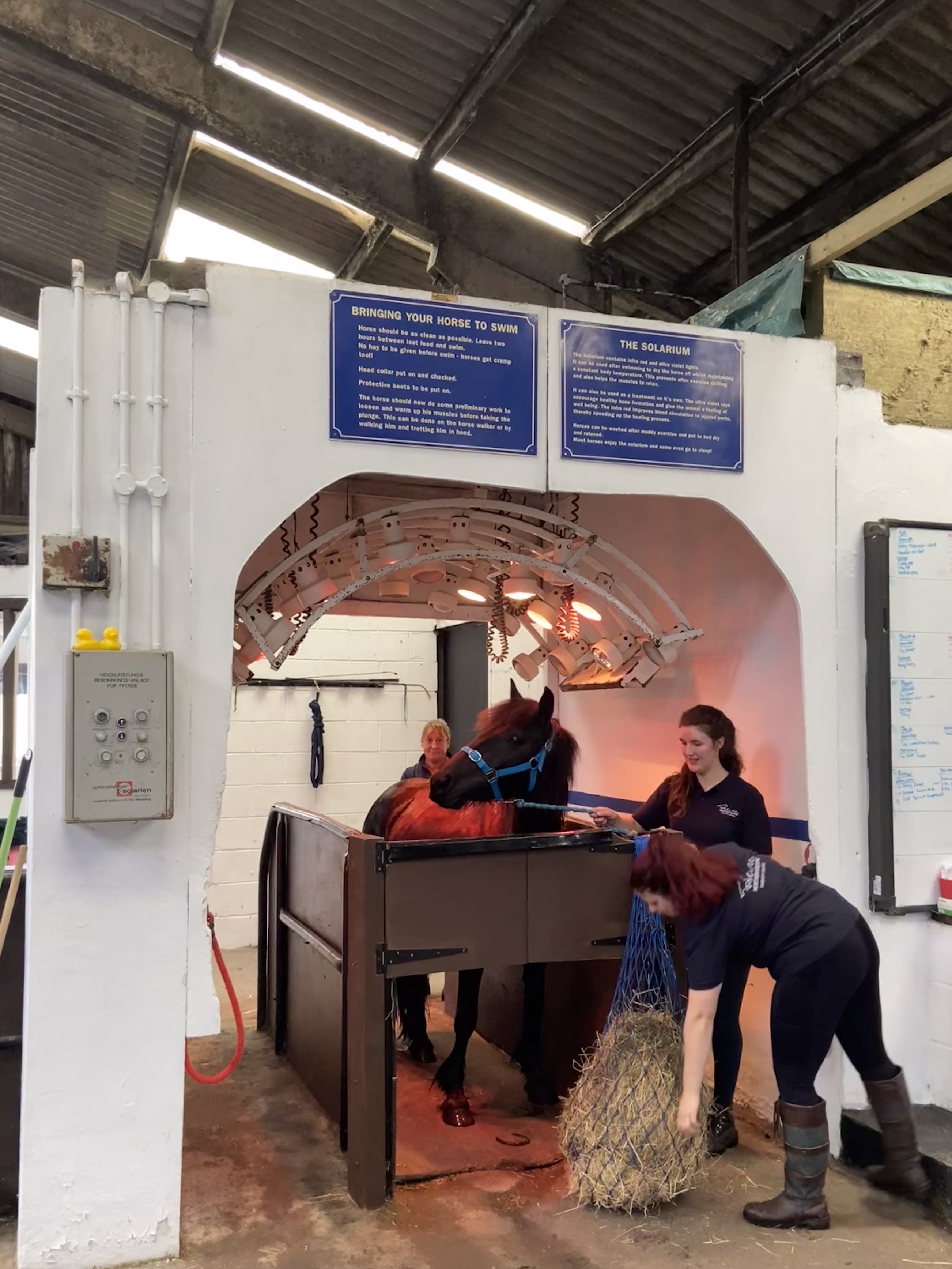
This week has felt so long, and has been so full, that it was almost a surprise when I looked back at my photos and realised that it was only last weekend I went to the Northern Canine and Equine Therapy Centre in Rathmell, where they do hydrotherapy for horses and dogs. They had advertised it as a coffee morning and we did indeed purchase a lovely coffee from a van outside the centre, but the real attraction lay inside.
The horse hydrotherapy session was due first, so we walked into the part of the centre where the horses were kept. I wish that I had taken more photos, but it was a lovely place and I instantly felt at home. The centrepiece of the covered yard was obviously the pool (pictured at the top of the page) but around two edges there were stables for the hospitalised horses. Some were there for lameness, some for weight loss and conditioning. Others were there, not so much for treatment, but for pampering. Imagine sending your horse away for a spa weekend!
Having swum round, the pony in the picture was taken out, towelled down, then treated with oils to replace the natural oils that would have been removed from his coat. He then was walked into a solarium to dry out a bit.
After we’d seen the horse swimming, we moved through to the dog pool. There. We watched as a dog physio put her labrador through his paces in the pool.
She told us about the different conditions they helped with. Her own dog doesn’t need any therapy, but he does love swimming. It’s also possible to book a half hour fun session with your dog and I immediately decided I’d like to take Triar to see if he would like indoor swimming. I also found myself wishing I worked there, or perhaps was a vet who could refer animals to them. It felt like a very positive place.
We had rather a bombshell last Friday afternoon, which I couldn’t bring myself to mention last week. My lovely boss, Kirsty, unexpectedly sent out a message to say she was leaving and her last day would be early in August. I will be very sad to see her go, and by the outpouring of shock, so will many of my colleagues. Both Lindsay (my Veterinary advisor – one step up from me) and Sue, who has just taken on a year long post after locumming on and off, called me up, mainly to express their sadness. Though it feels very sudden, it’s good for Kirsty and I hope she gets some much deserved time to relax.
Back at work on Monday, I visited a chicken farm with my colleague, Aleks. I have to do three visits with other vets before I can go solo, and this was my third. Because everyone is so busy, it’s difficult to find dates when two of us can go out together, so I’m glad my third accompanied visit is done. I have three of my own to do, so now I can more easily fit them into my timetable.
I can’t even remember what I did on Tuesday. It all feels so long ago! I was due to revisit a welfare case on Wednesday with David, who works for the local authority with animal health and welfare. We often work together and the revisit was to a farm where we witnessed some serious welfare issues before. But when he arrived, he asked me if we could divert to a more pressing issue. A group of pigs had escaped from their field and had turned up in someone else’s farmyard. It wasn’t the first time they’d escaped, but the farmer, quite correctly, now had them coralled in a barn.
Other authorities, including the police and the SSPCA had been called out when the pigs had escaped before, but nothing had been done. These situations are complicated to deal with. Animals do escape from time to time, and unless they’re on a road or causing risk, it’s really the farmer’s responsibility to get them back and secure them in the field or barn. For David and me, it was essentially a welfare issue. It’s not safe for the pigs to be marauding round the countryside. All farmers have a responsibility to keep their animals safe and keeping them enclosed within a safe area is key to that.
After the big foot and mouth outbreak in 2001, various laws were brought in to try to reduce the risks of another big outbreak. These included standstill laws on animal movements. If cloven hoofed animals (mainly cattle, sheep and pigs) are moved onto a farm, then the farm comes under a standstill order and for thirteen days, no animals can be moved off the farm without special permission.
So pigs landing unexpectedly on someone else’s farm presents quite an issue to that farmer, especially if they were planning on selling some animals, which our farmer was, and imminently. Our first action was to find out if the sale could go ahead. The pigs had not, to anyone’s knowledge, been near the animals that were to be sold, but equally, they had been loose, so where they had been was anyone’s guess. The movement ban applies to all animals on the farm, so the sale had to be stopped. That was done before we left the office.
Our next action was to visit the farm. It was an hour’s drive, but when we got there, I was able to examine the pigs. They were healthy and being well looked after. The main issue that had to be dealt with (or so we thought) was that they were not where they were meant to be.
Having looked at the entrapped pigs, we then went to visit the pig owner. The remainder of the herd were in a separate field from the ones who had escaped. To get to them, we had to walk through the field where the escapee pigs had been. There were some green boxes that looked like the boxes supermarkets use to deliver produce, but I had walked past them, keen to see if the pigs were okay. David had gone to get something from his van and I expected him to follow immediately, but when I turned to see where he was, he was standing at the gate, looking round.
He joined us eventually and we went and looked at the pigs. They looked well and the field they were in was (in my opinion) the perfect environment, with a small shelter, long grass and rushes to hide in and mud in which to wallow when the weather was warm.
It was only when we turned and walked back, that David told me what he had seen at the gate. Across from the supermarket boxes, there was litter, lying about. And in that rubbish, which was mostly food packaging, he had found empty packages for sausage rolls, ham and bacon, along with bags for bread and hot dog rolls.
I mentioned foot and mouth and the rules created after the big 2001 outbreak earlier. In addition to new rules on animal movements, strict rules were brought in about feeding pigs. Feeding them any kind of human food or kitchen waste is banned. We asked the farmer about the packages. It wasn’t impossible they had been left by someone having a picnic, but he didn’t know where they’d come from and said he thought people sometimes came and fed the pigs.
So now we had a situation, where there were empty packages for pork products that the escaped pigs had access to, and worse, that it was possible the produce, including raw bacon, might have been fed to the pigs.
These are the kinds of situations that have immediately to be sent up the food chain. Even if I had dealt with such a situation before, I would still have to call it in, without delay. The upshot of my phone call, and the work I have been doing for the last three days, is that both farms have to be locked down, with no movements of live or dead animals onto or off the premises, except under special licence. All the animals have to be inspected every 72 hours for signs of disease for a week, then probably weekly thereafter, for another two weeks. There was also the matter of the pigs being on the wrong farm, which was resolved yesterday, after lots of negotiation and paperwork.
So a vist which I thought might be a little complicated to resolve has turned into a behemoth case. One thing I will say is that we have an enormous amount to be grateful for with the farmer who took in the marauding pigs. She did everything right from start to finish, including calling us in. Chances are, the pigs don’t have foot and mouth, but now we have everything under supervision, so if the worst happens, we are already on top of it.
Had she chosen not to trap the pigs and call us, but had shoo’d them away and sent her animals to the sale, the potential for us being faced with another 2001 was there. That was started by pigs being fed improperly processed food and the disease wasn’t spotted until it had been sent all over the country. I may now be faced with three weeks of visits and a ton of paperwork, but this is the kind of work that can prevent a world of pain for farmers and a devastating cull that costs the country billions.
So this is what I am here for. I’m only a tiny cog in a very important chain, and kudos to both the wonderful farmer who called it in and for David for his observational skills. Next time, I won’t be so quick to pass by litter to look at animals.
But if I have one final thought, it is that I wish the government could see what we are here to do and how important vets and animal health and welfare officers are to this process. There should be more of us on the ground and the pay for those of us who choose to do this should be much better. Staff come and go, or work quickly to get promotion as there is no pay progression in our part of the civil service any more.
We need experienced people on the front line, but there is zero financial incentive to come and stay. Maybe saying this publically could get me into trouble, but if so, so be it. The people responsible for removing progressive pay bands for these roles have put the health and welfare of the nation’s animals at risk.
I work alongside a few, faithful staff, who have years of experience, a network of connections, a load of invaluable local knowledge, who are asked to train new entrants on the same wage as them. That is both plain wrong and absolute insanity. We should be making sure those people have an incentive to stay, that they know they are valued and that they don’t have to move to a different job to be properly rewarded.
And on that cheery note (sarcasm alert for non Brits) I shall leave you to your weekend! Have a good week all, and see you next week.
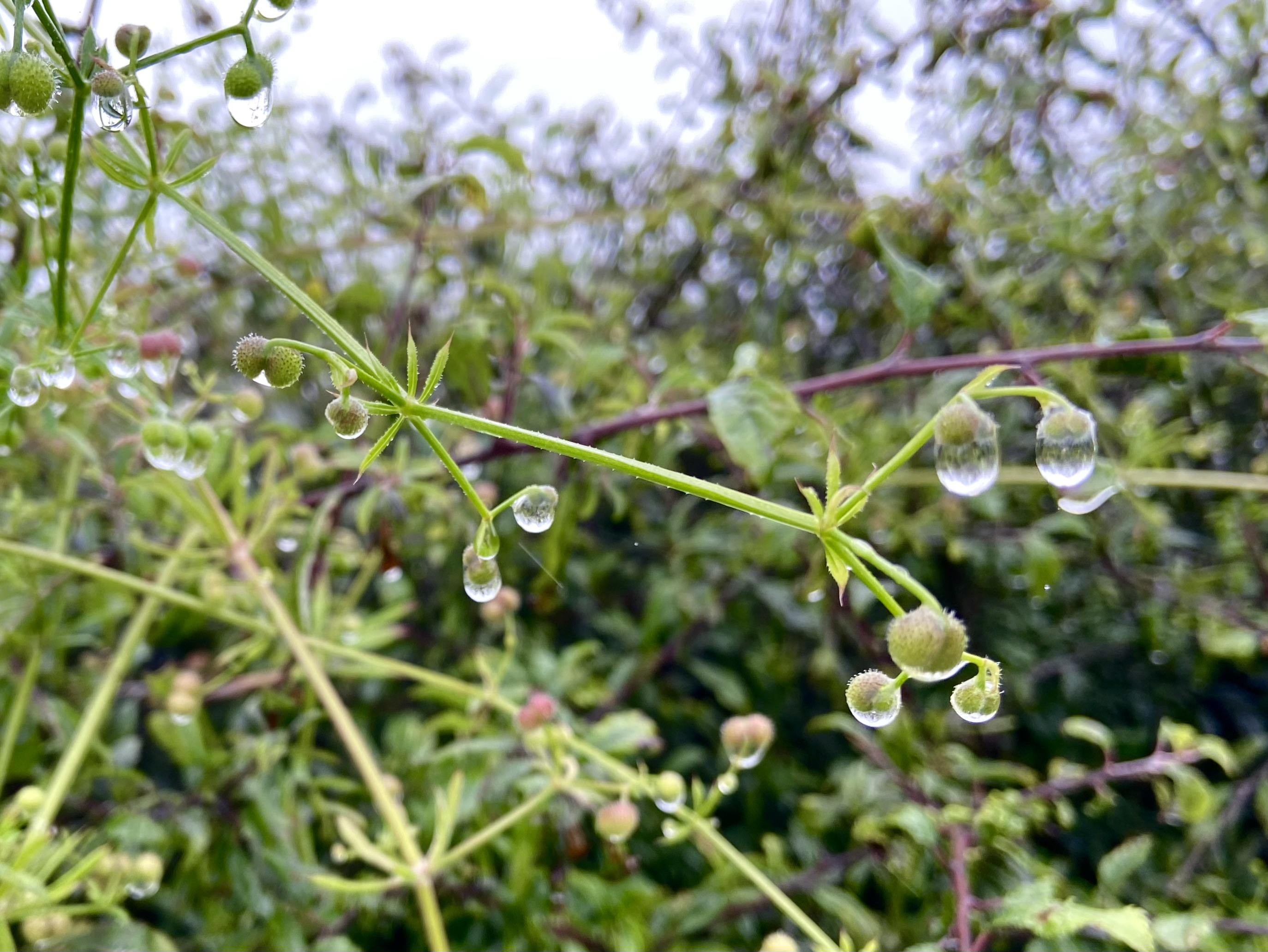
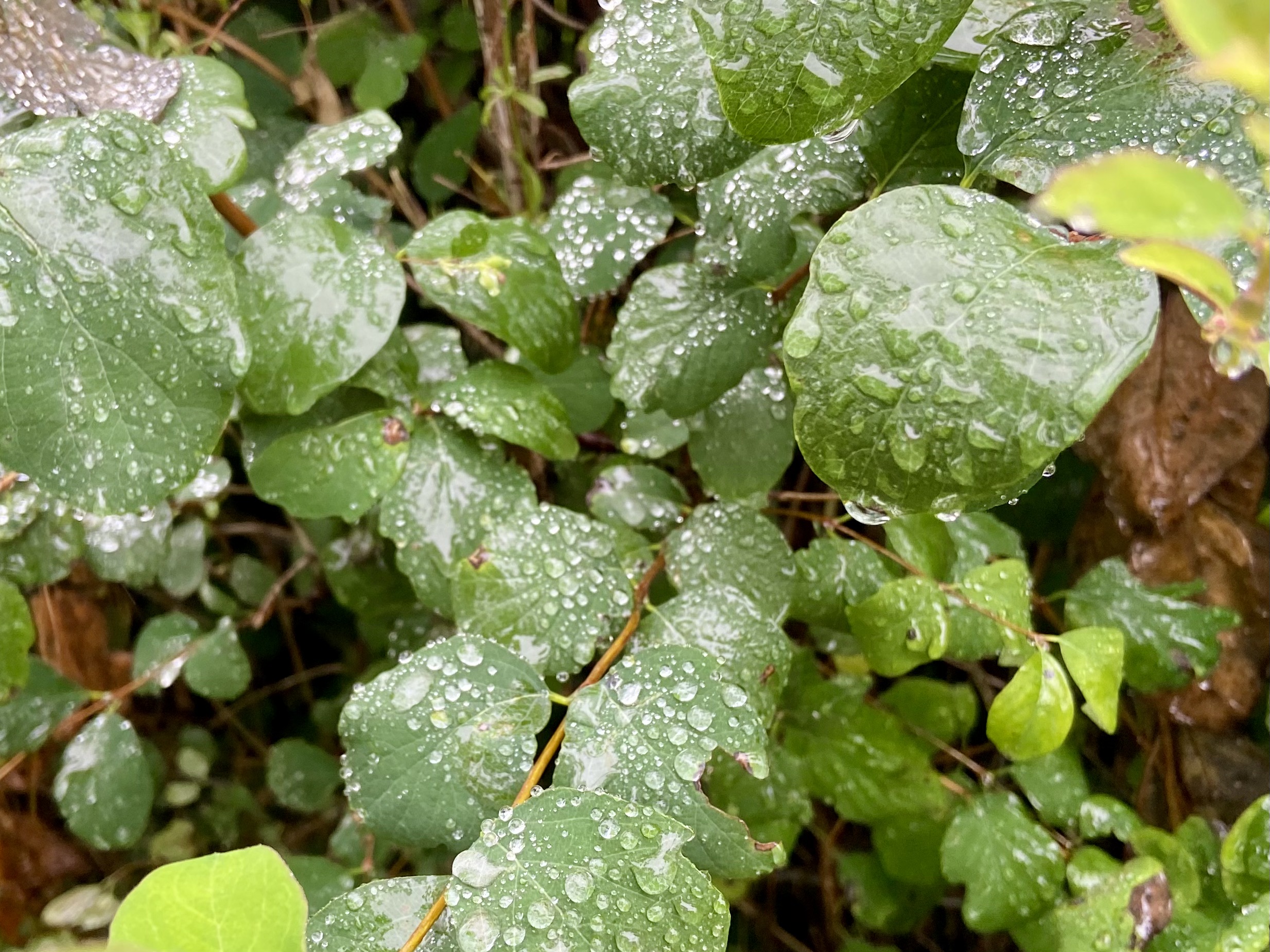
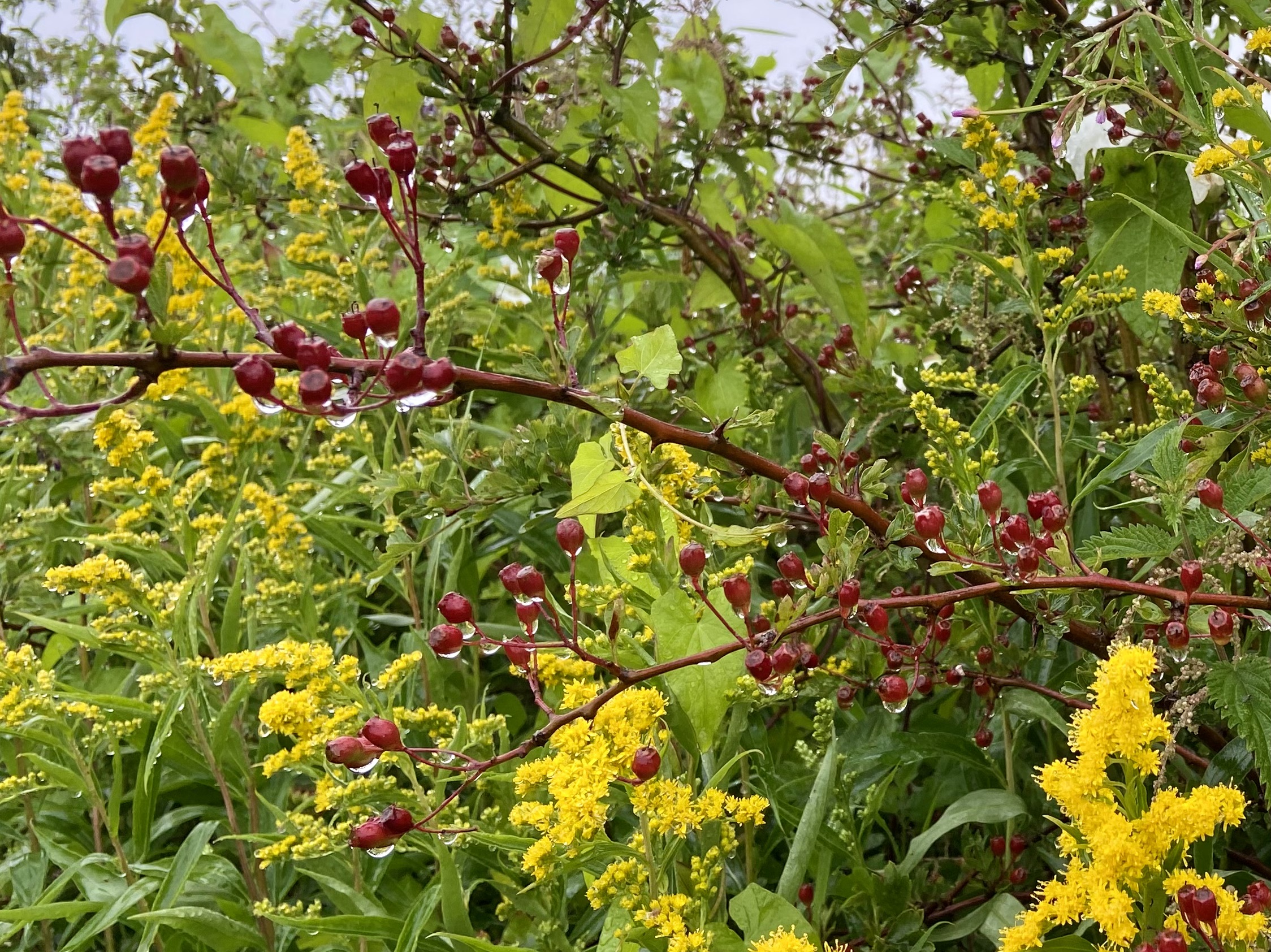
A few “after the rain” photographs for those who love Blackbird Lane.









 A Vet’s Life