Tag Archives: cows

To Brighton and Back

I was in Brighton last weekend to attend “the largest annual grassroots feminist conference in Europe”, according to FiLiA who ran it. If you’re in the UK, you might have seen in the news that the Brighton Centre venue was vandalised the night before it started. The whole of the front of the building was sprayed with pink paint and several windows were broken. In addition, inside there was also disagreement, with a woman announcing in the opening ceremony that she “wouldn’t be lectured on Hamas” before attempting to rouse the room with chants of, “free, free Palestine”. A few women stood up and joined in, some Jewish women stood up and walked out, some jeered and the rest of us sat there in stunned silence. For an uplifting weekend, where FiLiA say you can “Build your Feminist Network. Leave inspired,” it wasn’t a great start.

Regular readers will know I love strong women and there were plenty of them there, but I don’t think I will be going to the next one. Brighton was also curiously depressing, though perhaps it isn’t curious really. Like many UK cities, the drugged homeless lined the pavements and the whole place seemed dirty and down at heel. Like many seaside towns, you could see it had once been gorgeous and rather grand, a haven for holiday makers. Now they go for beaches abroad, with reliable sunshine at lower prices. I did get a photograph on the first evening that I love though. The sea is still beautiful, under the evening sky.

There were cafés along the beachfront, where the lovely Welsh woman I made friends with on the first day bought me an ice cream! It was probably the high point of the weeekend!

On Monday, I headed back to Scotland. Somewhat rashly, I had agreed to work in Stranraer on Tuesday and had booked to stay there Monday night. The logistics of collecting Triar from my parents in Yorkshire and dropping him off with a friend in Dumfries were complicated. Several delays on the railways meant I ended up getting a taxi for the last leg of my Yorkshire journey. A jackknifed lorry on the A75, with blue flashing lights lighting up the night (nobody was hurt) was the final hold-up, but at least the hotel was comfortable when I finally got there at 10:30 in the evening.

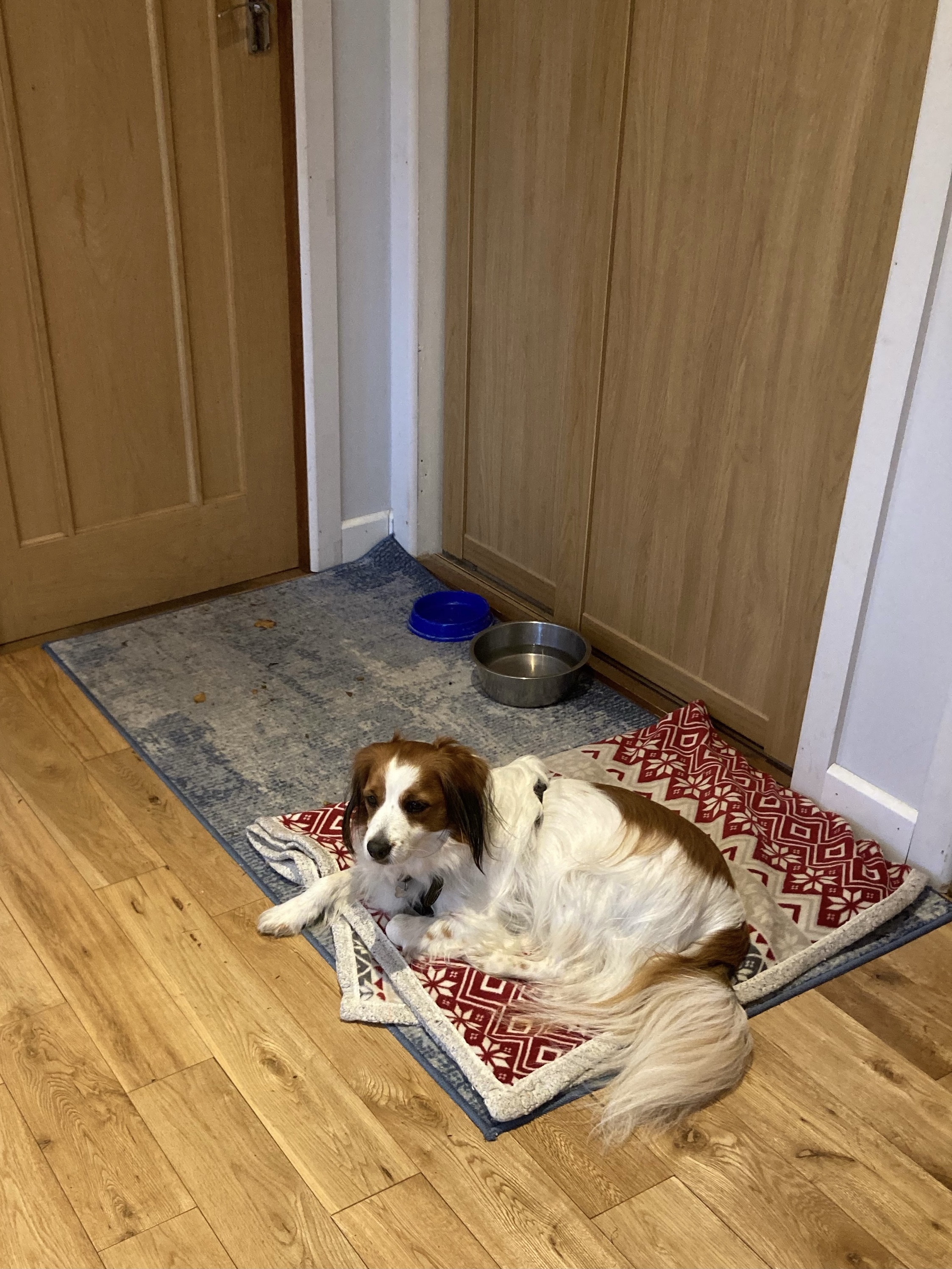
My lovely friend also seems to have enjoyed having Triar and sent reassuring photos of him looking happy. I’d been a bit worried about picking him up, driving him two hours, then dropping him off again, but he seems to have been so well looked after, that it was all good!
As usual, after a few days back at work, it feels as if I never left. Two days out on farm, blood testing cattle with three (female) animal health officers was uplifting. We have some wonderful women in our APHA team. I was duty vet on Thursday, where the high point of the day was dealing with a query about fish-sludge being fed to maggots (no, me neither). And all the while, as I was out on farm and juggling bizarre questions, there were emails landing in my inbox about cows which had been transported to slaughterhouses with shackles on.

For my non-farm readership, occasionally (and particularly around calving time when the ligaments are softened) cows do the splits on their hind legs and then can’t easily get up. With shackles buckled onto their hind legs, that stop their legs sliding outwards, they can often manage okay, until they heal. A new decision has been made that travelling in shackles isn’t allowed, on the grounds that an animal with them on, isn’t fit to travel. This isn’t a law, it’s a directive that has come from someone high up in APHA. Like all such decisions, it’s somewhat controversial. If a farmer wants to send such a cow to the slaughterhouse and can’t send her in shackles, he may decide to take them off and risk sending her anyway, which is more risky than sending her with them on.

As my investigative case is all about unfit animals being transported, all the emails about this new rule being broken (in Scotland) are now being directed to me. What it really highlights is not that animals in shackles shouldn’t be travelling, so much as that there is a huge gap in care, now that having lame animals culled on farm and being sent to the abattoir afterwards is so incredibly limited. If a cow has an accident, farmers only have 24 hours to decide if it’s so serious that she should be culled, so there’s no time to wait and see how she fares. This is all a hangover from the EU, so since we’ve left, perhaps we could start to look at systems that might work better for our animal welfare here. If I can find the time, and put together some coherent arguments, maybe a visit to my MP is in order. There are times when trying to sort things out locally, just isn’t enough.

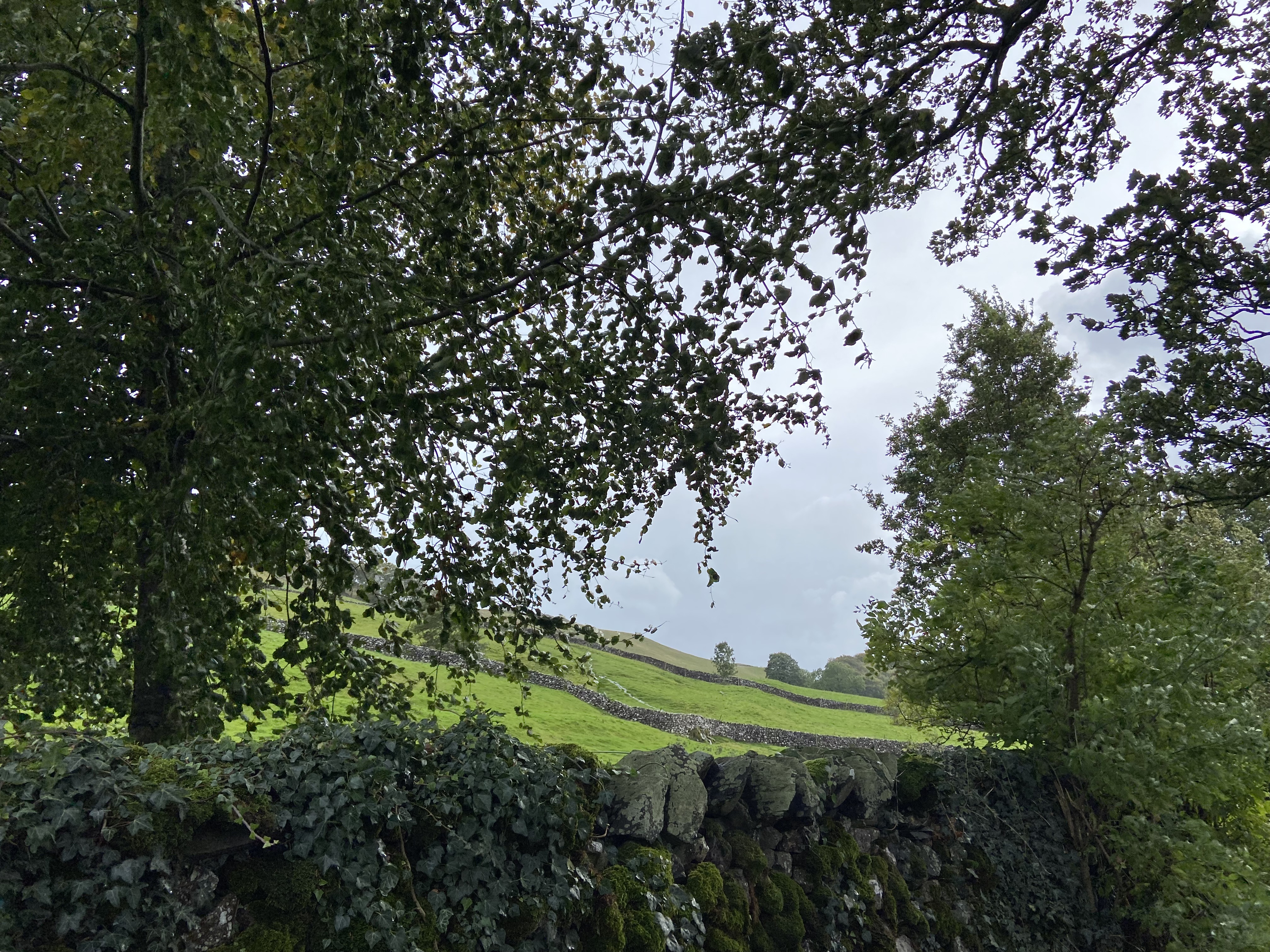
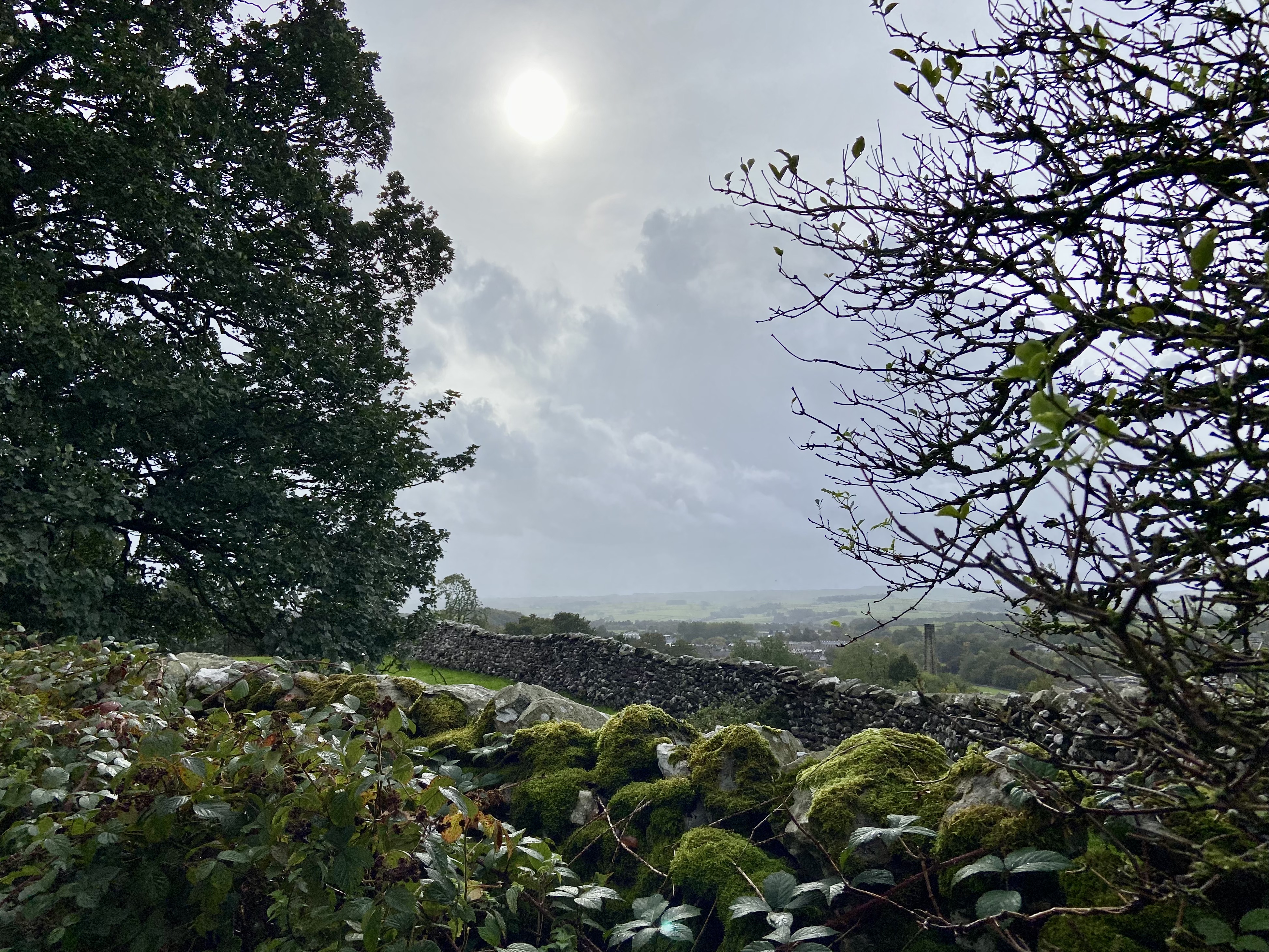
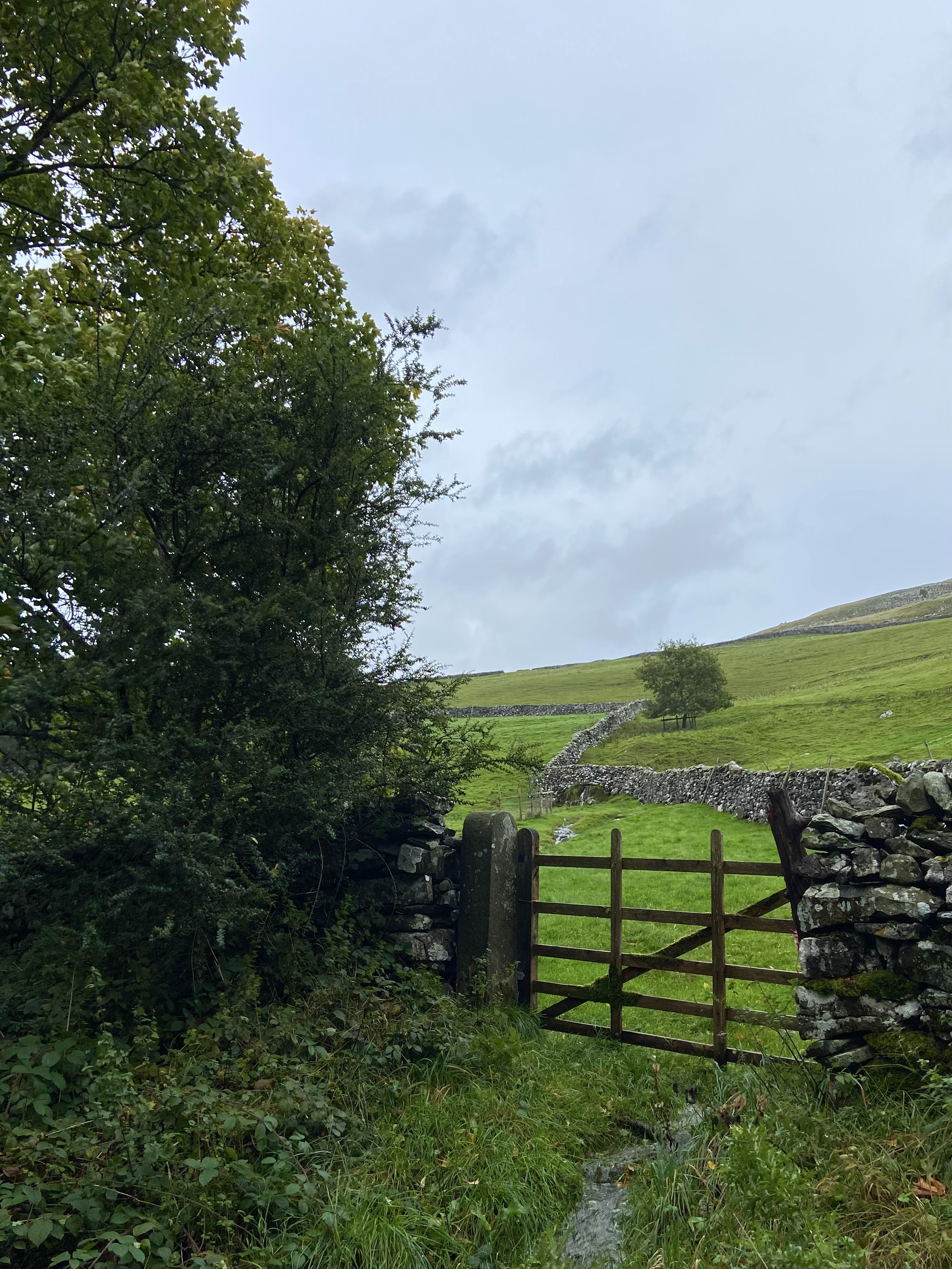
I shall leave you with some stormy pictures of Yorkshire. Thanks for reading and have a lovely week!
Case Work and Crocuses

I went back, both to work and to the doctors’ on Monday. The GP I saw was helpful. He was young and I think may have been in his foundation years as a GP, but he took the time to do a fairly thorough neurological examination. I was laughing to myself afterwards as I’ve had so many of them that I could have told him a couple of bits he’d missed, but he found a few things, at least one of them new.

He told me he will contact the neurological department at the hospital, both to ask them to reassess my triage as urgent and also, to ask if there’s anything that can be done for me while I’m waiting. It will be interesting to see if I am now seen earlier than July. I don’t know when he’ll get an answer to the other question.

So I’m not as fatigued as I was. I am managing to do some things again that had more or less come to a halt, like cooking and tidying the kitchen afterwards. I even took myself upstairs yesterday and did a bit of painting in the bedroom, but the energy I had quickly drained, as it did when I tried to do a veterinary risk assessment yesterday morning.

The veterinary risk assessment (VRA) I have to do is an assessment of the possible consequences of moving cattle from a farm where there is no TB present, to one where it has been confirmed.

This particular VRA is a bit of a wildcard because TB hasn’t been confirmed yet. We are waiting for the results at the moment (they are trying to grow bacteria in a Petrie dish from lesions found in the lungs of a cow that was slaughtered) and they won’t be back until mid-March. The cattle that need to be moved onto the farm are young stock (heifers) which are being wintered on a different farm. They are due to calve in mid-April. If the culture is negative, restrictions will be lifted and heifers can move to the dairy unit with no problems. If it’s positive, the restrictions will remain and we will need to move quickly.

In order to complete the assessment, I will look into all kinds of factors, including how high the risk of spread is. For example, are there cattle on neighbouring farms and how likely is it those cattle have had nose to nose contact with cattle from the infected farm? What are the potential costs to the government? For example, moving a lot of cattle onto the farm might mean the government has to pay compensation later, if those animal become infected.

And there is an absolute requirement to carry out a short interval skin test (SIT) before any cattle can be moved onto the farm. TB is a slow moving disease sometimes. A cow can be infected for years before it is spotted. When we confirm there are TB bacteria on the farm, we have to check, via the SIT whether we have one infected animal, or many. Until we’ve done that, it’s impossible to weigh the risk.

So if we get a positive culture, I will need to be ready with the SIT and the VRA so we can move quickly. There’s nowhere to calve those heifers and nowhere to milk them, where they are, so they need to go somewhere, on welfare grounds. I find this part of my work very interesting, but with so much cross-referencing of data, I need to be on the ball. Hopefully I can get more of it done in the early part of next week. Big welfare case is also due a revisit though, so we will see!

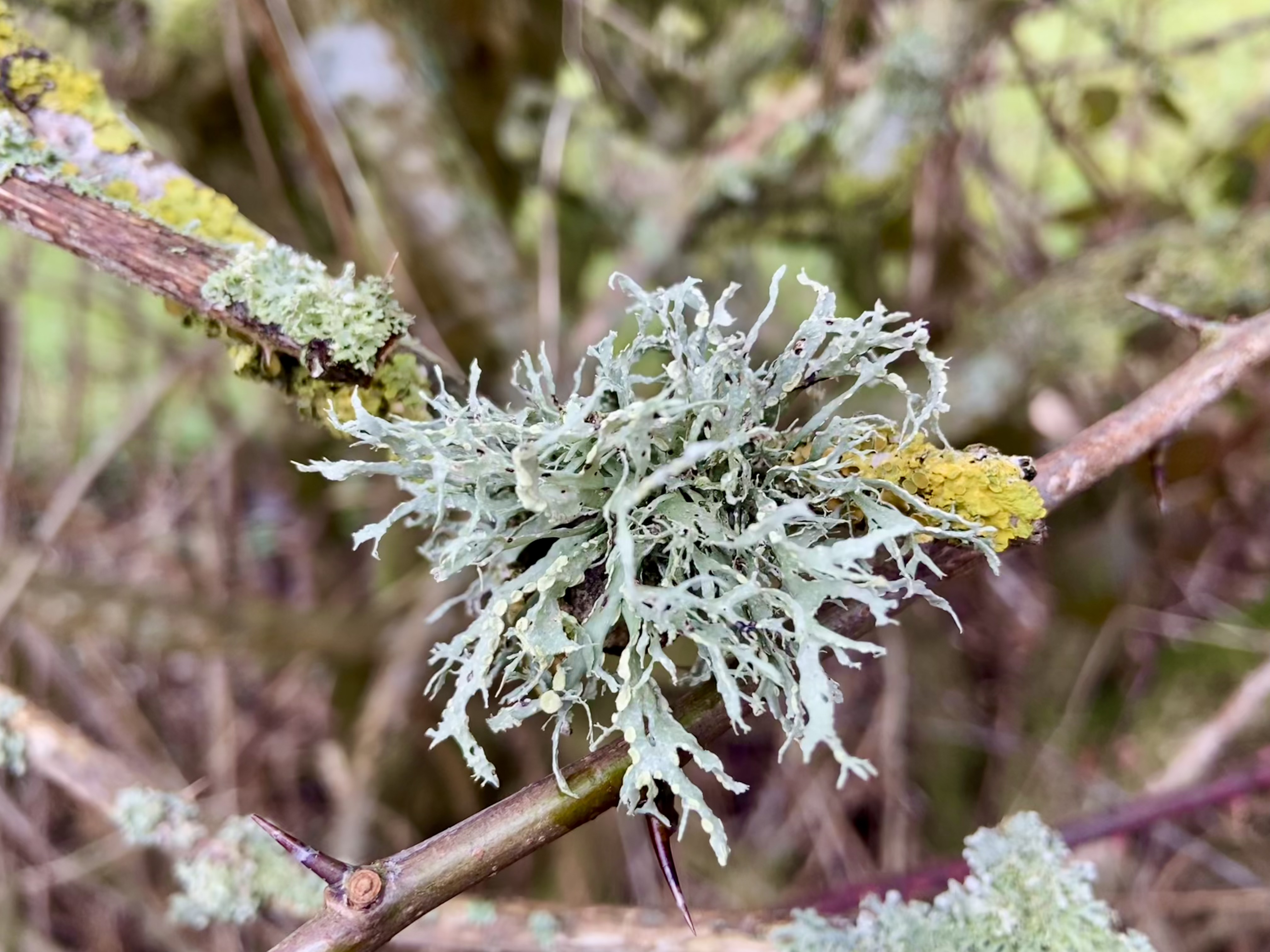
I don’t have so many photos at the moment. I’ve not been out walking or exploring much, though I took a couple of pictures of colourful lichen in Blackbird Lane, which I will share with you.

Taking time to look closely at the nature around me keeps me sane! A few minutes ago, Triar was whining, so I took him outside and stood in the semi darkness, listening to the most wonderful dawn chorus. There were robins and blackbirds and a song thrush, all greeting the new day. Triar stood and listened too, as he sniffed the morning air. I wonder what he could smell.

I saw on Facebook that Norwegian ships from WW2 are coming to Shetland the week I am there. I was oddly emotional when I saw that, hoping I can speak to the sailors who bring them over. I found a rock beside the Nith (which runs through the middle of Dumfries) commemorating the connections between Dumfries and Norway in the war. Funny how things come together sometimes.

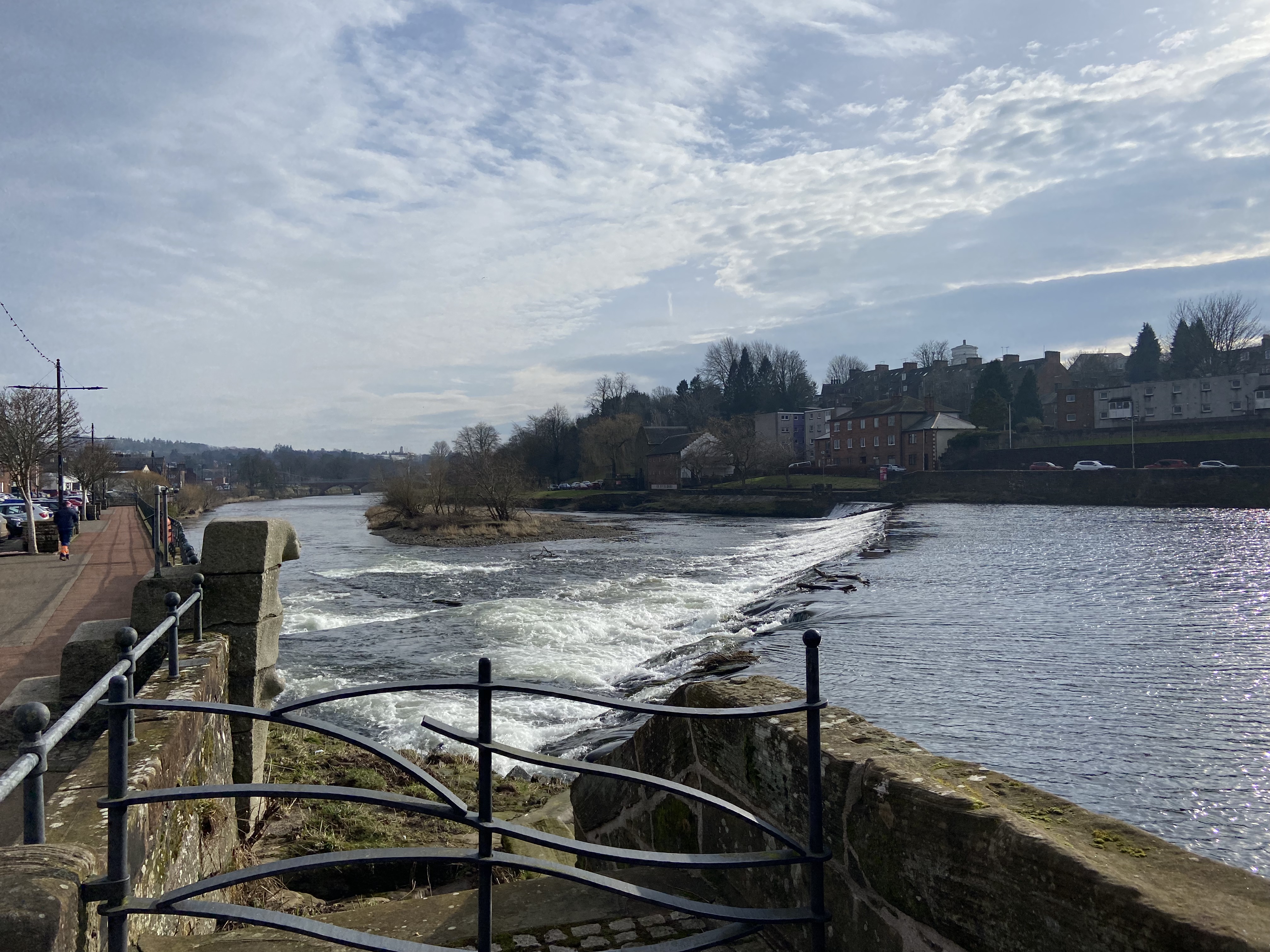
Anyway, I will leave you with photos of the stone and the Nith itself. There were flood warnings in place last night, but midweek, when Triar and I took a walk there, it looked benign enough. Triar photobombed the rock shot, but I’ll not crop it! Have a good week all!

Modernity and Memories

Though in some ways, the weeks seem to rush past, by the time I write this blog, things that happened Saturday to Tuesday always seem distant. I will be wandering round, on one of those days, thinking “I’ll have to write about this,” then by the end of the week, something else displaces it. Ideally, I should start logging in as things happen, but hey, I’m not that organized! Anyway, this week I have carefully stored away a couple of things I really want to share. The first is about a welfare inspection I did on Tuesday.

I’ve probably said it before, but the sheer size of farms now, compared even to fifteen years ago when I left, is astonishing. When I qualified as a vet, in 1991, larger dairy units might have had 150 cows. Numbers were creeping up though, and by the time I left the UK many of the bigger herds had expanded to having over three hundred cows. Now it seems to be not unusual to have a thousand, sometimes even more.

I have been wondering how welfare is maintained on such a unit. Back when herds were smaller, most farmers knew their animals well. I went out with a dairyman when I was at college and he knew the personalities of the cows he milked and there were some he was very fond of. I remember seeing him cry when he’d been away on holiday and came back to find one of his favourites gone, due to the carelessness of the relief dairy worker that had been covering for him. No wonder some farmers barely take holidays.

I am not under the false impression that bigger is inevitably worse. Those who have expanded are often the most efficient and forward thinking farmers. They are investing in the herd and their own future, but still I had been wondering how. These are living animals and to keep track of when they are in season or in calf, or are sick, takes a lot of time for observation and knowledge.

As we walked along the calf pens, I could see they were being bucket fed. Lots of bigger farms use automatic feeders for their calves, but not here. The farm is run by a couple and (fairly traditionally) it’s the woman who is responsible for feeding the calves. They did have automatic feeders for a while, but found they tended to get dirty. In addition, teaching them to drink from a bucket prepares them for going into bigger groups and being given milk from a trough. You can also check how much milk each calf gets and individualise each one. I guess it takes a long time at peak calving time, but it was interesting to see that a good start in life is so important that industrialization hadn’t occurred (or rather, had been tried and rejected) on this part of the farm.

As we moved from the calves to look at the close-to-calving cows, I was interested to notice that the nearest cow had something attached to her foreleg. I asked what it was, and was told it was a movement monitor. Just as I wear a watch that can tell me how many steps I take each day, the cow’s steps were also being monitored. I wasn’t immediately sure what purpose this would serve, but later, he took me to the computer where these measurements were read.

He showed me a the readings of a cow that was coming in season every month or so. Sure enough, the movements peaked hugely at that time. But it wasn’t only that he could look at the program and see which animals were in season. The system itself recognizes the pattern and, as the cow comes out of the milking parlour, where it goes twice a day, a gate automatically opens to allow it through into a different area, so she can be inseminated. A person walking through the cubicle shed to separate out these cows disturbs all the other animals. Instead, this is another process that is mechanised to minimise both the work required and the disruption to the herd.

Automatic scrapers to clean passageways in cubicle sheds have been around for a long time. Usually they are pulled by chains or ropes and there were some of those here. The chains were in runnels to prevent the cows standing on them and hurting their feet. One of the sheds had one of the newer machines, that functions like a robot vacuum cleaner. These have the advantage that they can go round corners, so there are no missed sections, which there are with the chain scrapers.

What I hadn’t seen before though, was an automatic scraper for moving silage. Usually cows are fed in a passage, where they put their heads between bars and eat the silage and feed that is put there. As they eat, the food gets pushed away, and usually someone will drive along with a tractor now and then and push it back in. Here, there was a machine that ran along a metal track, doing the job automatically for all the big sheds. It runs every two hours, except just after milking time, when it is set to go hourly, as the cows tend to be hungry when they’ve just been milked. Again and again, I saw that, although this system was on a large scale, there were tweaks and tricks that meant that it was really set up, based on what the cows needed.

And finally, back to the matter of the individual animal and the personal relationship. I can’t say I really touched on this with the farmer, although it was apparent as we walked round, that there was still fondness for individual animals. He did tell me though, that where his dad had always been keen to give every sick animal a chance, he tended to be more ruthless is removing animals with bad feet or which had been ill enough to mean they probably wouldn’t thrive. One thing I have observed from life as a vet is that there is a lot of unconscious cruelty by some pet owners, who keep their pets alive long after that life stopped being worth living. Perhaps in a system where animals with bad feet get removed quickly, breeding from those animals that are left will create a better herd, with fewer foot problems in the future. Anyway, I really enjoyed my visit. Cows are still cows and they are still my favourite animals and these visits give me plenty of food for thought.

The other memory was from last weekend. I mentioned I had been told there was a man in his nineties, who’d lived here all his life. I ran into him last weekend. He has a garage at the end of the street where he makes wooden toys for children. He beckoned Triar and me in, and gave Triar a biscuit. Though he was in a wheelchair and his hands were shaky, he was painstakingly painting a toy duck that would go on a stick. There would also be feet attached to a wheel that would spin as it was pushed along the ground.

I asked him if he sold the toys and he said no. He gives them away, and the look on the child’s face is payment enough, he told me. If I ever have any children to stay, I will undoubtedly take them along to see him.

He also started to tell me a bit about the street and I resisted the urge to ask him if I could record what he was saying, as it was lovely. He had lived in the street law his life, he said, and could remember back to the time when it was a village and not part of the town. The doctor came out rarely, he said. If someone was sick, they called for Mrs Black. Mrs Black was also the one you called on if someone was giving birth. We also had a discussion about the healing powers of honey. As antibiotic resistance is growing, even in the vet world there is starting to be more exploration of how old remedies can be better integrated into modern treatment. I bet Mrs Black could have taught us a few things about helping sick people that we have lost in our rush towards modern medicine.

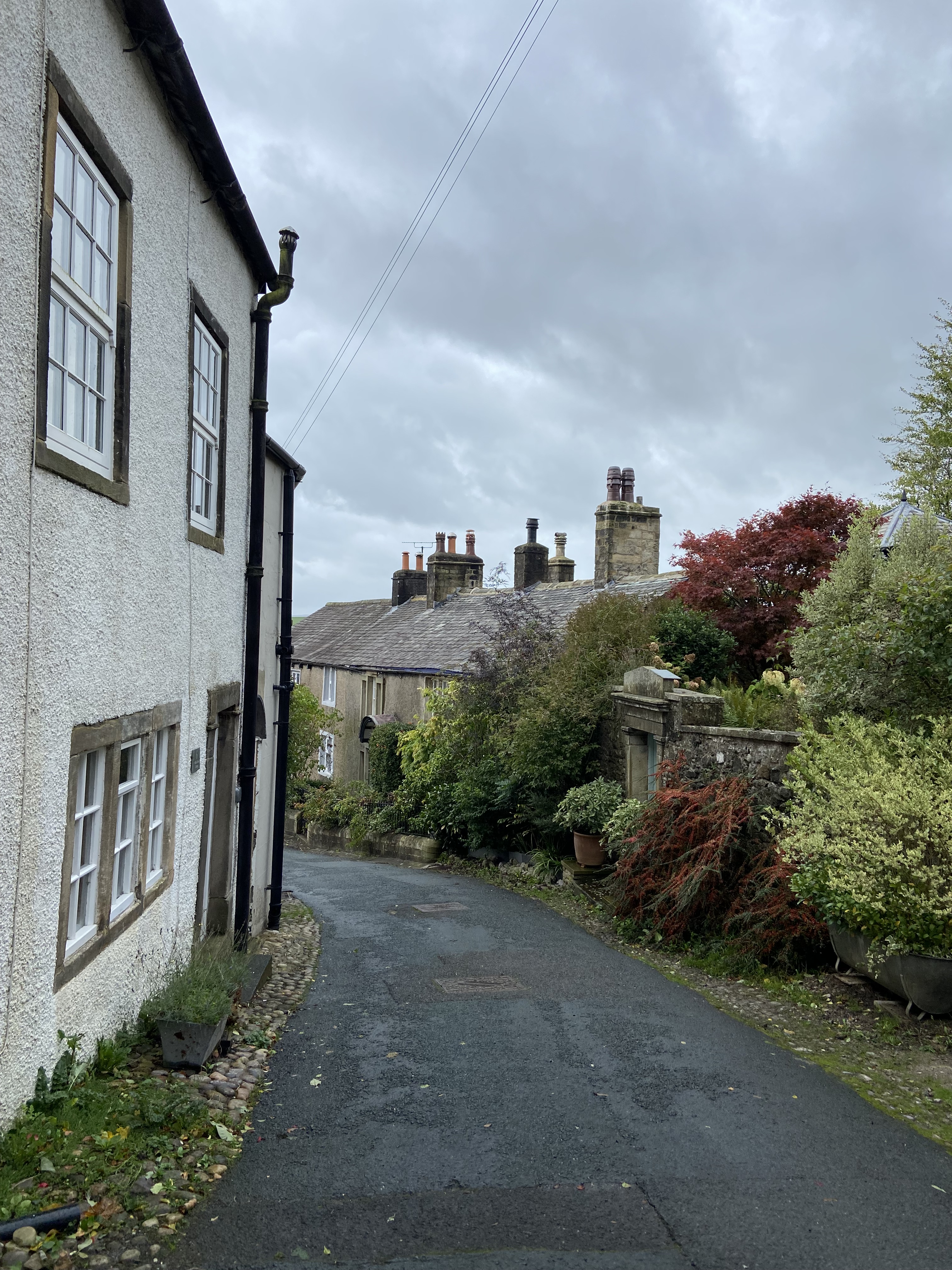
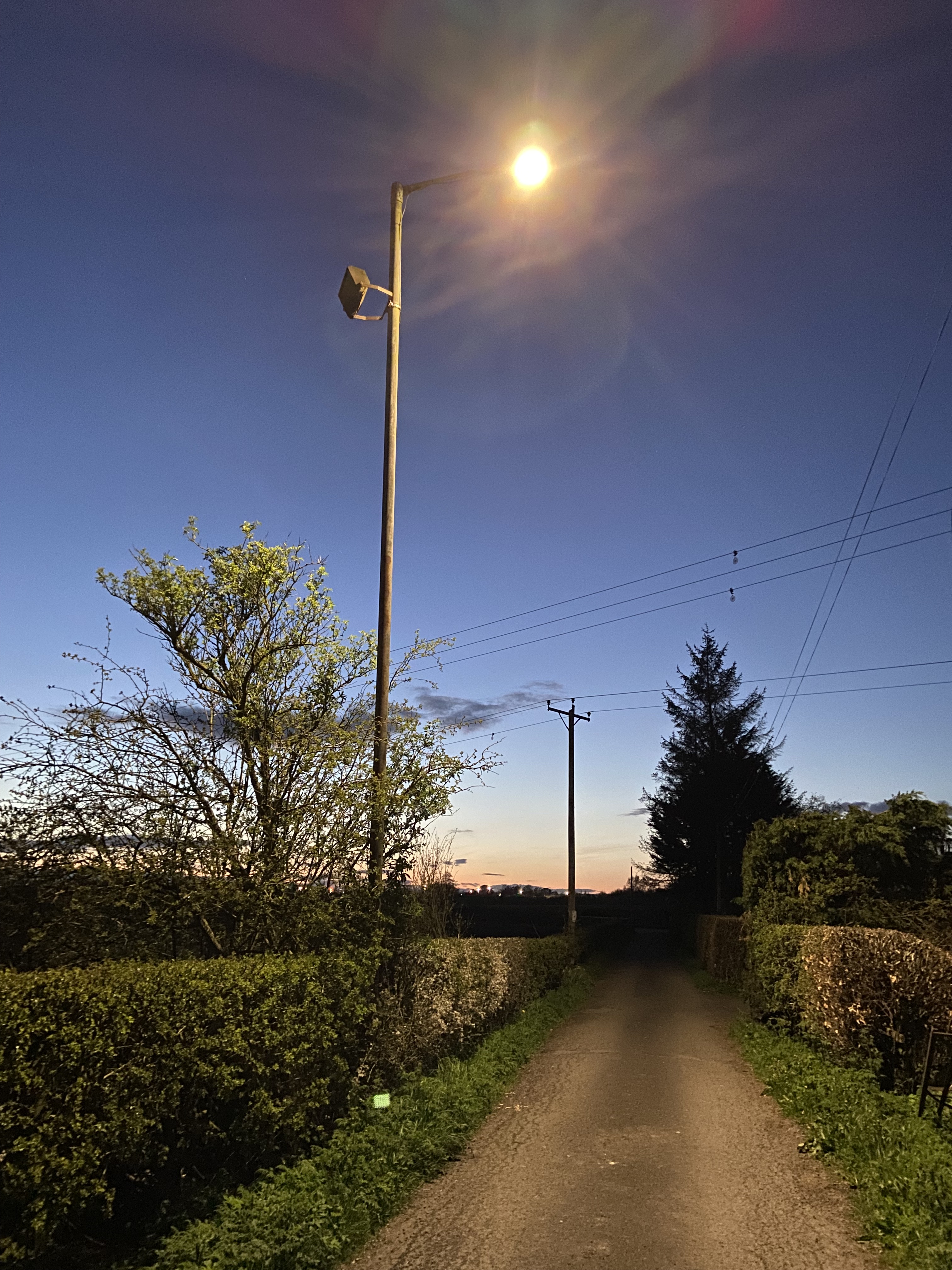
Anyway, I’ll leave you on that note. The pictures are from Blackbird lane, where Triar and I are still walking, morning and evening. This week’s unusual birds were a tree pipet and a mistle thrush, but the blackbirds haven’t deserted. Have a good week and thanks for reading!

Testing for Tuberculosis

I was tempted to call this week’s entry TB, or not TB but that feels wrong. Although I have enjoyed this week, the subject is serious and there are sad overtones. I suppose the animals that go to slaughter following our test would have ended up there anyway eventually, but their lives will be cut short and it is a loss for the farmer, though he will receive some financial compensation for the cattle which are culled. It can’t be easy, knowing there is disease in your herd.

Though the aim to wipe out TB is laudable, for each farmer affected it can be a major headache. When we find TB on a farm, all cattle movements on and off that farm are limited. Restrictions are put in place and the only place those animals can go, is direct to the slaughterhouse. This means that if there are more animals on the farm than grass for them to eat, the farmer can’t send the excess stock to market. He either has to buy in food for them, or send them to be killed, even if they are animals that would be more valuable sold live. A young breeding cow has more value than the price of its meat, for example.

So it’s a difficult juggling act for the farmer. Throw in there the fact that our tests aren’t perfect, the disease is unpredictable and eliminating it can be difficult and you have the perfect combination for resentment of the people coming on the farm to do the testing and represent the government who put all these rules in place. We were very lucky this week that the farm owners were philosophical. It’s time consuming for the farmer as well. We tested close to four hundred animals this week. It took the best part of four days and even then, there are some retests that need to be done. Then in a couple of months, the whole thing will need to be repeated. On and on until the tests come back clear.

I met up with the team on Sunday night in the hotel where I would be sleeping for the best part of a week. I had met S the vet before. She took me out on some welfare visits a couple of weeks back, but there were two animal health officers coming too to carry out the blood testing and keep the paperwork in order. There was also another TB team, who would be skin testing at another farm in the area, so we were quite a big group. Though the food and conversation were good, we all retired early, ready for the hard work that was coming the next day.

It was interesting to me to go out testing. Thirty years ago, I used to carry out TB skin tests in the area, though in those days, there was no known TB in the area and all the tests were routine herd tests where we didn’t expect to find anything. The farm where we tested this week has already had TB confirmed. Culled animals had been found to have TB lesions present and culture results – where they attempt to grow bacteria in a lab from a possibly infected source – had shown that bovine TB to be present.

As far as I could see, the skin test hasn’t changed much at all. Two patches of skin on the neck are clipped (so you can see where you injected) and two types of tuberculin are injected: avian and bovine. Tuberculin contains purified proteins from the tuberculosis bacteria and in the UK, two types are used.

Because other harmless bacteria can be present in the environment, avian tuberculin is also injected, to try to rule out animals which have developed an immune reaction to those harmless bacteria, but still capture those that are infected with the harmful cattle strain. What this means, in terms of the test, is that if the animal produces an immune response, a lump develops at the injection site. If the lump at the bottom (bovine tuberculin) is bigger than the lump at the top (avian tuberculin) then the animal is classified as a “reactor”. That animal must then be slaughtered and checked for disease.

What was new to me though, was doing blood testing for TB in addition to the skin test. The blood tests are relatively new, very expensive, and there is a limited capacity for doing them in the UK. The animal health officer – SW – who arranged the test, had to call the lab in advance and book in our samples. The blood in the tubes also has to be kept within a certain temperature range and as it is winter, that meant that as soon as the sample was taken, it had to be placed in an insulated box with a heat pad. At the end of the day, a courier came, who would drive the samples directly to the lab.

Though it was a dull day on Monday, the test started well. SW was taking bloods and was wonderfully efficient at it. The arrangement with the needles was a bit different from what I remember in the old days. We used to use a test tube, a needle and a small, plastic needle holder. In between blood tests, you would unscrew the needle from the holder and replace it with a new one, so the holder was reused. Now, presumably due to the number of needle stick injuries that caused, a new needle holder is used for each animal. In addition, you don’t put the protective cap back on the needle. Instead there’s a green plastic flap that you flip into place to cover the needle. Doubtless it saves a lot of sore thumbs, but there is an immense amount of plastic waste.

This is K, the other animal health officer, taking a sample from the cow’s tail.

I had forgotten how messy blood testing cattle is. It was a beef farm, so the animals are always a lot wilder than dairy cattle. The animals are run up a race (a narrow fenced passage) and into a crush, where their neck is trapped so that they can’t move forward or back. That doesn’t stop them fighting it though, and as they scrabble about, the air fills with flying dungbombs. Of course, when you’re taking a sample from the tail, you’re also directly in the splat zone. I did a few samples and was briefly proud of how clean everything was… and then a cow sent the traditional jet of liquid shit directly at me and I spent the rest of the day with half my jacket and one trouser leg well and truly coated.

SW and K made a wonderful team. I was worried at the start that I would be a complete spare part, but they quickly involved me. Despite all the flying faeces, and the potentially serious nature of our visit, it was wonderful being back out on a farm, in the thick of the action, doing the job that I trained for all those years ago.

We had bought packed lunches in the shop in the morning. As we walked back to the cars, I was reminiscing with S the vet about the old days. When you spent the day on a farm testing, it was normal when you broke for lunch, to find a wonderful three course meal waiting for you in the farmhouse, courtesy of the farmer’s wife. Though it was already starting to be more common for farmer’s wives to work, it was still a regular part of that life back then, but I had been told it was uncommon now.

Of course, with four of us there, it would also be a big ask, but to my delight, we were invited into the farmhouse, where there was delicious, warming farmhouse soup, sausages, cheese and rolls and pancakes with butter and jam. Given what we were there to do, it was fantastically generous and it added to that feeling of deja vu I had all week.

We spent all day on Monday and Tuesday, injecting the skin test and taking blood samples, then on Thursday and Friday, S went out to read the skin test and I accompanied her, partly to do the writing (making sure you record the numbers and make sure the right animals are identified is crucial) and partly to see what the skin reactions are like and how they should be read. Though I’d seen a few avian reactions years ago, I never found any reactors and I was half hoping we wouldn’t find any.

But that hope only got as far as the third cow. Unfortunately, she had a lump where the bovine tuberculin had been injected, but no reaction at the avian injection site, which meant that she was a reactor. It was quite a chilling feeling for me, partly because the cow would have to be slaughtered and partly because I now knew that here was an animal with an infection that could be passed to humans. We’re not allowed out on farms to test without having had a BCG vaccine, but it was an unexpectedly sobering thought.

Things went relatively well from there, though there was one other reactor, and that was last years calf from the infected cow. Interestingly, the blood tests came back on Friday, and though it had picked up TB in the calf, the cow tested as negative. It will be interesting to see what is found when the two of them are culled. Though it’s not nice to see a young, recently weaned beast being sent off, it was some consolation that the cow would have company. Cattle tend to be stressed when they are isolated from the herd, and the farmer is required to isolate reactors as soon as possible.

There were also some more positives from the blood test, so they will be sent off too. Then, as I said back at the start, the herd will need to be tested again, and maybe several more times, but hopefully it will eventually be cleared. Officially Scotland is TB free, but in southwest Scotland, where animals are regularly brought in from Ireland, it’s always going to be a problem until they find a better solution. And as this is part of my patch, it looks as though we will be working on it for some time yet.

And for those of you that have made it this far, here are some gratuitous food photos from the Craignelder Hotel, where we stayed.

Cows in the Field

Sunrise/sunset: 05:15/20:17 Daylength: 15hr01min

Well the flat handover went slightly worse than I expected. Though I had assumed the landlord might be quite fussy and exacting, I hadn’t expected him to go into full rage mode. We looked round the flat together on Sunday evening and for the most part it went quite well. There was a moment of triumph for him when he found I hadn’t dusted on the top of a couple of very high, inbuilt cupboards and heard I hadn’t cleaned out the U-bends in the bathroom, but despite their expressed disbelief that I could have done the cleaning in two days (I was told over and over that it had taken them fourteen days to clean the three bedroom flat before we moved in) they seemed satisfied. It was agreed that I would go back and rectify the dusting and U-bend situation and so we left to go and eat as it was late and there were still three days of the lease to go.

I received a message while we were eating, to say I hadn’t vacuumed under the seats on the sofas (I had forgotten) and that we had removed an office chair (a miscommunication between John and Andrew, who had both removed one) but otherwise I was quite pleased myself. The remaining work would only take a short time to do, and then I would be free. They hadn’t taken a deposit, so I thought that if I could do the work to a reasonable level, and they were adequately satisfied, there would be no further comeback.

Andrew had offered to come and give me a hand on the Monday evening. So relaxed was I about finishing up, that I almost took some of the afternoon off work and went myself, though perhaps it was some sixth sense that protected me. I collected Andrew after school and we went round to the flat. We hadn’t even had a chance to begin, when the front door of the flat was slammed open and the landlord strode into the room and right up to us. It was obvious immediately that he was angry. He told us in a tight voice that not only had we not come close to cleaning the flat well enough, but that we had damaged three items.

I asked him to show me the items, the first of which was the board under the sink in the bathroom. There had been an ongoing problem with the U-bend, which he knew about as I had asked him how to fix it the first time it cropped up. Indeed the very first time I found I had wet feet on running the tap, I had opened the cupboard to find the MDF was already warped, and so I had concluded that it was not a completely new problem.

I politely pointed out this fact and he began to get angrier, insisting that he knew it had been fine when we moved in because he’d replaced the panel before we came. Ironic that it didn’t even cross his mind that his statement was a clear indication that there was a problem with the U-bend if he had to change the board before (without taking the sensible precaution of getting a plumber out to fix the actual problem) but by this time he was working himself up into a full head of steam.

By the time we left the bathroom, he had gone into full ranting mode. Even with Andrew there, I felt uneasy and uncomfortable. The fact that there had been a sock under the cushions on the couch seemed to be a particular point of vexation. Not sure why they found it quite so shocking. He was shouting by this time and I made the decision that we should leave, so I handed him the key and Andrew and I left. By the time we got home, there was a terse message on my phone about the fact that I was “refusing to engage with the process” with ten photographs, which included a cupboard door where the hinge at the top had come slightly loose and a photograph of the drawer under the oven, which I had opened during cleaning, to find that the base was entirely rusted through, with large rust bubbles bursting out through the black paint, which definitely had not occurred over the course of two years.

It ended up with me blocking their numbers. John went round to further tell them, in no uncertain terms, why I had left. Unsurprisingly he was met with much less aggression, as he is about four inches taller and visibly stronger than the ex-landlord. Typical bullying behaviour to yell at a woman and a young man with Asperger’s and be polite to someone who could easily take you out. I guess I wasn’t entirely surprised. A year earlier, he had randomly come out of the house and yelled at Anna and Andrew for some made-up misdemeanour. In fact, it was after that that I started to look for somewhere new to live. In the event though, it was all pretty unpleasant, and utterly unnecessary. Had he engaged in a normal fashion, I would have completed the remaining tasks and probably would even have agreed to pay a small amount for the damage under the sink. Never have I been so glad, however, that the one thing they had neglected to do was to take the sizeable (two month’s rent) deposit from me.

Anyway, with all that said, what I mostly feel is relief that we have moved out and pride in my sons, both of whom helped me handle a difficult situation. I was shaking when John came home, and he was incensed, but he had the presence of mind to take a calming friend with him. It’s a wonderful feeling every time I see something that tells me that I have raised some truly decent human beings who also love me. The best feeling in the world!

The rest of the week has gone much better. I was in Tromsø for a couple of nights, catching up with all my far-flung colleagues from around the region.

Wooden fishing boat in Tromsø harbour

The end of the week has been really very pleasant. I came home from Tromsø to find that John had strimmed the veritable hay field at the back of the house, where the grass had obviously not been mowed for a good long time. John is likely to move back into the house (though he might stay in his caravan outside the abattoir during the long working days of the season) and it is lovely to have so much help. I’ve really wanted them all to feel like this is truly a home they can return to, should they want or need it, and it’s obvious John is enjoying working on making it a truly pleasant place to live. I would enjoy doing it on my own, but it’s even better with family to share it with.

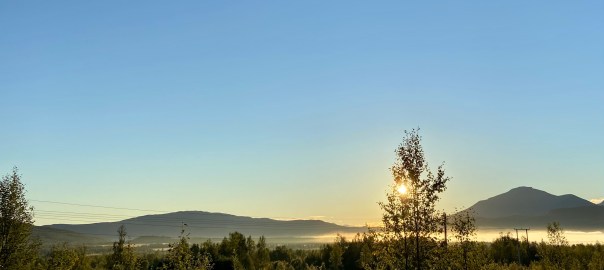
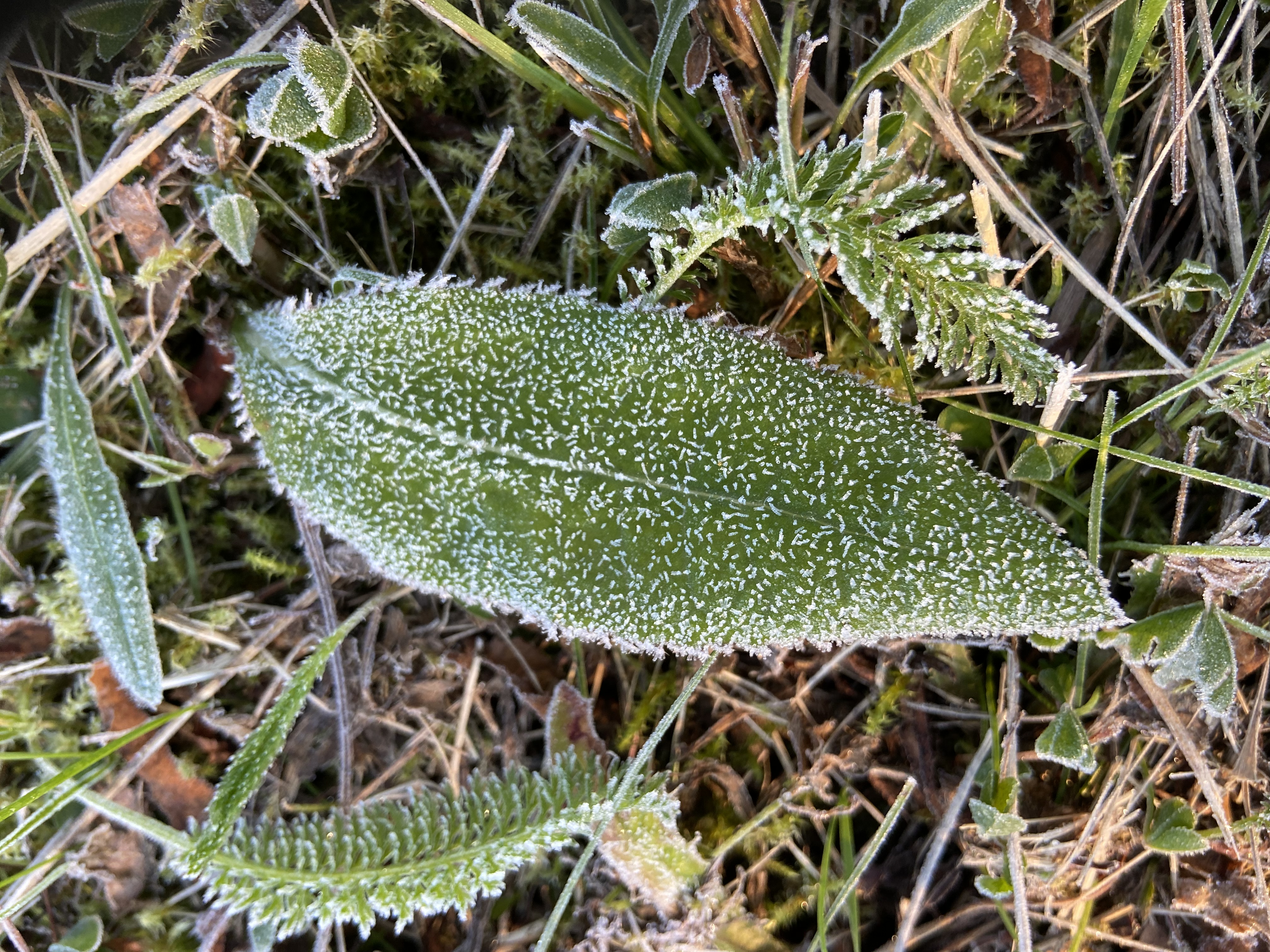
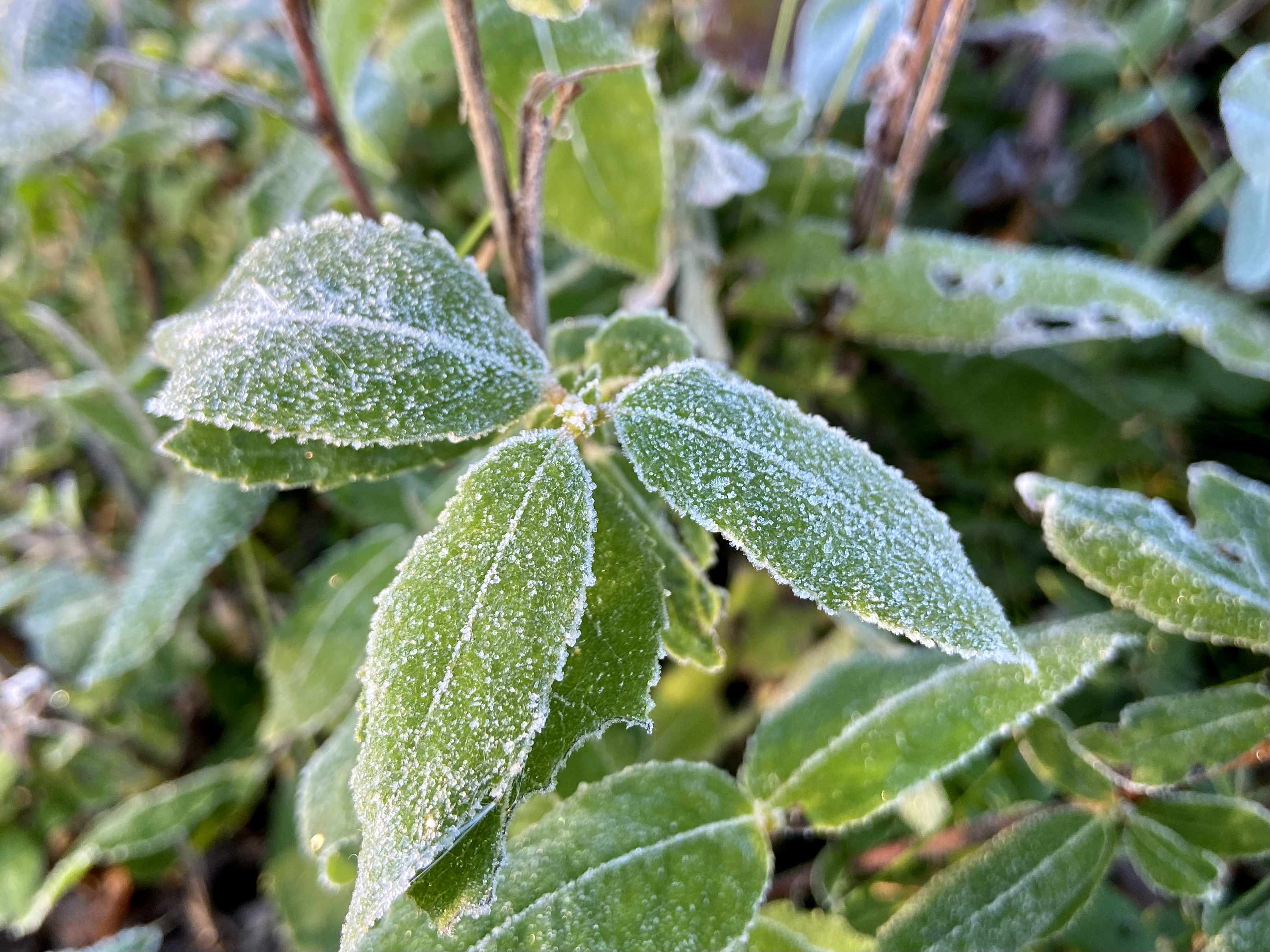
He called me up on the way to work yesterday, to say that there was ground fog over the valley and that if I wanted to take some photos for this blog, now was the moment. And so I drove out to find that not only were there wonderful views over the valley, but that there was frost on the ground and all the leaves were swathed in white.

Sunrise over the Målselv valley with frosted field in the foreground and fog over the river

Yesterday was the only weekday when I was likely to have a chance to take enough time off work to get some things sorted in the house, so I had arranged for the beds to be delivered, a new heat exchanger/air conditioning unit to be installed and, most importantly, a builder to assess the work that needed to be done on the roof and (money permitting, after the roof was fixed) various jobs inside the house. It seems likely that the roof will cost less to fix than the 50,000-100,000 NOK (round 5,000-10,000 British pounds or US$) and so we will hopefully have more to spare for other things.

And all day, as I worked in and around the house, I could see that there were cows in the field across the road. Of all the domesticated animals, dairy cows are easily my favourite. They are such calm, curious creatures. I had a real feeling of “cows in the meadow, all’s right in the world”. I know that’s not a real saying, but it works for me. It won’t be long before the winter arrives and then the cows will be inside, but they’ll be out again next summer and the summer after that and the summer after that. I have a really good feeling about the move we’ve just made. Onwards and upwards!

The cattle on the other side of the road

In Which I have to Speak Norwegian.

So it’s been an exciting week for me on two fronts. Firstly on Monday, I was lucky enough to spend a day out with Åsulf from the large animal practice, and second, I am now officially employed by Tu Dyreklinikk as a Veterinary Surgeon and not as an assistant. Of course, the terminology might be confusing to those who work in veterinary practice in the UK, because there my official title was always “Veterinary Assistant” because that is the normal term for vets who are not partners. Anyway, I feel very proud of my new role.

Mostly the transition has gone smoothly. I have handled consultations before at times when things have been especially busy, or clients have arrived unexpectedly, so it wasn’t wholly new. But like most people I find any kind of change comes with a degree of uncertainty. My mind was distracted doing my assistant work in the morning (I start consulting at twelve) as I contemplated the cases I was to see later. Indeed I had a particularly embarrassing moment when I started to shave a dog’s leg for a cruciate operation. Unfortunately, with my head wrapping itself around the potential complications of a male dog who had blood in his urine, I started to shave the dog’s hip instead of the knee. It suddenly came to me, about two clipper strokes in, when the damage to the coat was so great that there was no way to hide it. I contemplated just shaving a massive area off to try to cover the error, but it would have been obvious, and so I had to crawl red-faced to Dagny and tell her. Happily she just laughed, although she did toy with me evilly when she came through by suggesting that I had shaved up the wrong leg. I was very restrained though. Even after she carefully aimed a spurting artery at me in a later operation, I refrained from trying to drop sharp scissors into her toes.

One of the conditions of my change of employment is that I am strictly to speak Norwegian at work from now on. Although I had started out well, I had fallen into the easy habit of speaking English most of the time with my colleagues, although to clients I have always tried to stick with Norwegian unless they have indicated that they want me to do otherwise. Naturally though, Dagny’s is very concerned that the practice’s clients are satisfied with my performance, and therefore she did spend some time with a very serious look on her face urging me to always speak Norwegian to the clients.

On Tuesday then, my appointment list was full. Happily my first client was Kari-Anna, the nurse who is on maternity leave, and her dog was in for a blood test, so that was pretty much stress-free, as was my next case which was a cat with a cut on its neck whose owner had left it for examination, so there was no owner, no history to take, and until the owner returned, no discussion at all. It fell therefore, that my first genuine official client was the owner of a dog that had been in a fight and had a wound over its eye.

Gerd brought the owner and patient through, and as I led the them into the consulting room, the owner said to me

“It’s okay if you would rather speak English.’

With Dagny’s dire warnings about language still ringing in my head, I replied in Norwegian that it was quite alright, and if it was easier for her, that would be fine. She started to laugh,

*I’m actually from Scotland,’ she announced, and after that we got on like a house on fire. I really hope that she will ask to see me if she comes back in.

Thursday was a little less busy than Tuesday. Today’s photo is of Trøffen, who came in to have a cyst removed from his head. Wivek was operating, and she called me through to the consulting room before she started to check with me whether I felt that she would be able to bring the skin together on his head if we removed the rather large lump. Trøffen is only eleven and a half though, and the cyst had already been emptied and had refilled, so there was a risk in leaving it as it might have become bigger. She decided to go ahead, and as you can see, she has done a beautiful neat job. Trøffen is a really lovely cat. Indeed I’m finding great pleasure in working with so many cats. Both Jan-Arne and Magne prefer dogs, and so I like to help out wherever possible. Magne was really impressed with me yesterday, when having easily taken a blood sample from a patient that has not always been wholly compliant, I also managed to give it a worming tablet. I guess I’ve always been fortunate, as most cats seem to like me as much as I like them.

The day out with Åsulf though was a revelation. It was utterly delightful from start to finish, even though the first visit was to a pig farm, and because of the way pigs smell and squeal, they have never been my favourite patients. I was very impressed though with Åsulf’s injection technique. He made it look easy, when experience has taught me that really it isn’t. As we went around, checking calves, examining cows (and yes, I did have my hand up a few cow’s bottoms) I felt completely at home. It just seemed so natural, and I really felt I could just slide right back into that way of life. It’s very different from small animal practice. And for the first time, I found I had very little difficulty with the language. For the first time, I felt that at some point in the future, it might not be impossible for me to work with production animals again. Anyway, for the moment I will continue with improving my Norwegian, and maybe I will ask Jan-Arne if I can go out with him again one Monday, as he now works there one day a week. Who knows. I might even be able to teach him something.