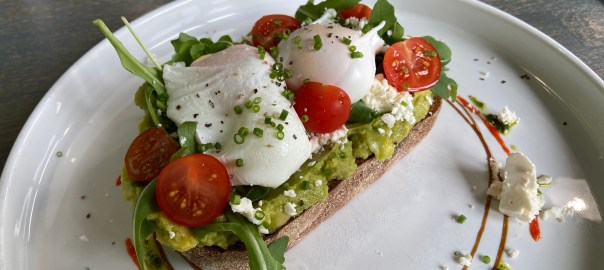
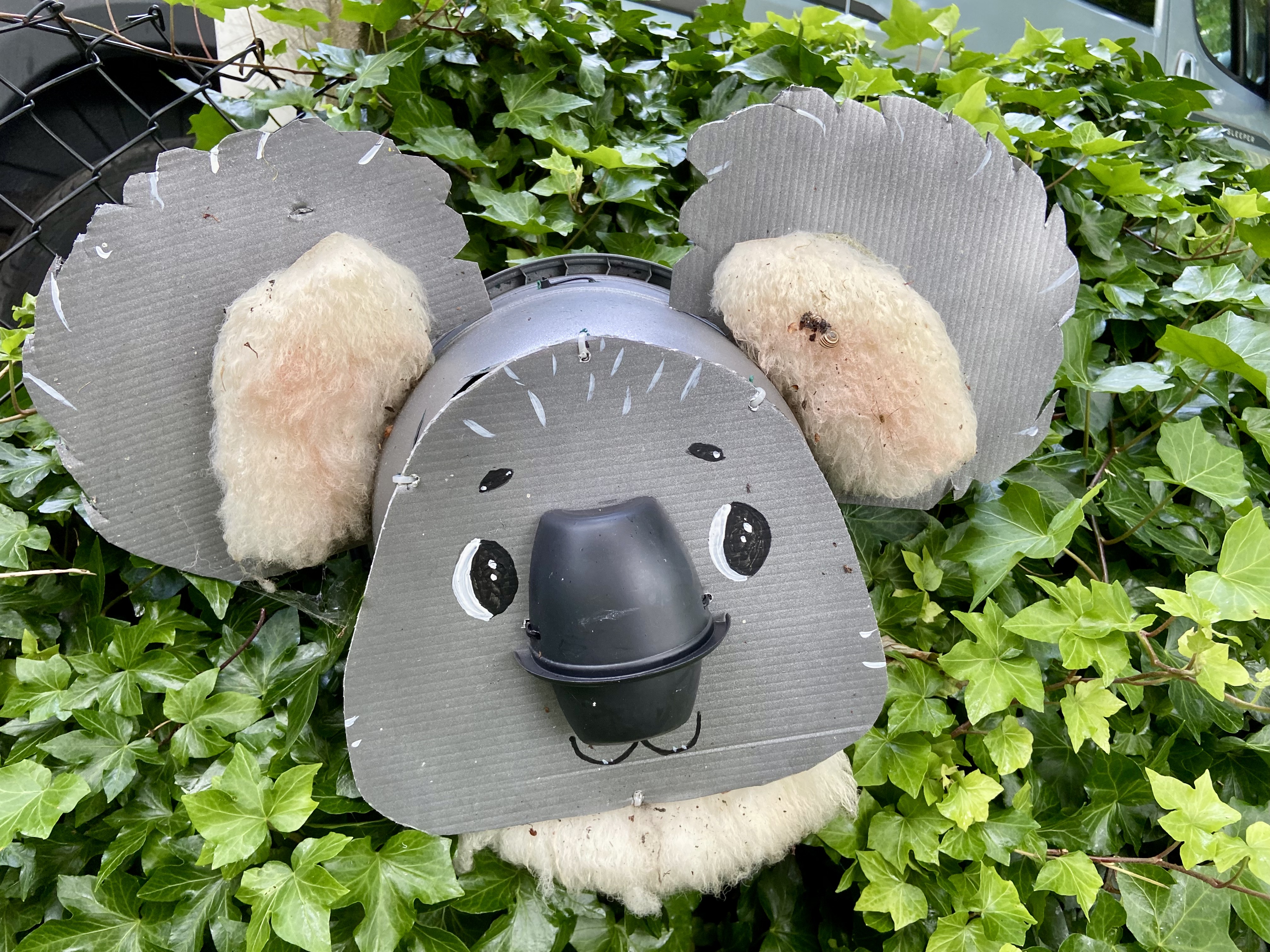
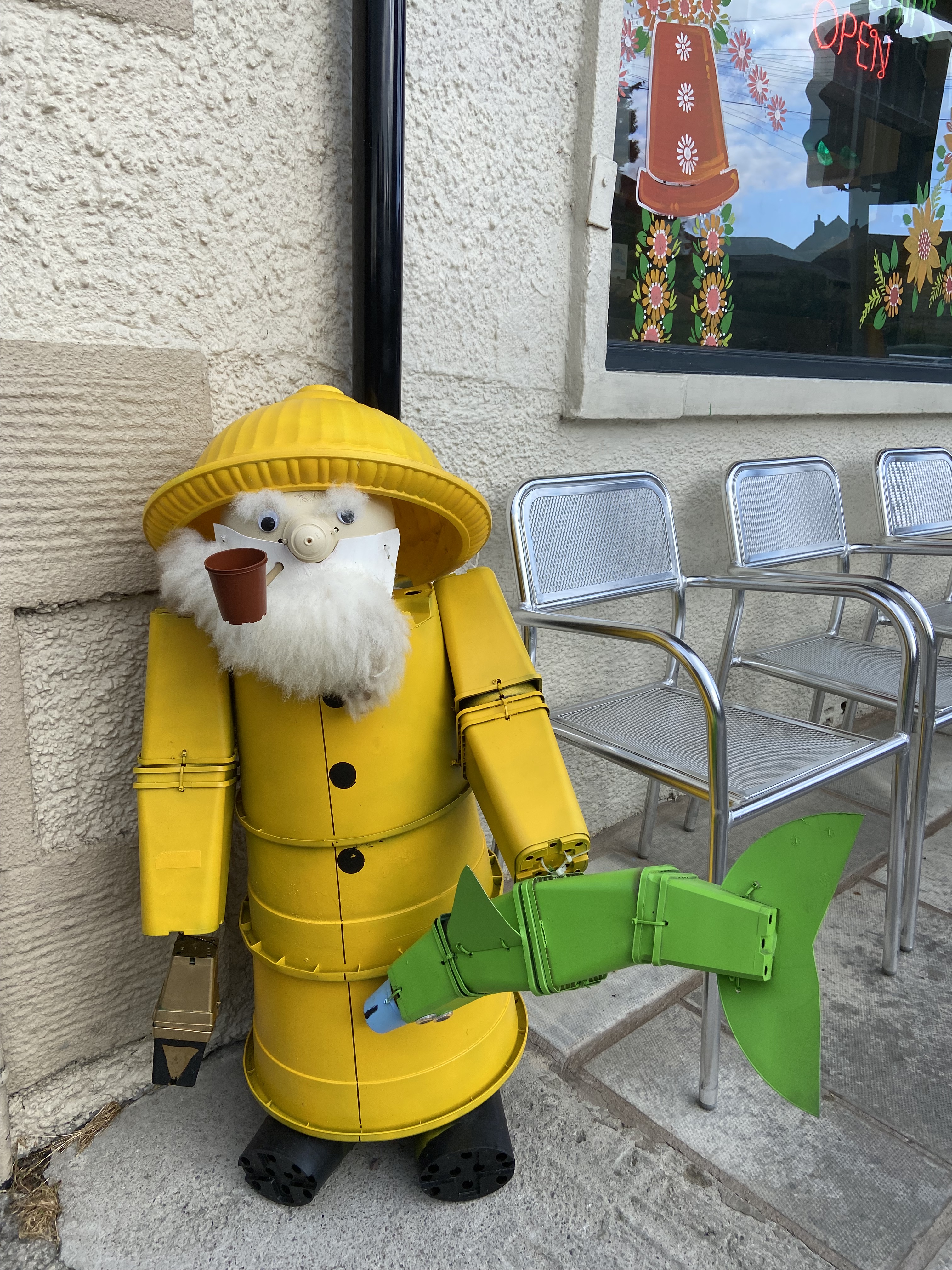
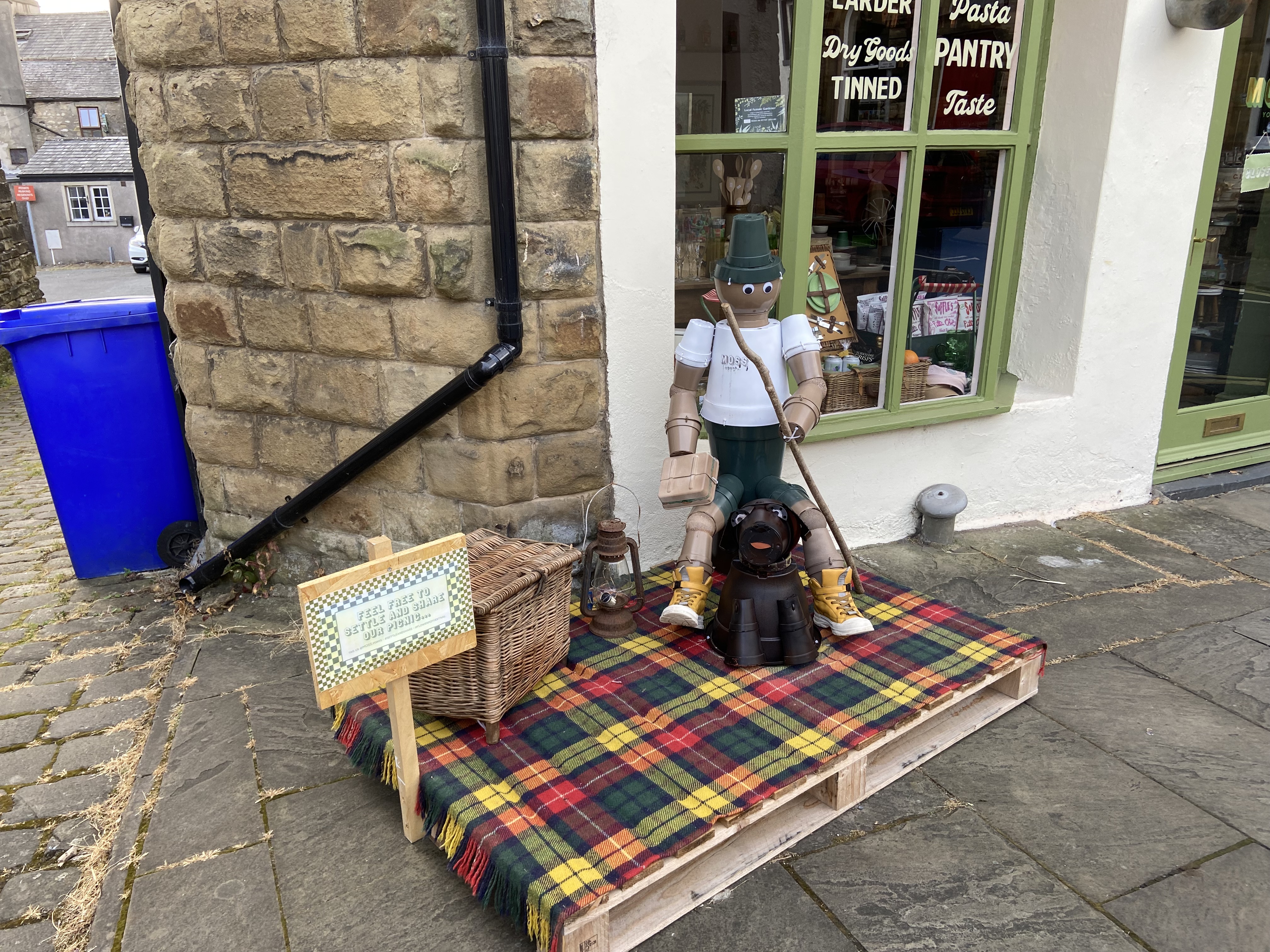
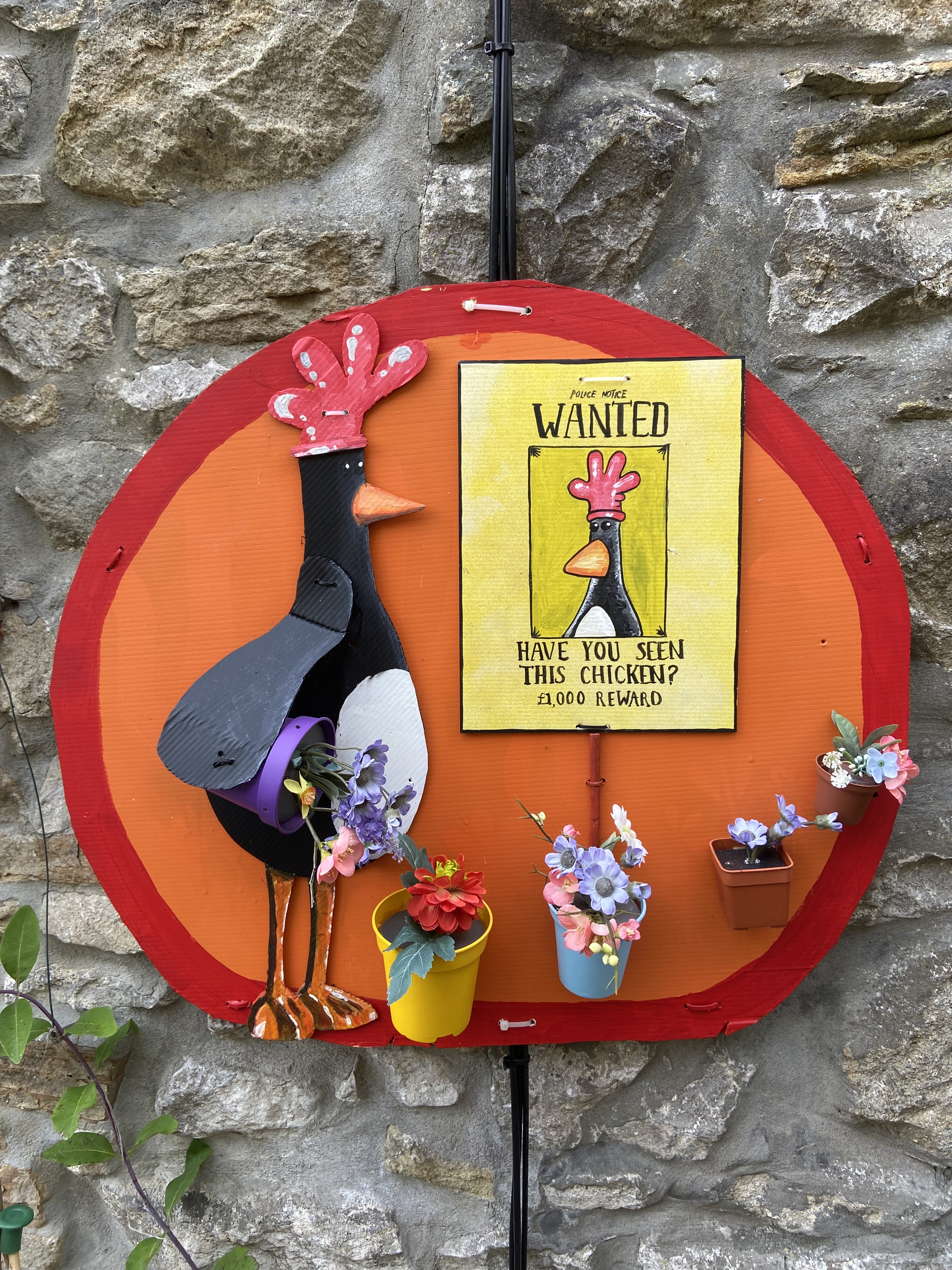
This week started, like last week, with a breakfast from Harry’s Fuel Bar. This week, as you can see above, I had sourdough toast with smashed avocado and poached eggs. Like the pancakes, it was beautiful to look at, as well as delicious. The sourdough toast was crunchy and substantial, the eggs perfectly cooked and the swirly patterns on the plate were sweet and punchy as well as decorative. A good start to the weekend.
Round about lunchtime, I took my car out of the locked car park, where it had stood safely all week, and drove to Yorkshire. The weather was a good bit cooler than it had been, and I discovered, when I took Triar out in the evening, that I had a whole lot more energy than I’d had before. I’m not sure whether it was all down to the weather. I have been (sourdough toast aside) eating low carb to try to lose weight and it always takes time for my body to adjust. I’d also been walking from Central Station to the PDSA every day, so likely my fitness improved, but suddenly, after months of walking being a tough drag, I could walk again without every step feeling heavy. It was wonderful.
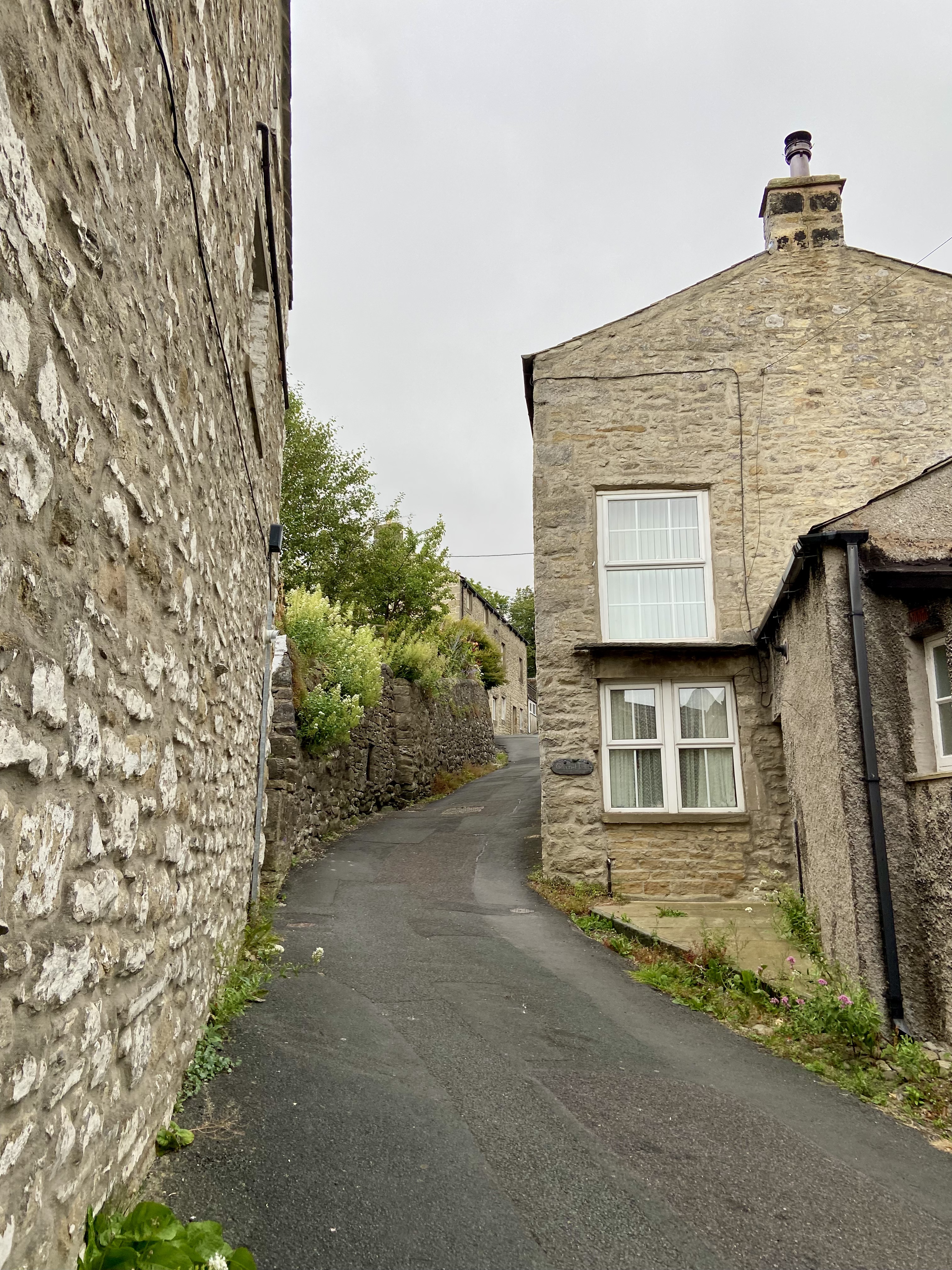
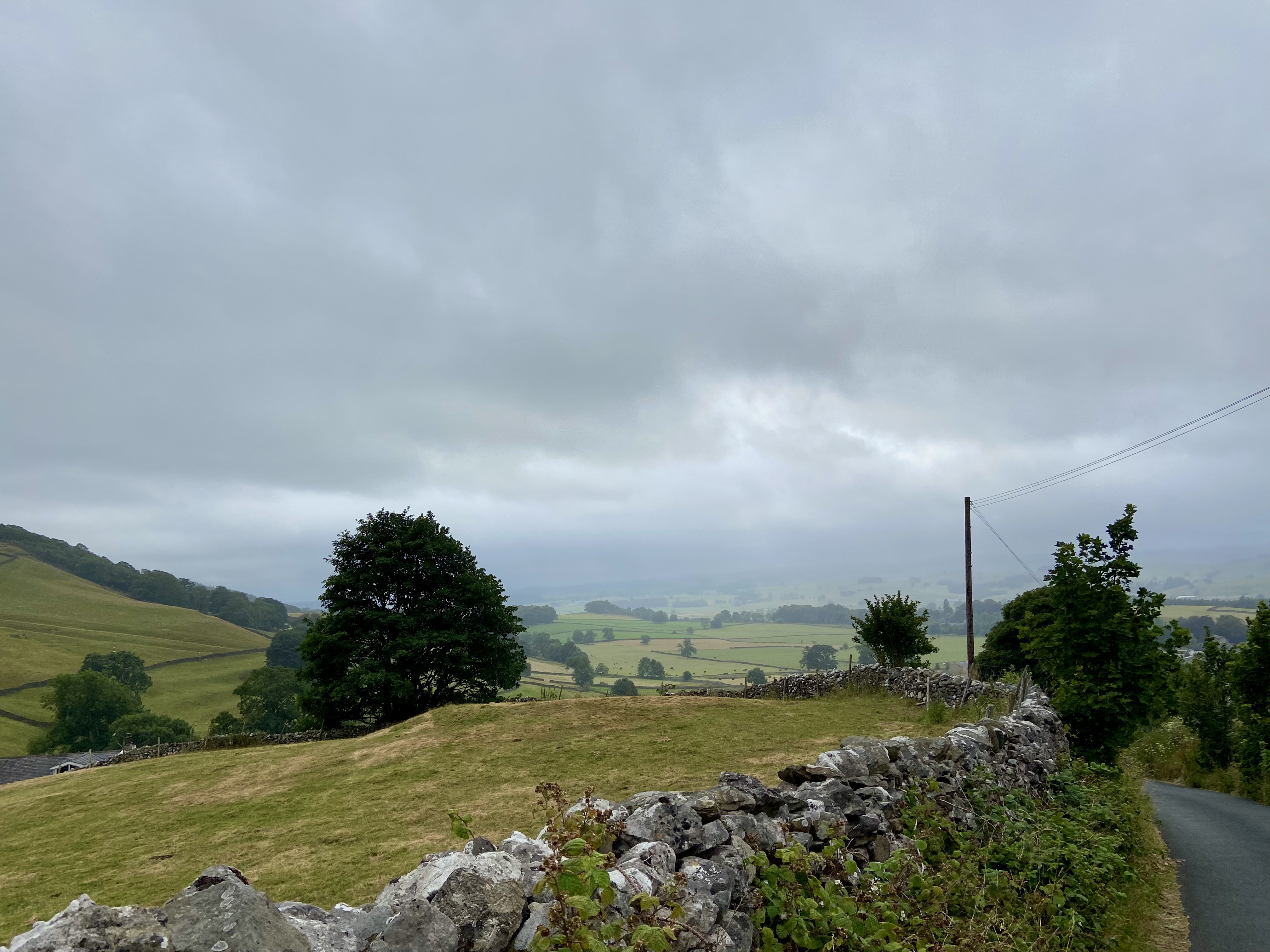
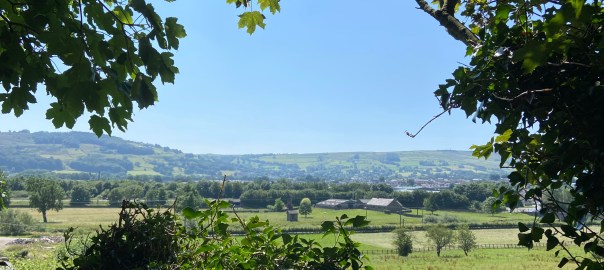
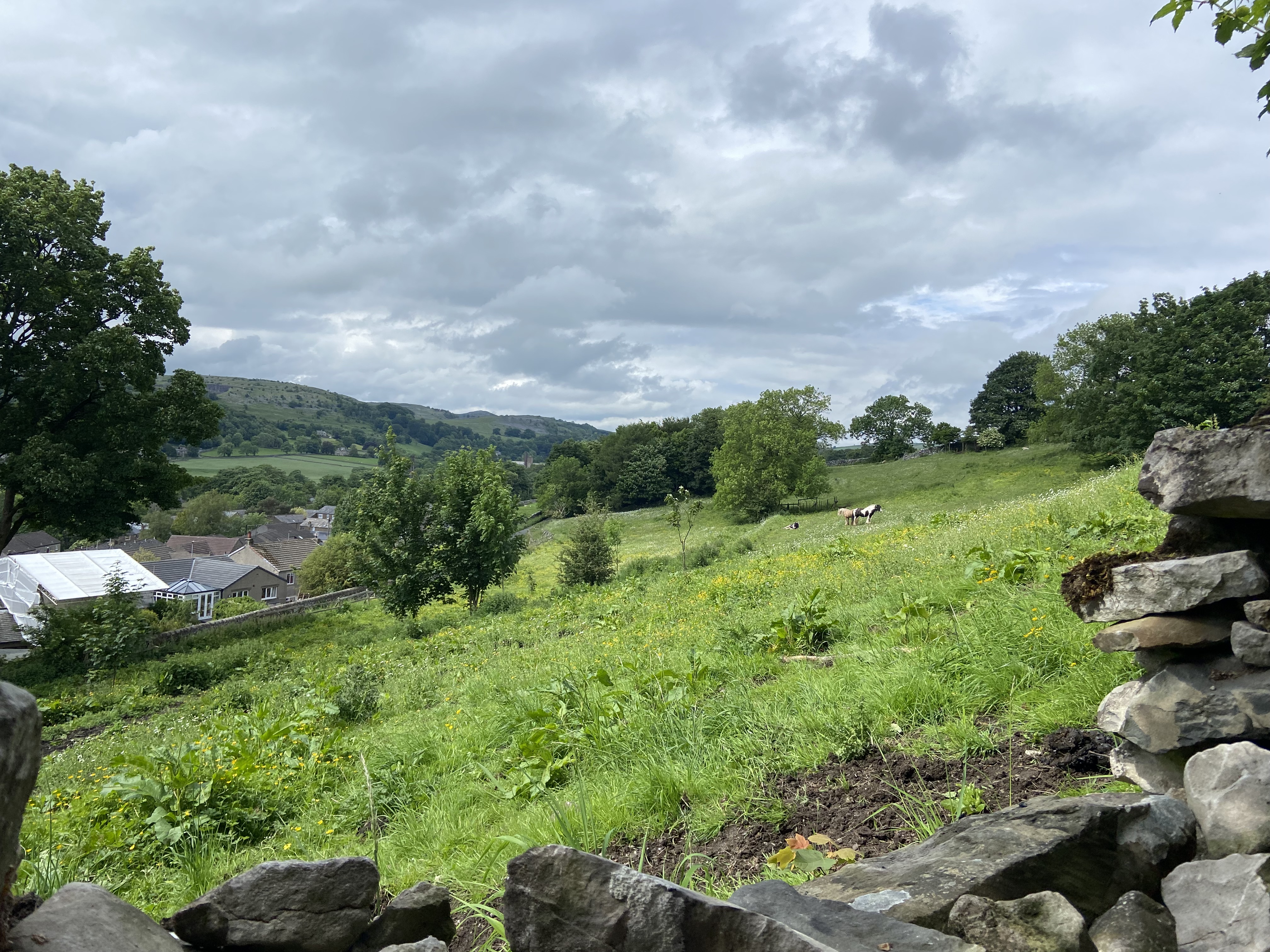
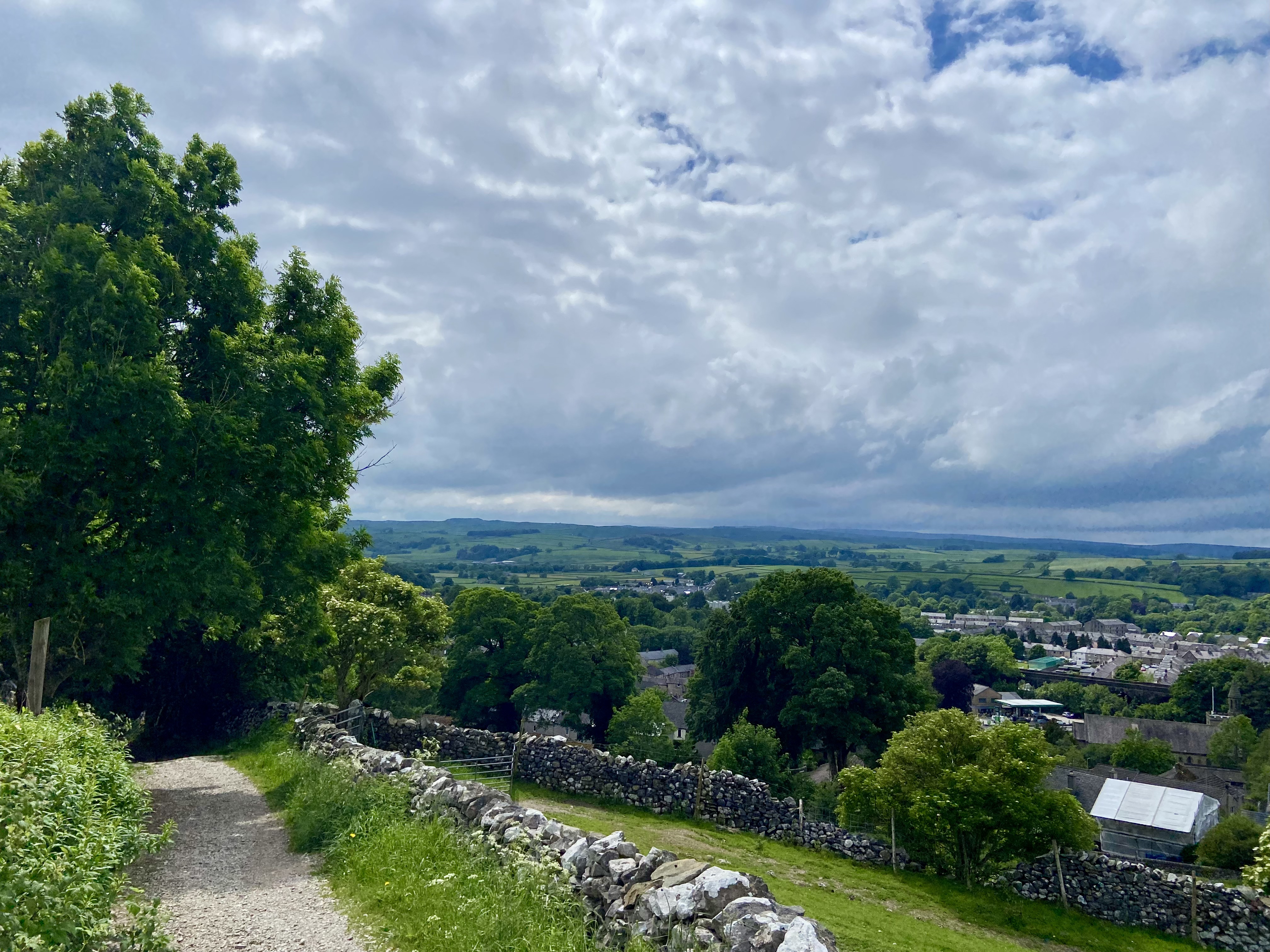
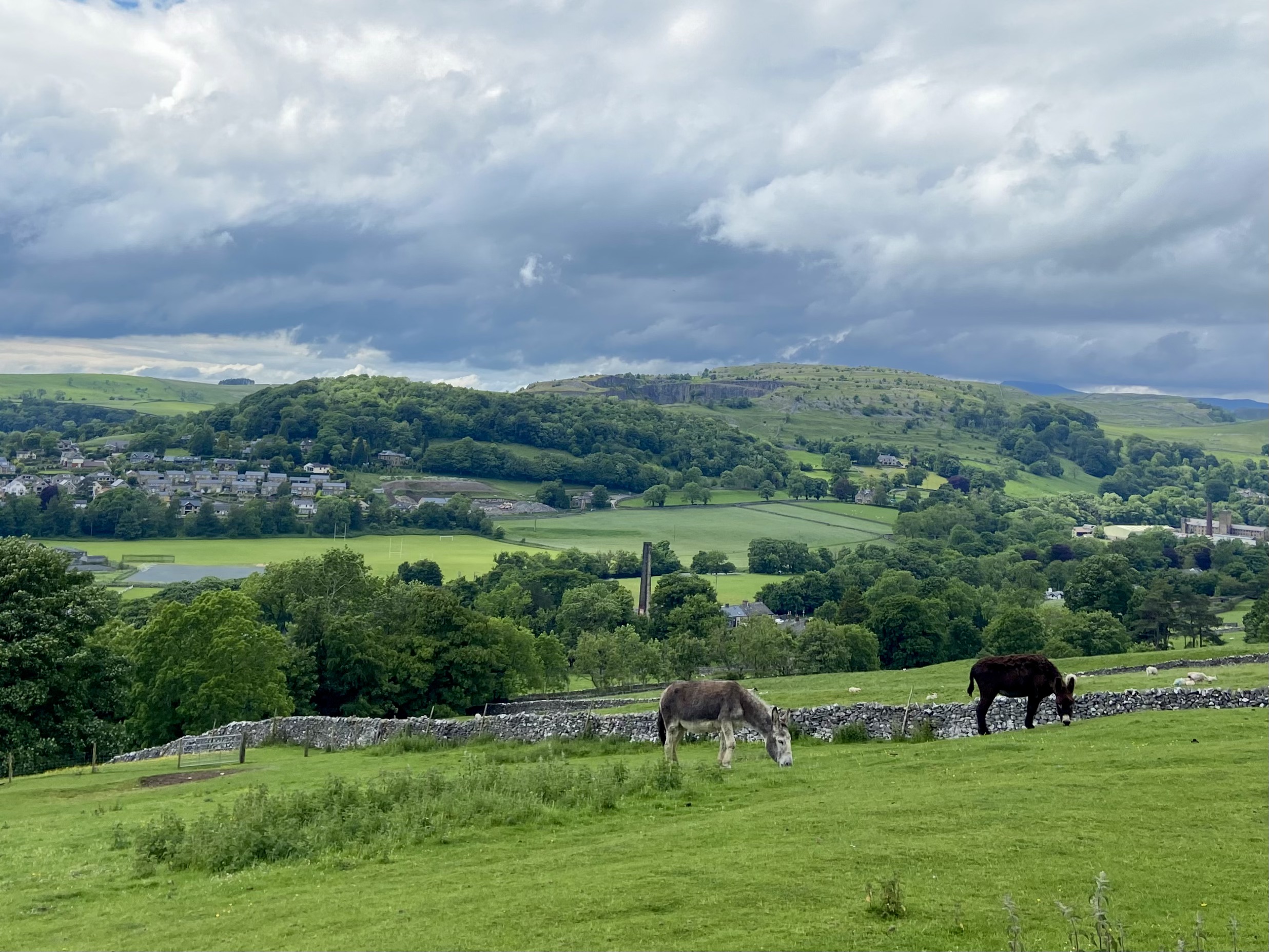
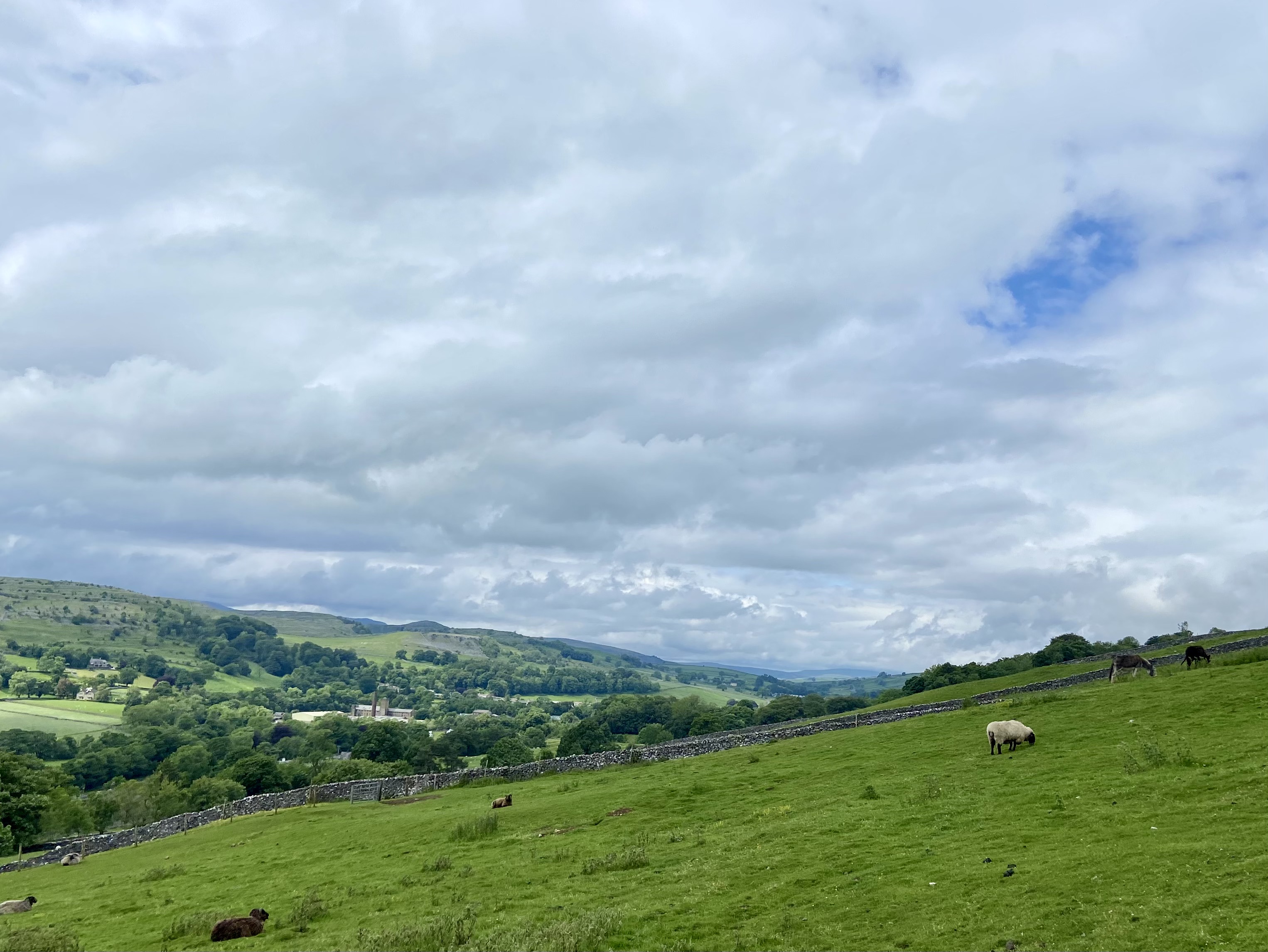
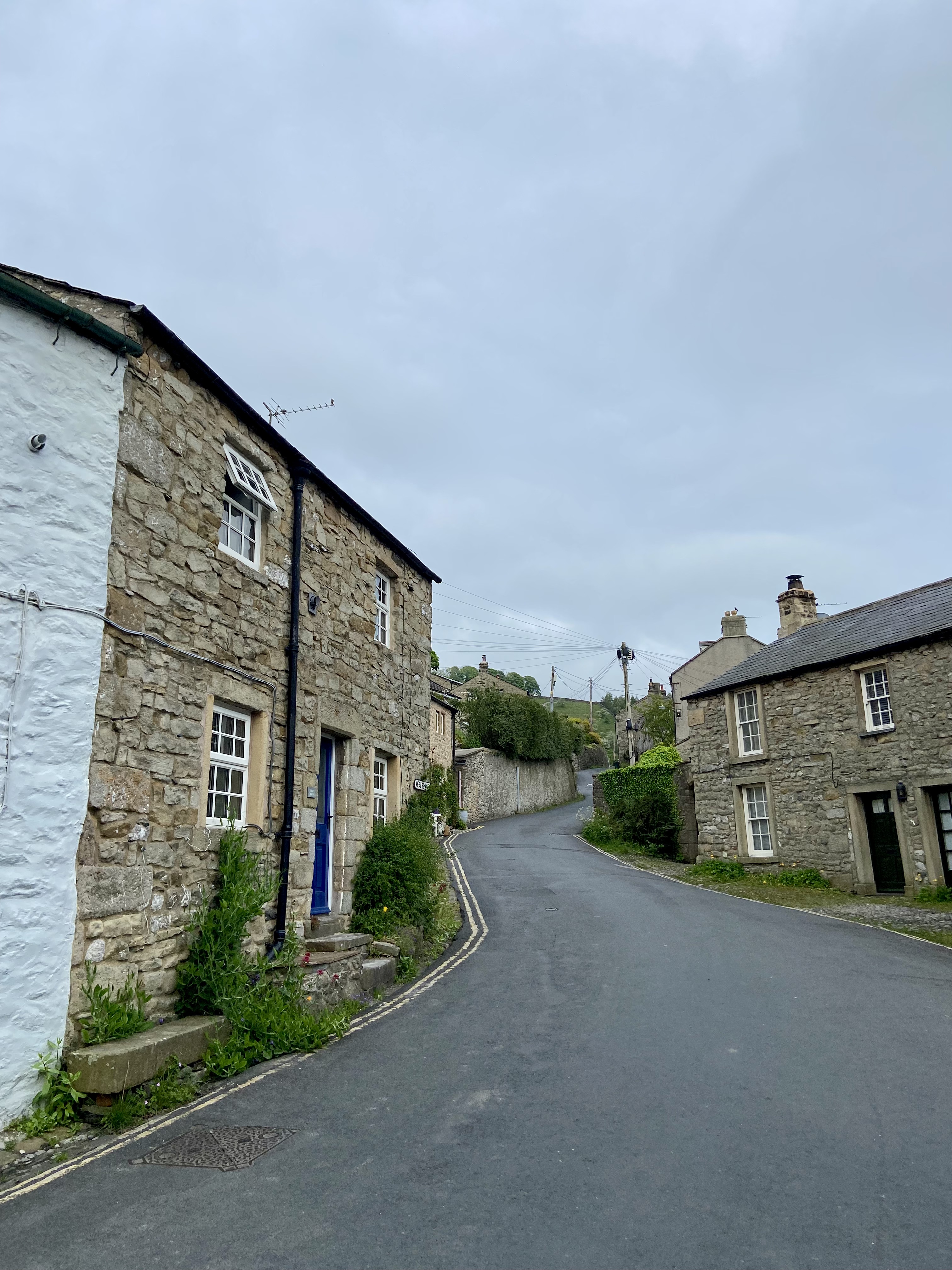
I walked up a steep Settle lane and (despite the low clouds) there were lovely views when I got higher up.
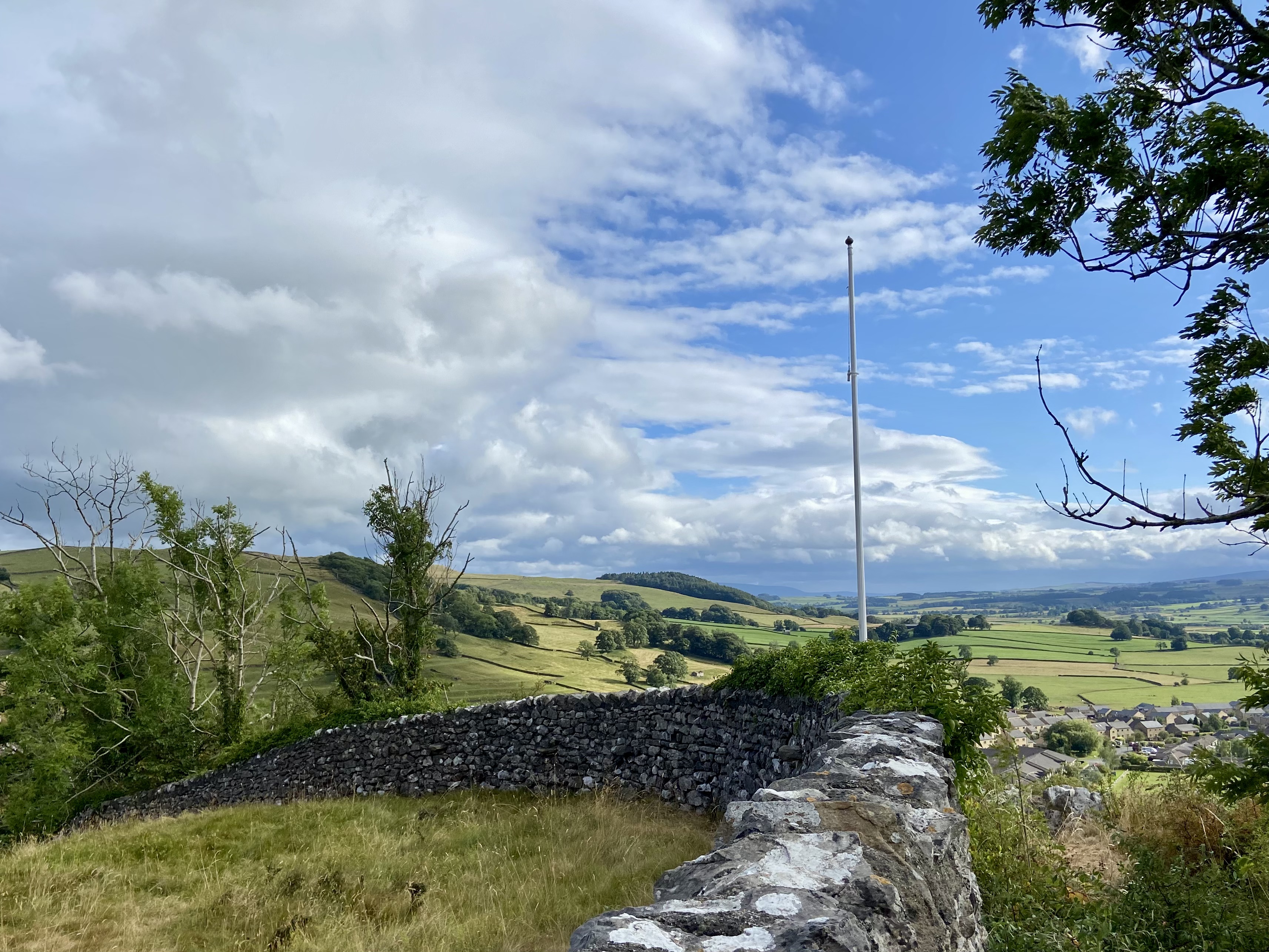
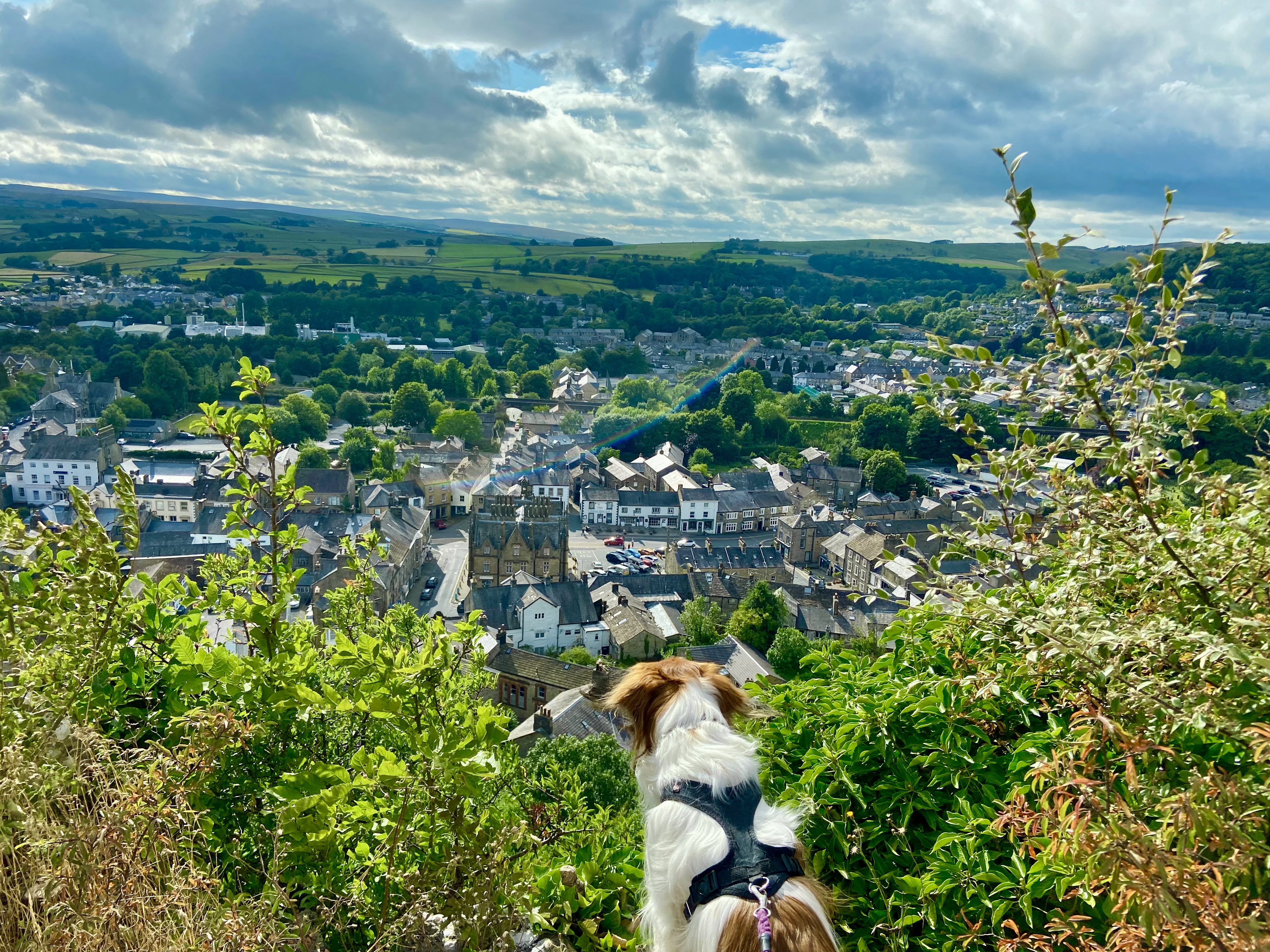
Sunday’s walk was even better. I had headed up towards Constitution Hill, thinking I would take the bridle path towards Lanhcliffe, when I saw the gate that leads up to Castleberg Crag was open. There’s a flagpole on the top of the crag that can be seen from all over Settle and I’d been hankering to go up there for a while, but for the past couple of years, every time I’ve passed the gate, it has been locked. Now there it was, inviting me in. I wasn’t sure what to expect. I’d been told it was a tough scramble, but instead, I found well marked paths, zigzagging up through ancient trees. There was quite a steep drop on one side, but fortunately Triar behaved himself. The views from the top were very much worth it.
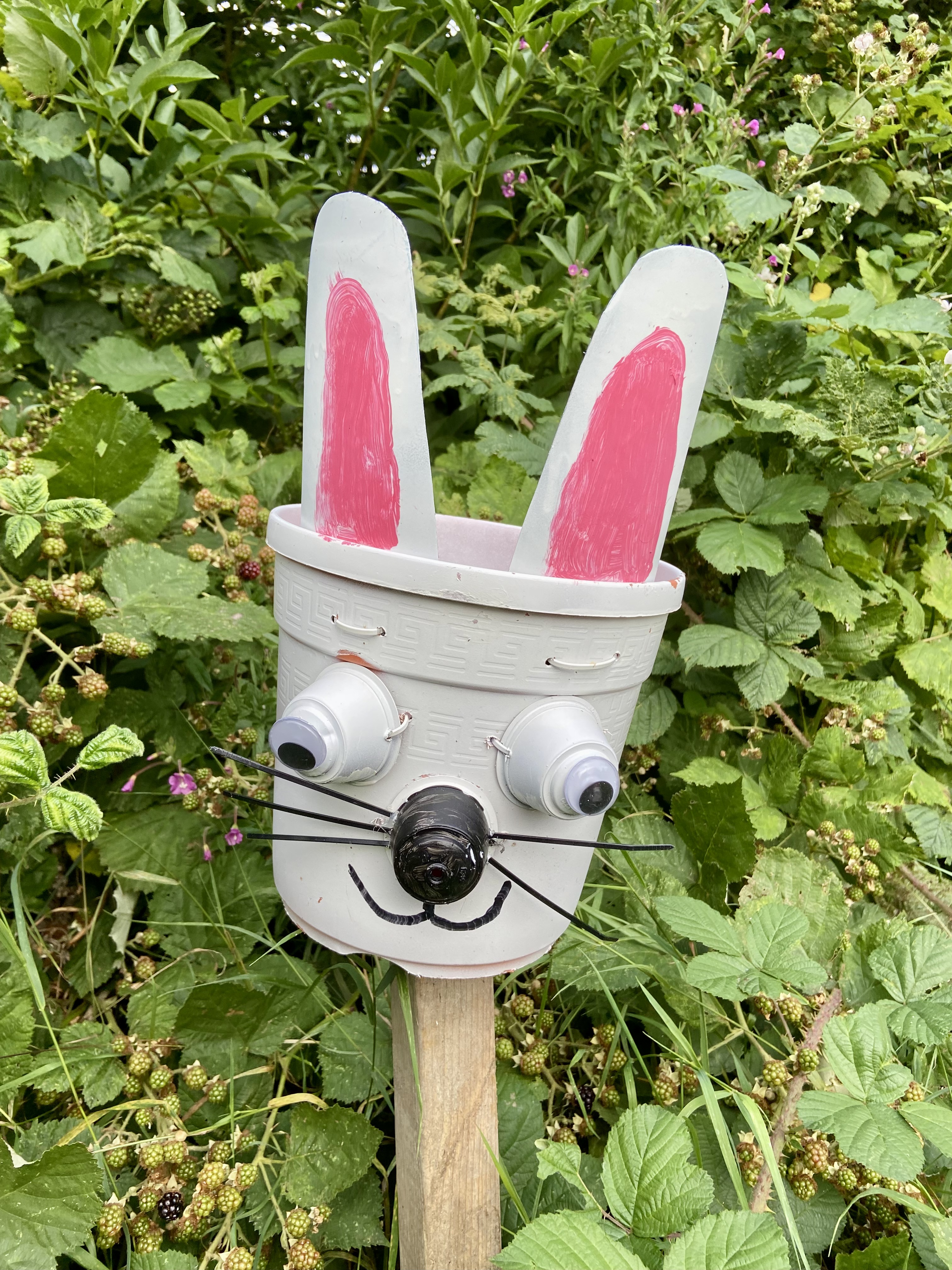
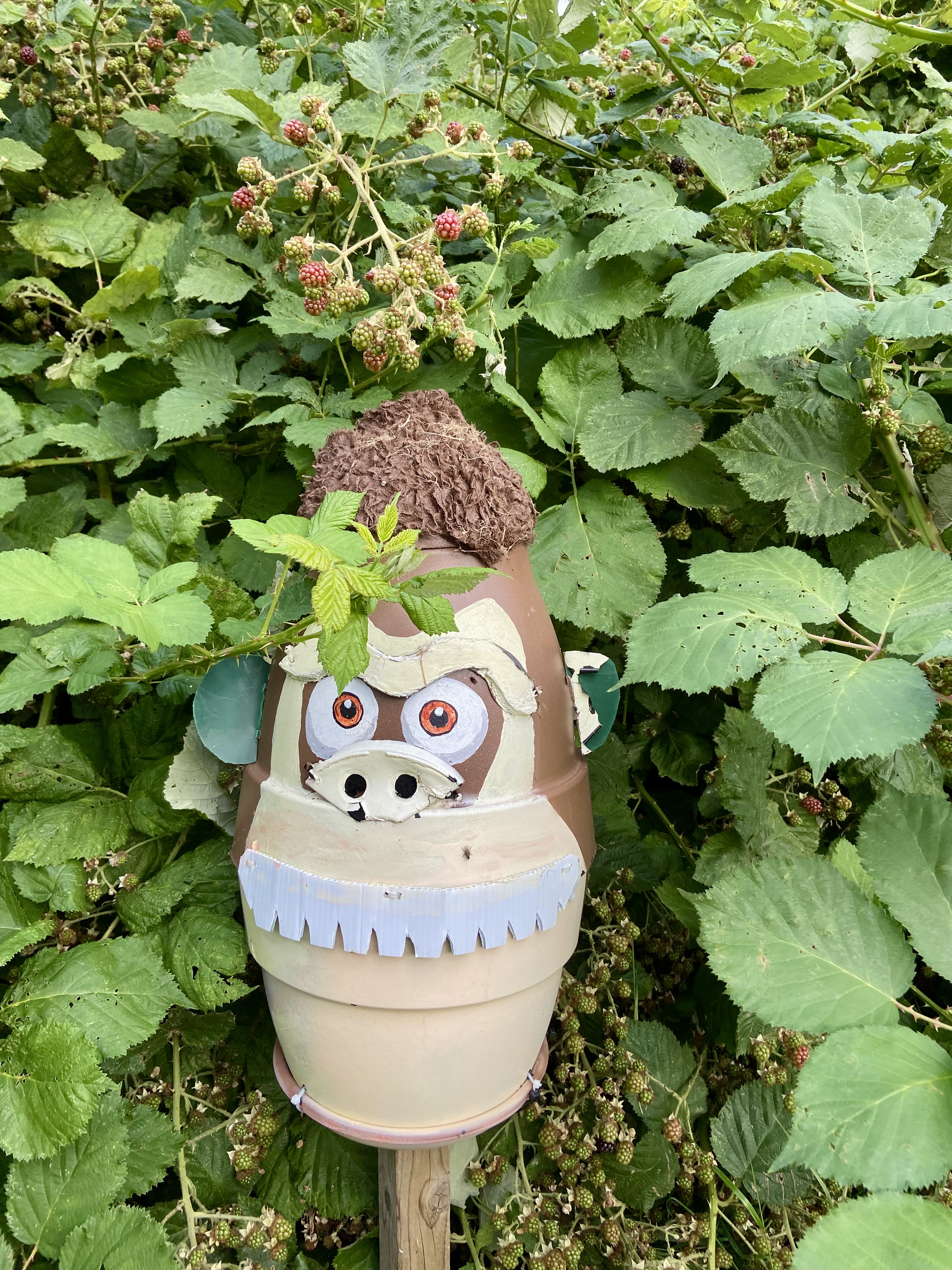
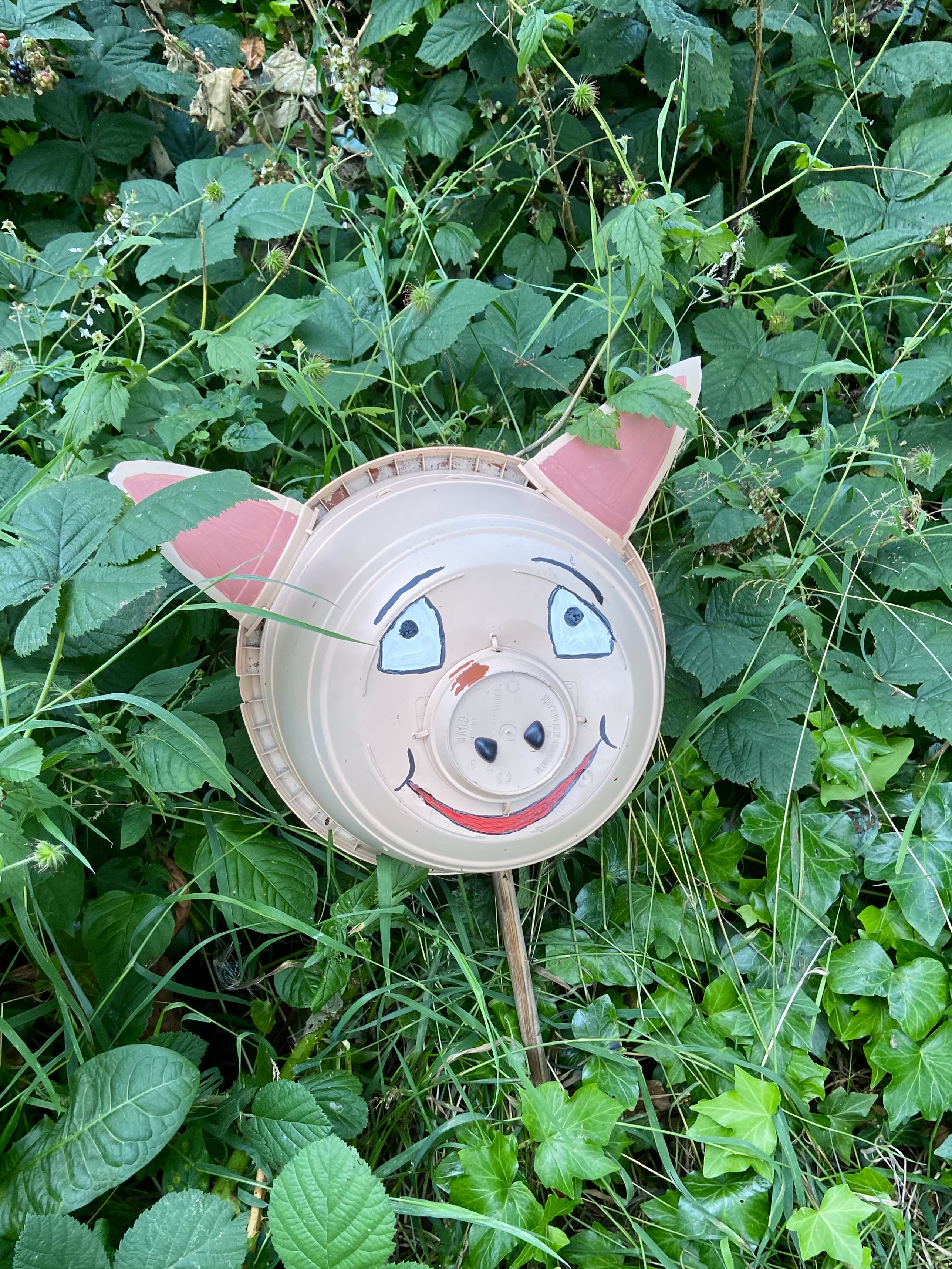
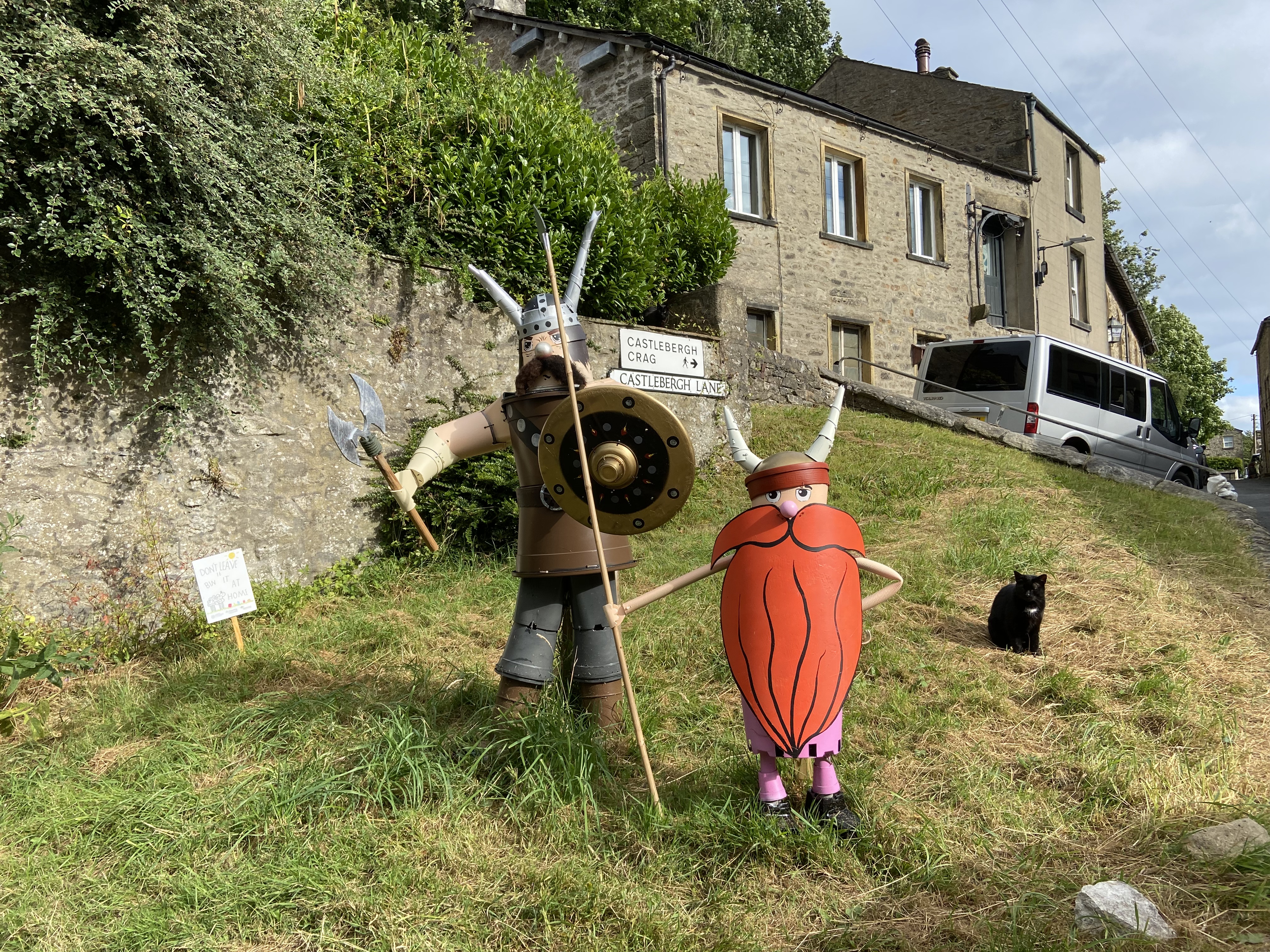
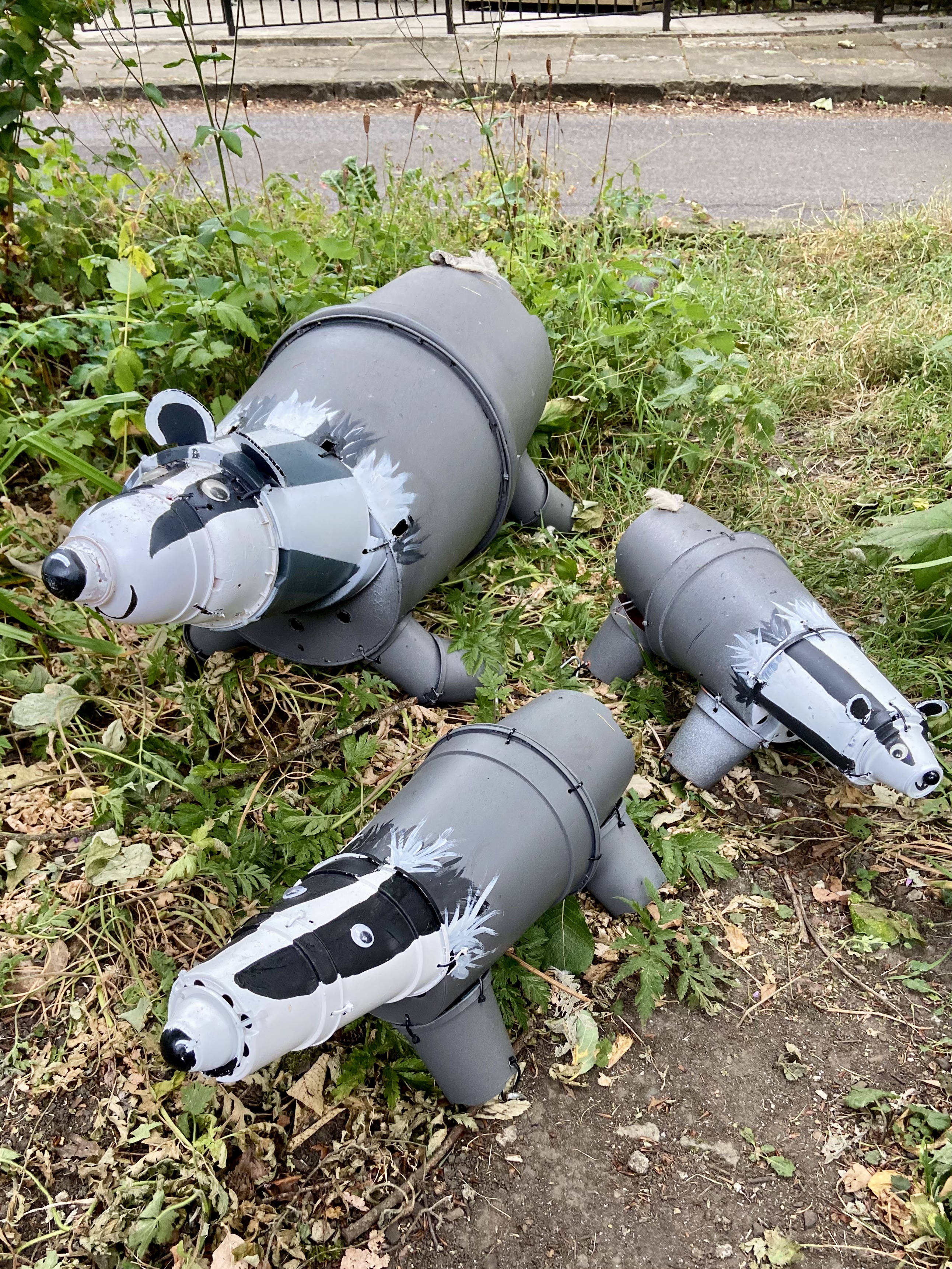
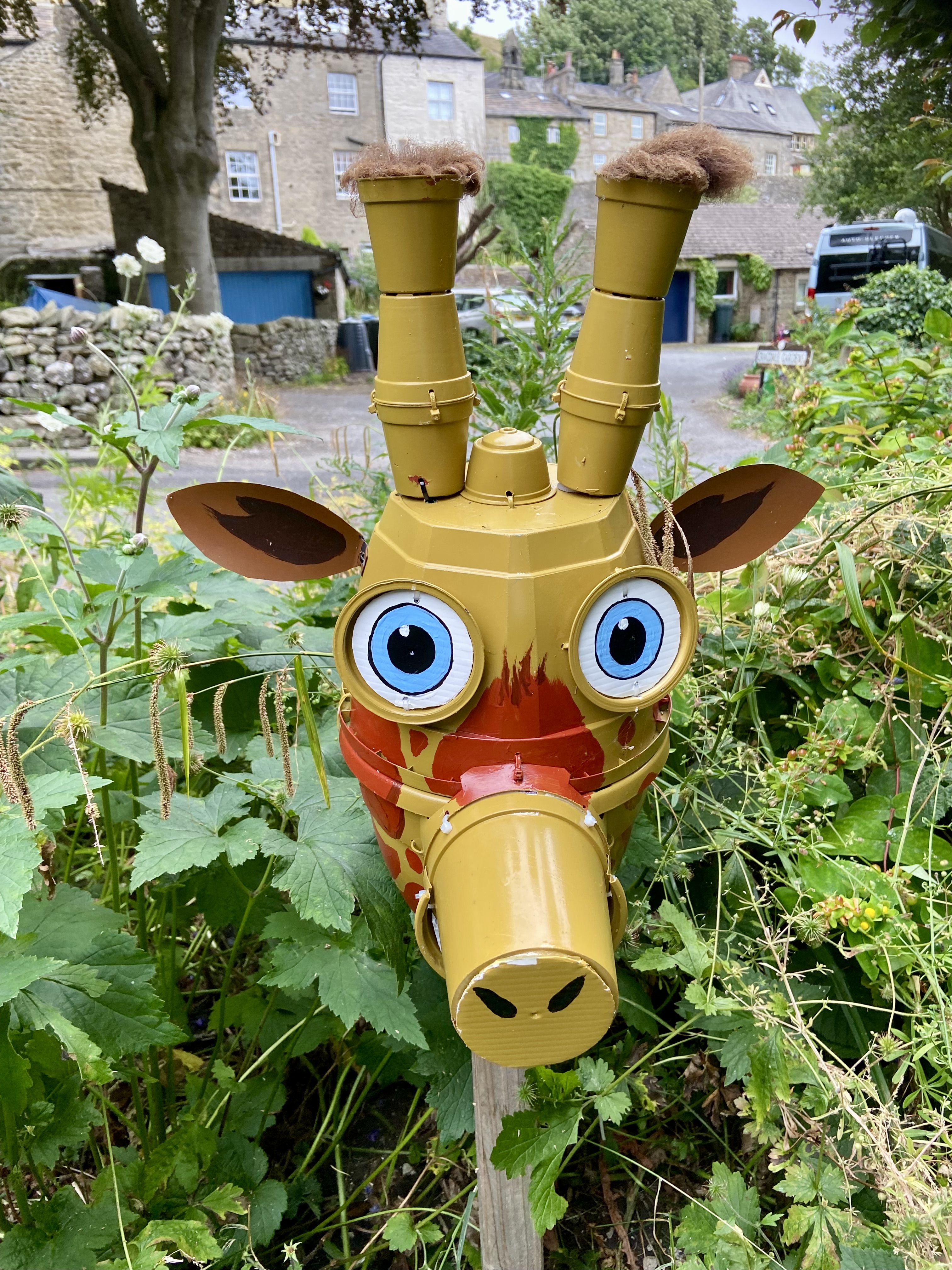
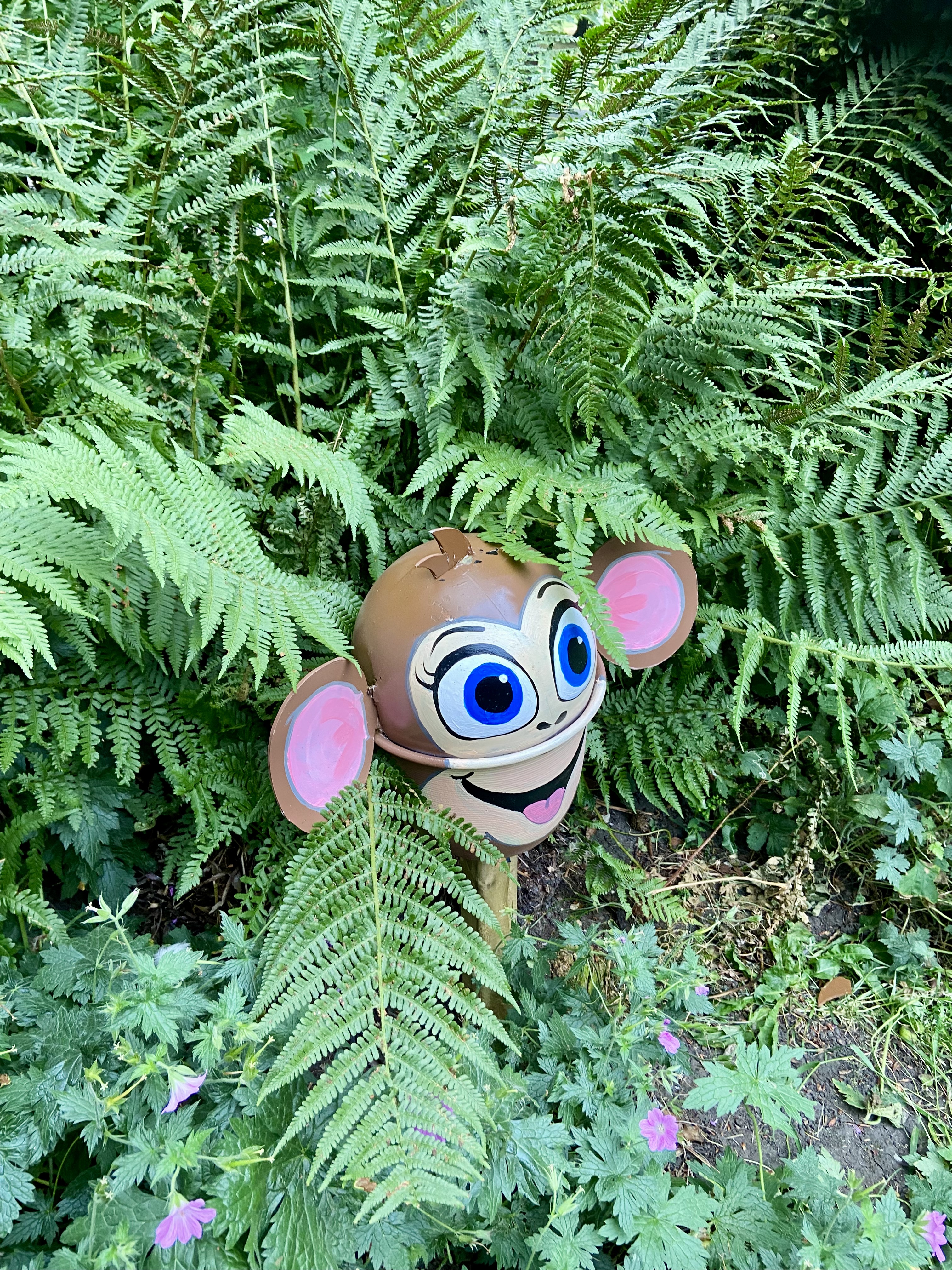
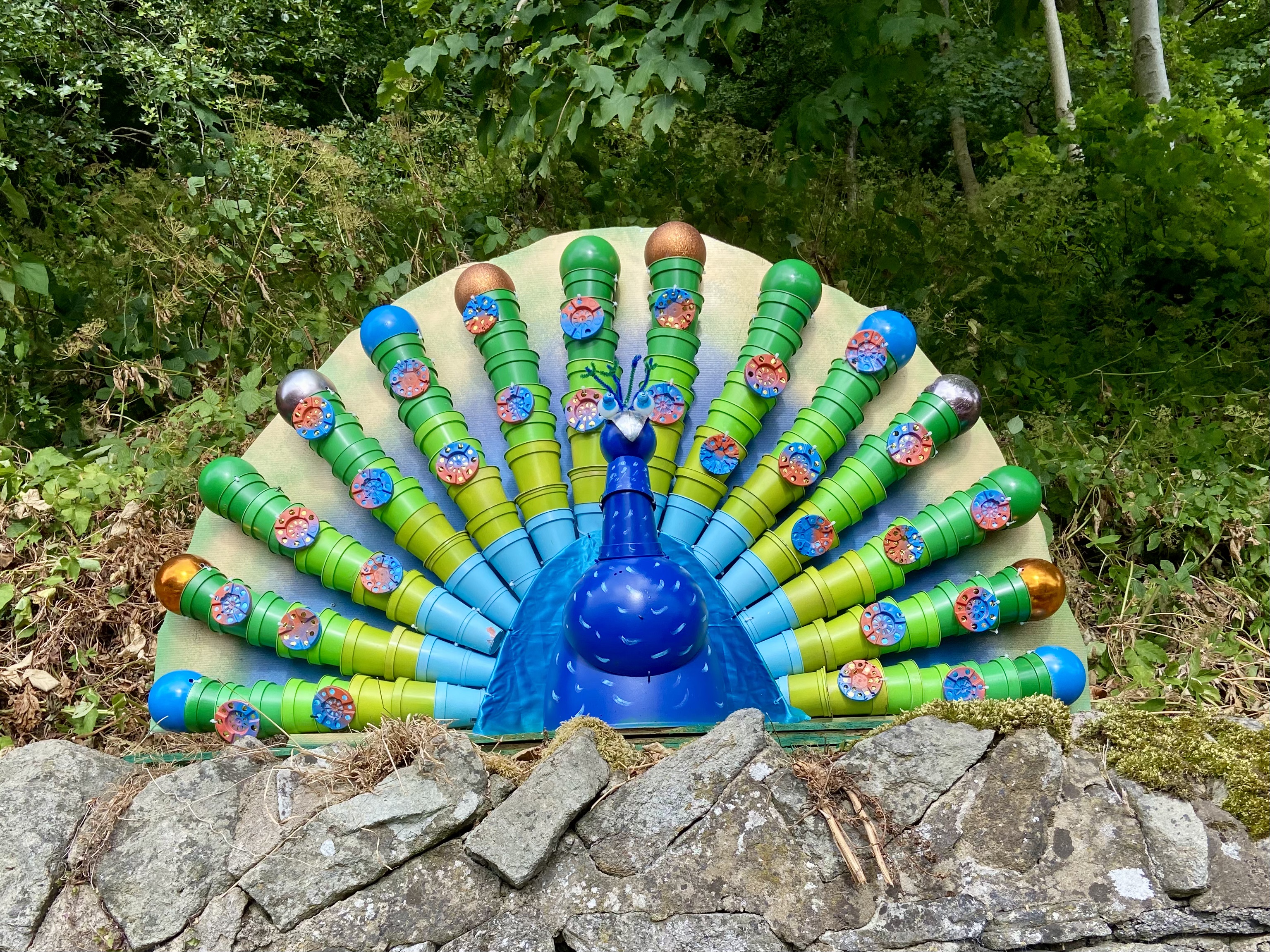
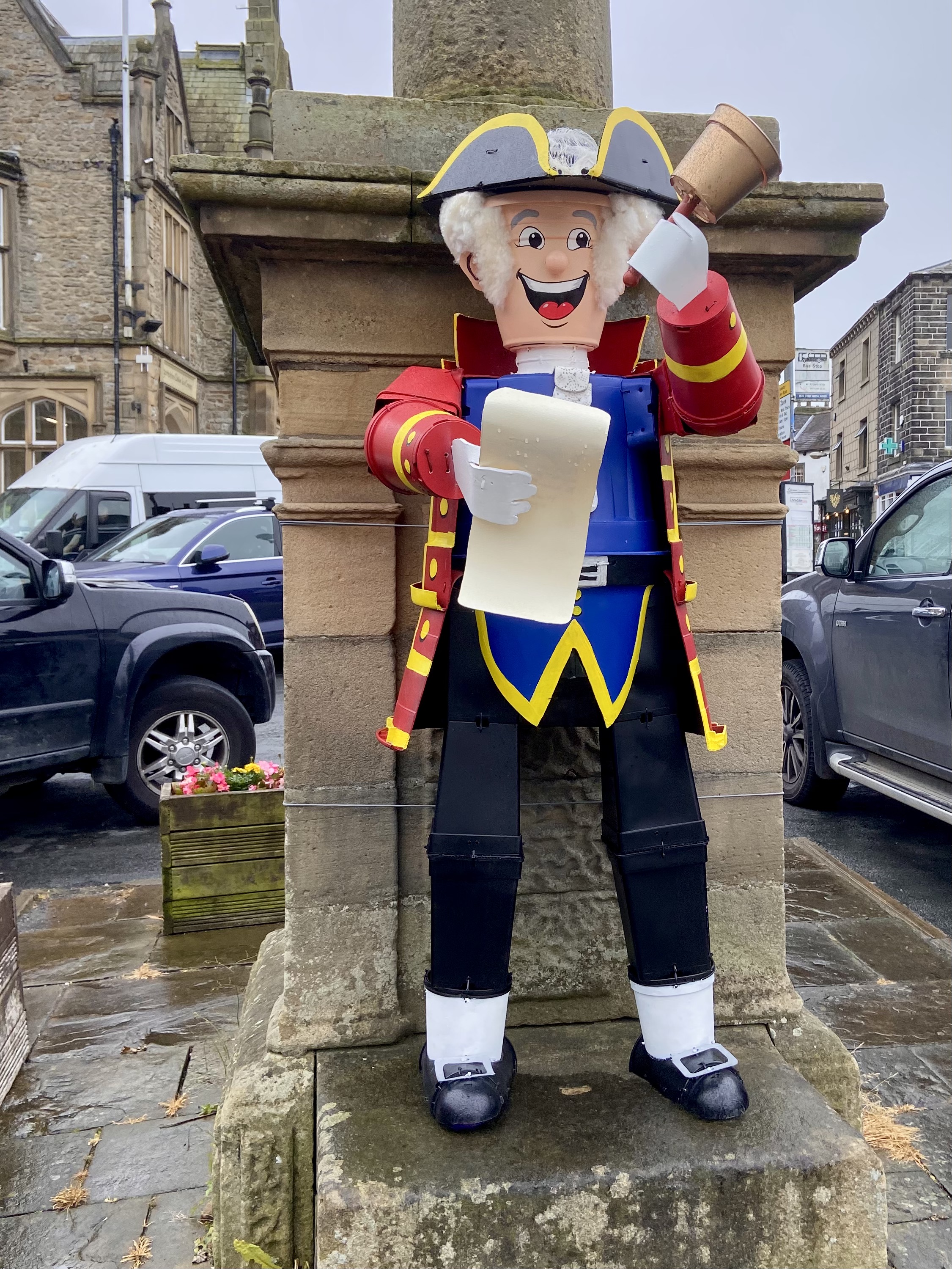
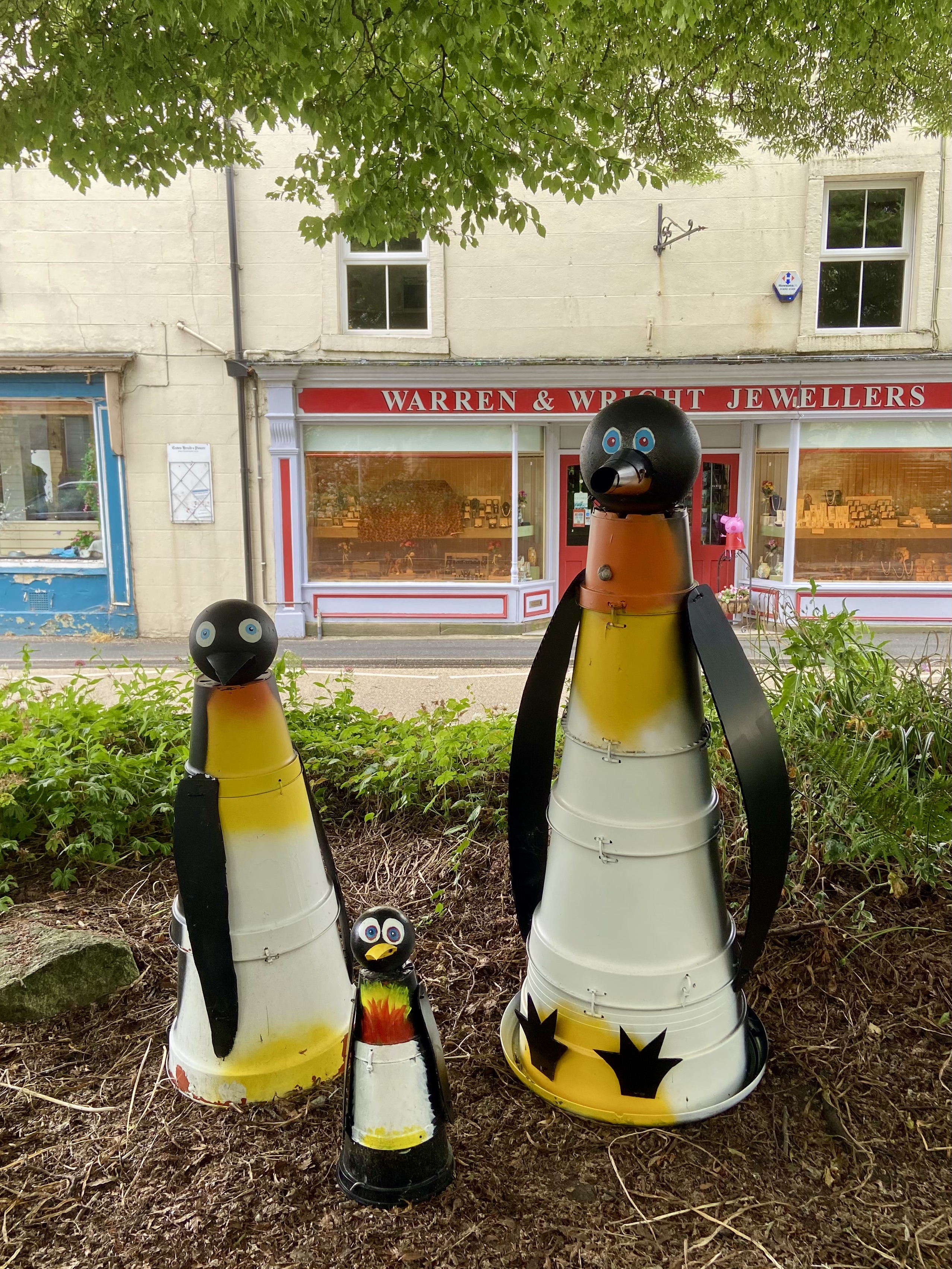
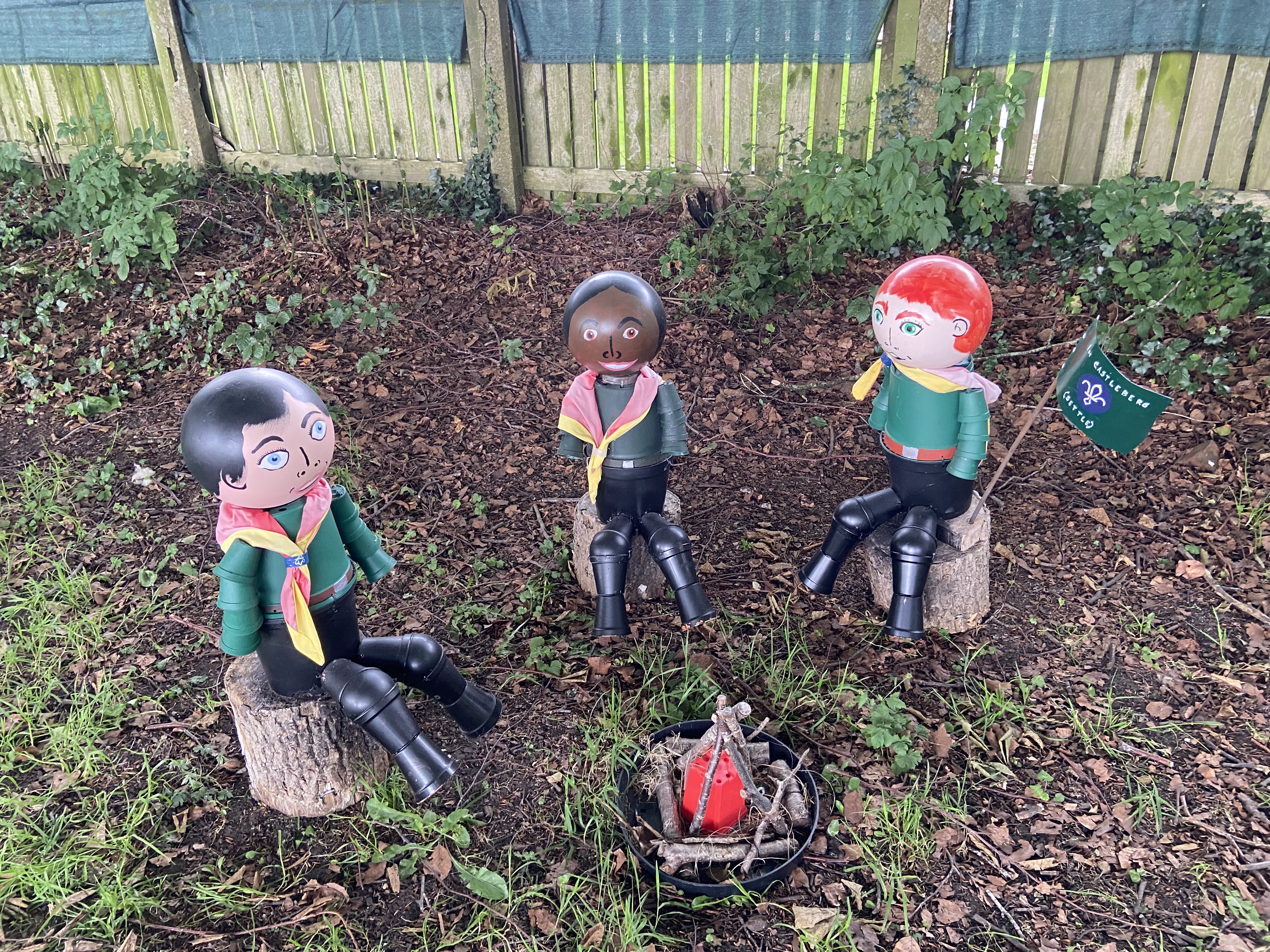
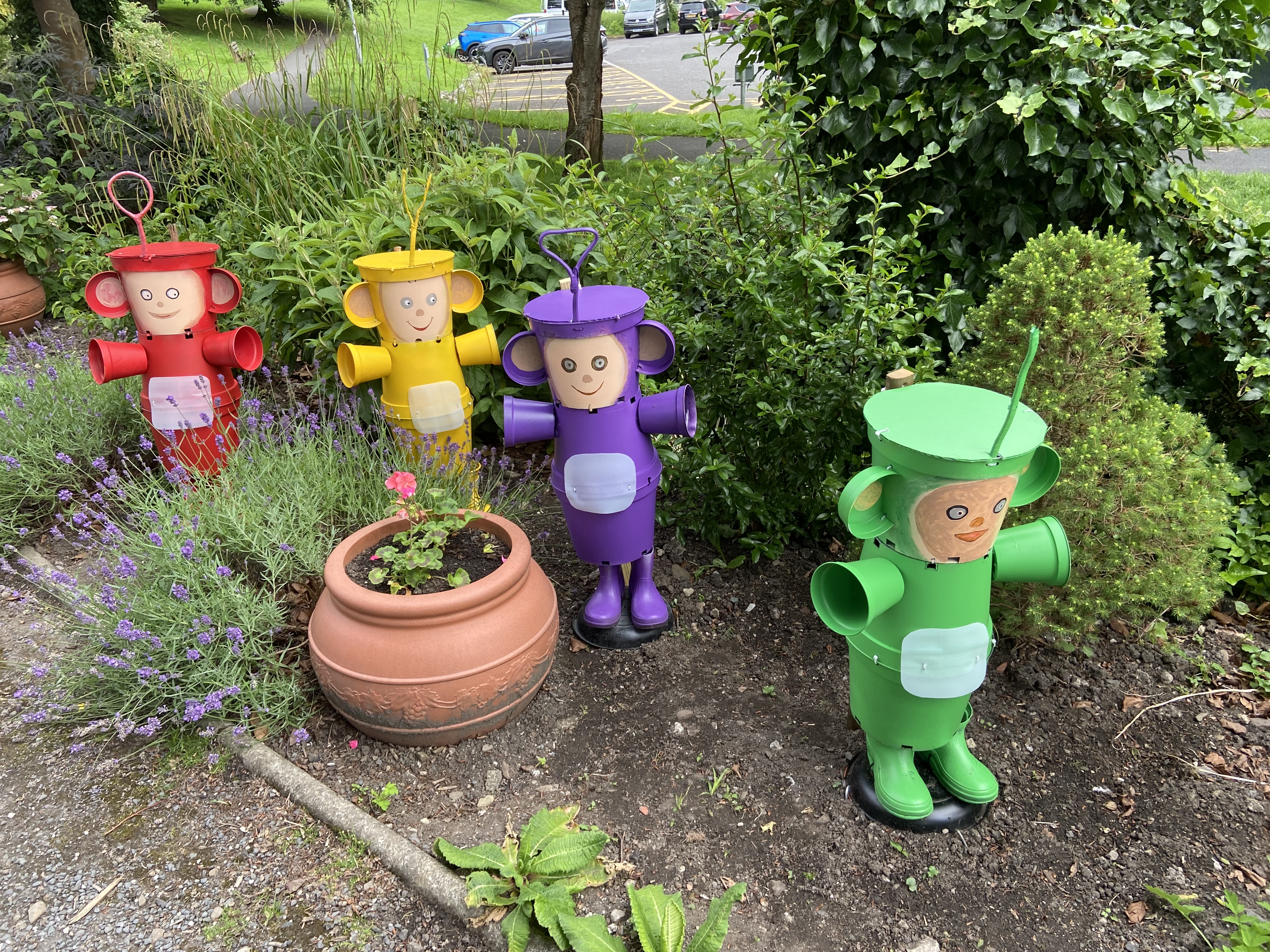
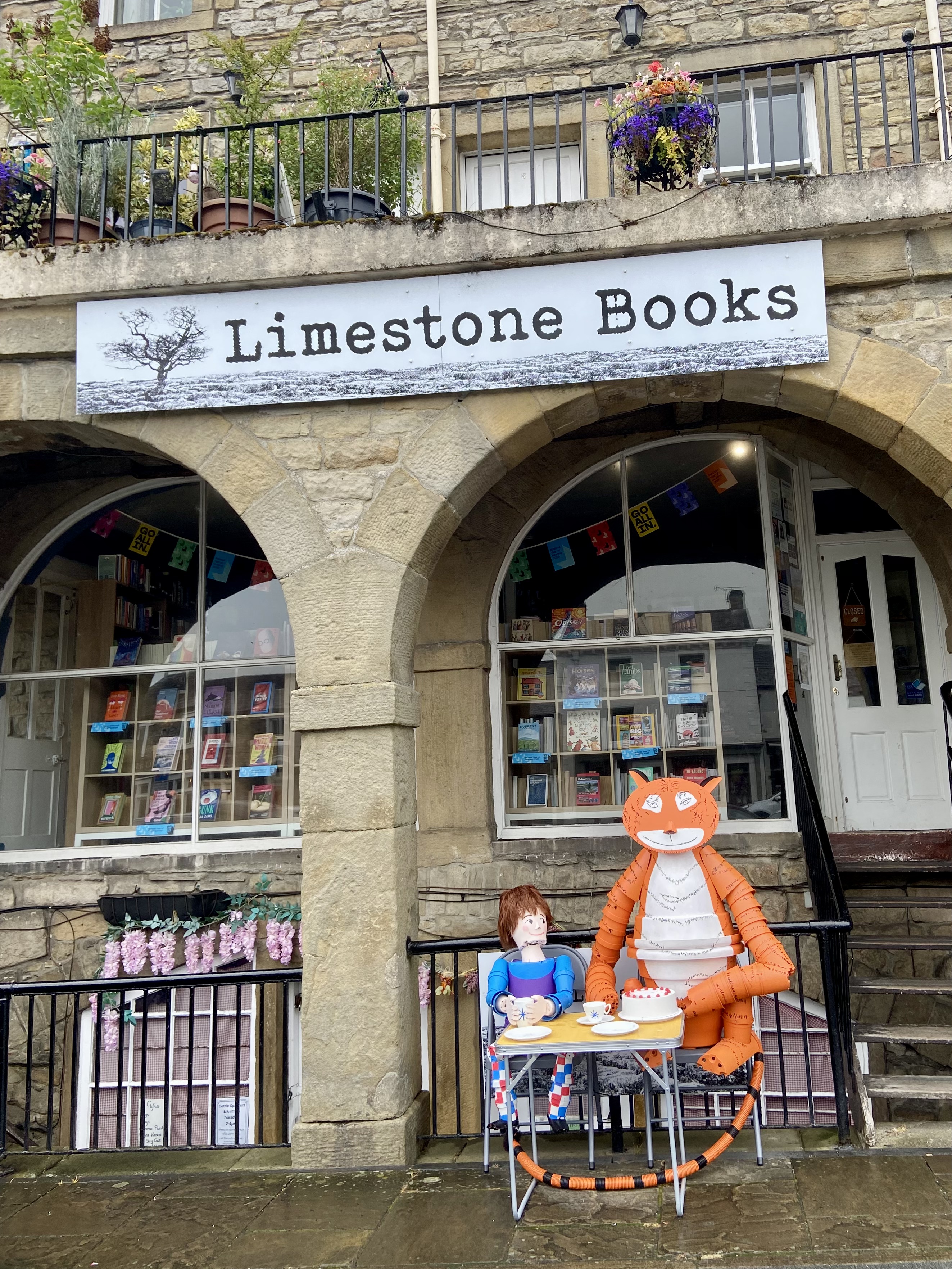
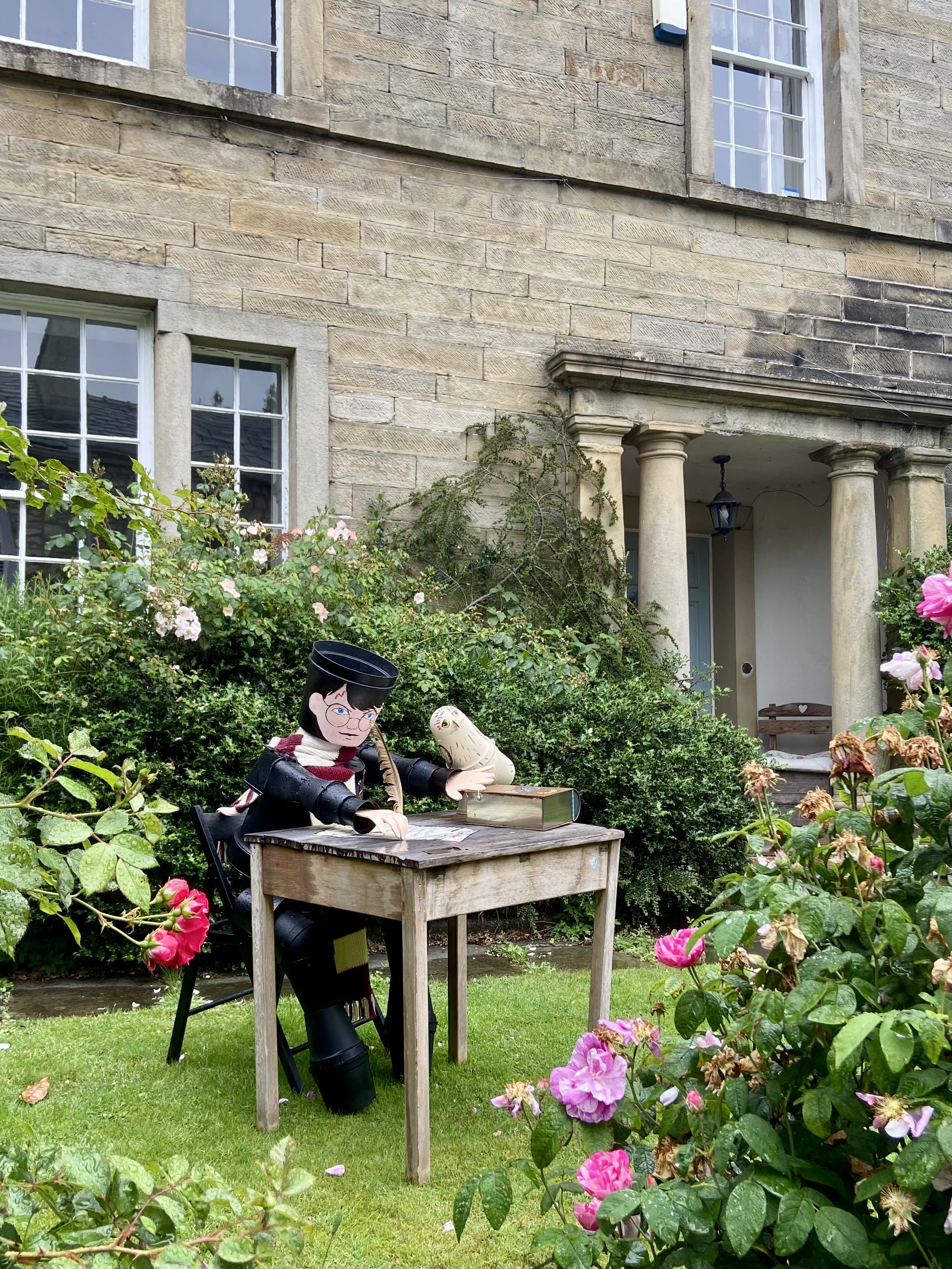
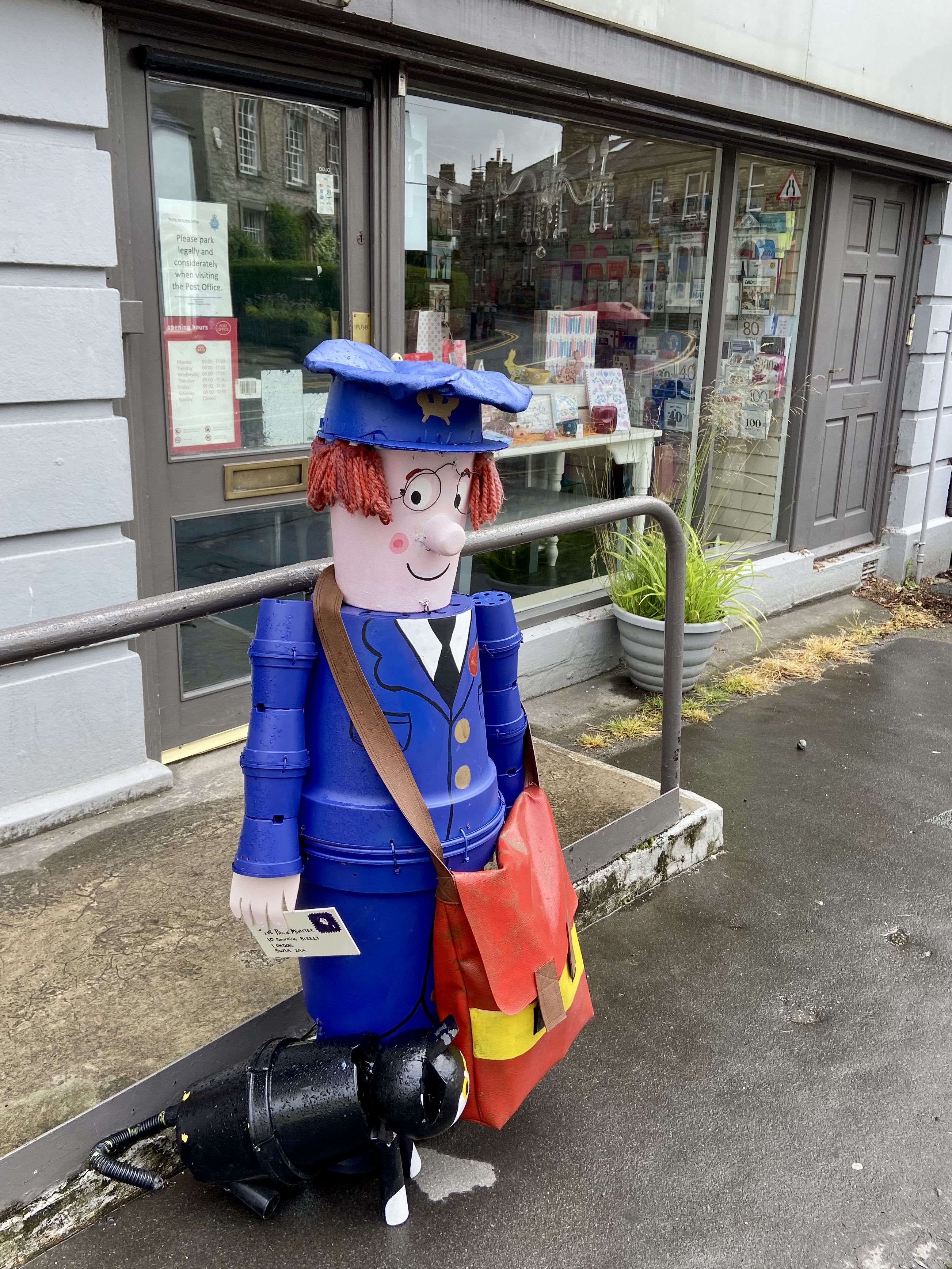
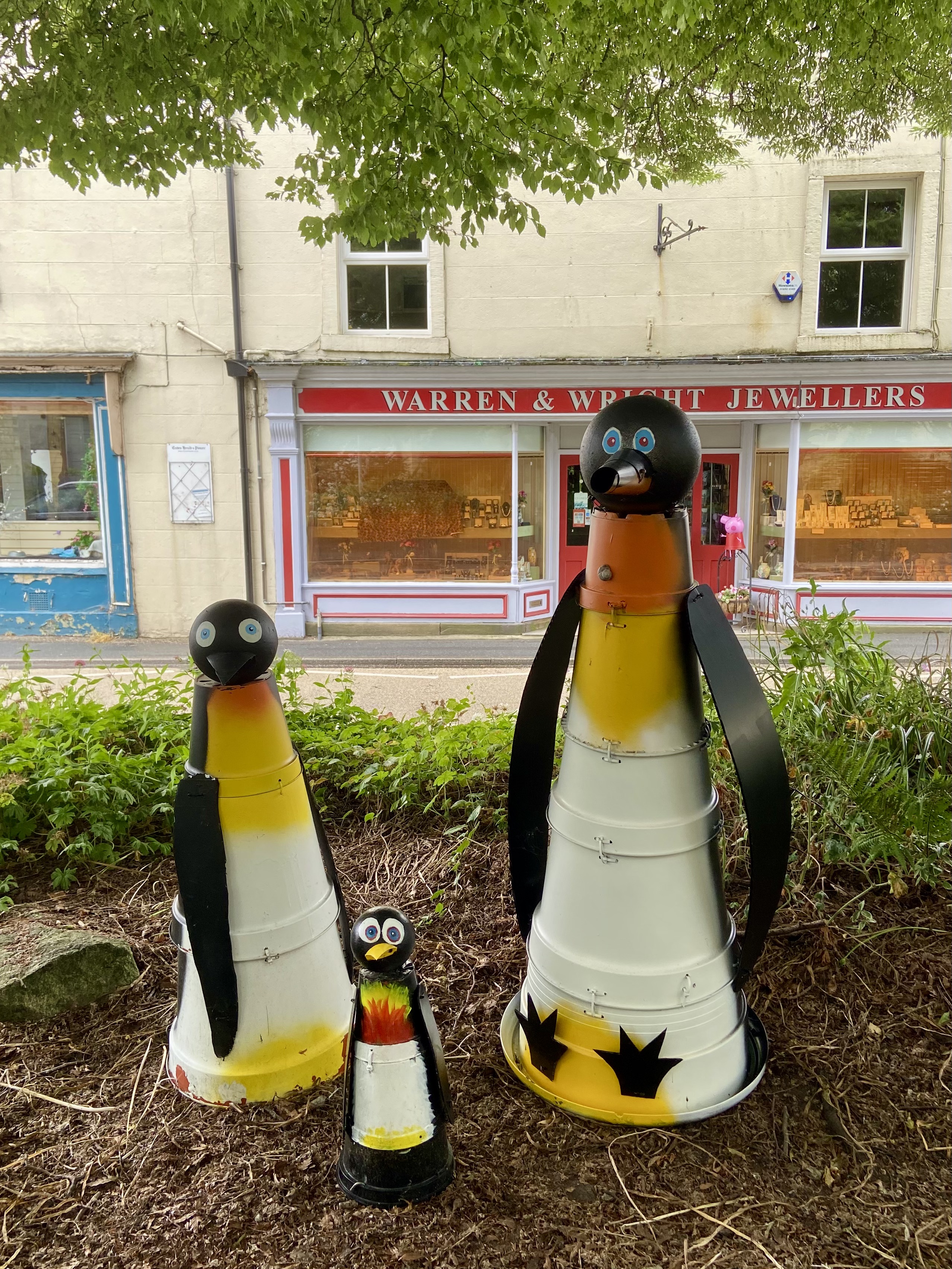
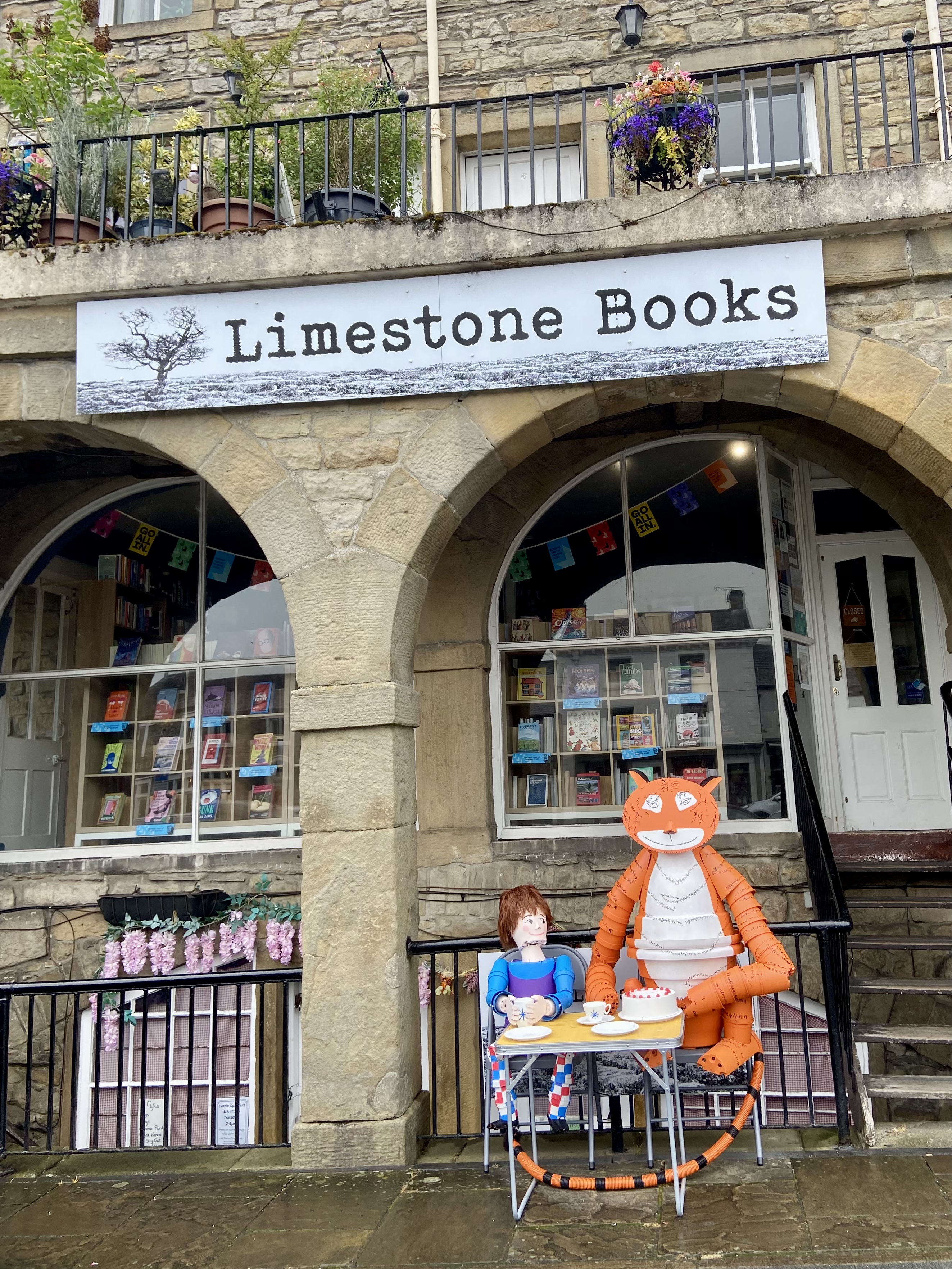
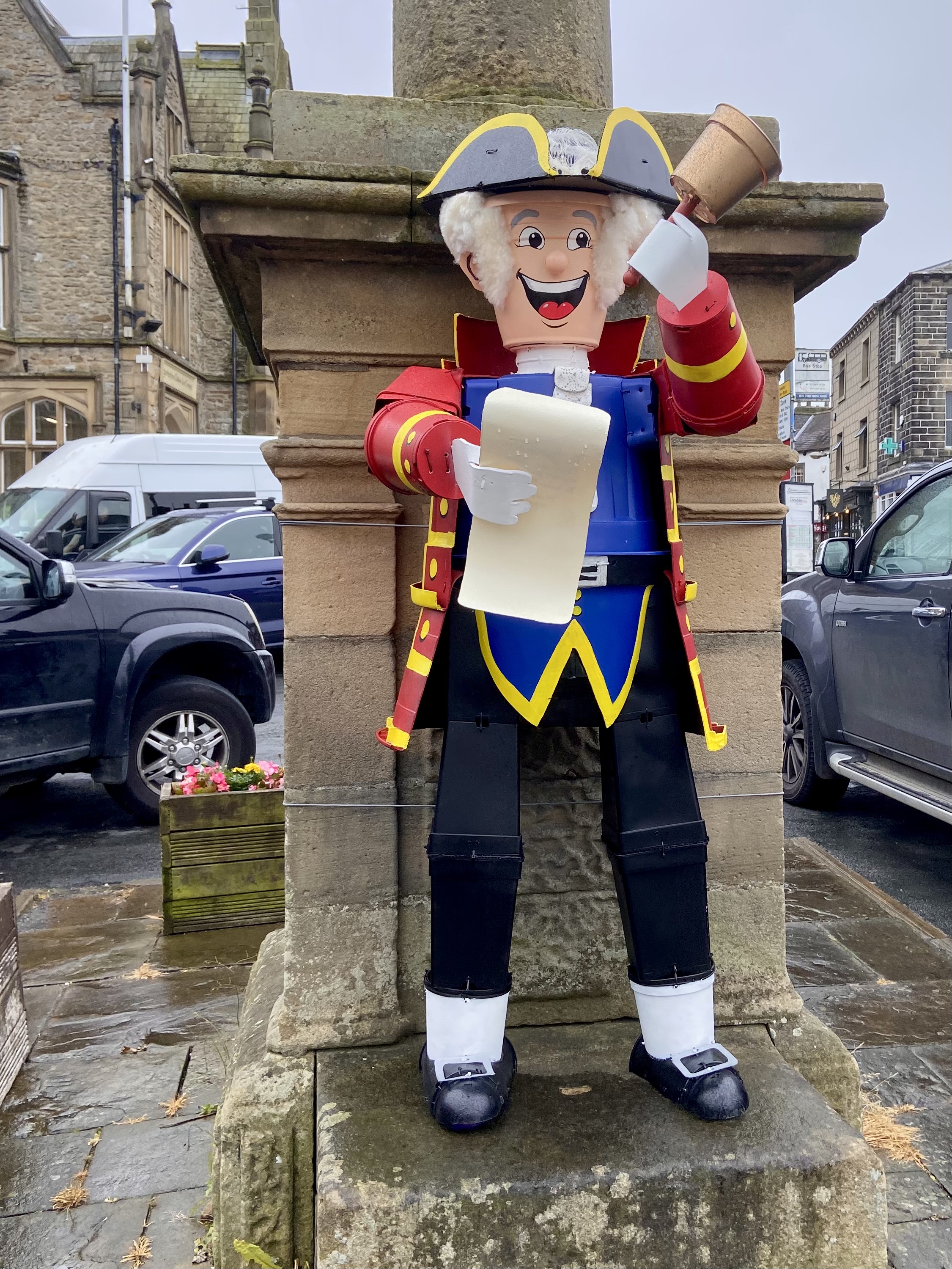
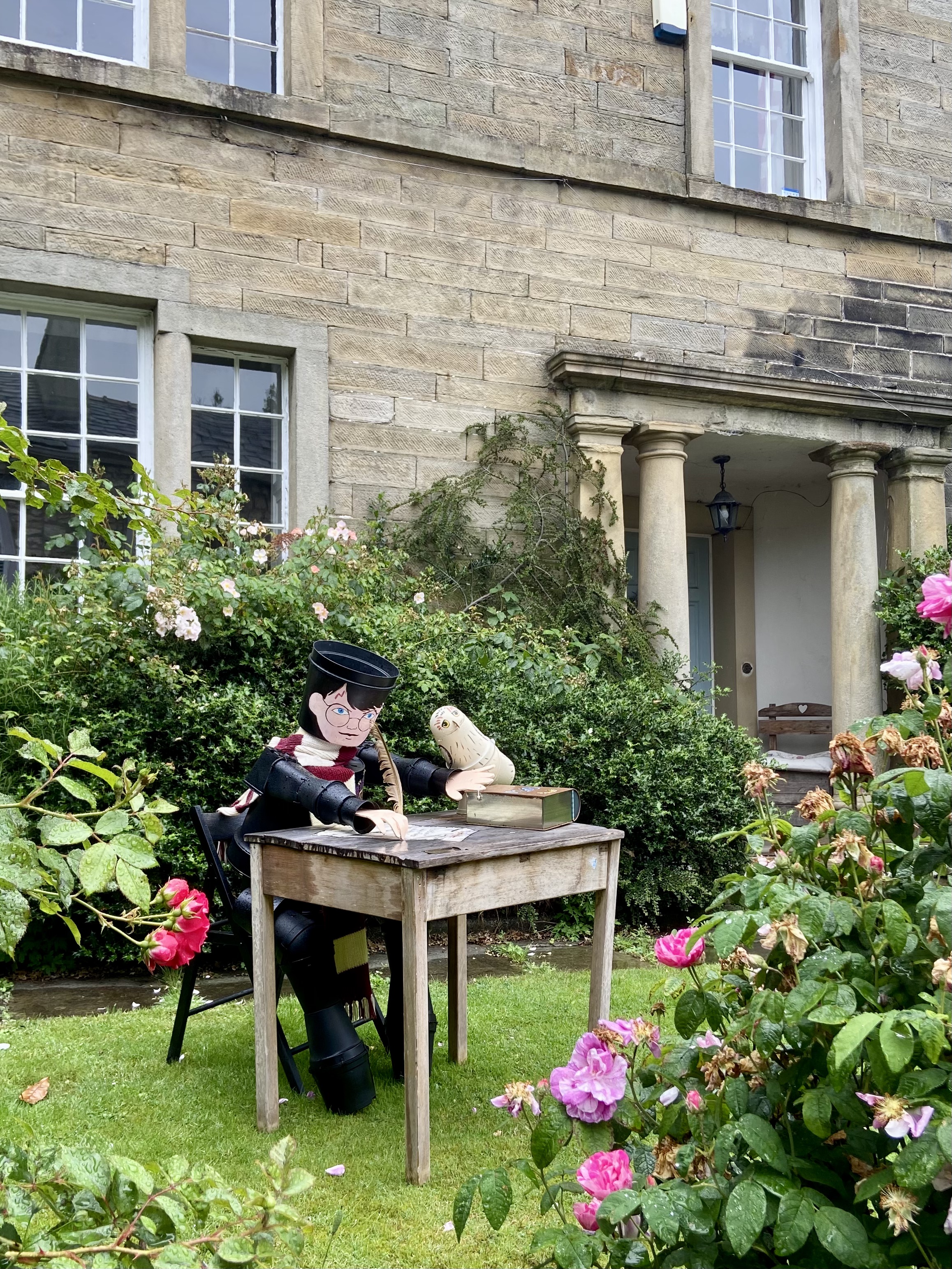
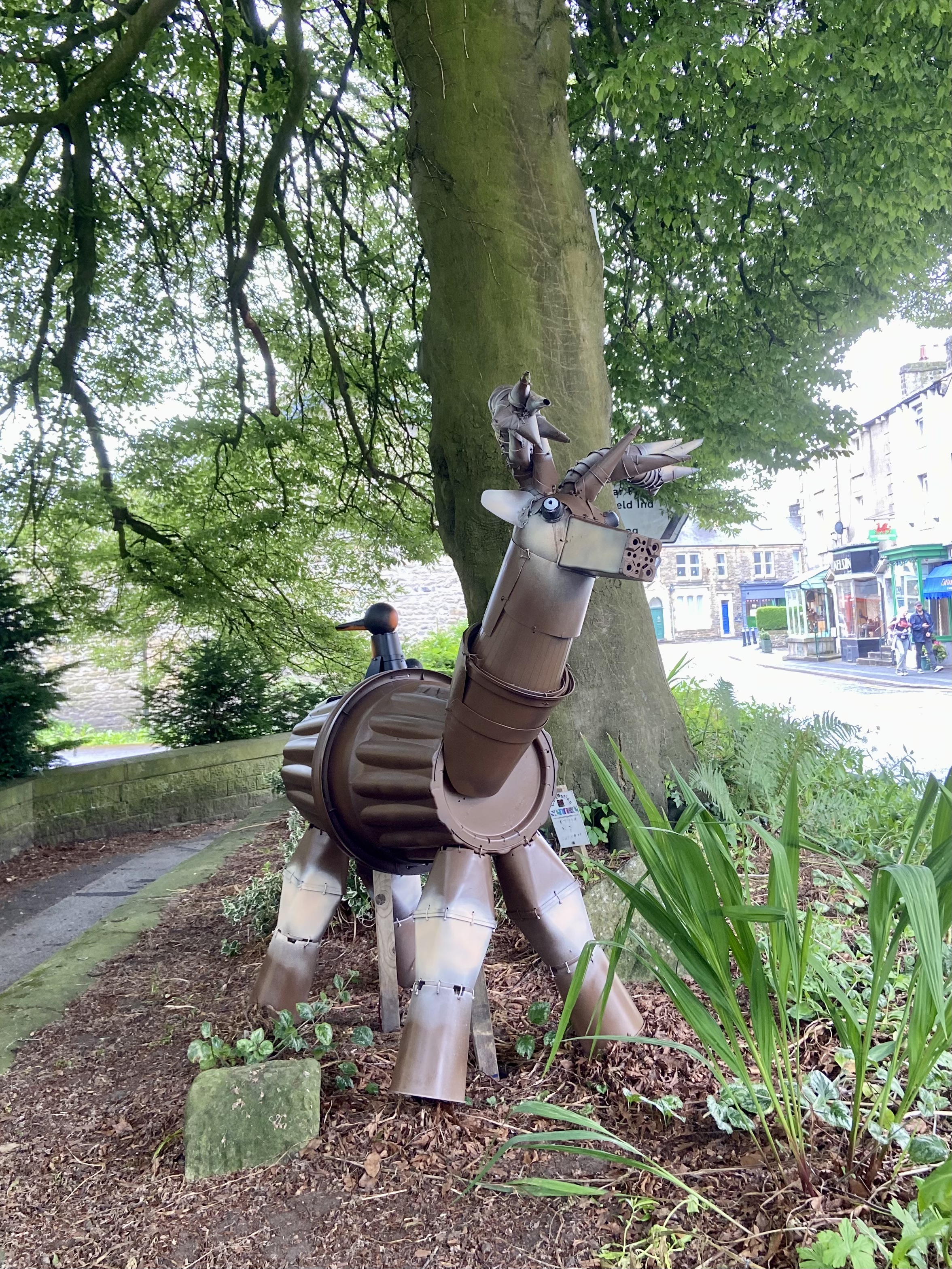
After the crag, we continued along Constitution Hill onto the high road towards Langcliffe, then back through the town centre. While we were wandering, I was very impressed with the number of flowerpot critters I saw, scattered around the town. The Flowerpot Festival is in full swing and everywhere you looked, there were animals and birds and all kinds of brightly coloured potty things.
I returned to work on Tuesday and worked Thursday and Friday as well. By the time I finish my PDSA stint, there will be a whole lot more neutered animals running around Glasgow. I’m still enjoying it and am now approaching form on that as well. Next week, I will be doing some consultations, so I’m hoping I can find my way back there as well, without too many problems. The nurses and animal care auxiliaries are all fabulous and taking very good care of me, which is always a massive help.
And so today is likely to start with another breakfast at Harry’s Fuel Bar. There’s a lot of good stuff on the menu, but I’m not sure I’ll get past the protein pancakes to try anything new. While low carb, is by far, the easiest way for me to lose weight, it does get a bit samey and fresh flavour can be lacking. While the protein pancakes undoubtedly contained more carbs than is ideal, they did keep me feeling full all day.
Later on, I may go to Barshaw Park, as Martin recommended in last week’s comments. There is still a miniature train there, apparently, so Triar and I will likely make our way over there this afternoon. Tomorrow, I may take him on the train to Gourock, as that’s one of the places the trains that I catch from Central back to Paisley end up. It’s at the sea side, so maybe well see the sea!
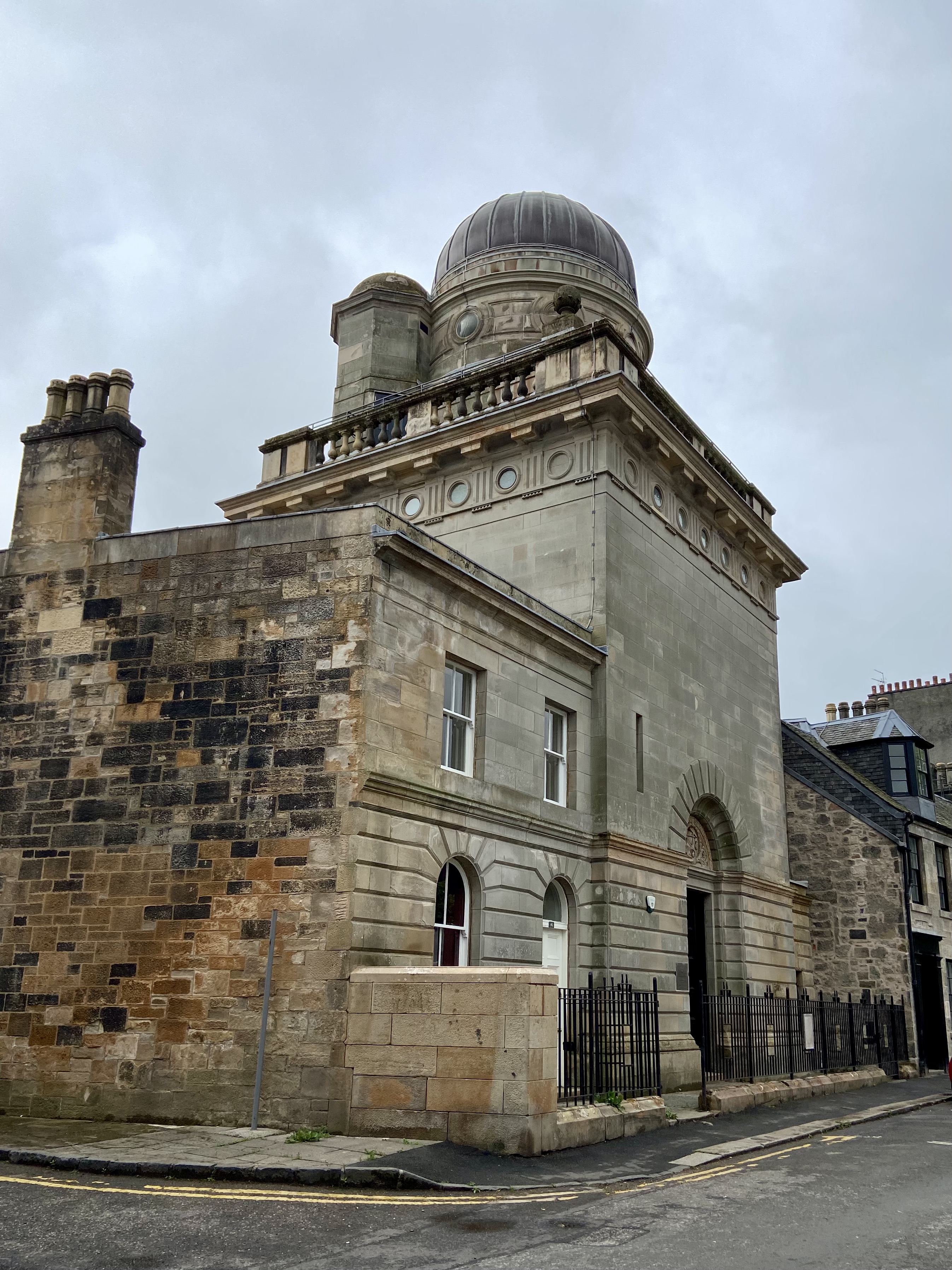
I will leave you with a few more photos from my wanders around Paisley. It really is a fascinating place, with lots of cobbled streets and wynds as well as churches. Thank you for reading and I hope you have a good week.
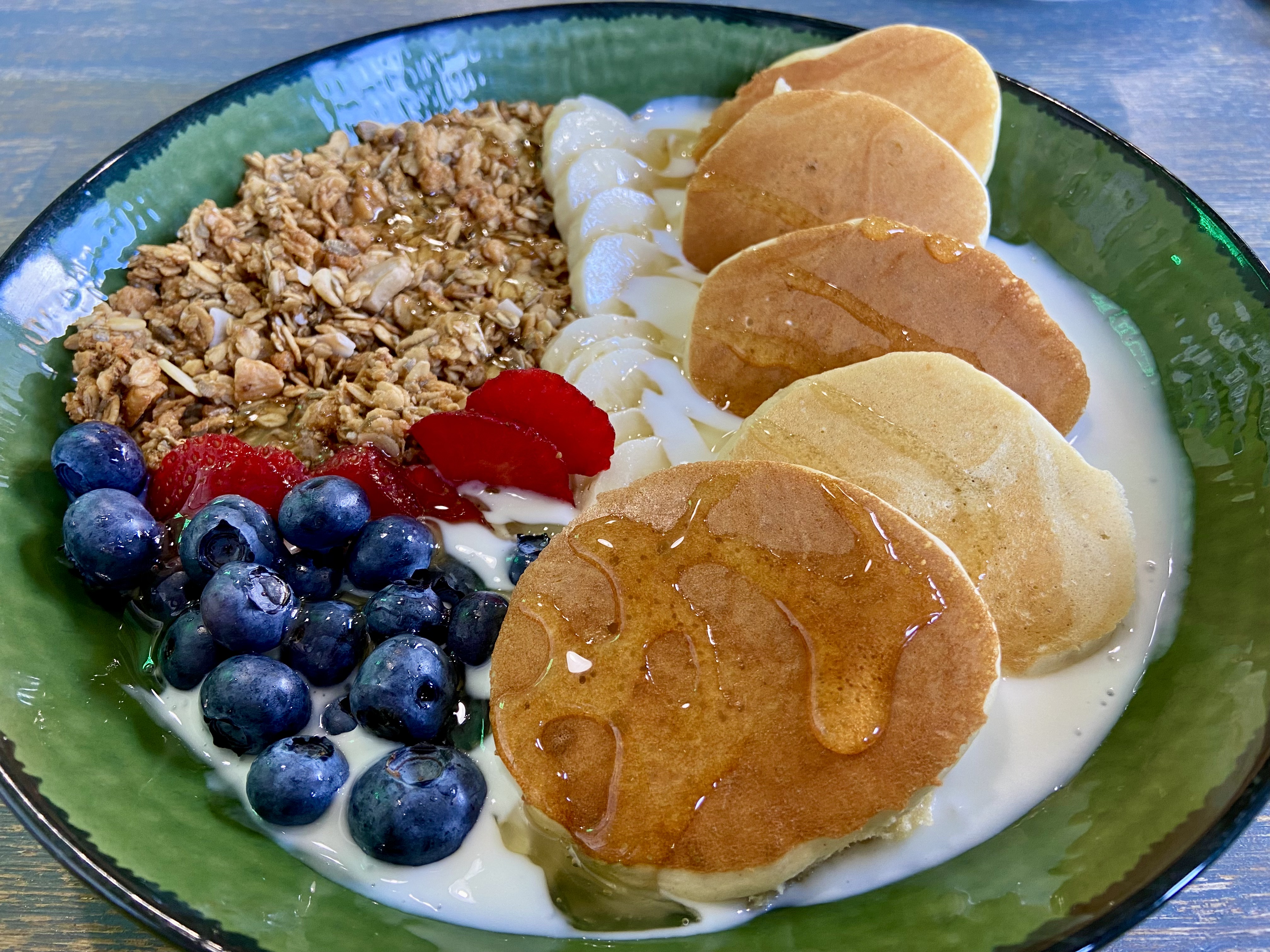
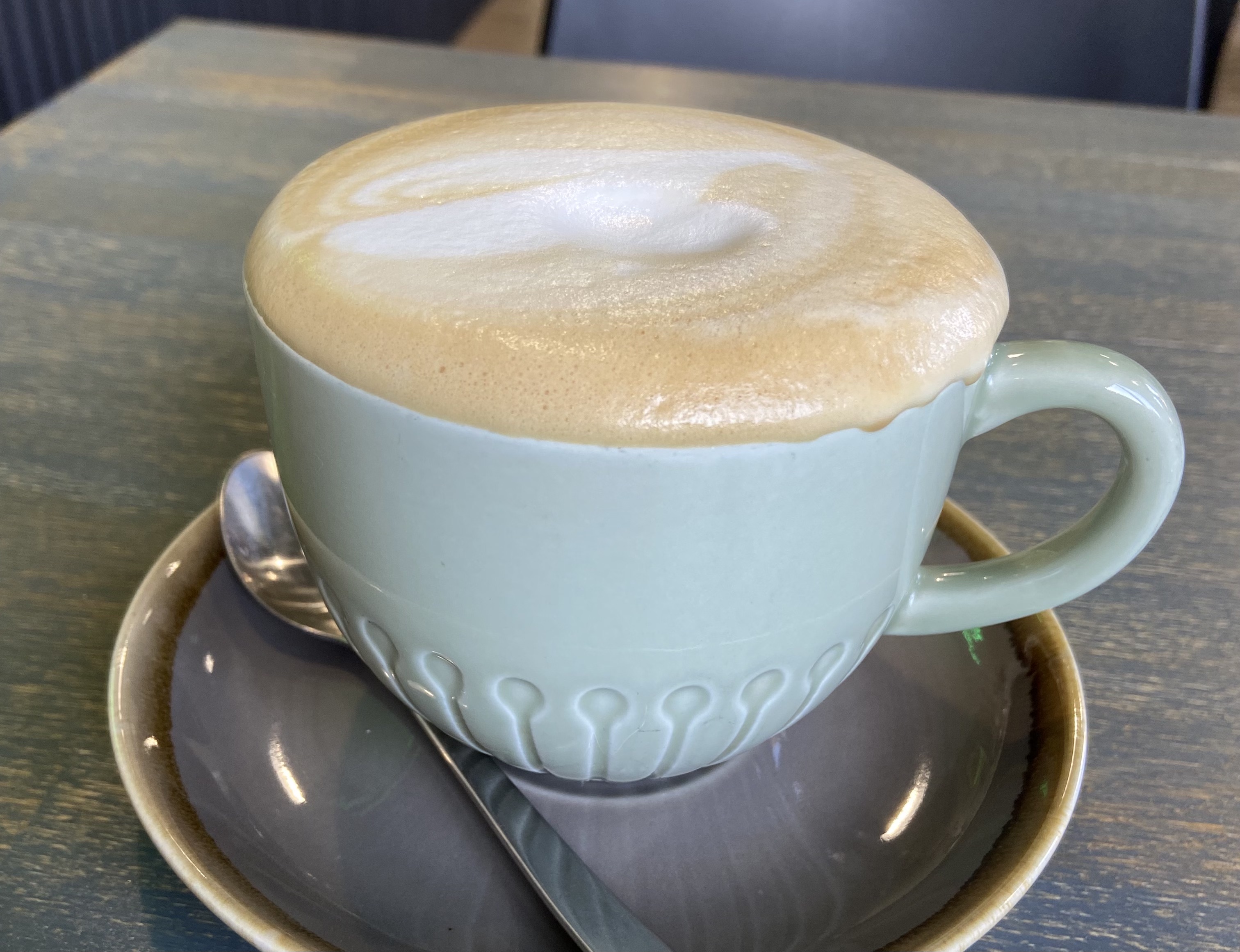
Well it’s a dreich morning here in Paisley. For the first time since I’ve been here, the streets are wet. Nonetheless, they are setting up market stalls in the square outside the flat and Triar and I will go explore those later. We will also be going out for breakfast at Harry’s Fuel Bar, a café just the other side of Gilmore Street railway station. We went there last Saturday before heading to Dumfries and had the protein pancakes and possibly the most daringly overfilled (but not spilled) latte, both of which which were delicious!
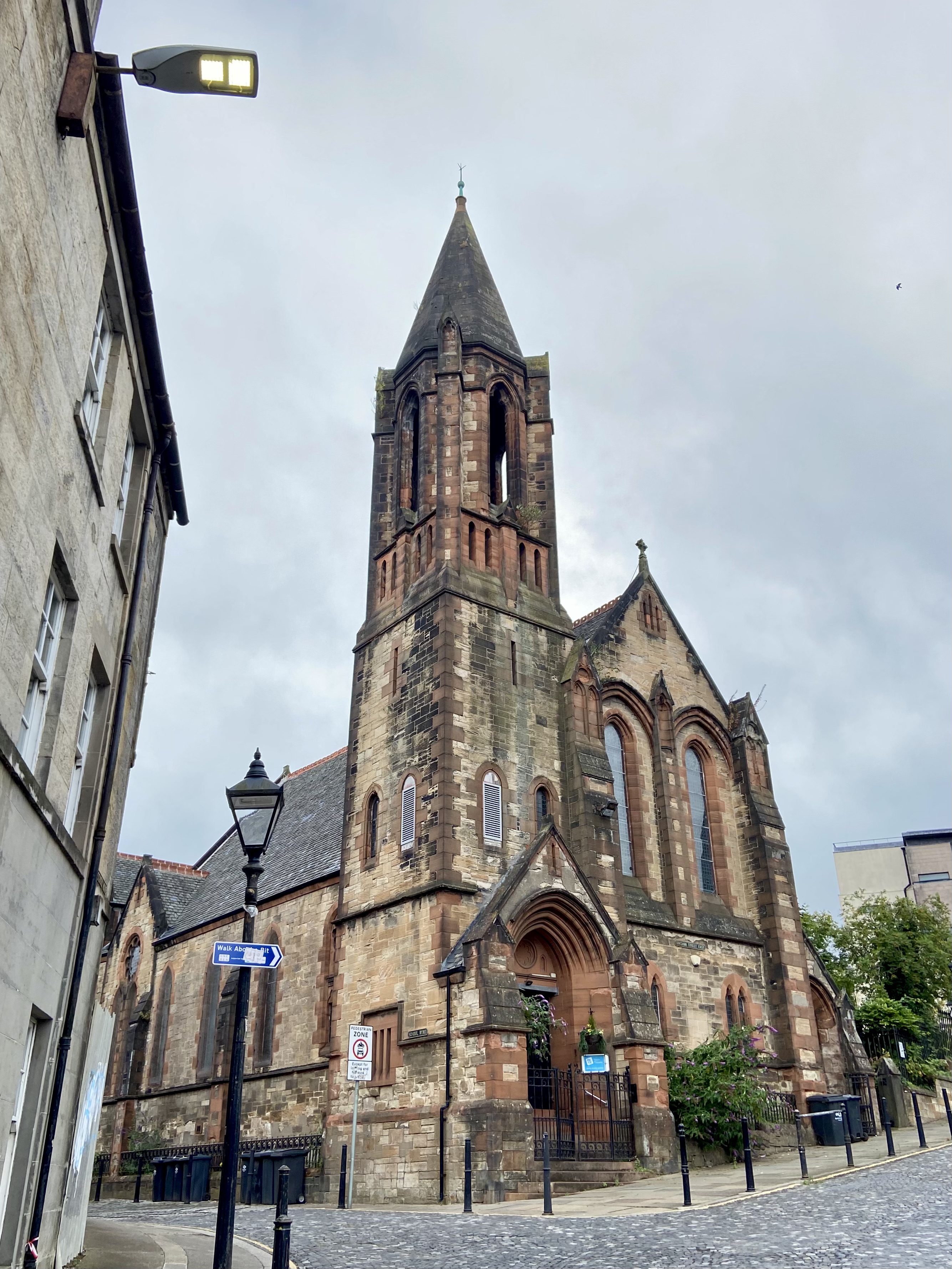
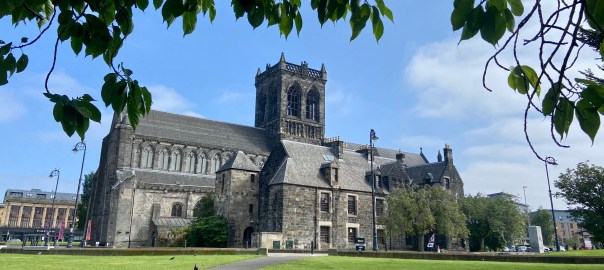
I took the photo at the top of the page last night, mostly because one of the most outstanding features I’ve noticed as I’ve been walking around Paisley is the number of churches. In addition to the cathedral, there’s an abbey, and seemingly churches of all denominations and none. Some of the buildings have been repurposed – like the PACE Youth Theatre at the top of School Wynd, but there are a lot of beautiful buildings, which I will probably try to capture at some point. In the photo above , you can see the top of the PACE building on the right and there are spires of two other churches also visible, just in one small area.
Although I mention Paisley in the title, I actually spent more time this week in Dumfries. I didn’t get the chest of drawers put together, but I did mow the lawn and get the bedroom partially cleared. I’ve been living with hundreds of boxes and a floor-drobe for most of the past two years, so it’s taken some sorting. Next time I go down, I will find the energy to complete the job.
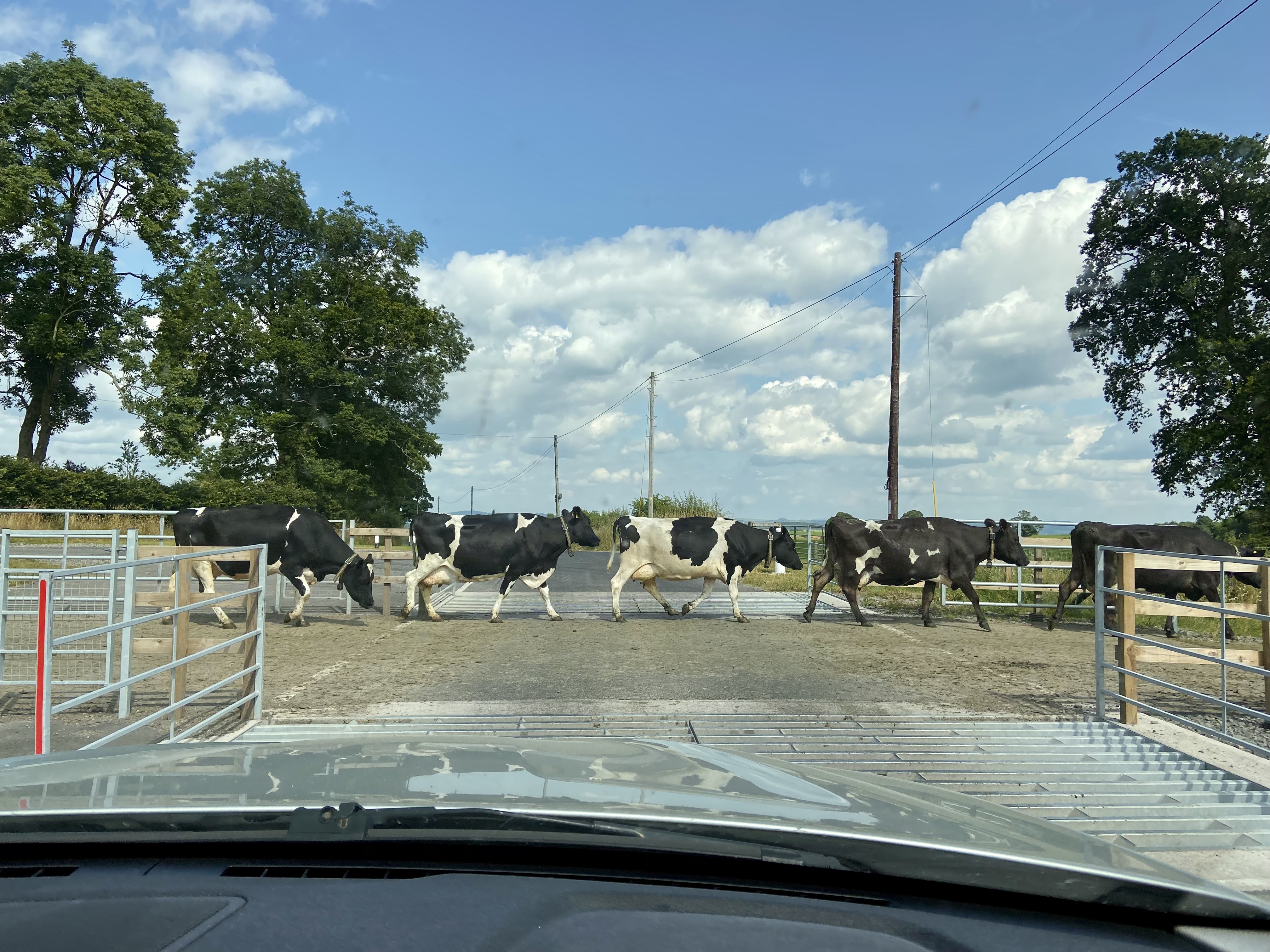
On the way down, I got stuck in a country traffic jam, which looked like this.
It was a lovely contrast between the city life and the countryside I spend more time in. I had three whole days down there and I wanted to make the most of the time off as well as trying to keep up the number of daily steps I have been doing with walking Triar from a top floor apartment and walking to work. I didn’t quite make it, but we did get out for some lovely strolls.
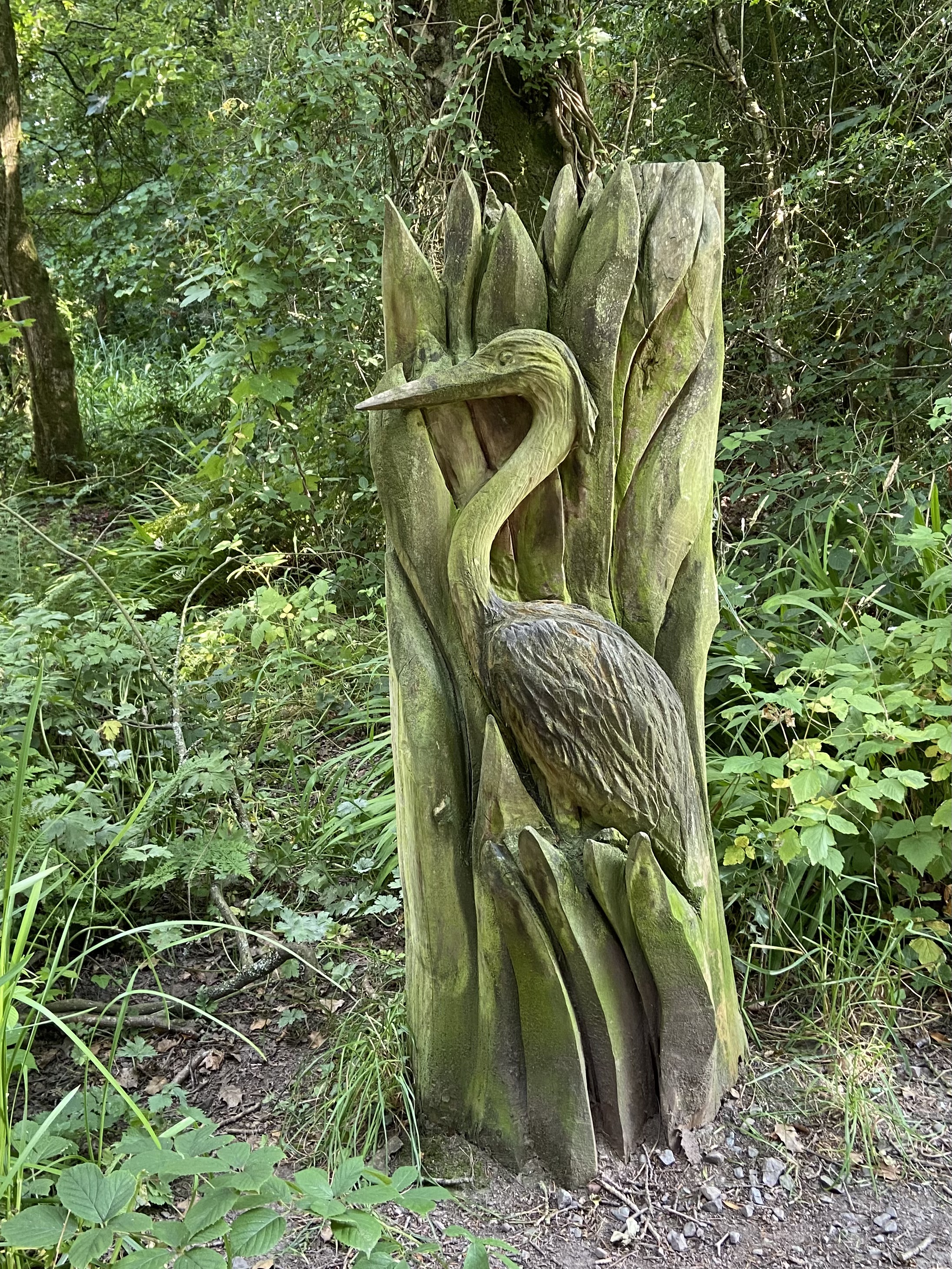
The first was an old favourite – the path that leads through the woods beside Castle Loch in Lochmaben. I think I’ve shown some of the wood carvings from the forest before, but this heron carving looked particularly serene among the greenery.
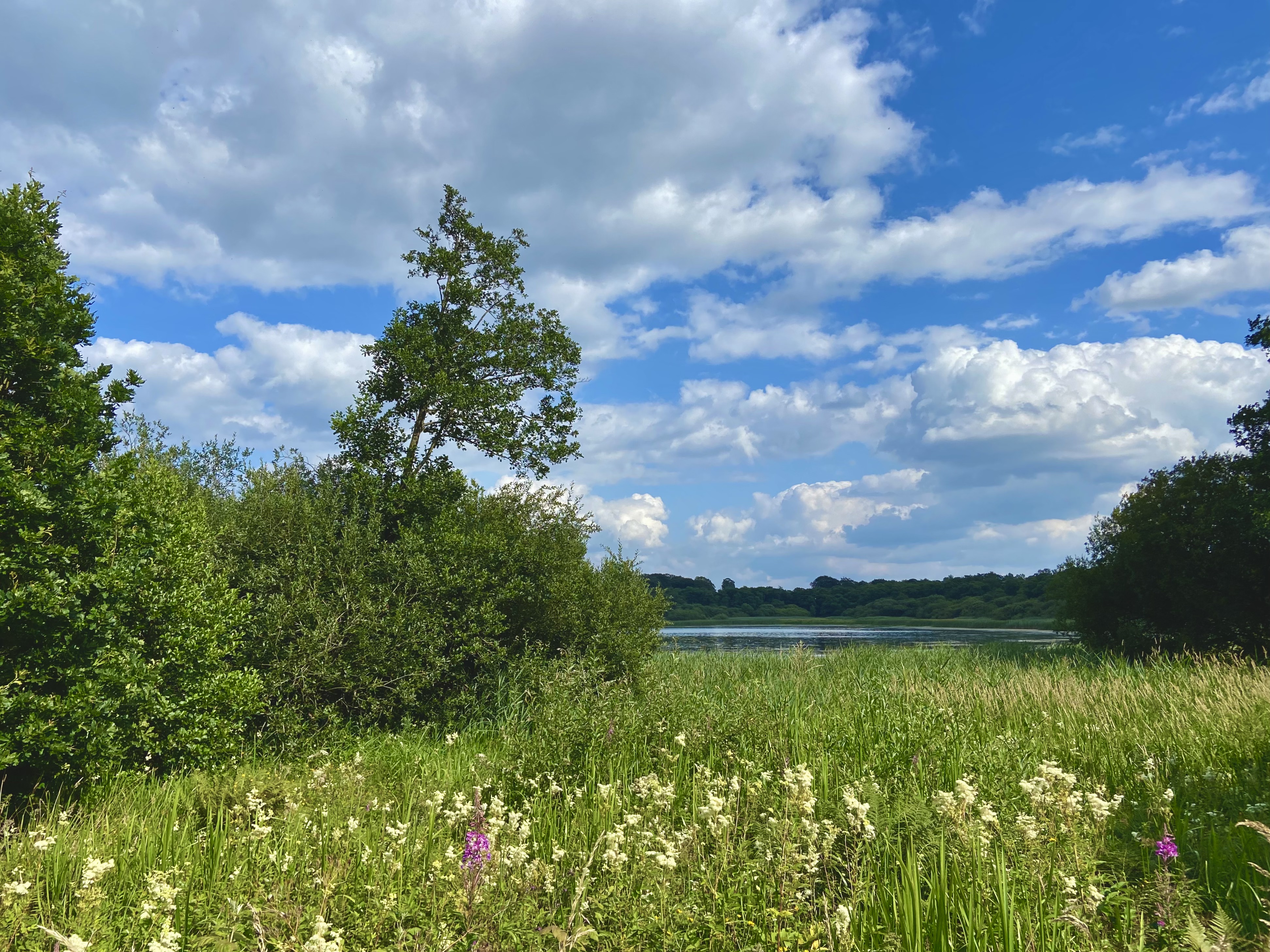
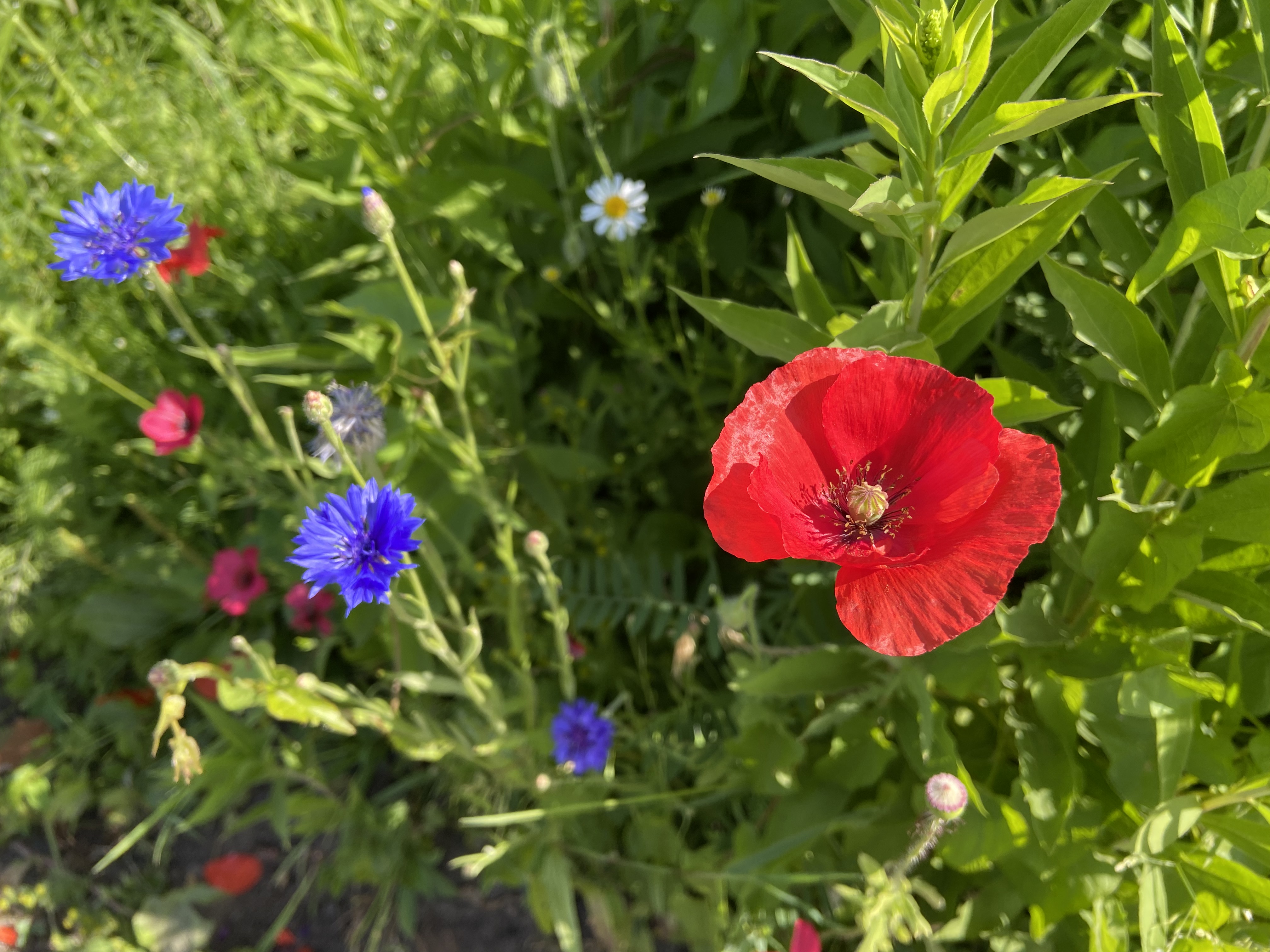
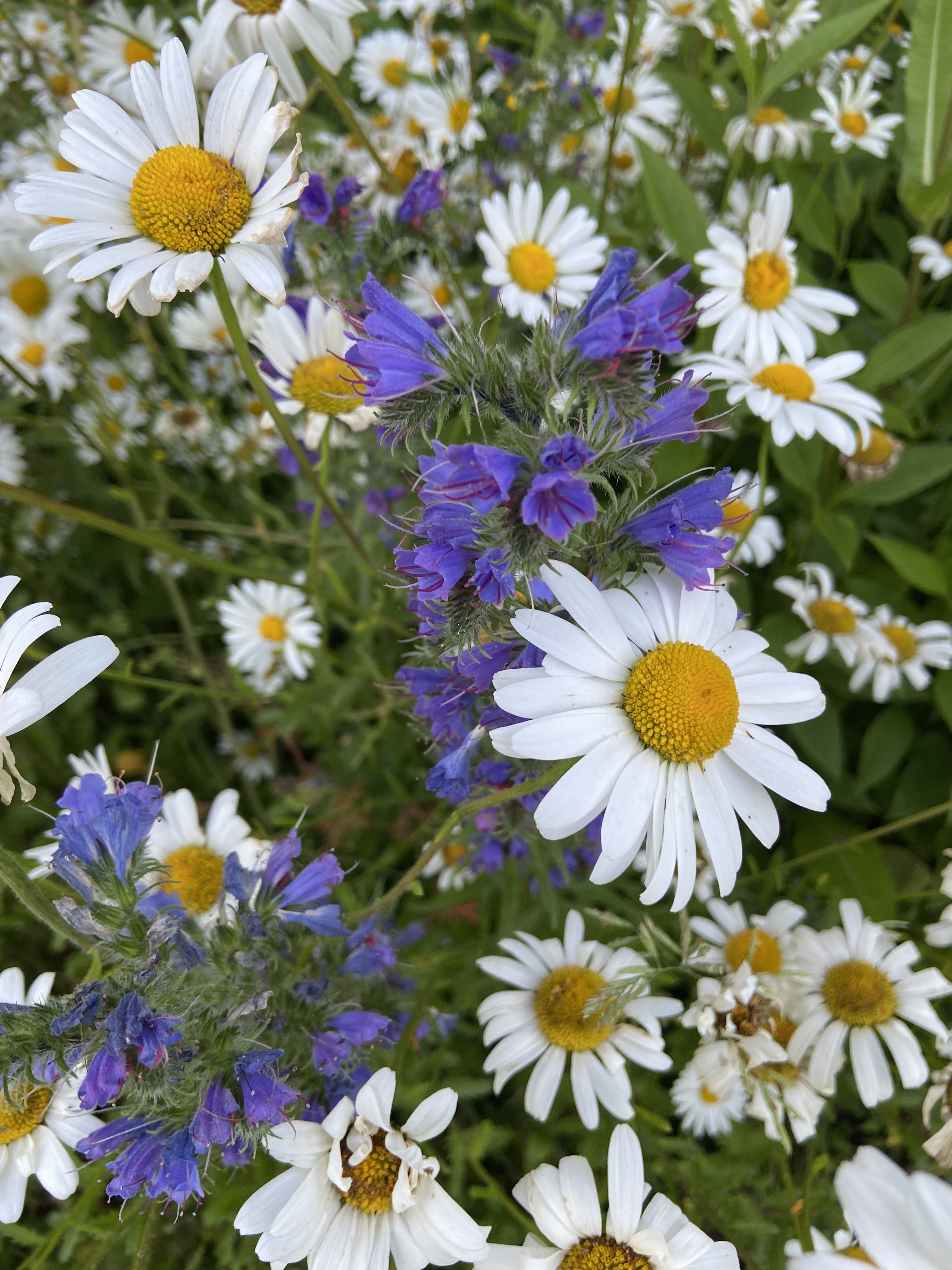
It was cool and shady among the trees, but sun baked whenever we emerged, and filled with summer flowers.
On Tuesday we walked down Blackbird Lane and around in a circuit nestled in some scrubby fields near home. There were flowers there too and it was overgrown with summer.
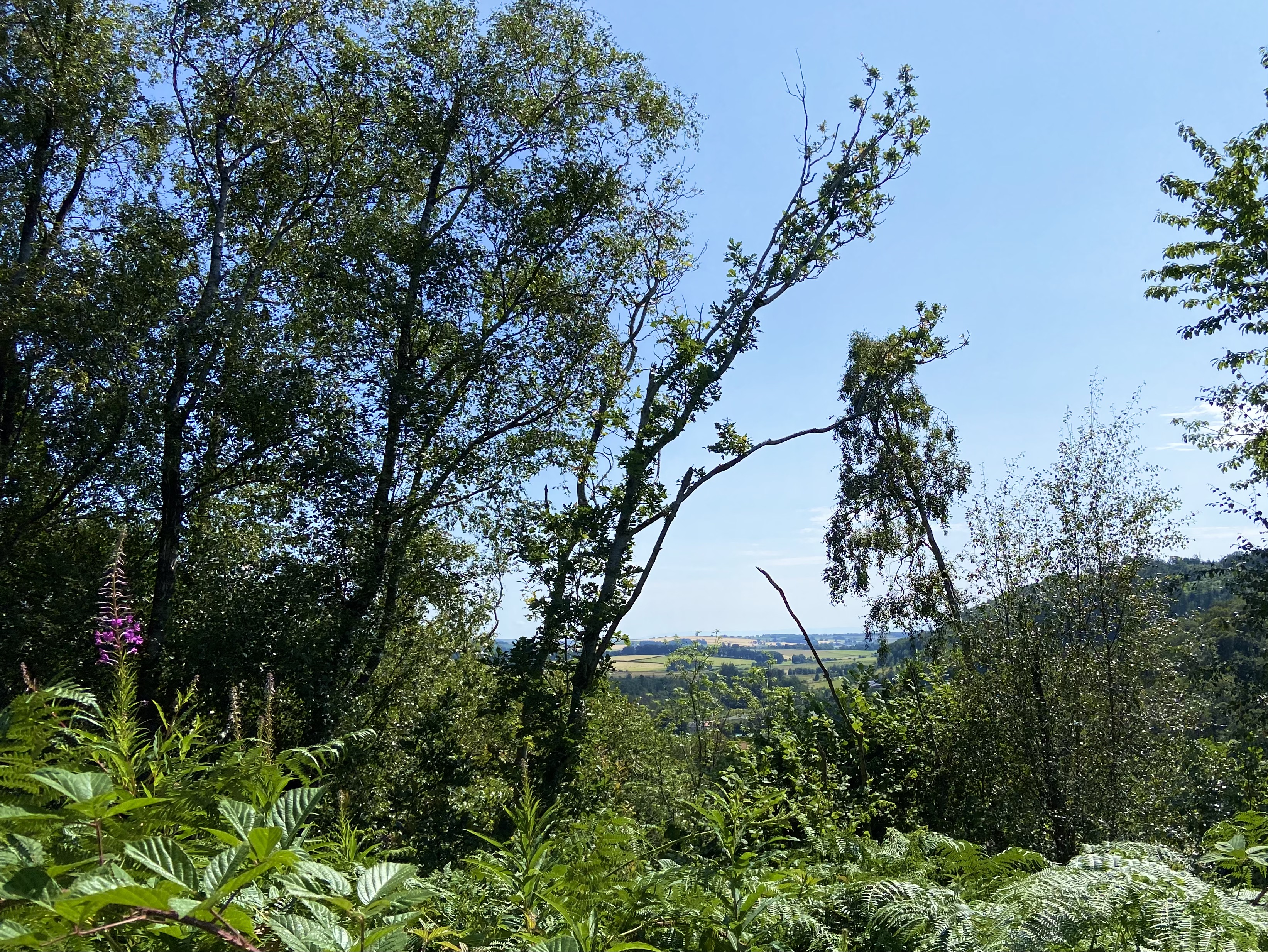
Wednesday saw us going a bit further afield, towards Dalbeattie, where we stopped at a little car park beside Flycatcher Trail. This was another lovely wander through woodland and up a hill, from where we caught a brief glimpse of a lovely view.
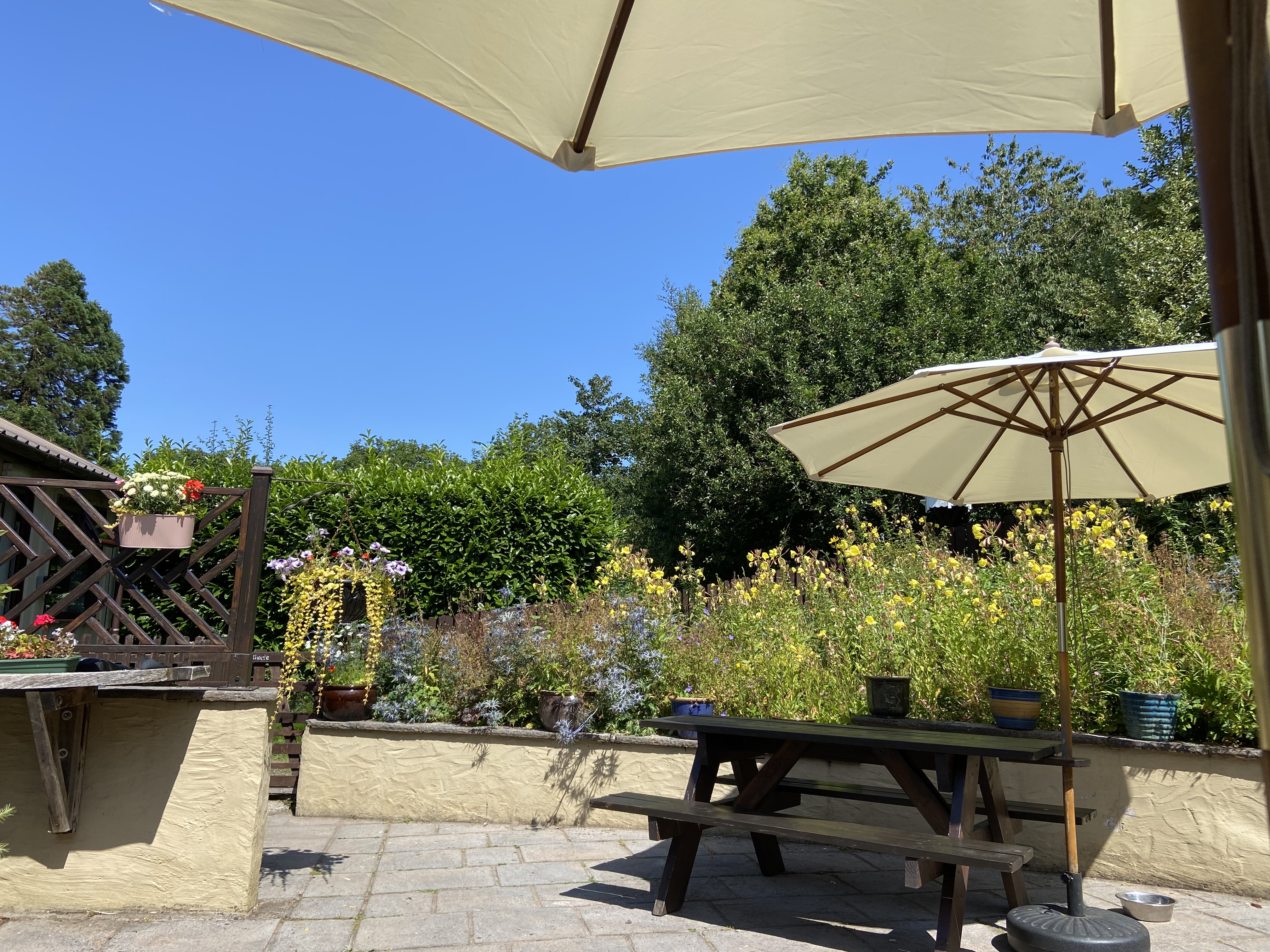
After our walk, I checked Google for dog friendly cafés. It came up with Brambles just outside Dalbeattie, so we made our way there. The gardens were amazing and we sat in a courtyard surrounded by flowers.
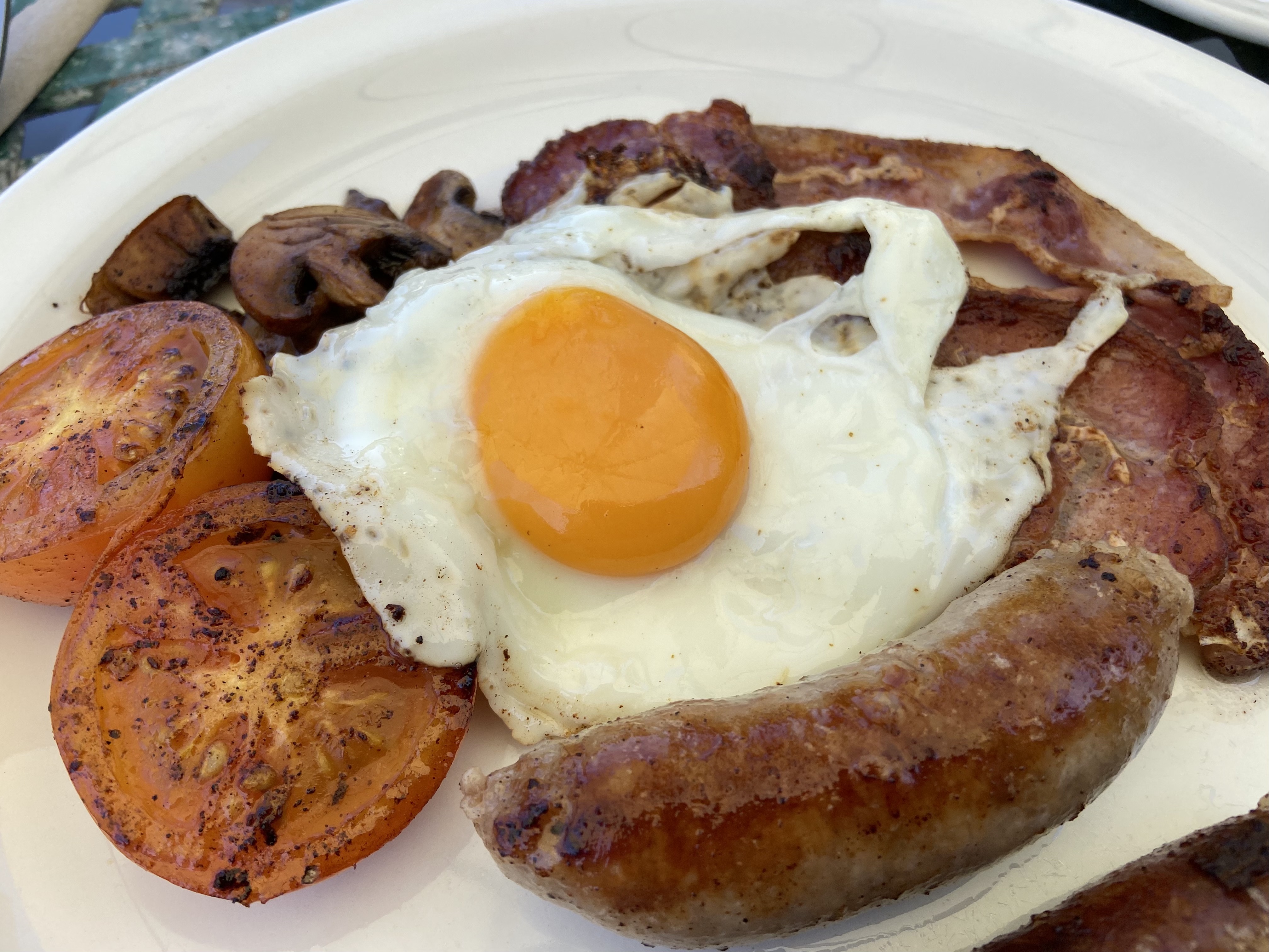
I’m trying to eat low carb, which was unfortunate as they had lots of delicious sounding sandwiches and paninis, but I went for the 5 breakfast items of your choice, which was very well cooked and filled with thick cut bacon, tasty sausages and a perfectly fried egg. I will go back though, to try something else. They were incredibly welcoming towards Triar, which is always lovely.
The past two days at the PDSA have been very enjoyable. The staff have all made me feel very welcome and they have a lot of laughs in between the hard work. Again, I was neutering lots of animals. For those who don’t know, the PDSA (People’s Dispensary for Sick Animals) is a charity that provides veterinary care for those on benefits. They do a great job caring for animals that otherwise might not get treatment.
And now, Harry’s Fuel Bar should be open, so I am going to head down, see what they are selling in the market and then over for some breakfast. I will leave you with another view from last night’s walk. Thank you for reading and I hope you have a lovely week.
This morning, I’m listening to the sobbing of gulls outside the window, but I’m not at the seaside. I’m in the heart of Paisley, which is a few miles west of Glasgow, though there’s no longer really any gap between the two. My friend Lara has kindly lent me a bedroom in her flat there while I’m working in Glasgow.
City life is certainly very different. To get to work in the morning, I take the train into Glasgow Central, then walk twenty minutes or so to Shamrock Street. The work is also very different from what I’ve been doing. It’s odd because I had occasionally (and rather regretfully) thought I would probably never do surgery again as I was unlikely to return to practice, but here I am, doing surgery all day from nine in the morning until five in the evening. It’s very intense. On Thursday, I did four cat castrations, three dog castrations, two cat spays (one midline) and a bitch spay. I’d have done the same yesterday, but two of the cats didn’t turn up, so my day was marginally easier.
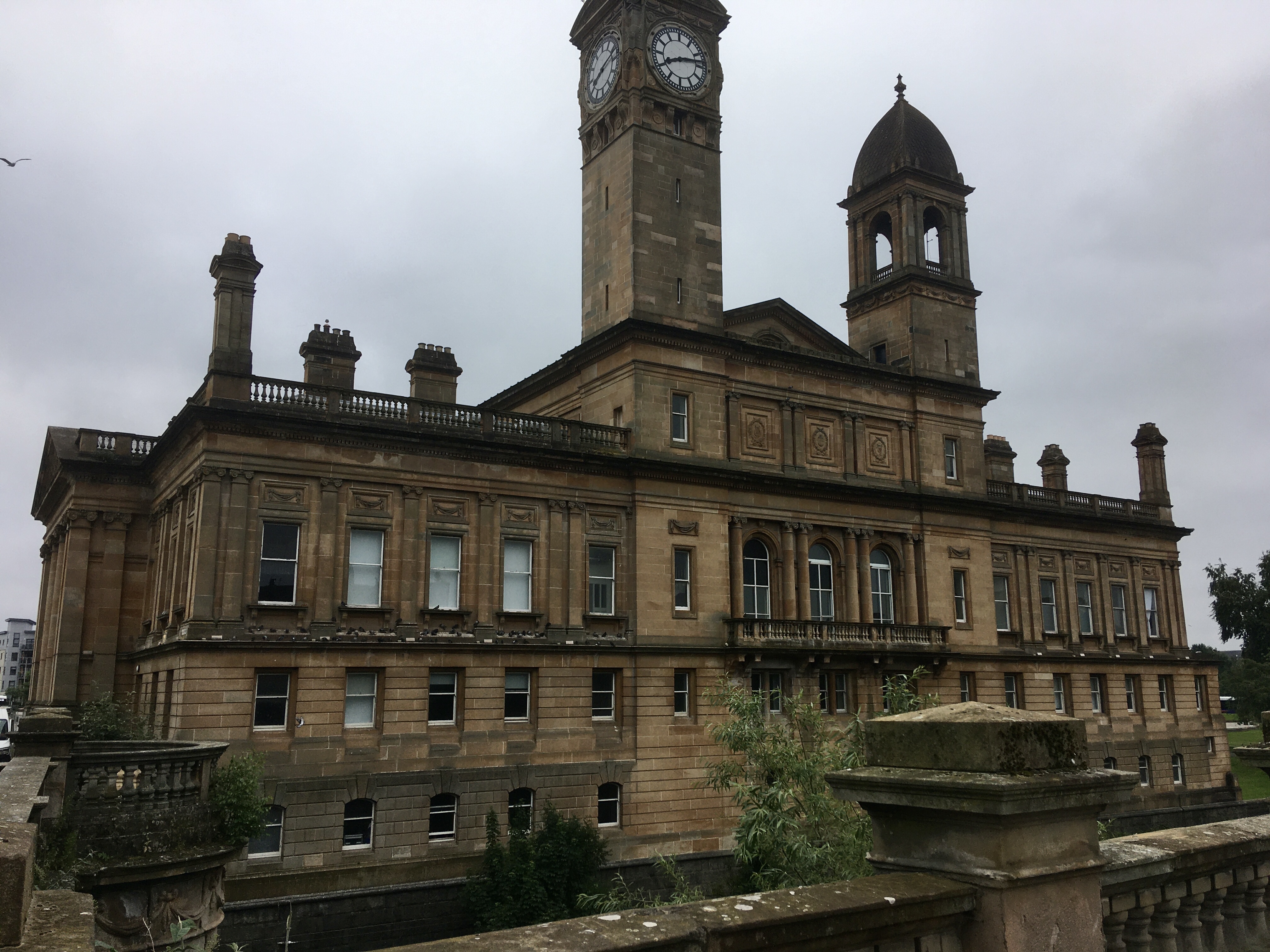
There are benefits however. I only worked three days this week: Monday, Thursday and Friday. So Tuesday and Wednesday were all my own. I started both days with a walk with Triar to It’s Noe Coffee, where I bought a latte and drank it on a bench. The second day, the bench was near Paisley Abbey, which is when I took the photo at the top of the page. There are lots of fascinating old buildings scattered around the town centre. It’s obviously been a very rich place in the not too distant past. This enormous building is the town hall, though (criminally) I managed to miss the top of the clock tower out of the picture.
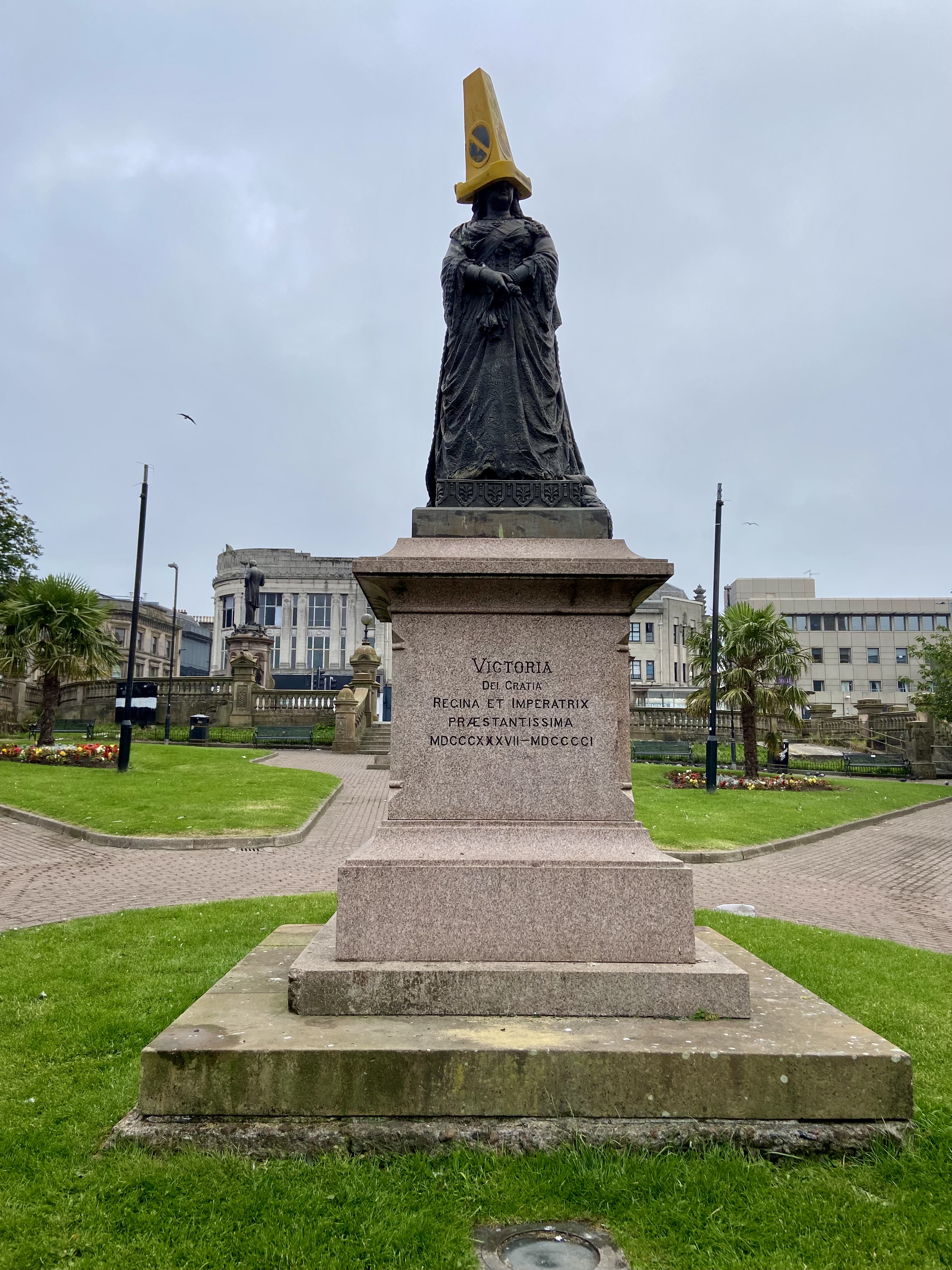
There are oases of green, even in the centre of the town. This little patch of parkland, with its carefully laid out flowerbeds and palm trees is where I take Triar in the early morning before I go out to work.
Triar seems to be universally loved wherever we go, which gives me huge pleasure. Lots of people stop to say hello to him. He has also adjusted incredibly fast to city life, though sometimes he’s so distracted by all the smells and stains that he almost forgets to pee and poo. The little patch of parkland in the photo is covered in pigeons in the early morning (Merlin tells me they’re Rock Doves) and Triar loves to send them flapping into the air with a lunge and bark combo. I think the locals have been trying to protect Queen Victoria from them (or maybe were just getting into the spirit of the World Cup) because she is wearing a traffic cone, though not one of the traditional orange and white design.
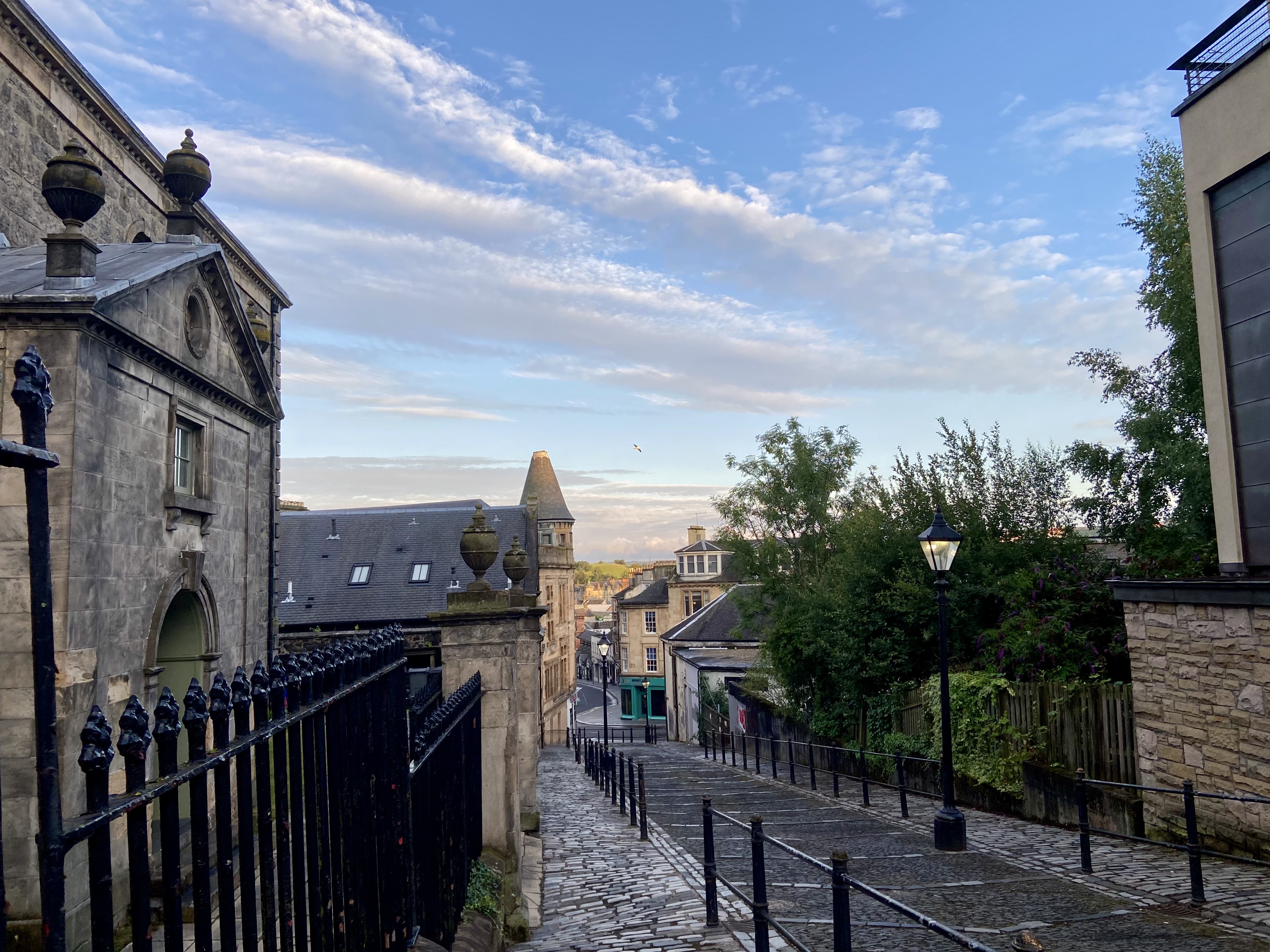
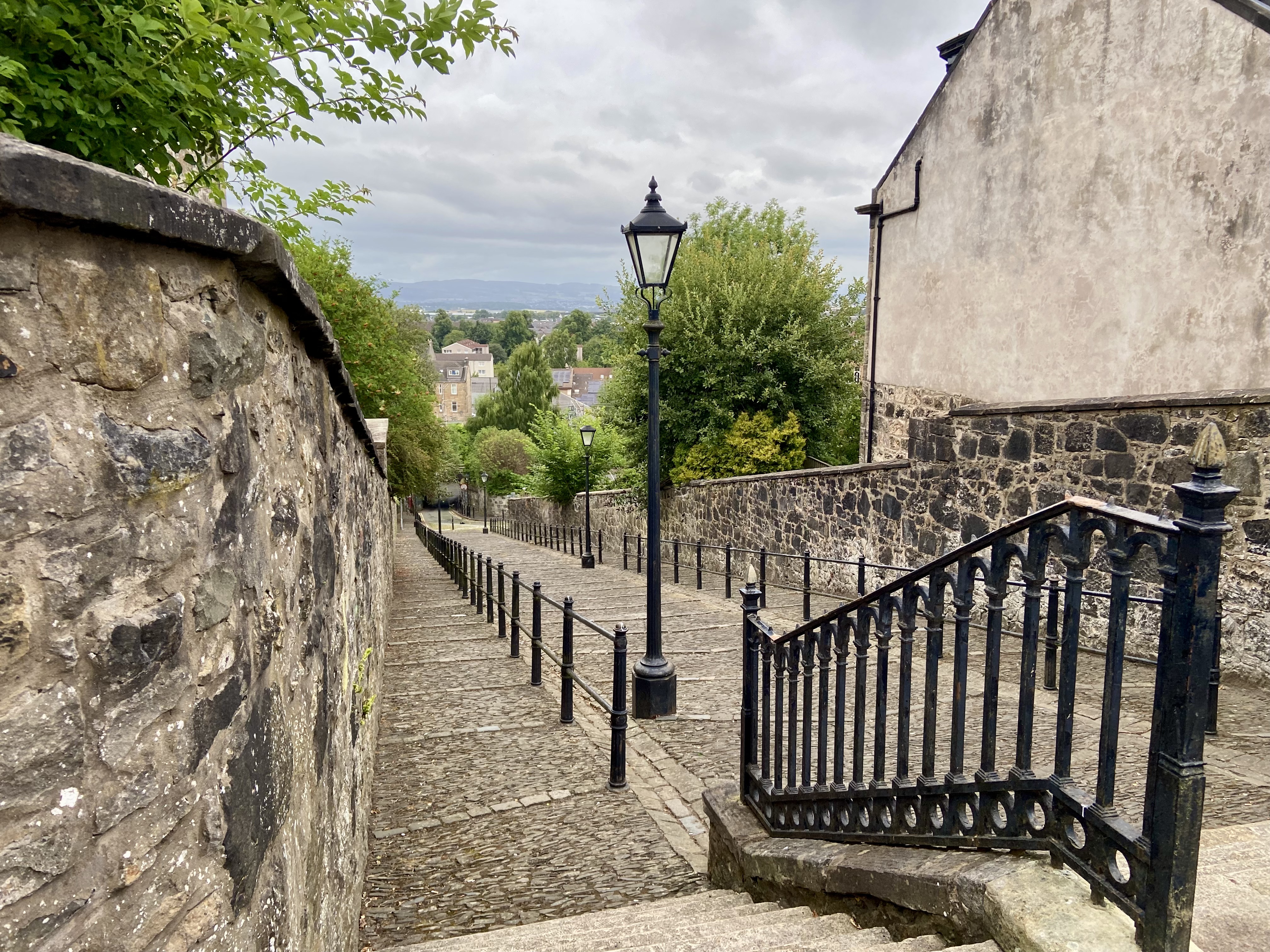
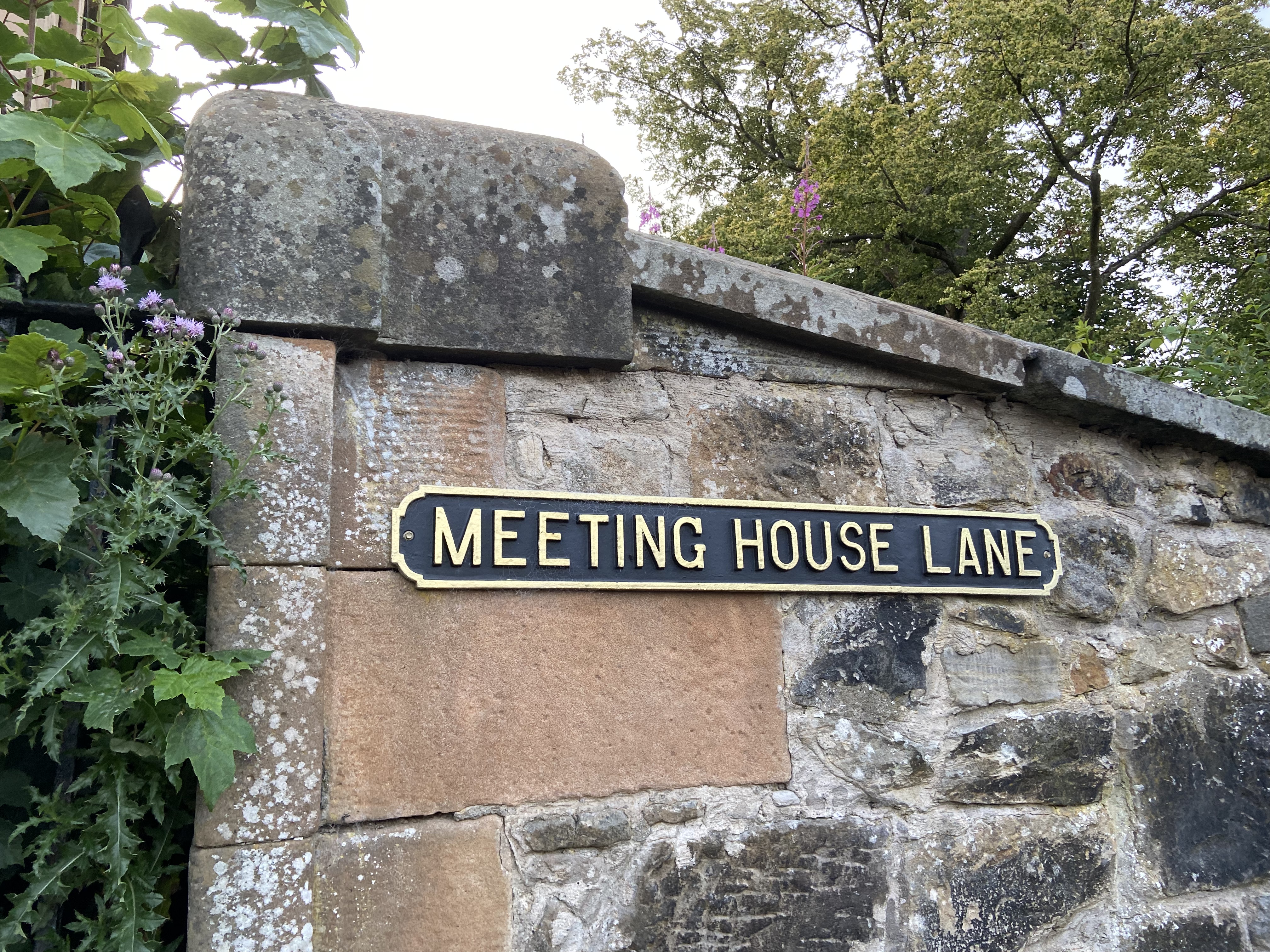
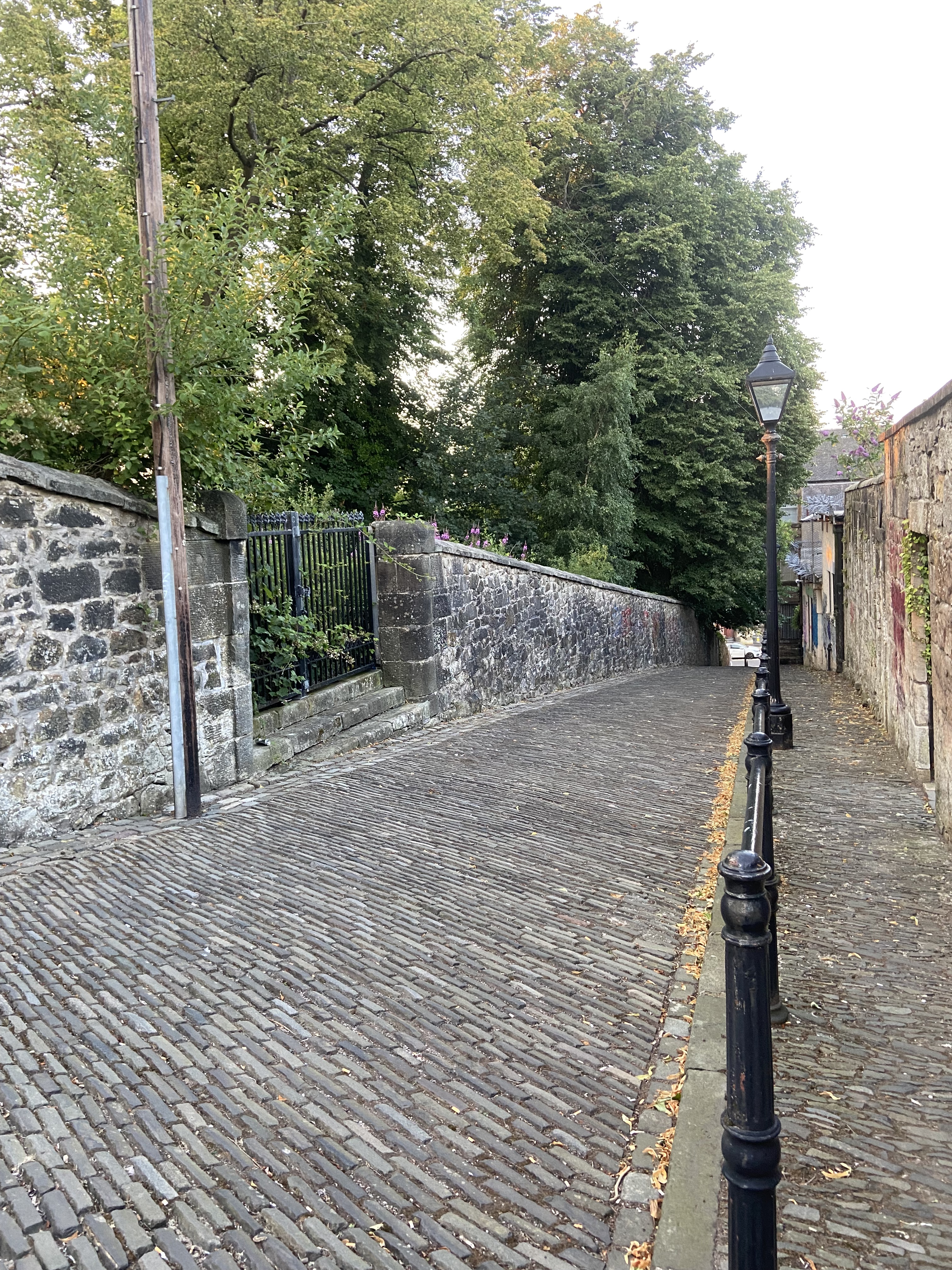
There’s another little passageway called Meeting House Lane that intrigues me. It’s quite steep, hemmed in by buildings on one side and a wall and trees on the other, and cobbled all the way down. It’s nice and shady, which is good right now as it’s been very hot.
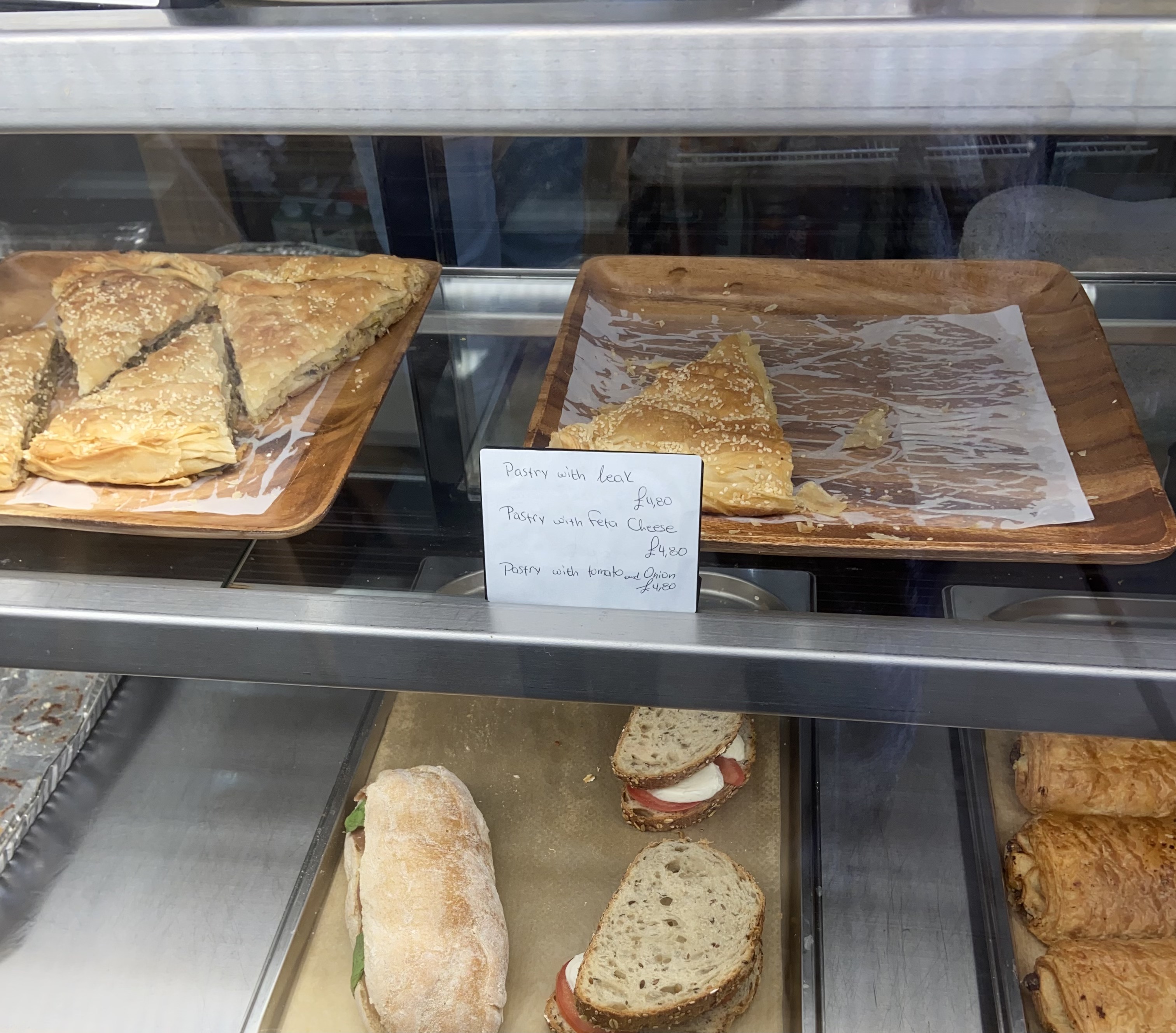
Anyway, I’m going to be staying here, on and off, for the best part of a month and a half and it feels like the beginning of an adventure. There’s so much mor to explore. I want to go into the cathedral and look round. It’s Noe has some amazing looking feta pastries (as well as spinach, potato, leek and tomato and onion filled versions) so one day, I’ll have to try those.
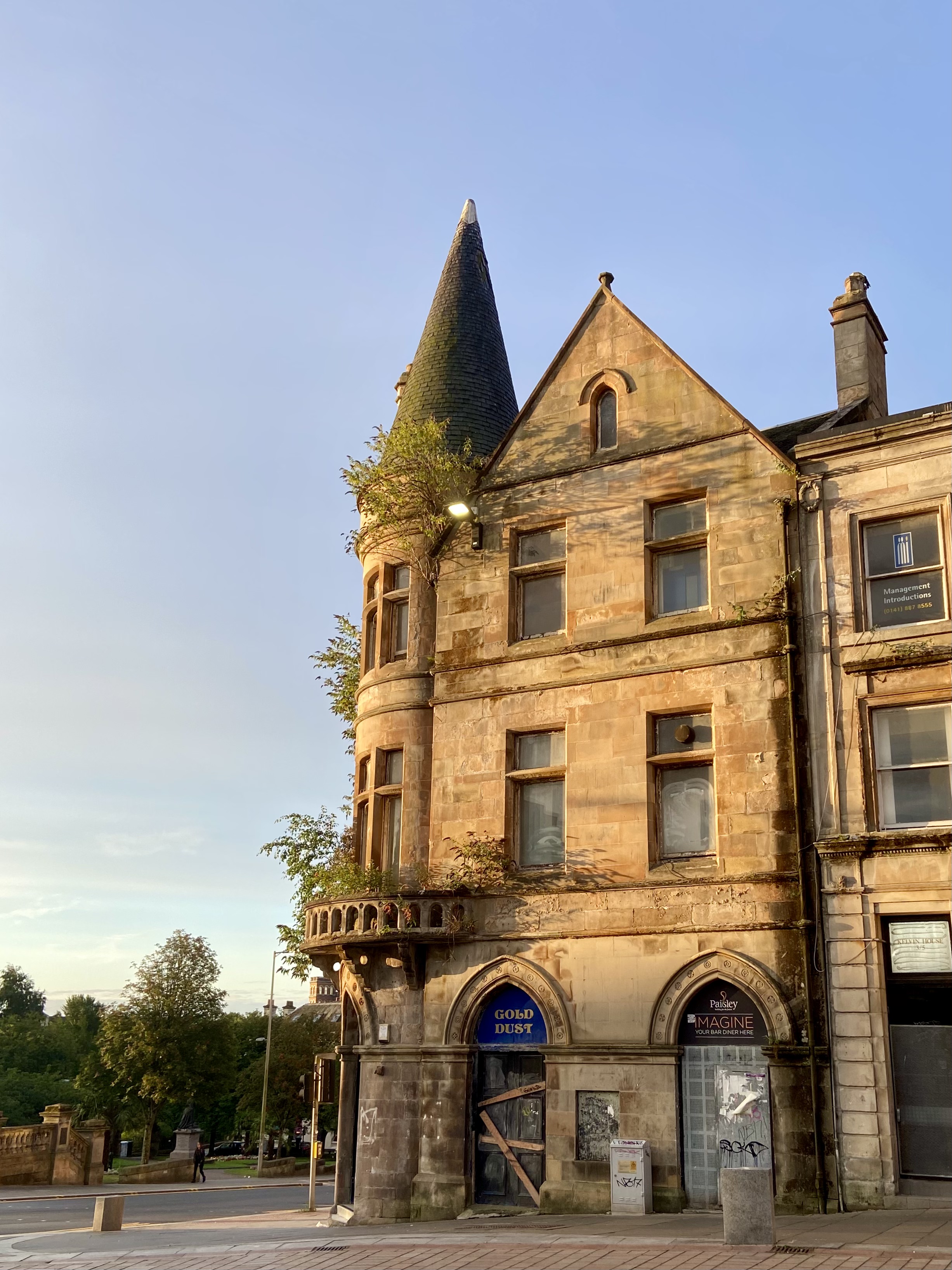
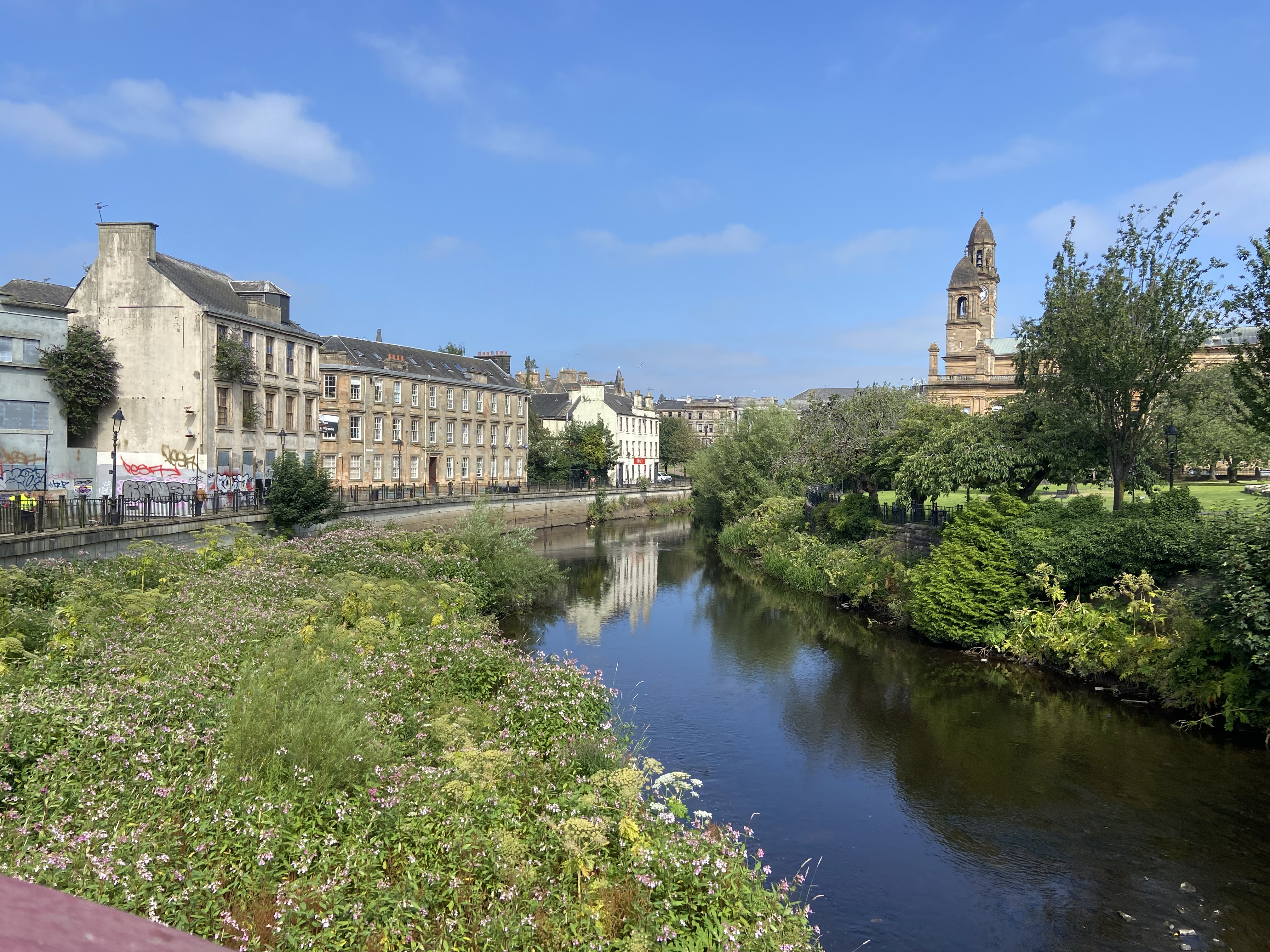
White Cart Water (a major tributary of the Clyde) runs through the centre of town and there are some bridges and banks to explore, though this photo, on the surface, makes it look more upmarket than it really is nowadays. On closer inspection, the buildings on the left are boarded up and one of the beautiful old houses has trees growing from its windows and graffiti downstairs.
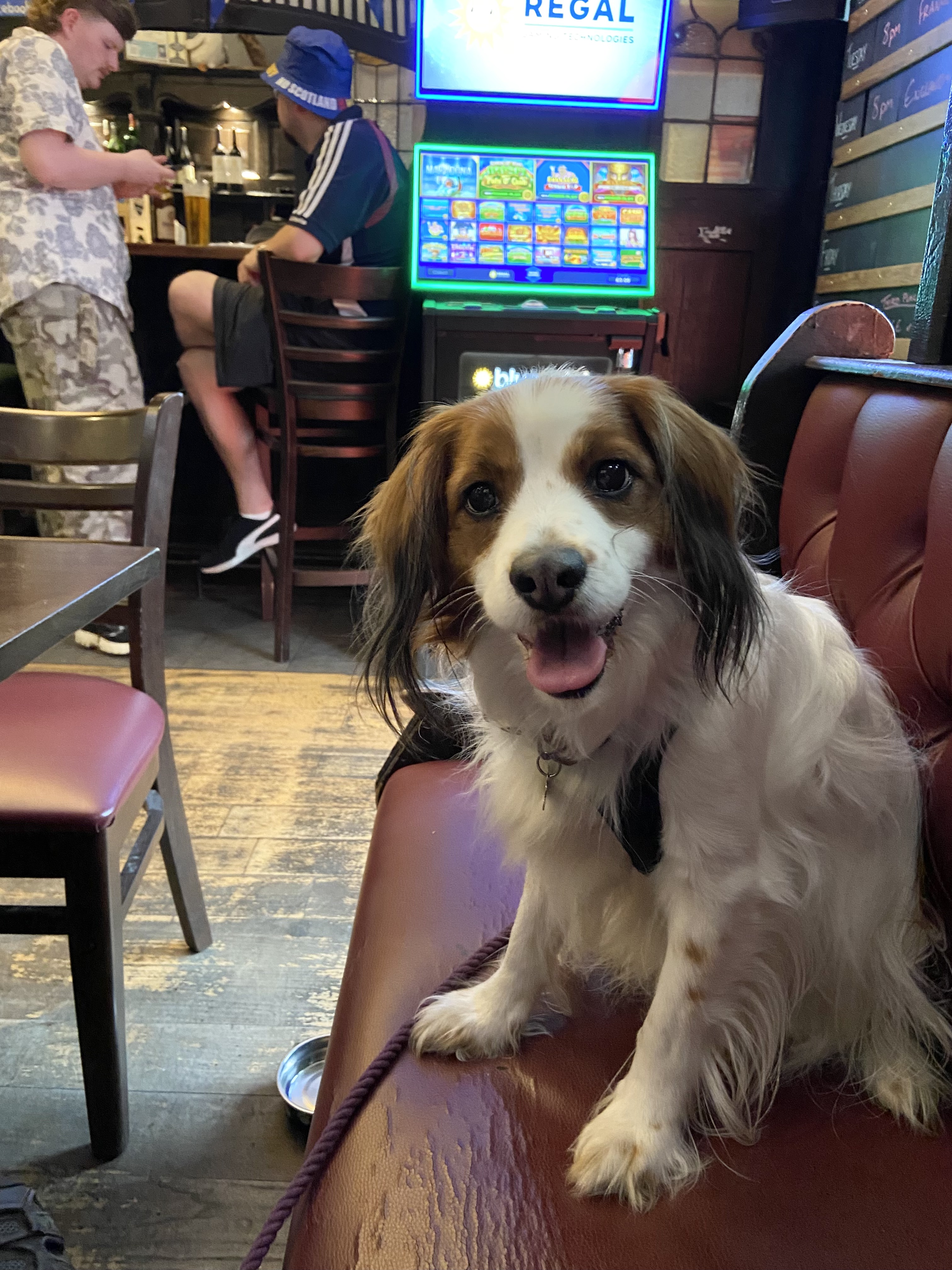
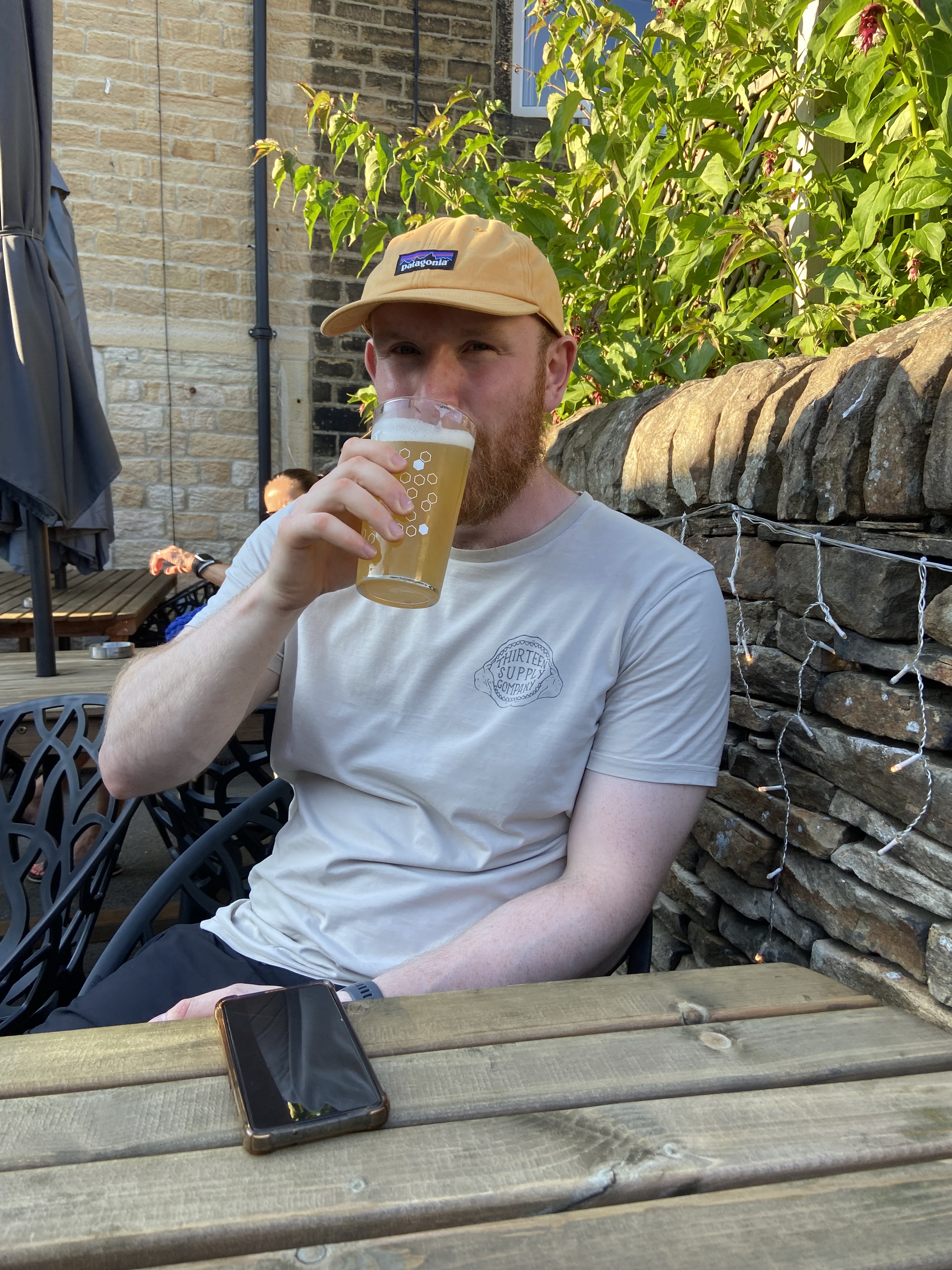
Yesterday evening, after a long day and 13,000 steps, I decided to go and enjoy a beer in one of the local hostelries. The Bull got a good write up for being dog friendly, so we stopped in there on our evening walk. Triar enjoyed greeting the locals and was given a bowl of water and two treats. He repaid the poor barman by spilling his water all over the floor. I think he quite enjoyed the whole experience though.
Anyway, back on Tuesday, mindful of home, I went to IKEA and bought a chest of drawers. Much as Paisley is drawing me in, today I’m going back to Dumfries to restart the clearing of my bedroom and hopefully put the new drawers together, so I suppose I’d better get organized. I’m not working again until Thursday, so I have a few days of much needed rest. I will leave you with a photo of one of the painted Scottie Dog statues that I walked past on the way to work. Like Queen Victoria, he was wearing a cone, though his was at a very jaunty angle.
Thank you for reading and I hope you have a good week.
It’s been a lovely week with John. One of the things I never considered, when I fell joyfully into motherhood, was how lonely it could be when they all went away. Mostly, I have adjusted to a more solitary life, but that unique love never goes away.
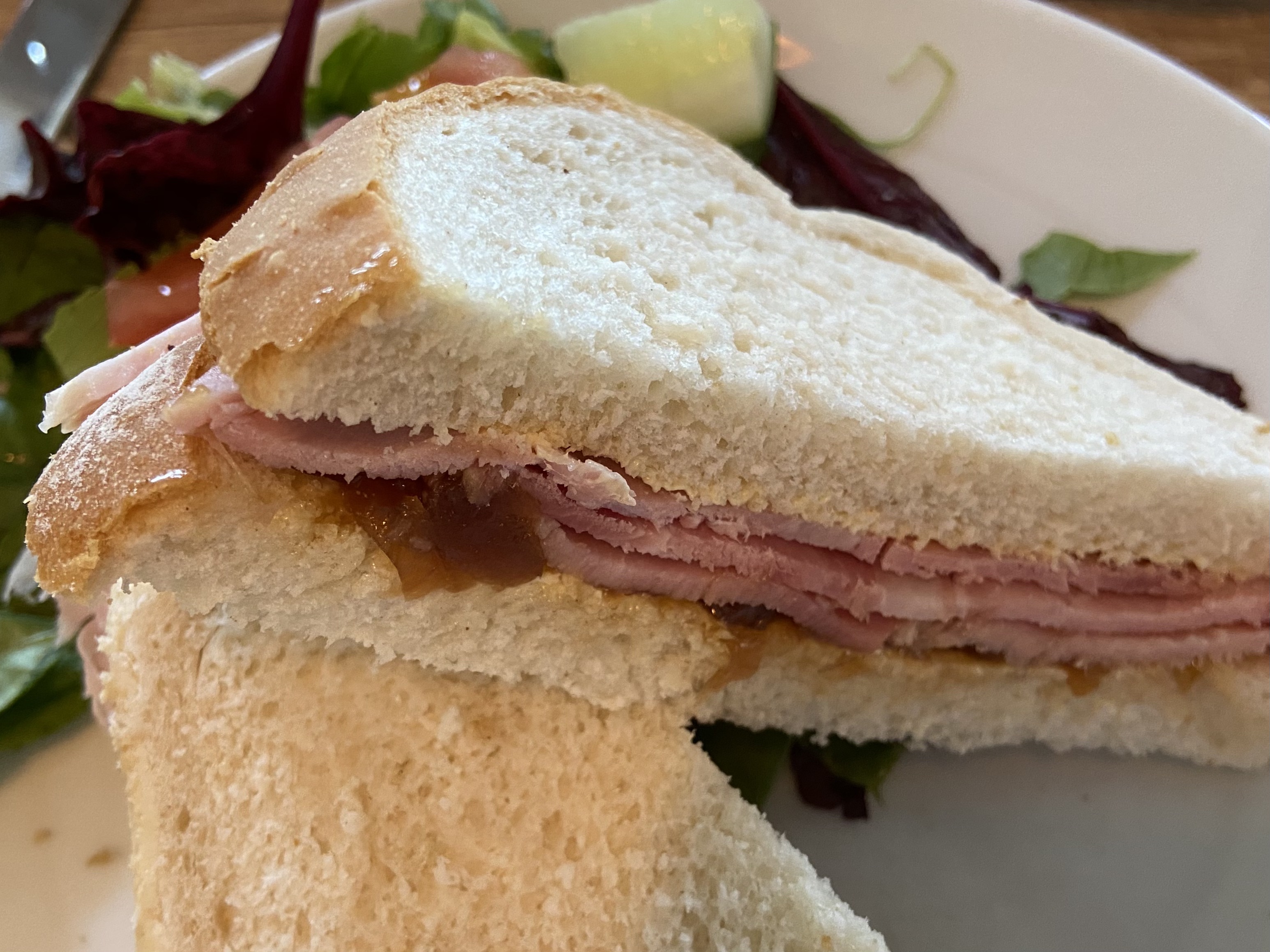
We spent the first half of the week in Settle, staying in a rental close to Mum and Dad. It was a gentle week with a lot of cafés and coffee. It’s not very exotic, but I had this delicious ham and chutney sandwich at Country Harvest, which is a few miles outside Settle.
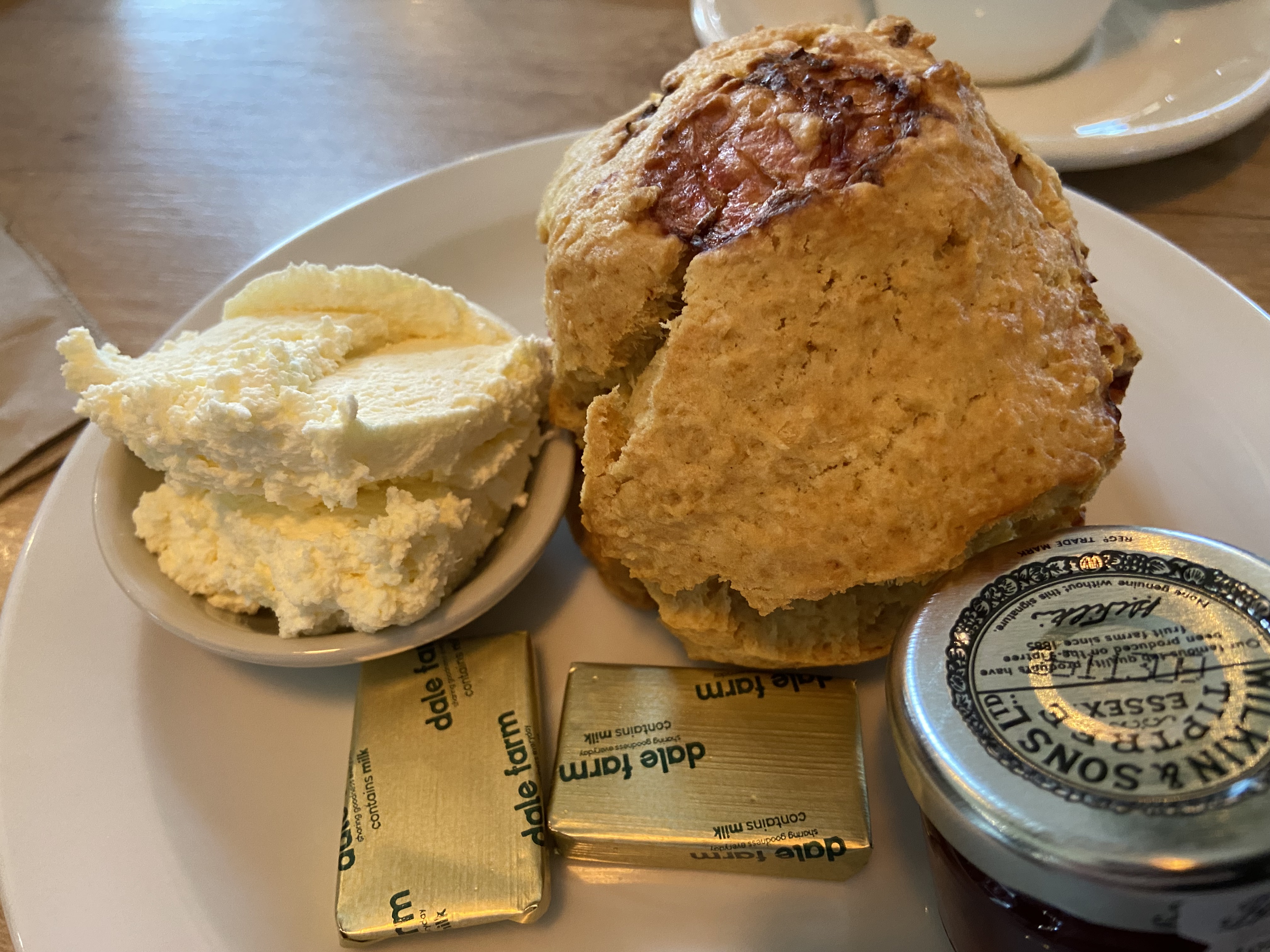
The bread was perfect. White and soft with a tasty crust that still allowed the flavour of the thick slices of country ham and generously spread butter to come through. I followed it up with a vanilla and strawberry scone with jam and cream. I actually shared half and half with John, who ordered the most wonderful lemon meringue pie. Unfortunately, I didn’t get a picture of that, but if you can imagine a tangy, lemon tart, piled unfeasibly high with clouds of meringue, you’ll pretty much be there. The scone was delicious as well. I’d be hard pressed to say which I preferred.
John’s friend Ben came to stay over Tuesday night, which was also his birthday. He lives in a yurt in the Lake District and plays in a band, who have just finished doing seven music festivals over the summer. It was great to have him stay and Triar thought he was lovely too!
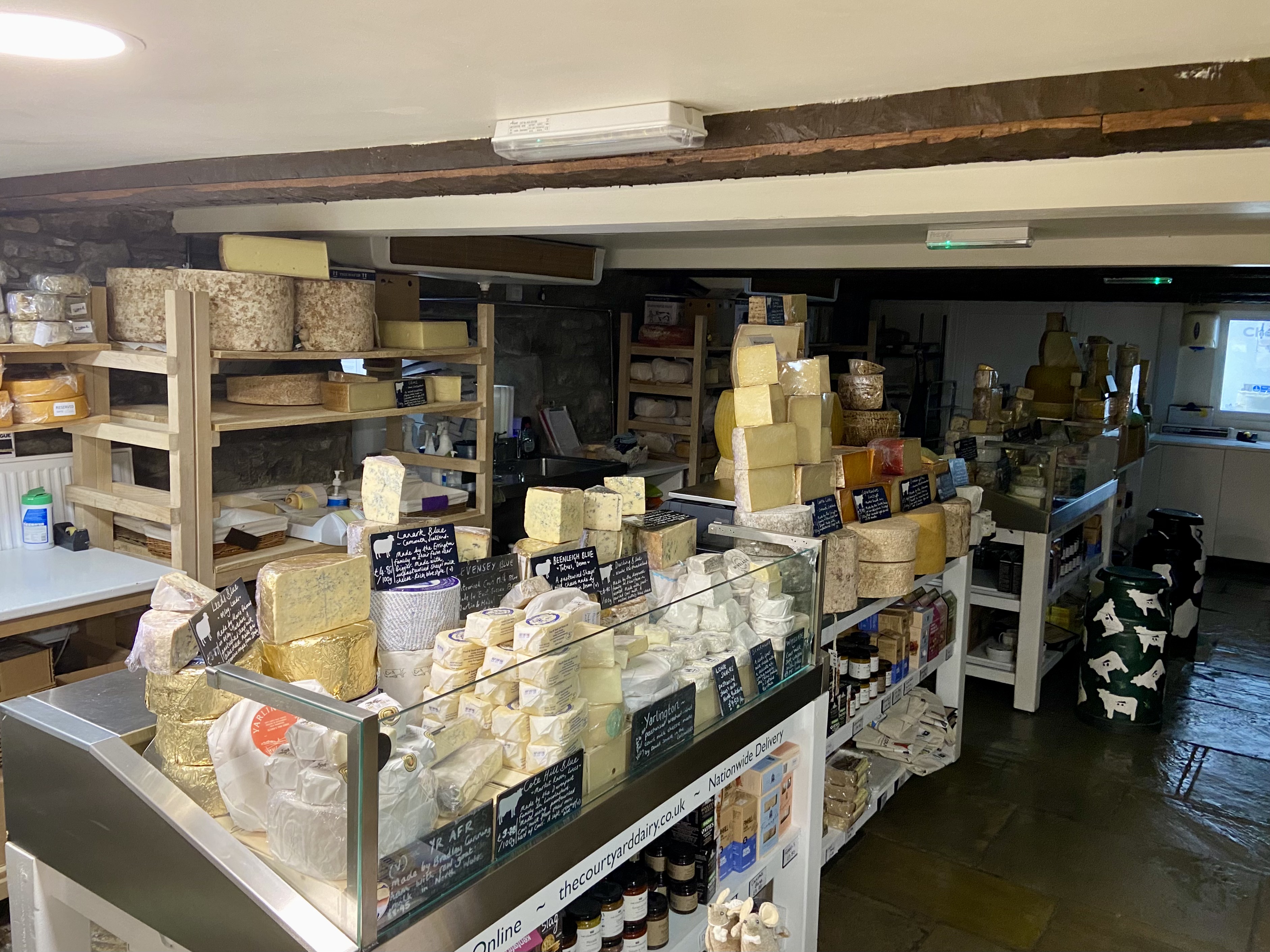
We went to Rind, which is a pizza restaurant attached to The Courtyard Dairy. The Courtyard is a wonderful cheese shop, which is becoming internationally renowned for its amazing selection of cheese. It’s also a great experience as they encourage you to try slivers of cheese, many of them local, but others sourced from around the world. We went in a couple of times and I still have some of the cheese in my fridge as we didn’t get through it all.
As you would expect, the pizzas in Rind are amazing too, topped with some very special cheeses. I should perhaps have gone for one of the more unusual cheese combinations. Last time, I had blue cheese, honey and walnut, a combo I later introduced to Lara’s family on my weekend in Northern Ireland, but the chorizo and honey sounded so delicious that I ordered that, and shared half and half with John, who ordered a cheese rarebit pizza. They were, of course, wood fired and wonderful and I definitely want to go back!
The original plan was that John and I would come up to Dumfries and he would stay in my almost complete spare bedroom, but it wasn’t to be. John and his partner Yoana run a small business creating websites and a new client rang him during the week. Her website had been hacked and the person who created it was no longer available, so she wanted John to help. The old website couldn’t be saved and the hackers were getting quite unpleasant, demanding client information, so John spent a considerable amount of time creating a new, temporary site for her to use while they set a new one up.
It was complex as her old emails needed to be transferred to the new site, but as the whole thing was time sensitive (and inevitably stressful for the lady whose business was under threat) it couldn’t really wait. Alongside that, on the morning we were meant to drive North, we also wanted to fit in a trip to Leeds to get something John had left at a friend’s house. By the time the work and trip were done, it was four in the afternoon and we decided we would try to find somewhere more local to stay instead.
We really landed on our feet as we found an apartment above The Railway bar in Cononley, just beyond Skipton. It was a lovely flat, restfully decorated in Scandinavian style, with Yorkshire touches, which made me feel very much at home. The bar was lovely too and having it just downstairs was very tempting on those two long, hot days.
I took John to the airport yesterday morning and he got home safely, as did I. Donna and I had a cuppa in the afternoon and (generous as ever) she invited me back for the evening. Triar enjoyed the visit too and spent some time in her paddling pool.
Next week, I’m off on a new adventure. I am going to be locumming at the PDSA in Glasgow. I’m genuinely excited as it’s in one of my old stomping grounds. I worked there for Vets Now, back in the early 2000s, so I am familiar with the building, even though I assume the workforce will have changed entirely as that is now twenty years ago. It’s mostly doing surgery, which I love, but I will also hopefully do some consulting days, which will get me back into the swing of small animal work.
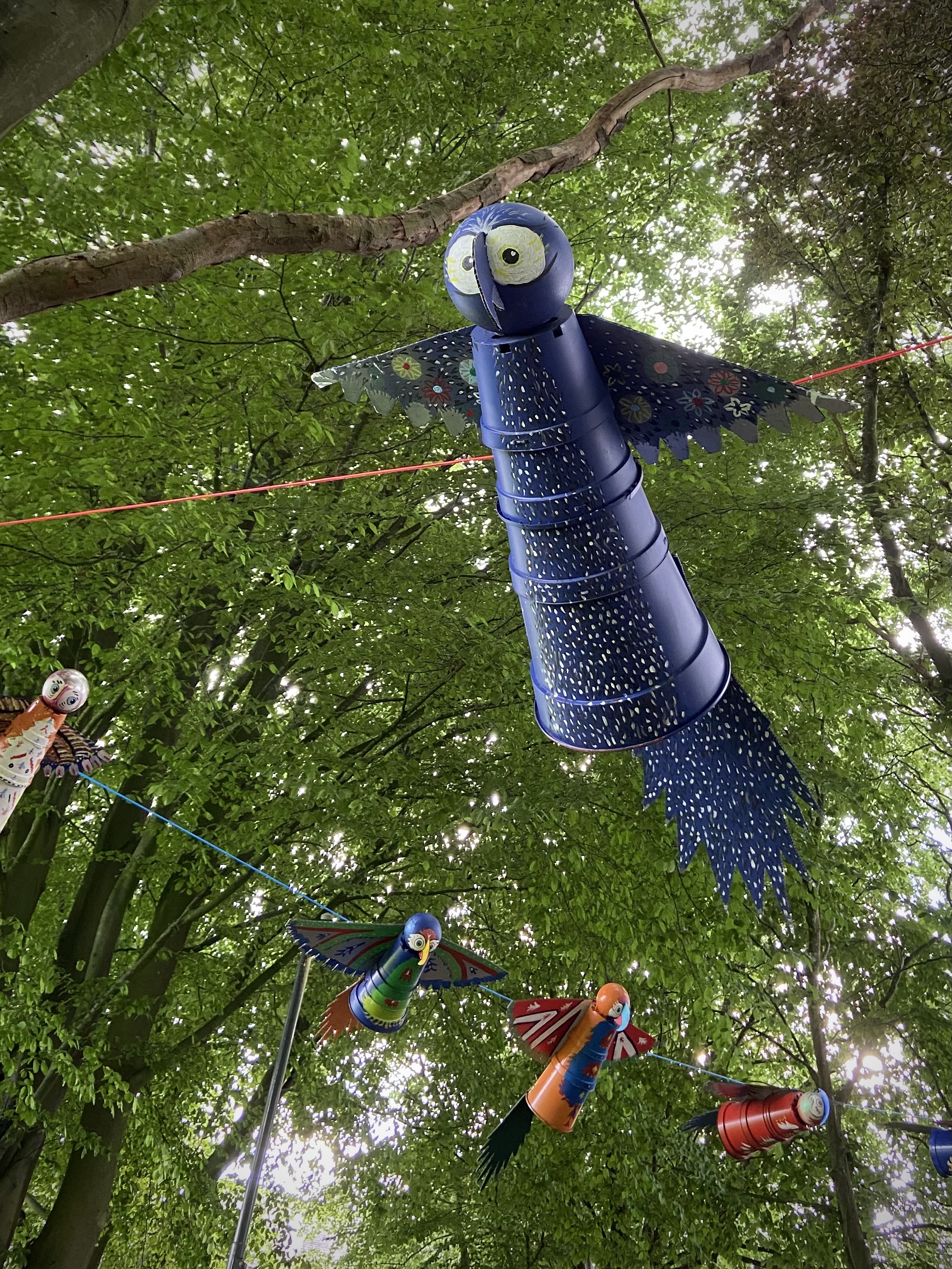
I shall leave you with some pictures of the annual Settle Flowerpot Festival, which is just gearing up. There seemed to be a lot of new exhibits this year and the people of Settle are getting more and more inventive. Anyway, thanks for reading and I hope you have a lovely week, wherever you are.
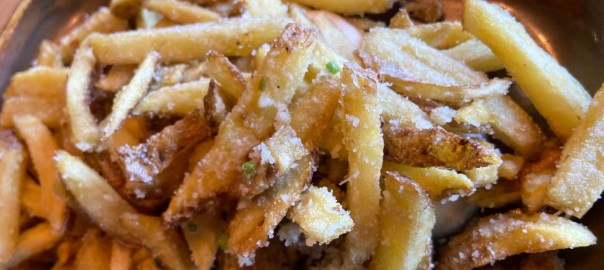
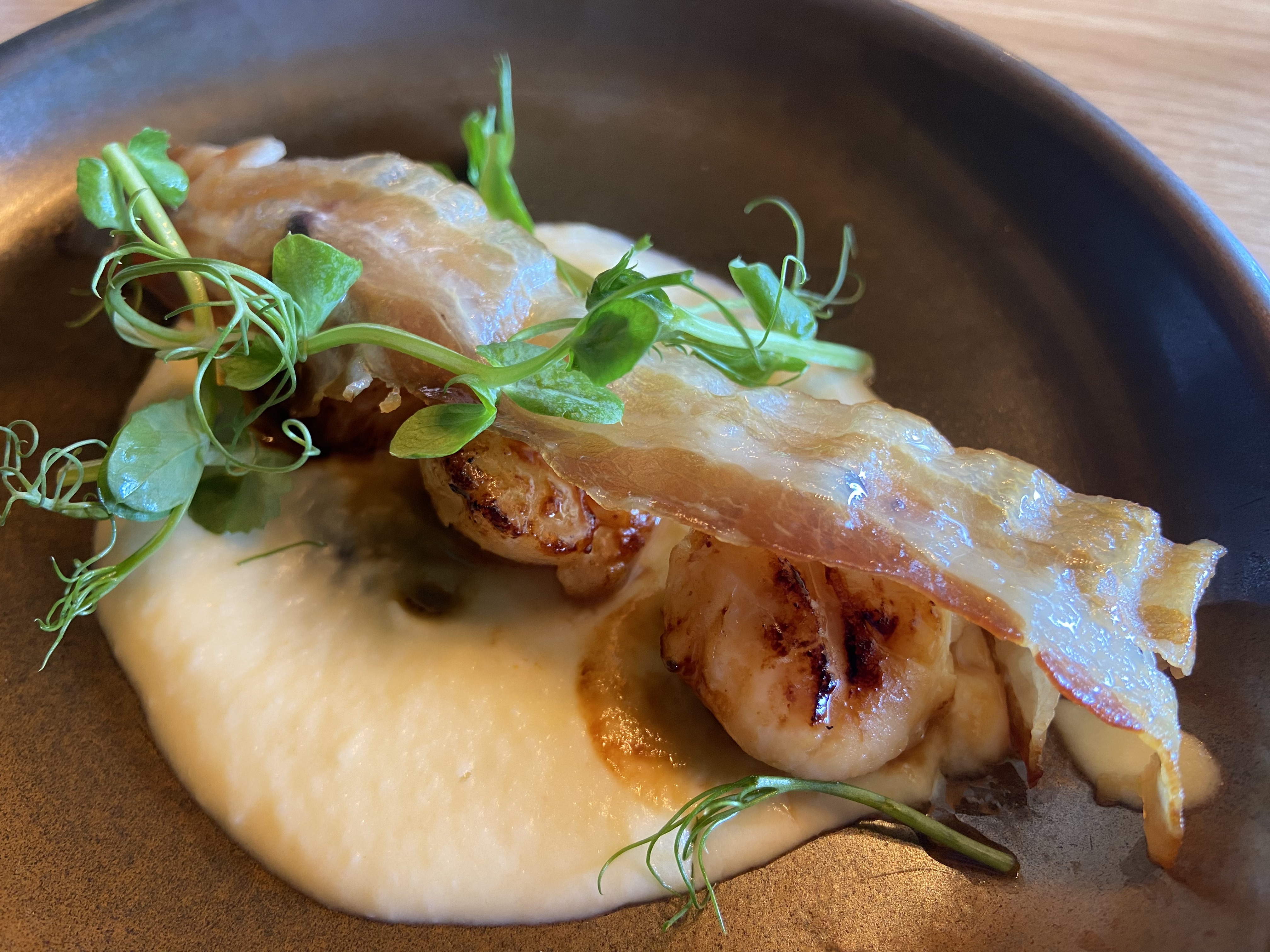
Last weekend started with a lunch in The Bank – a restaurant in Dumfries that sells small plates. One of mine was loaded fries with Parmesan, truffle oil and garlic mayonnaise, which is at the too of the page. As well as those, I had some delicious scallops with a slice of bacon and a cauliflower purée, which perhaps was very marginally overpowering for serving with the subtle flavour of the scallops, but which still tasted almost as good as it looked.
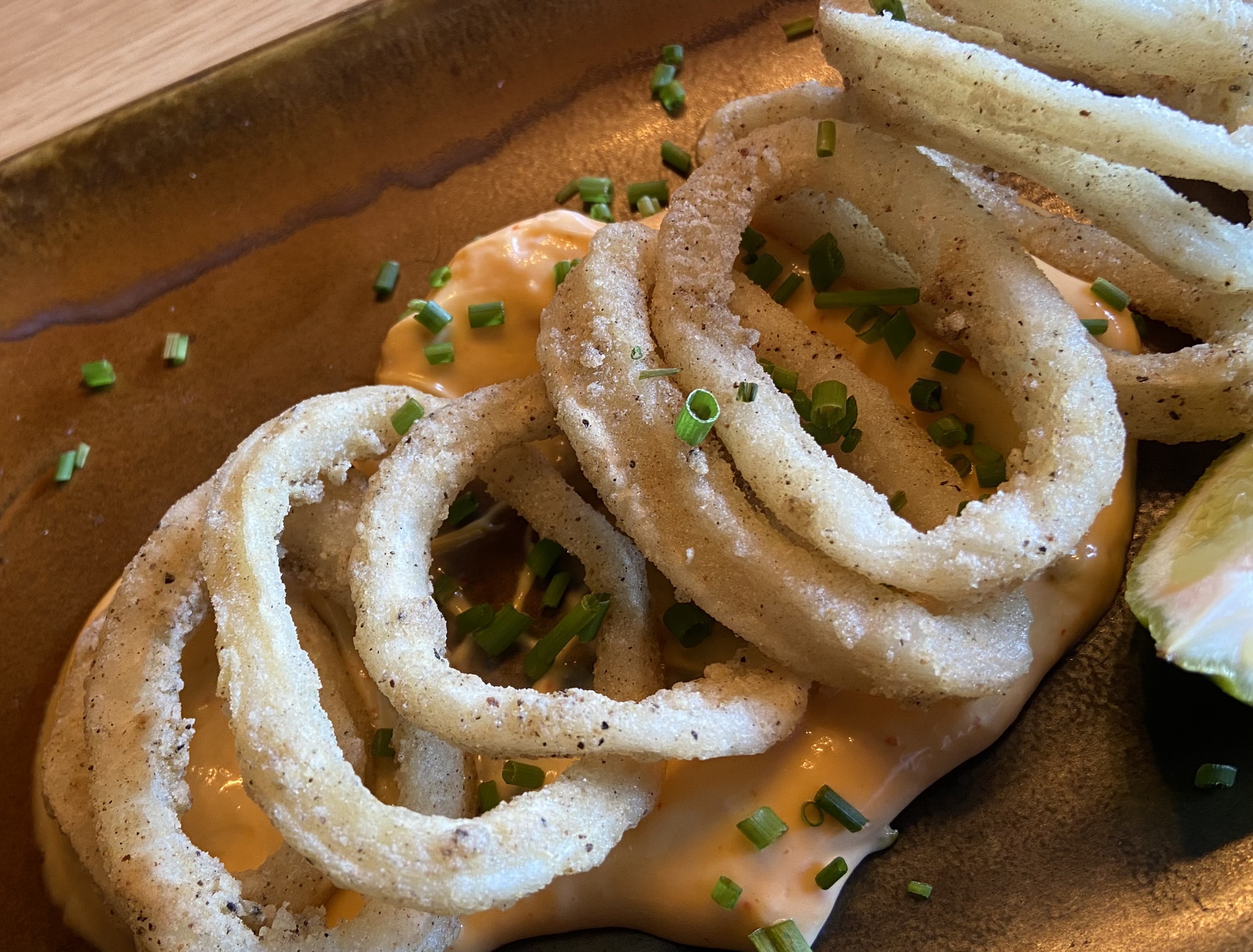
Staying with the seafood theme, I also went for calamari. Again, the sauce was a little too piquant for the calamari rings, so I ate them alone (delicious) and dipped the less loaded fries instead.
I also tried some delicious mushrooms and some Katsu cauliflower and despite the marginally mismatched sauces, I will definitely be going back.
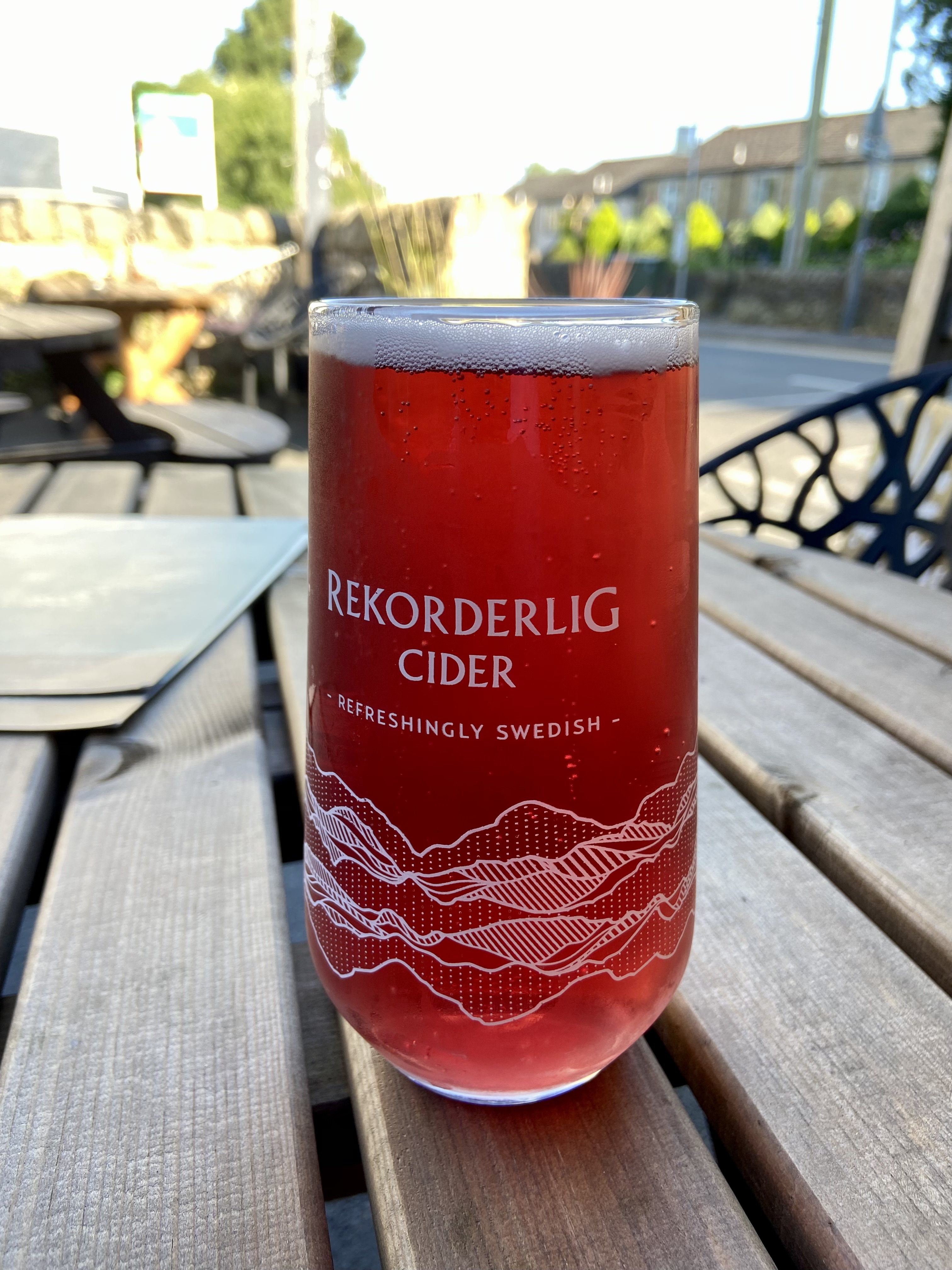
After that, Donna, I and several friends went and joined a crowd of bouncing middle aged women for a singalong showing of Mama Mia. Bring your own bottle was encouraged, so I took along some Swedish beer. By the end, I think most of us were singing.
A couple of days at home saw me quickly strimming the lawn and assembling a bed (thanks to Donna and Will for helping thread the bed base up the narrow staircase) before heading down to Yorkshire, to meet up with John.
We’re staying in Settle, where the annual Flowerpot Festival is just gearing up. The house we’ve rented is interesting. I’m in the front room at the moment and feel as if I’m sitting in a Jane Austen period house. There’s a wonderful, threadbare rug on the floorboards and faded books on the mantelpiece, propped between an old flat iron and a brown earthenware jar. Milton’s poems mingle with Enid Blyton’s, A Story Party at Green Hedges. Guess that one didn’t have the same ring to it as The Magic Faraway Tree!
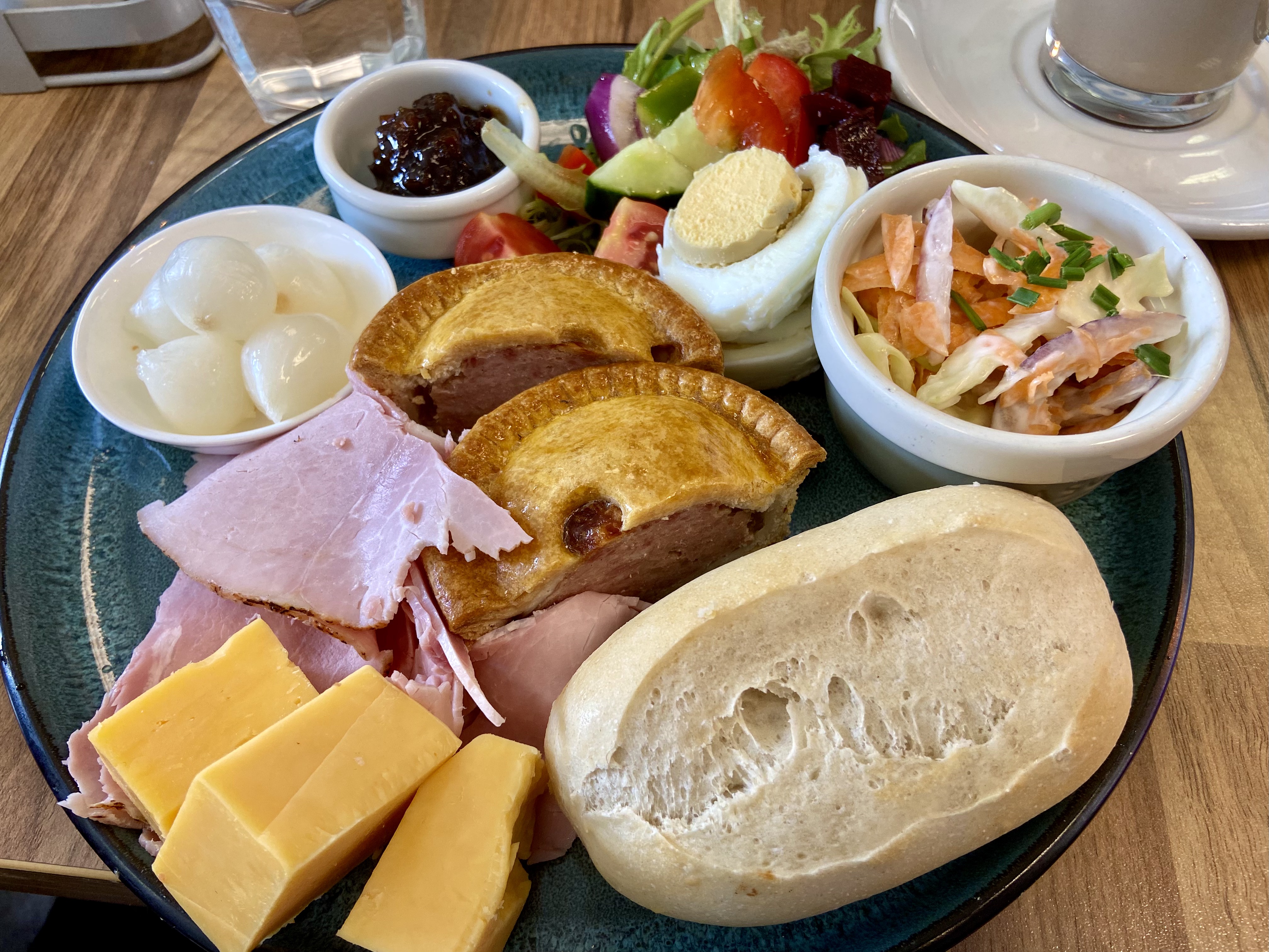
I’m low carbing again, which is easy at home, but more challenging when eating out. Usually, I end up comparing Caesar Salad at every restaurant I visit, but this time I’ve been exploring Ploughman’s lunches and taking the bread home for someone else to eat. This was yesterday’s offering at a cafe in Halifax.
On the job front, I’m waiting to hear back from two possible locum positions and also hoping that it won’t take too much longer to find out whether I might get my old job back. One of the locum positions involves bashing on with lots of surgery, which is right up my street. The other has a bit of horse and farm work, but mostly small animal. That would also be a great challenge. I haven’t been in small animal practice since 2016 and that was in Norway, so it would be interesting to climb back into a set of scrubs and see how I get on.
So, as we go into Monday morning, I will be hoping to find out how the next few weeks will be spent. Maybe next week, there will be a progress report, but for now, I’m going to leave you with a few Flowerpots. Thanks for reading and have a good week all!
Just like that, the Inchcolm adventure is over. It started with promise, but turned out to be my shortest ever stint in a practice. Remarkably, we parted amicably. Though it was uncomfortable, I was able to explain my reasons and be heard. Despite having flowers and cake, as well as a Fat portion of loaded fries, yesterday was mostly sad. As I drove away, It Must Have Been Love played on the radio, offering an appropriate level of melancholy.
I’m now back in Dumfries, returning too late to really do very much, other than go to bed. The future is wide open and I haven’t had confirmation of any if the possible jobs that might be lined up, but I have a week in Yorkshire to look forward to and I have faith that all will be resolved soon.
The house is a mess and the garden overgrown. Looking at it, the idea of going away yet again, and spending six weeks or more in another practice is rather frustrating. Before I left, it was finally starting to take shape. Still, the mortgage has to be paid, so I will do what I need to do and sort out the rest later.
Anyway, I have some lovely memories, both of the last two and a half months, and of the last week. Highlights of the last months include the daily commute from Airth to Dunfermline. Crossing the Forth every morning, driving through green and rolling fields, with Scotland as a backdrop was magical. I’m going to miss all the central Scotland radio stations. As I rolled down the hill around Abington, Smooth Radio died. Dumfries is an absolute dead space when it comes to FM stations and my 15 year old car can’t do anything more up to date.
I met some lovely people and I hope we’ll stay in touch. I promised to pop in if I was passing, which isn’t that unlikely, especially if I return to APHA.
It’s also been incredible living with Valerie and Charles. They’ve been wonderful company and I haven’t once felt that I was in the way or that they wanted their spare room back. Through them, I was baptised as a Christadelphian. I’ll be inviting myself back for next year’s Eurovision party. Kyle and Candice’s ceilidh is in September. I need to get into shape for dancing, so that’s my next project, whatever else comes along.
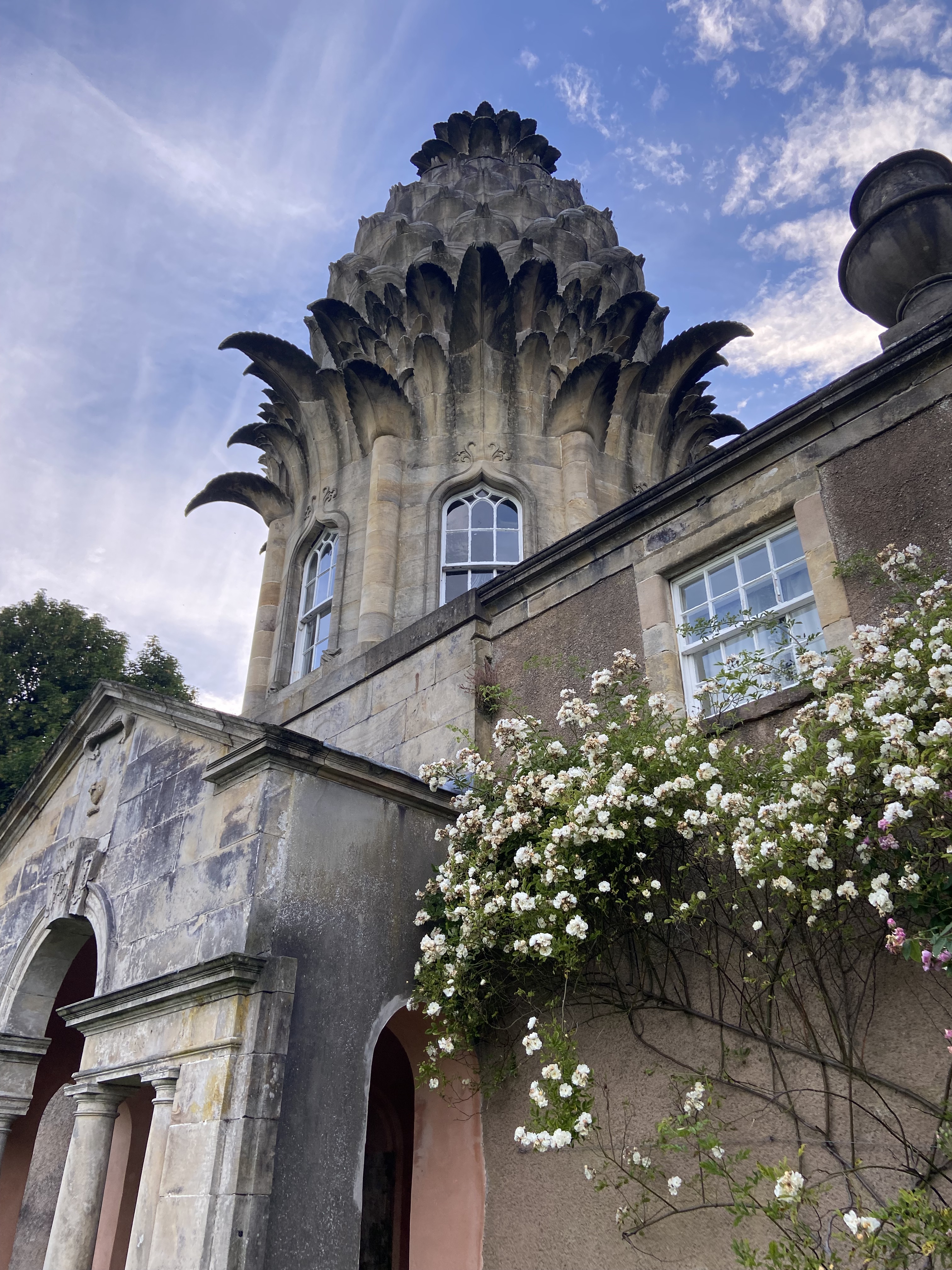
Val and I enjoyed the warm weather this week, heading out on Monday night to the Pineapple and on Wednesday to Fallin Bing.
As usual, the gardens at the Pineapple were beautiful. Everything is in full bloom at the moment.
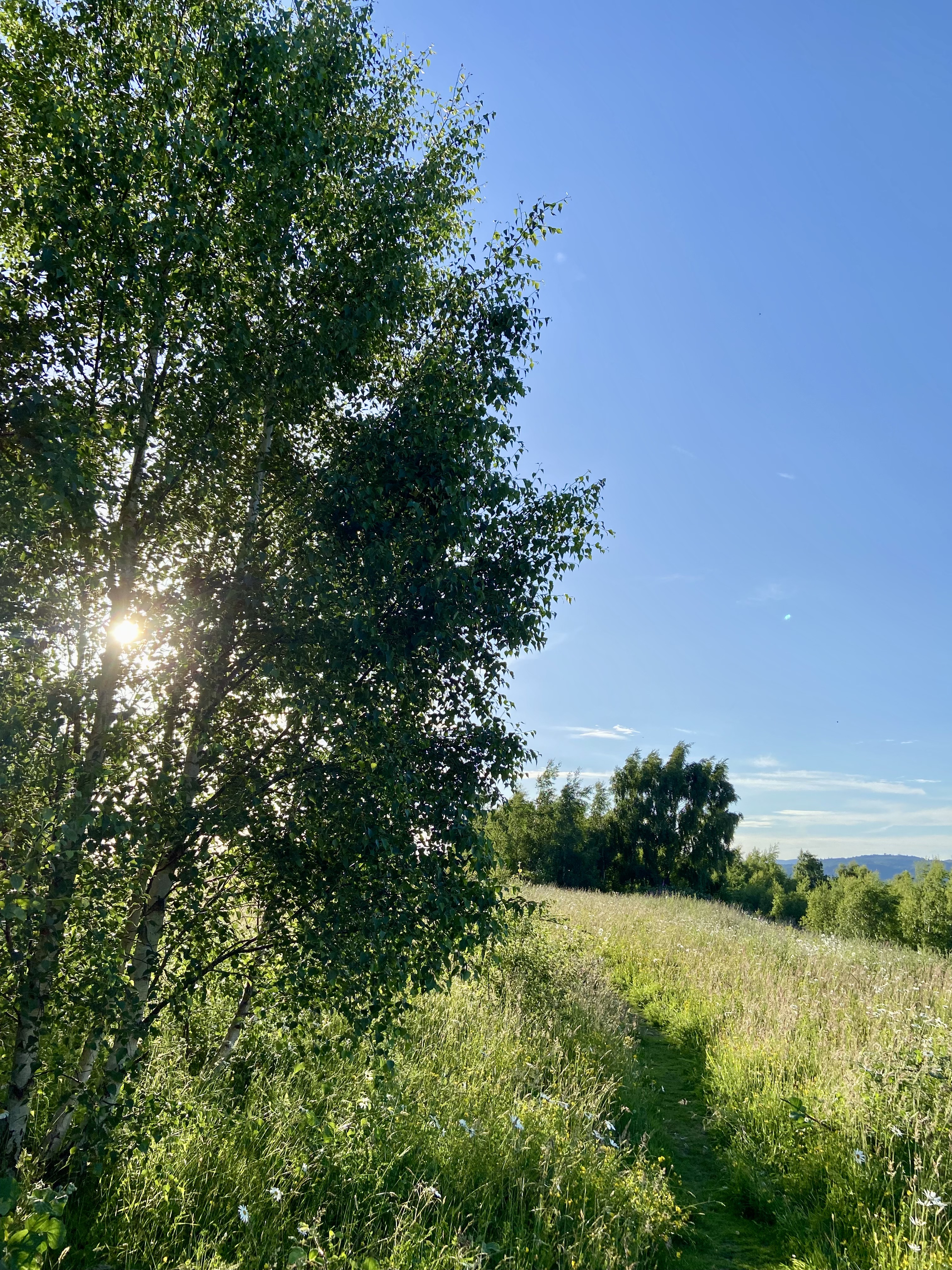
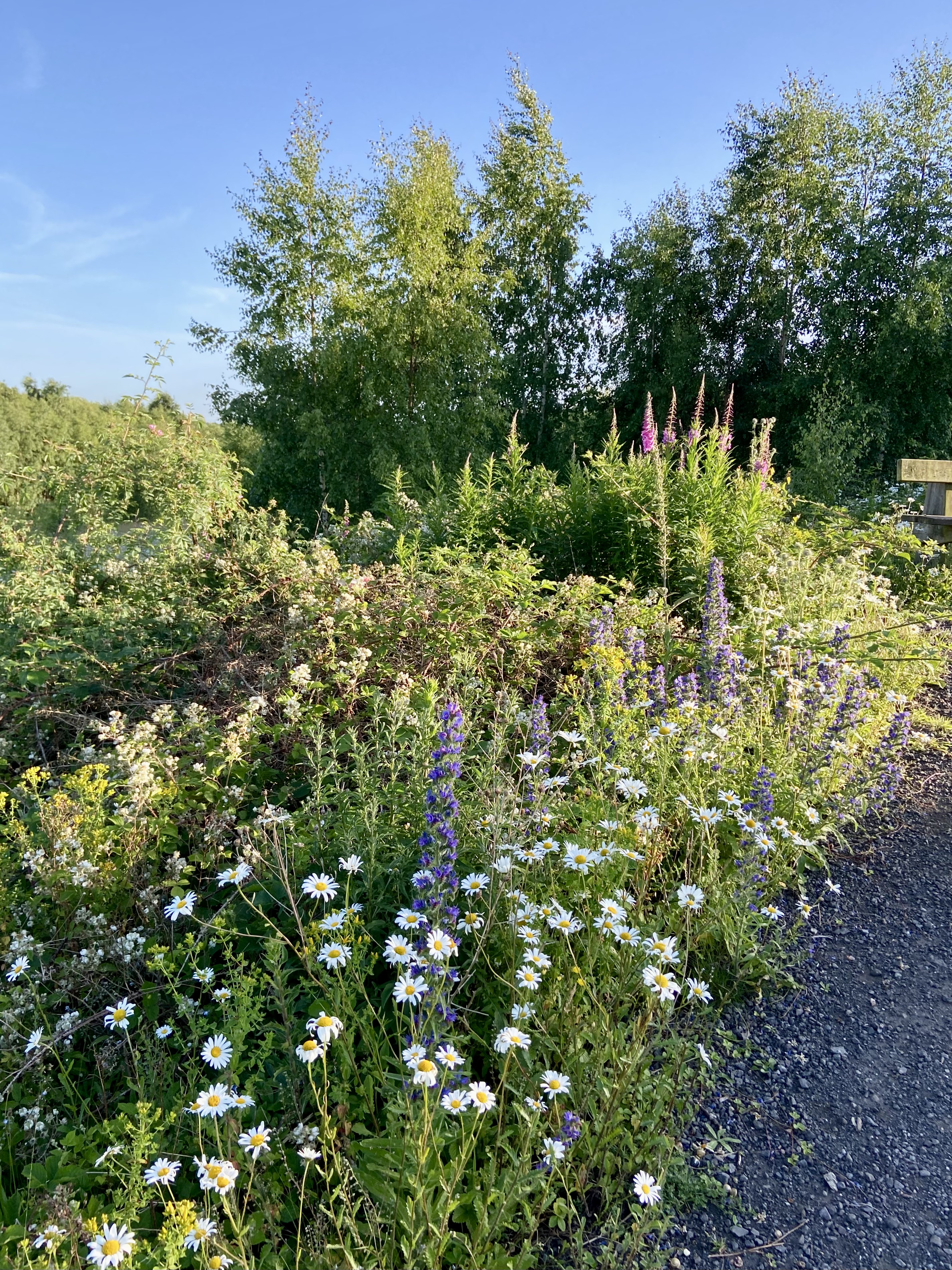
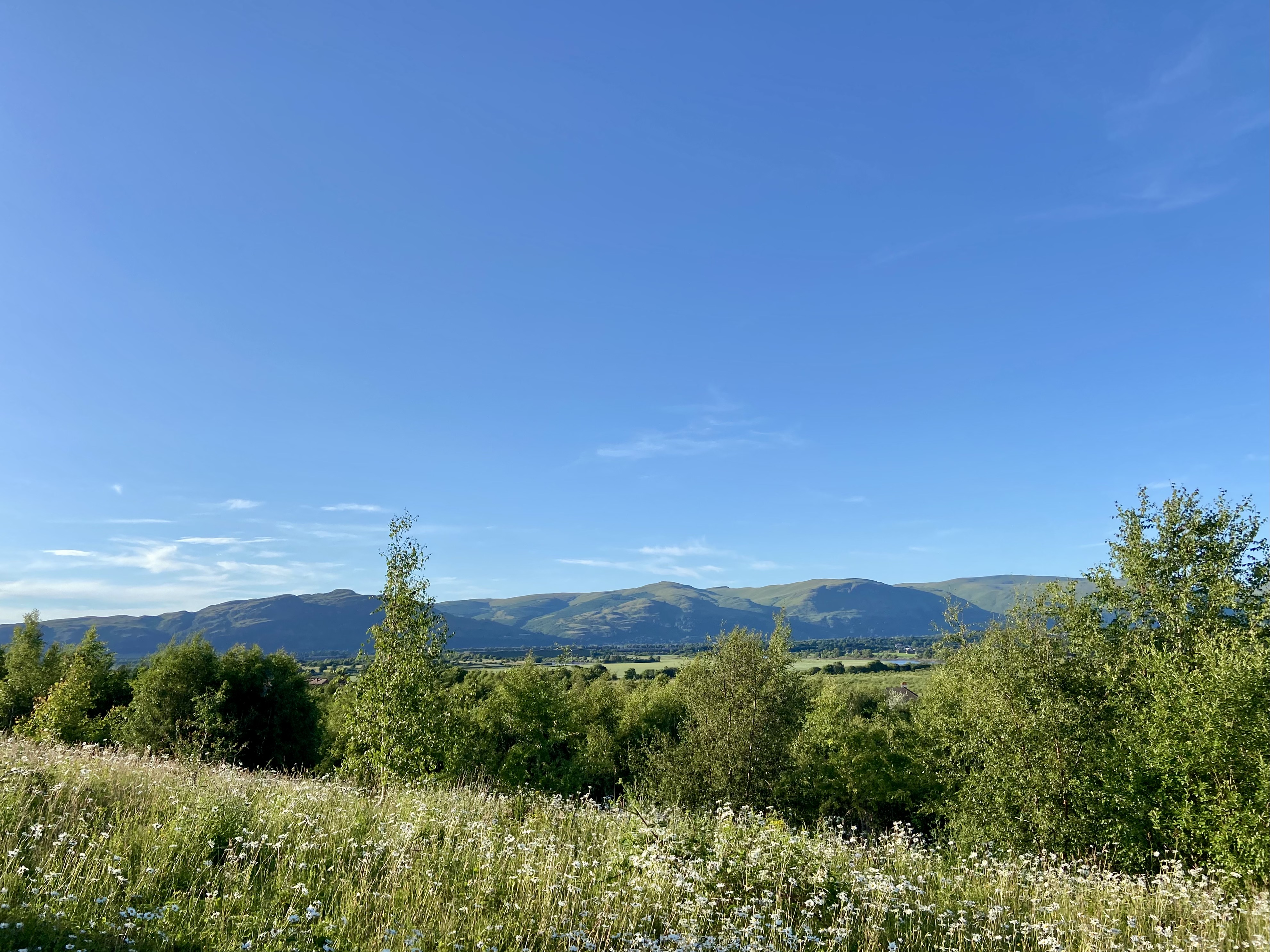
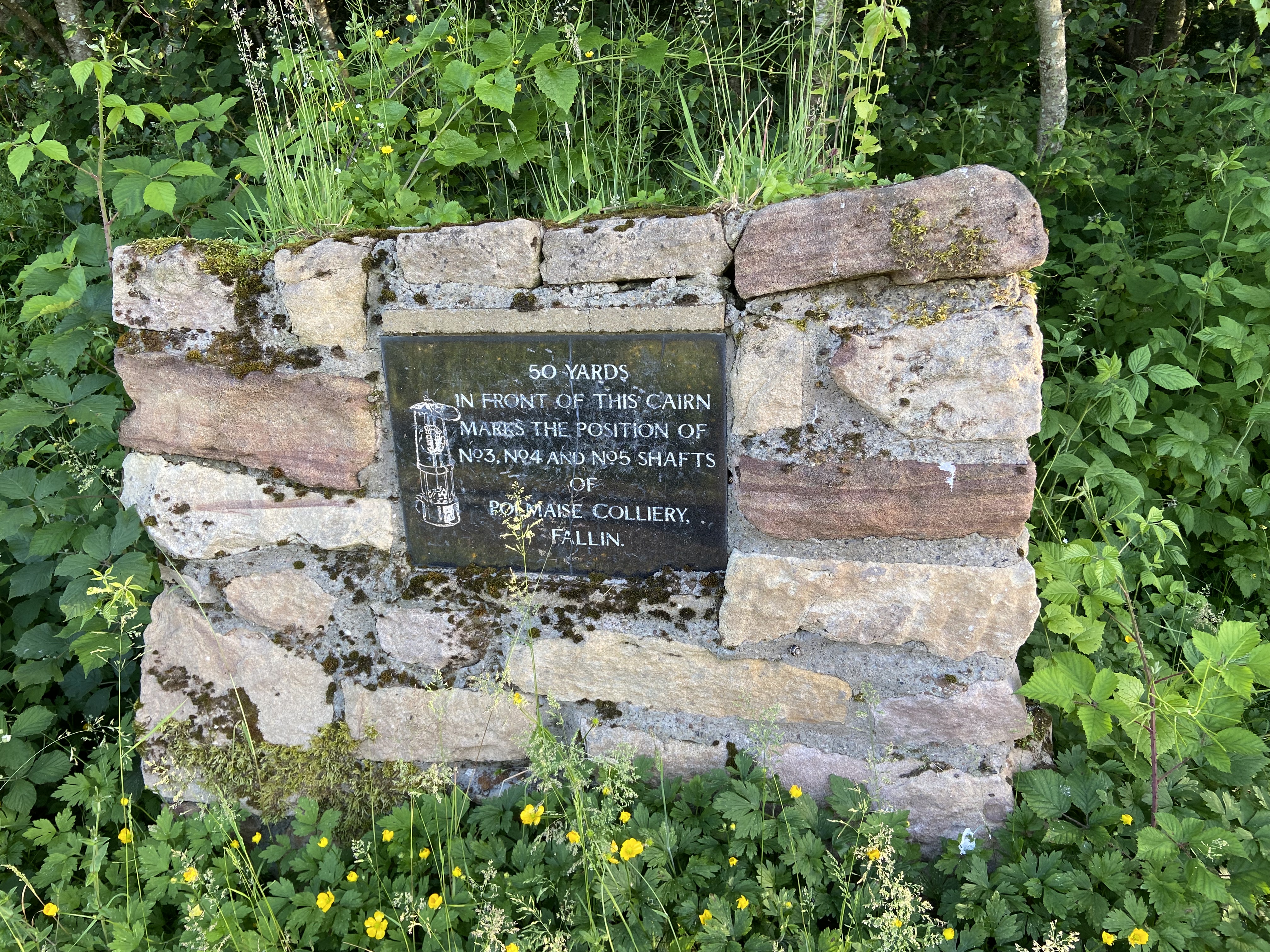
Wednesday evening’s walk on Fallin Bing was a surprise. For those who don’t know, a bing is a slag heap, leftover waste from mining. I was half aware that Fallin had been a mining village, where Airth was a fishing village in past times. The mine closed in 1987, along with so many others in Scotland, which closed around the same time. I grew up near Bilston Glen Colliery and remember the miner’s strikes. Now both are long gone.
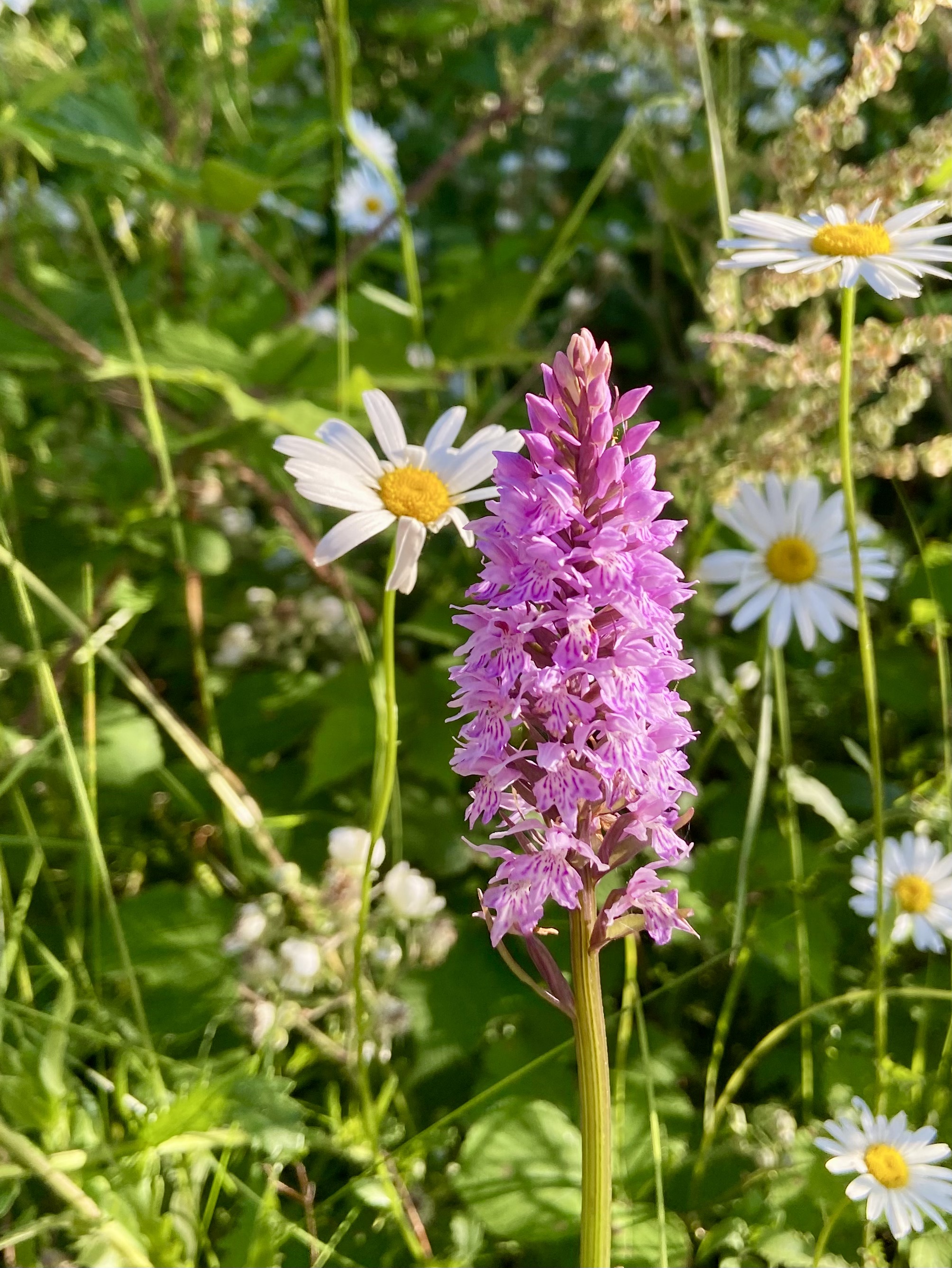
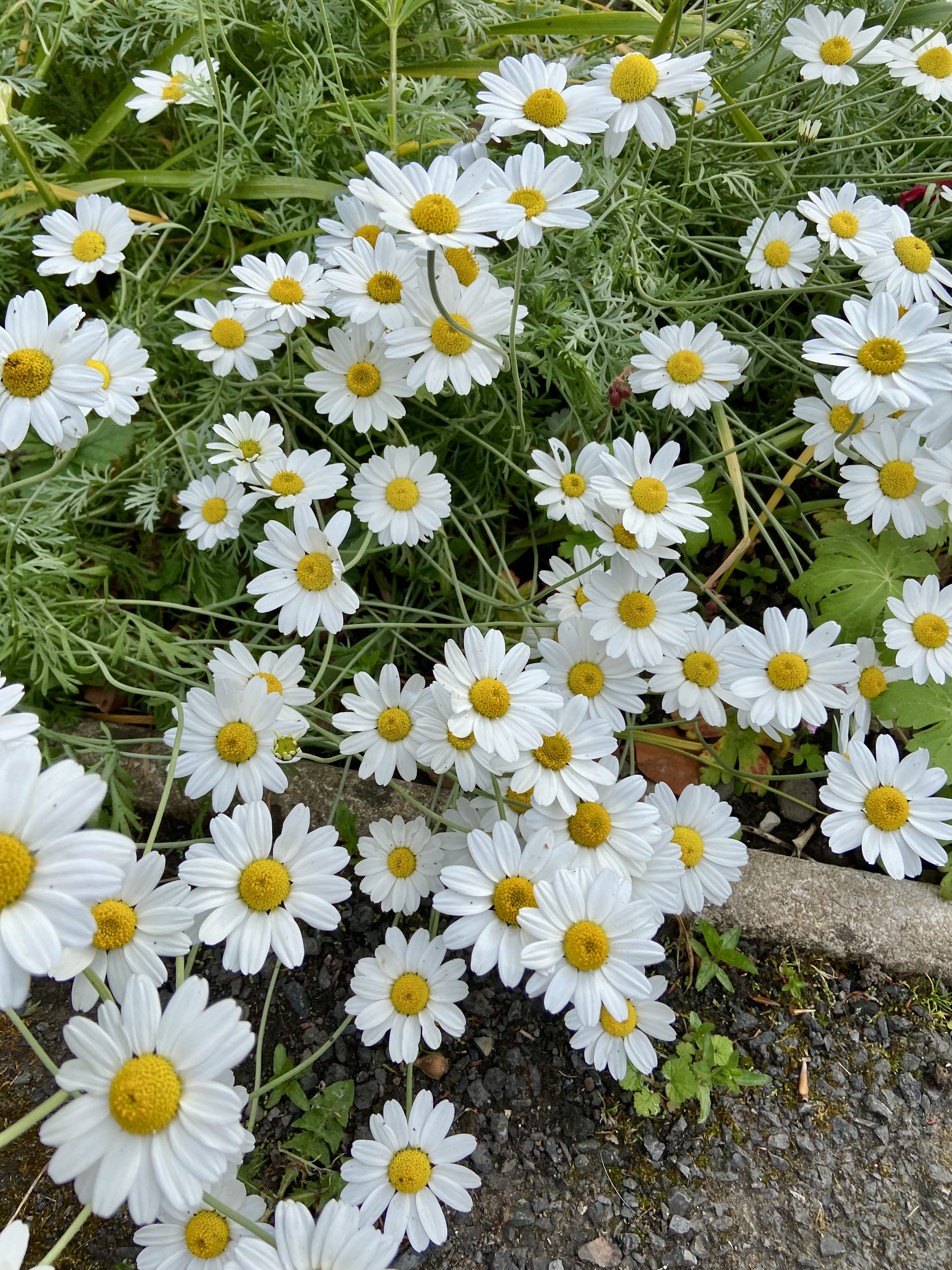
But the bing is beautiful. Once it would have been a black desert. Now it’s an oasis of Oxeye Daisies and silver birch trees.
I had better finish off. Before I went away, Donna invited me to a Mumma Mia Party, with dancing and singing, and bring your own bottle fun. I won’t say I’m properly introverted, but I am feeling some trepidation at the prospect. It’s generally worth pushing outside your comfort zone though. You never know what you’ll find out there. So I need to walk Triar and buy a bottle of something or other, before heading round to Donna’s just before twelve.
Thanks for reading. I hope you have a lovely weekend.
I handed in my notice at Inchcolm yesterday. It hasn’t been an easy decision. There are times when I can see that I could love this job, but before I began, the agreement was that I would be working from Dumfries, with a day in Dunfermline once a week. After two and a half months, I’m still living at Valerie’s, working full time away from home, and I don’t feel the communication and trust are there for me to work remotely. I could push for it, but I don’t think it would be easy. At two and a half months in, I feel this should be the honeymoon phase, when I have begun to find my feet, understand what I am aiming for and built up some rapport and understanding with everyone.
It’s wonderful how things work out sometimes. Just at the time when I decided I was going to leave, John called to say that he was buying tickets to come over. I’m still in probation, so I only have one week’s notice. John has ten days over here, so I will have the flexibility to spend time with him, whatever his plans are.
I don’t have a new job lined up, but there seem to be many possibilities opening up and I am looking forward, either to returning to something I’ve done before, or trying out something new. I’ve been in discussion with Dean at APHA. I’ve had a chat with Kelly, who runs a recruitment agency and is looking for locum positions for me, and next week, I will be speaking to someone from Hallmark, who fill temporary government positions at short notice. I feel that the future is wide open.
I’m not sure whether I have mentioned my new phase of Bible reading. Last year, I read the whole Bible for the first time. I was using an app that gives three different portions of the Bible each day, two Old Testament and one New Testament. While it was an interesting exercise, my mind found it difficult to keep track as I moved between the portions, so this year, I am reading the first of the three portions daily and reading around it, so that I can follow better and understand more. Until yesterday, I was reading Judges, which describes a turbulent period in Israel’s history.
At the lowest point, in Judges 19, a man is travelling with his concubine (a kind of secondary wife) and stays overnight in a stranger’s house. A bunch of marauding men demand that the man comes out to have sex with them, and rather than defending the household, he throws his concubine out to them. The marauders rape and kill her and leave her on the doorstep.
I opened the app this morning, expecting more horrible tales and found instead, that I have moved onto the book of Ruth, which is already one of my favourite stories in the Old Testament. When I came to it the first time round, last year, I found the source of the wonderful, “Intreat me not to leave thee,” passage that I had known from reading My Friend Flicka as a child. This time round, I can see the comfort Ruth found in following God. I’m almost afraid to write that I am also finding comfort in following and trusting in God, as professing faith is uncomfortable to me, and frankly, I’m afraid to lose friends, but here I am, doing it anyway.
Moving on to an easier topic, I have been watching the latest series of Clarkson’s Farm with Valerie. If you haven’t seen it and don’t want spoilers, you probably shouldn’t read this part.
I haven’t watched all the series religiously, but have seen enough to think that Clarkson’s Farm speaks wonderfully for farmers. He shows the hardships of farming, the ups and downs, and the sheer resilience farmers need in current times as they navigate a world of rules and red tape, of low prices , conglomerates and cheap foreign imports.
The end of the series was desperately sad though, as one of his cows was tested for tuberculosis and came back twice as an inconclusive reactor. This meant that she was taken for slaughter, despite being in calf with twins. When she was taken to the abattoir, they didn’t find anything, so sent back a report saying, “no visible lesions.”
I was slightly frustrated at that part. I’m not sure what support Jeremy and his crew received from their APHA vet, but they misunderstood that report to mean that the cow didn’t have TB, which isn’t actually the case. I’m not sure how it works in England as the rules are slightly different in the various parts of the UK, but in Scotland, there would still be further testing, to see whether they could grow the bacteria that cause TB, despite finding no lesions.
And that is because, “no visible lesions,” doesn’t mean the cow didn’t have TB. It means that she did not have TB that was advanced enough for them to find lesions, which can take a long time to form, even when the bacteria are there. The fact that they had a number of other cattle with borderline results suggests to me that, even if none of the animals are actively infected, it’s likely there has been some contact with TB infection, because the skin test they did is an indicator of an immune response.
Valerie asked the same question that Jeremy Clarkson asked, which was why couldn’t they wait until she’d calved. If she had no TB lesions in her udder (those form very late, and would mean the cow would be very infectious) she wouldn’t be that likely to pass TB on to her calves, if they were removed quite quickly. However the cow is meant to be kept in strict isolation (which is already hard on her as cattle are herd animals) and they had already shown a film of her escaping. If she was indeed infected, the longer she is there, the more likely it is that she will spread the bacteria into the environment and on to other animals, including wildlife.
The reality is that, despite finding no visible lesions, that the cow might have been infected. The skin test is not very reliable in that it can sometimes miss infected animals. However, where the test is positive, it’s very highly likely there is some level of infection, even if they didn’t find anything to confirm it. In that way, it’s actually a very accurate test, when done right. If anything, vets are likely to err on the side of not sending away cattle unless it’s a definite reactor, which might be one of the reasons TB is rife in England and Wales.
And that is the reason why, after a reactor is found and culled, all the other animals in the herd will need to be tested again after 60 days. That will give them a much better idea of where they stand. TB can be in a herd for years without showing up on tests, and that is another reason it is so difficult to eradicate.
Jeremy also asked the very reasonable question, why are they not able to vaccinate. That one is also easy to answer, in technical terms, if not ethical and personal. It’s about international trade. Various diseases are classed as Notifiable Diseases and that designation is not a UK thing, it is agreed internationally. Notifiable Diseases present a risk, either to human life, to animal welfare, or economically. TB can spread between animals and people. Bird flu can too, but it is so nasty that the birds really suffer. Foot and mouth is another Notifiable Disease and that one doesn’t spread to people, but it is incredibly infectious and causes huge suffering to the animals. It has an economic impact as suffering animals don’t eat, and thus don’t grow or produce much milk.
So back to the vaccination question. The fact is that the skin test, which is the international standard test that is used, cannot tell between a cow that is vaccinated and a cow that is infected. If the UK decided unilaterally to vaccinate, it would prevent a huge amount of international trade, that would cost farmers and the country billions. They are trying to develop tests, but it is taking years and the scientific proof would need to be good enough to convince the groups that make the international rules. If you are interested in this topic, there’s a lot of good information here: TB Hub
So much as I love Clarkson’s Farm and think it does a lot to highlight how tough farming is, Irish someone had explained the TB situation to him more thoroughly. I have had to deal with farmers with TB outbreaks and I know how devastating it is, but the implication that the process is entirely unreliable and unreasonable is unfair. It’s a complex and nuanced problem and I’m not sure that the UK’s approach is working, but it’s being done with the intention to improve the situation. It’s far from perfect, but it wasn’t (in my opinion) unreasonable to remove the cow, even though I’m sure that was painful.
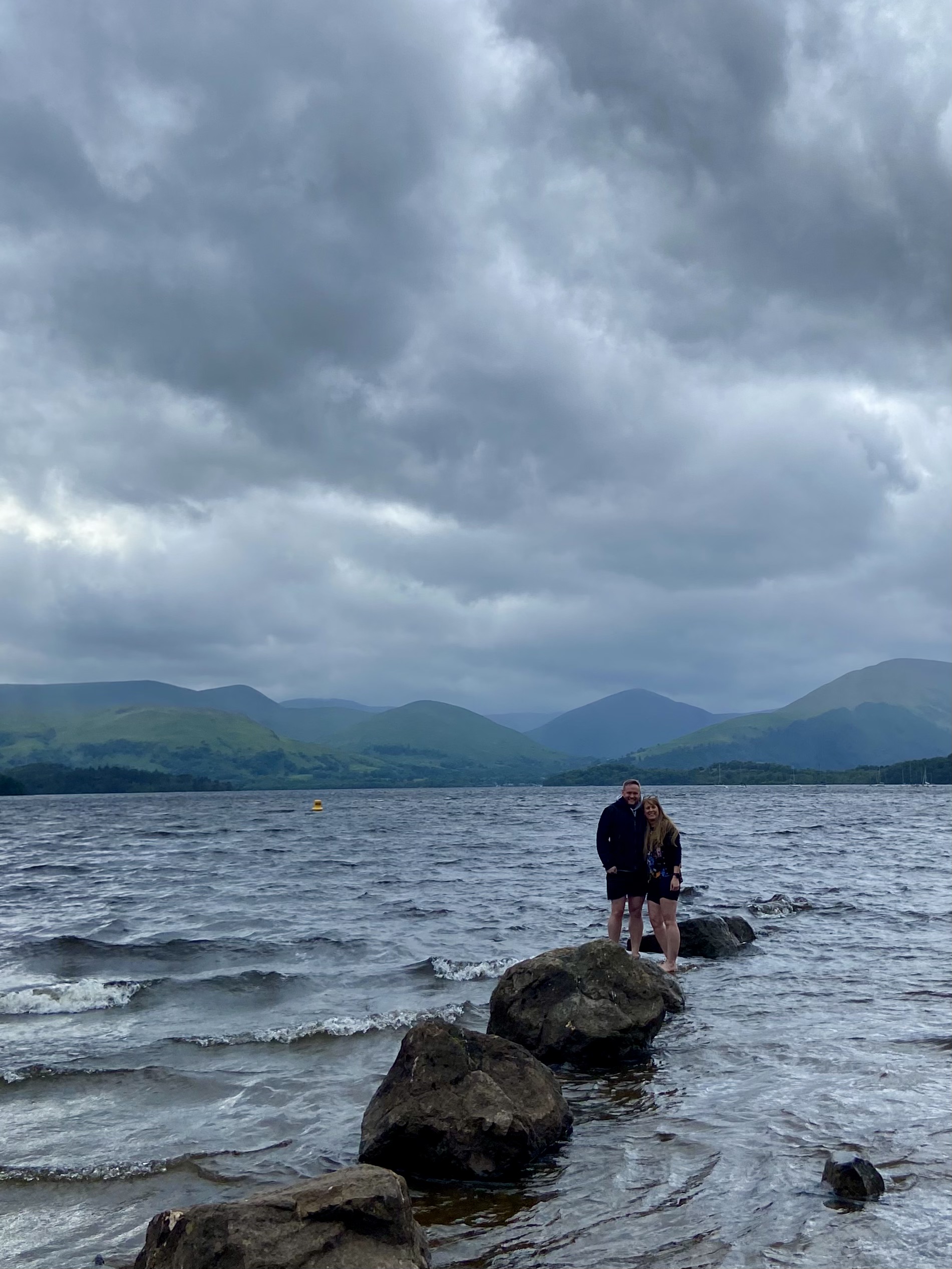
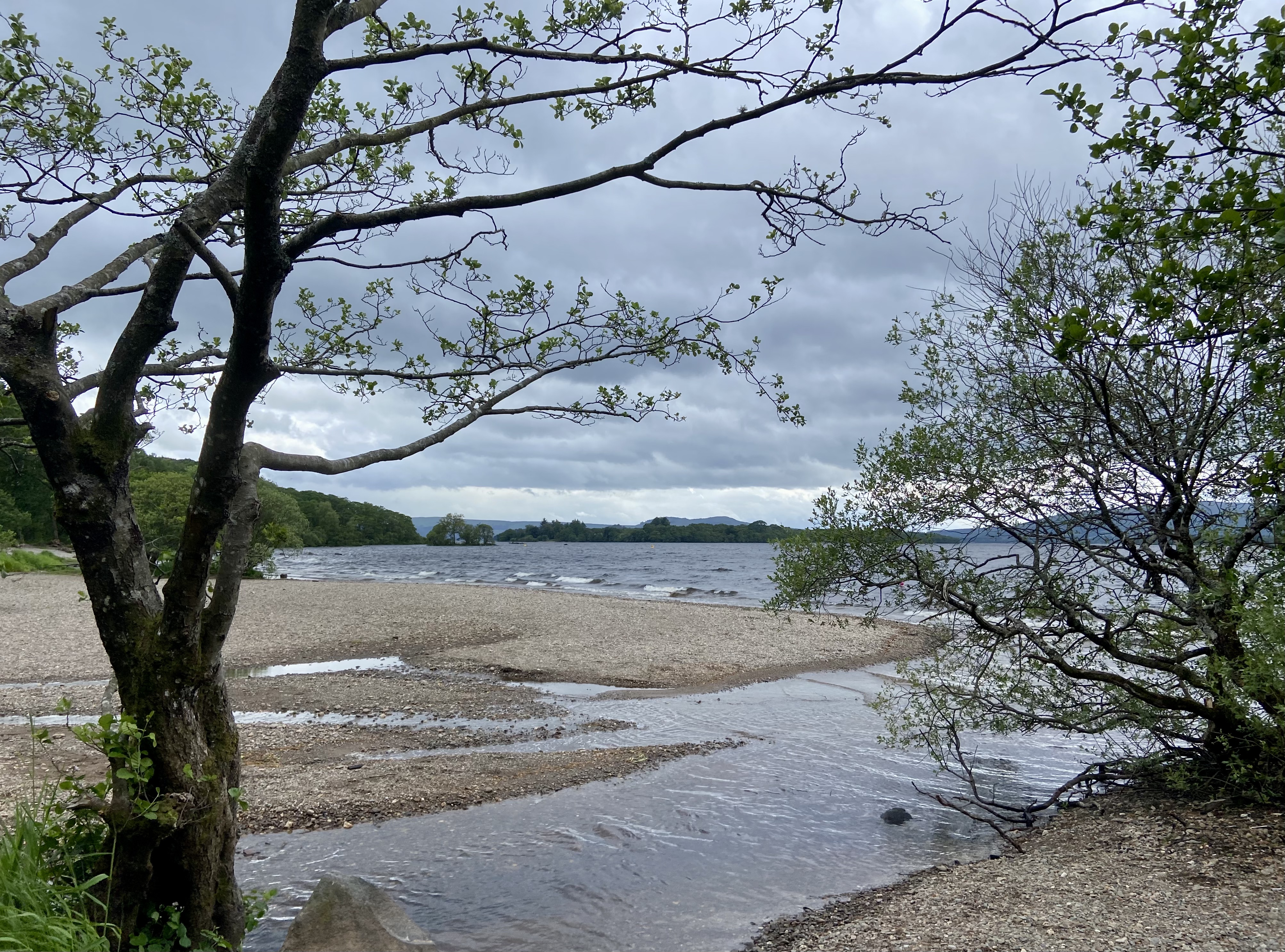
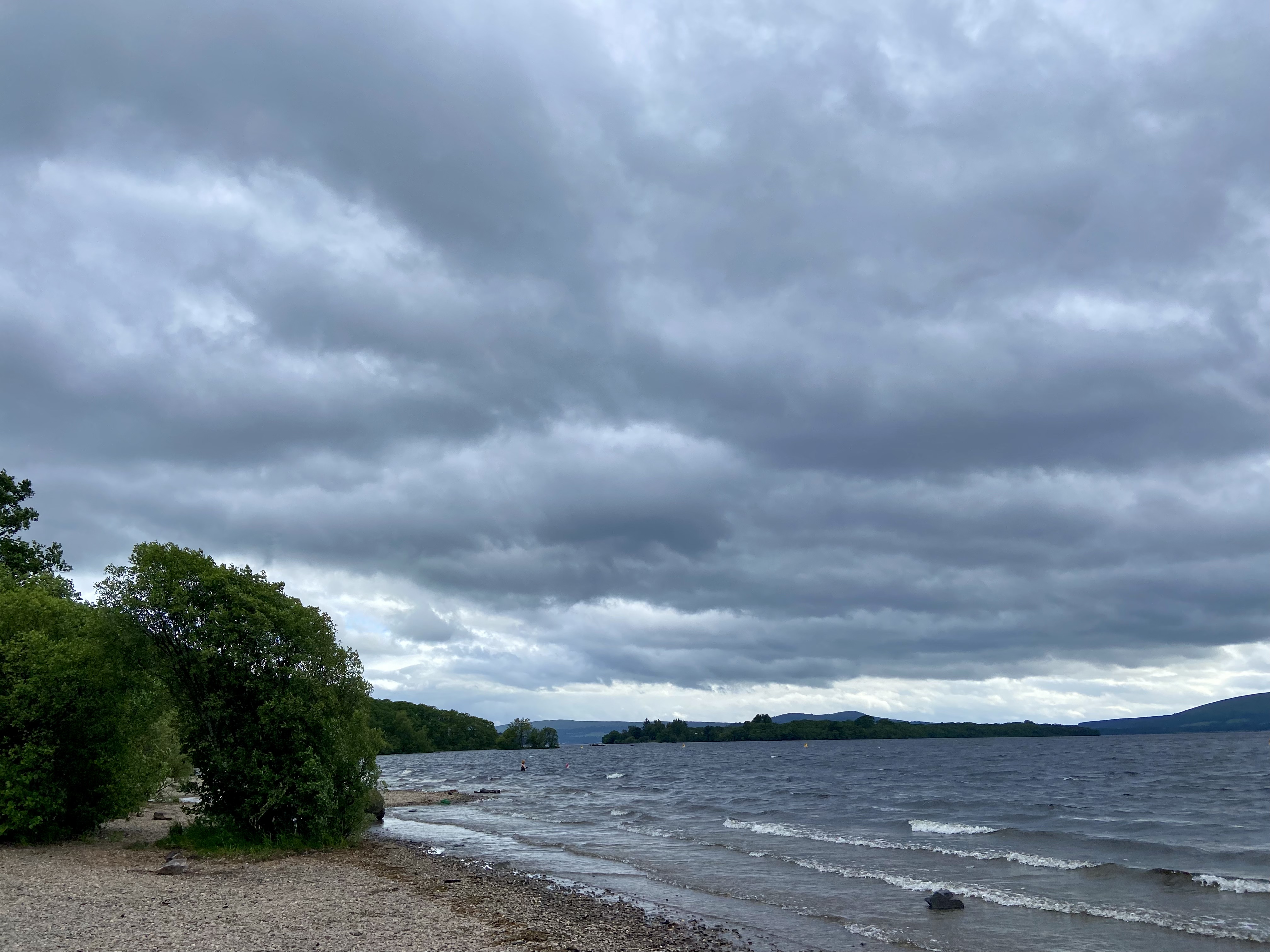
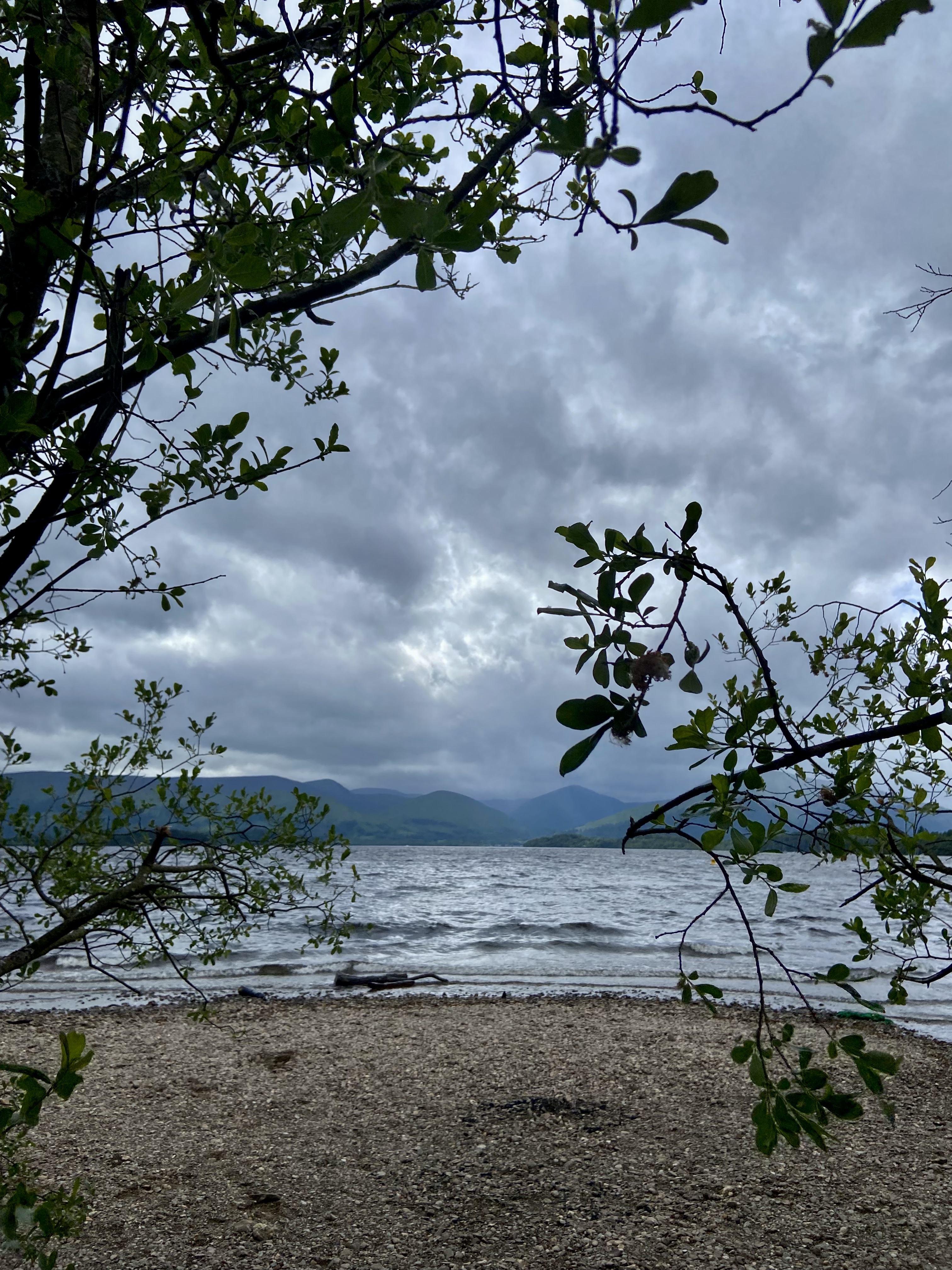
Anyway, this turned out to be quite long and I haven’t even touched on last weekend, when Valerie’s son Kyle came up with his lovely fiancée Candice. It was amazing to see Kyle. The last time I saw him, he was a teenager. We spend Saturday exploring the area where he and Candice are having a ceilidh in September (I’ve been invited!!!) and looking at campsites where guests might stay. We ended up on the banks of Loch Lomond, which was beautiful. Val and Kyle decided to take a paddle.
Anyway, I am very honoured to be invited to the celebration and I wish Kyle and Candice all the best.
I took a few more photos of Loch Lomond while I was there, so I shall leave you with those. Thanks for reading and have a good week all!
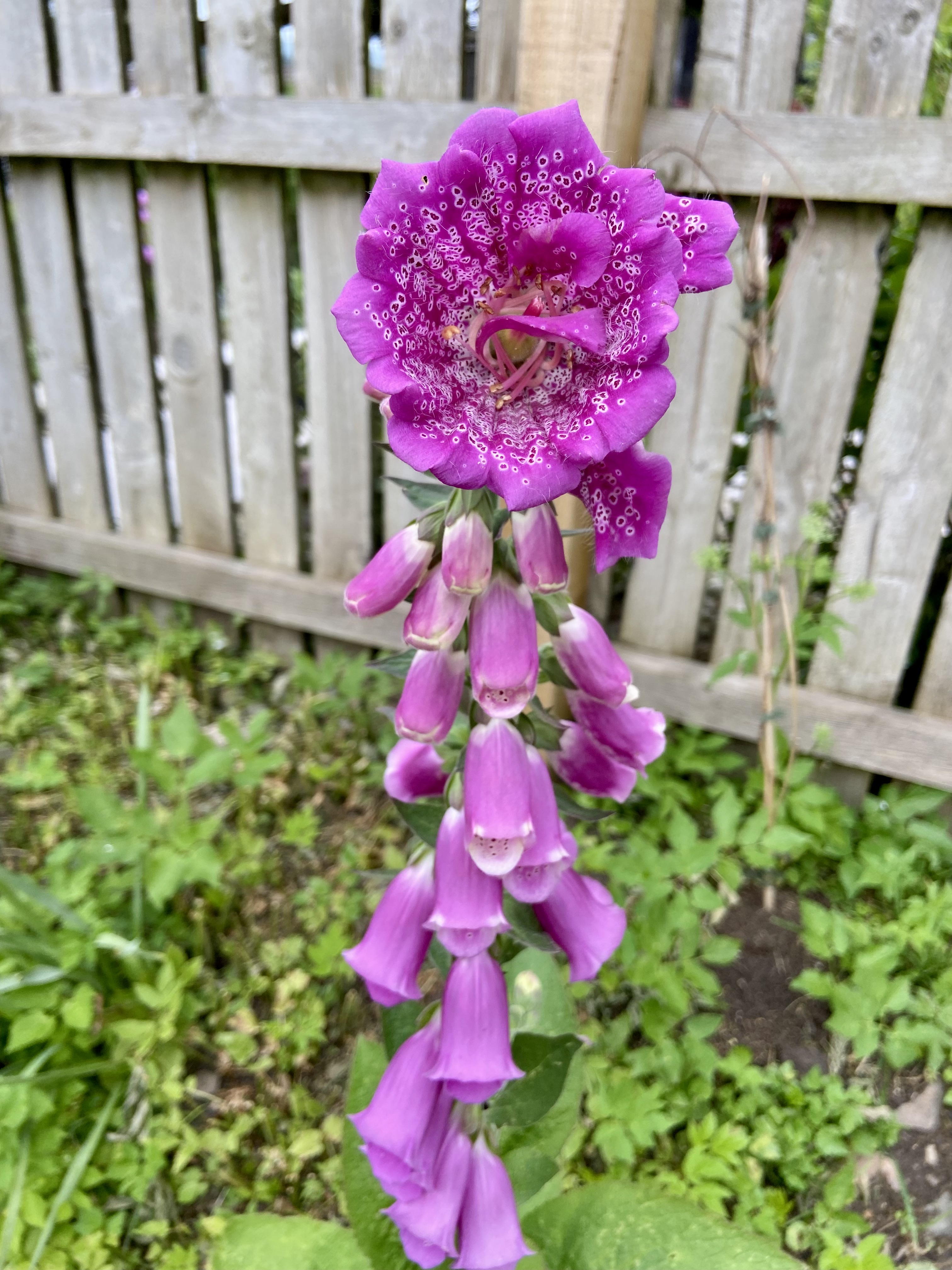
I shall begin with the aberrant foxglove. There are lots of gorgeous foxgloves in Valerie’s garden and I was reminded of something odd I’d seen in my own garden, last time I was home. I talked to her about it. Basically, my one, lonely foxglove has all the normal bell-shaped flowers on the lower part of its stem. At the top though, where there should be tapering buds, instead mine has a veritable flamenco dancer of a bloom. She wondered whether it was a different flower altogether, but I had taken a photo and when I showed her, she agreed that it almost certainly was a foxglove. “It’s very beautiful,” she commented. So here it is. My aberrant (but beautiful) probable foxglove. Feel free to comment if you can shed light on it!
The miscalculation related to where my call was on Monday. The farm was near Kelso, which is in the Scottish Borders, south of Edinburgh. I was in North Yorkshire and mentally calculated that (as I said last week) there was no point driving north to Airth, only to go south again. Equally to go to Dumfries would be an hour’s unnecessary driving as it’s also not on the route between where I was and where I needed to be. I’m now driving the practice van, so I’m very much aware of the mileages and not using it for personal use.
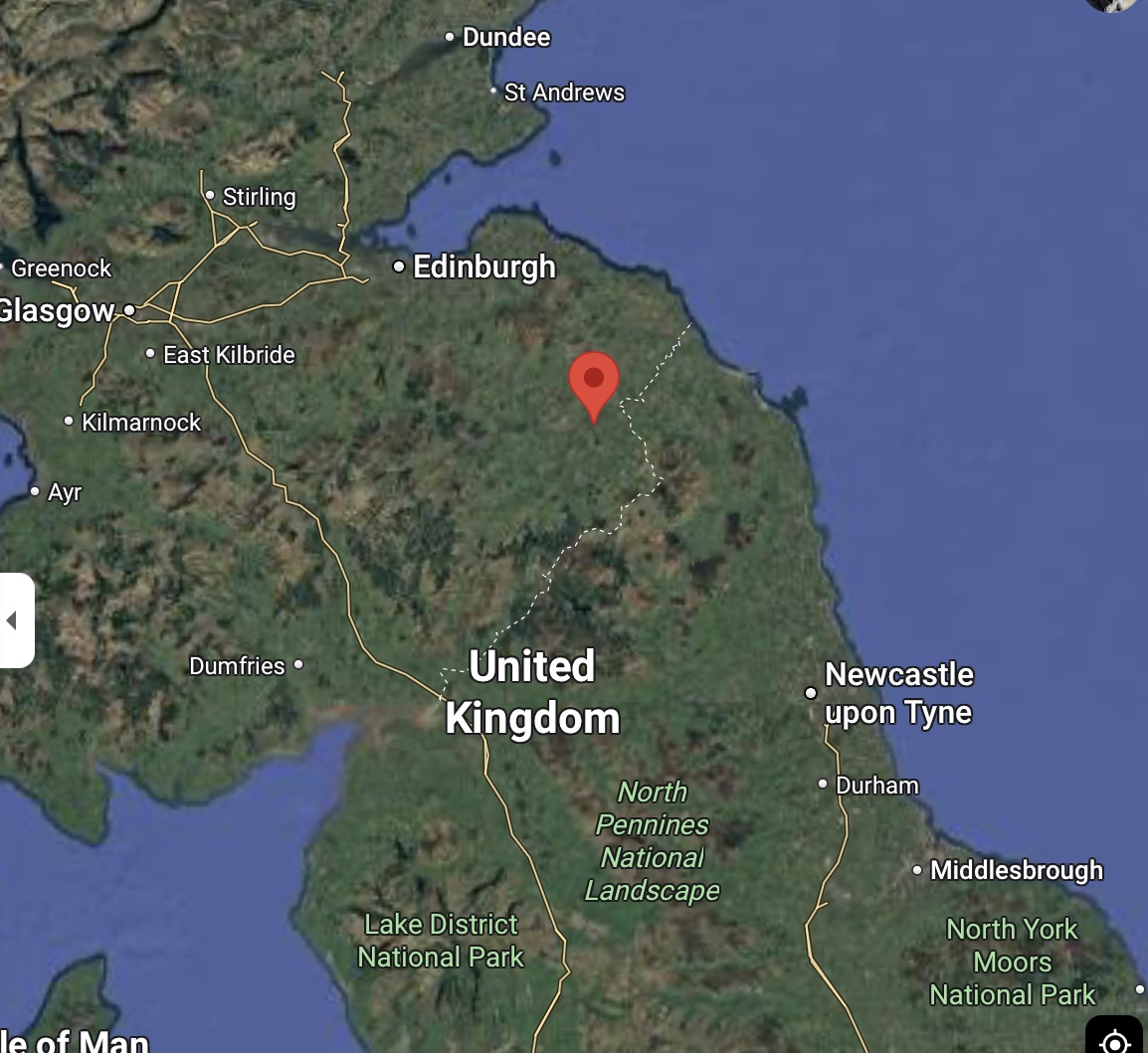
Anyway, in my mind, Kelso was in the Scottish Borders and Dumfries is near the border with England, so I was imagining that traveling to Kelso, then on to Airth (or Dunfermline) would be a similar journey to traveling to Dumfries, then on to Airth (or Dunfermline). The first leg of the journey (I thought) would be shorter than the second. What I had not taken into consideration was that Scotland’s border with England isn’t a nice, level line from West to East. It’s actually more at a 45 degree angle – much further north in the east than in the west. In addition, I think Eleanor said the farm was in Jedburgh, which is actually south of Kelso. I’ve made a map image to show where Kelso is (the red marker) in comparison with Dumfries and Airth, which is near Stirling.
The bright yellow road running up the west side of the country should also have been included in that calculation. It’s the M6/M74 which connects with all the motorways in the central belt of Scotland. It’s also nearly a straight line from Dumfries to Stirling. Driving up through the Borders takes way longer and is a massive detour.
Anyway, having got up and set off early, in order to get to Kelso by the allotted time of 11am, I found that, in the van, on these windy roads, the journey took even longer than expected. I couldn’t find the farm when I got there either. The postcode I’d been given took me to a small housing estate on the edge of a village. Sometimes when that happens, you discover there are chicken sheds hidden by some trees, but not this time. By the time I finally found the farm, it had taken me four hours to get there and I was also thirsty, as I hadn’t had time to stop for coffee along the way.
The visit itself went well. Some lovely, free range hens, very healthy and well looked after. It was only when I got back in the van and put Airth as my destination into the app, that I found I was only an hour and forty five minutes away. Worse still, I had to skirt round Edinburgh, which meant that Dunfermline was marginally closer.
So by now I was thinking that the boss would be wondering how I had taken quite so long on a call that was less than two hours from home. It was also around two in the afternoon. It’s a half hour drive from Dunfermline to Airth so (for me anyway) it made more sense to go to Airth and work from home for a couple of hours. I had enough to write up, after all. Technically, from the practice’s point of view, I had actually done the least amount of miles and the lowest number of hours worked. My conscience remains clear, but I am finding the expectations of private practice quite tough. At APHA, I had a lot of freedom. My boss trusted that I would plan my days effectively. He and I would have laughed together at my miscalculation. Nor would he have expected me to travel the three hours back to Airth (I was in Yorkshire for work) in my own time, knowing I would still have to put in a full day’s work on Monday.
From all of this navel gazing, you might have worked out that all is not entirely well in my new job. I chose to go back to Airth anyway, knowing it might not be popular, but unwilling to enter into a lengthy discussion over what had happened. Where there is no trust, I find it hard to function and (frankly) I’m too old for mind games.
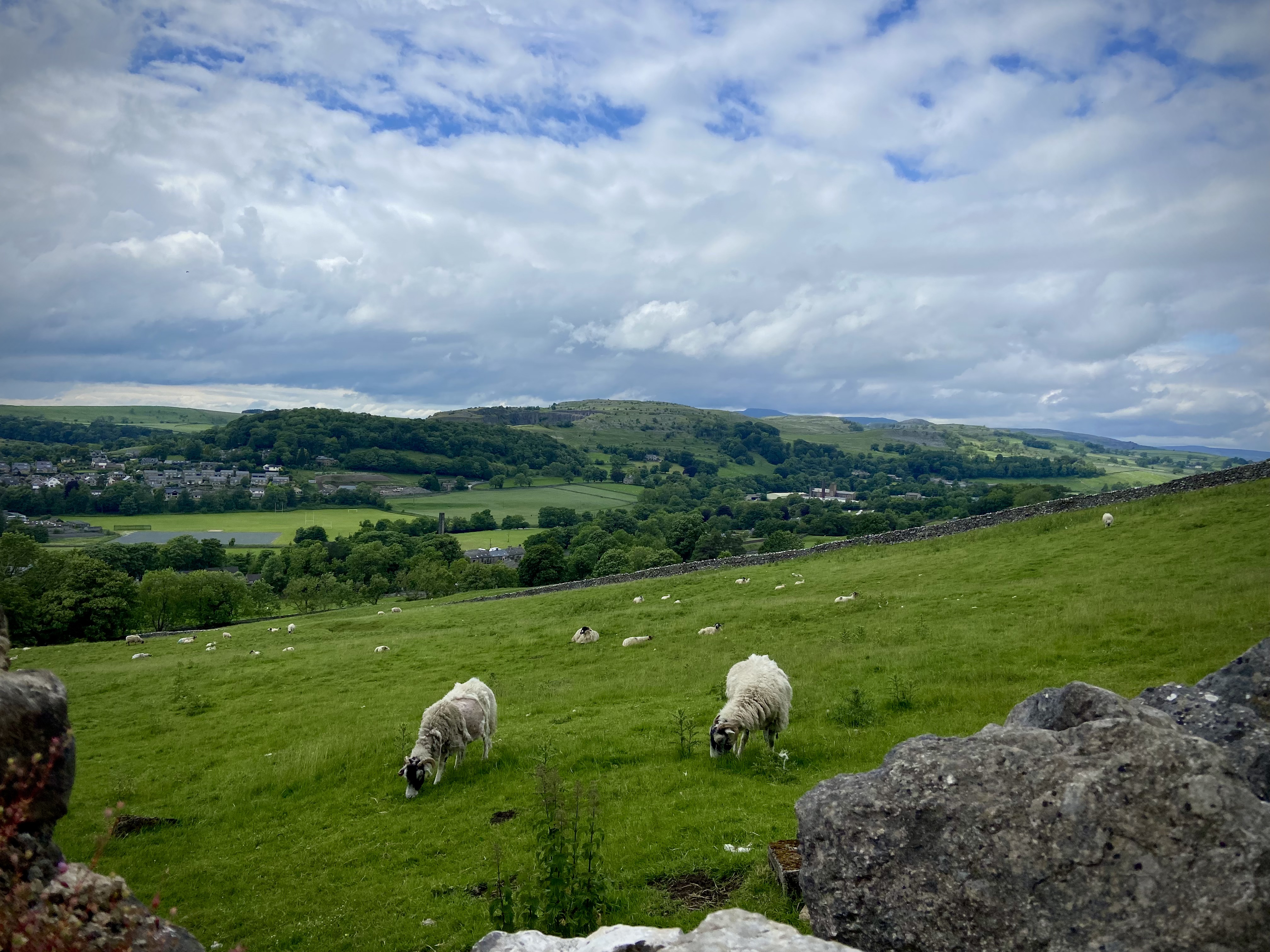
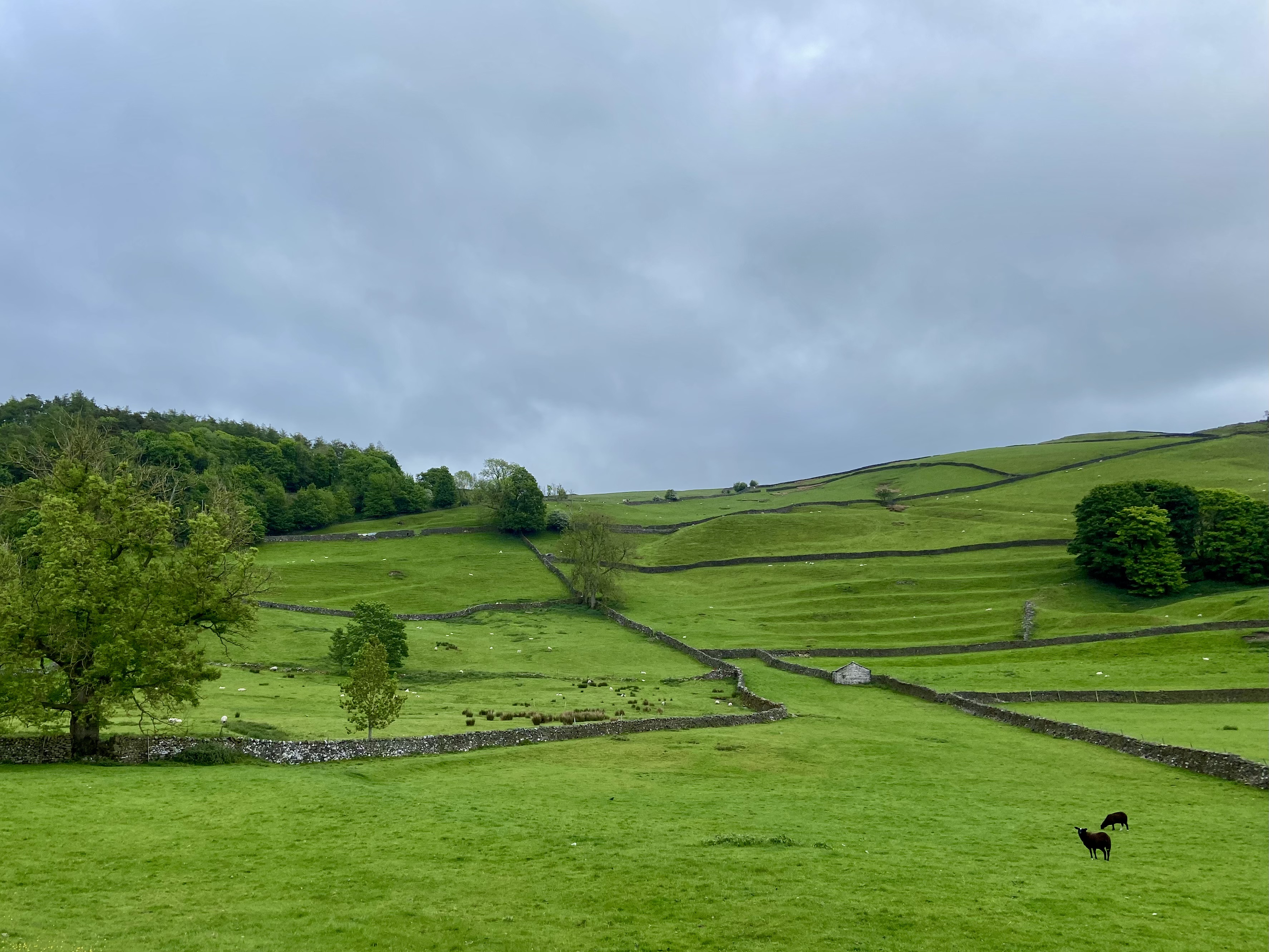
For what it’s worth, I had a lovely weekend in Yorkshire, staying with mum and dad. I had a lovely walk on Saturday, in between rain showers, so I will end on a positive note, with some photos. Thank you for reading. Hopefully next week’s post will be more cheery. Have a good week all.
I’m back in Dumfries for the weekend. I came down to get a prescription and to get my glasses fixed. I’ve returned home a couple of times now and it’s been a quiet reminder of how peaceful it is here. Sometimes I miss being married and I absolutely miss the Arctic days when all my adult offspring returned home (thanks Covid) but there is a lot of peace to be found in the solitary life I’ve carved out here and Blackbird Lane is an integral part of that.
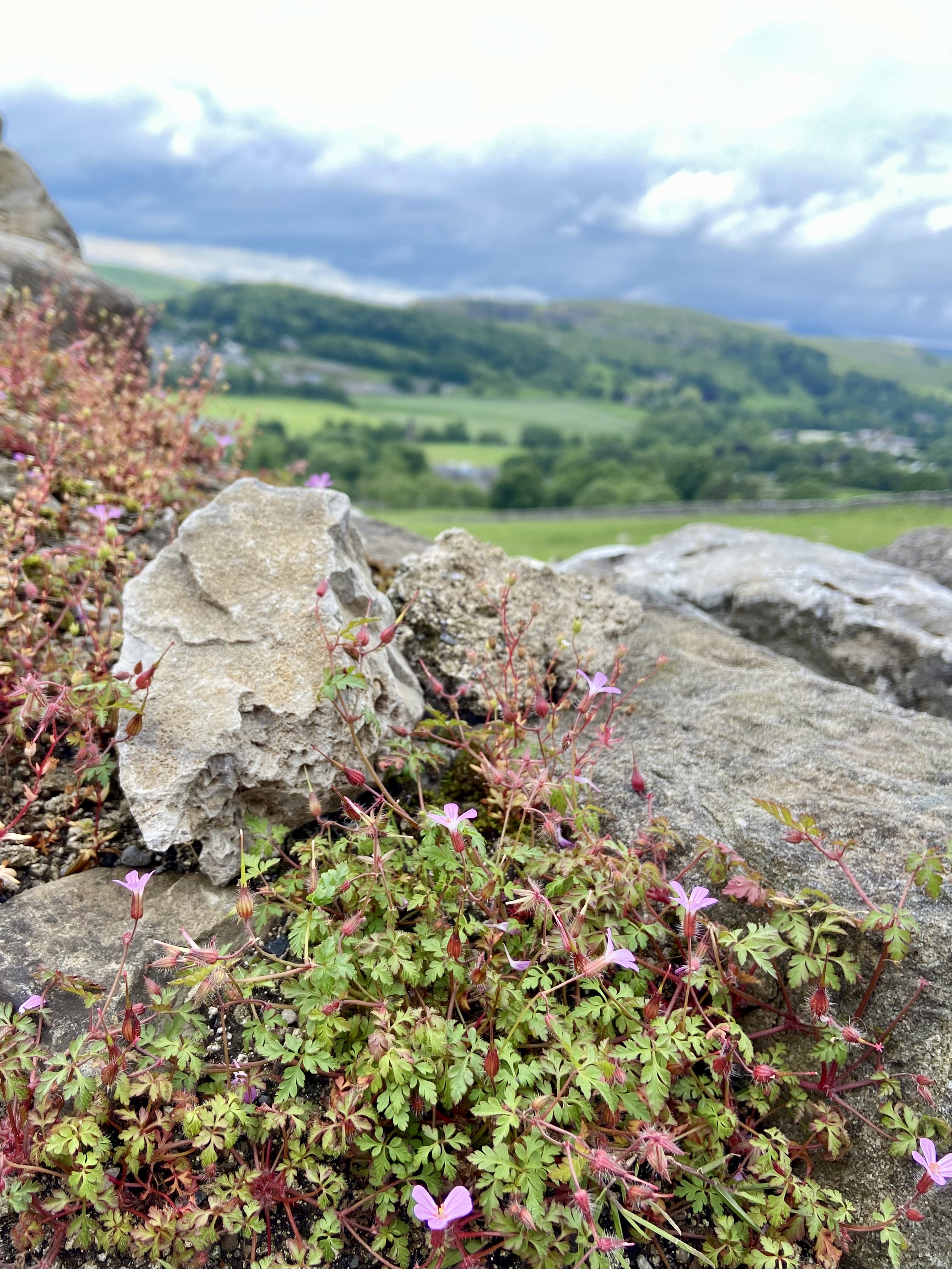
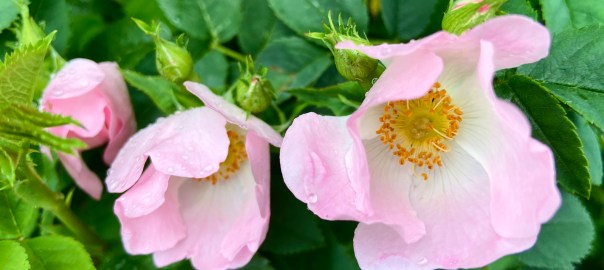
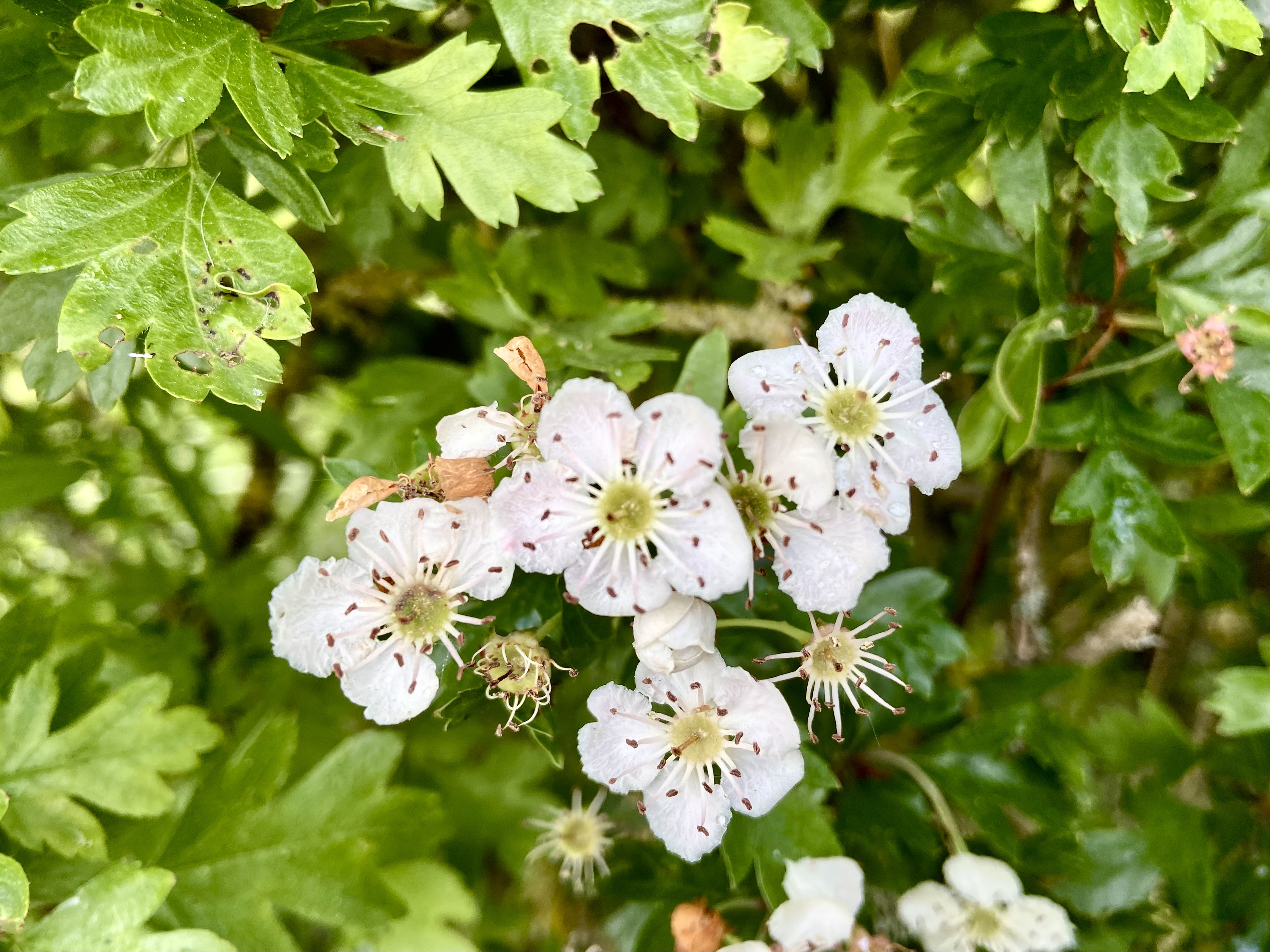
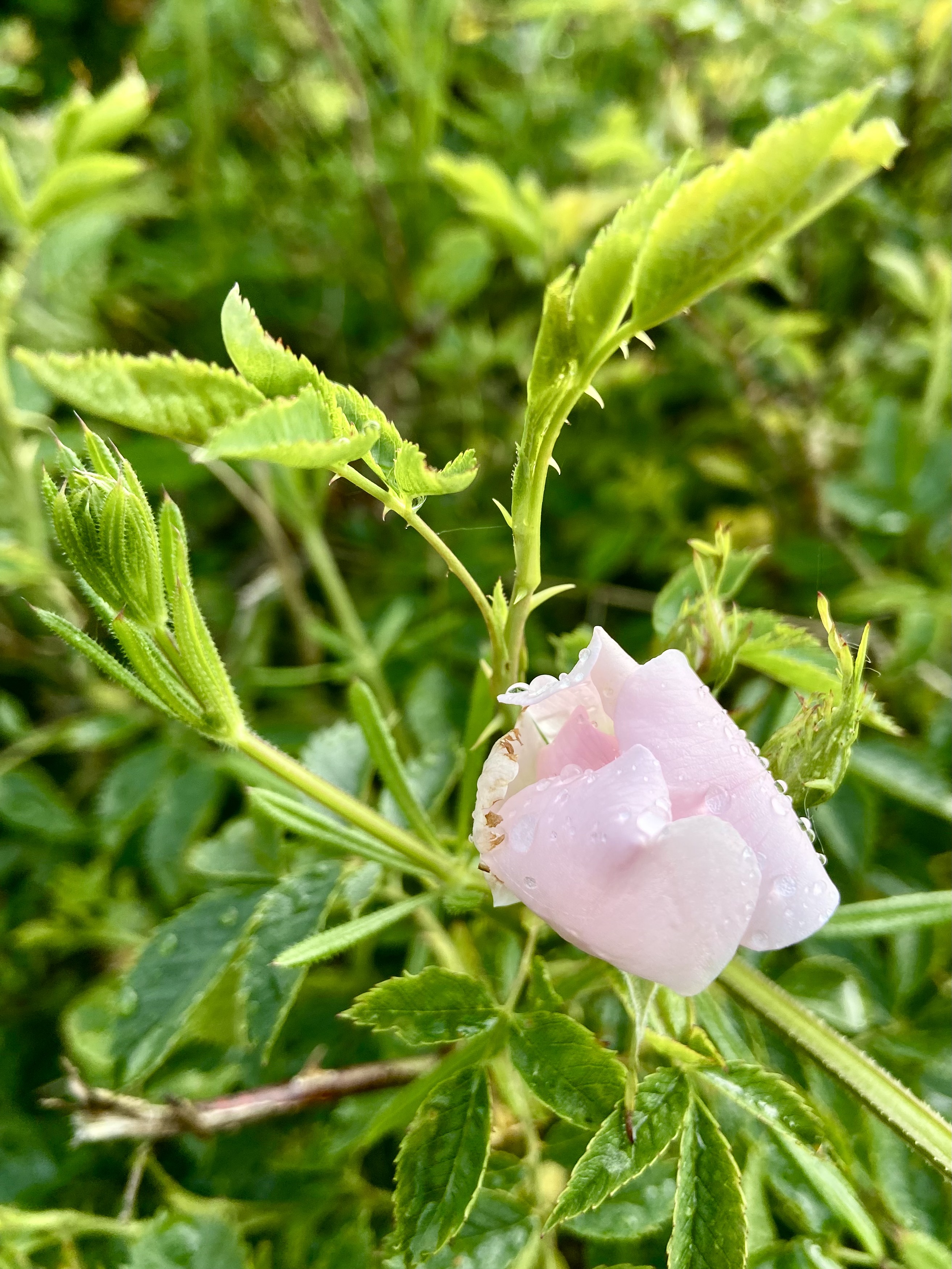
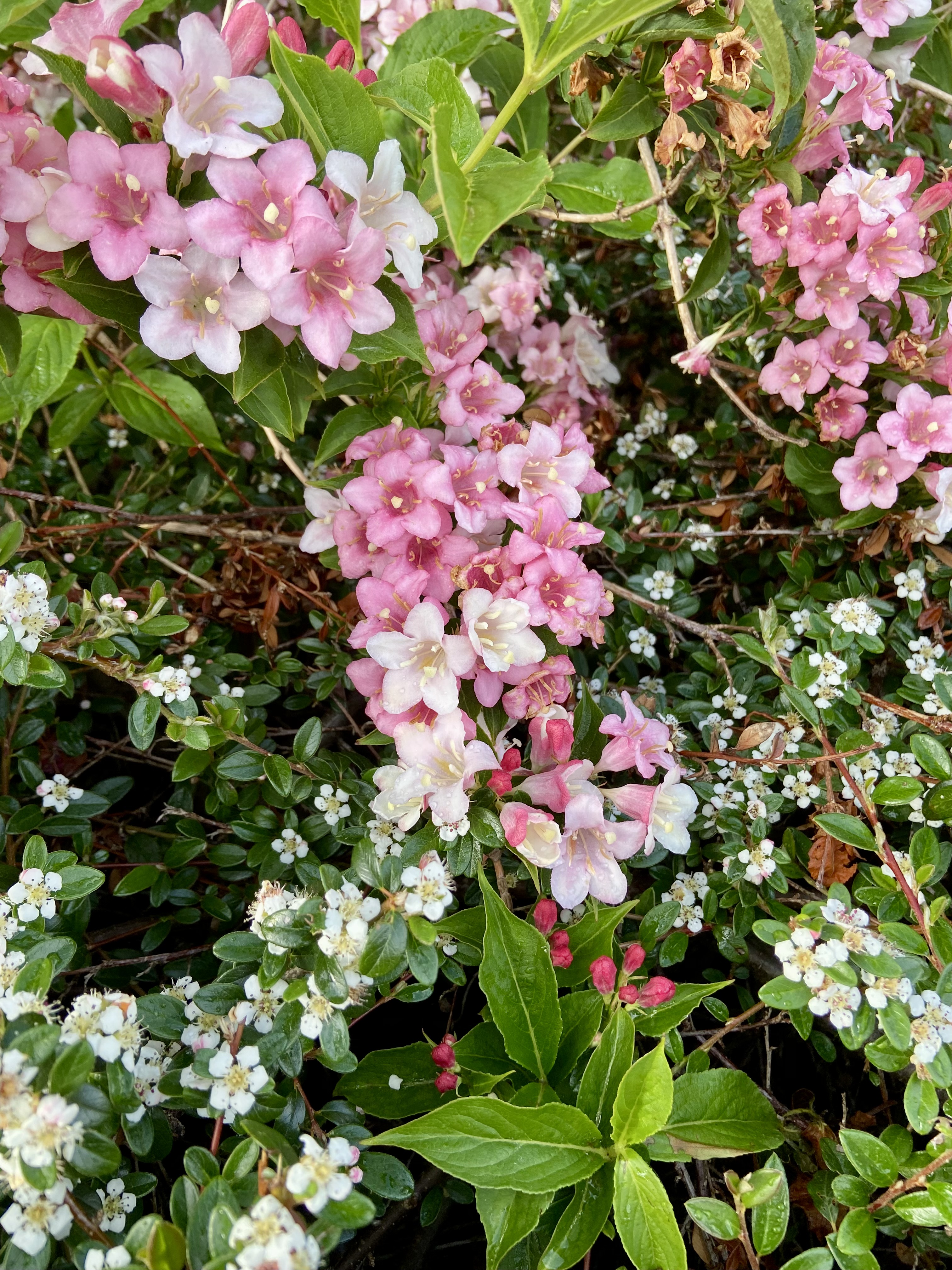
Triar and I walked down there yesterday afternoon. The warmth of the day had been cooled by a rain shower, which had left behind it the scent of damp earth. Early summer has filled it with vibrant green leaves and dancing insects. There were flowers too. Lots of them, hiding among the hawthorne and standing tall in gardens.
Triar came with me into the optician’s. I had lost a nose pad from my glasses a couple of weeks back. Working in Dunfermline, in an office in an industrial estate, with a half-hour commute at each end of a nine to five day, doesn’t make it easy to get the little things done that I would have done at lunch time in Dumfries. Anyway, Triar loves going into Frances Dunne’s. The entire staff come out a coo over how cute he is, with at least two of them petting him at any given time. He takes it as his due with a wildly wagging tail and the kind of writhing ecstasy that only a truly happy dog can bring.
It’s been a decent enough week at work. I was out with Ben at the start of the week and with Naomi at the end. She and I had a trip down to Carlisle to see some laying hens. She weighed some of them using some very natty scales and her extensive experience was obvious. She showed me where red mite hide and pointed out some maintenance issues that I might not have picked up on.
Red mites are evil little critters. They hide under the edges of the nest boxes and when the poor hens go in to lay at night, they sneak out and bite them. With a really bad infestation, not only do you get problems with itching and feather plucking, but the birds can actually become anaemic. The little horrors breed quickly in warm weather as well, so the last few days will have sent them into overdrive.
It’s one thing spraying your hen house if you have a few chickens in the garden. You can put the birds outside the house, wash down their shed and apply treatment. It’s quite another trying to eradicate them from a large shed, where the birds are mid-season in lay. There’s no way you can move them all out to clean down their shed. There are treatments that go in the drinking water, but they need to be used responsibly. As we’ve seen with antibiotics, the overuse of any drugs can render them less effective over time.
This does also raise some questions about free range. A lot of my job now is about biosecurity. The high value flocks I used to visit with APHA used almost no medicines in their birds. As part of my check, I would look at their medicines book. Many of them had no entries for years and that was broadly because the outside world was strictly kept out. Staff showered as they entered and left, and when inside, you wore only clothing and footwear supplied to you by the company. The clothing didn’t leave the building either, but was washed on site.
But if you open the doors and let the hens outside, you can’t protect them from anything. Wild birds fly in, bringing everything from red mite to avian influenza. While I have loved visiting some of our farms and seeing hens scratching around on grass, under trees, there is a balance to be struck. Sickness also causes welfare issues.
So life in the poultry world is the same as all other areas of life. A balance must be struck between aspects of freedom and safety. It crossed my mind as I wrote this, that one of the things I have already learned about my new industry is how many vaccinations are used in laying hens. Most are given early in life, so that the hens remain healthy throughout their laying time. In fact, I did think about calling this post, “Anti-vaxxers shouldn’t eat eggs,” but perhaps that isn’t the audience I want to attract!
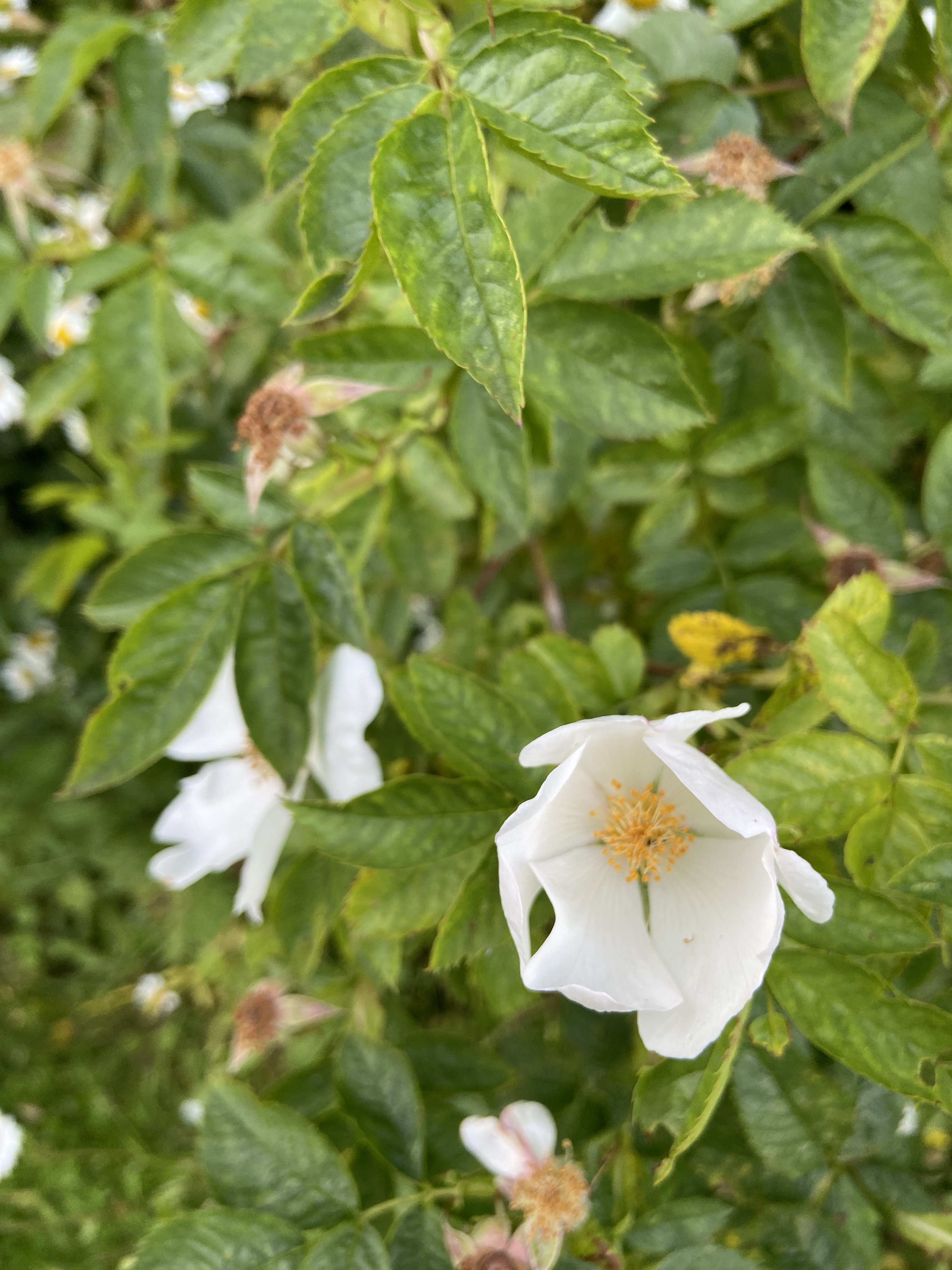
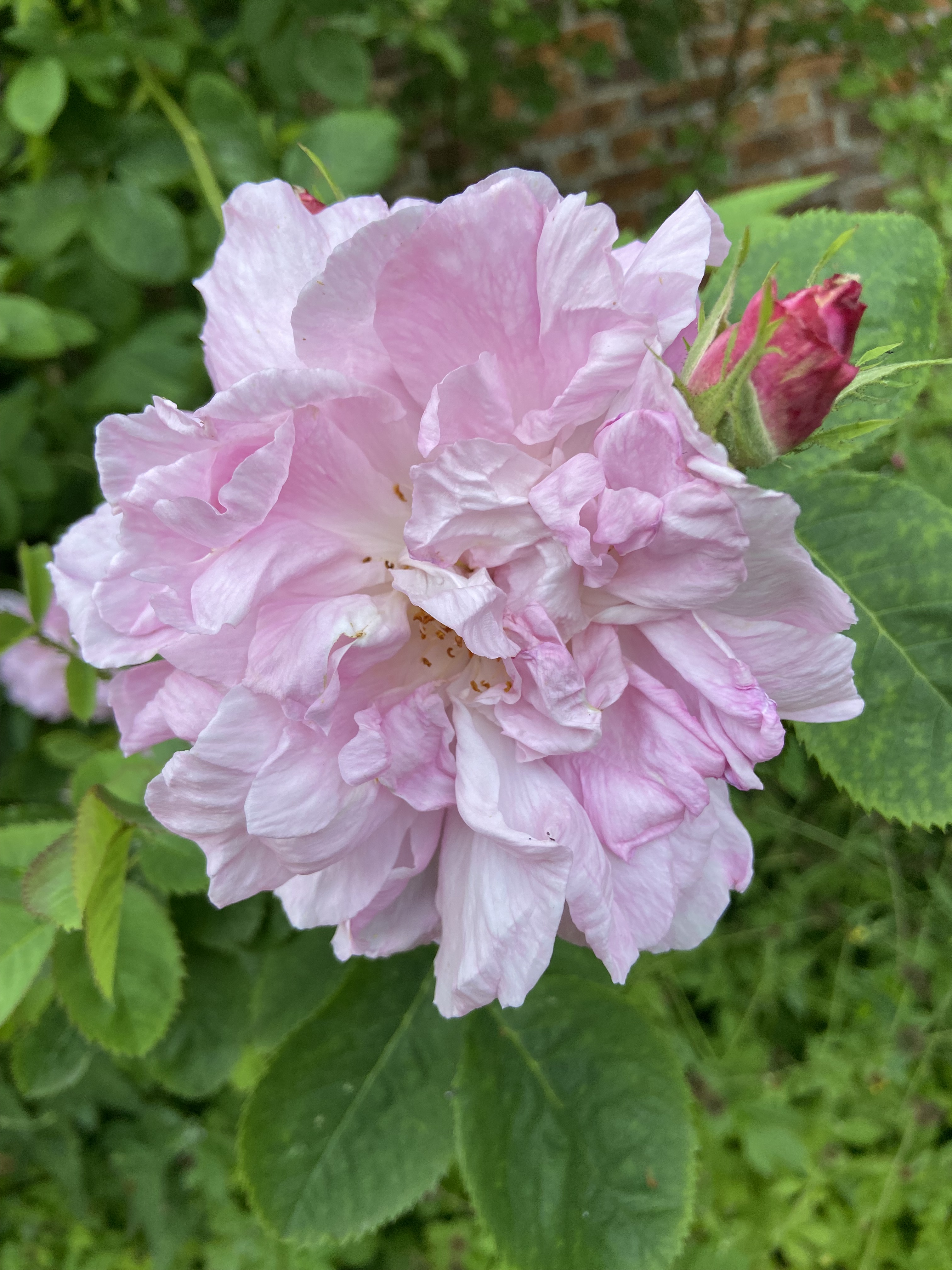
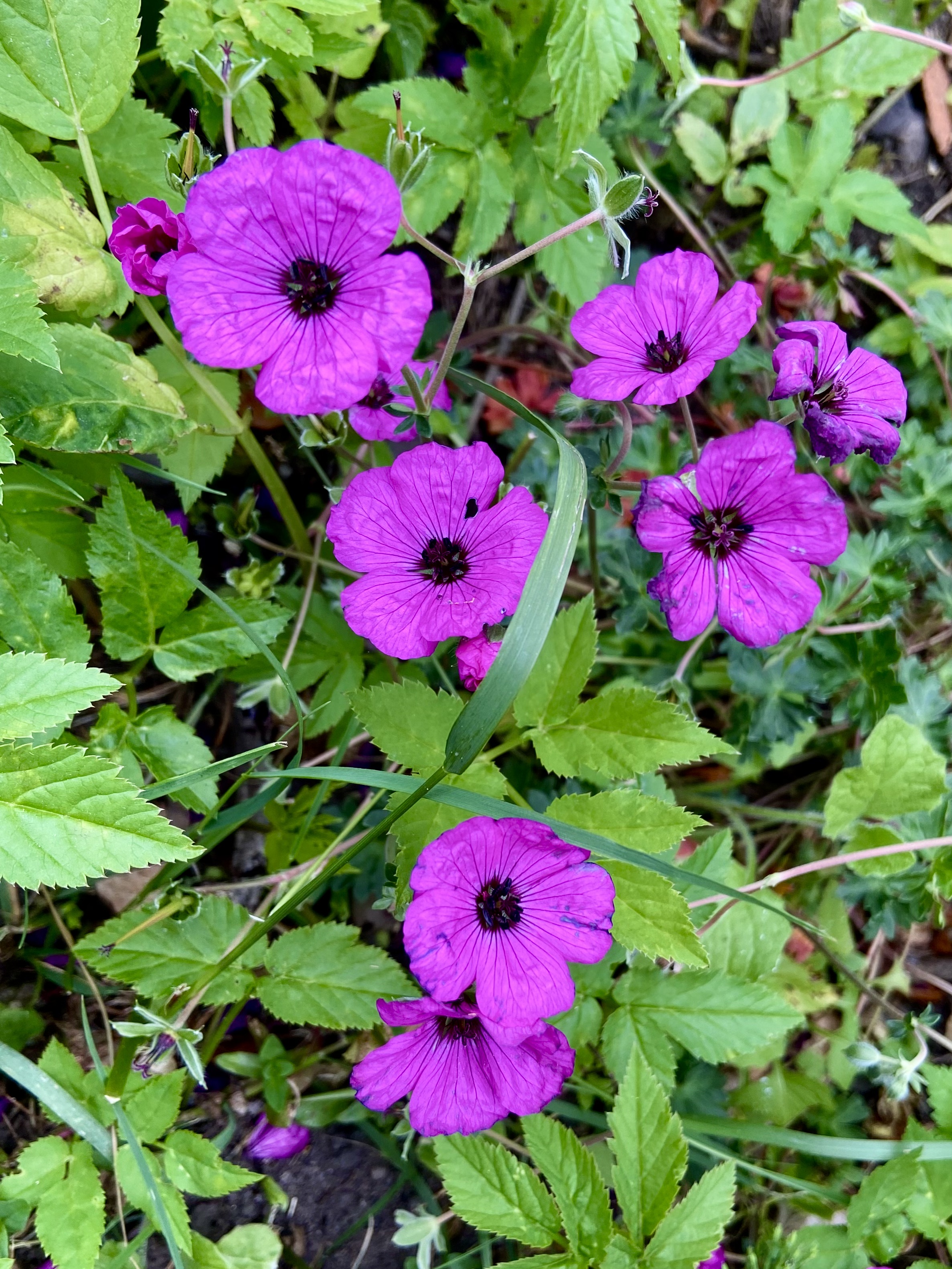
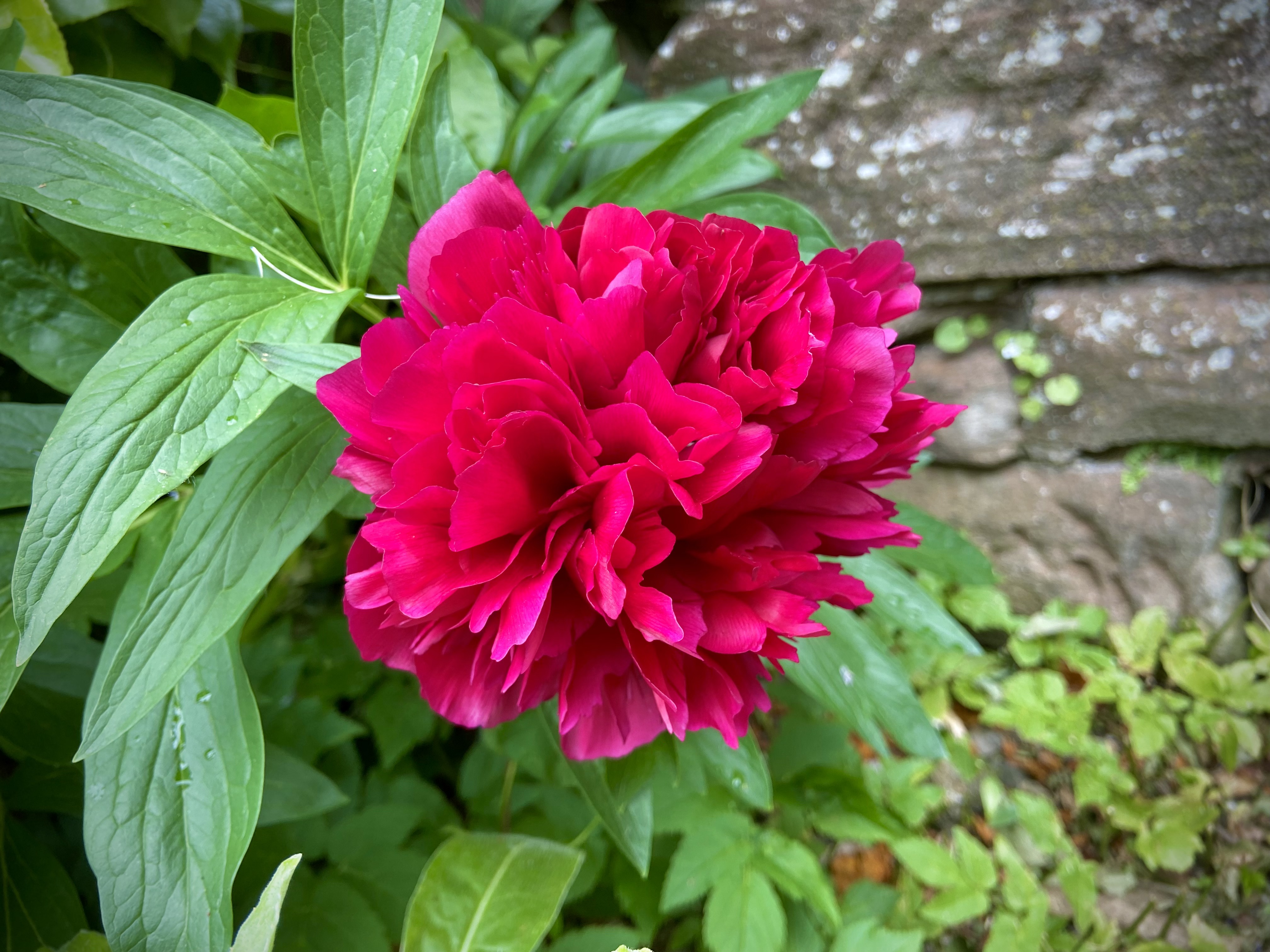
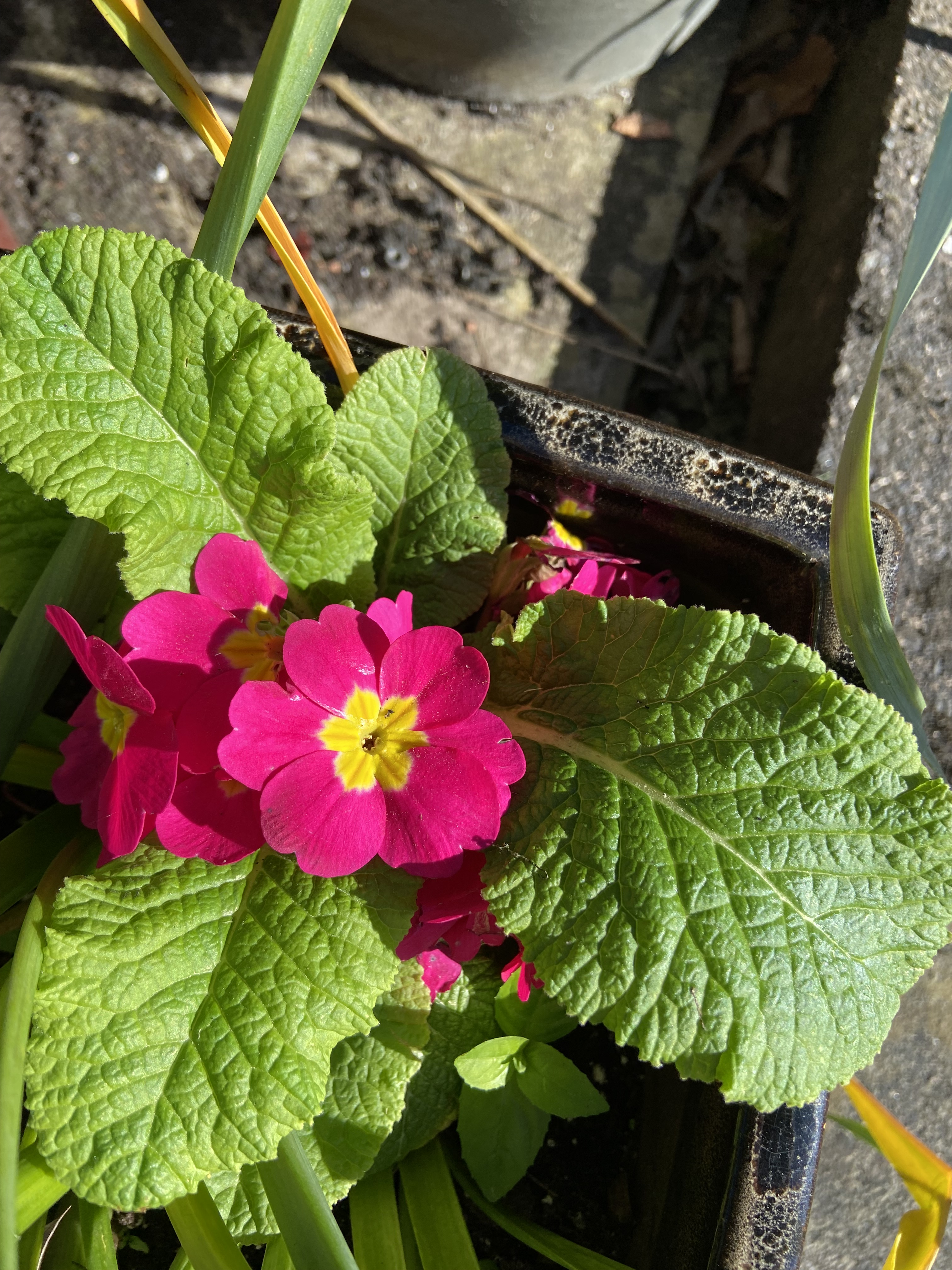
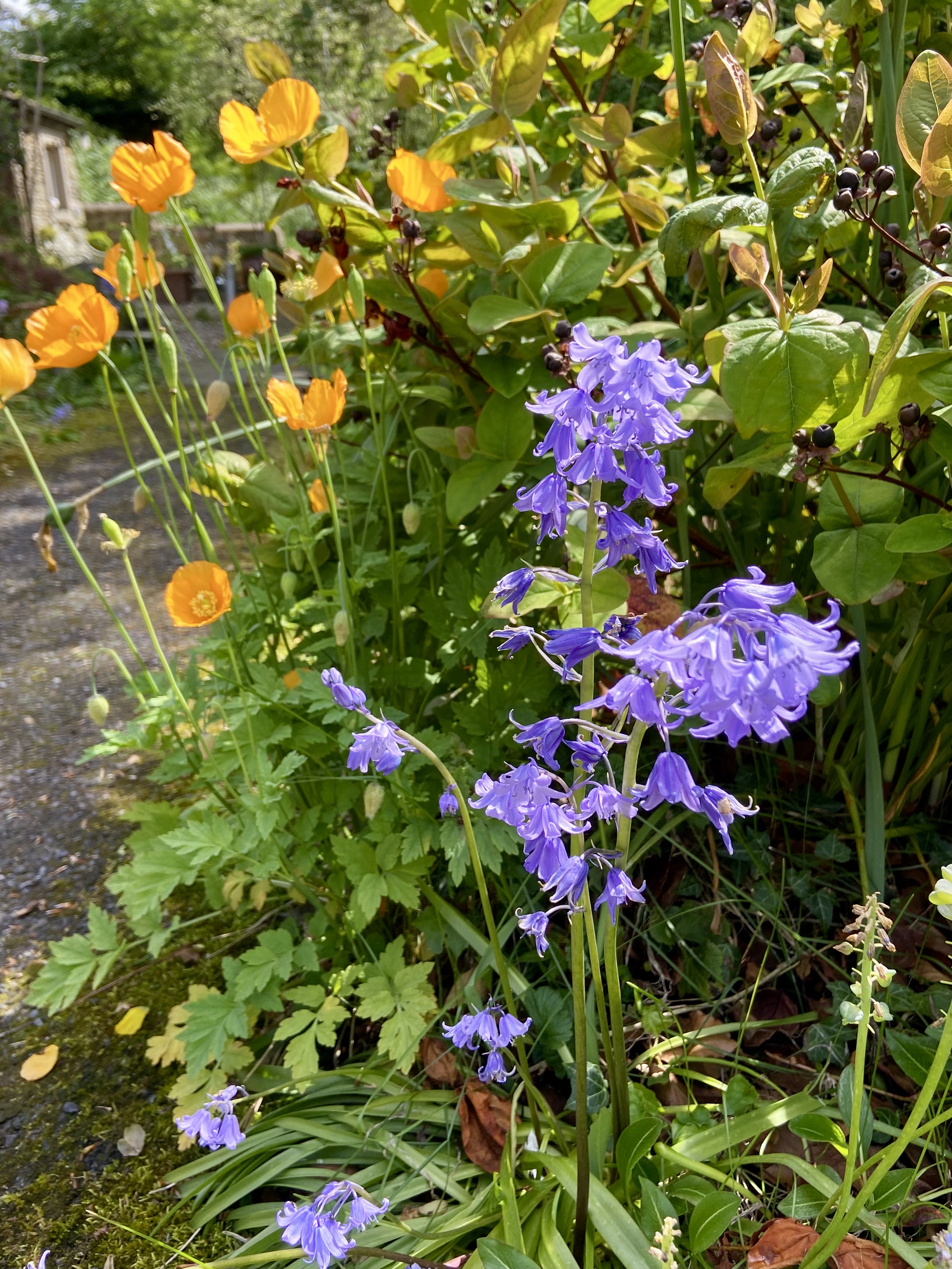
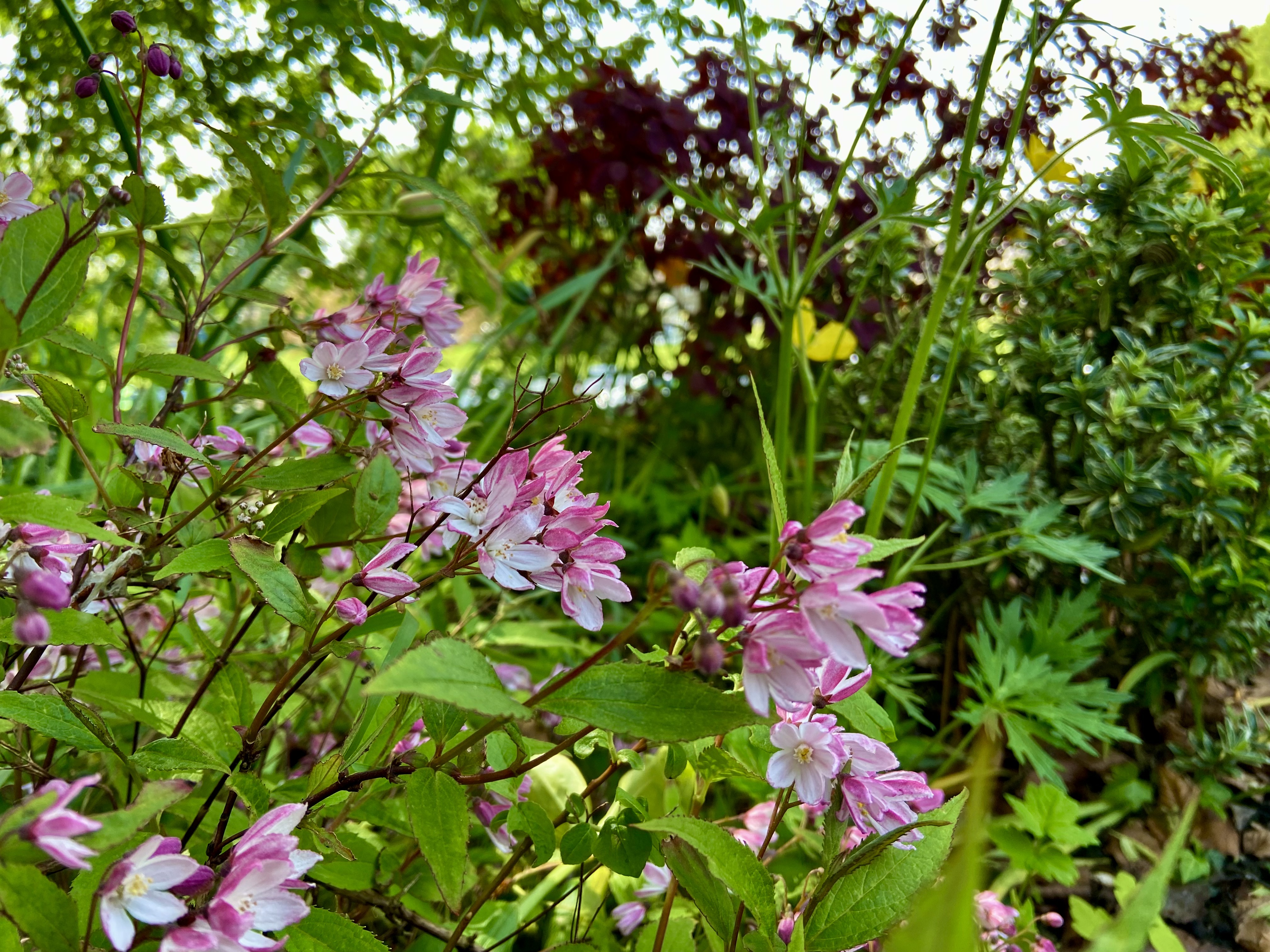
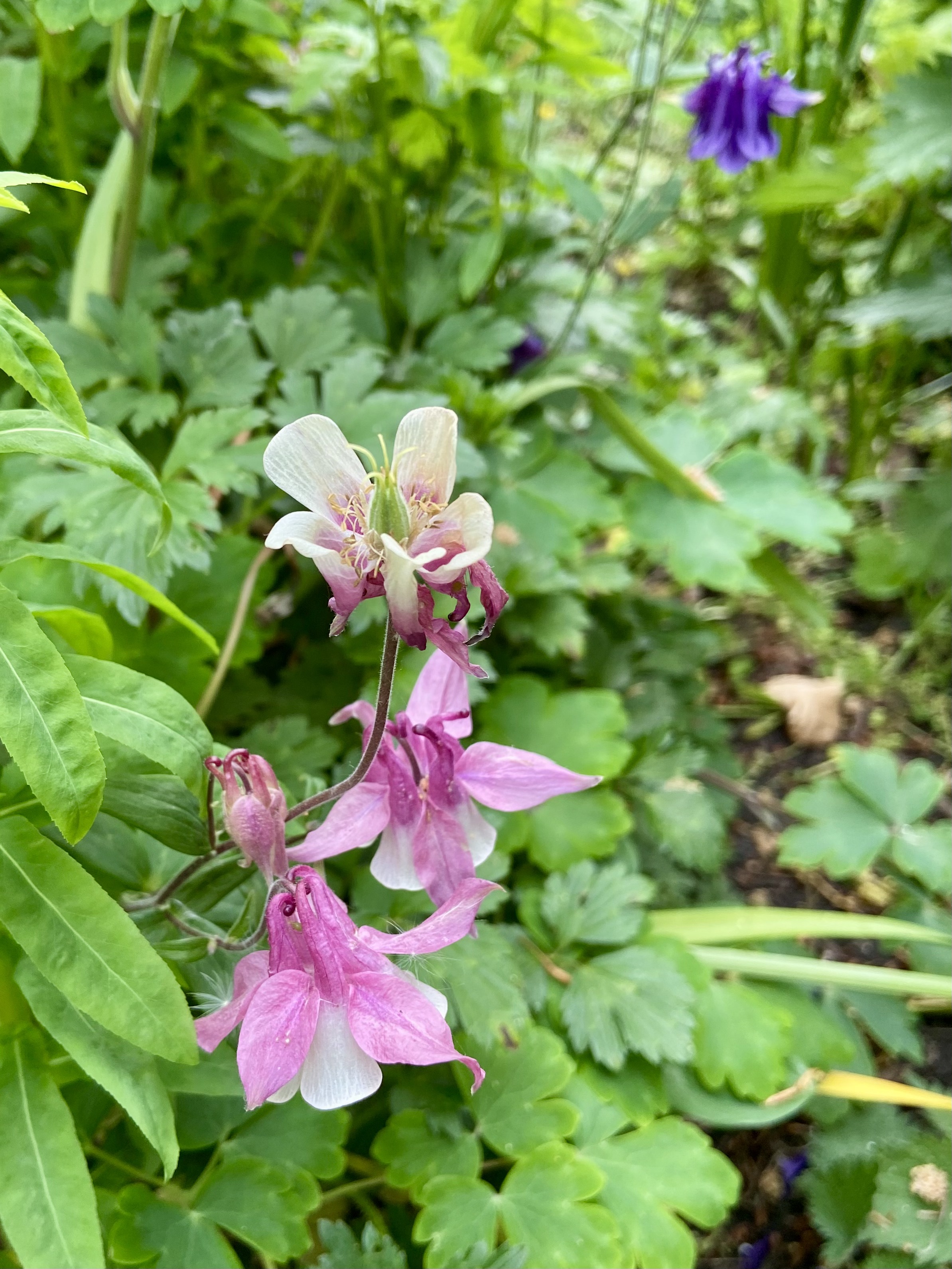
I will leave you with more flowers. These are in my garden. Thanks for reading and I hope you have a lovely week.
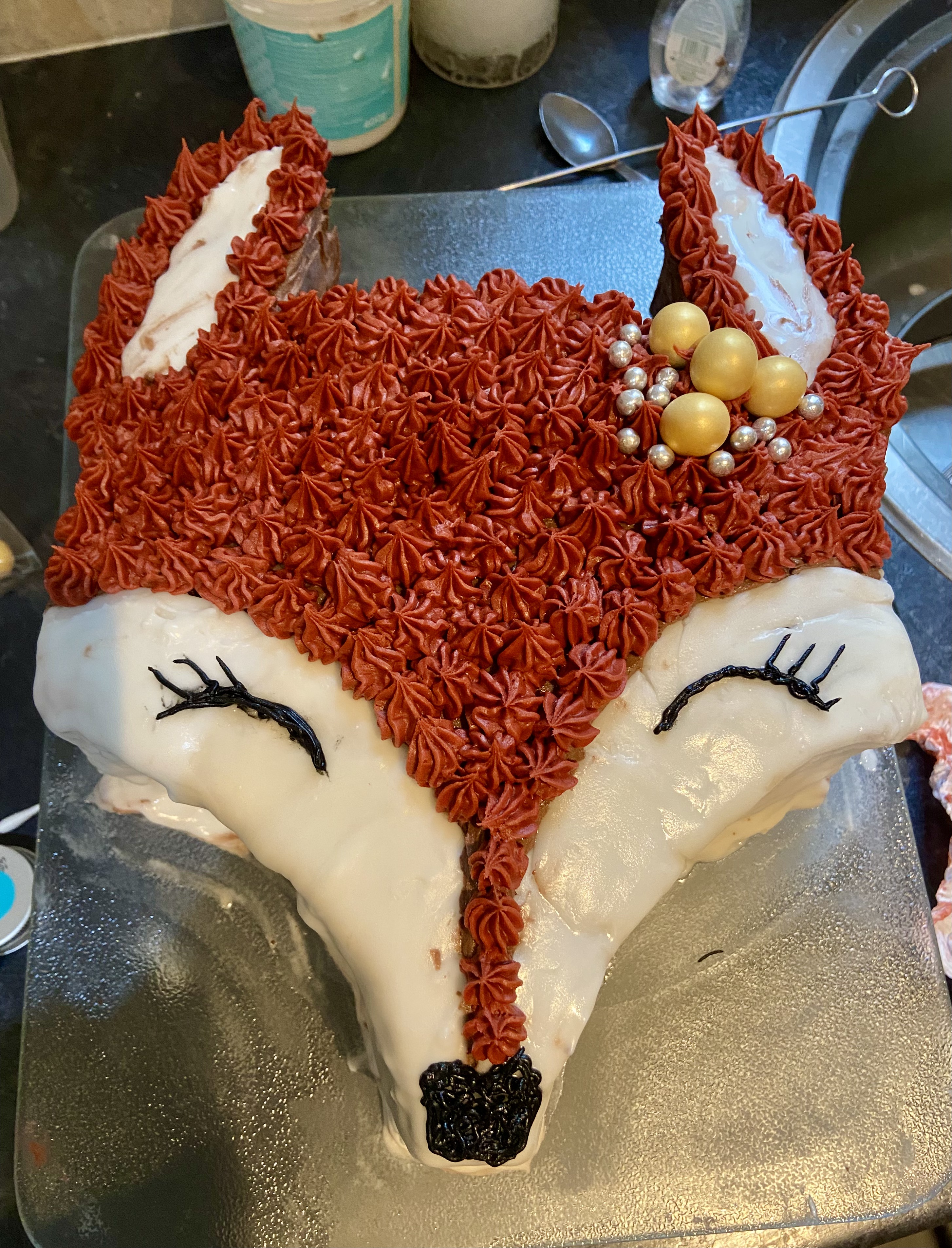
I went to my first ever Eurovision party last weekend. Coincidentally, it was Lissie’s birthday. Lissie had children at the same time as Valerie and me and she’s also Christadelphian. I remember her children as toddlers, so it was lovely to meet them now they’re young adults. Val and I (well mostly Val) made a birthday cake. I definitely need to get some icing/piping equipment so I can do this again!
Eurovision was as mad as it usually is. We had Prosecco and strawberries along with pizza and other munchies, but the highlight was Valerie doing the Bangaranga dance around the living room with Lissie’s son, Jonathan.
I came to Yorkshire on Tuesday night. Mum and I had dentist appointments on Wednesday, so I now have lovely, clean teeth and no fillings, which is always a relief. Ben was on holiday, so he had passed an APHA pre movement blood test and flock inspection on to me for Friday. That was in Penrith, so rather than going back to Dunfermline on Thursday (a crazy amount of driving) I asked whether I could have some visits in Cumbria for Thursday. He gave me two more visits to do, so I had a pleasant couple of days, meeting new clients and looking at their chickens and hens.
My knowledge is still patchy, but what I do have is a new set of eyes and an interest in problem solving, so I hope that I will be able to bring something new to the farmers in my region. I also just like talking to people, and farmers are some of the best. Ben had told me one of the farm managers talked to her hens. My immediate reaction was that she and I would get on well and meeting her didn’t change that opinion. I have promised to take her some chicken pens next time I go, so I’d better put some aside before they all disappear.
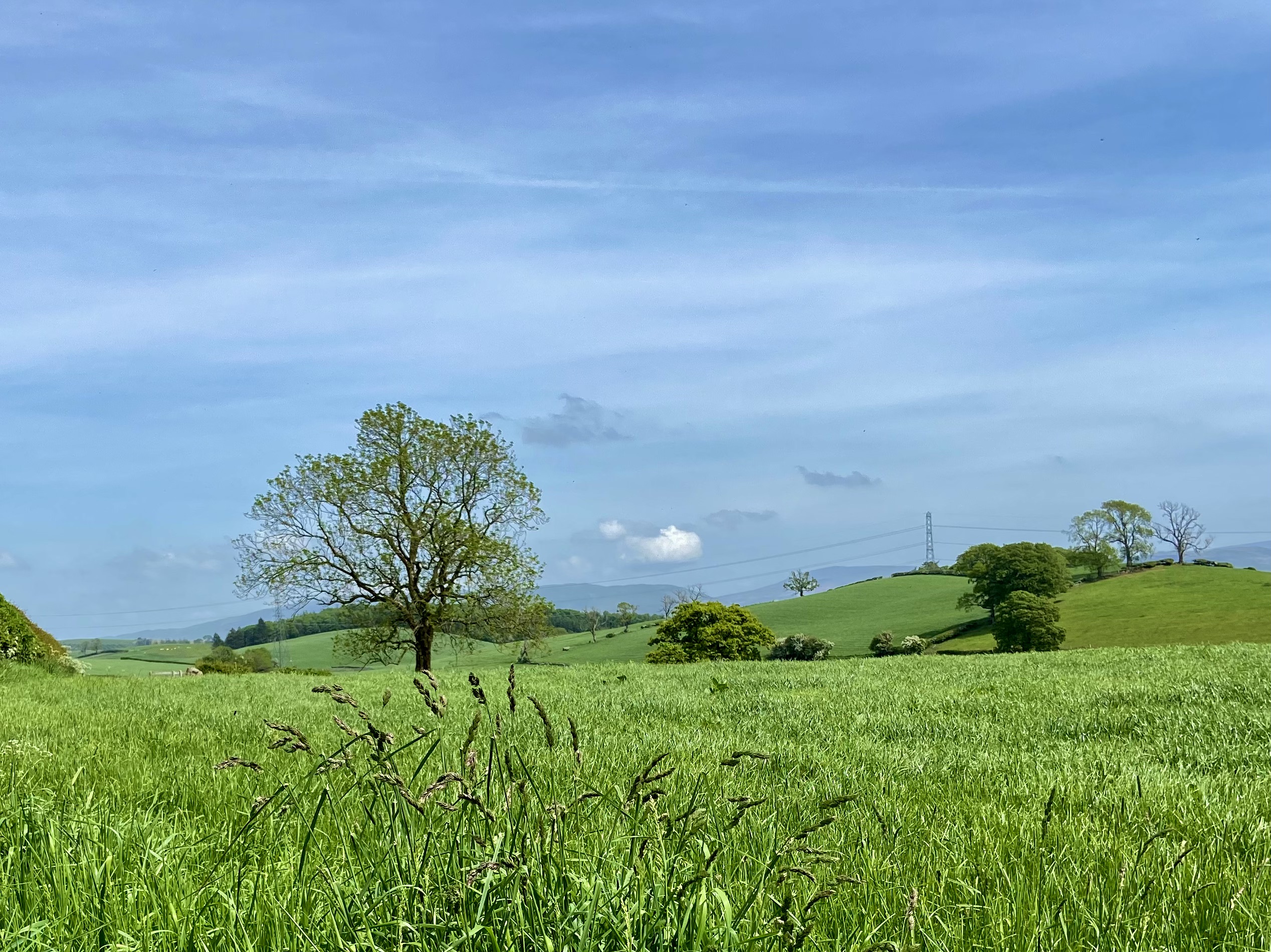
Yesterday was a beautiful warm day. It really felt like summer for the first time this year. Driving through the Dales was just an added benefit.
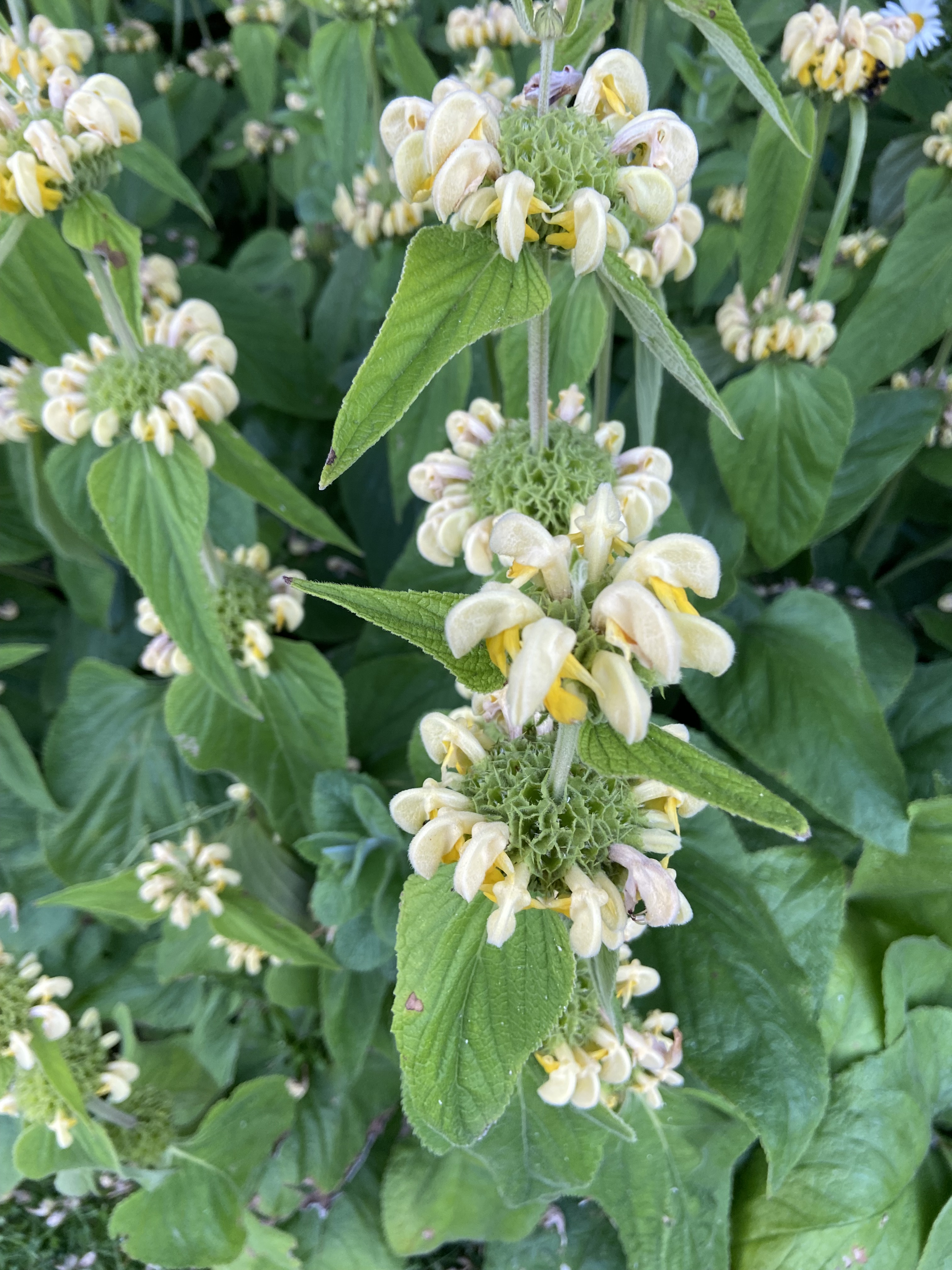
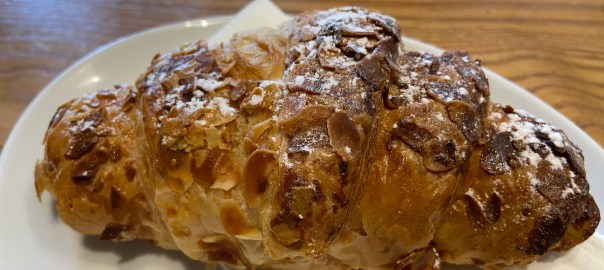
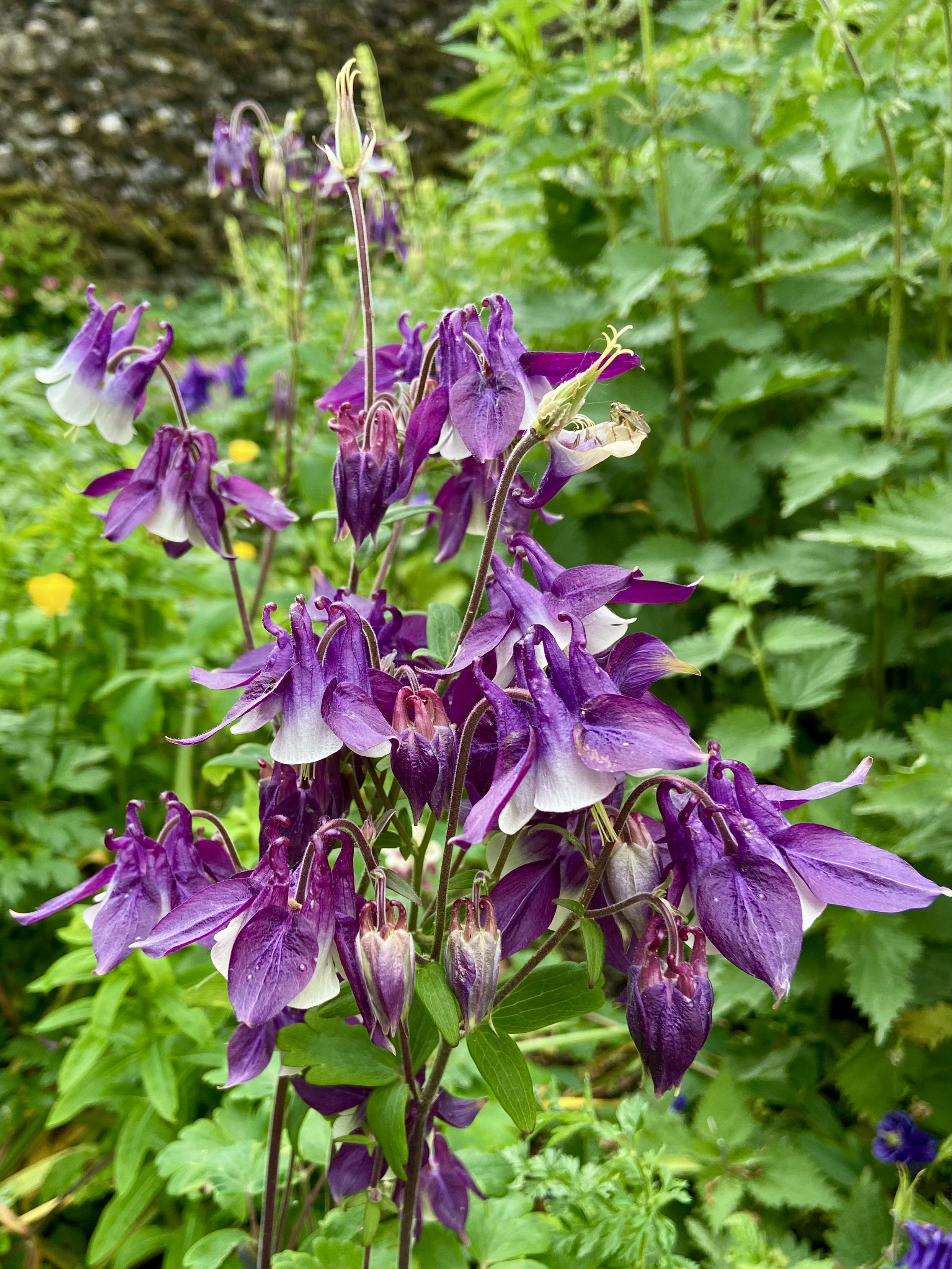
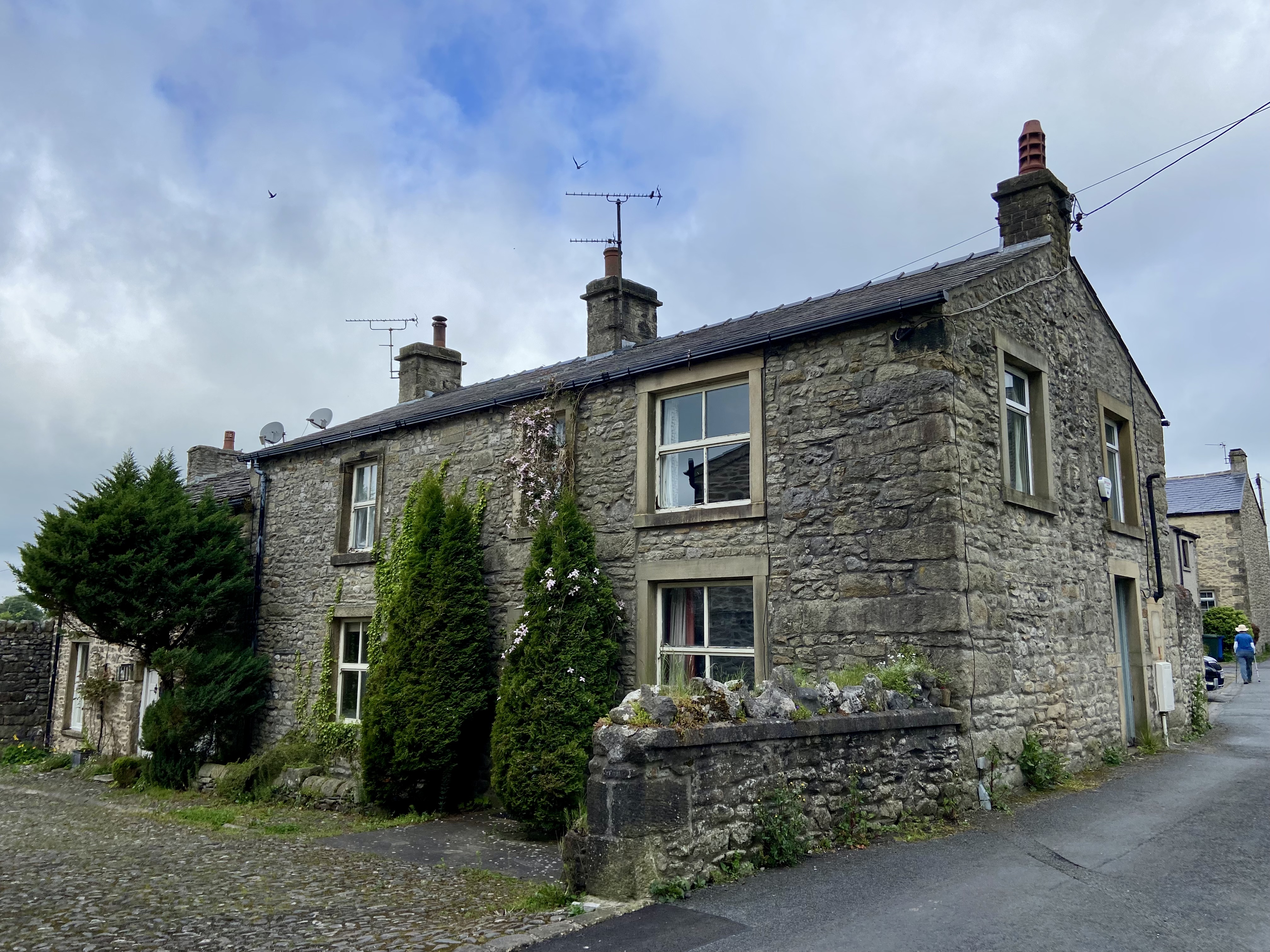
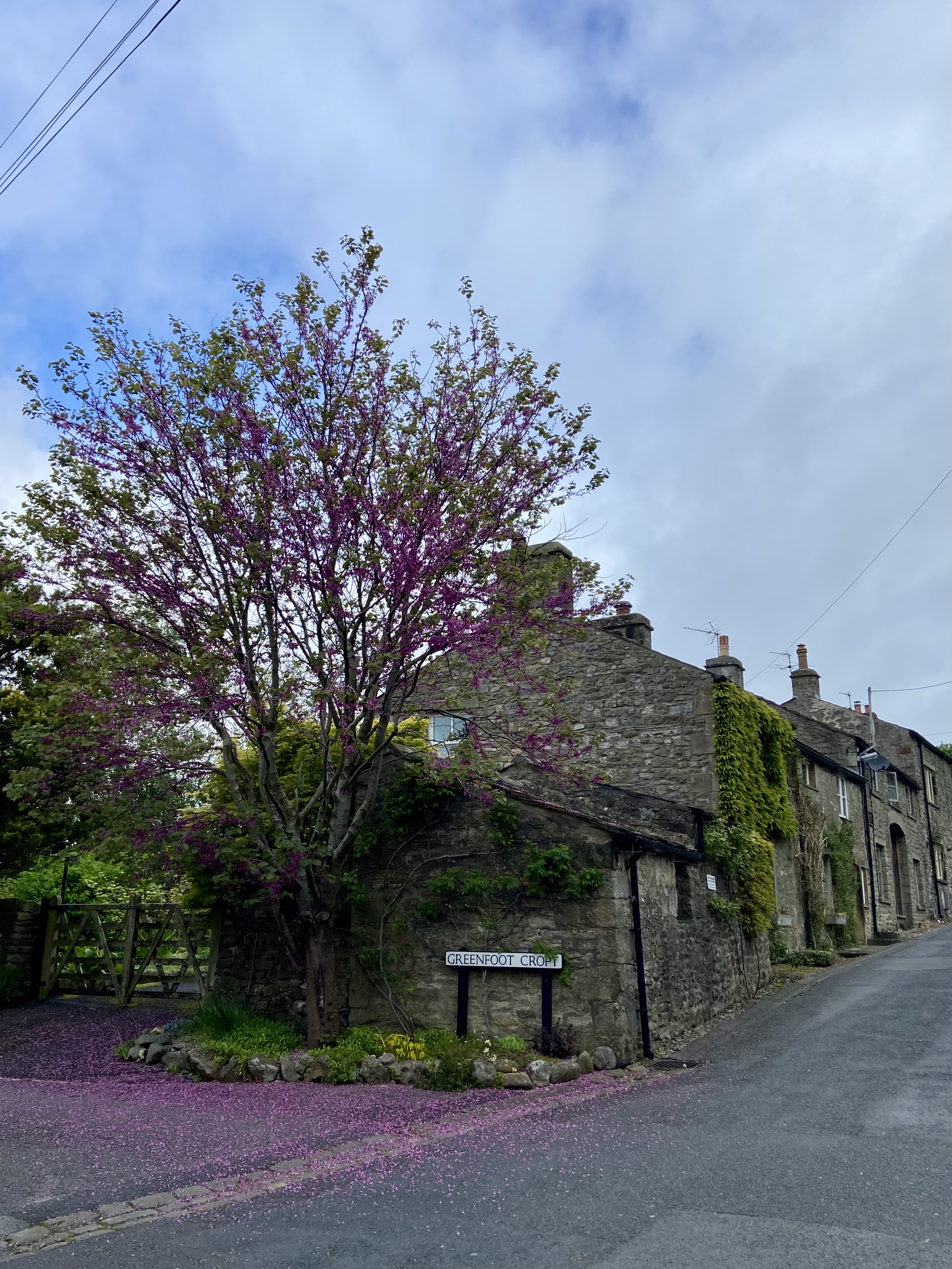
Today, I walked Triar around Settle. As always, at this time of year, it is filled with flowers. Mum, Dad, Triar and I then walked to The Folly for coffee and cake. I had an almond croissant. Very nice, though the coffee was so hot, I didn’t even try to drink it until I’d finished the croissant. I know some people prefer their coffee piping hot, but I prefer mine to be drinkable as soon as I get it.
Anyway, I shall leave you with some photos from my morning dog walk. Hope you have a good week and thanks for reading.