
This week, my fellow senior veterinary inspector, C, took me out on some chicken visits. I guess I may have a poultry vet or two among my readers, but in general, beyond occasional pictures of huge chicken sheds on the news, and the understanding that all chickens came from an egg, most people have probably never thought about where all those chickens come from.
Back in Norway, I worked for a while in a chicken slaughterhouse and I did visit a few broiler units in Norway (a broiler is a chicken specifically raised for meat). During those visits I had to put on protective clothing over my own. This consisted of a full disposable overall with a hood, Wellington boots that were kept inside the shed and a face mask. Biosecurity is very important in any large flock of birds as infections like chicken flu or salmonella can move quickly through a flock with devastating effects.
What I didn’t know then was that the broilers I saw were the end result of an extensive, highly controlled breeding program that took three to four years from start to finish. Obviously I was aware that all the tiny chicks that come onto a broiler unit were bred somewhere, but I hadn’t realized how complicated the process was.
Logically, those broilers must have parents that are used for breeding and egg production, not meat and those flocks are parent flocks. Go back another layer and there are grandparent flocks, then another to the great grandparent flocks. Beyond that there is one final layer – the pedigree or pure line stock, and these are the birds from which all the chicken on your table are originally bred.
Those pedigree stock represent many years of careful genetic selection, which was initially aimed at increasing production levels, but animal welfare is being taken more into account now. When you’re rearing so many birds for food, there’s an extent to which each individual animal doesn’t have much significance, unlike in a small dairy, for example, where the farmer probably knows each individual animal very well. That means that welfare considerations are generally taken at a flock level and breeding birds that stay healthy has to be an important part of that.
As you can probably imagine though, a shed full of those pedigree chickens would be extremely valuable in monetary terms, and even down the chain at the grandparent flock level, each individual chicken is worth a lot more than the birds I saw in those broiler units. The birds C took me out to see were part of a grandparent flock and the inspection was a routine inspection, not linked to any welfare concerns.
I thought the biosecurity with the broilers was good, but before visiting the grandparent unit, we had to answer a whole series of questions about how recently we’d been in contact with other birds and animals and whether we had any symptoms of illness. Any wrong answers and we would have been refused entry. After that, we had to go into a unit where we left all our own clothes at one side, showered thoroughly, then put on clothes that are only used inside the restricted areas of the unit. Even after that, as we entered each individual shed, we had to change boots again. Each shed has its own boots and we had to disinfectant our boots and hands at every stage as we moved in between the houses.
I found the whole process both interesting and exhausting. Taking long Wellington boots on and off and balancing as you step over a barrier to get into them is physically quite demanding, though I imagine it gets easier with practice. Anyway, the birds are valuable enough that I will have to do several visits with another vet before I am allowed out on my own.
I’ve been out on a lot of visits this week, most of them with C. I also had a day long course on statement writing, aimed at ensuring we were capable of writing reports that were high enough quality that if we were asked about them in a courtroom, we wouldn’t find ourselves having to answer complicated questions about how we had arrived at our conclusions that the animals were suffering. This is something I learned quite a lot about in Norway, so it was interesting to see how it all compared. It’s very important, for example, that you give concrete examples. It’s not enough to say that the farmer had allowed the animals to become thirsty. Rather you would include observations about whether there was any water available l whether it was clean, whether there were enough troughs or nipples feeders for all the animals to drink and state that when you did give the animals water, that they stood drinking for x amount of time. If you merely said they were thirsty, three years later, in court, when challenged how you knew, you could easily find yourself floundering to recall the specific details of how you drew that conclusion.
If anything, I’ve been a bit too busy this week. There is still a lot of basic information I need to learn and there are courses I need to take to learn some of the basics. Time management and making sure I understand the underlying principles and context is something I need to be aware of as there is an awful lot of work to get through, but I get frustrated when I try to do tasks and simply don’t have the knowledge I need to tackle them.
Still it’s all interesting and I know from experience that I will learn it all eventually. And there are some beautiful days and some wonderful scenery. C took me out on a visit and she took me into Drumlanrig Castle on the way there. She tells me there’s a good coffee shop there, but we didn’t have time when we passed through. We did have time to stop and take photos though! These grounds and trees are so British. For me it is wonderfully familiar. It was beautiful in Norway, but it was always wild in a way the great estates in the UK are not.
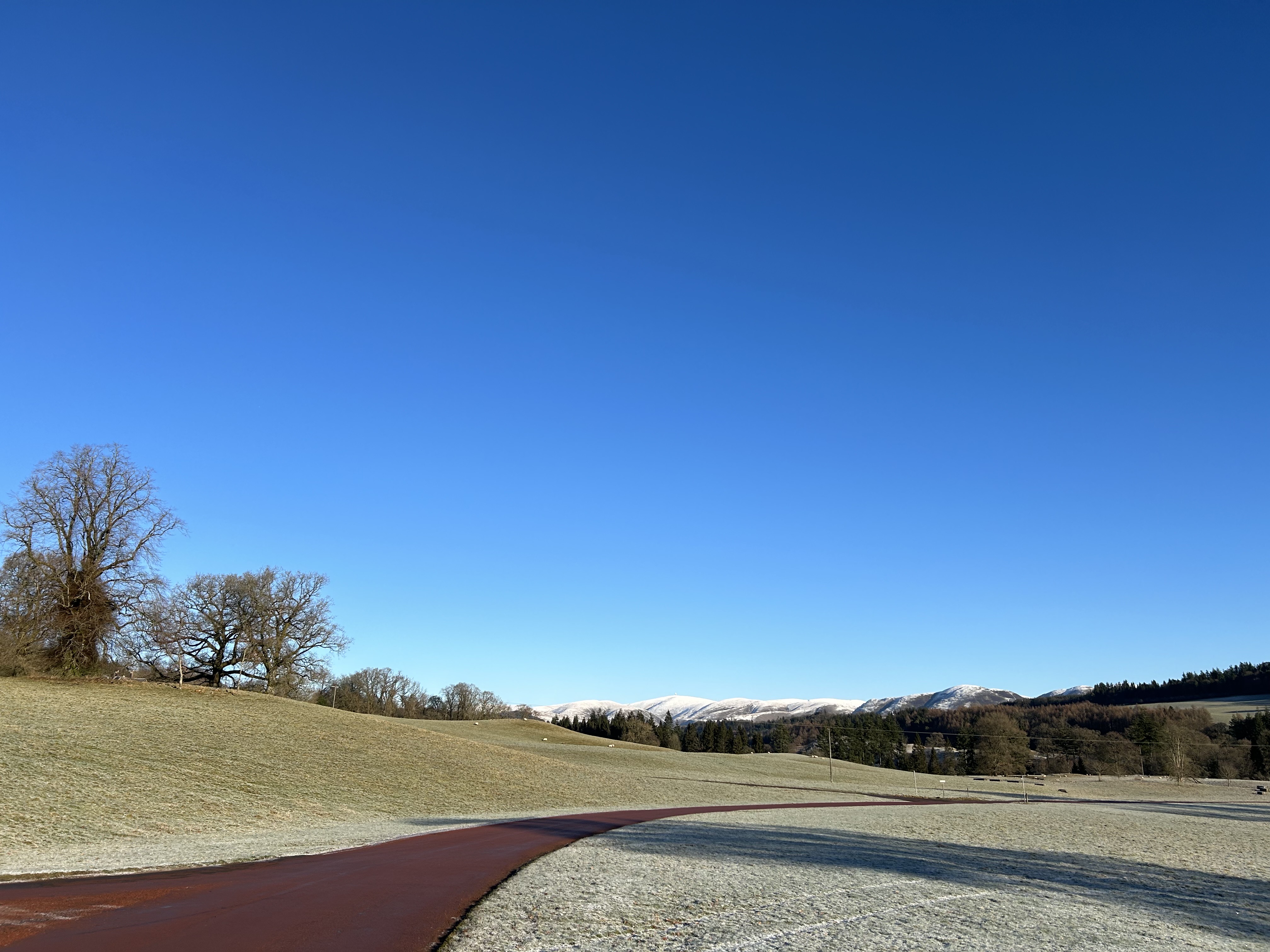


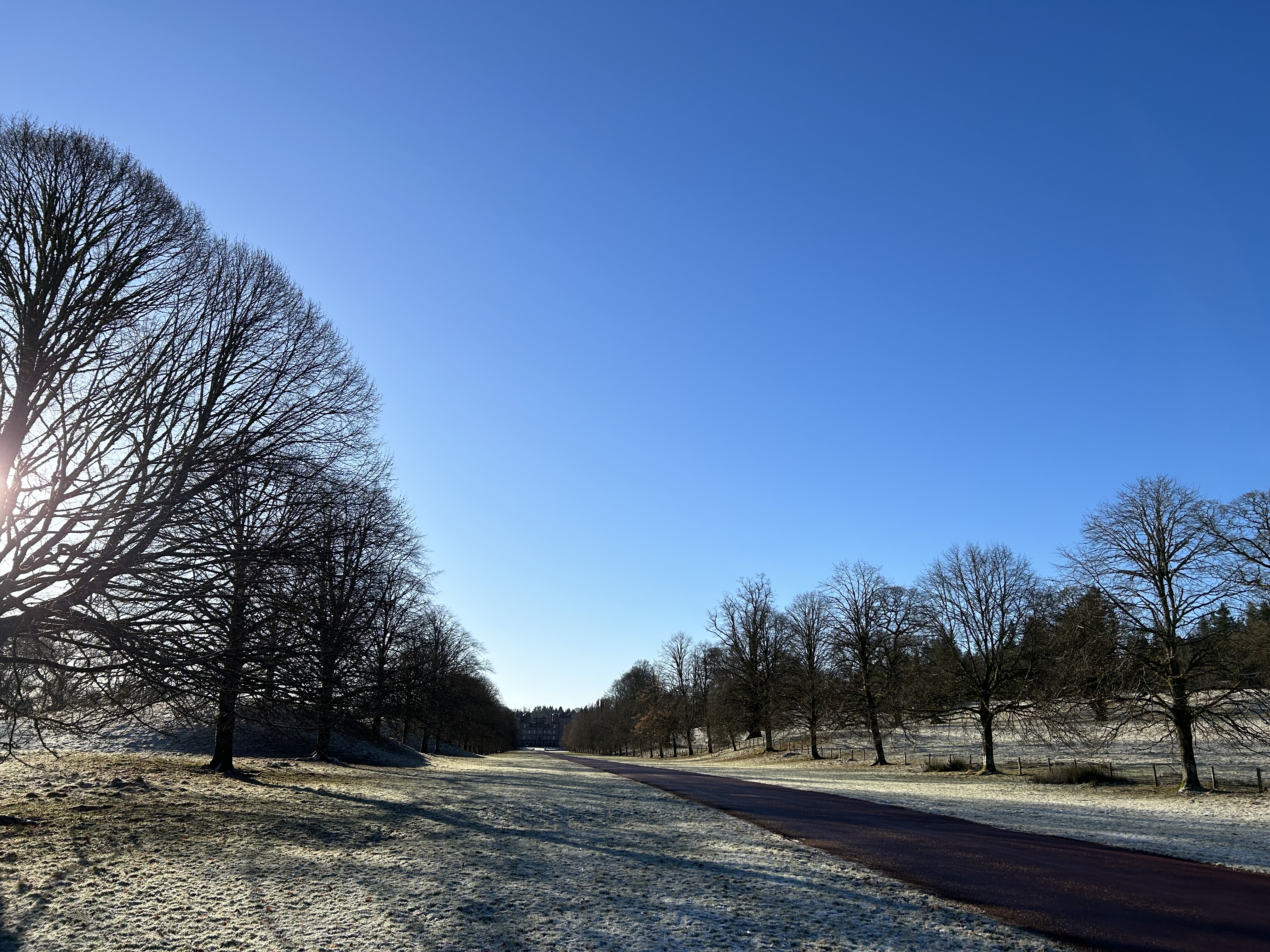
I was also reminded, as I basked in the frosty sunlight, that my friends and family in the far north may not have seen the sun yet this year. Polar night officially ended in Tromsø this week, but sometimes it can be days or even weeks before you catch that first, wonderful peek of the sun’s rays after a month and a half. Love to all my friends up there.
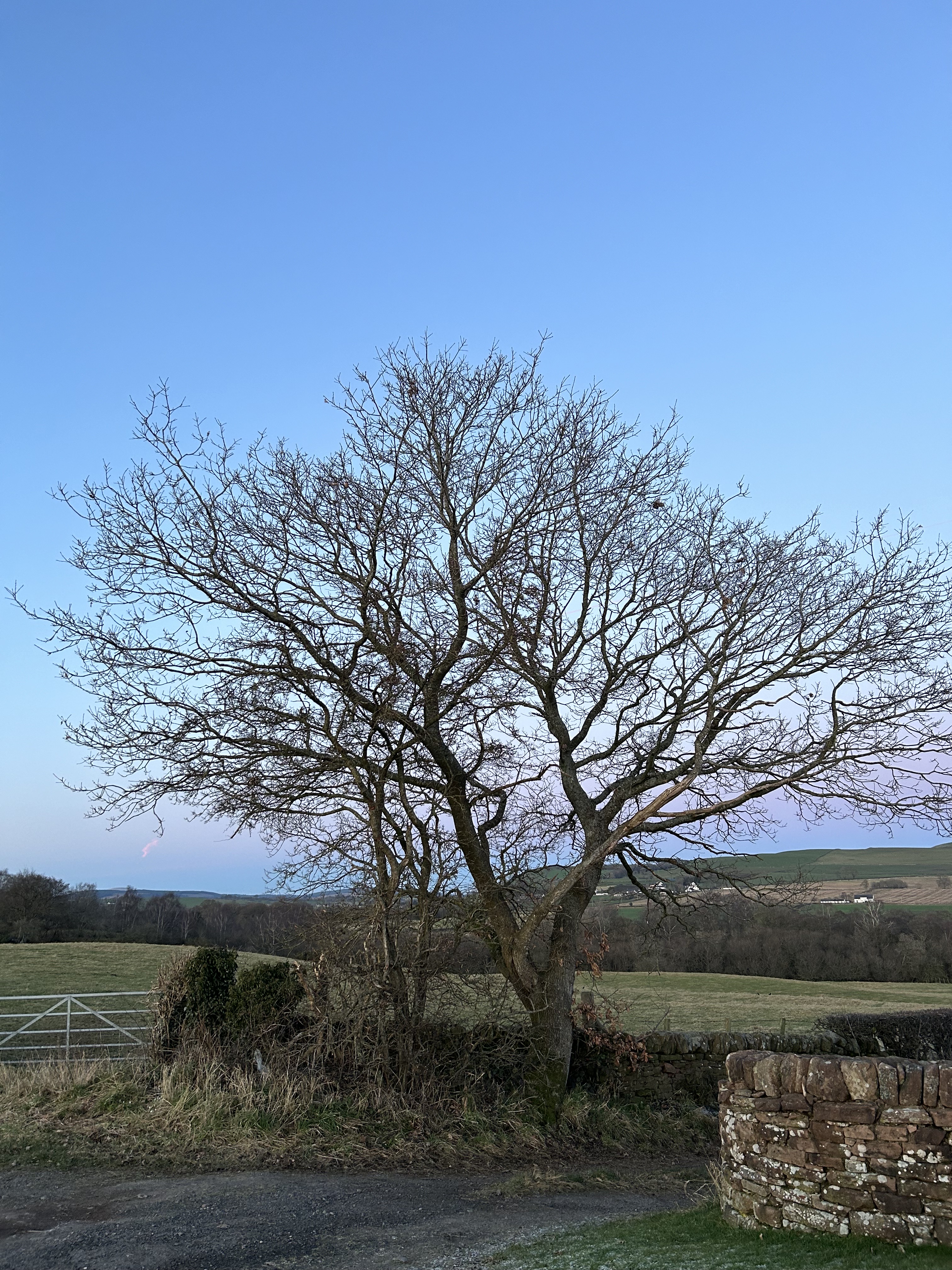
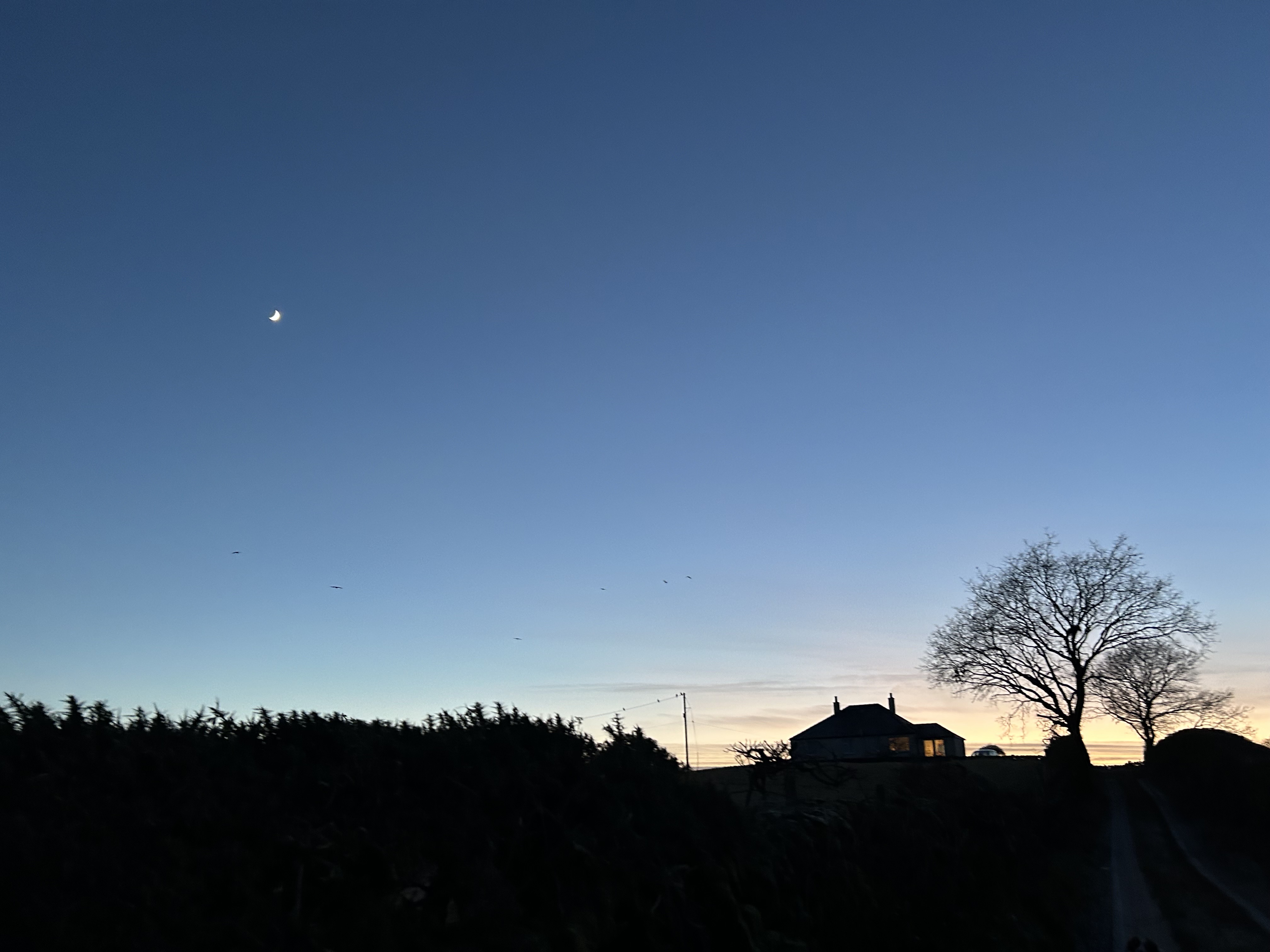
Anyway it’s late so I’m not going to write any more for now, though I am starting to progress through the process of buying a house here in Scotland. It’s quite different to the process in Norway and I will probably say more about that next week, but for now I’ll leave you with some photos from evening walks with Triar around the area where I’m currently living. Have a good week all!


 A Vet’s Life