Working as a government vet, there are times when my job brings an intensity to life that I find fascinating, almost addictive at times. I am still dealing with the aftermath of the bird flu investigation. The initial visit – walking round the shed seeing the sick birds was just the start. There followed a tense period of information gathering. Behind the front line workers like me, there are teams working on epidemiology, tracings and licensing. They need to understand the minutiae of the on-farm operations.
So during that period, it’s as if nothing else matters. It’s all-consuming. The rest of life takes such a back seat that any daily struggles and all other work fall into the background. I fall into a seat in front of the TV at the end of my working day and it’s enough.
As the tidal wave of that work begins to slow, the rest of life and the other work tasks trickle back into focus, but at the moment, those (work) tasks are still quite urgent. Principally, I fell back from avian influenza into the slower wave of bovine tuberculosis. As well as dealing with outbreak work, I should also be doing routine work relating to trade and imports and exports. But our work is prioritised and often we are so busy that we are only skimming the top of what needs to be done. That said, I slipped in a Poultry Health Scheme inspection into my calendar on Tuesday, completed the paperwork and sent it off the next day. The deadline was March, but it was painless (actually I enjoy those visits) and now it’s done.
So picking up the reins of my TB cases, one is quite far along. At the start, there’s a lot to be done, contacting the farmer, explaining what will happen. Broadly, no cattle can move on or off the premises, other than to a slaughterhouse (where they will be scrutinized for disease) and even that is done under licence. There follows a period of testing and culling. Most of the tests are skin tests, but we do blood testing too, at the start. Any animals with positive results are culled and those too are inspected for signs of TB infection. Once we have two clear tests in a row and we have paperwork to say the farmer has cleaned and disinfected the area or areas where the sick animals were housed, then we lift the restrictions.
So with the first of my cases, we are past the blood test and the first of the two skin tests just came back clear. It’s not impossible something might show up, but generally from here it’s plain sailing. In my other case, we are just concluding the blood test. It tends to throw up more positive results, so those animals have to be processed, slaughtered and inspected. I guess it may sound barbaric, but compared with the suffering TB can cause if it goes unchecked… well these things have to be weighed against each other. To me, those results look quite good. There weren’t so many positives. It will be interesting to see whether any of the animals have what are called “visible lesions” – the TB bacteria tend to wall areas off in the body, a bit like abscesses. If they find those, they will do further testing. Finding the bacteria is almost the holy grail because that allows us to get a much better idea of where the disease came from because they can test to see what strain it is and which other cases are closely related. It takes ages though to grow the bacteria and sometimes they can’t.
Anyway, I digress! As well as working through this process, I have to write everything up in a monthly report. My information and that of all the other cases goes to Scottish Government for oversight. The whole thing takes up a lot of time. I’ve also been allocated the job of overseeing the cleansing and disinfection work at my bird flu farm. The cull is finished and the shed is almost empty. But as the end of the week came into view, I was just thinking that next week, I have plenty to do, but that I will also be able to fit in a welfare visit that’s part of another ongoing investigation that has currently been sidelined. And then my line manager asked me to take on another TB case. This one’s just starting. What testing will be required remains to be seen because all we have at the moment is a positive result, found on a routine skin test. If they don’t find visible lesions then the regime will be different again, but my initial tasks include a Disease Risk Form – a visit to the farm to look at possible source and spread. Is this beginning to sound familiar? This is what I do!
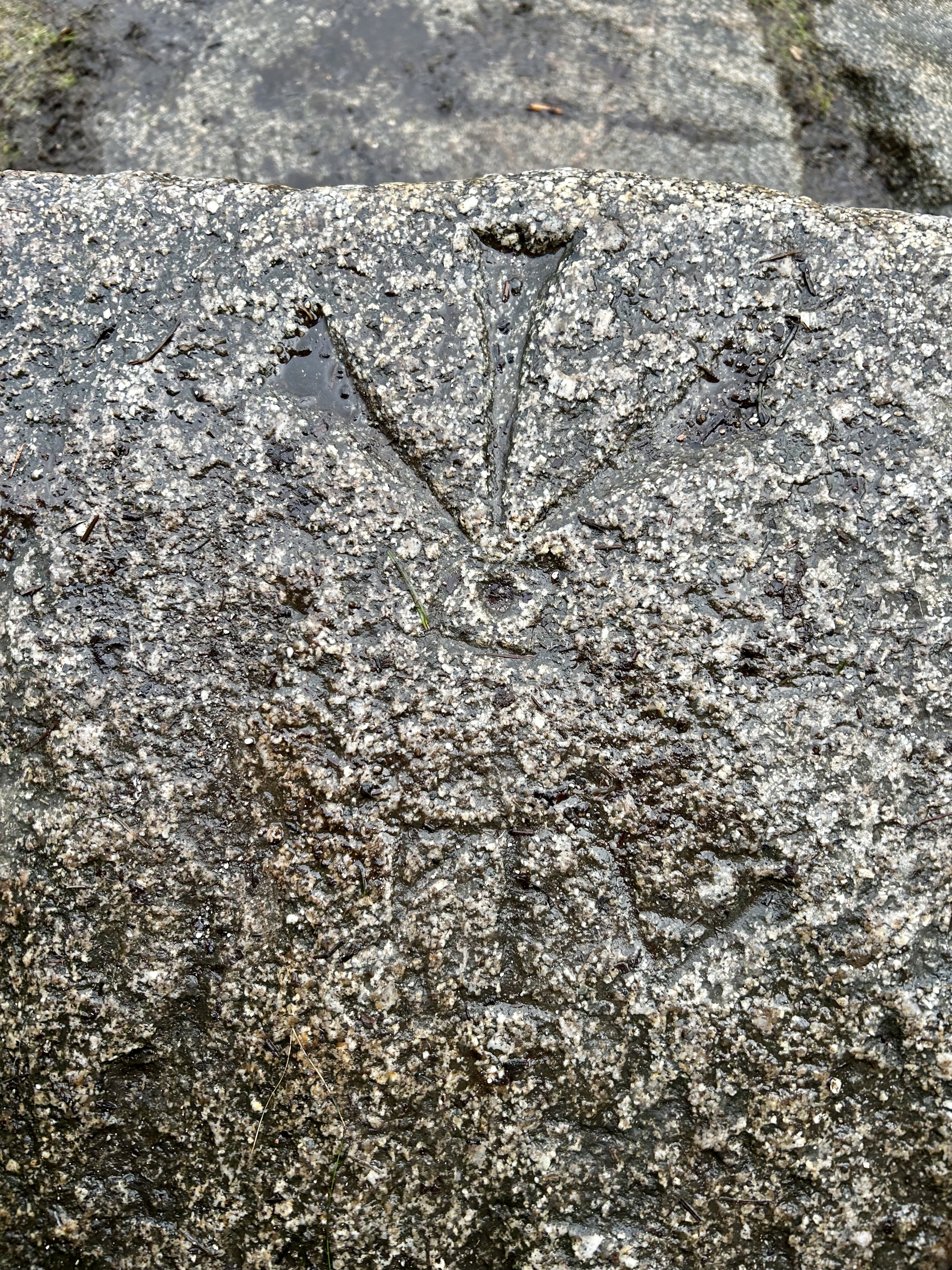
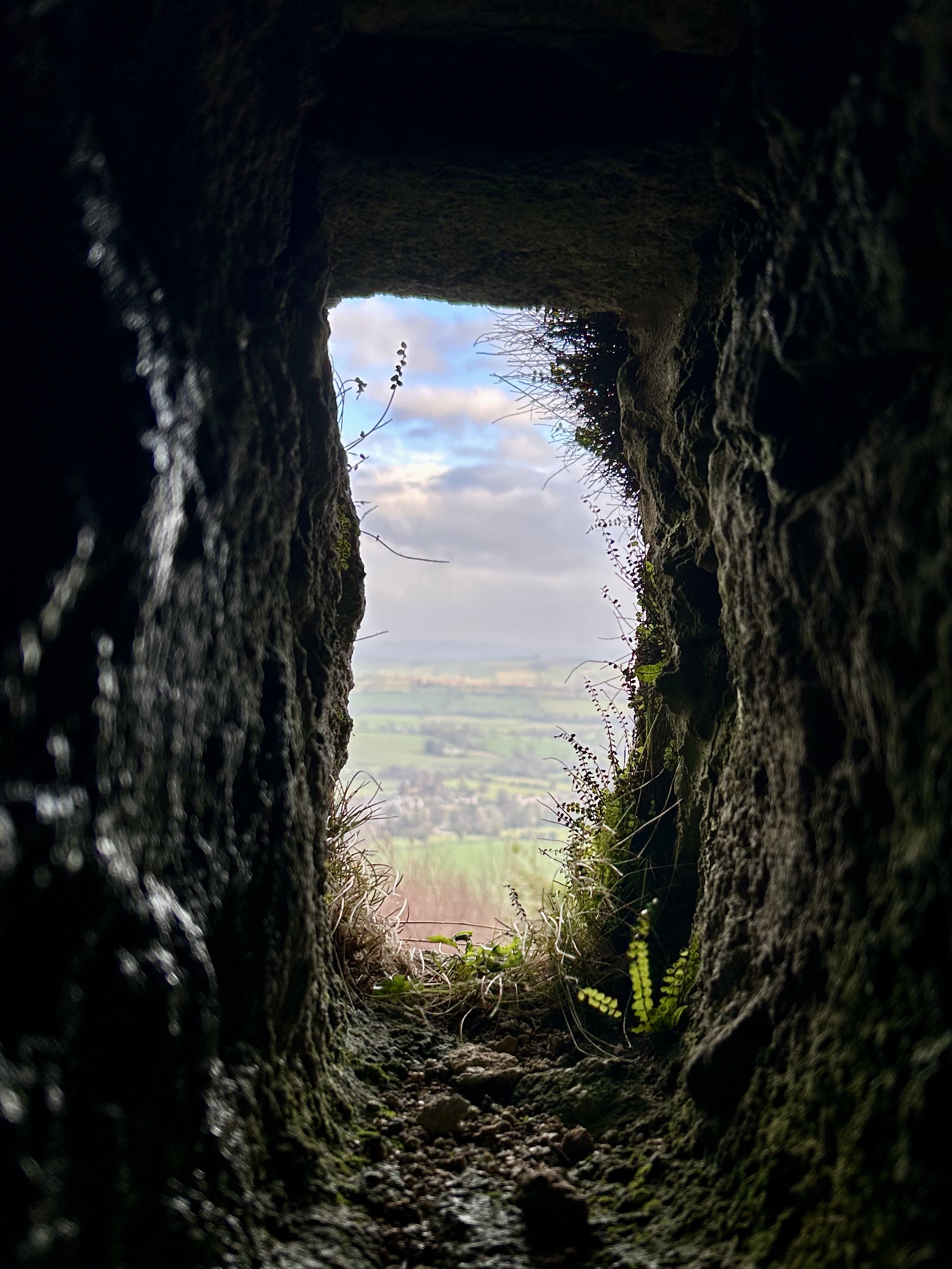
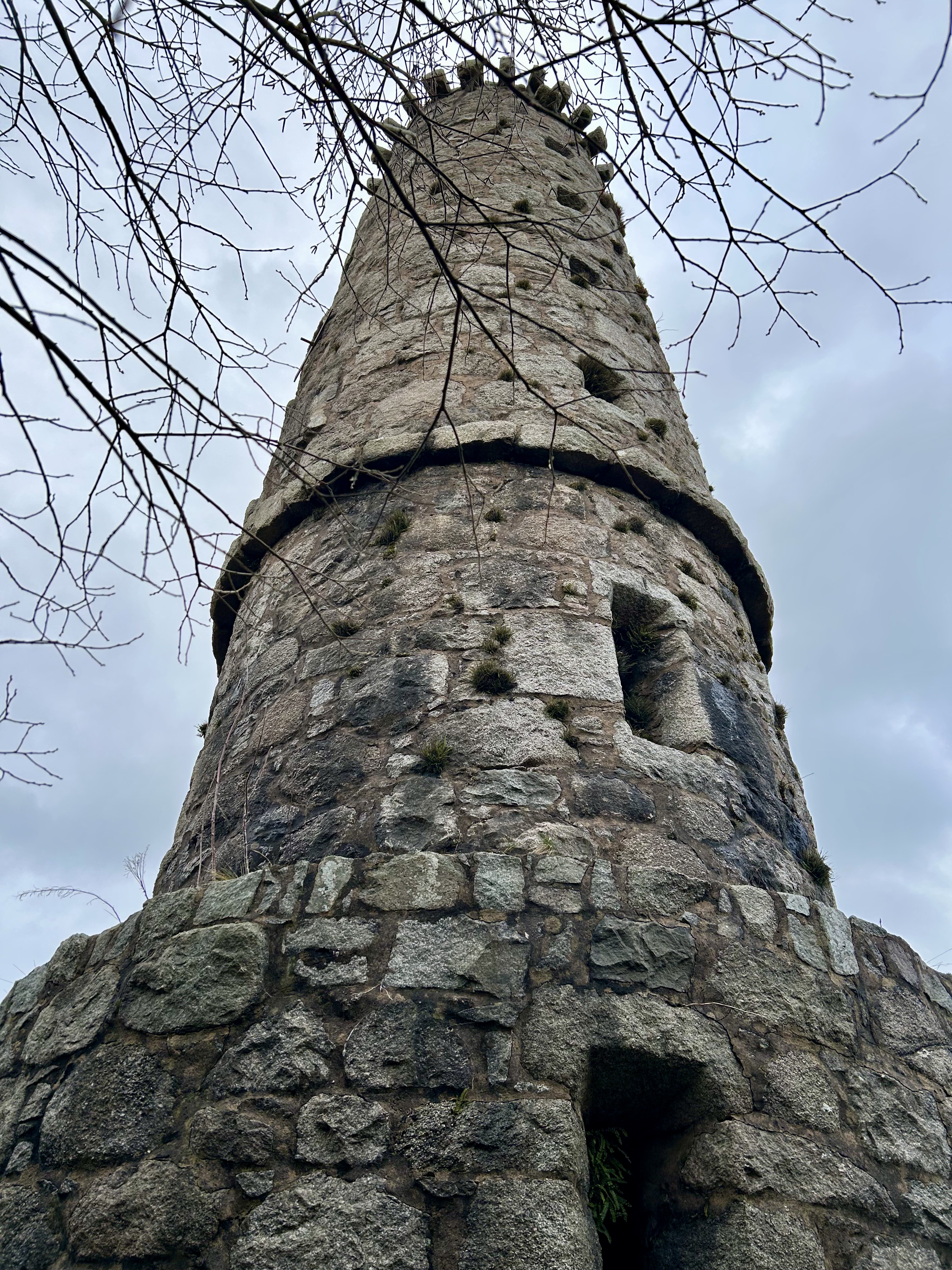
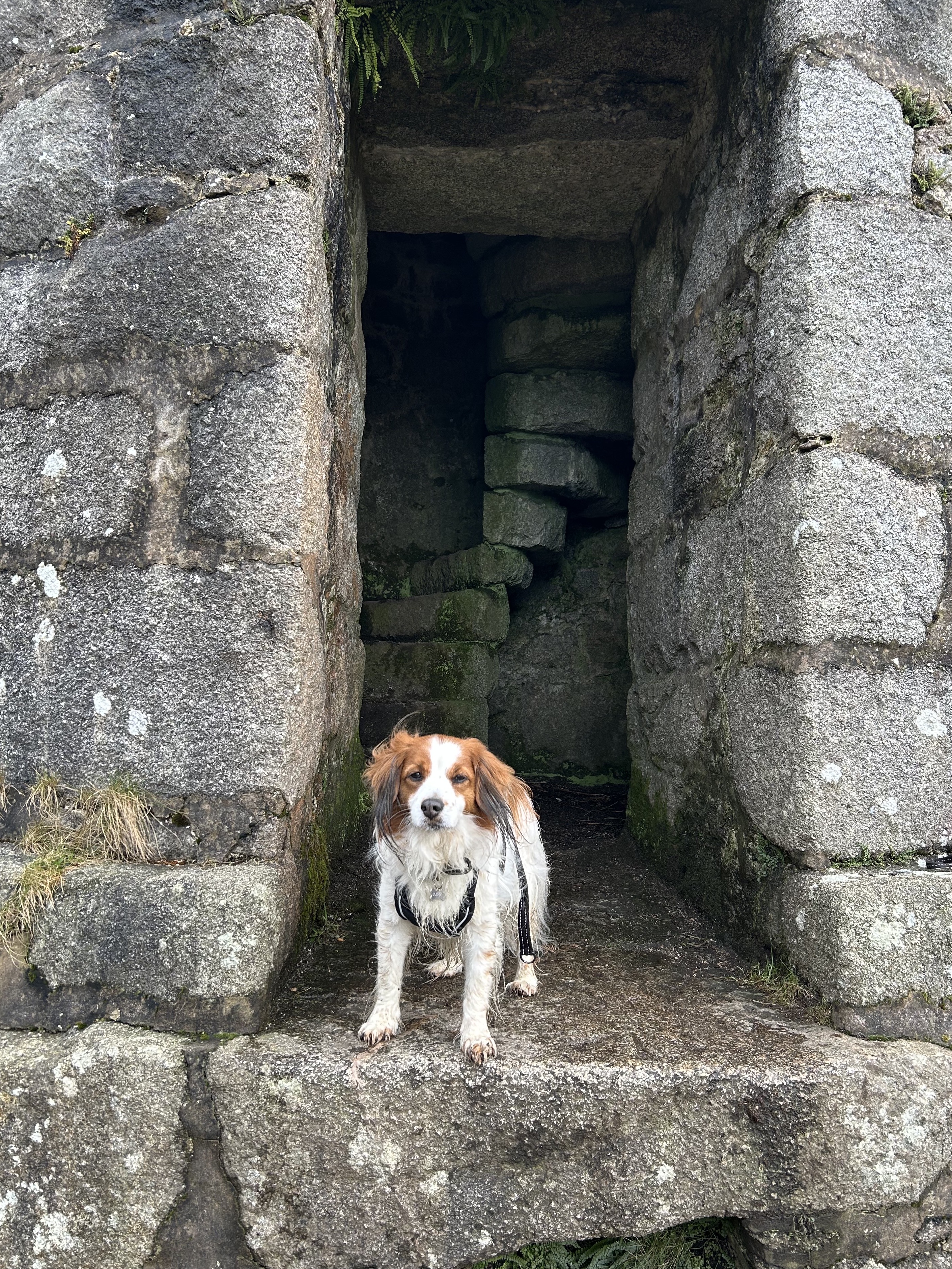
Anyway, in among the work, I am trying to sort out when I might take holidays and who I might visit. My attention is so distracted that I realized yesterday that I’ve booked a week’s holiday that overlaps with a weekend on duty, so I’m going to have to work out what to do about that. For now though, I intend to rest and enjoy the weekend. Last week, Triar and I climbed a whole load of rough steps to visit the Waterloo Monument above New Abbey. It was quite a grey day, but I took a few photos.
We didn’t make it all the way to the top. The stairs were very dark and Triar said no halfway up. Unsurprising really and a sensible decision! Anyway, thanks as ever for reading. I hope you have a lovely week.
I was in the middle of writing this last Saturday when my work phone rang and that was that! No time for blogging last weekend. I shall finish this now, then leave the next installment for another day. Sometimes, life is crazy!
Last weekend, I had my first real report case. Unlike the disappearing seal, this one involved live animals, or rather birds. I had intended to go down to Yorkshire last weekend. My sister, Helen, and some of her family were there and my intention was to take Triar down to introduce them. I had a couple of tasks I had to complete first. Some birds that had been imported (as eggs) from the US had been in isolation for three weeks. I had to inspect their health and make sure all the paperwork was in order before releasing them.
In addition to that, one of my TB cases was on its final test and while I was looking at chickens, that test went clear. After they’ve been locked down and unable to move cattle on and off the farm for months, I try to prioritize getting their restrictions lifted as soon as I can.
I had just completed these two time-specific tasks (it was around midday) and was about to go complete all the surrounding paperwork (I had to look up the import isolation release as it was my first) when my phone rang. It was my line manager. “How would you feel about going on a report case?” he asked.
Well I couldn’t really say no. I’ve put in an application for special pay, competence based, and one of the weak points in my application was that I had never done a report case. If my Veterinary Advisor had to defend my application, one of the easiest ways would be if she could point out I now had done one, competently. And apart from that, I wanted to get the first one out of the way. It’s an important part of the job.
My mind was working quickly. I’d seen last night that there was a bluetongue report case in, to be done this morning and, though it seemed unlikely nobody had gone there yet, it seemed even more unlikely there was a second suspicion of notifiable disease report in our region. The reason I hadn’t been to one was because there hadn’t been any locally in the last year and a half.
”Is it the bluetongue one?” I asked. I had been hoping my first one would be. After all, blue tongue is spread by midges. Infection control is still considered, but compared to diseases that spread directly, animal to animal, or worse, to humans as well, there’s a whole lot less PPE to worry about.
”Um… no,” came the reply. “It’s an avian influenza one in pheasants.”
He told me where it was – an hour in the wrong direction for driving to Yorkshire. Mentally cancelling my planned weekend, “Yes, okay,” I said.
I could hear the relief in his voice, and no wonder. We’d had few report cases recently and alongside our two, there was a third in the north already. Depleted as we are by summer holidays and staff signed off from fieldwork, finding willing staff locally must have been a relief.
I spent the next couple of minutes ripping through my Teams contacts to see if someone could talk to me. I knew where all the gear was, but I needed paperwork and some of it had to be printed out before going. Each different notifiable disease has a different form to restrict movement. They quote the relevant sections of the law, under which the restrictions are put in place, so you need the right one. And then there were sampling forms, which are different depending on whether the birds are classified as wild. I had to take hard copies as those need to go with any samples I decided were necessary.
Frankly, my mind was whirling. I needed someone to give me instructions. Fortunately, one of the Veterinary Advisors called me back and (as is my habit) I started the first of the many lists I was going to need over the next few hours, to keep everything straight. Having printed out all the forms I would need, and having thrown the “grab and go” boxes with all the report case gear in them, I set off.
Traffic was awful. Going round the Dumfries by-pass on a Friday afternoon is a nightmare at the best of times. They’d found me an animal health officer, who was being deployed from Ayr. He wanted to know what kit to bring for sampling and I had to pull into a couple of lay bys to talk to him. The whole exercise was obviously going to take a while and going back to collect something we’d forgotten between us would be a real pain.
There was a small incident when I had been stuck behind a dawdling camper van for some time. There was a short section with two lanes on my side of the road. I pulled out to pass (I bought a car that can accelerate fast for a reason) and some idiot motorcyclist waiting in a queue going the other way dawdled over a double white line and right into my lane so I couldn’t. It’s just as well I wasn’t driving a car marked with APHA on it. It’s a long time since I have given someone the finger while driving, but really, some people are beyond the pale in their selfishness and I was undoubtedly fueled by adrenaline at this point, as well as diesel.
By the time I arrived on the farm, I was my usual professional self. This is my job. It’s the animal owner who’s having a bad day and my task to present a calm exterior and offer guidance. At any time, I could call for advice, but to be too obviously ignorant is to invite worry. My first task was to complete the movement restriction form. There was a section with two boxes on it where I couldn’t decide whether I should write my name, or strike through them. Phoning to ask would be the most obvious indicator to the poor gamekeeper whose birds were dying that I hadn’t done this before. I struck through them, carried on and handed over the form, reading out the instructions on the back to make sure he knew what was and wasn’t allowed.
There was a slightly disconcerting moment, when the gamekeeper looked at me and asked, “Is this your first?” I was surprised he could tell, but am old enough to know honesty is the best policy at these moments. “Yes,” I said. “It is, actually.”
”Oh,” he said. “I knew from her questions on the phone that the person I spoke to on the phone knew nothing about pheasants. I thought they probably wouldn’t find a pheasant expert. She didn’t even seem to know that partridges and pheasants are different.”
My shoulders sank a couple of inches. I hadn’t been rumbled after all and I did, at least know enough about game birds not to make an idiot of myself.
Having served the papers that locked down everyone and everything on the farm, it was time to start the investigation. Most of the birds were healthy, but I needed to have eyes on them and I also needed to map where they all were. It’s not so hard when you have chickens and they are all in a shed in the farmyard. You can print out a satellite image or map of the premises, put an X on the spot and provide a GPS reading. That reading is essential because if disease is confirmed, that X becomes the centre of the 3km restriction zone and the 10km surveillance zone. This time, I had 15 different GPS readings, spread over different farms: at least I think they were. I was taken to them in a kind of buggy on back roads and tracks. There was no way I could mark where they all were on a printout of the steading.
I lost contact with the team and with time. We drove between pens and I took readings with my OS maps app. I screenshot each reading, took a photo of the pen and any nearby animals and scrawled notes on a piece of paper. How many birds? What species? Were they in or out? The last question was crucial. When they are young, the pheasants are in closed pens with mesh over the top. At that point they are kept. Eventually, the gates of the pens are open and the birds can roam fully. At that point they are wild. In between is a grey zone.
Coming back to the steading, I saw the animal health officers had arrived, one experienced, the other in training. I still hadn’t seen a single sick bird. After yet another conversation with the Veterinary Advisor, I put on a second layer of PPE over the single layer I’d been wearing up until that point and we headed up to see the sick birds. I had with me the Sundstrøm hood that we are given for AI cases. Even though I would be outdoors, I still had to wear the full kit. It was rather bizarre, outside the pen, on a patch of grass on a forest track, donning a hood that would isolate me from everything. It felt very incongruous.
I had occasionally worried about how I would cope with the hood, which blows air into your face, but it was actually fine. I walked into the pen alone and surveyed the sorry picture. Sick birds, feathers puffed out, tails down and looking sorry for themselves, carcasses of others that hadn’t made it. Yet there were no specific signs. Birds with bird flu often have neurological signs and pheasants have been described as having cloudy looking eyes, but there was nothing. I should perhaps, have done some post-mortems, but hadn’t brought kit and there wasn’t really much time remaining. We are on a strict twelve hour limit when it comes to driving for work and Triar was waiting at home.
We went back, again, to the steading and I checked in with my report. Could I rule out avian influenza? I couldn’t. No specific signs to rule it in, but none that would rule it out either. Were they wild or kept. Grey zone. It was time to call VENDU. The Veterinary Exotic Notifiable Disease Unit are the body that dictates what tests should be taken, once the on-site vet decides disease can’t be ruled out. The answer was to sample 20 birds, swabs from the throat and cloaca, plus bloods and two heads.
It was time for the AHOs to don their gear and as they started to do their work, it was time for me to leave. It was a 45 minute drive home and I had to get there by 20:30 if I wasn’t to get a slapped wrist for going over my twelve hours. Luckily there was no traffic now and I made it by the skin of my teeth. I hadn’t eaten all day, so having passed the office (so technically onto my commute) I stopped at the chip shop. The time on the receipt is 20:32, thank goodness, so I could prove I hadn’t gone over!
After that, there was all the follow up to do. Saturday was spent filling in EXD40, a colossal document where I had to transfer all the GPS and other data I’d collected, as well as explaining in triplicate, why I felt that testing was justified. There were calls flying at me as well. Because the birds were tested they would be locked down for at least a week until the final test results were through.
A positive result would be quick, but would raise all the complicated questions about what and how to cull. Again, not like birds in a closed shed. These were ranging about and half wild in pens that spread over acres of forestry. In the event, just as I was about to be sent out on Saturday afternoon to do a valuation (healthy birds are paid for as compensation – a good incentive for early reporting) the initial results came back: not confirmed. Still, it would be another week until they were certain. Along with my form filling, there was someone from the licensing team doing more form filling. Everyone who might enter, every vehicle that drove onto and off the locked-down premises had to have permission.
And so, that was my first report case. For a week, even after the initial results were back, I had daily contact with the gamekeeper as the mystery disease spread slowly, though still all in that one pen. I supported as best I could and then, with relief, handed over to his private vet. Finally they could go on and sample for other things, now it was confirmed there was no bird flu. And as I said at the top of the page, no sooner was this case handed over, I had a different one to tackle, but this is more than long enough already.
This week has felt so long, and has been so full, that it was almost a surprise when I looked back at my photos and realised that it was only last weekend I went to the Northern Canine and Equine Therapy Centre in Rathmell, where they do hydrotherapy for horses and dogs. They had advertised it as a coffee morning and we did indeed purchase a lovely coffee from a van outside the centre, but the real attraction lay inside.
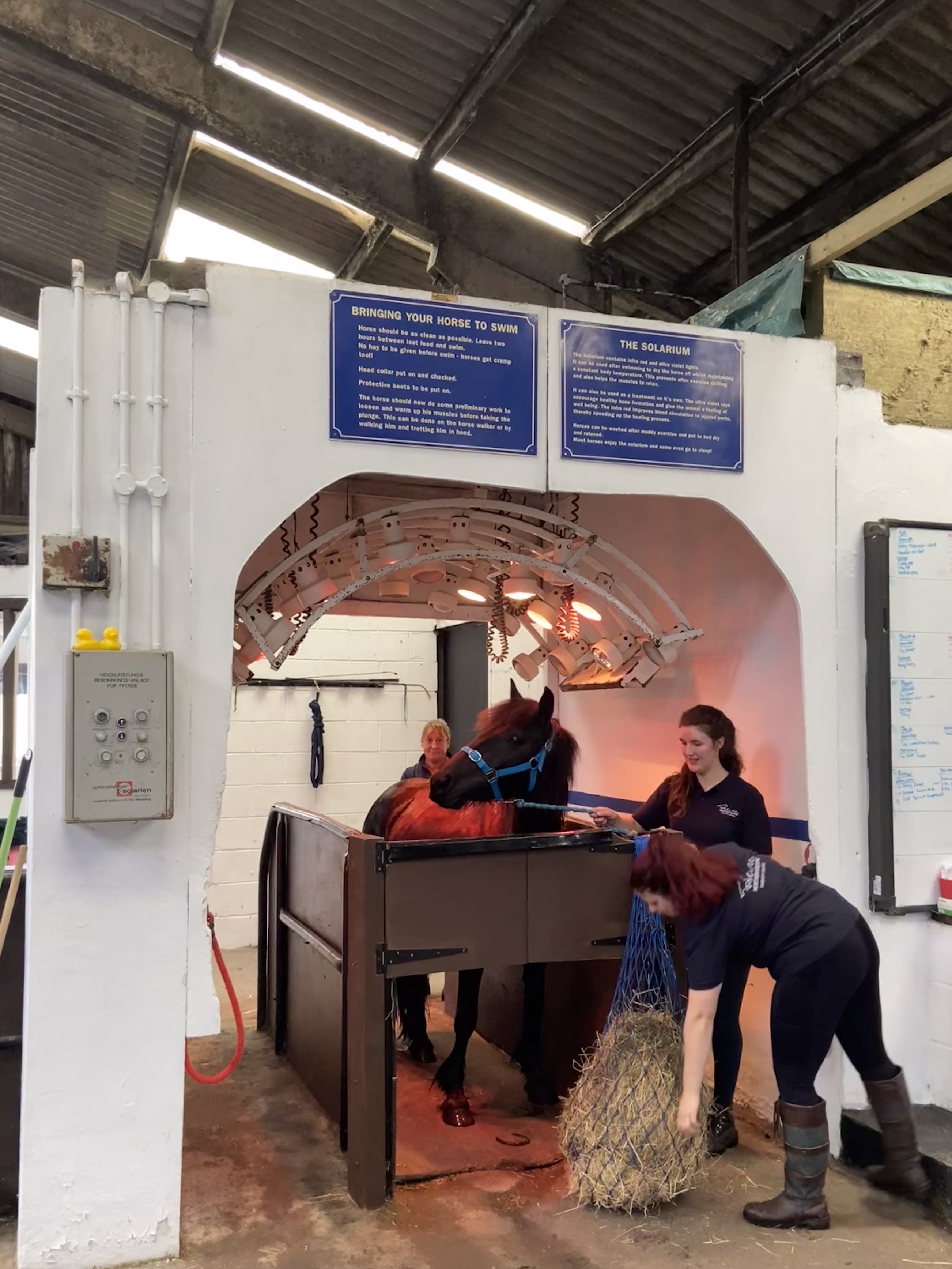
The horse hydrotherapy session was due first, so we walked into the part of the centre where the horses were kept. I wish that I had taken more photos, but it was a lovely place and I instantly felt at home. The centrepiece of the covered yard was obviously the pool (pictured at the top of the page) but around two edges there were stables for the hospitalised horses. Some were there for lameness, some for weight loss and conditioning. Others were there, not so much for treatment, but for pampering. Imagine sending your horse away for a spa weekend!
Having swum round, the pony in the picture was taken out, towelled down, then treated with oils to replace the natural oils that would have been removed from his coat. He then was walked into a solarium to dry out a bit.
After we’d seen the horse swimming, we moved through to the dog pool. There. We watched as a dog physio put her labrador through his paces in the pool.
She told us about the different conditions they helped with. Her own dog doesn’t need any therapy, but he does love swimming. It’s also possible to book a half hour fun session with your dog and I immediately decided I’d like to take Triar to see if he would like indoor swimming. I also found myself wishing I worked there, or perhaps was a vet who could refer animals to them. It felt like a very positive place.
We had rather a bombshell last Friday afternoon, which I couldn’t bring myself to mention last week. My lovely boss, Kirsty, unexpectedly sent out a message to say she was leaving and her last day would be early in August. I will be very sad to see her go, and by the outpouring of shock, so will many of my colleagues. Both Lindsay (my Veterinary advisor – one step up from me) and Sue, who has just taken on a year long post after locumming on and off, called me up, mainly to express their sadness. Though it feels very sudden, it’s good for Kirsty and I hope she gets some much deserved time to relax.
Back at work on Monday, I visited a chicken farm with my colleague, Aleks. I have to do three visits with other vets before I can go solo, and this was my third. Because everyone is so busy, it’s difficult to find dates when two of us can go out together, so I’m glad my third accompanied visit is done. I have three of my own to do, so now I can more easily fit them into my timetable.
I can’t even remember what I did on Tuesday. It all feels so long ago! I was due to revisit a welfare case on Wednesday with David, who works for the local authority with animal health and welfare. We often work together and the revisit was to a farm where we witnessed some serious welfare issues before. But when he arrived, he asked me if we could divert to a more pressing issue. A group of pigs had escaped from their field and had turned up in someone else’s farmyard. It wasn’t the first time they’d escaped, but the farmer, quite correctly, now had them coralled in a barn.
Other authorities, including the police and the SSPCA had been called out when the pigs had escaped before, but nothing had been done. These situations are complicated to deal with. Animals do escape from time to time, and unless they’re on a road or causing risk, it’s really the farmer’s responsibility to get them back and secure them in the field or barn. For David and me, it was essentially a welfare issue. It’s not safe for the pigs to be marauding round the countryside. All farmers have a responsibility to keep their animals safe and keeping them enclosed within a safe area is key to that.
After the big foot and mouth outbreak in 2001, various laws were brought in to try to reduce the risks of another big outbreak. These included standstill laws on animal movements. If cloven hoofed animals (mainly cattle, sheep and pigs) are moved onto a farm, then the farm comes under a standstill order and for thirteen days, no animals can be moved off the farm without special permission.
So pigs landing unexpectedly on someone else’s farm presents quite an issue to that farmer, especially if they were planning on selling some animals, which our farmer was, and imminently. Our first action was to find out if the sale could go ahead. The pigs had not, to anyone’s knowledge, been near the animals that were to be sold, but equally, they had been loose, so where they had been was anyone’s guess. The movement ban applies to all animals on the farm, so the sale had to be stopped. That was done before we left the office.
Our next action was to visit the farm. It was an hour’s drive, but when we got there, I was able to examine the pigs. They were healthy and being well looked after. The main issue that had to be dealt with (or so we thought) was that they were not where they were meant to be.
Having looked at the entrapped pigs, we then went to visit the pig owner. The remainder of the herd were in a separate field from the ones who had escaped. To get to them, we had to walk through the field where the escapee pigs had been. There were some green boxes that looked like the boxes supermarkets use to deliver produce, but I had walked past them, keen to see if the pigs were okay. David had gone to get something from his van and I expected him to follow immediately, but when I turned to see where he was, he was standing at the gate, looking round.
He joined us eventually and we went and looked at the pigs. They looked well and the field they were in was (in my opinion) the perfect environment, with a small shelter, long grass and rushes to hide in and mud in which to wallow when the weather was warm.
It was only when we turned and walked back, that David told me what he had seen at the gate. Across from the supermarket boxes, there was litter, lying about. And in that rubbish, which was mostly food packaging, he had found empty packages for sausage rolls, ham and bacon, along with bags for bread and hot dog rolls.
I mentioned foot and mouth and the rules created after the big 2001 outbreak earlier. In addition to new rules on animal movements, strict rules were brought in about feeding pigs. Feeding them any kind of human food or kitchen waste is banned. We asked the farmer about the packages. It wasn’t impossible they had been left by someone having a picnic, but he didn’t know where they’d come from and said he thought people sometimes came and fed the pigs.
So now we had a situation, where there were empty packages for pork products that the escaped pigs had access to, and worse, that it was possible the produce, including raw bacon, might have been fed to the pigs.
These are the kinds of situations that have immediately to be sent up the food chain. Even if I had dealt with such a situation before, I would still have to call it in, without delay. The upshot of my phone call, and the work I have been doing for the last three days, is that both farms have to be locked down, with no movements of live or dead animals onto or off the premises, except under special licence. All the animals have to be inspected every 72 hours for signs of disease for a week, then probably weekly thereafter, for another two weeks. There was also the matter of the pigs being on the wrong farm, which was resolved yesterday, after lots of negotiation and paperwork.
So a vist which I thought might be a little complicated to resolve has turned into a behemoth case. One thing I will say is that we have an enormous amount to be grateful for with the farmer who took in the marauding pigs. She did everything right from start to finish, including calling us in. Chances are, the pigs don’t have foot and mouth, but now we have everything under supervision, so if the worst happens, we are already on top of it.
Had she chosen not to trap the pigs and call us, but had shoo’d them away and sent her animals to the sale, the potential for us being faced with another 2001 was there. That was started by pigs being fed improperly processed food and the disease wasn’t spotted until it had been sent all over the country. I may now be faced with three weeks of visits and a ton of paperwork, but this is the kind of work that can prevent a world of pain for farmers and a devastating cull that costs the country billions.
So this is what I am here for. I’m only a tiny cog in a very important chain, and kudos to both the wonderful farmer who called it in and for David for his observational skills. Next time, I won’t be so quick to pass by litter to look at animals.
But if I have one final thought, it is that I wish the government could see what we are here to do and how important vets and animal health and welfare officers are to this process. There should be more of us on the ground and the pay for those of us who choose to do this should be much better. Staff come and go, or work quickly to get promotion as there is no pay progression in our part of the civil service any more.
We need experienced people on the front line, but there is zero financial incentive to come and stay. Maybe saying this publically could get me into trouble, but if so, so be it. The people responsible for removing progressive pay bands for these roles have put the health and welfare of the nation’s animals at risk.
I work alongside a few, faithful staff, who have years of experience, a network of connections, a load of invaluable local knowledge, who are asked to train new entrants on the same wage as them. That is both plain wrong and absolute insanity. We should be making sure those people have an incentive to stay, that they know they are valued and that they don’t have to move to a different job to be properly rewarded.
And on that cheery note (sarcasm alert for non Brits) I shall leave you to your weekend! Have a good week all, and see you next week.
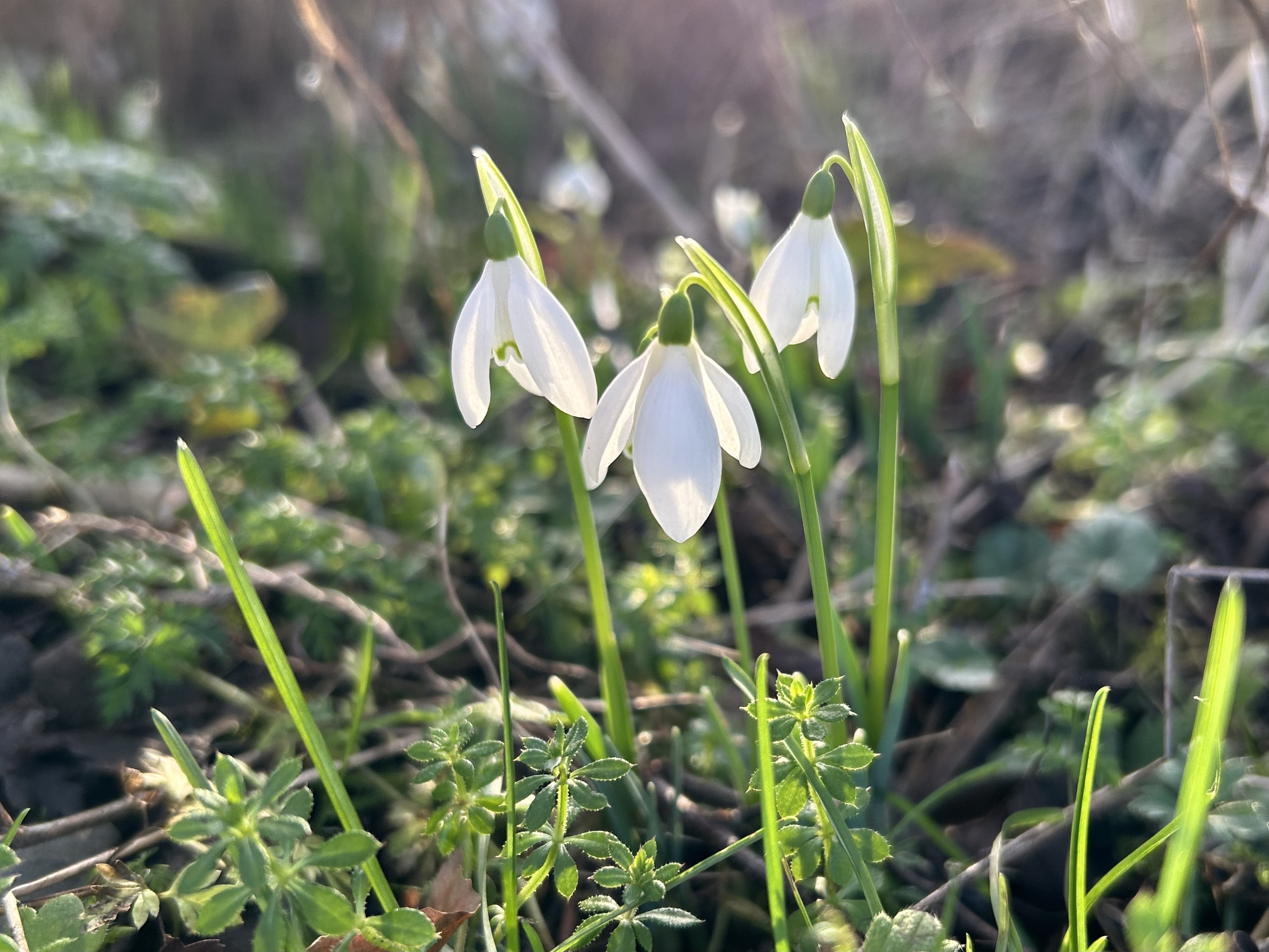
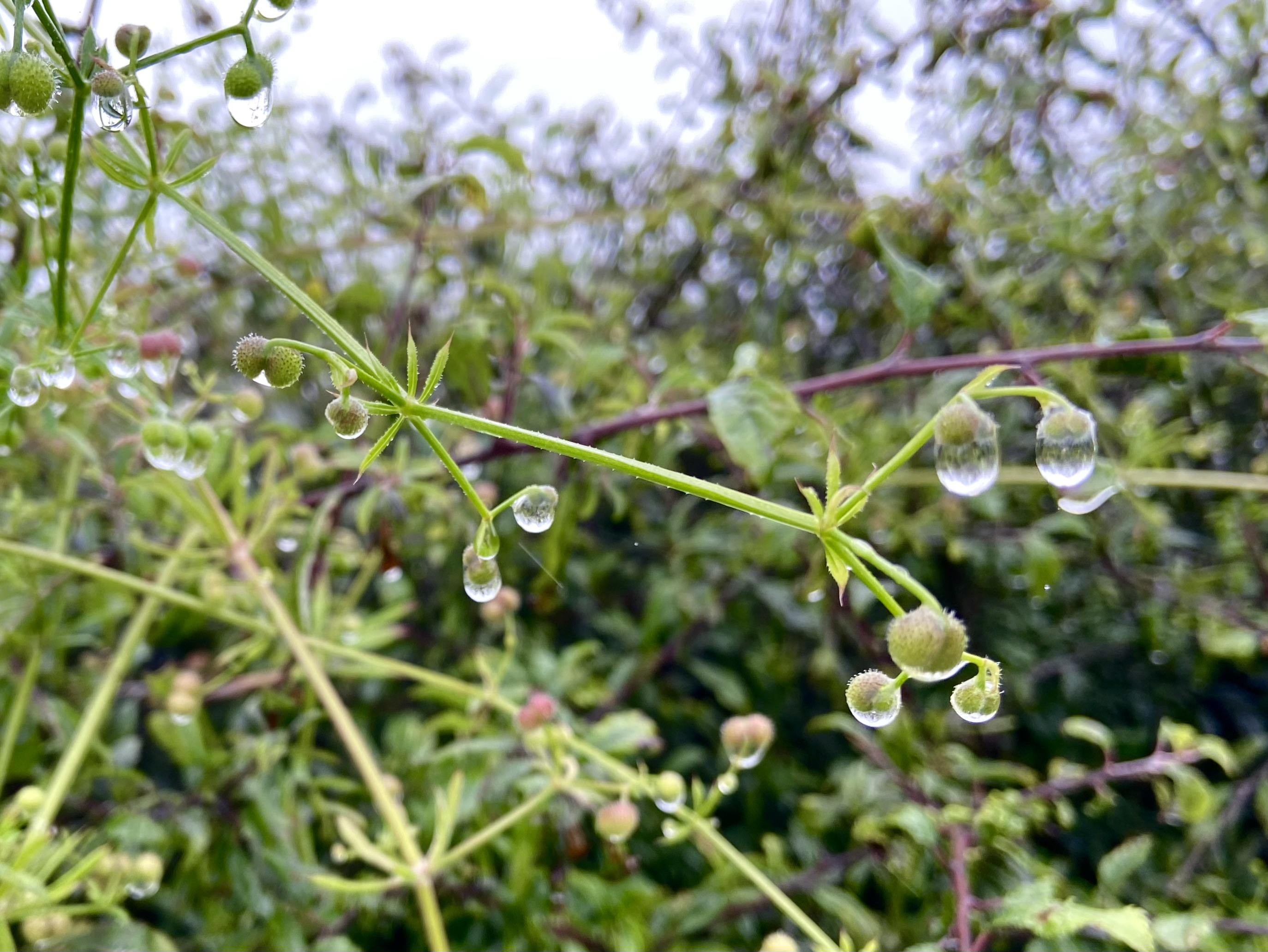
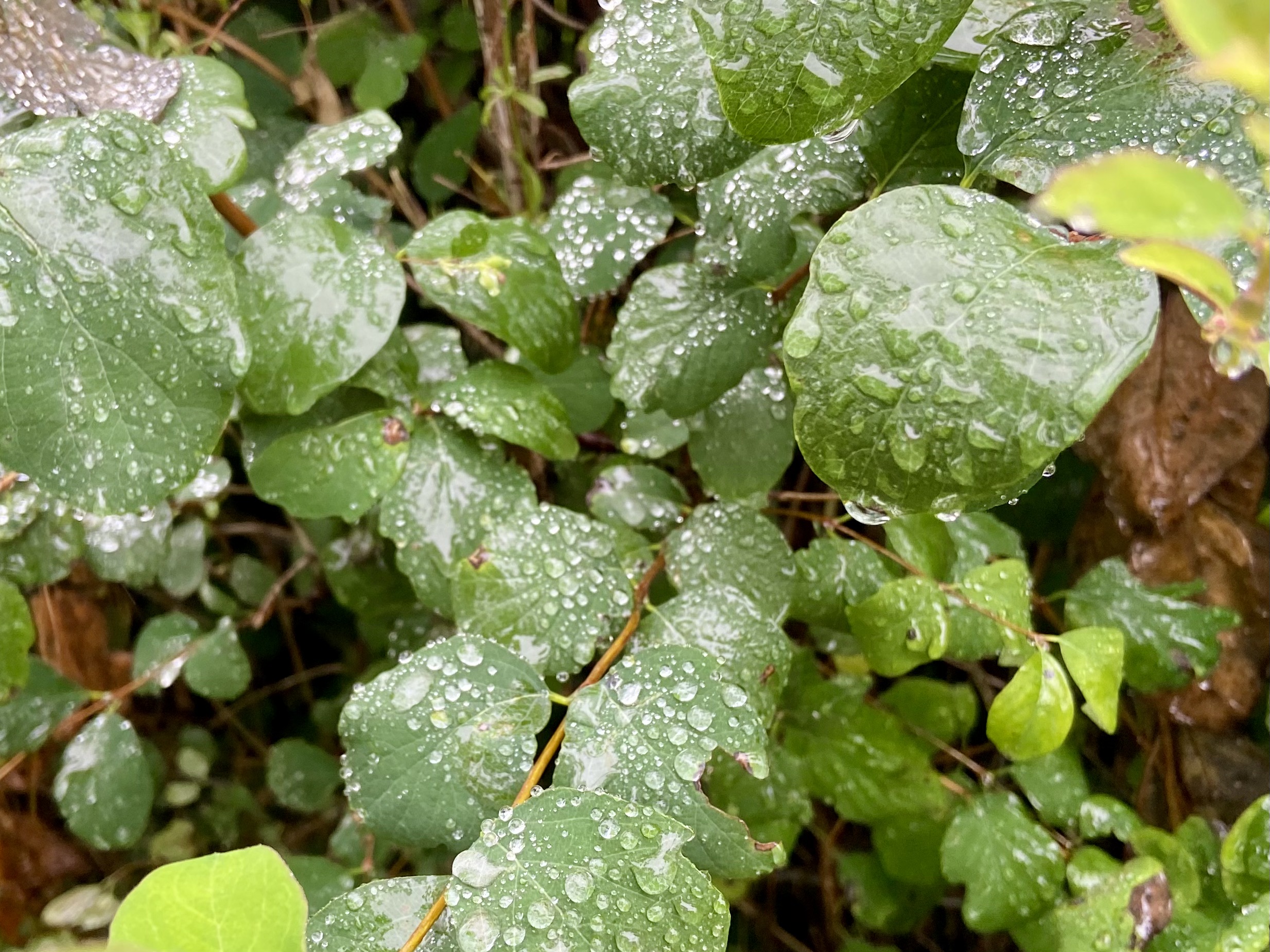
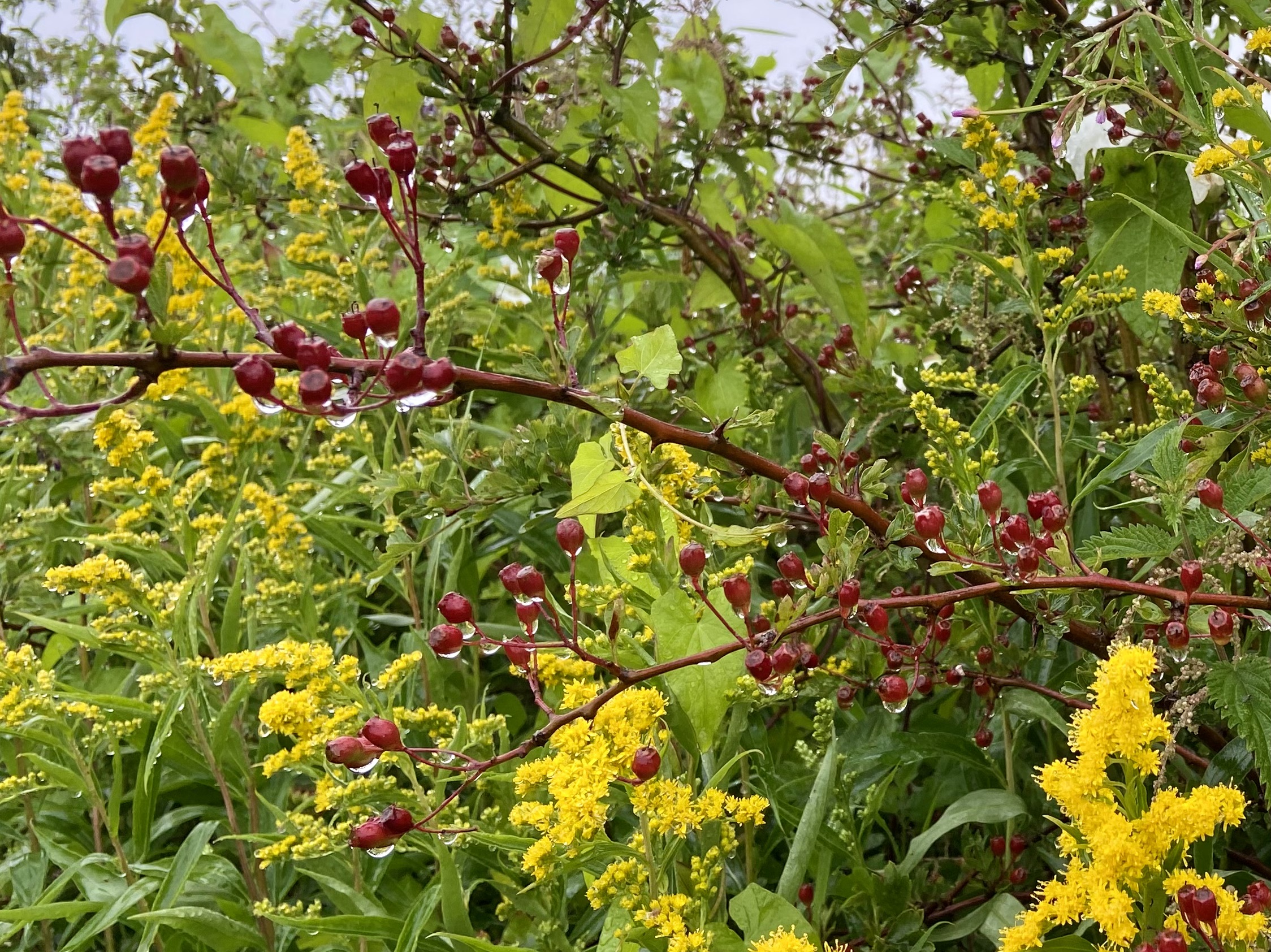
A few “after the rain” photographs for those who love Blackbird Lane.
Andrew and I were in Yorkshire last weekend, which feels like a lifetime ago, but it was a lovely warm day on Saturday and we went on an ice cream hunt, which on the face of it wasn’t very successful. The firstly place we went to was styled like an American Diner, but it was so noisy and there were so many children leaping about that we turned and walked back out. The next place we tried, after consulting the Oracle of Google Maps was a small, village shop, but the only parking we found was in a field, which some canny farmer had mown and was charging £10 per day to enter.
We ended up doing a big circle back to Grassington, where fortunately, we bought a cone, but it wasn’t quite the ice-cream parlour experience we’d been searching for! Grassington is very pretty though and the drive back was too.
On Tuesday afternoon, I met up with some women I met on social media. We’d been chatting online and they were part of a women’s group I wanted to join, so we met for a coffee. I’ve been worried about Andrew being here for the summer with nothing to do, and to my delight, it turns out one of the women owns a small media company in the area. She does some work with young people, so later this morning, Andrew has been invited to a scriptwriting workshop in a cafe in town. He’s read the script they’ll be working on and has some ideas, so hopefully he will enjoy it. If Andrew wants to work in film, the most difficult part might well be finding a way in, so any experience and contacts he can form are a good thing.
I was through in Stranraer again this week, on one of my TB farm cases. We’re still waiting to see if TB is confirmed, but it’s looking more likely and so my Veterinary Advisor and I went to the farm to assess the boundaries and history of animal movements on and off the farm. If TB is confirmed, we will need to move quickly to start tracing where it might have come from and where it could have spread to, so now we are prepared to move to that stage without delay.
I was driving back to Dumfries, when I found myself in a queue of traffic. It’s a fairly difficult road for overtaking long queues, and this one was particularly frustrating as it was going slowly round the bends and speeding up for the straight parts. Seeing a sign for “Holy Cairn” I made a snap decision that this might be a good moment to go and explore one of the historic monuments that are scattered along the A75.
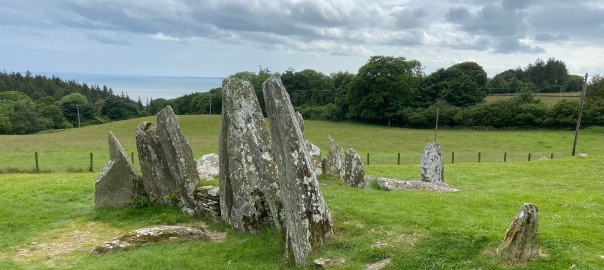
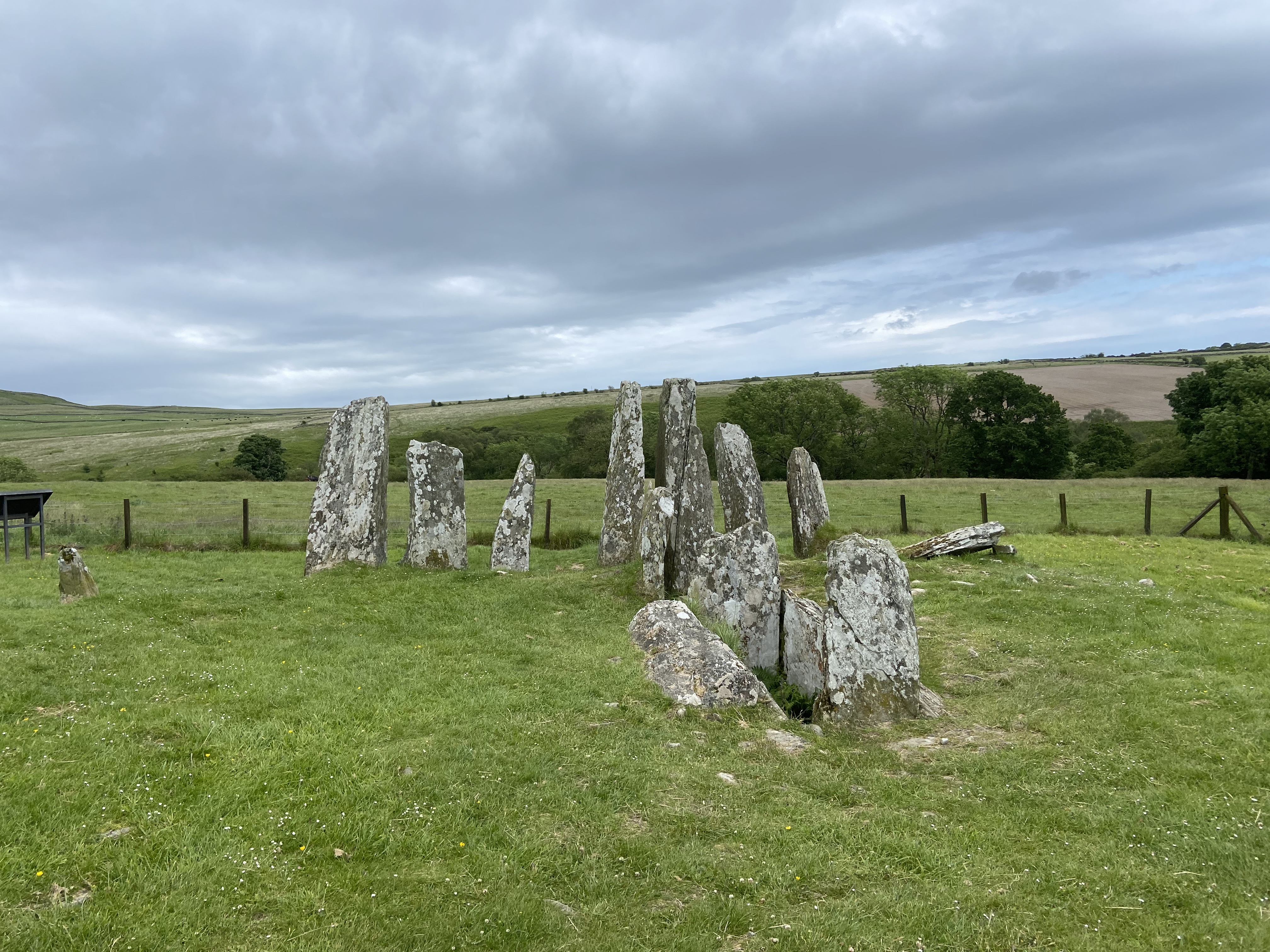
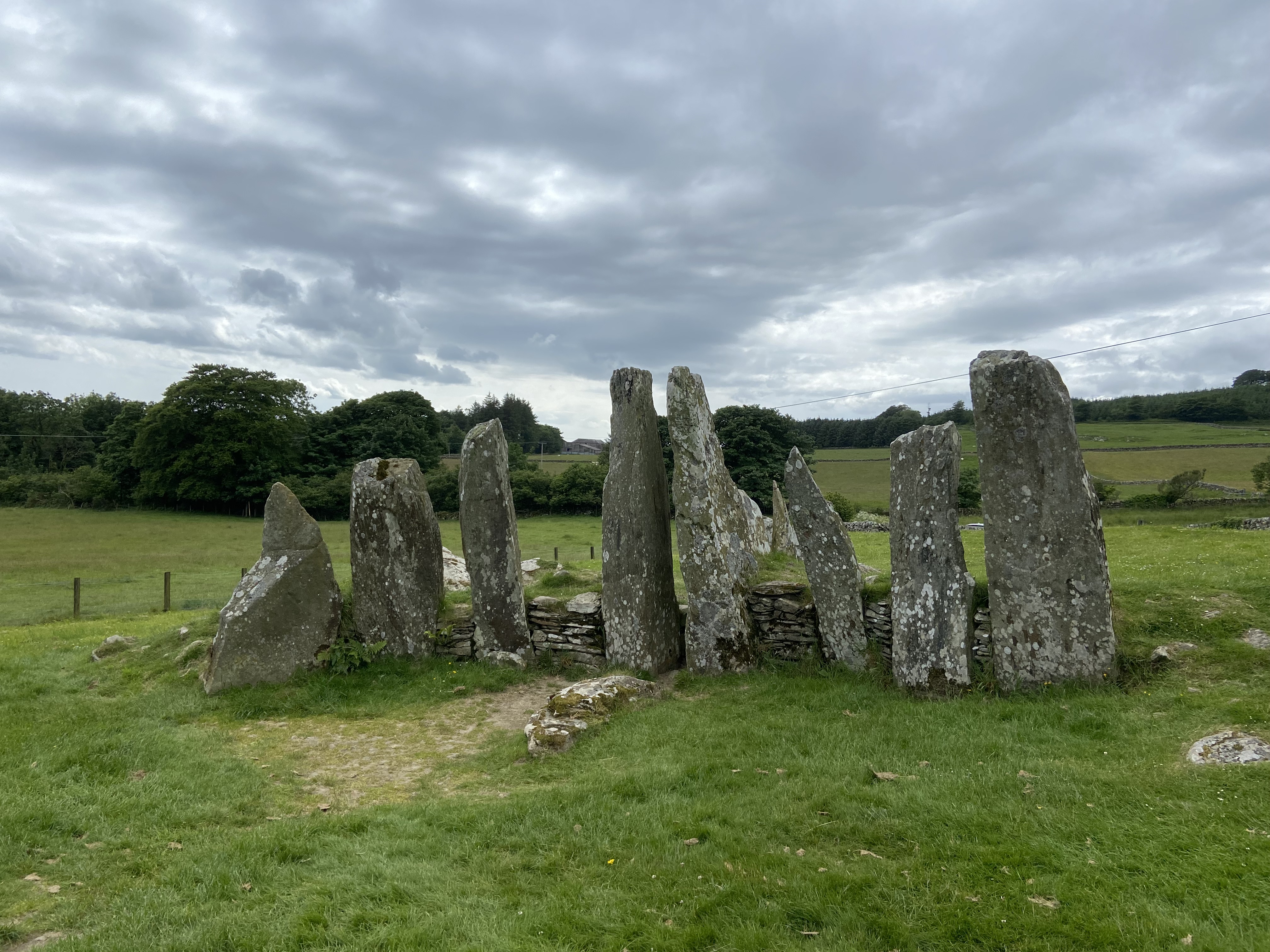
This is a hit and miss activity. Sometimes you can follow side roads for miles and find nothing, or you do arrive, only to find you’re looking at two stones on a hillside. This time, however, I found a good parking space and went through a small gate to find what looked initially like a circle of standing stones…
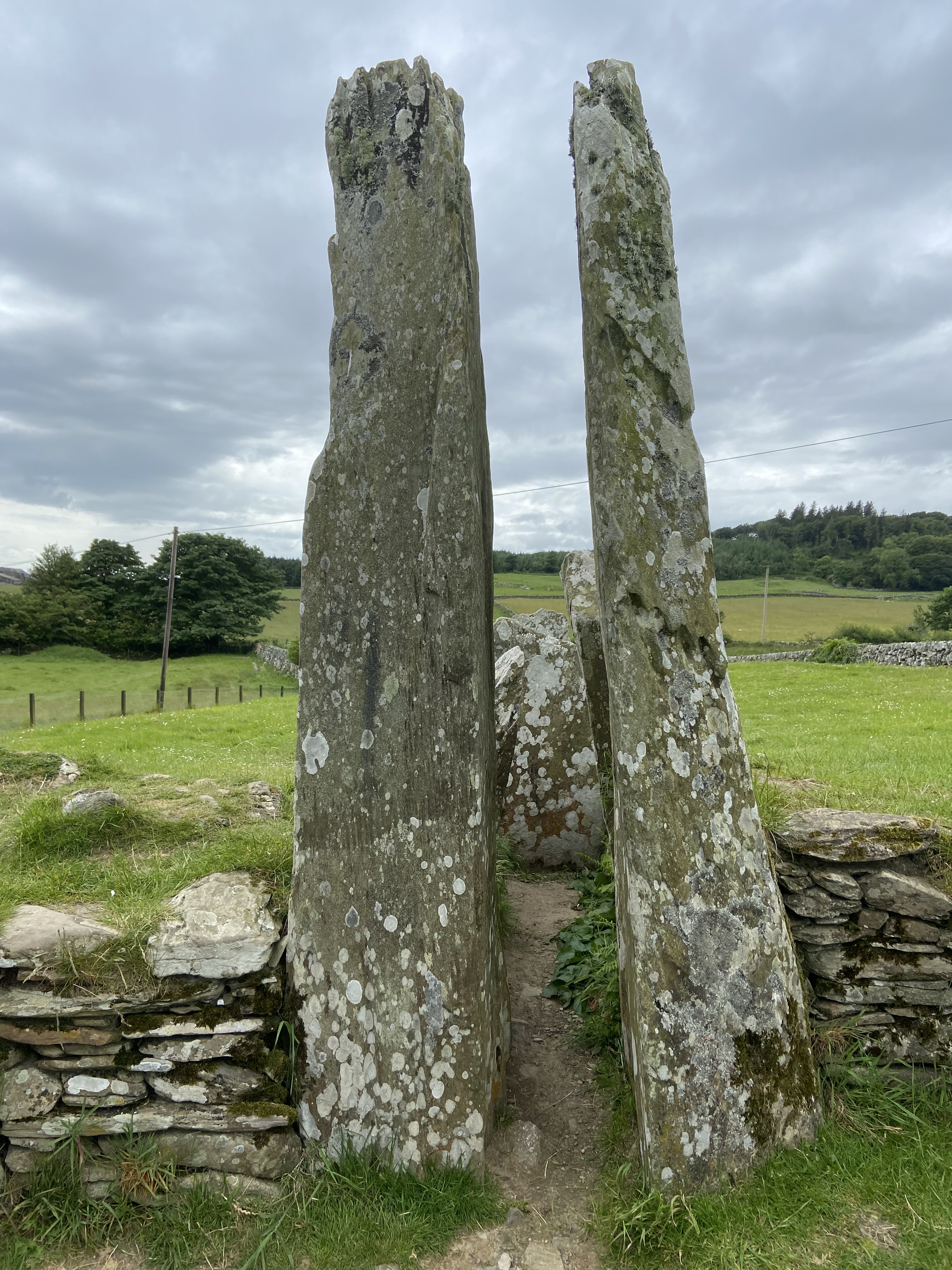
… but which on closer inspection, had been the spectacular entrance to a chambered cairn.
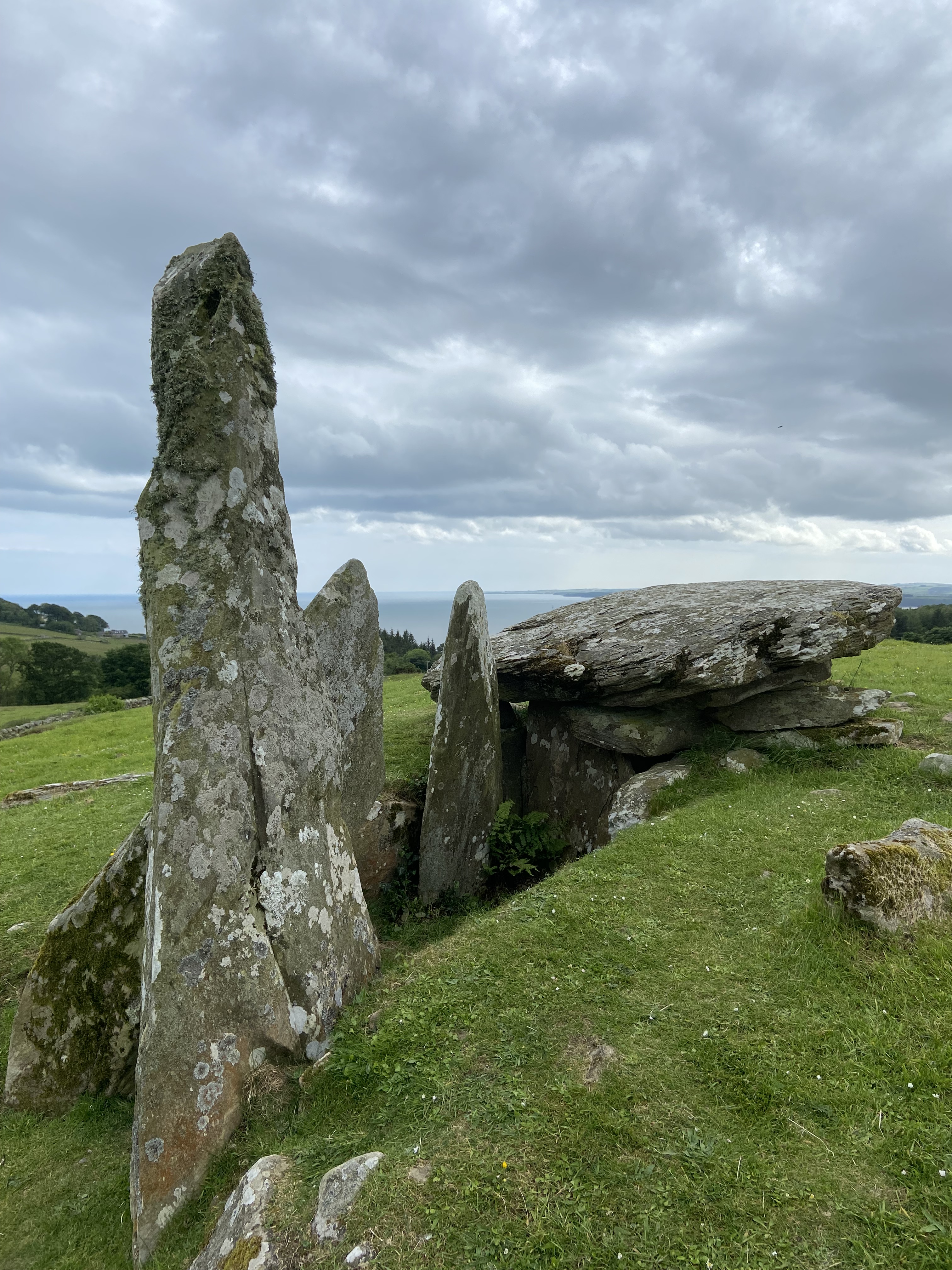
There was an information block in the corner of the enclosure, which told me a little bit about the cairn and its excavation, but the best thing it told me was that there was another cairn, further up the hill. I followed the track up, to find another, rather different cairn. The entrance to this one was a little less spectacular, but it was sited in such a beautiful place that I could only stand and gaze.
I read the information here too. Long-time readers might remember my trip to Stonehenge where I was amazed to discover that animal herders came down from Scotland to celebrate the winter solstice. I found myself wondering whether the people who used these cairns were among those who made that trip.
The plaque told me the cairns dated from 4000 BC. When I looked up Stonehenge later, it is thought to have been started in 3000BC, so these beautiful cairns were in use a thousand years before Stonehenge was begun. As ever, I felt the wonderful calm feeling that I always get when viewing something ancient or ageless. It’s always a wonderful reminder of how short and insignificant my life is in the grand scheme of things.
And finally, I had been gradually gaining weight, ever since I moved to Arctic Norway. Winter hibernation is all very well, but when winter lasts from October to May, it’s a large chunk of the year to take a break from walking, which was something I had done to keep myself healthy for years. I had hoped to break the bad habits when I came back to Scotland, but there is far too much temptation and I haven’t lost anything at all.
I asked at my GP clinic for help and they have signed me up for six months on an app called Second Nature. It tells me it’s going to help me break my bad habits and form some new and healthier ones, so I will be starting that on Monday. My main hope is to lose enough weight so I can start to go up hills again without creaking to a standstill within a few yards. There’s no weighing and measuring foods or calorie counting, which is good as I can never be bothered with all that. I’m also glad they didn’t offer me drugs. I want to improve my lifestyle, so hopefully this will help. I’ll let you know how it goes!
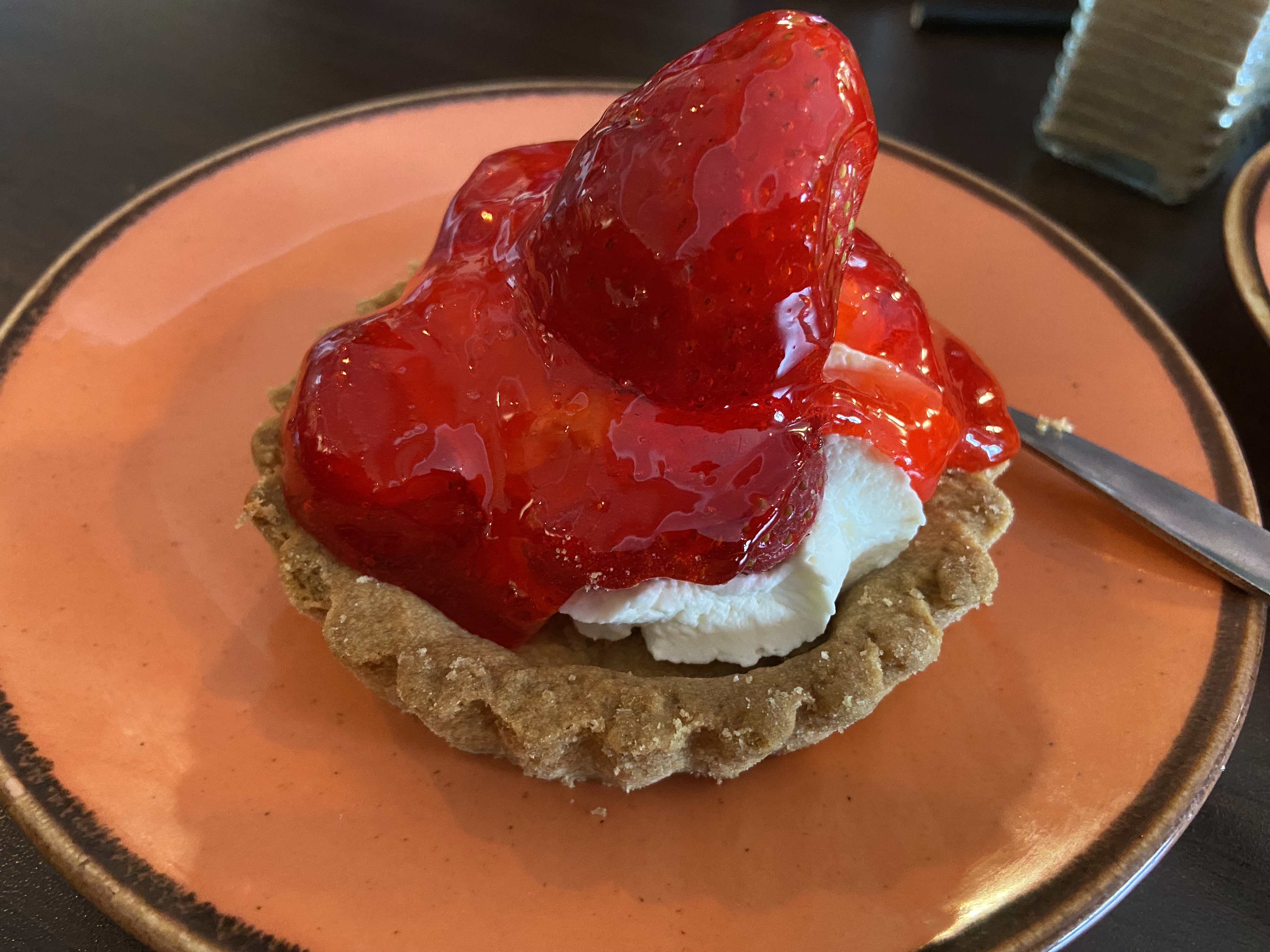
Of course, I am back in Scotland, and true to form, my colleagues in Stranraer, on hearing this, convinced me that it was essential that I should make the most of the last few days before I began, so this was the result. Have a good week all!







 A Vet’s Life