Category Archives: Travel

Through the Eyes of a Cow

I have been down to Weybridge agent this week, this time for a cattle handling course. Before going, I was rather cynical. After all, I’ve been a vet and have worked with cattle for a long time, I’d done a course in Norway about the design of facilities in abattoirs, where I learned about behaviours, so I rather thought it might be a lot of repetition. The two colleagues who attended with me were actually farmers, so I think they had the same concern, but it warm in fact, very interesting.

The essence of the course was to teach us about health and safety when it comes to cattle. I haven’t read it yet, but there is a health and safety document (HS32) regarding handling facilities and minimum safety standards when we go to a farm, what we should look for and when to walk away.

There’s a drive in UK farming at the moment and grants available for building safer facilities, we were told. Farmers who provide inadequate, unsafe facilities are paid the same for their products as farmers who don’t, so if we walk away, for valid reasons (backed up by HS32) then there is legal pressure for them to comply. If they don’t, they will find themselves under a movement ban. As someone who probably would have tended to push on through, this in itself was a good message. Take it further and it’s also good for the animals. Escape attempts that go wrong don’t only result in risk to the human beings present, but to the animals as well.

Most of the course was led by Miriam Parker, and if you are interested in what she does, there are videos online. In essence, she designs livestock handling facilities with the animals in mind. If you want an animal to go somewhere, the best way to do that is to design the facility so the animal wants to walk through it. Ideally, you want the handlers to be able to guide them from outside as well, as that is much safer.

I had learned about flight zones before: the area an animal maintains around itself – enter it and the animal tries to move away. I also knew about the balance point – if you stand behind its shoulder, it tends to move forwards, in front, it moves back or turns. But we also looked at the behaviour and signs of discomfort when you are in the flight zone (a potentially risky place to be) and the limitations of cattle sight.

I had always thought that, with their eyes in the sides of the head, that cattle were mostly looking out to the sides. Not so! They have very wide peripheral vision and can perceive movement there, but most of their attention is still focused in front of them. I should have known that really. When they stand looking at you in a field, they do look straight at you, after all. What they do have though, is a great big blind spot in front of them, which means it’s much harder to judge distance when close up, for example. If you wondered what the picture at the top of the page was, it’s my colleague, Lesley, wearing a pair of spectacles that allow you to get an idea of what a cow sees. No wonder, when cows are walking into somewhere that looks strange, they take a lot of time, putting their heads down and to different angles, trying to eye up not only whether it’s safe, but whether they can get through at all.

We also went out to a field, where there were some fairly flighty calves. Our group of about twenty was split into smaller groups, then we were sent out in turn to try various exercises, such as getting them to walk to different places in the field. This proved to be quite difficult as getting them moving slowly in the first place was one thing. Slowing them down if they took off was much more difficult. Miriam explained the importance of moving back to give them space, rather than pushing them on, or standing close to keep them where you want, to the point where they’re stressed and milling. Step back and they are more likely to relax and stand.

I had been disappointed with my performance with various teams for much of the exercise. However the last task of the day was to try to split off two calves, leaving the others in a group. Many years ago, I used to stay up late into the night, watching One Man and his Dog on TV. For those who don’t know, this was a shepherding competition for a shepherd and his sheepdog, where they had to guide the sheep round the field, through various gates and into certain areas, before guiding them into a pen and closing the gate.

One of the exercises they did was to separate out two sheep from the rest of the flock. How many times did I watch as those calm dogs edged towards the group, moving in an out until they saw their chance? A gap would form, where two of the animals started to edge away and the rest weren’t quite ready to follow, and then the dog went in between them, cutting the group cleanly into two. To my enormous pleasure, I found I could do this instinctively, and for the first time that day, our group performed this task smoothly and without a hitch. It was a great end to the session.

Good as the cattle course was, it was also great to spend some extra time getting to know my colleagues better. As well as Lesley, we had Lauren there. Both of them are from farming backgrounds and, like many people from farming stock, they are very down to earth, as well as funny and practical. I’ve always felt that the people I work with are what make the most difference between enjoying work or not and I’m looking forward to working with them more!

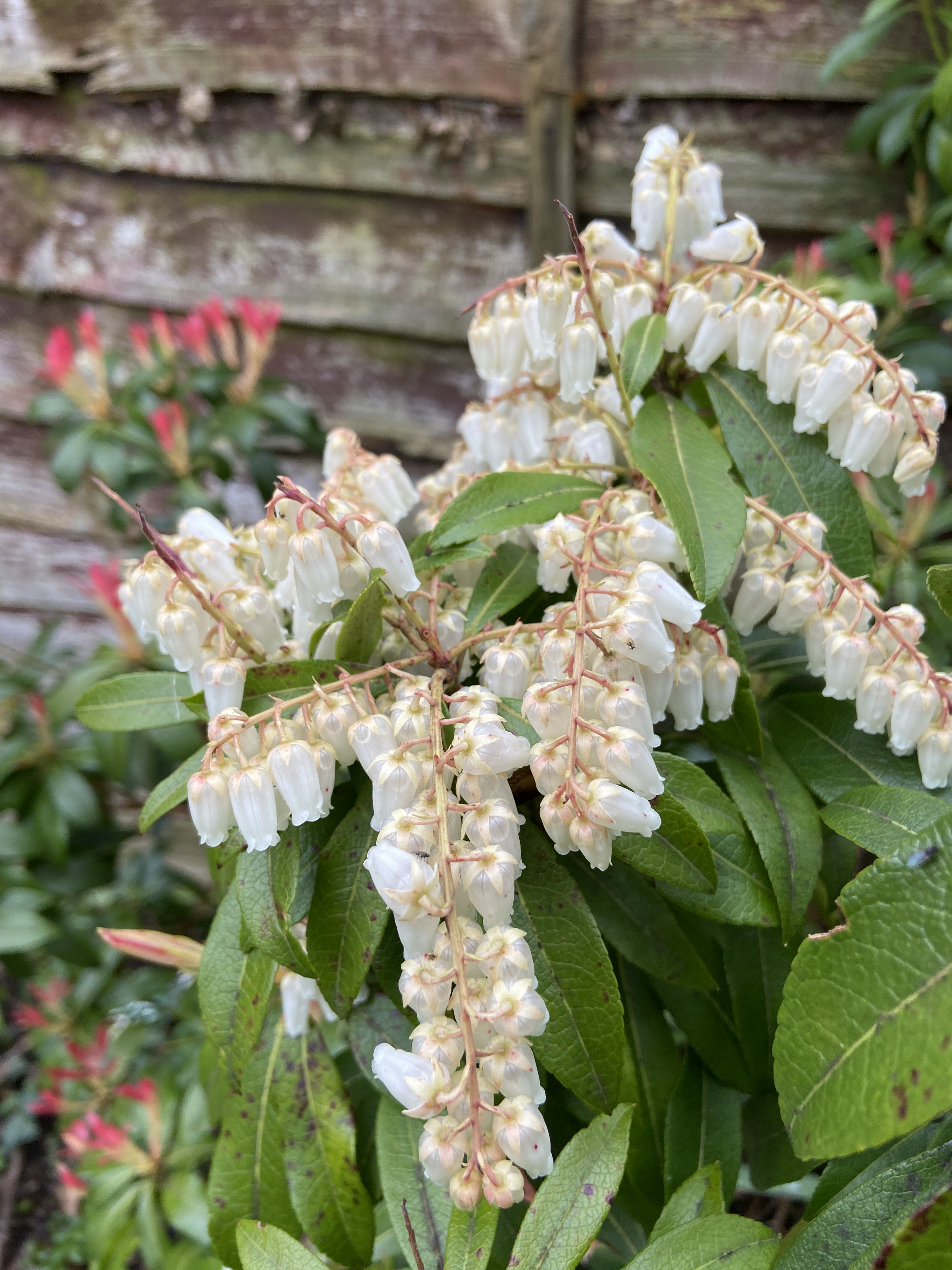
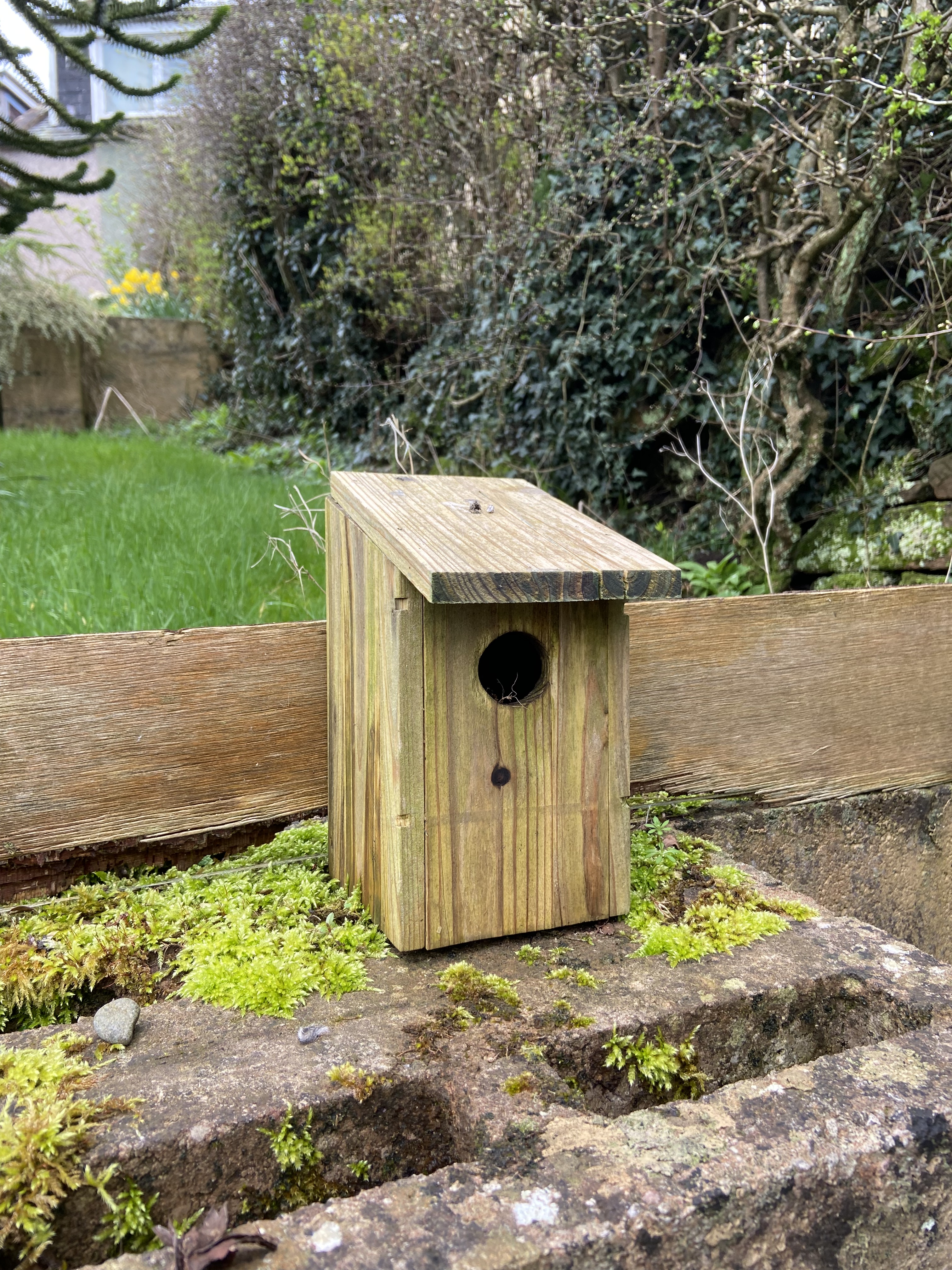
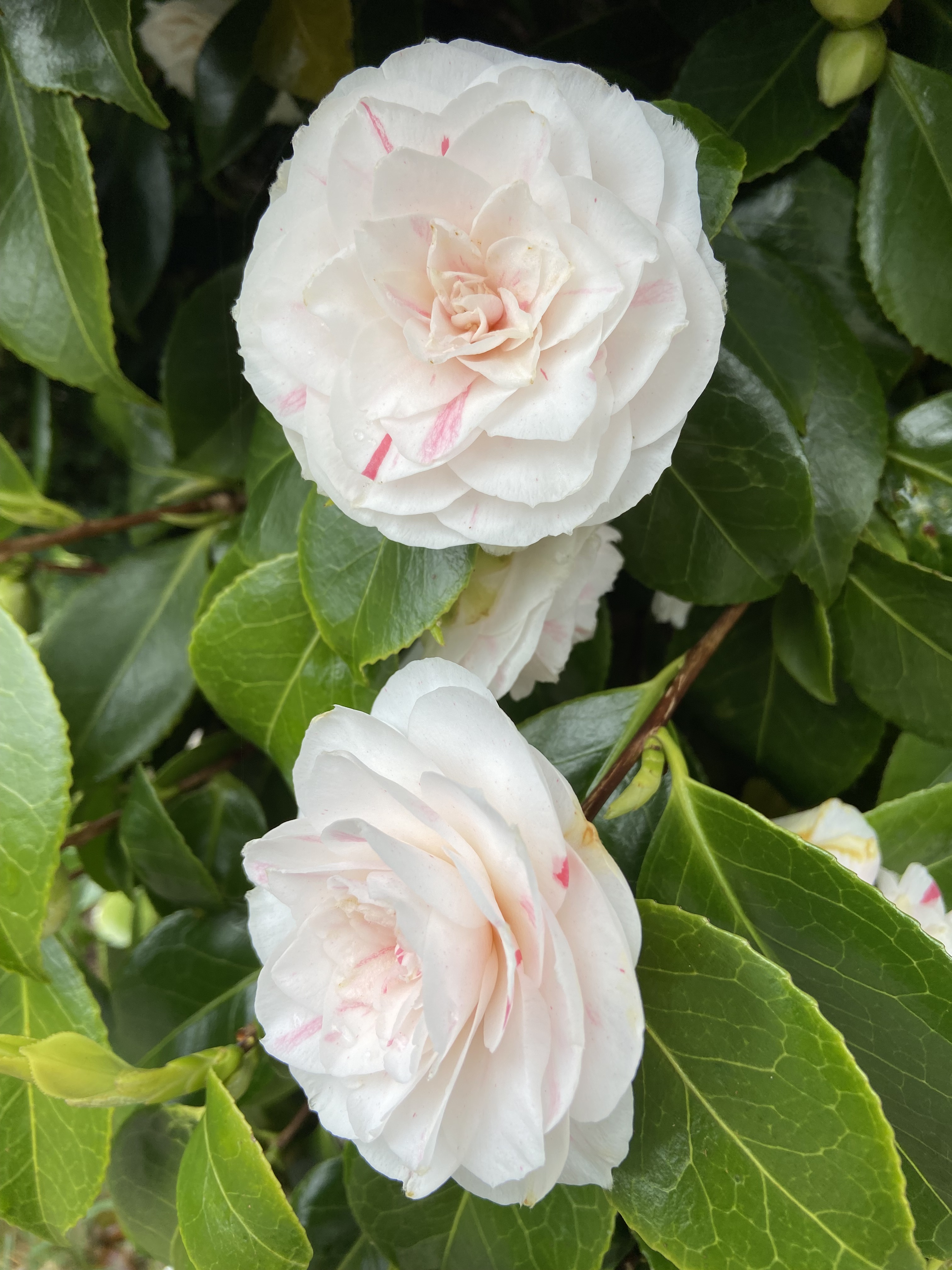
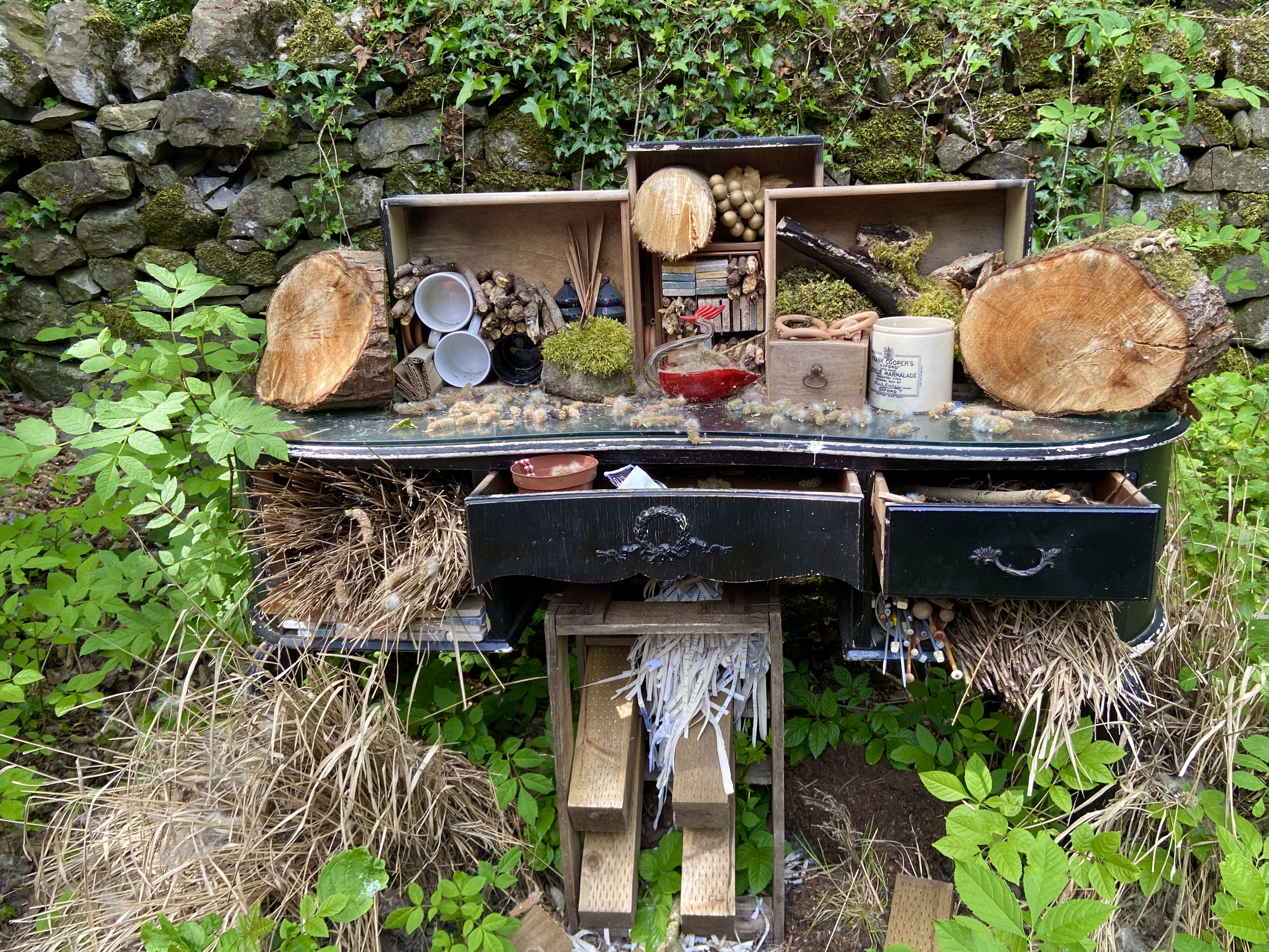
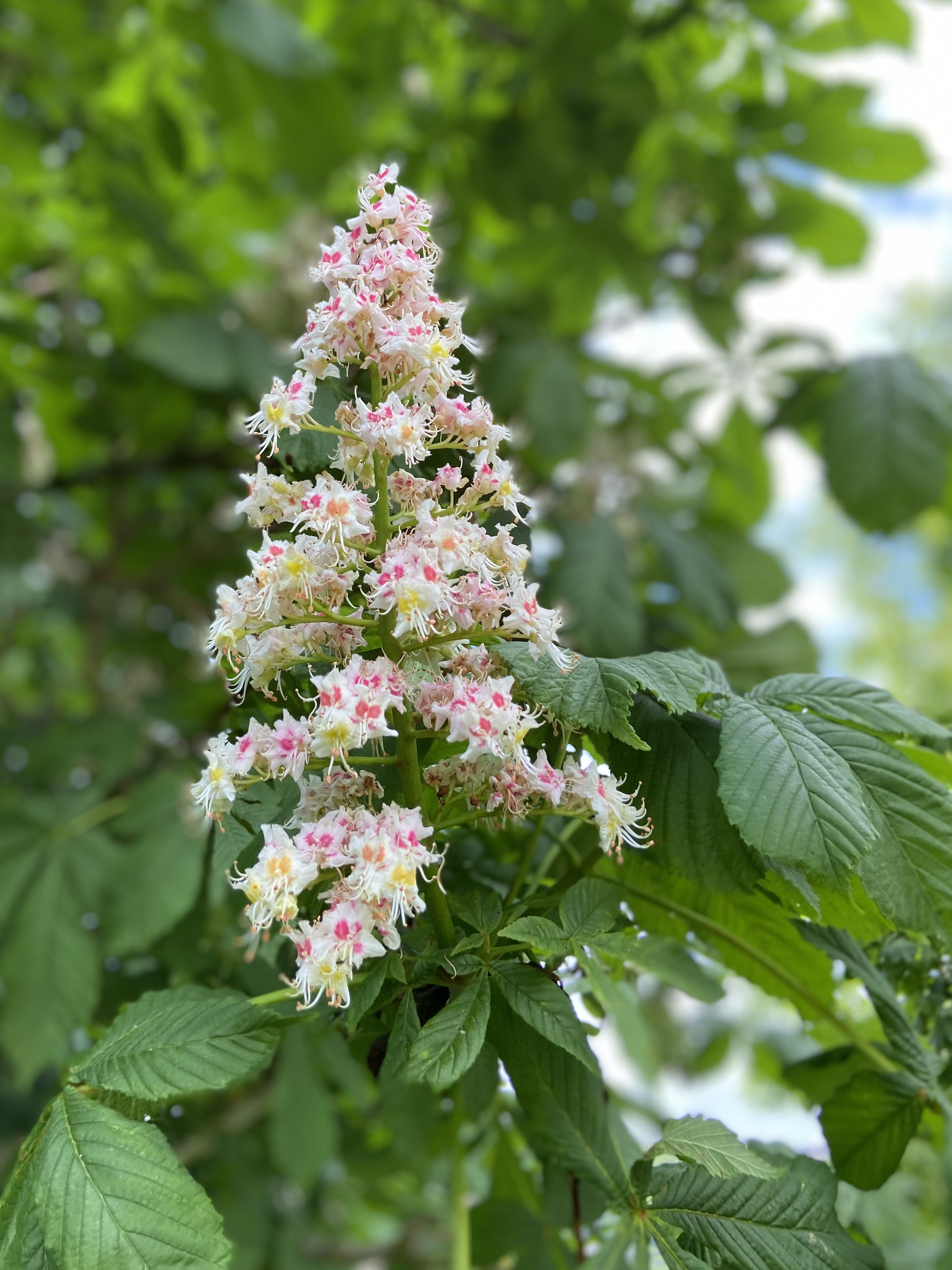
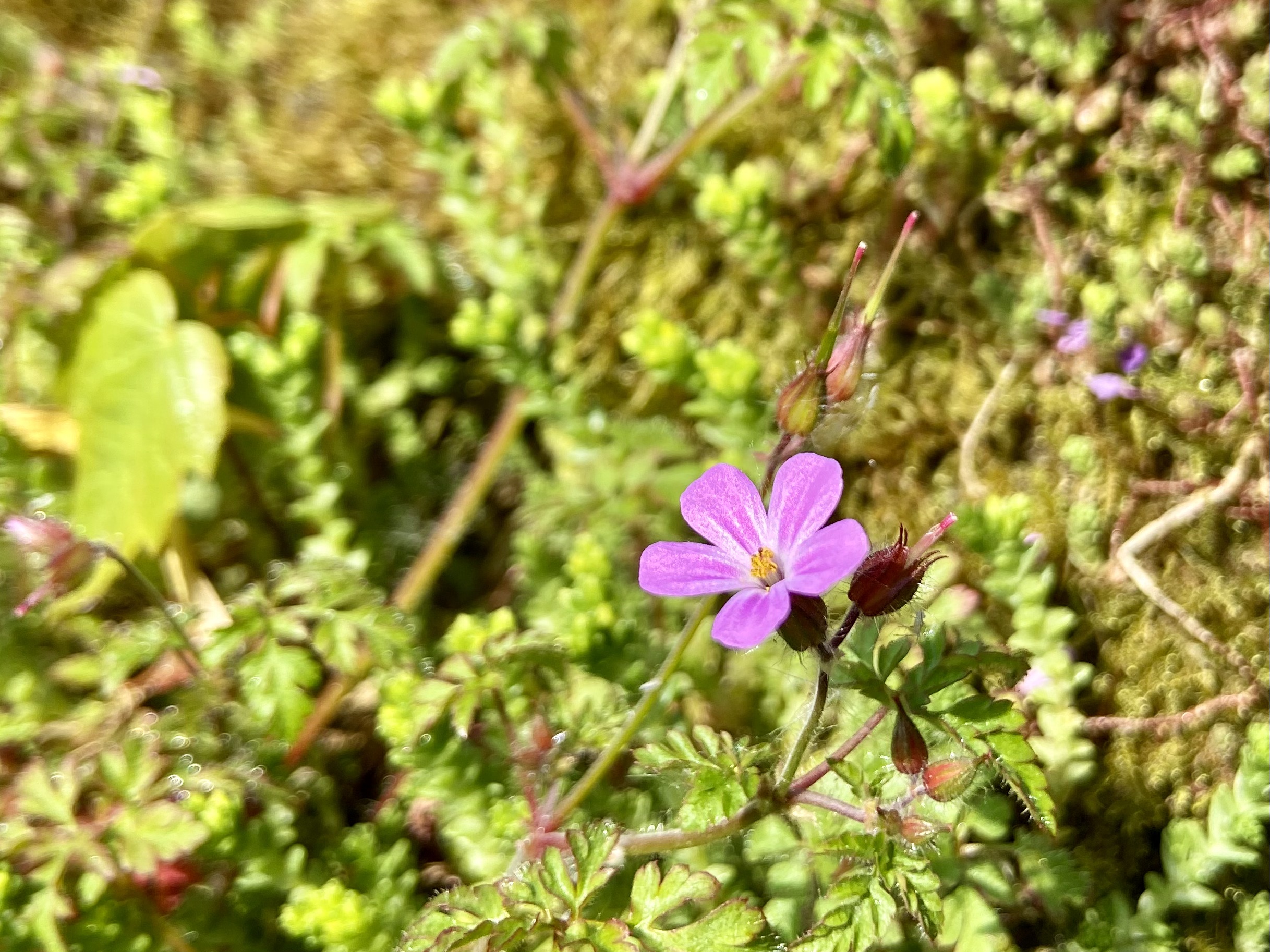
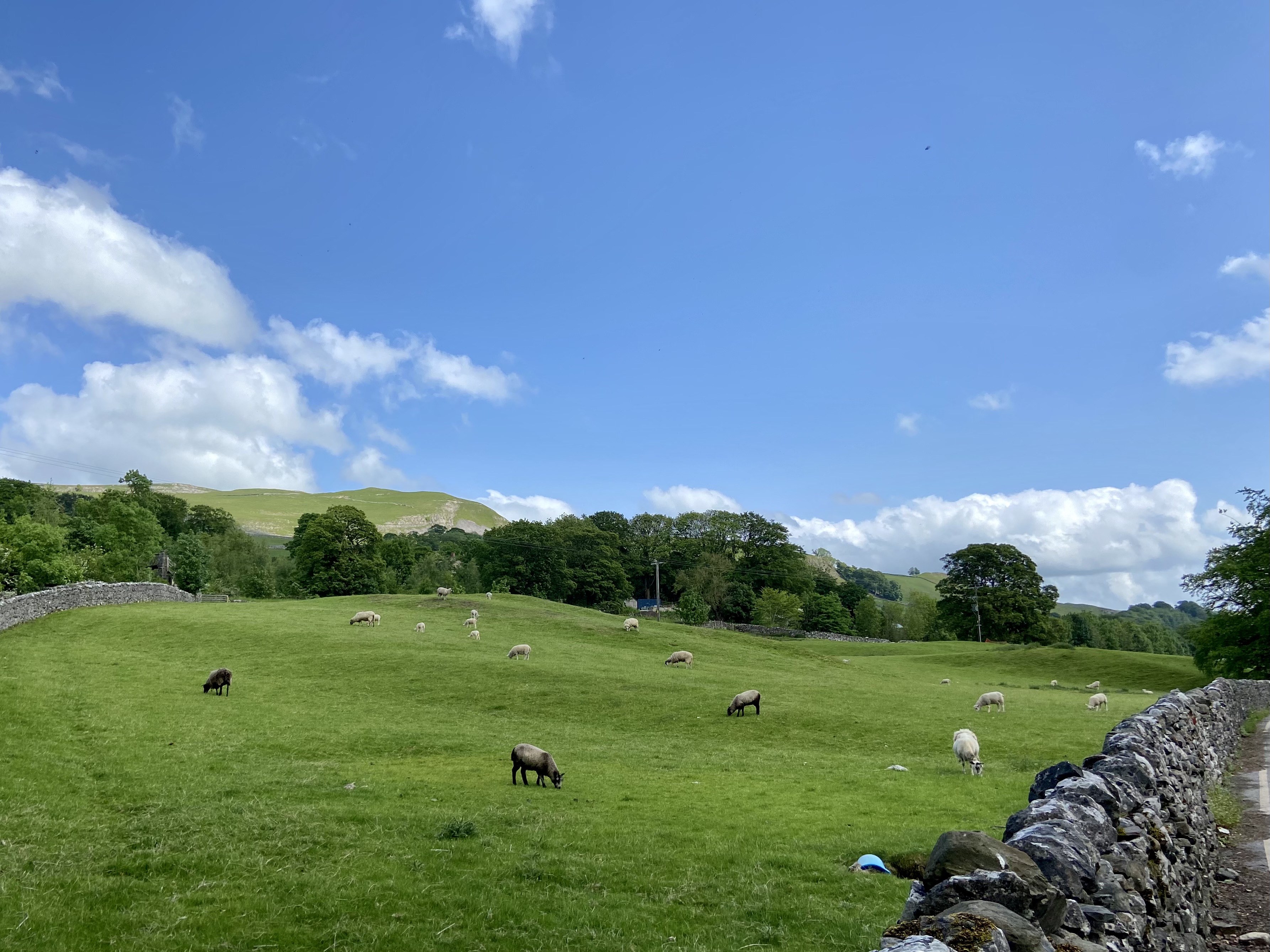
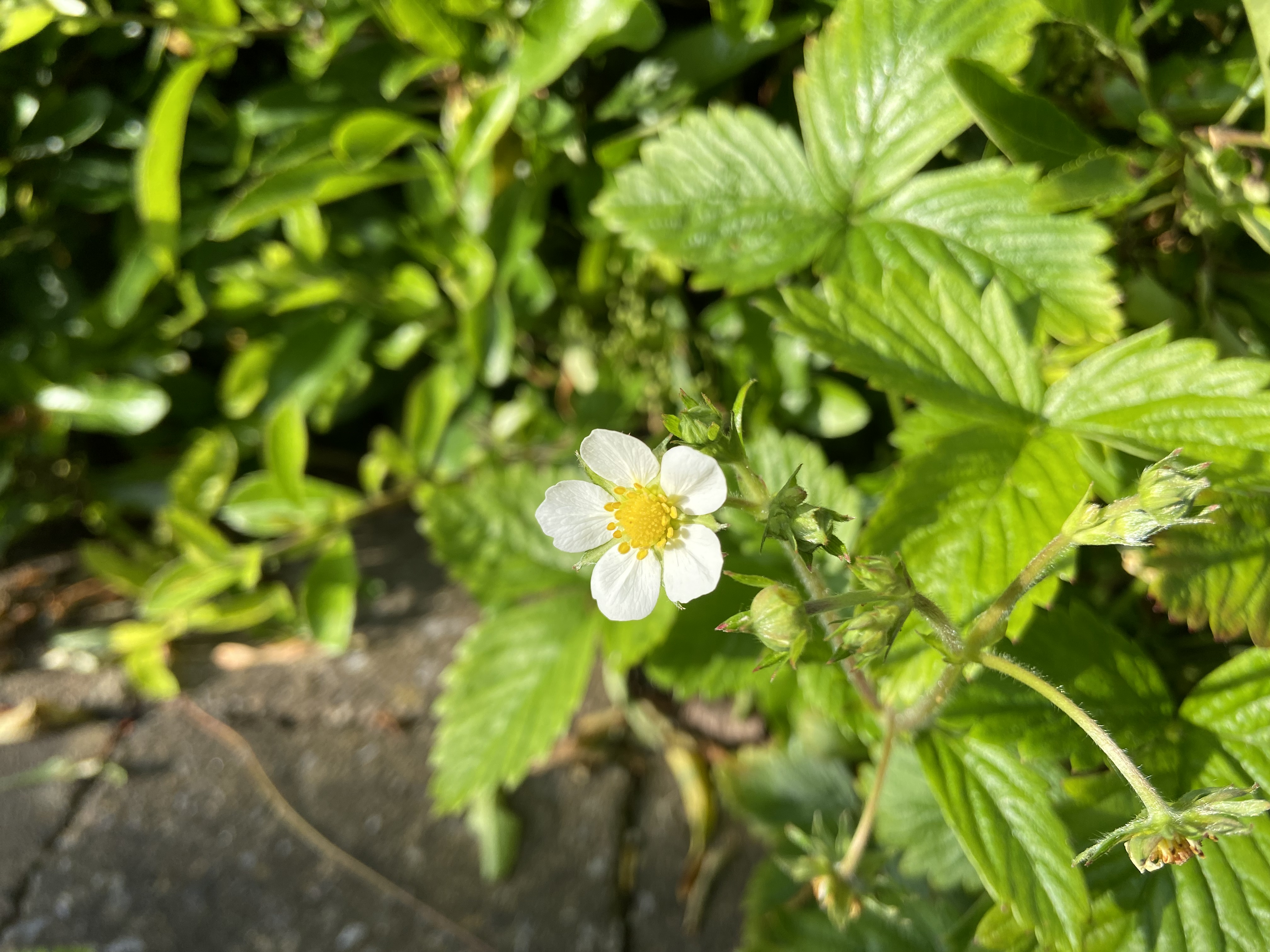
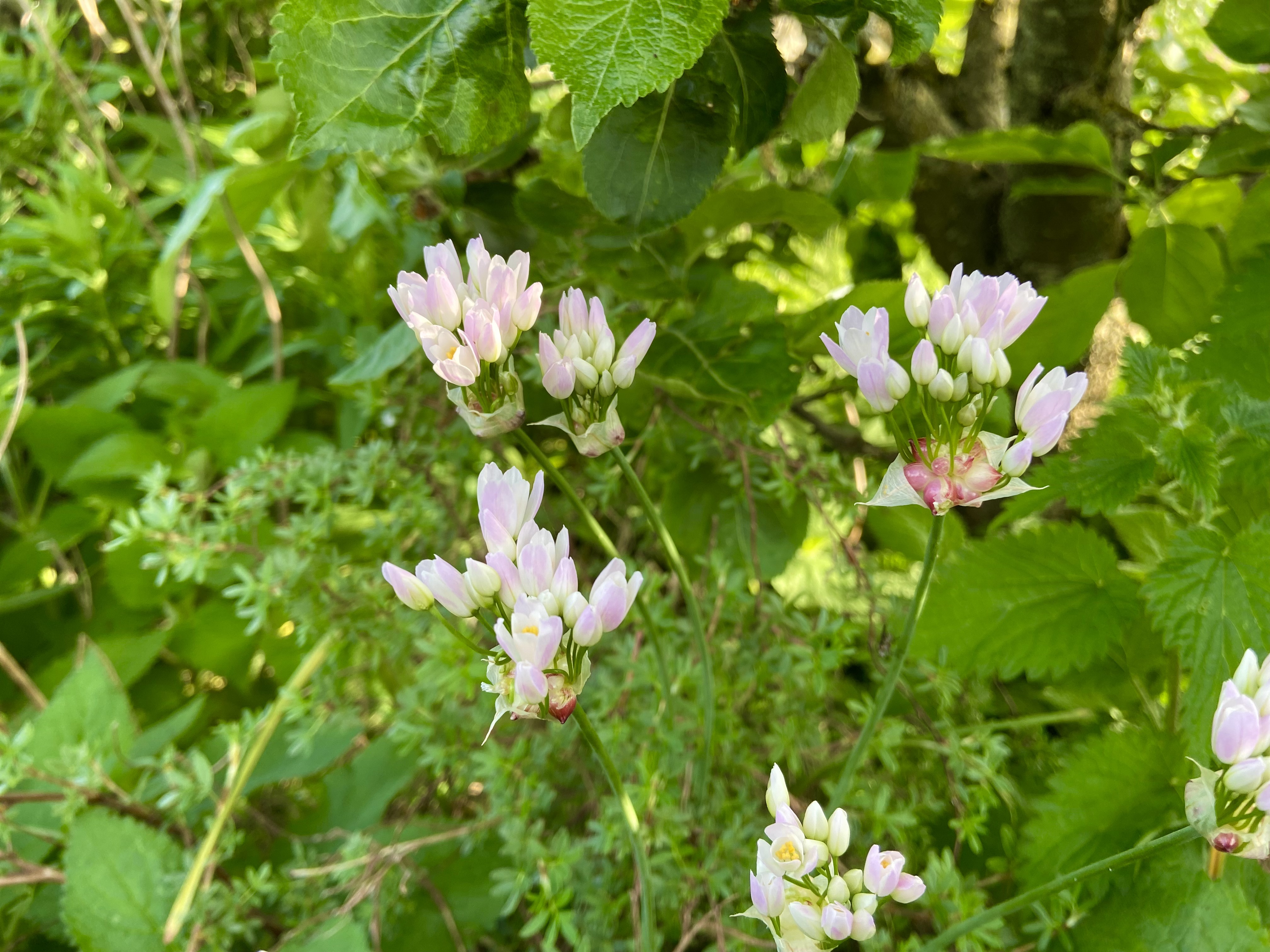
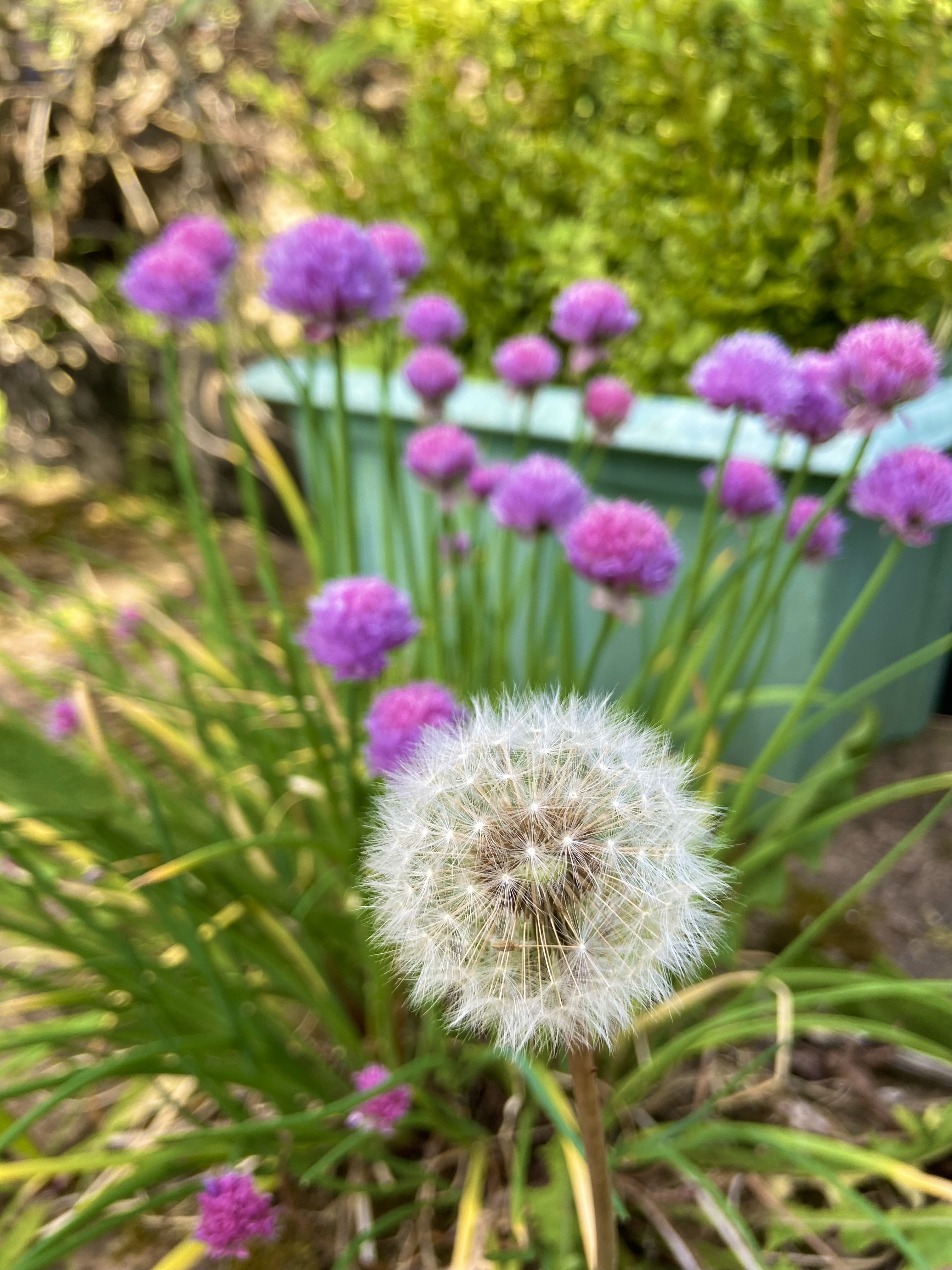
I’ll finish with a few photos from my new garden. Though it’s running a bit wild at the moment m there’s plenty of colour and lots to look at. Have a good week, all!

Testing for Tuberculosis

I was tempted to call this week’s entry TB, or not TB but that feels wrong. Although I have enjoyed this week, the subject is serious and there are sad overtones. I suppose the animals that go to slaughter following our test would have ended up there anyway eventually, but their lives will be cut short and it is a loss for the farmer, though he will receive some financial compensation for the cattle which are culled. It can’t be easy, knowing there is disease in your herd.

Though the aim to wipe out TB is laudable, for each farmer affected it can be a major headache. When we find TB on a farm, all cattle movements on and off that farm are limited. Restrictions are put in place and the only place those animals can go, is direct to the slaughterhouse. This means that if there are more animals on the farm than grass for them to eat, the farmer can’t send the excess stock to market. He either has to buy in food for them, or send them to be killed, even if they are animals that would be more valuable sold live. A young breeding cow has more value than the price of its meat, for example.

So it’s a difficult juggling act for the farmer. Throw in there the fact that our tests aren’t perfect, the disease is unpredictable and eliminating it can be difficult and you have the perfect combination for resentment of the people coming on the farm to do the testing and represent the government who put all these rules in place. We were very lucky this week that the farm owners were philosophical. It’s time consuming for the farmer as well. We tested close to four hundred animals this week. It took the best part of four days and even then, there are some retests that need to be done. Then in a couple of months, the whole thing will need to be repeated. On and on until the tests come back clear.

I met up with the team on Sunday night in the hotel where I would be sleeping for the best part of a week. I had met S the vet before. She took me out on some welfare visits a couple of weeks back, but there were two animal health officers coming too to carry out the blood testing and keep the paperwork in order. There was also another TB team, who would be skin testing at another farm in the area, so we were quite a big group. Though the food and conversation were good, we all retired early, ready for the hard work that was coming the next day.

It was interesting to me to go out testing. Thirty years ago, I used to carry out TB skin tests in the area, though in those days, there was no known TB in the area and all the tests were routine herd tests where we didn’t expect to find anything. The farm where we tested this week has already had TB confirmed. Culled animals had been found to have TB lesions present and culture results – where they attempt to grow bacteria in a lab from a possibly infected source – had shown that bovine TB to be present.

As far as I could see, the skin test hasn’t changed much at all. Two patches of skin on the neck are clipped (so you can see where you injected) and two types of tuberculin are injected: avian and bovine. Tuberculin contains purified proteins from the tuberculosis bacteria and in the UK, two types are used.

Because other harmless bacteria can be present in the environment, avian tuberculin is also injected, to try to rule out animals which have developed an immune reaction to those harmless bacteria, but still capture those that are infected with the harmful cattle strain. What this means, in terms of the test, is that if the animal produces an immune response, a lump develops at the injection site. If the lump at the bottom (bovine tuberculin) is bigger than the lump at the top (avian tuberculin) then the animal is classified as a “reactor”. That animal must then be slaughtered and checked for disease.

What was new to me though, was doing blood testing for TB in addition to the skin test. The blood tests are relatively new, very expensive, and there is a limited capacity for doing them in the UK. The animal health officer – SW – who arranged the test, had to call the lab in advance and book in our samples. The blood in the tubes also has to be kept within a certain temperature range and as it is winter, that meant that as soon as the sample was taken, it had to be placed in an insulated box with a heat pad. At the end of the day, a courier came, who would drive the samples directly to the lab.

Though it was a dull day on Monday, the test started well. SW was taking bloods and was wonderfully efficient at it. The arrangement with the needles was a bit different from what I remember in the old days. We used to use a test tube, a needle and a small, plastic needle holder. In between blood tests, you would unscrew the needle from the holder and replace it with a new one, so the holder was reused. Now, presumably due to the number of needle stick injuries that caused, a new needle holder is used for each animal. In addition, you don’t put the protective cap back on the needle. Instead there’s a green plastic flap that you flip into place to cover the needle. Doubtless it saves a lot of sore thumbs, but there is an immense amount of plastic waste.

This is K, the other animal health officer, taking a sample from the cow’s tail.

I had forgotten how messy blood testing cattle is. It was a beef farm, so the animals are always a lot wilder than dairy cattle. The animals are run up a race (a narrow fenced passage) and into a crush, where their neck is trapped so that they can’t move forward or back. That doesn’t stop them fighting it though, and as they scrabble about, the air fills with flying dungbombs. Of course, when you’re taking a sample from the tail, you’re also directly in the splat zone. I did a few samples and was briefly proud of how clean everything was… and then a cow sent the traditional jet of liquid shit directly at me and I spent the rest of the day with half my jacket and one trouser leg well and truly coated.

SW and K made a wonderful team. I was worried at the start that I would be a complete spare part, but they quickly involved me. Despite all the flying faeces, and the potentially serious nature of our visit, it was wonderful being back out on a farm, in the thick of the action, doing the job that I trained for all those years ago.

We had bought packed lunches in the shop in the morning. As we walked back to the cars, I was reminiscing with S the vet about the old days. When you spent the day on a farm testing, it was normal when you broke for lunch, to find a wonderful three course meal waiting for you in the farmhouse, courtesy of the farmer’s wife. Though it was already starting to be more common for farmer’s wives to work, it was still a regular part of that life back then, but I had been told it was uncommon now.

Of course, with four of us there, it would also be a big ask, but to my delight, we were invited into the farmhouse, where there was delicious, warming farmhouse soup, sausages, cheese and rolls and pancakes with butter and jam. Given what we were there to do, it was fantastically generous and it added to that feeling of deja vu I had all week.

We spent all day on Monday and Tuesday, injecting the skin test and taking blood samples, then on Thursday and Friday, S went out to read the skin test and I accompanied her, partly to do the writing (making sure you record the numbers and make sure the right animals are identified is crucial) and partly to see what the skin reactions are like and how they should be read. Though I’d seen a few avian reactions years ago, I never found any reactors and I was half hoping we wouldn’t find any.

But that hope only got as far as the third cow. Unfortunately, she had a lump where the bovine tuberculin had been injected, but no reaction at the avian injection site, which meant that she was a reactor. It was quite a chilling feeling for me, partly because the cow would have to be slaughtered and partly because I now knew that here was an animal with an infection that could be passed to humans. We’re not allowed out on farms to test without having had a BCG vaccine, but it was an unexpectedly sobering thought.

Things went relatively well from there, though there was one other reactor, and that was last years calf from the infected cow. Interestingly, the blood tests came back on Friday, and though it had picked up TB in the calf, the cow tested as negative. It will be interesting to see what is found when the two of them are culled. Though it’s not nice to see a young, recently weaned beast being sent off, it was some consolation that the cow would have company. Cattle tend to be stressed when they are isolated from the herd, and the farmer is required to isolate reactors as soon as possible.

There were also some more positives from the blood test, so they will be sent off too. Then, as I said back at the start, the herd will need to be tested again, and maybe several more times, but hopefully it will eventually be cleared. Officially Scotland is TB free, but in southwest Scotland, where animals are regularly brought in from Ireland, it’s always going to be a problem until they find a better solution. And as this is part of my patch, it looks as though we will be working on it for some time yet.

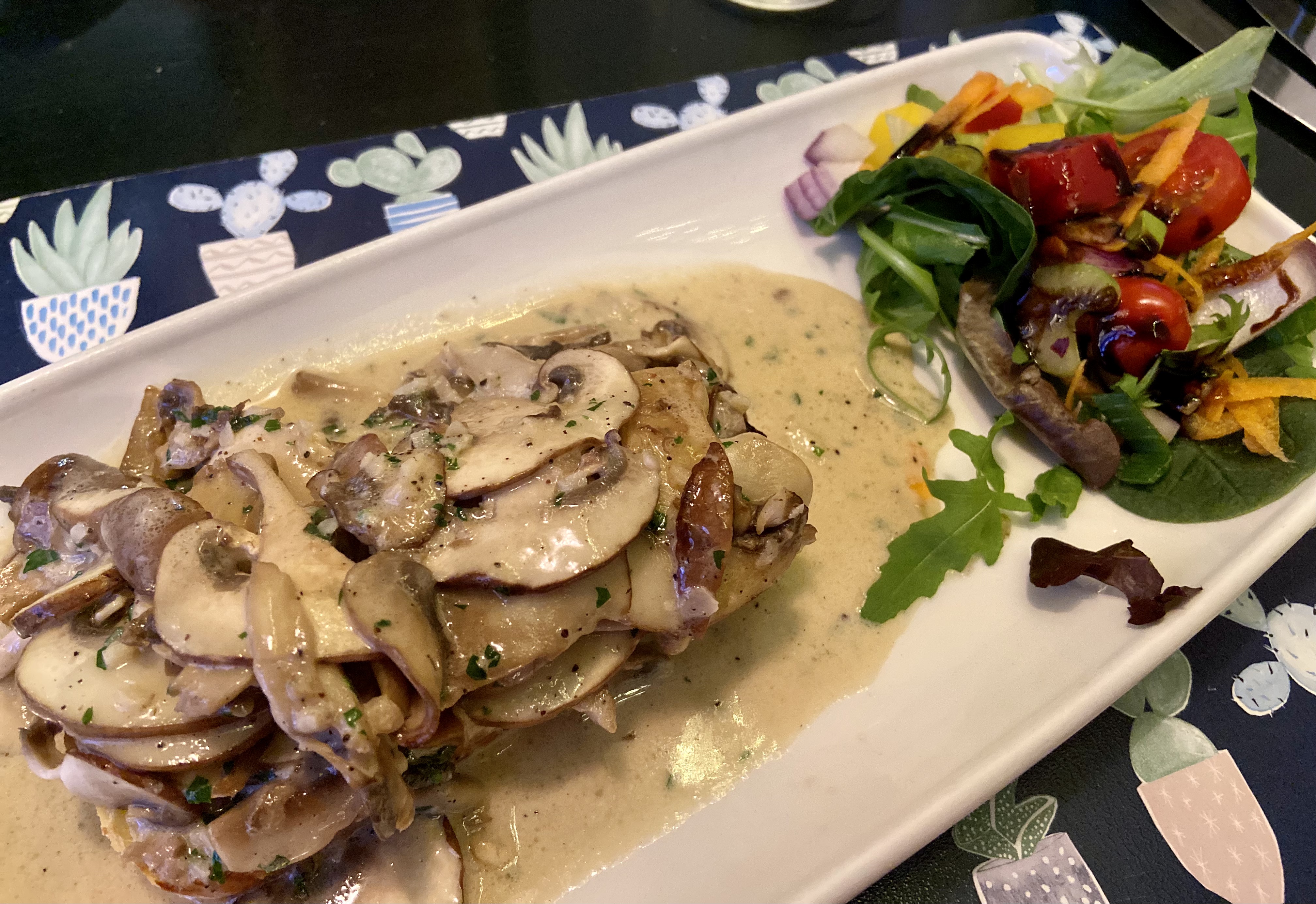
And for those of you that have made it this far, here are some gratuitous food photos from the Craignelder Hotel, where we stayed.

Wading Through

No trip down Watery Lane this week, but after a colourful sunrise on Saturday morning, Dad, Triar and I took a walk along the bank of the river Ribble. It was another frosty afternoon and Triar enjoyed frisking among the trees and then chomping down on a few flavoursome, frozen cow pats!
I worked from home (in Yorkshire) on Monday, then headed up the road to stay with Donna. She has made me feel very welcome all week. She told me on the first evening that she would be starting a Pilates class on Tuesday. As I was still feeling quite couch potatoish after all those long spells lounging around on trains and boats, I asked if I could join her. I’m admittedly more chewed apple core than core of steel, but we’ve booked again for next week and will probably book up a few new years classes so as to get in there before the amateurs, who will only realise on New Year’s Day that it’s time to tone up.

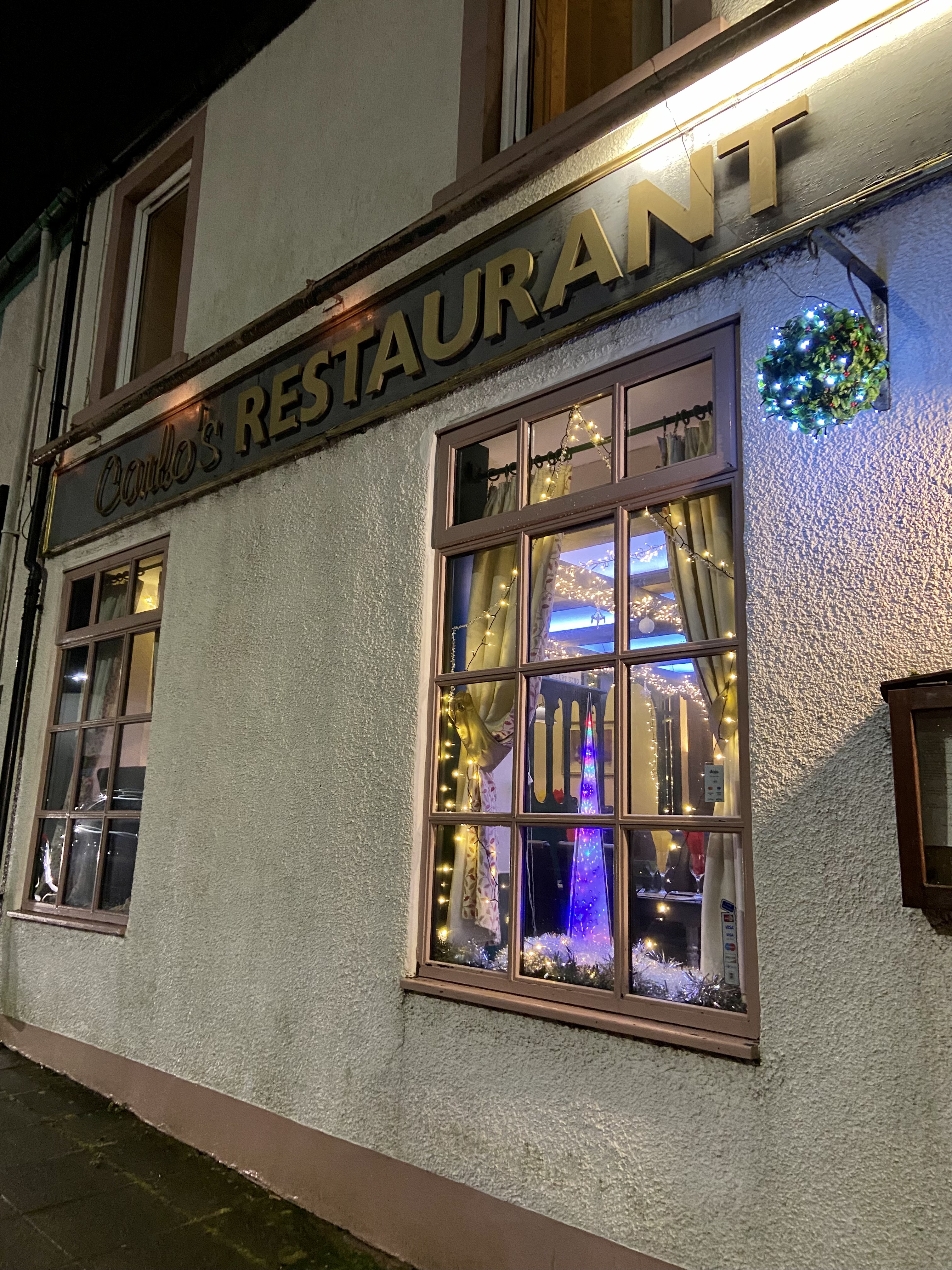
A few weeks back, Donna put up a winter menu for Carlo’s Italian restaurant in Castle Douglas, which sounded both delicious and very reasonable at £15 for two courses. She was meeting a friend, but added me into that as well. This was the mushroom crostini, which was rich with garlic and cream and easily as delicious as it looked.

I won’t add an image of my main course as it also involved mushrooms and looked quite similar, but we were all full enough to decide not to order dessert. I did have a liquor coffee though, which came with a mince pie and a chocolate mint. Being back in Scotland definitely suits me!

The wading through of the title doesn’t refer to water or mud. Rather it is in honour of my first full week at work, which was bogged down in IT issues and induction. I was introduced to many other members of the team in various online meetings and in a short blurb I wrote about myself, which boss K sent round in an e-mail.

Wanting to seem keen and enthusiastic, I carefully avoided using any hint of implication that the work I was doing felt like slogging through a treacle infested swamp, but on Thursday K herself used the phrase when she asked me how I was getting on. Still, I’m quite good at wading so I’ve already got through courses on Equality and Diversity, Health and Safety, Civil Service Expectations, Counter Fraud Bribery and Corruption and Security and Data Protection.

Having done the last of those courses, I was reminded that I should ask K whether it was okay to continue with this blog. After all, the course had told me, as a newly minted member of the civil service I was ripe for criminals to attempt an attack. Presumably if the farmers pay me enough, they will get through their TB tests with flying colours and I will turn a blind eye to their incipient blue tongue or bird flu outbreaks. The rules did seem quite strict though, and I was concerned that K would ban me from mentioning anything about my new role online, but having read last week’s entry, she thought it would be fine to continue so it looks like you’re all stuck with me for a bit longer!

Yesterday, I met R, my veterinary counterpart from Stranraer and LM, my Veterinary Advisor, who will be guiding me through my first cases. I asked whether I might be able to go to Stranraer to shadow R in some cases and LM suggested I might be able to go for a few days, which would be lovely, both in terms of getting to know other parts of the team better, and seeing a bit more of Stranraer. The most criminal behaviour I came across over there was a farmer, who told me on a date that he didn’t think I could calve a cow if he couldn’t manage it. Perhaps he was more skilled than the average farmer* but as I was only ever called out when they couldn’t manage and had experienced few problems, I wasn’t impressed with his first date contemplations. Funnily enough, we didn’t make it to a second date. Still, you know I’m now old, free and single. There’s always the chance of a second crack of the whip. Bring it on, I say!

*He wasn’t.

Just Visiting

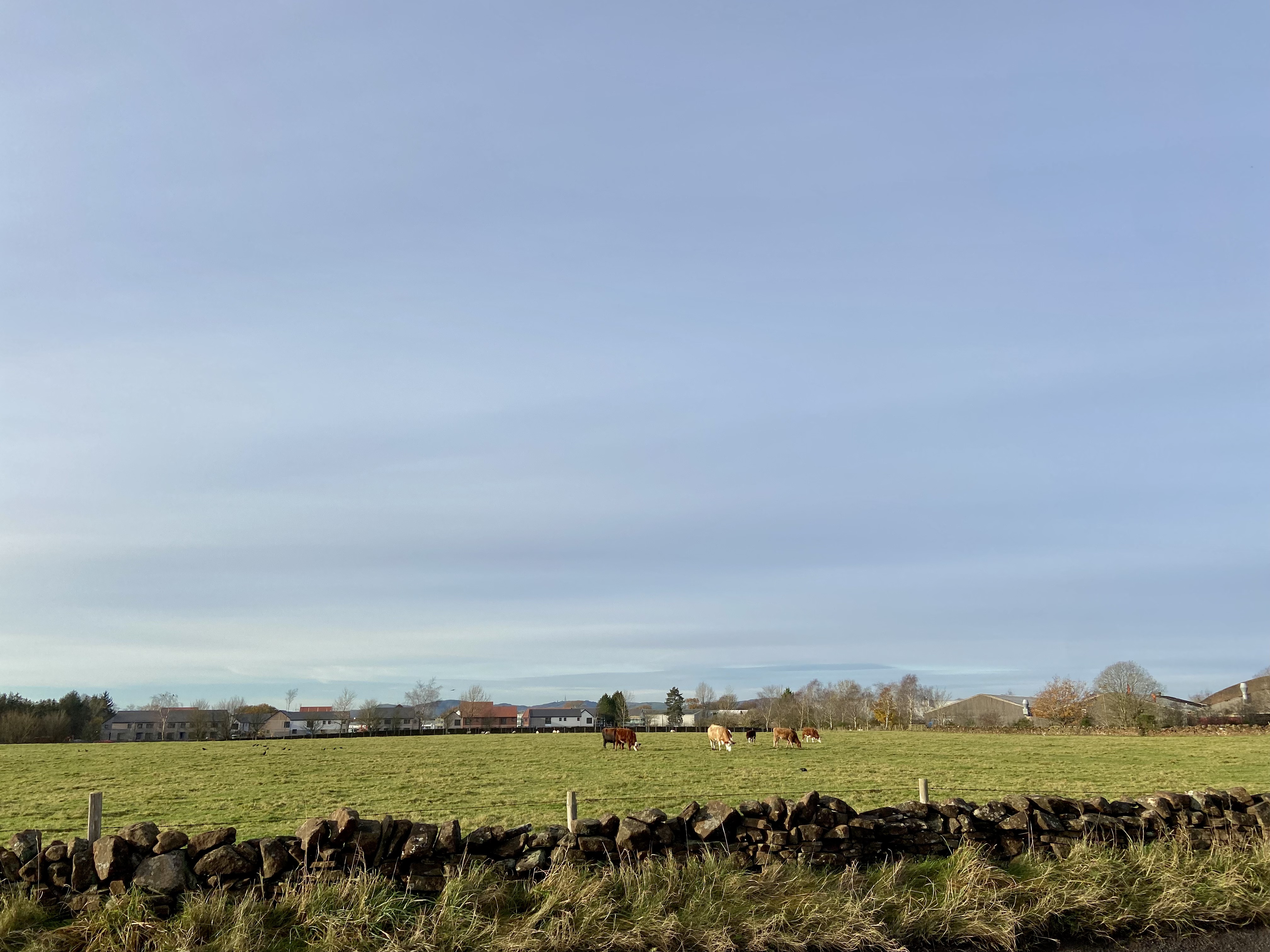
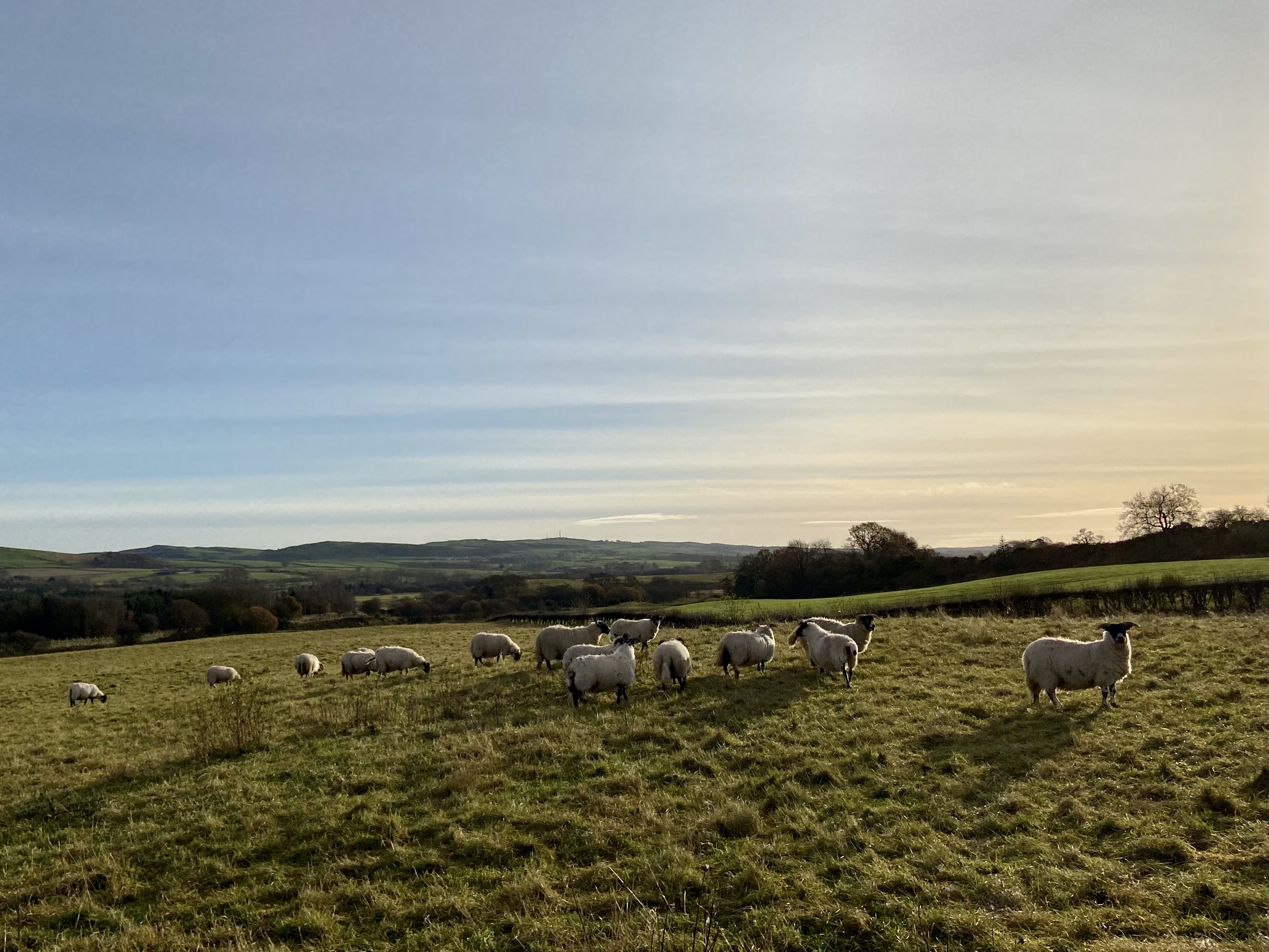
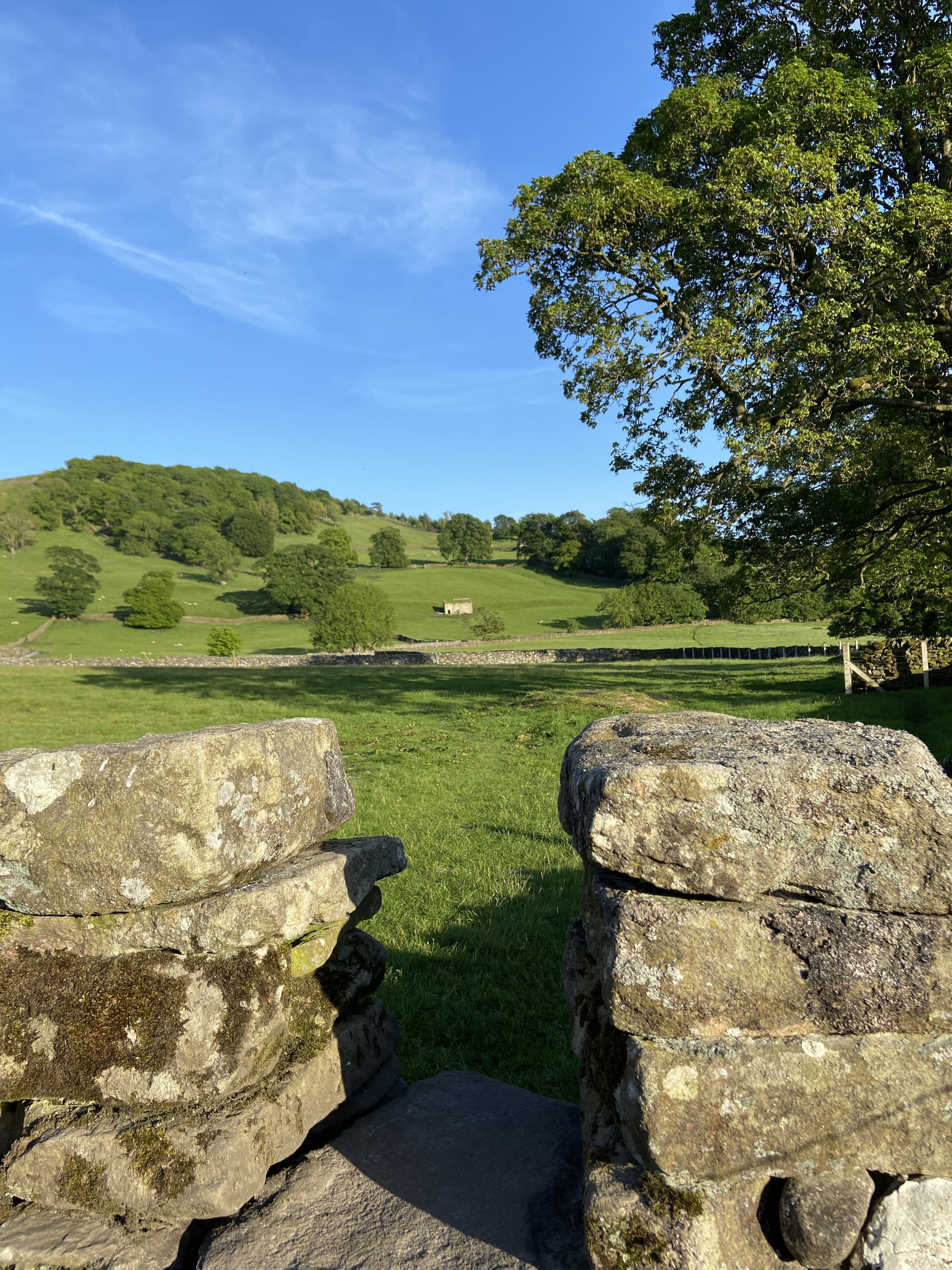
At the beginning of the week, Mum, Dad, Triar and I took a short trip to Dumfries. The main purpose was to pick up the keys of my newly rented house. Donna, a friend who lives in Dumfries had kindly been to inspect it for me, but I rented it without seeing it and I wasn’t sure what to expect. Happily, I love it. The picture at the top of the page is a view taken from the back garden, where there are sheep in the field. There are cattle in front of the house across the road too, so I instantly felt at home.

The house itself is pleasant enough. Hopefully Triar and I will be happy living there, once our furniture arrives.

The logistics of moving in remain complicated, mainly because I have no idea when Pickford’s will bring my furniture. I believe that it’s in a container and waiting to come over at the moment. Presumably once it’s in the UK, I’ll be told it’s arriving at quite short notice, but until then, it’s a guessing game. Various possibilities have been under consideration. Mum suggested an inflatable mattress, but the idea of camping out to that extent, with nowhere even to sit, wasn’t something I want to contemplate. She also suggested buying a chair or sofa bed, which I did consider, but finding one I like, which would be delivered in time, was difficult enough without then thinking about the fact that I would have to go back up to Dumfries to receive the delivery and then put it together before I could use it. So as yet, all I have done is to book myself in to the Premier Inn for Thursday night this week. I start work on Friday, so will need somewhere to sleep the night before. If necessary, I can hire a van and borrow a bed and an armchair from Mum until my things get here, but I can (hopefully) put that plan into action at fairly short notice if necessary. For now, I’ll just keep my fingers crossed that Pickford’s bring my stuff within the next week or so.

Dumfries seemed to be an attractive place with a river running through the centre and plenty of shops. We were in a café in the town centre which had signs up for a writers group on Wednesday evenings, so I may go along to that. There is also a women’s walking group, which I might try, but best of all, Donna has invited me out for a meal with some of her friends on 7th December. Having moved to Finnsnes in the middle of Covid, it took me a couple of years before I actually met anyone outside of work. Jumping into the middle of a social life seems like a dream.

The Midsteeple dominates the town centre in Dumfries

There are still lots of things that I am trying to get sorted out. Sliding back into UK life after fifteen years was never going to be straightforward. So far, I’ve bought a new telephone SIM and number, registered to vote, set up a bank account, registered my rental house for council tax (which the landlady had to remind me about) and notified the electricity supplier that I was moving in. I’ve still to register with a doctor, buy some oil (the house has oil central heating) and get myself a car. I can borrow Dad’s car temporarily, but I need to buy one that is suitable for work and get it insured for business use. I am trying to weigh up prices and reliability, taking into account the possibility that the government might put more restrictions on older cars. Price is particularly significant. I have money in Norway, but the exchange rate with the pound is so poor at the moment that using a large lump sum seems quite wasteful. I am spending part of each day trawling Auto Trader and Car Guru to see if I can find something I like, which is ULEZ compliant, has cruise control and is still within my budget. Fingers crossed!

Anyway, I’ll leave you with a couple more photos I took up in the Dumfries area. The first is another taken from the back of my new house, the second was taken on a short walk down a country lane, when we drove out to look at another house that’s for sale. Thanks for reading and I hope you have a lovely week as we head into December.

Triar’s Travels

It was wonderful to catch up with a few people when I was in the Stavanger area again. I missed seeing my friend Lynn when I was down in at the end of August and we met up for coffee in Sandnes. Then my ex-boss Guro got in touch, so we went for a short walk together and ate delicious pumpkin soup that she brought. Guro also works for Mattilsynet in animal welfare and health, so it was interesting to compare notes about the tiny office in Finnsnes, compared to the much larger scale operation in Sandnes where she works.

We also celebrated Charlie’s birthday, on the 6th November, with food and cake.

It was lovely to catch up with people and also to eat cake, but most of this blog is going to be about our journey, and in particular about Triar. Back when he was younger, we worked hard trying to get him used to doing different things. We took him to the Christmas Marker in Egersund to get him used to crowds and into Stavanger on the train to dog-friendly coffee houses, where he learned to lie under the table while we ate.

But for the past three years, he’s lived a much more isolated life. Occasionally he went into eateries with us, but he never really settled and it was too inconvenient and expensive to be worth pursuing. The nearest train was a two hour drive away in Narvik and somehow, we never got round to taking him on the fast boat to Tromsø.

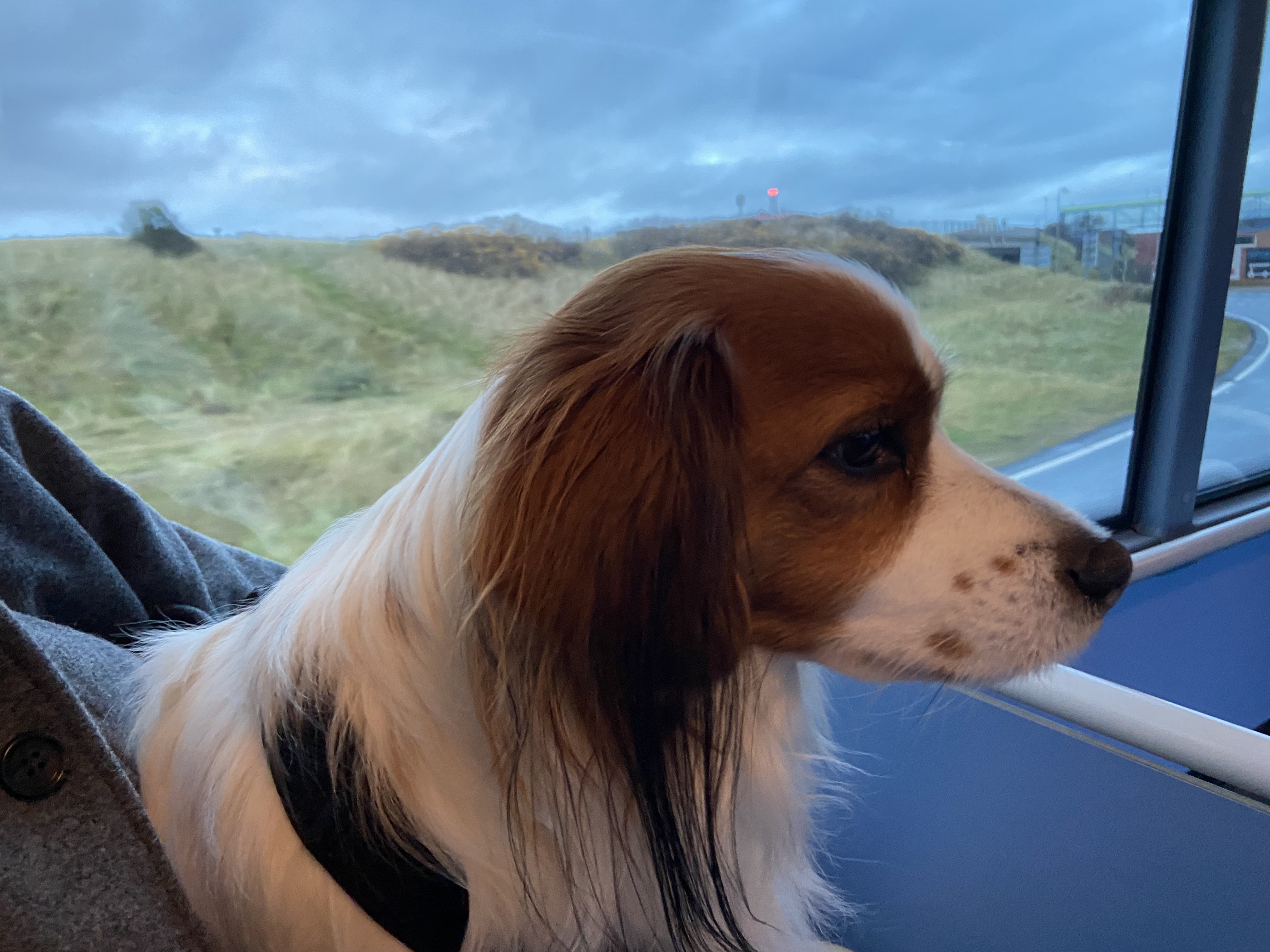
So I was interested to see how he would cope when he was thrown in at the deep end. The first leg of our journey was on the Fjord Line ferry that goes from Stavanger to Hirtshals in Denmark. We had a dog-friendly cabin, which was very comfortable. Fortunately, the weather could not have been much better and within minutes of boarding, Triar was feeling very relaxed.

Though I woke up a few times to find the boat gently rocking, Triar slept right through the night and seemed very cheery as we arrived in Denmark.

We had booked a taxi for 08:30 to take us from the dock to the railway station, but when I called the taxi firm, they said they had the booking marked for 09:00 and couldn’t get there sooner. Fortunately, there was a bus available, which we managed to hail, just as it was about to leave. We asked the driver whether we could bring the dog on board and he said of course we could.

Triar was such a good boy on the bus that the driver climbed out as he dropped us off to meet him properly. Triar can be a bit stand-offish with new people, but when the driver got down to his level and held out his hand, Triar did go up to him.

Soon we were on the train on the way to Hamburg, changing at Lindholm and Fredericia. We had a ticket for Triar, but the rules said that he had to stay on the floor. We had brought along some of his favourite toys and a chewy stick that Charlie had bought him. I was delighted to see how quickly he settled in.

Between Lindholm and Fredericia, he spent a good long spell chewing:

The Danish trains were very comfortable. On the last (and longest) leg of our journey, he was showing some signs of restlessness, but by the time we arrived in Hamburg, I was feeling very proud of how well he was coping.

The last leg was in a taxi, where he behaved impeccably, sitting at Anna’s feet on the floor. Indeed, he was much calmer than the taxi driver who, as well as making good use of his horn, ended the journey shouting at a woman who complained because he was blocking the cycle path outside the hotel.

Fortunately, the next leg of our train journey was a little shorter. I was thrown for a moment in the morning when I received an email with the words “Journey is cancelled” in large letters across the top. Fortunately it was only from Deutsche Bahn to say that the second train of the day, between Osnabrück Hbf and Amsterdam Centraal was not running. I had panicked for a moment, thinking it might have been the ferry crossing. Here Anna demonstrated the level headedness that had made me so glad when she accepted my invitation to come on this trip. Within moments, she had found information about alternative trains and we arrived in Amsterdam only half an hour later than originally planned.

Triar was mostly a star on the train. A lady with a toddler asked whether it would be okay for her daughter to be introduced to him. He has always been good with children, having spent his earliest days as a puppy with Wivek’s youngest daughter, Tiril, loving and hugging him regularly. Anna carefully controlled the situation, making sure Triar was sitting quietly and offering him food as the tiny girl stroked him quietly and gurgled with pleasure. Her mum made very sure her daughter was gentle and the whole thing went off very well. Triar seemed to enjoy it too.

Unfortunately, he did slightly blot his copybook a little later. Up until this point, he had remained perfectly calm, not moving a muscle, even when various guards came and stood right next to his head in their shiny black boots to inspect our tickets. But a woman came and stood right in front of him, and unlike the guards, she stared straight down at him. For the first and only time on our long journey, he stood up and lunged towards her, letting out a loud bark. Unsurprisingly, she quickly scurried away. I felt frustrated that we hadn’t controlled the situation better, but he had been so good up to this point that I hadn’t been expecting it. To my surprise, the woman with the baby girl still left her on the floor quite close to him and though we kept him on a fairly short lead, he settled back down and was well behaved for the remainder of the journey.

The last leg out to the AirBnB we had booked was on a jam-packed tram. Anna lifted him onto her knee and despite the crush of noisy people all around him, he lay in her arms and went to sleep.

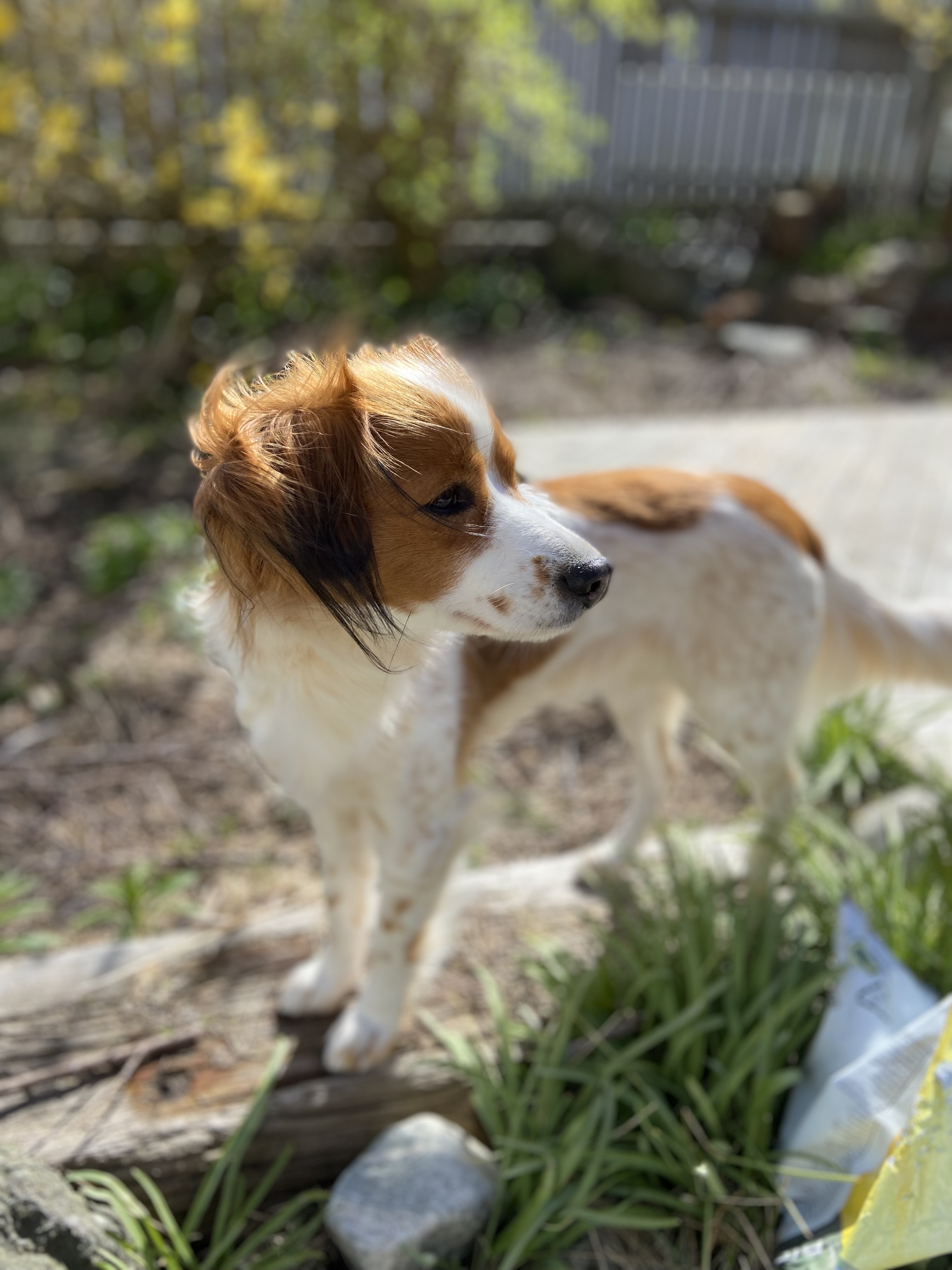
All in all, the trip has gone very well so far. Though Triar looks incredibly sweet – so many people smile when they see him – he has a fairly typical Kooiker nature in that he can be wary of people he doesn’t know. We’ve been very isolated in our little snow-bound house and I’m going to contact a local trainer as soon as we get to Settle because we need to work again on his socialisation, both with people and with other dogs.

Most people probably saw a wonderfully calm, well behaved dog. I know I would have been impressed if I’d seen him as a stranger’s pet. I’m always impressed to see a relaxed dog on public transport. But that single moment with the lunge and the bark was a reminder of how quickly things could potentially go wrong. He’s never bitten anyone, but barking and lunging is alarming, particularly to anyone who’s scared of dogs.

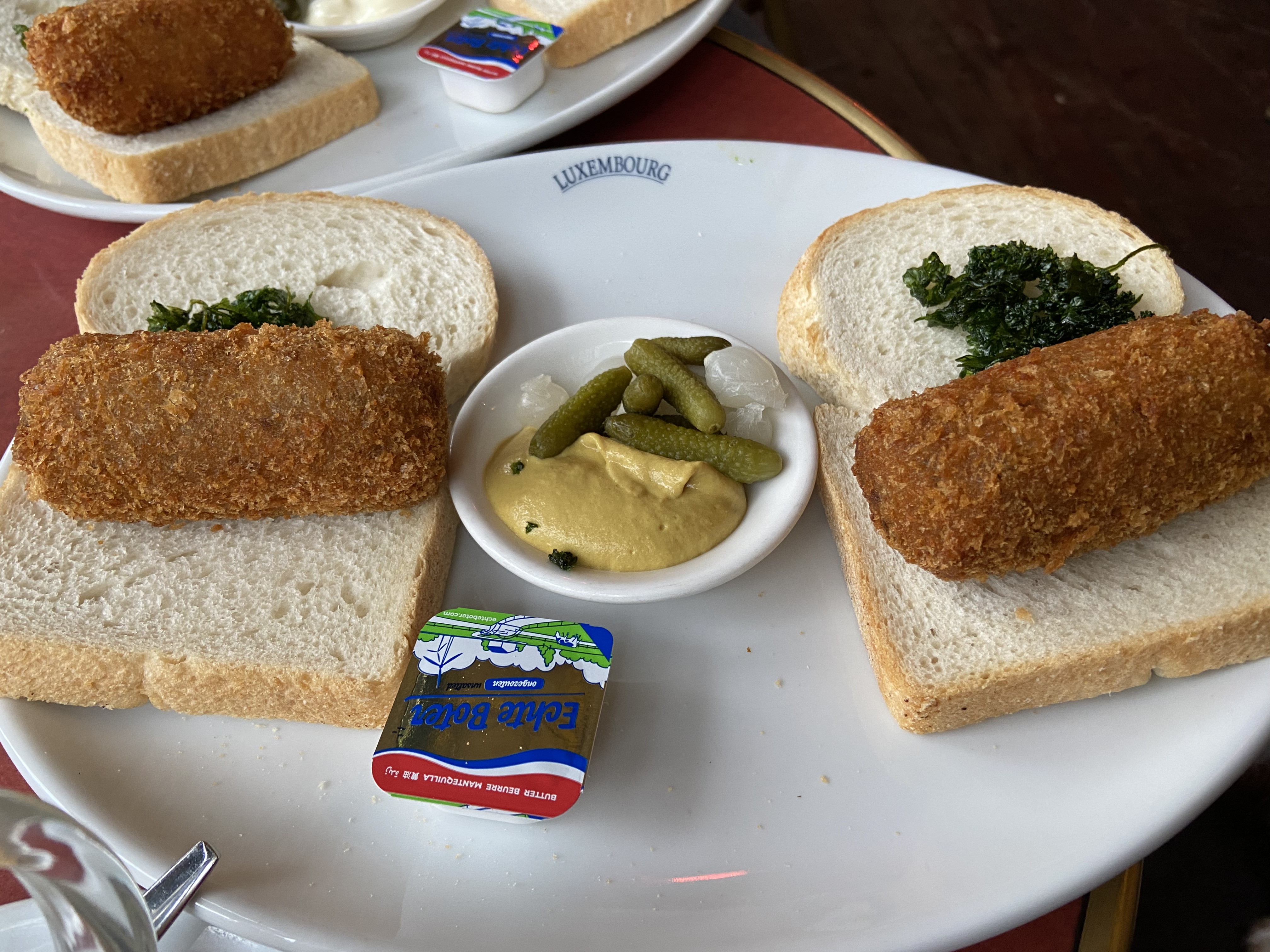
We spent yesterday walking around Amsterdam in the rain, stopping in a cafe to eat some traditional Dutch kroketter. I asked the restaurant owner if we could bring a dog in and he smiled and said that if it was a cute cuddly dog, it was welcome to come in.

Here he is, under the table. I think he probably qualified, though fortunately none of the waiters put his cuddliness credentials to the test. He loves family cuddles, but there are limits!

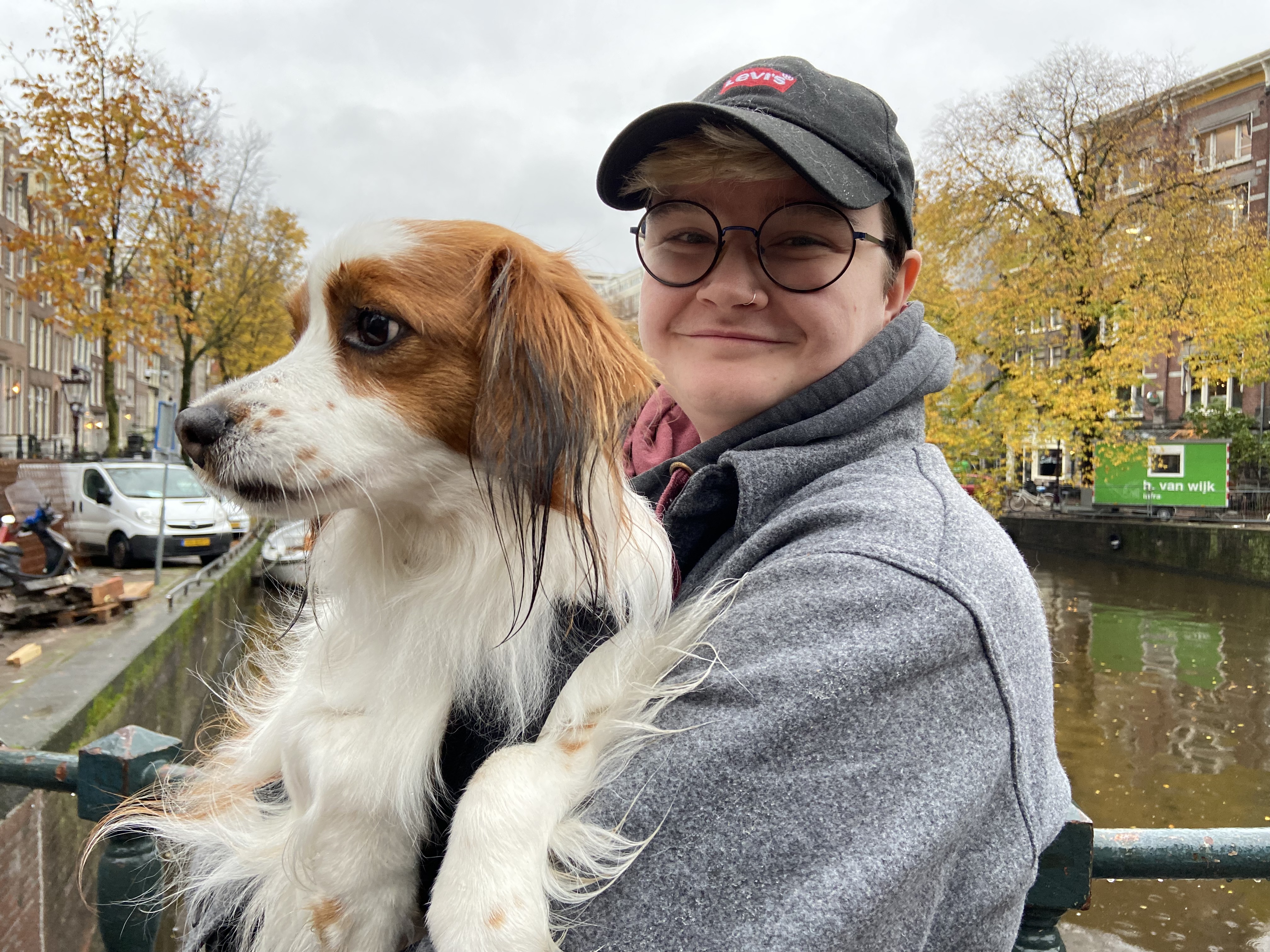
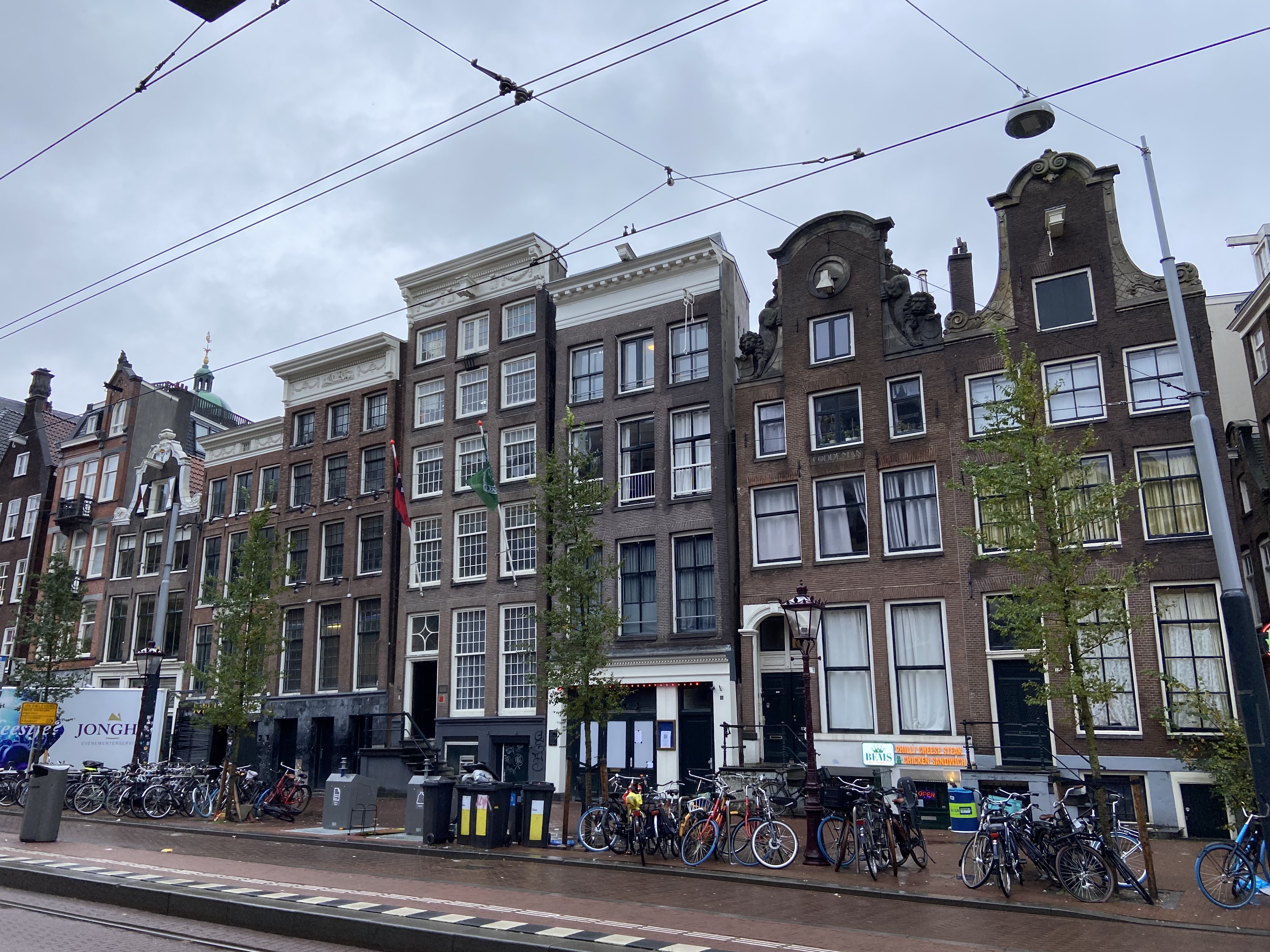
I would love to come back to Amsterdam for a longer holiday. It’s a very attractive city with its canals and distinctive town houses.

We also completed an essential task yesterday. Triar had to go to the veterinary clinic and take a worming tablet before he enters the UK. I think the vet was impressed with our organisational skills as we arrived with a lump of pâté wrapped in cheese and the tablet was very quickly dispatched. I was also relieved his microchip was still working. It was unlikely it would fail, just at this crucial moment, but if it did, it would be potentially disastrous. We’ve travelled from Norway, through Denmark and Germany to the Netherlands without any kind of passport check, but if Triar isn’t allowed into the UK, we couldn’t take him back to Norway either as the same, stricter rules apply in both places..

This evening we will set off on the last leg of our long journey. An overnight ferry will take us to Newcastle and so tomorrow, assuming all goes well with the UK customs, Triar and I will be starting our new life in the UK. I hope you’ll join us on our new adventure.

Passing Through

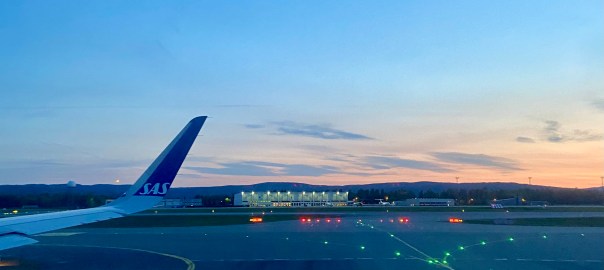
This is going to be something of a scattergun post. I’m sitting in the SAS lounge in the international area of Oslo Airport, though not in the true inner sanctum of the Diamond and Gold cardholders. I bid for an upgrade (it seems several airlines do this now) and got it for my Oslo – Bardufoss flight. As upgrading that flight was cheaper than upgrading the Manchester – Oslo flight, I thought I’d be limited to the domestic lounge, but cheekily tried the international one and, to my surprise, was waved on through. There’s unlimited food in here, so with nine hours to kill, it’s probably cheaper than paying for a couple of meals and drinks.

Anyway, most of this post will be photographs from my holiday. I don’t have my computer, so I’m not going to type much, but I hope you enjoy a whizz through of a walk along Water Lane and a tour of Skipton Castle.

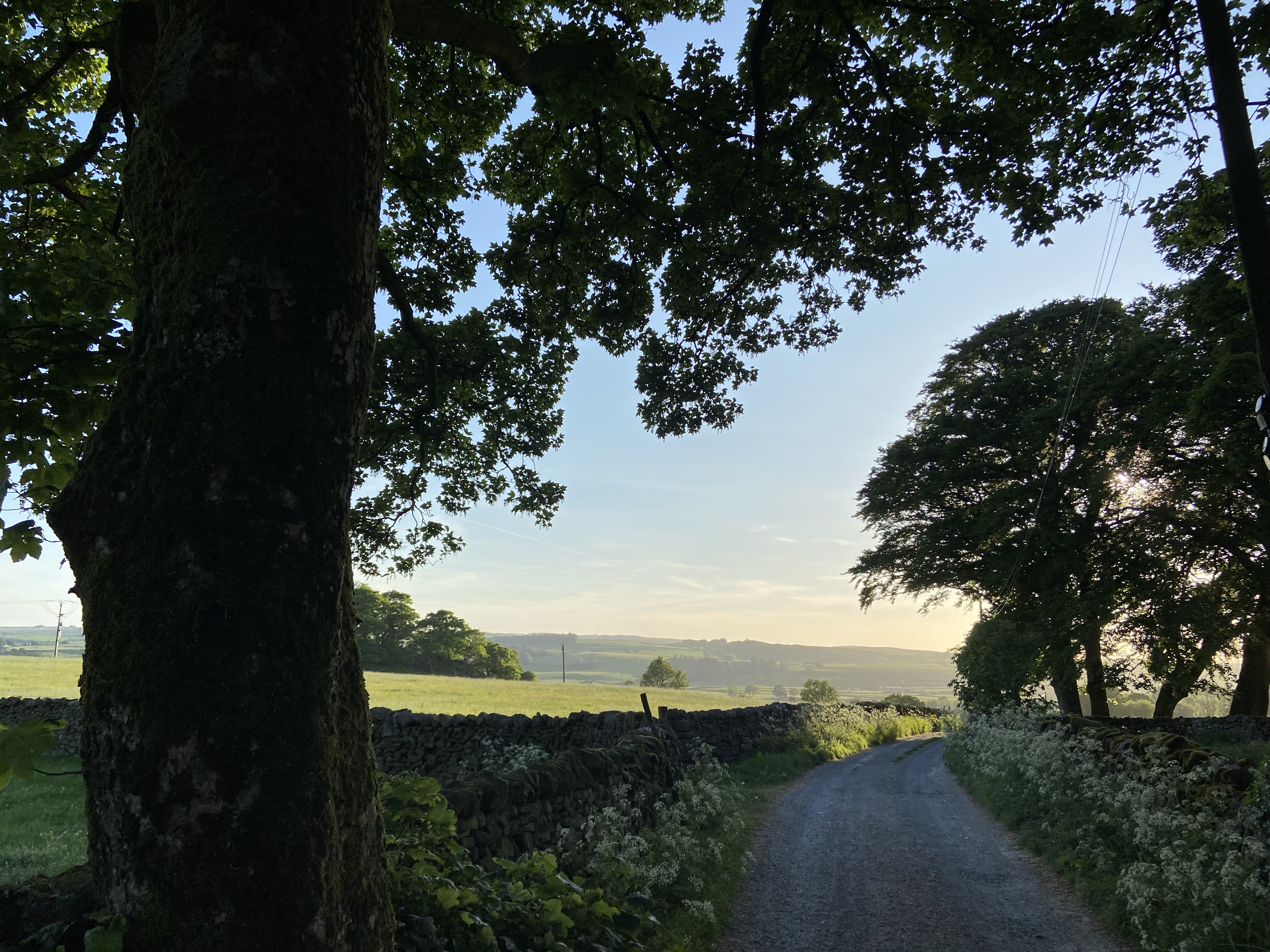
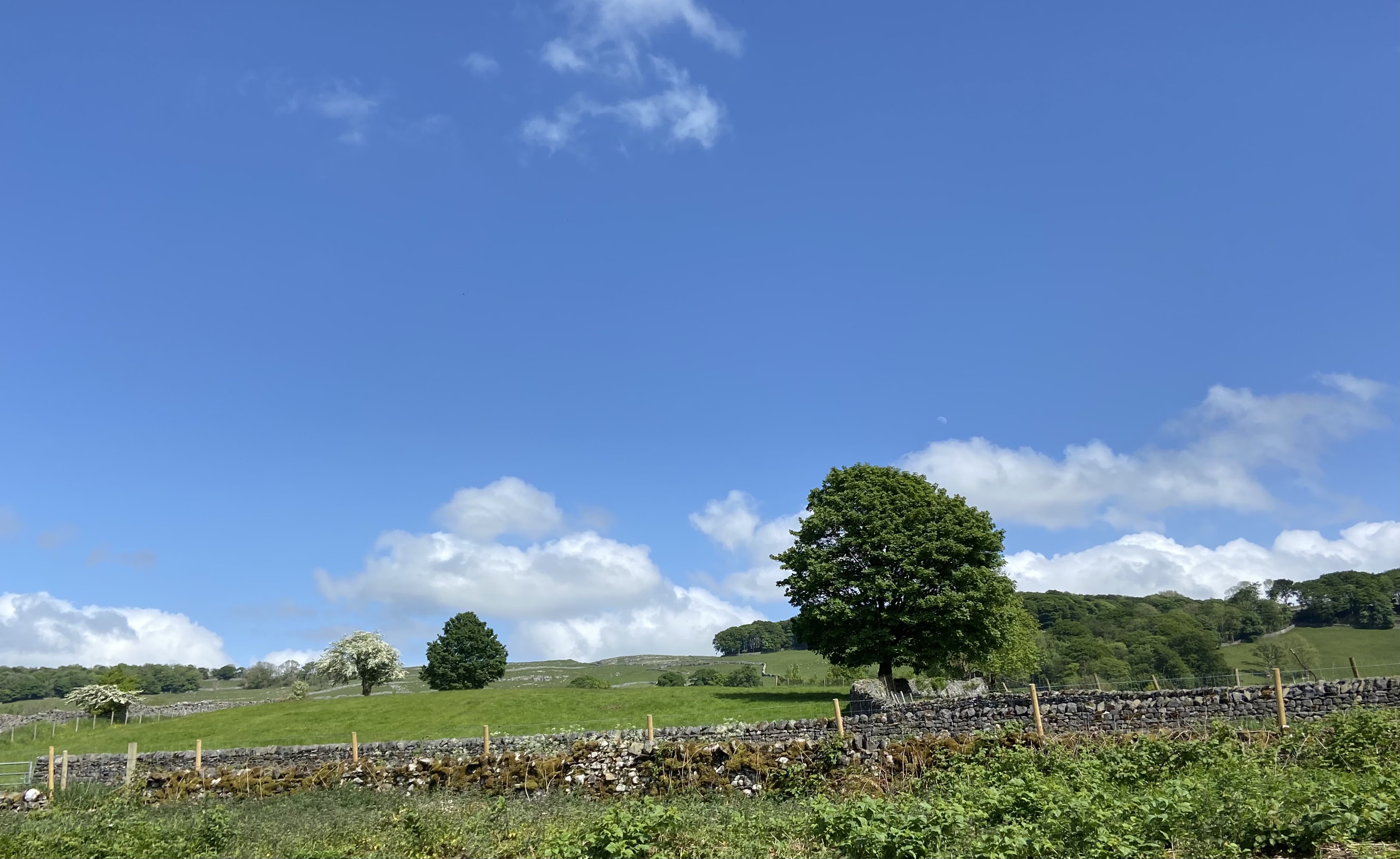
Firstly a walk with my dad. It was a gorgeous evening and we wandered across green fields and over stone stiles to get to the lovely, shadowed Water Lane.

There were birds singing in the trees, and though we didn’t see them, I stopped to identify some of them using the Merlin birdsounds app. There were chaffinches, blackbirds and a robin, which I wouldn’t have known without the app. I recommend downloading it, if you’ve ever wondered which bird was singing.

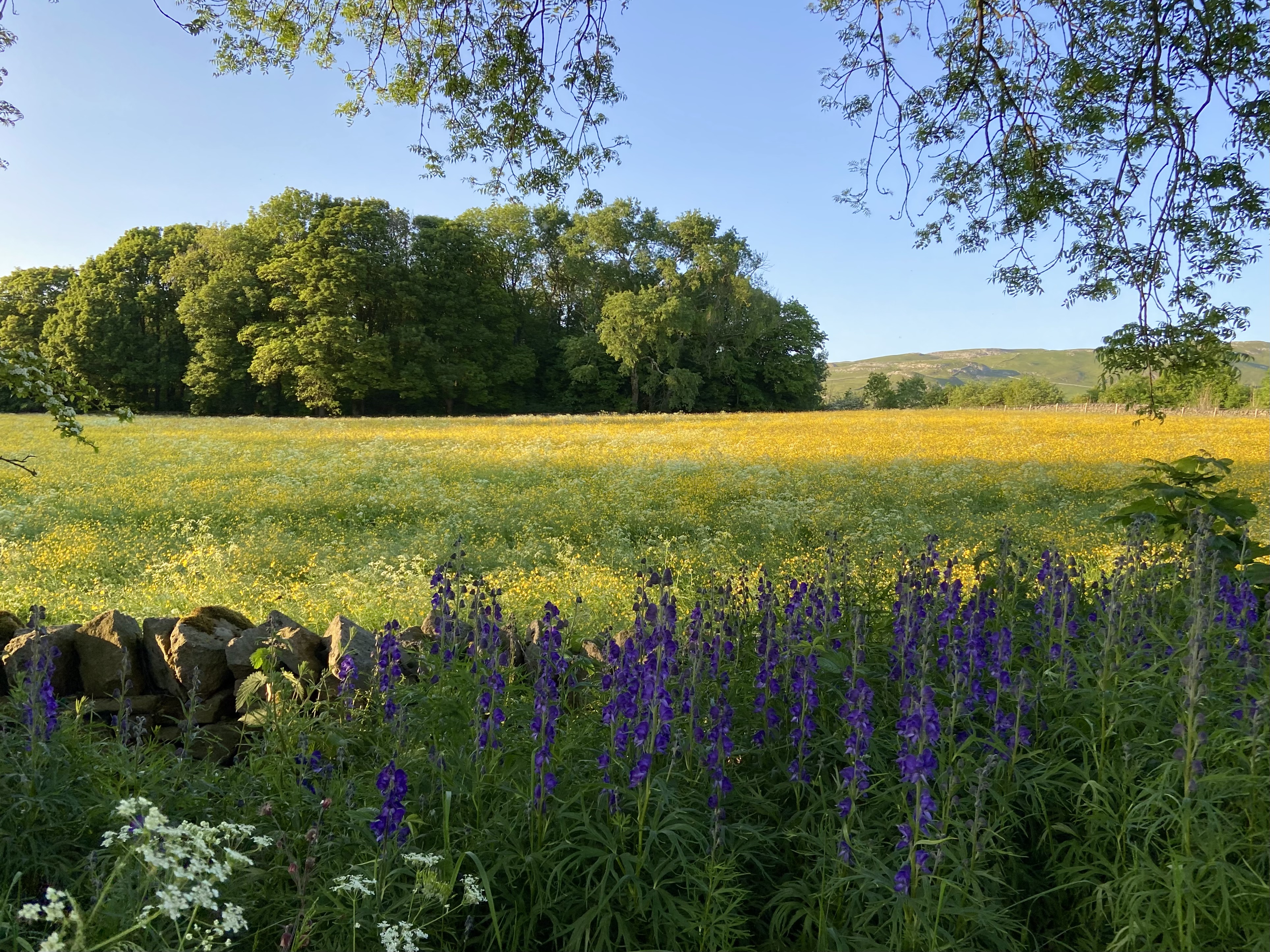
We left Water Lane and turned onto Lodge Road. So many flowers, though as a vet, I definitely wouldn’t recommend making hay or silage with all those buttercups.


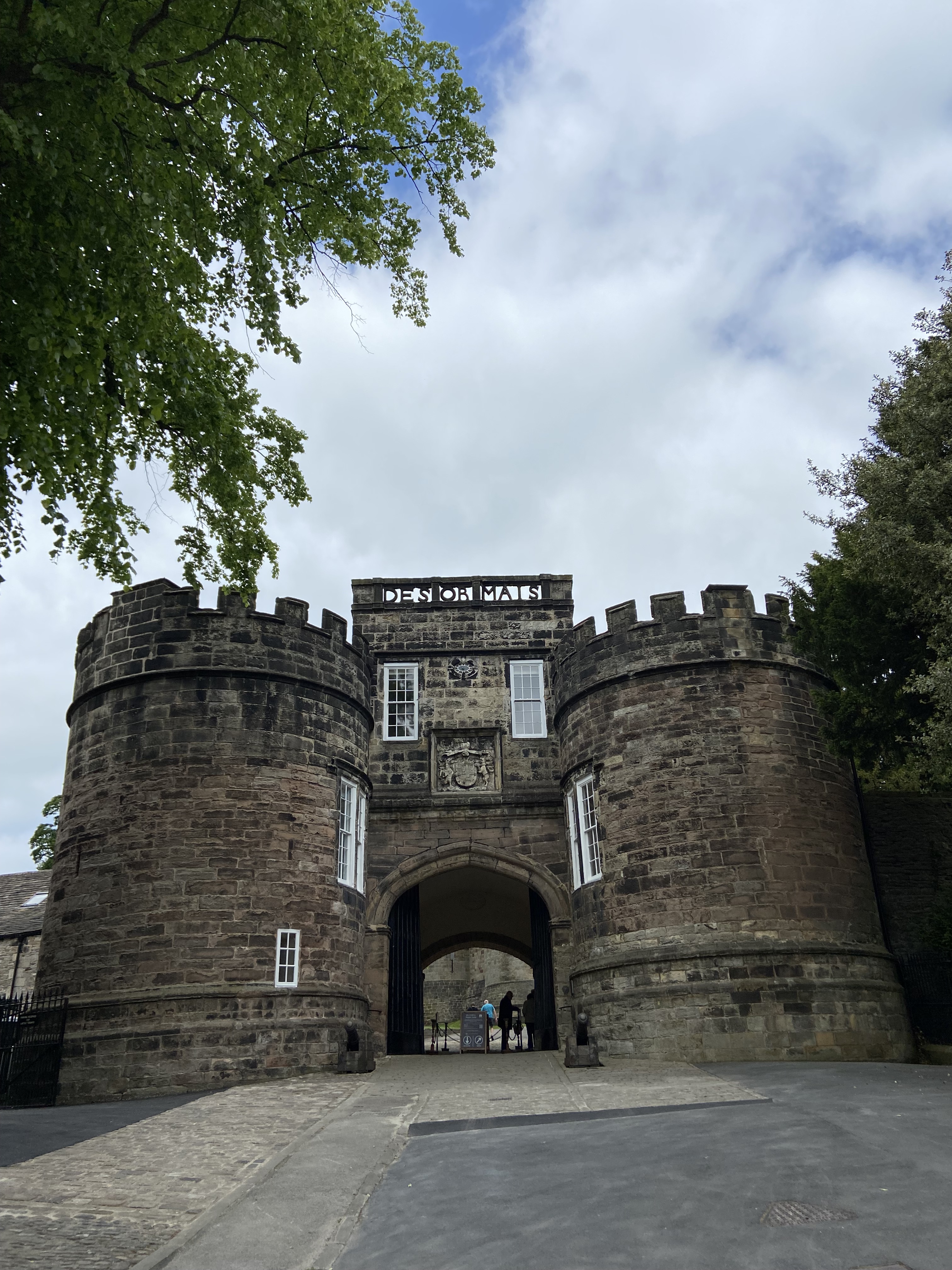
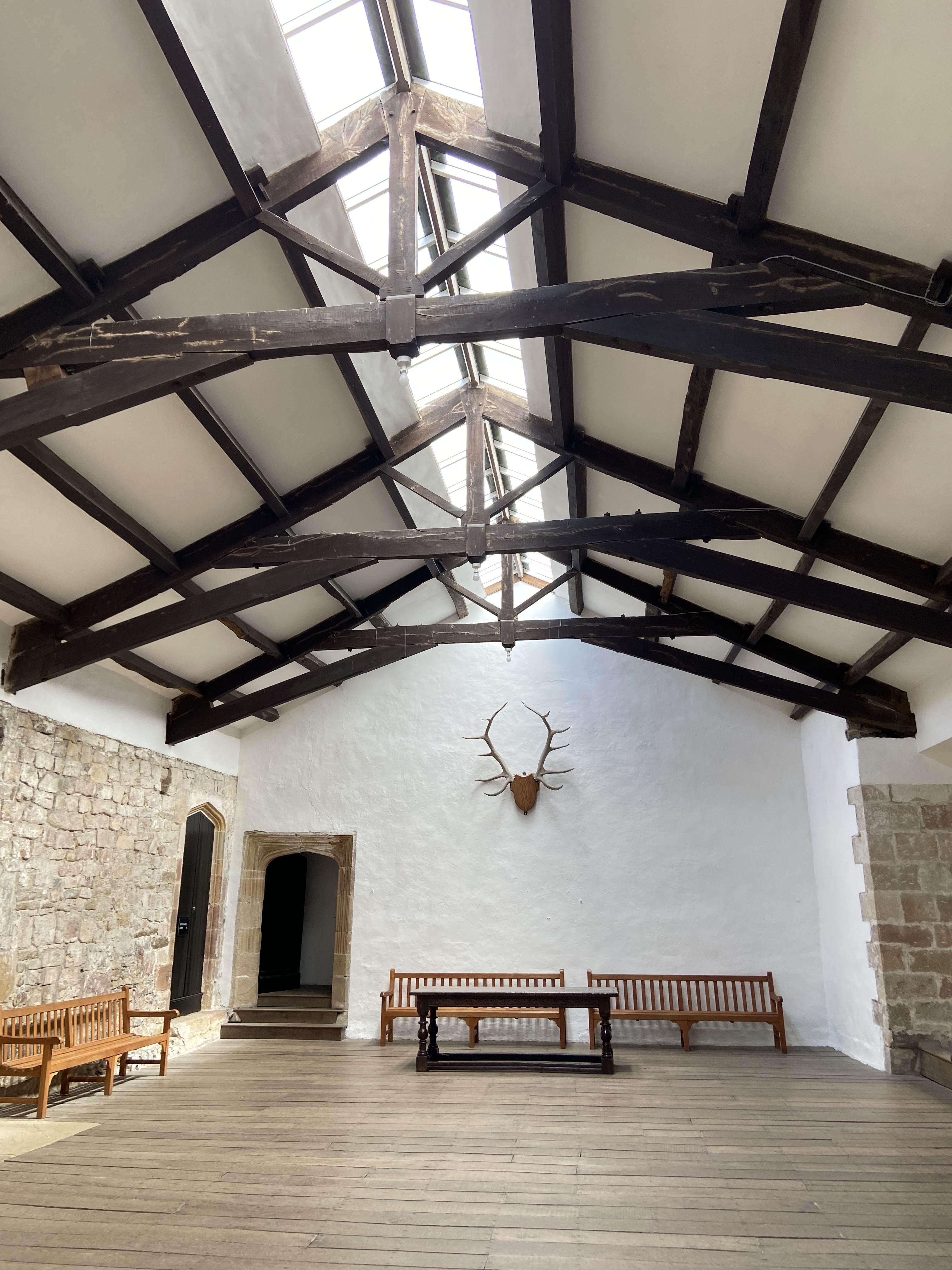
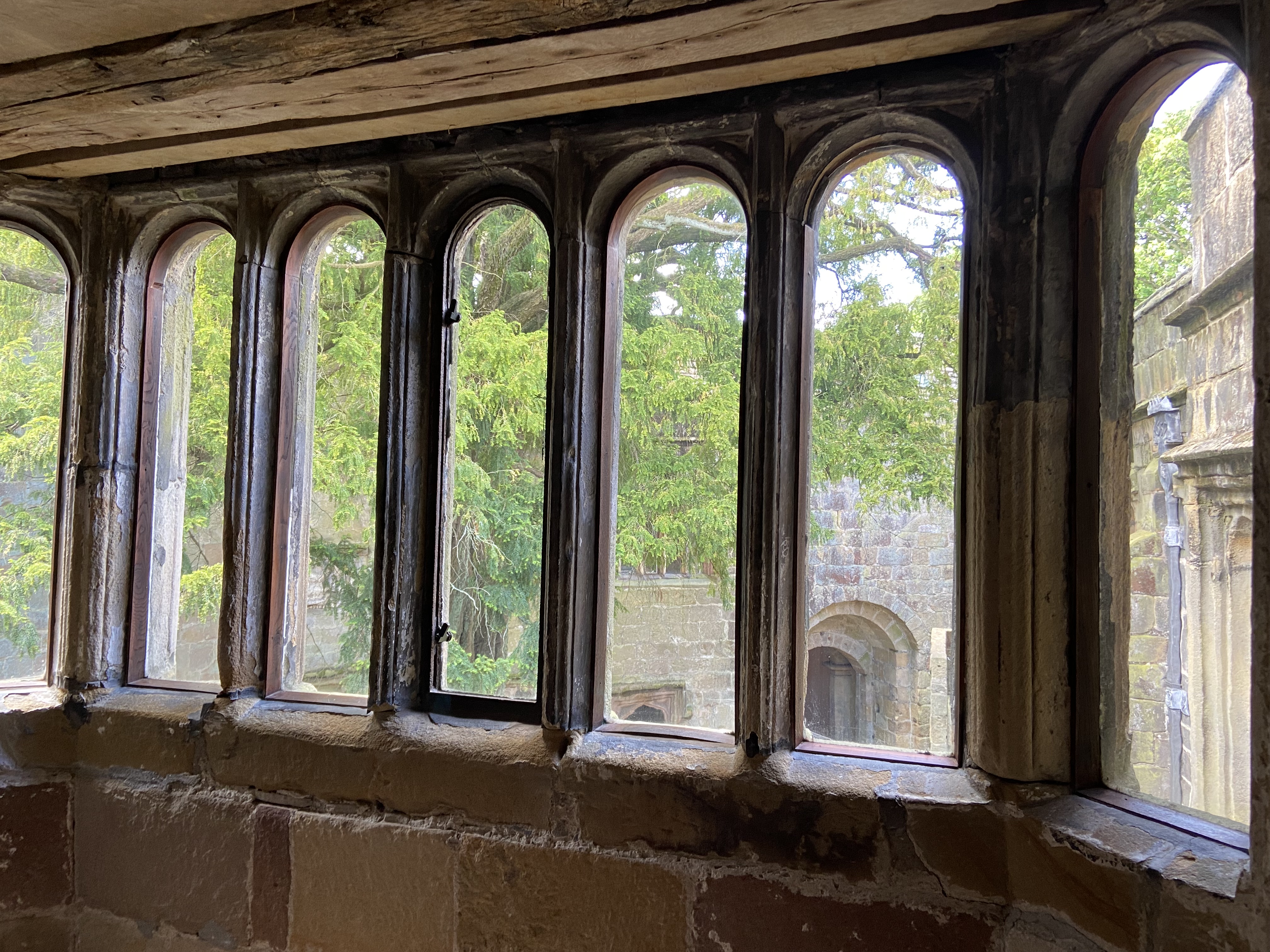
Skipton Castle was interesting. There are very few ancient buildings in Norway, due to the custom of building using wood. I love exploring old, stone buildings, especially in summer, when the thick walls and small windows make for cool, shady protection from the sun.

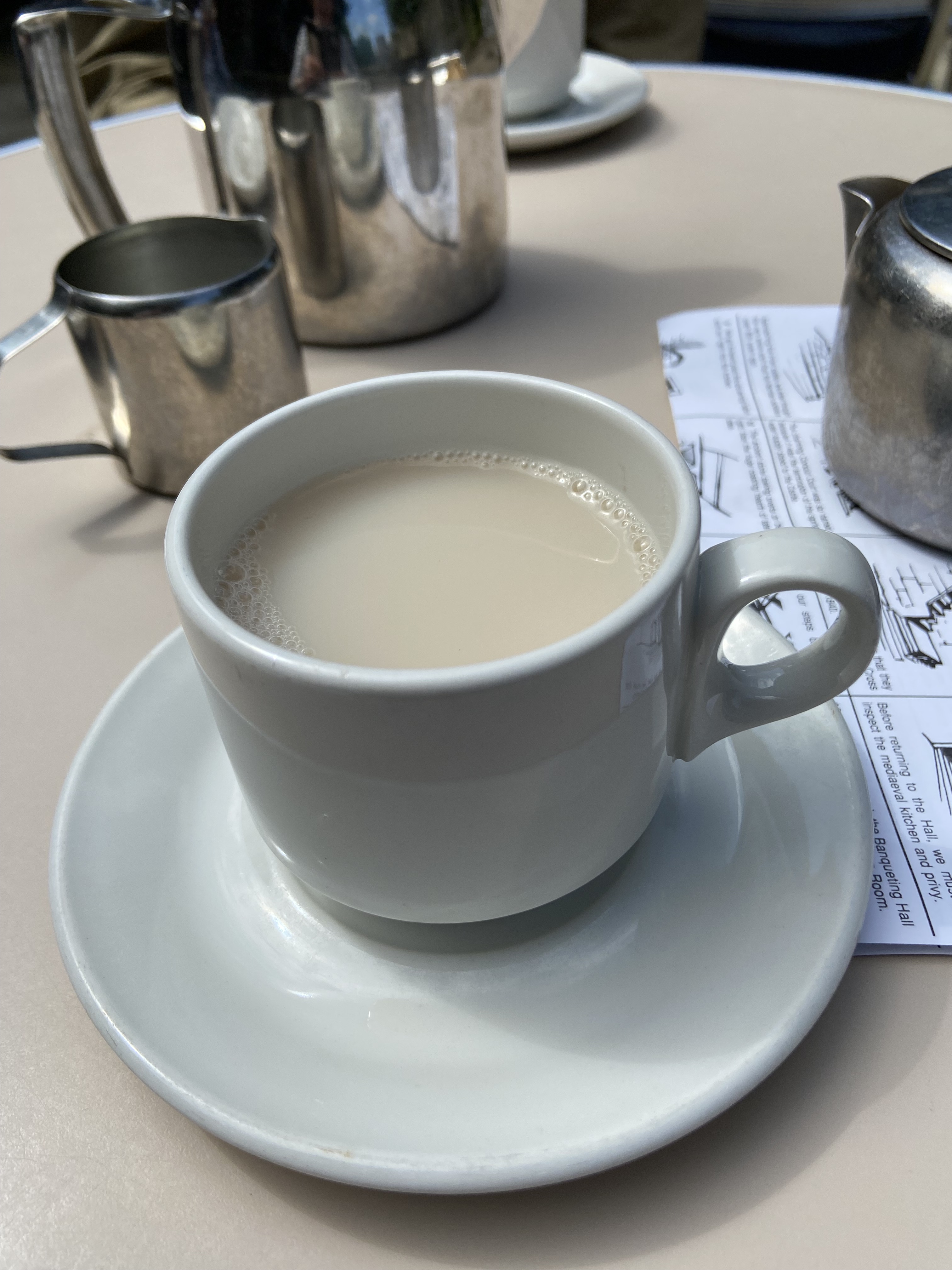
We stopped for a very English cup of tea in the Castle grounds. With hindsight, I should have stuck to plain Yorkshire Tea. Instead I plumped for Chai tea. I think there was a bit too much water for the single teabag…

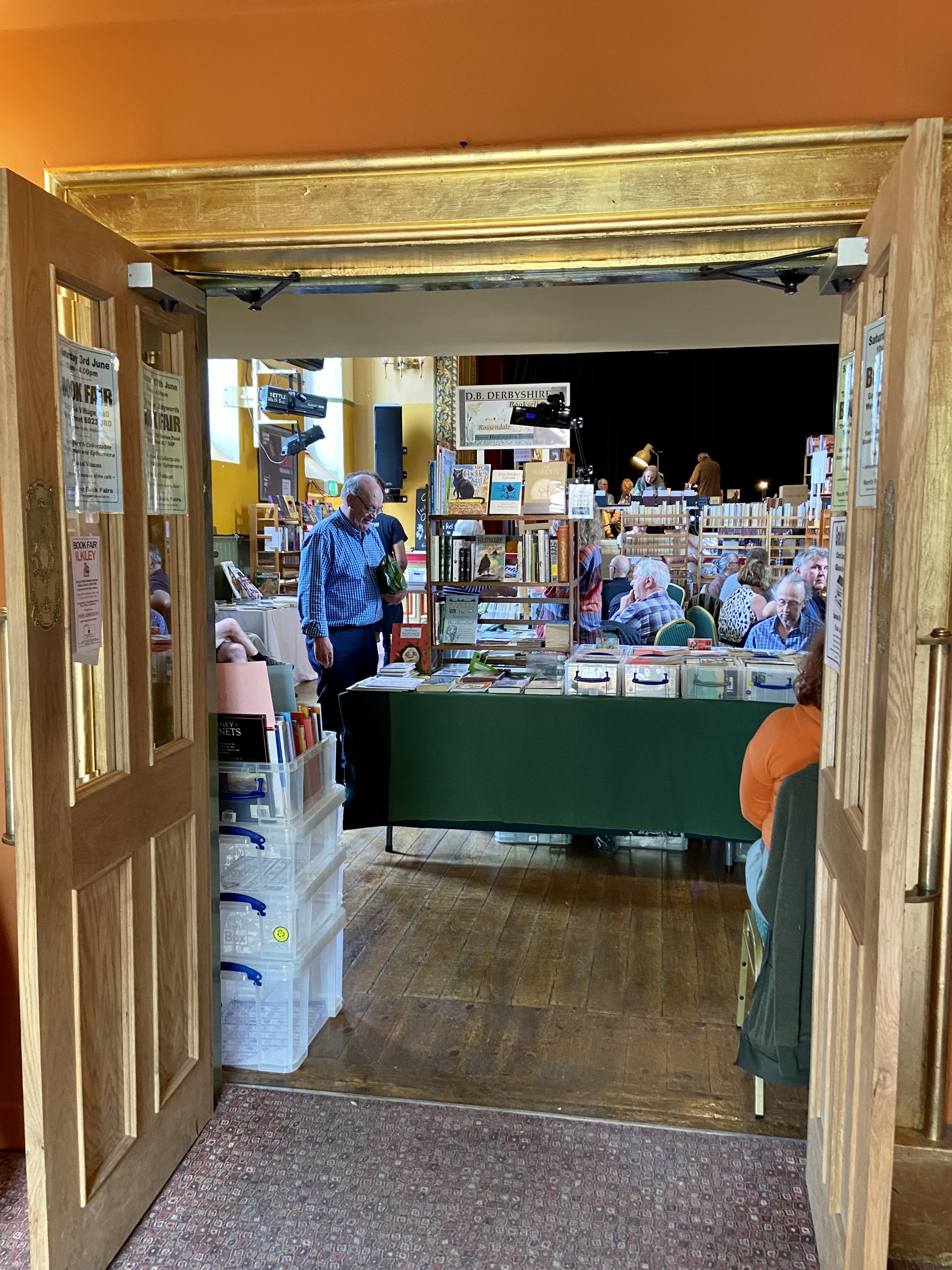
Add in a book fair:

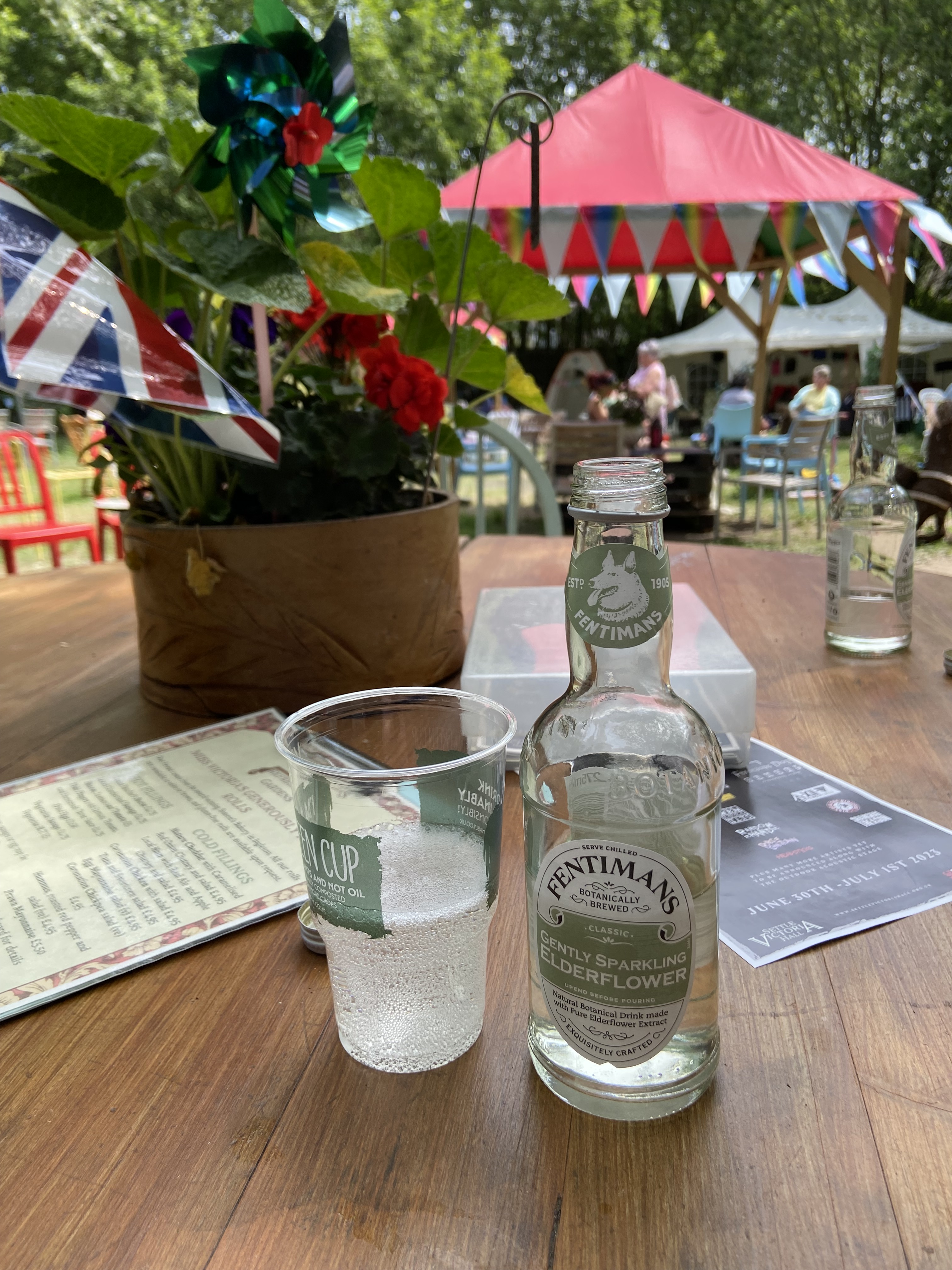
And some Elderflower Cordial (beside attractively presented bird and insect supplies) in the garden behind the Victoria Hall, where the book fair was held…

…I’ve really had a very pleasant week.

Afternoon Tea in Langcliffe

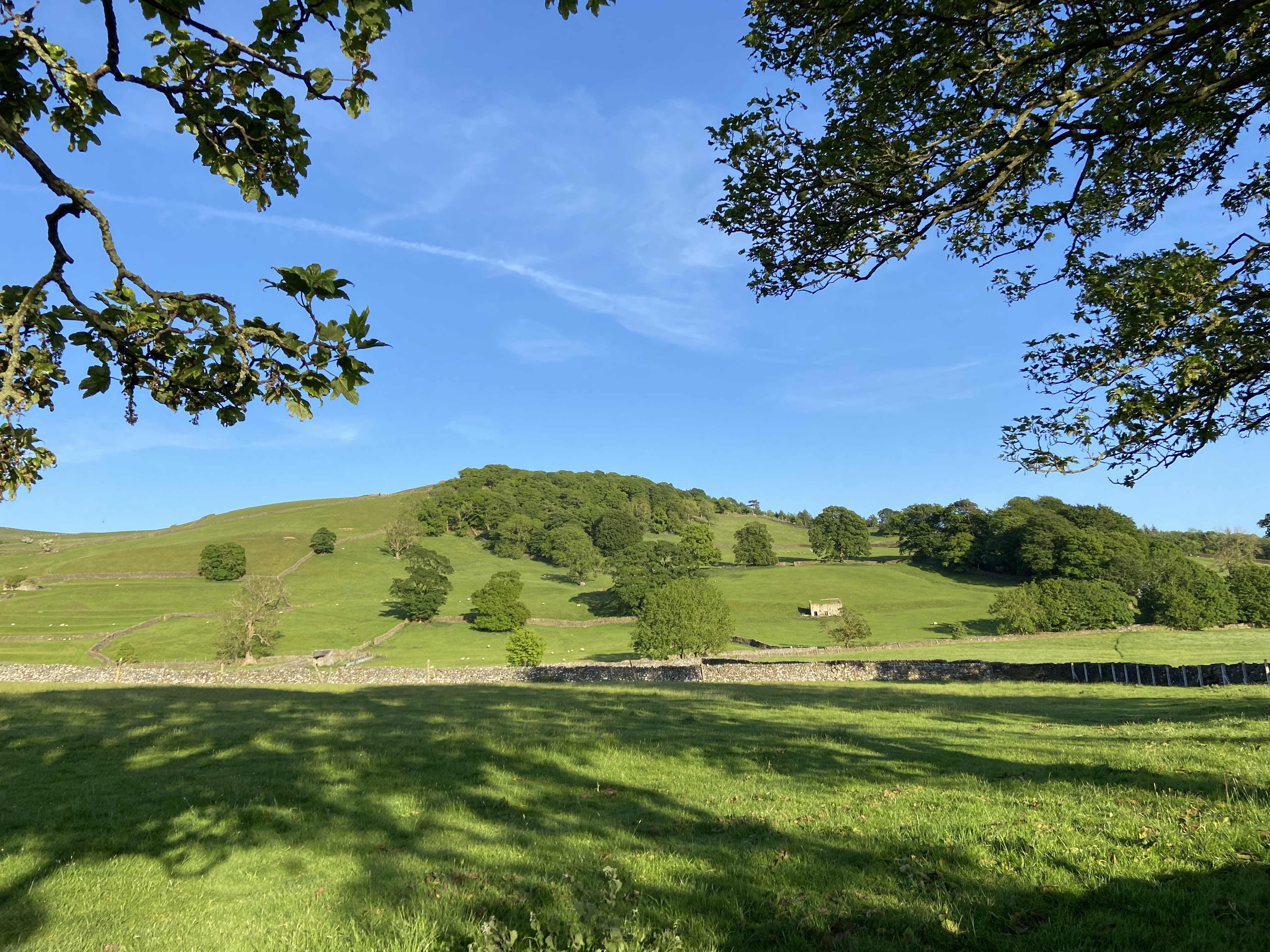
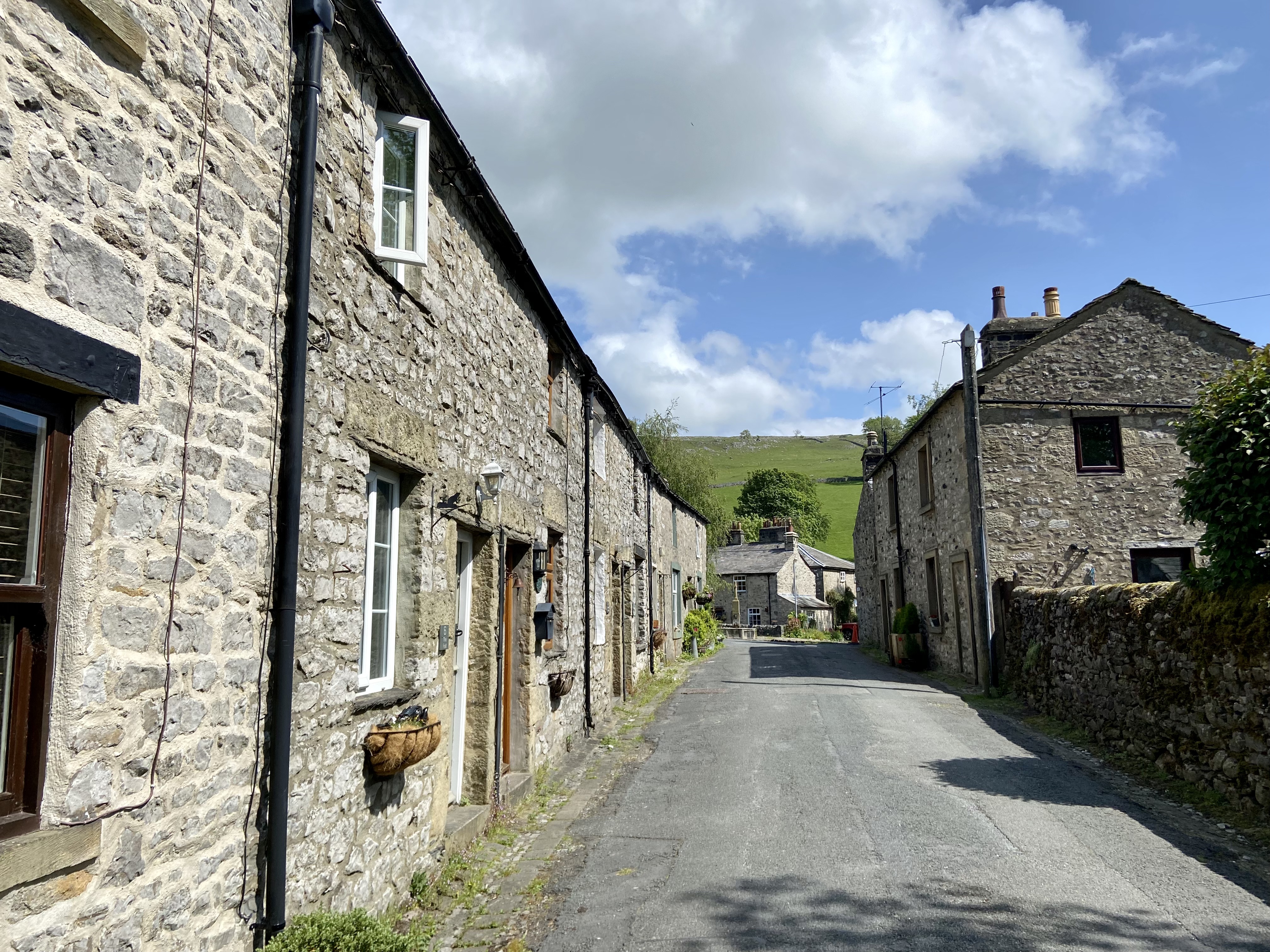
I thought I’d share a few photos from yesterday. Mum, Dad and I walked from Settle to Langcliffe, where we had afternoon tea in the village institute. I felt I was wandering through a James Herriot book!

There were flowers everywhere.

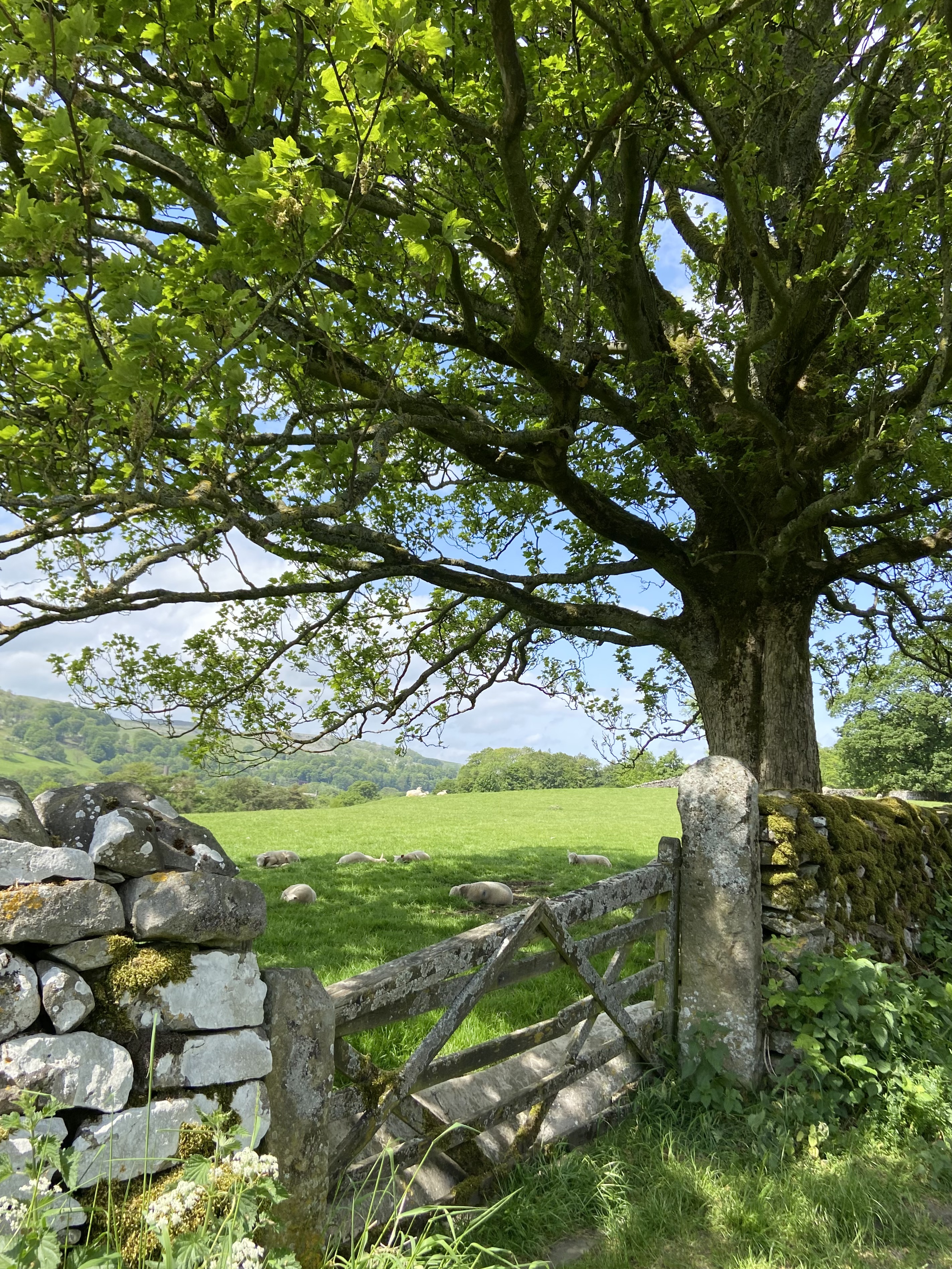
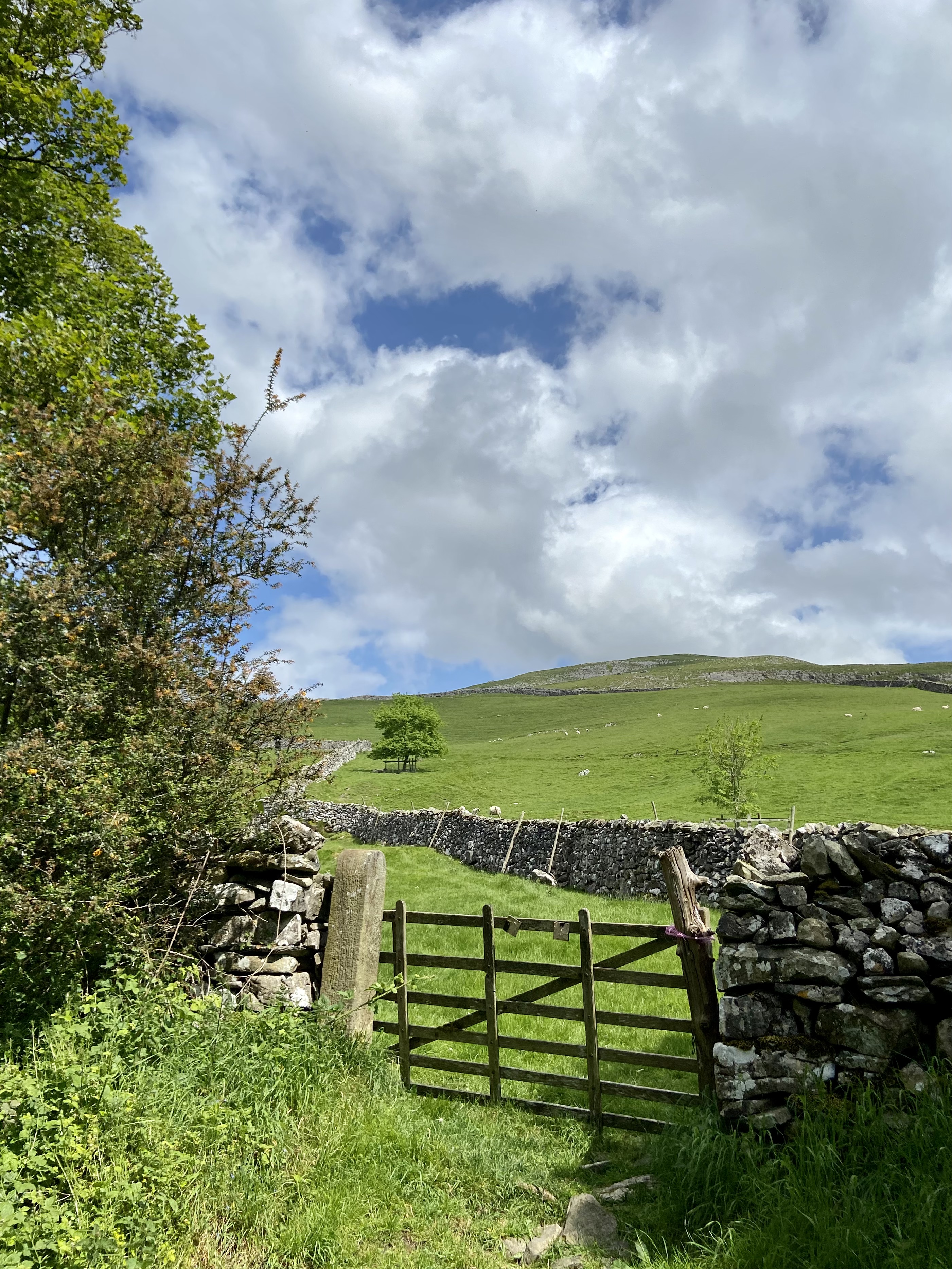
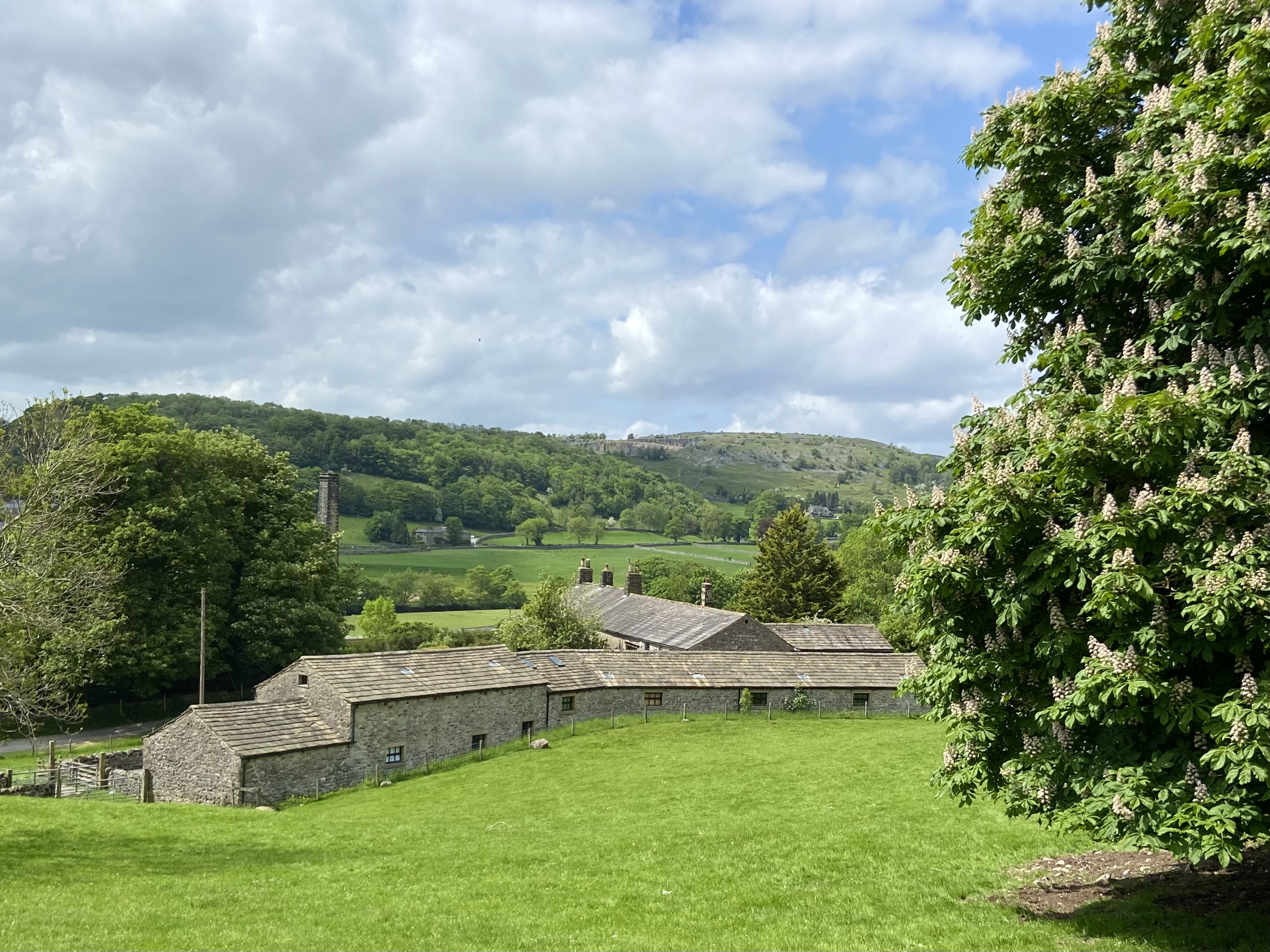
Dry stone walls scaled the heights of the fells, we heard the lambs bleating for their mothers and we looked down over stone barns and tiled rooftops.

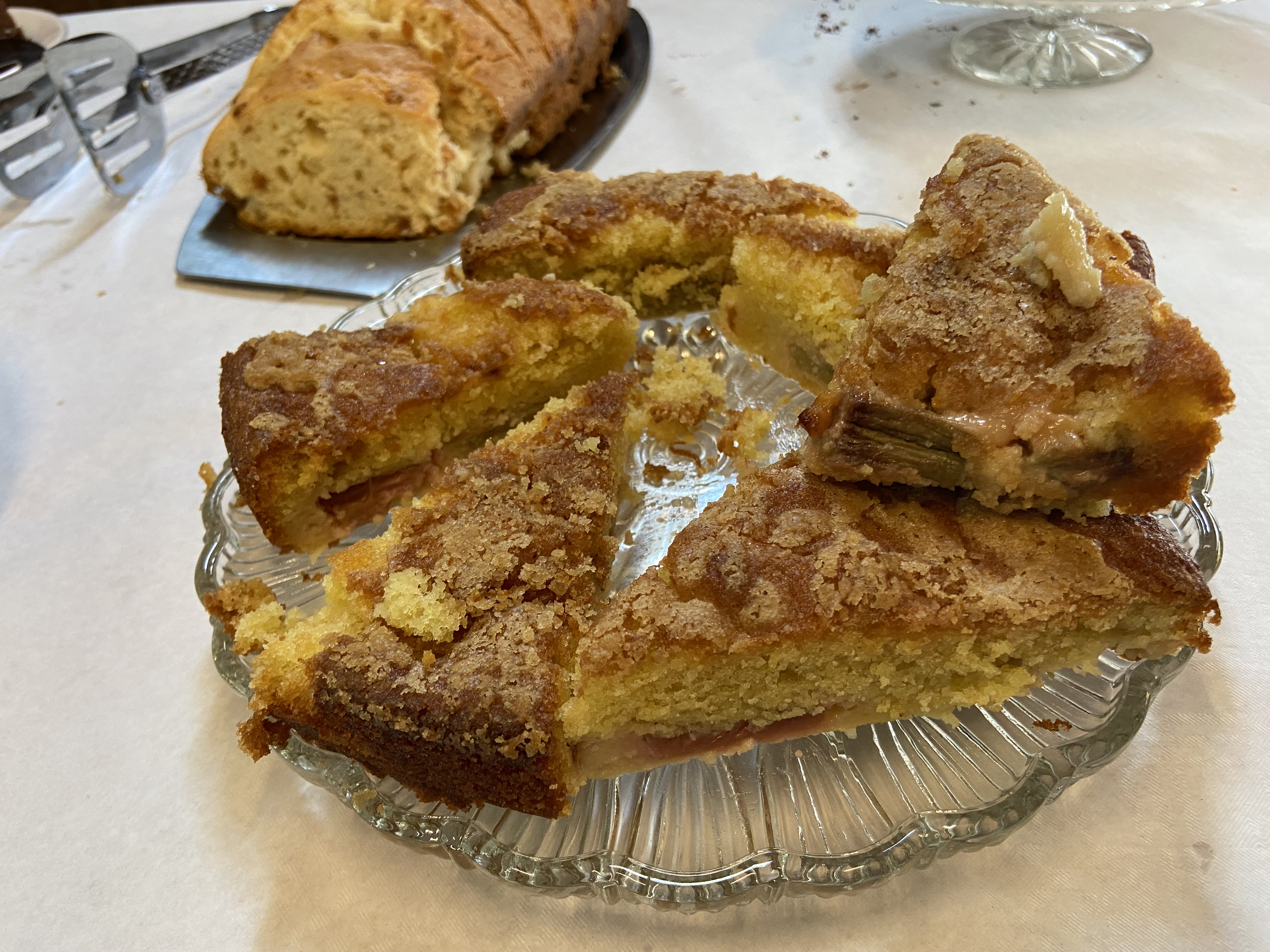
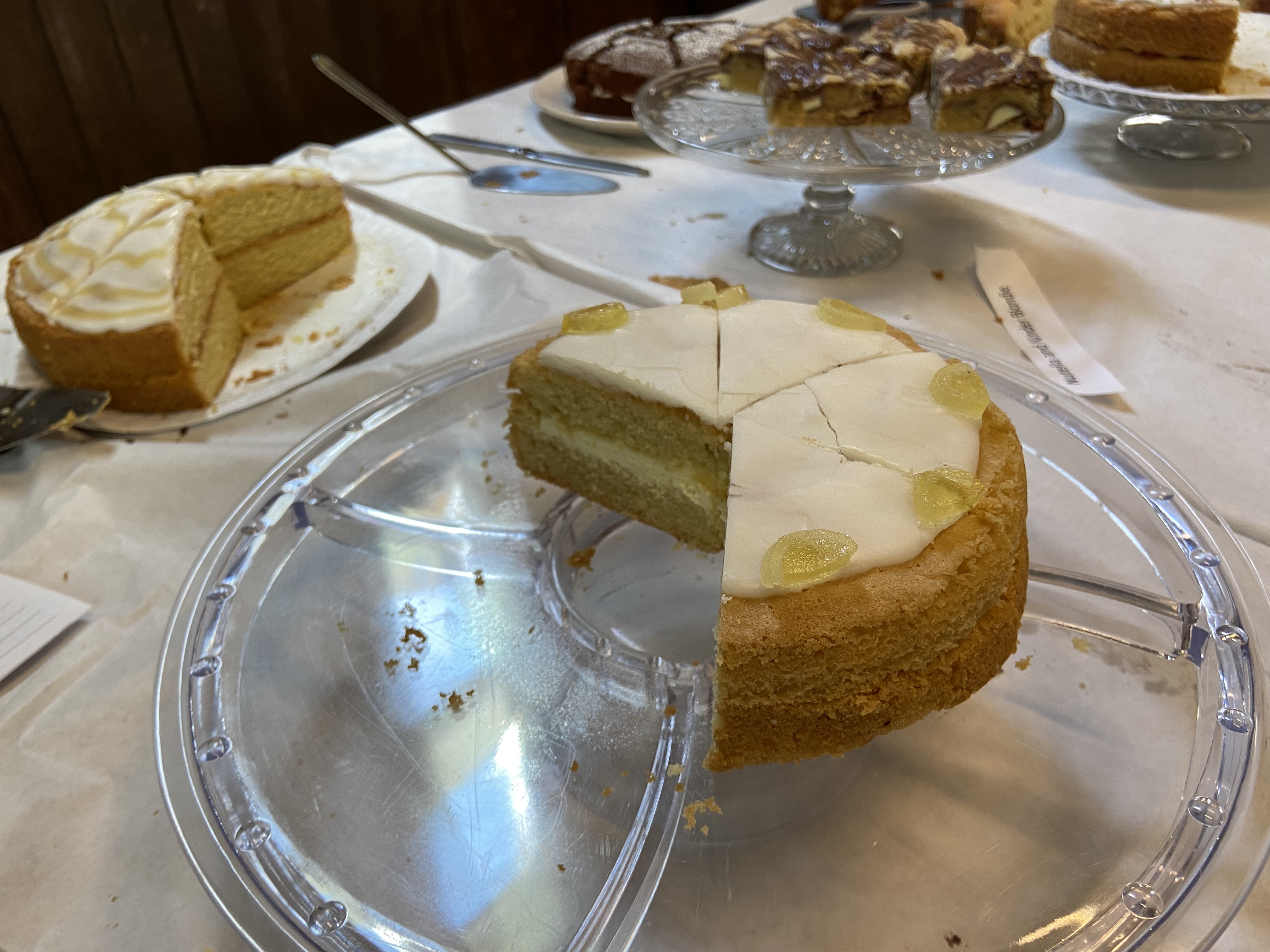
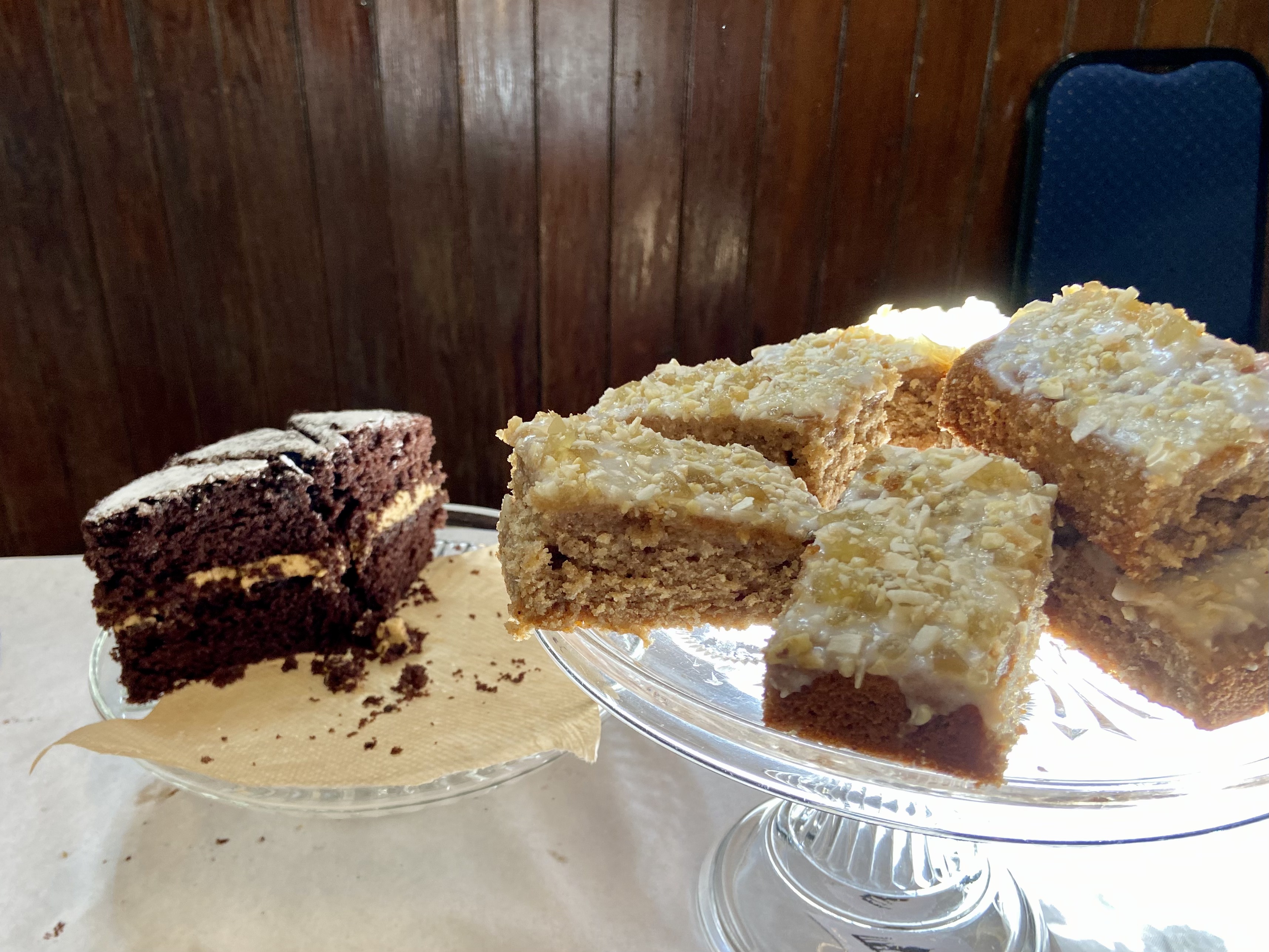
The afternoon tea was a selection of homemade cakes. There’s afternoon tea every Sunday afternoon in Langcliffe. The cakes were delicious, though I should have got there earlier to photograph them in their full, delicious glory!

And to top it all off, there was a gorgeous Border Collie called Jess, slumbering under one of the tables.

Today we are going to a book fair in the Victoria Hall. See you soon!

Happy Place

It’s been an interesting week. I’ll start with an update on the water situation. The temporary fix with the tank and pump failed on Sunday due to an airlock. Sunday wasn’t great, but the main concern was still that it might be tough and costly to get the problem sorted out.

On Monday, the representative for the insurance company came back and quickly fixed the airlock (this time I remembered to ask him how he did it. After that, he went off to speak to the owner of the house nearest the well. He called me back about an hour later. Apparently the other house owner had actually begun to run out of water on Friday evening, but despite having our phone number, he hadn’t thought to tell us. There was an ice bridge blocking the stream further up, which meant the well had gradually emptied. Our water disappeared first because our pipe was highest up. So the mystery was solved and (thank goodness) no major digging works were required. So all in all, a bit inconvenient, but several lessons learned about where everything is and what to check if it happens again!

We had an interesting case at the abattoir on Wednesday. Some animals were sent in that were thin enough to set the alarm bells ringing, not only in me, but in the abattoir workers that work with the live animals. It’s almost a physical punch to see animals that are so obviously struggling. It’s quite a big job when we start to document such a case. I took a number of photographs while the animals were still in the pen, though I was worried enough about them that I didn’t go in and stir them up. The last thing I want to do is cause any additional distress.

I asked the animal handlers to call me back when the time came for the animals to be slaughtered. That way, I could photograph and handle them when they were already restrained. I then went back and sent messages to Hilde and Thomas. This case was serious enough to warrant immediate follow up.

I came back to examine the animals as they were being brought onto the line. It wasn’t reassuring. Close up, the animals were distressingly thin. The animal handlers obviously felt the same as I did and while it was upsetting, at least I was doing my utmost to make sure we had plenty of evidence.

The farm where the animals came from has been on our radar for a while, but things had been improving, so this was a real blow. But there was a curveball on the way, because after the animals had been killed, it was discovered that quite a large percentage of them had very unpleasant looking lung lesions.

Having spent some time inspecting the lungs, it was obvious we needed to find out what disease this was. So having photographed the carcasses and the lungs (evidence of everything must be recorded) I sent off various samples to the lab. It doesn’t sound so much when I write it down, but with all the extra tasks in addition to my normal work, it ended up being a ten hour working day. I spoke to Hilde and Thomas after I had finished and Thomas had already set up a visit for the next day.

I had been planning to catch up on some paperwork on Thursday as Ann was coming in to cover my morning shift, but I really wanted to be involved in the follow-up and so, mentally casting aside the reindeer overtime fees calculation checks I had been sent, I asked Thomas if I could join him and he agreed.

Though the thinness of the animals had been distressing, the farm visit was actually somewhat reassuring. There were thin animals there as well, and though things weren’t perfect, various steps were being taken. The grass is starting to grow now, so some of the problems will resolve once the animals are back outside and major plans for improvement are under way. But now we also have to throw in the possibility of some kind of infection on the farm. Once we know what caused the lung problems, then we will have to work out how to manage the problem. That could involve anything from a new vaccination program, right up to mass culling. Either way, we will be offering whatever support we can to the farmer, who has already expressed himself as being very grateful for any insight we can give on what’s going wrong.

This is the kind of work I signed up for when I chose to be a vet. I know there are times when it is incredibly heavy work, but at the end of the day, this really is what I want to be doing.

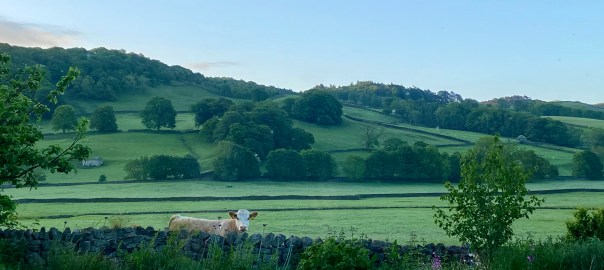
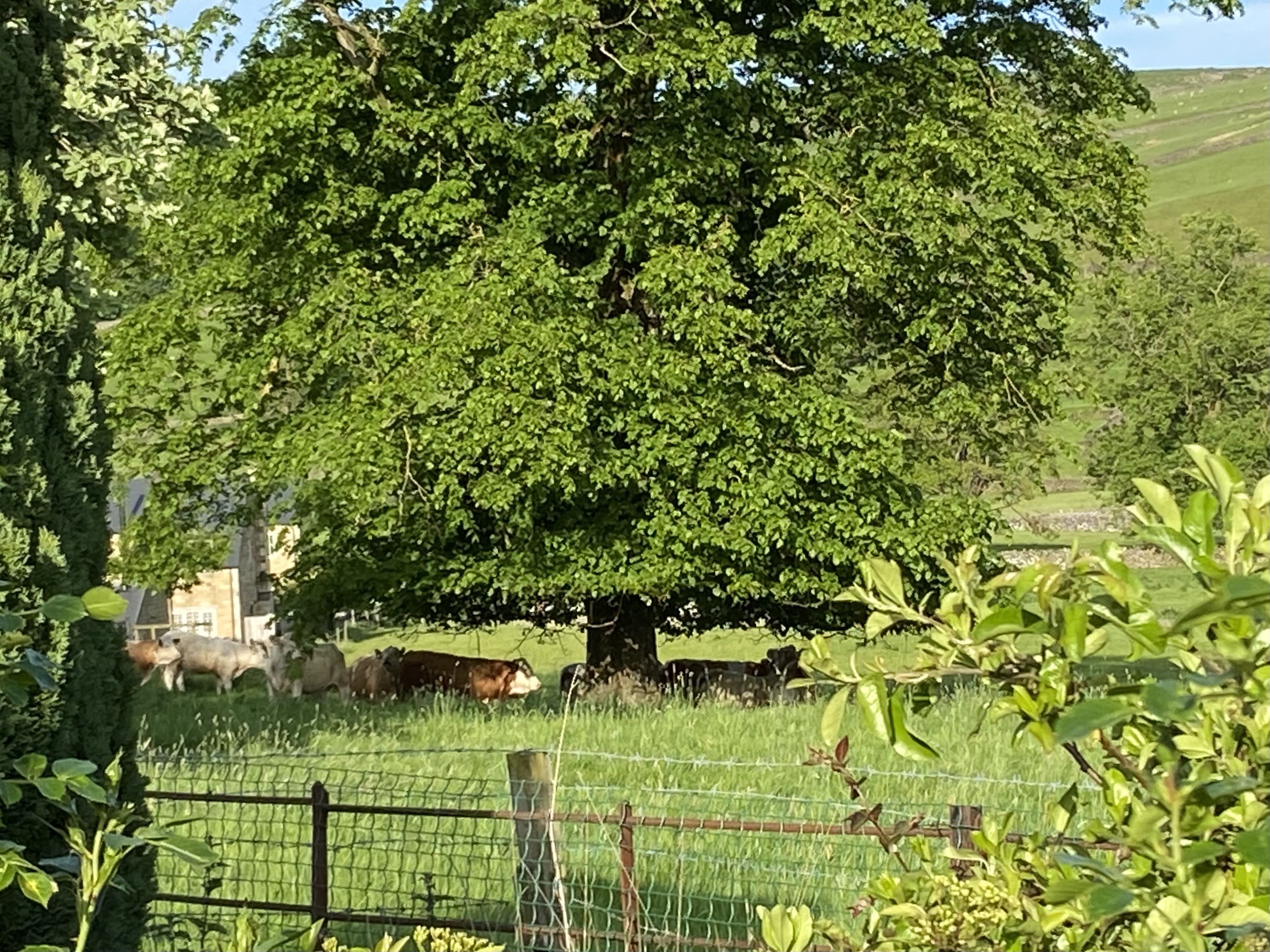
But as you can see from the photo at the top of the page, I am now a very long way from all that. I flew into Manchester yesterday, into the chaos of a failure in the electronic passport system. Having survived that, I am now back in beautiful Yorkshire, where the summer is coming in. There are fat, healthy cattle in the field behind the house and everything in the garden is beginning to bloom. And now I can hear that mum and dad are up and the kettle is on, so I will drop a few photos here and then go and join them. Have a lovely week everyone!


Somebody Else’s Slaughterhouse

Sunrise/sunset: 03:04/22:29 Daylength: 19hr24min

A quick warning – this post contains details of the workings and meat processing in an abattoir, so if you don’t want to read about that, this probably isn’t for you!

The year is sliding on by at a great rate now. It’s only a couple of weeks until we will have twenty four hour daylight, though there is still snow on the ground and no sign of any plant life growing. It was lovely then, to fly down to Rogaland in south west Norway: my old stomping ground, where I lived for twelve years before moving north. I had a wonderful feeling of nostalgia when I saw the green fields and gently rolling landscape as we flew in to Sola and then later as I travelled down to Egersund by train.

A peaceful scene, taken from the platform at Klepp Stasjon on the journey between Sandnes and Egersund

There was a degree of nostalgia in visiting the abattoir in Egersund as well. I worked in a temporary, part time post with Mattilsynet in Rogaland, and though I never worked at Nortura Egersund, I had colleagues who worked there, and other colleagues from the area came along to take part in the audit, so it was lovely to catch up with a few old friends as well.

You have probably gathered from my posts over the past few months, that my entry into the world of responsibility for the goings on in Nortura Målselv (where I currently work) have been somewhat chaotic. There are things I am in charge of (including legal EU requirements for certain inspections and audits) that I still feel I am wading into, as they are not set out as clearly as I would like. It was good then, to see how my colleague, Inna, runs her abattoir, and I have returned home with a whole raft of new ideas and paperwork, that I will have to present to my colleagues in the north, so that we can work out what is useful and how we can implement it.

The key activity I was there to observe was a hygiene audit, and that was very interesting. I have carried out a lot of inspections, which examine how things are working on the ground, and whether any laws are being broken. An audit takes a step back from that. It examines the management processes within the slaughterhouse, firstly to check whether there are clear processes in place which, if followed correctly, would properly ensure hygiene is adequate, and secondly an assessment of whether those procedures are actually being put into practice. Obviously there’s no use in having wonderful paperwork, outlining how everything should be done, if that information is not then disseminated to the people doing the job.

I felt like there was a very thorough examination carried out. There was a lot of intensive reading of the operating procedures, which required those carrying out the audit to have a firm understanding of the laws underpinning the functionality of the abattoir, as well as a good knowledge of how things were being done along the line. I can see that the oversight of the latter is something that I am lacking at the moment. Inna told me that she had been advised by an earlier boss, that she should take a tour along the line most days and just observe what was being done at the different stations. I guess most people have never seen this process, but after the animal is killed, the carcase is hung up and travels along the line, where at various stations, removing the skin is followed by removing the inner organs, and gradually along until the carcase has been fully cleaned and is ready to be cut up for meat. There are lots of points in this where the meat could be contaminated, from contact with the skin at the beginning, to contact with the floor (generally with very oversized animals, such as large bulls) towards the end.

Any contamination, whether through soiling with gut contents or from an unsterilised knife, could mean that the meat ends up with too many bacteria on it, which could make the difference between a joint that is safe to eat and one that isn’t. As well as there being instructions on how contamination can be minimised, there also has to be recognition that sometimes, it does happen, so then there must be procedures for how to handle those affected carcases as well. This can include trimming of obviously soiled areas, wrapping and treatment of the surface with steam, or throwing away any parts that are considered not suitable for human consumption. Intermittent tests are also carried out for the presence of certain bacteria, such as salmonella, and if those are found, then the entire batch might be cooked (which kills the bacteria) and sold as a finished product, rather than sending out raw goods that might pose a public health risk.

It was also a treat to stay in Egersund. It is a pretty little town, partly made up of narrow streets lined with painted wooden houses. The hotel I stayed in had been created from some of those wooden houses, which were now integrated as part of a more modern building.

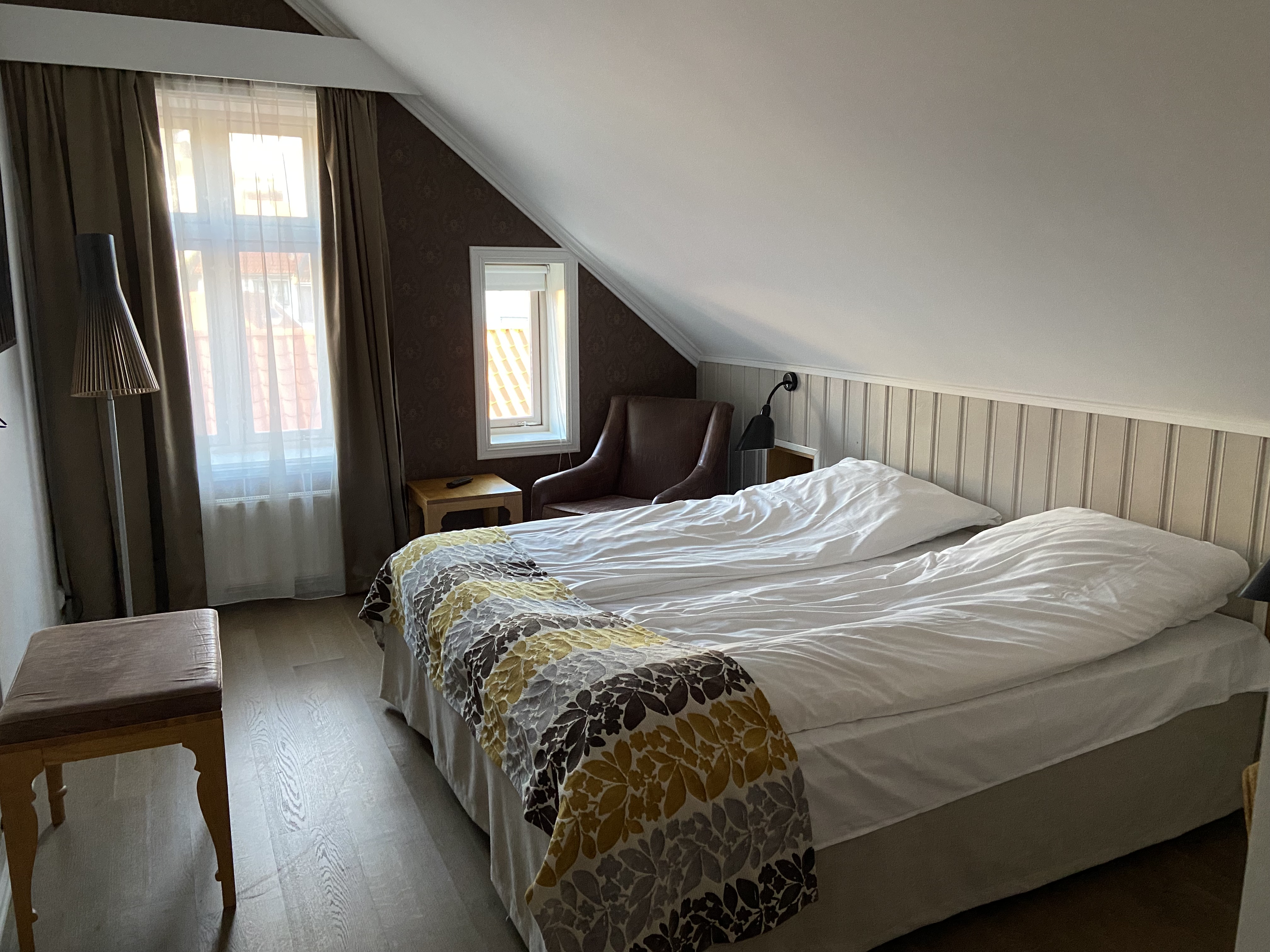
This is my room, with its lovely sloping ceiling. It was on the top floor of the green house on the outdoor picture – what looks like a row of houses has now been integrated inside into a medium sized hotel. The photo on the right, with its green walls and false windows, is part of the original external wall of the green house, which now makes up the decor in the inner well of the hotel within a glass walled stairwell, which winds around a lift.

Egersund is quite well served with good restaurants, and it was difficult to choose between Indian food, sushi and good quality pizza for the one evening meal I ate there. I chose Indian, in the end, as the nearest Indian to me in the north, is in Tromsø. Andrew is moving down to Stavanger in the summer though, so I think we will take a tour around when I travel down with him. Egersund will definitely be on the list of places to revisit.

On my way back, I stayed overnight with Wivek, who owns Triar’s mum. It was lovely to catch up with her and her family, who made me feel very welcome.

Triar’s mum, Trifli

All in all, it was a very useful visit. I have a much better grasp on what an audit entails, and specifically on how a hygiene audit should be carried out. I’m still not sure that I’m ready to have overall responsibility to carry out our own audit, but whether I will have to carry out the audit with help from knowledgeable local colleagues, or whether I can ask for support from one of my more experienced colleagues from the south west, will be up to my boss.

Tree blossom in Wivek’s garden. Spring has definitely arrived in Rogaland

The Snowy Peaks

Sunrise/sunset: 05:58/17:56 Daylength: 11hr58min

And so I have returned from my holiday. It was not as restful as I could have wished, but I did catch up with almost all of my immediate family in the UK. Quite a task when they are rather scattered.

I will start with a picture of our plane in Bardufoss, just as Andrew and I were boarding. I commented on it after my last holiday, but the contrast between Bardufoss and Heathrow couldn’t be much greater. I meant to take a photo at the end of our journey, but was so pleased to have arrived, I quite forgot.

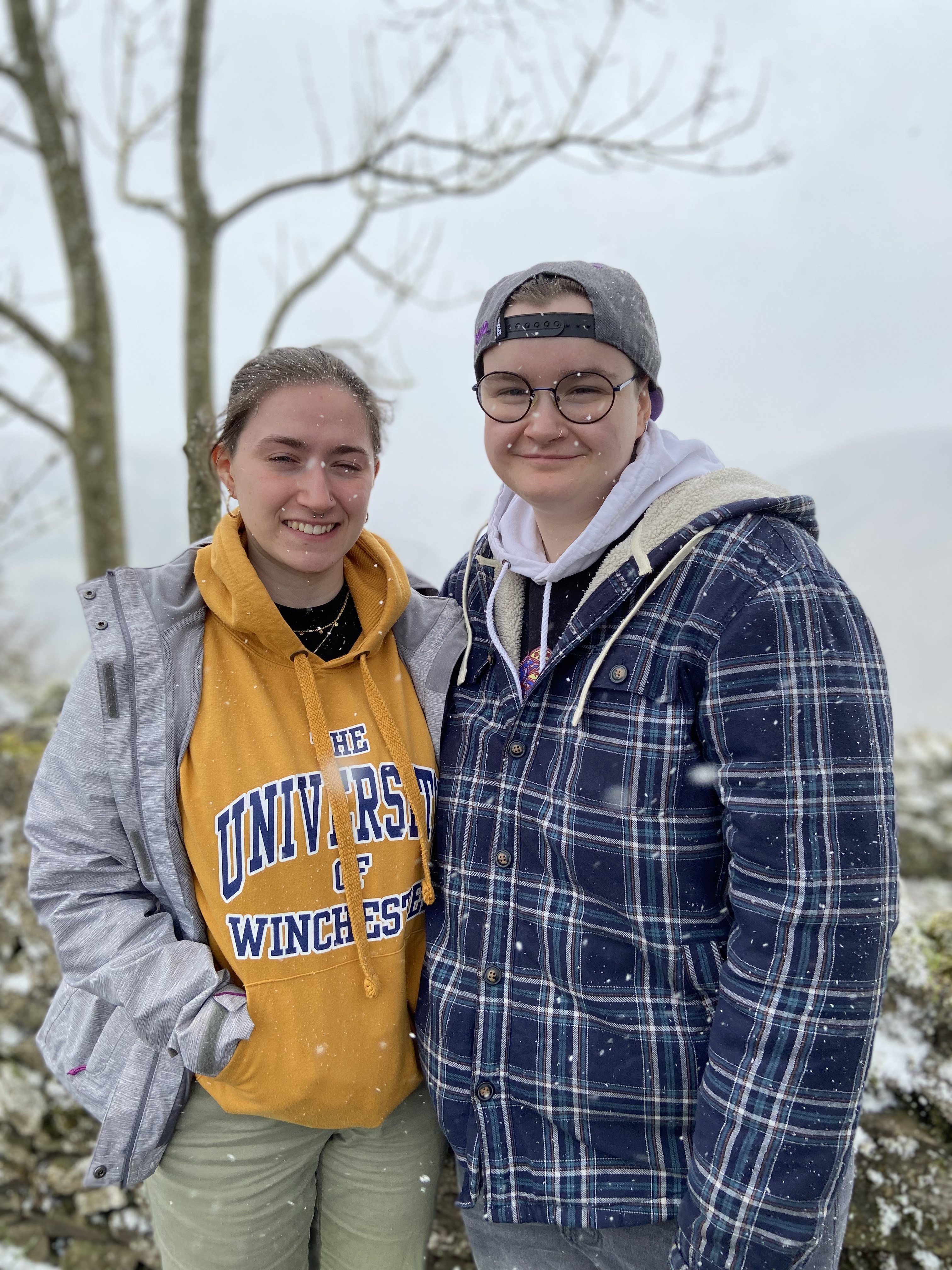
We spent a couple of days in Winchester with my daughter Anna and her girlfriend Lauren and then headed up to the Peak District to meet my parents. A few months ago, when booking this holiday, I decided I wanted to meet up with Mum and Dad. Driving up to their home in Yorkshire seemed quite a long way, so looking at a map of the UK, I plumped on the Peak District, as somewhere that was in between Winchester and North Yorkshire and was noted for being beautiful. I knew I would be hiring a car and I was looking forward to gambolling amongst the daffodils and driving round in blue-skied, spring weather.

It was wet on the day we drove up, and the journey was longer than I had realised. I had hoped to be there to pick my parents up from the station, but they decided to take an early train and there was no way that, with almost two hundred miles to go, I could make it there comfortably by one o’clock, so abandoning any idea of getting there early, I decided we would take our time, given that the driving conditions were quite unpleasant.

At about two in the afternoon, Anna received a plaintive text from Mum. They had arrived soaking wet after quite a walk from the railway station. The inn where we were staying was all closed up until five. They had been allowed in to their room, only after a special appeal to the landlady and that was only because there were absolutely no cafes open in the village of Bradwell where we were staying.

When I had planned the trip, I had hoped that my dad would drive the two hour journey to join us, so that we would have two cars. What I hadn’t planned for were the Dire Weather Warnings. Far from the spring holiday I had been imagining, an Arctic Blast was to arrive. Understandably, Dad had abandoned the idea of driving. While our inn had received wonderful reviews, I hadn’t really checked out how much there was to do in the village. The idea that the inn itself would be closed until five each day hadn’t been part of my calculations either. Nor was the fact that it was Monday afternoon and the inn wasn’t going to be serving food in the evenings until Wednesday. What on earth were we going to do for two days in a village with nothing to do, with only one car and six people? How were we going to feed ourselves? Mum was also cross, it seemed, as she had been told I had received an e-mail with the information that check in was after five. I confess that, at this point, I began to think the entire trip was going to be a wash out.

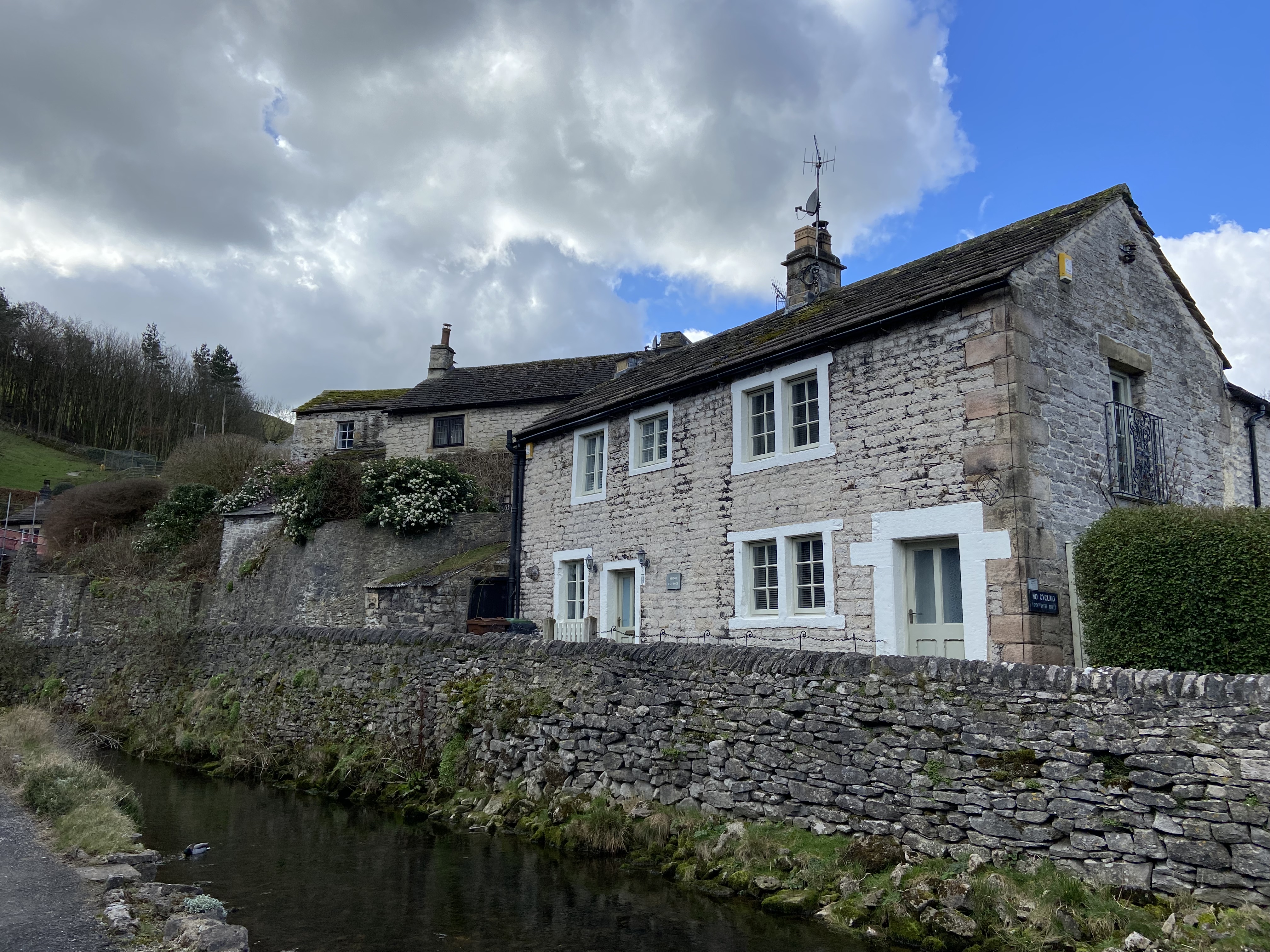
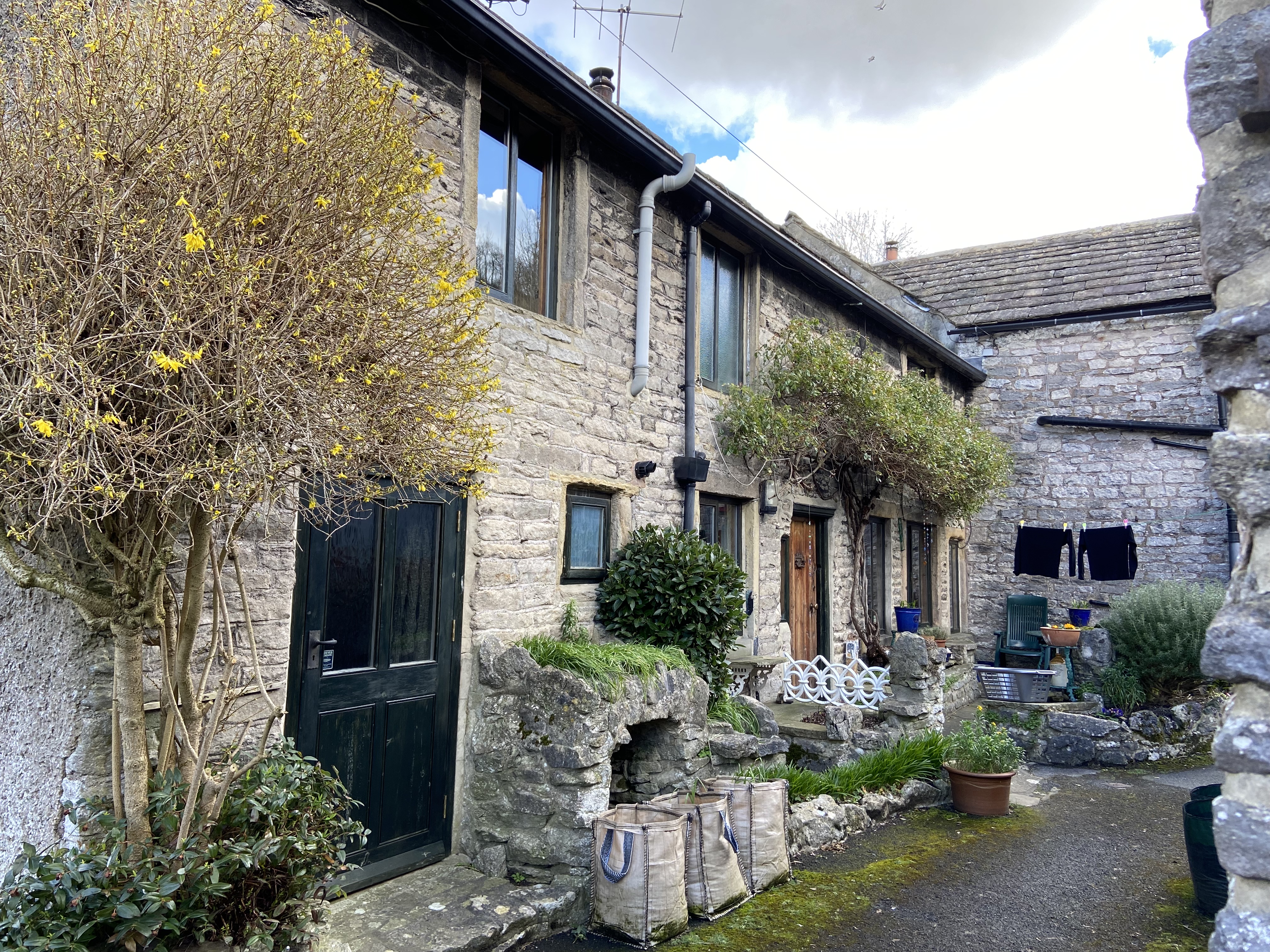
We arrived at about four and spent the intermediate time driving around Bradwell and Hope Valley. It was certainly a charming place, with steep roads, bounded by grey stone houses and drystone walls, which were sometimes so narrow that the distance sensors on both sides of the hire car were flashing at me. I noted that there was an Indian restaurant in the next village. Potentially I could drive everyone there in two trips, but curry two days running didn’t sound too appealing either.

When we finally drew up in front of The Shoulder of Mutton Mum came out to greet us. It hadn’t really been so bad. They had been allowed into their room, which had been quite warm. The landlady had brought them milk for their tea and four pieces of cake. The room Andrew and I were shown to was lovely. Each of the rooms was named after animals and ours was The Hare. As well as a lovely view from the window, it was clean and fresh, with lovely touches on the theme of hares. Even the mugs had hares on them.

Better still, when we went downstairs, the landlord greeted us warmly. There was no food on offer in the bar, but if we would like to buy in fish and chips in the village, or order carry out from somewhere else, they would set us up a table in the restaurant and we could eat in comfort there. To my amazement, at no extra charge, we were provided with a table, plates and cutlery on both of the first two days of our stay. It was also realised that, because of the way the booking had been done, we hadn’t received the e-mail we should have that would have told us about the five o’clock check in. It was just an unfortunate oversight.

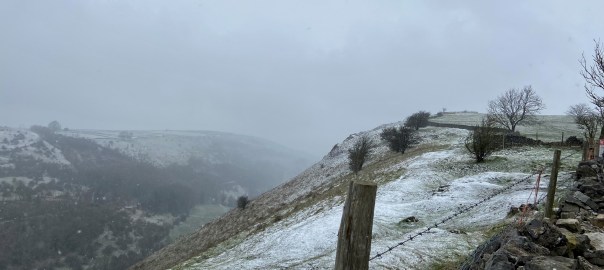
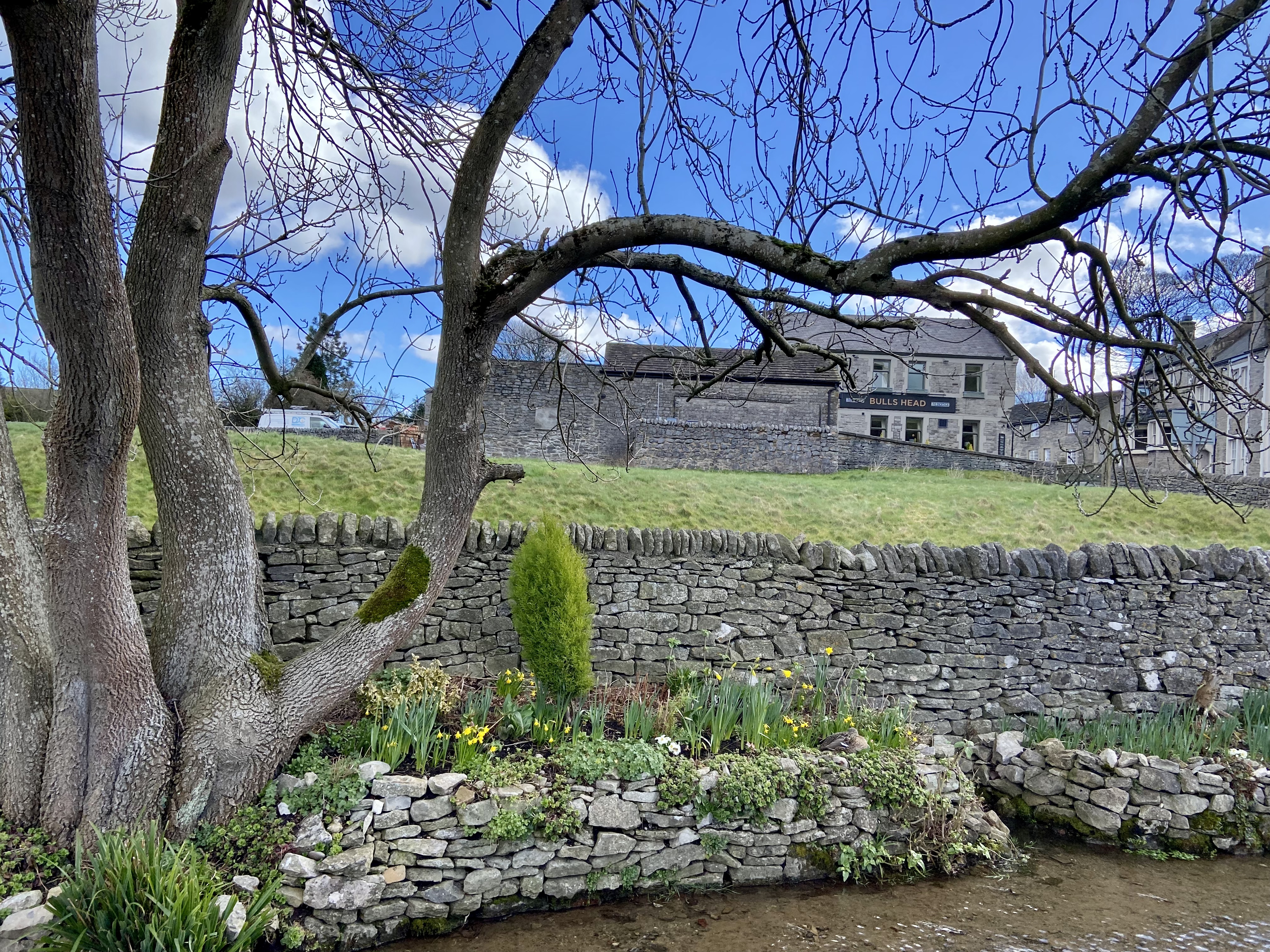
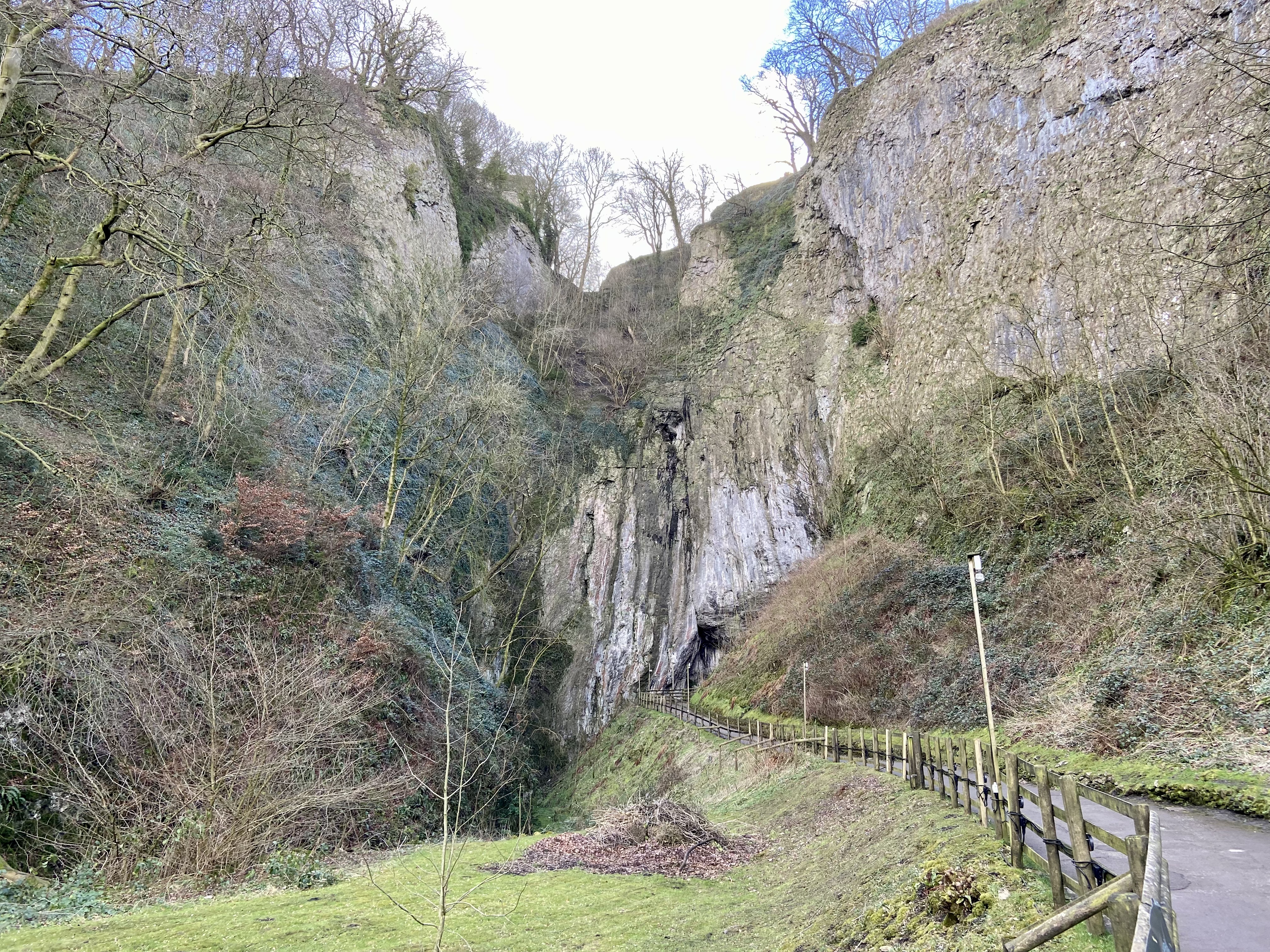
We spent Tuesday exploring Castleton. Mum and Dad went on the bus (a fifteen minute journey) and we joined them in the car. I should certainly have checked out what would be available a bit more before travelling. I am out of touch with opening times in the UK and had assumed there would be historic houses open to explore, but we were a week too early. Still, it was lovely wandering around Castleton and we did get some lovely food as there were several cafes open. Though it was chilly, it still felt spring-like.

With ever increasing Dire Weather Warnings, Mum and Dad decided to go home a day early. Though they were on the train, there was still a risk of disruption and they had to drive to get their much-loved cat, Sammy, from the cattery. The lovely owners of the inn even reimbursed their room fee for the night they didn’t use. I would absolutely recommend The Shoulder of Mutton. After an inauspicious start, we couldn’t have been made more welcome or been treated better.

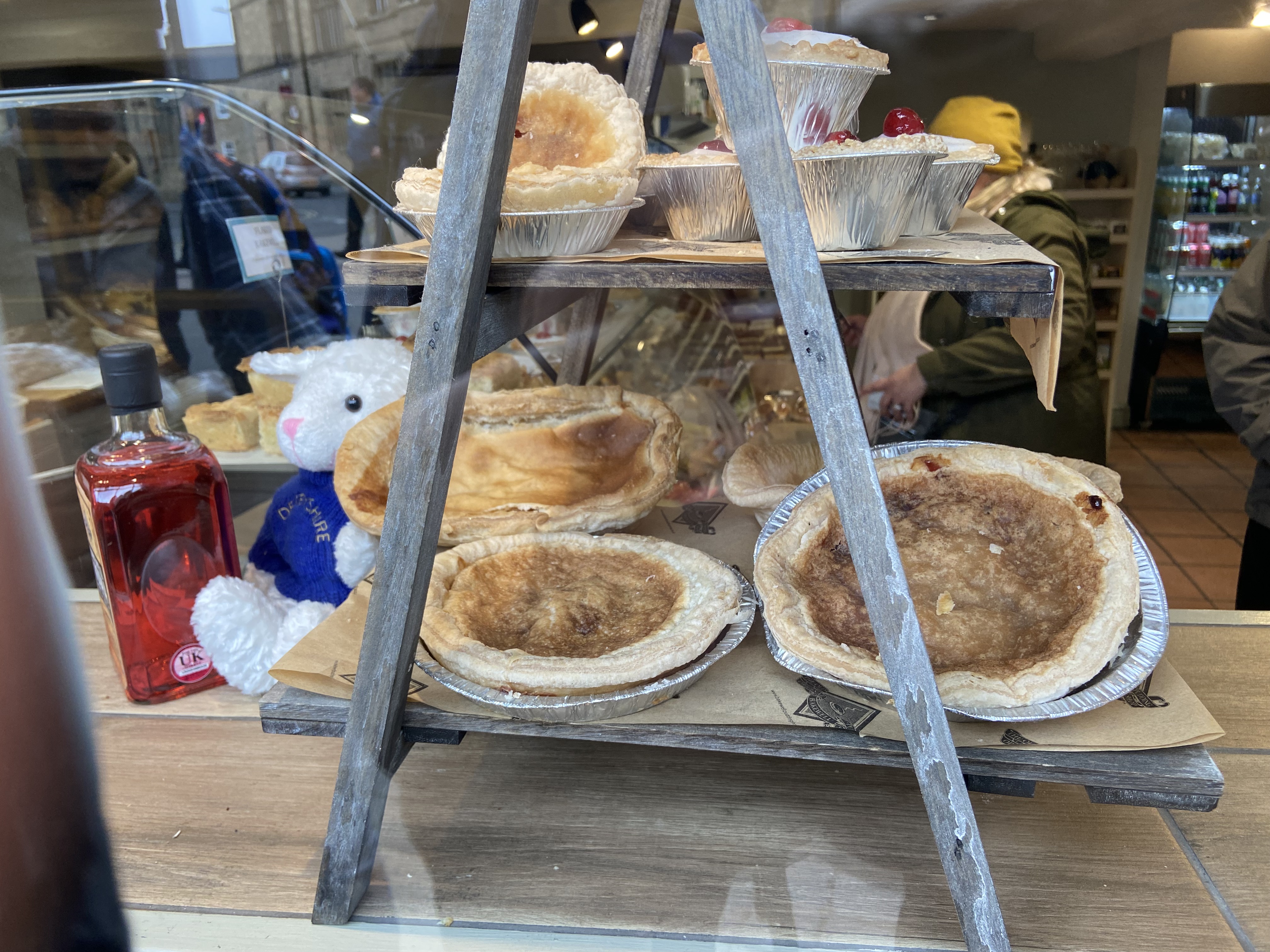
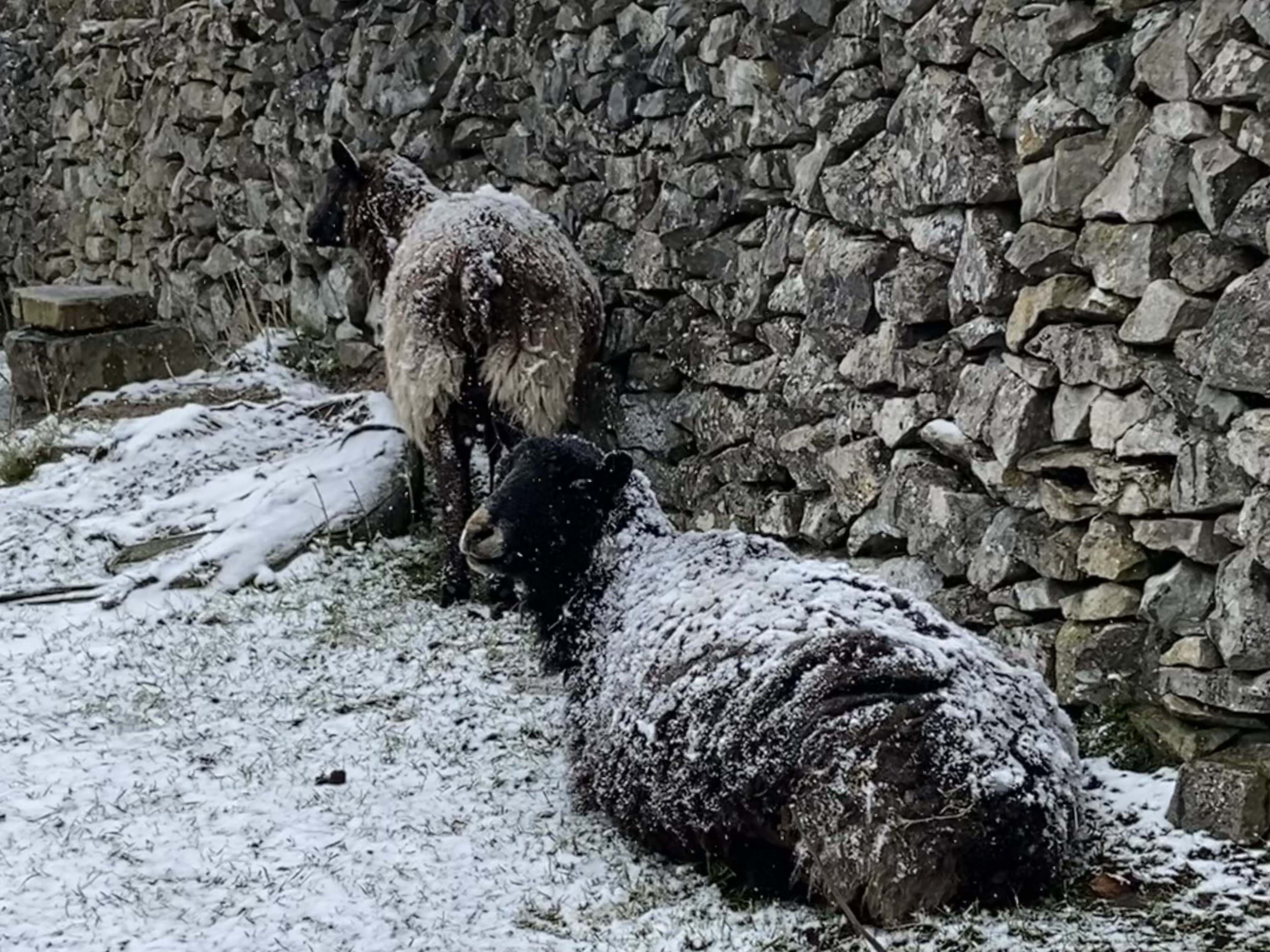
Anna, Andrew, Lauren and I decided to stay on and risk it. Though I was wary about other drivers, the potential lack of gritting and clearing of the roads and the lack of my trusty winter tyres, I thought we would probably make it. We took a drive over to Bakewell on a Bakewell tart hunt and as well as buying a delicious Bakewell pudding (like the tart but without icing and absolutely delicious) we got to see some of Derbyshire as the snow began to fall.

Bakewell puddings in Bakewell

It wasn’t great driving to Lower Slaughter near Cheltenham on Thursday. It had snowed overnight and the road that led over the moors at the beginning of our journey was treacherous, with rutted slushy snow that made driving very difficult. We arrived safely however, and met up with my sister, Helen, and her husband, Steve. They came out with us for a delicious Chinese meal in Cheltenham and donated a big box of logs for us to use on the fire in the cottage we had rented. Anna and Lauren took a walk to Lower Slaughter, which they tell me was gorgeous, but it will have to wait until next time as I spent the day resting in front of the fire.

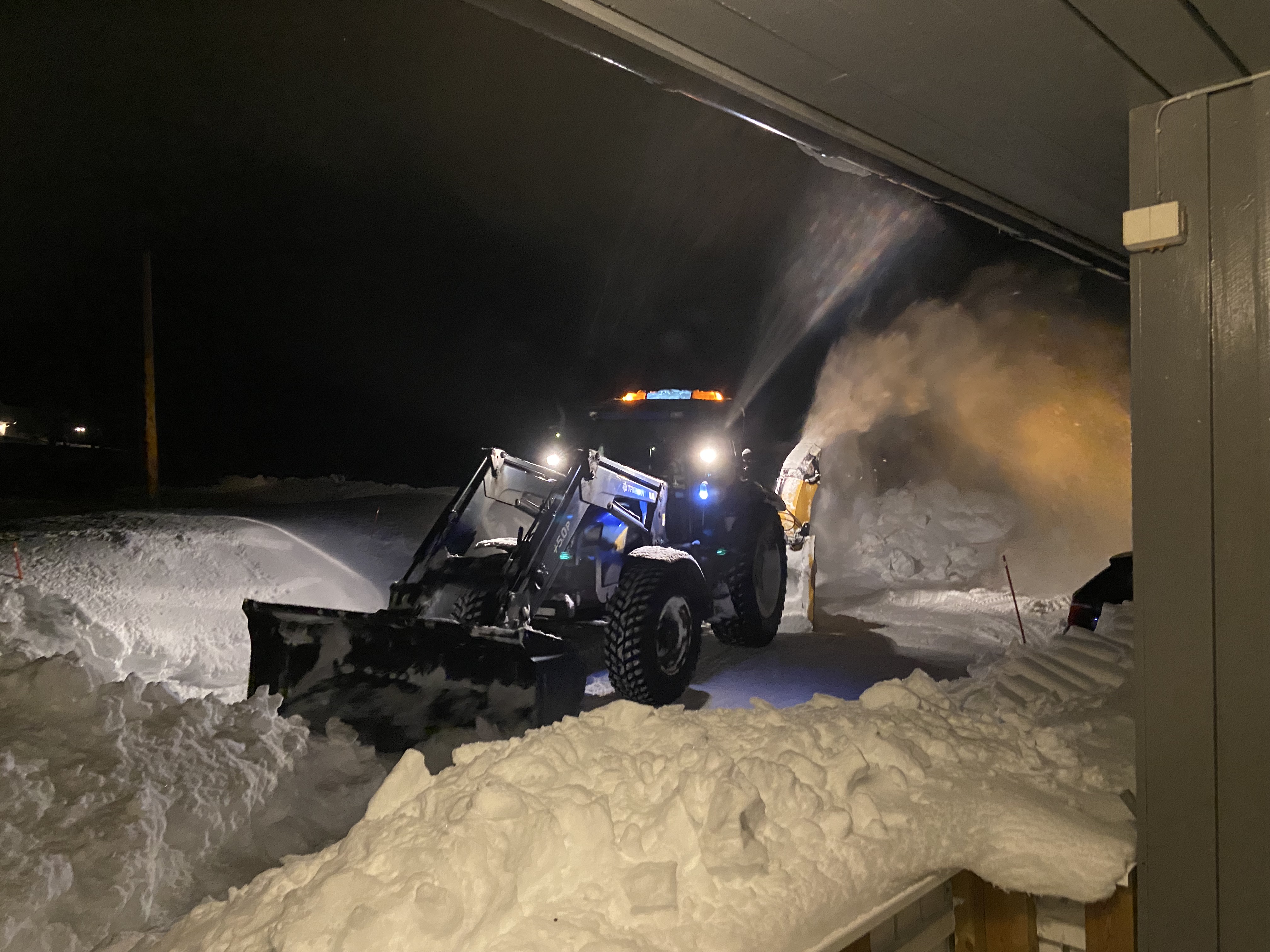
We arrived back in Norway on Sunday night, very late and slightly concerned as a girl beside us on the plane had been vomiting all the way from Oslo to Bardufoss. I hadn’t expected a lot of snow while we were away: the forecast had been clear, but there was a good deal more than when we had left. It was no longer possible to see the road in either direction when turning out of the driveway. Even in my SUV, the snow was too high to see over and I made a decision as I pulled out, that I was going to ask the neighbouring farmer whether they could come round and shift some of it. And so I did. He came around in the evening and cleared the snow from the driveway, as well as some from the sides of the road so we could out out more safely.

I hadn’t realised how much the snow had built up until he cleared it. There was a foot of compacted snow underneath where the cars were parked and now it is clear, you can see just how deep it is when the cars are parked there.

Neither Andrew, nor I picked up the vomiting bug, though both of us have been unwell this week. I guess that’s always a risk of travelling, particularly on planes. I must confess that the burden of the snow feels much lighter now. I don’t know how much I will be charged – I did ask, but the reply was enigmatic. Still, however much it is, it is necessary. Next winter should be much easier.

Anyway, my holiday is over for now, but I would love to go back to both the Peak District and Lower Slaughter, preferably when the weather is a little kinder. There’s also lots more blogging to catch up on, both with work and with a lovely gift I received from Mary, who reads this blog and sent me a Norwegian book with some lovely history attached, which I will write about in due course. I hope you have a lovely weekend and I will see you all again next week!