Working as a government vet, there are times when my job brings an intensity to life that I find fascinating, almost addictive at times. I am still dealing with the aftermath of the bird flu investigation. The initial visit – walking round the shed seeing the sick birds was just the start. There followed a tense period of information gathering. Behind the front line workers like me, there are teams working on epidemiology, tracings and licensing. They need to understand the minutiae of the on-farm operations.
So during that period, it’s as if nothing else matters. It’s all-consuming. The rest of life takes such a back seat that any daily struggles and all other work fall into the background. I fall into a seat in front of the TV at the end of my working day and it’s enough.
As the tidal wave of that work begins to slow, the rest of life and the other work tasks trickle back into focus, but at the moment, those (work) tasks are still quite urgent. Principally, I fell back from avian influenza into the slower wave of bovine tuberculosis. As well as dealing with outbreak work, I should also be doing routine work relating to trade and imports and exports. But our work is prioritised and often we are so busy that we are only skimming the top of what needs to be done. That said, I slipped in a Poultry Health Scheme inspection into my calendar on Tuesday, completed the paperwork and sent it off the next day. The deadline was March, but it was painless (actually I enjoy those visits) and now it’s done.
So picking up the reins of my TB cases, one is quite far along. At the start, there’s a lot to be done, contacting the farmer, explaining what will happen. Broadly, no cattle can move on or off the premises, other than to a slaughterhouse (where they will be scrutinized for disease) and even that is done under licence. There follows a period of testing and culling. Most of the tests are skin tests, but we do blood testing too, at the start. Any animals with positive results are culled and those too are inspected for signs of TB infection. Once we have two clear tests in a row and we have paperwork to say the farmer has cleaned and disinfected the area or areas where the sick animals were housed, then we lift the restrictions.
So with the first of my cases, we are past the blood test and the first of the two skin tests just came back clear. It’s not impossible something might show up, but generally from here it’s plain sailing. In my other case, we are just concluding the blood test. It tends to throw up more positive results, so those animals have to be processed, slaughtered and inspected. I guess it may sound barbaric, but compared with the suffering TB can cause if it goes unchecked… well these things have to be weighed against each other.
To me, those results look quite good. There weren’t so many positives. It will be interesting to see whether any of the animals have what are called “visible lesions” – the TB bacteria tend to wall areas off in the body, a bit like abscesses. If they find those, they will do further testing. Finding the bacteria is almost the holy grail because that allows us to get a much better idea of where the disease came from because they can test to see what strain it is and which other cases are closely related. It takes ages though to grow the bacteria and sometimes they can’t.
Anyway, I digress! As well as working through this process, I have to write everything up in a monthly report. My information and that of all the other cases goes to Scottish Government for oversight. The whole thing takes up a lot of time. I’ve also been allocated the job of overseeing the cleansing and disinfection work at my bird flu farm. The cull is finished and the shed is almost empty. But as the end of the week came into view, I was just thinking that next week, I have plenty to do, but that I will also be able to fit in a welfare visit that’s part of another ongoing investigation that has currently been sidelined. And then my line manager asked me to take on another TB case. This one’s just starting. What testing will be required remains to be seen because all we have at the moment is a positive result, found on a routine skin test. If they don’t find visible lesions then the regime will be different again, but my initial tasks include a Disease Risk Form – a visit to the farm to look at possible source and spread. Is this beginning to sound familiar? This is what I do!
Anyway, in among the work, I am trying to sort out when I might take holidays and who I might visit. My attention is so distracted that I realized yesterday that I’ve booked a week’s holiday that overlaps with a weekend on duty, so I’m going to have to work out what to do about that. For now though, I intend to rest and enjoy the weekend. Last week, Triar and I climbed a whole load of rough steps to visit the Waterloo Monument above New Abbey. It was quite a grey day, but I took a few photos.

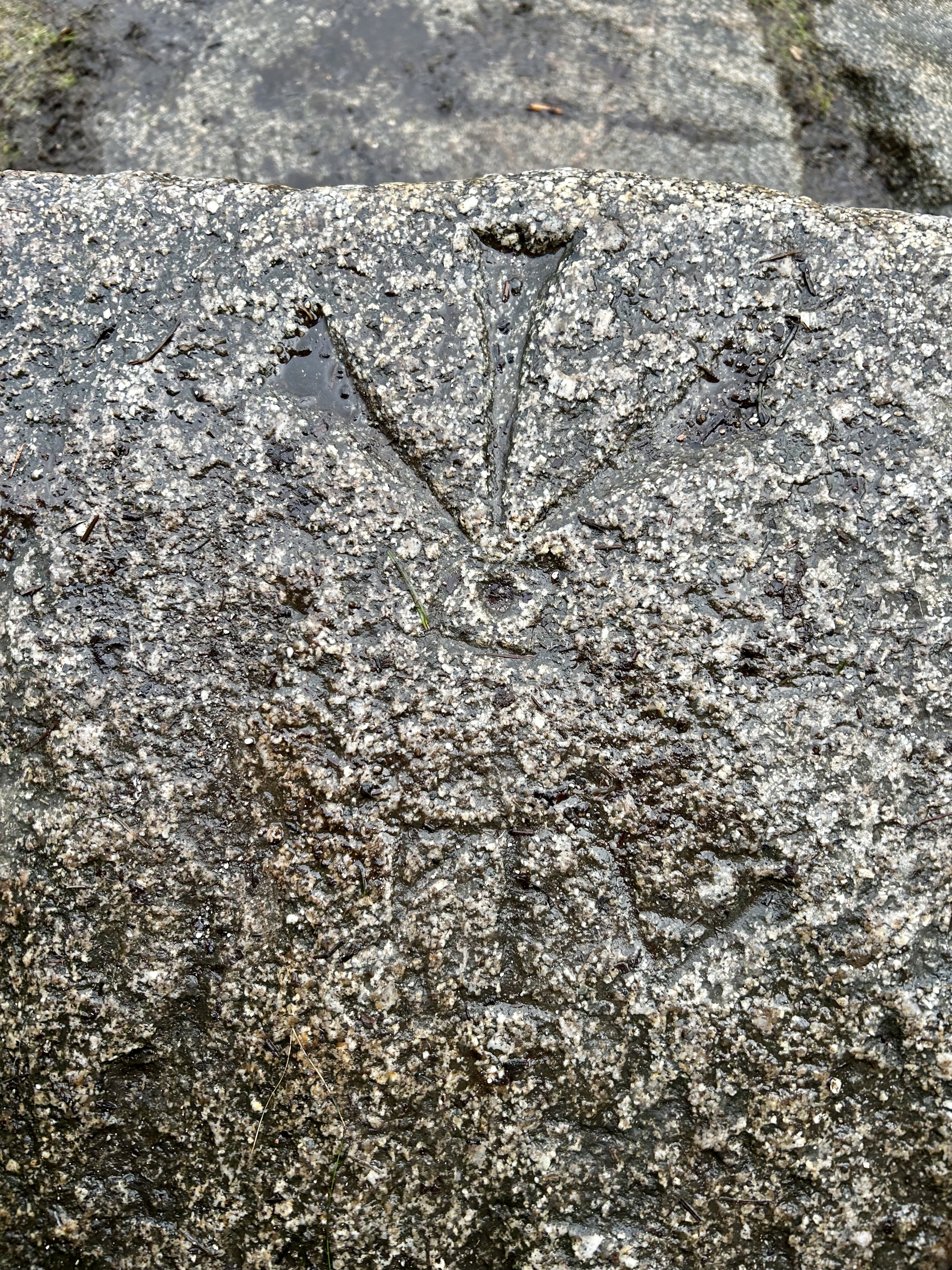
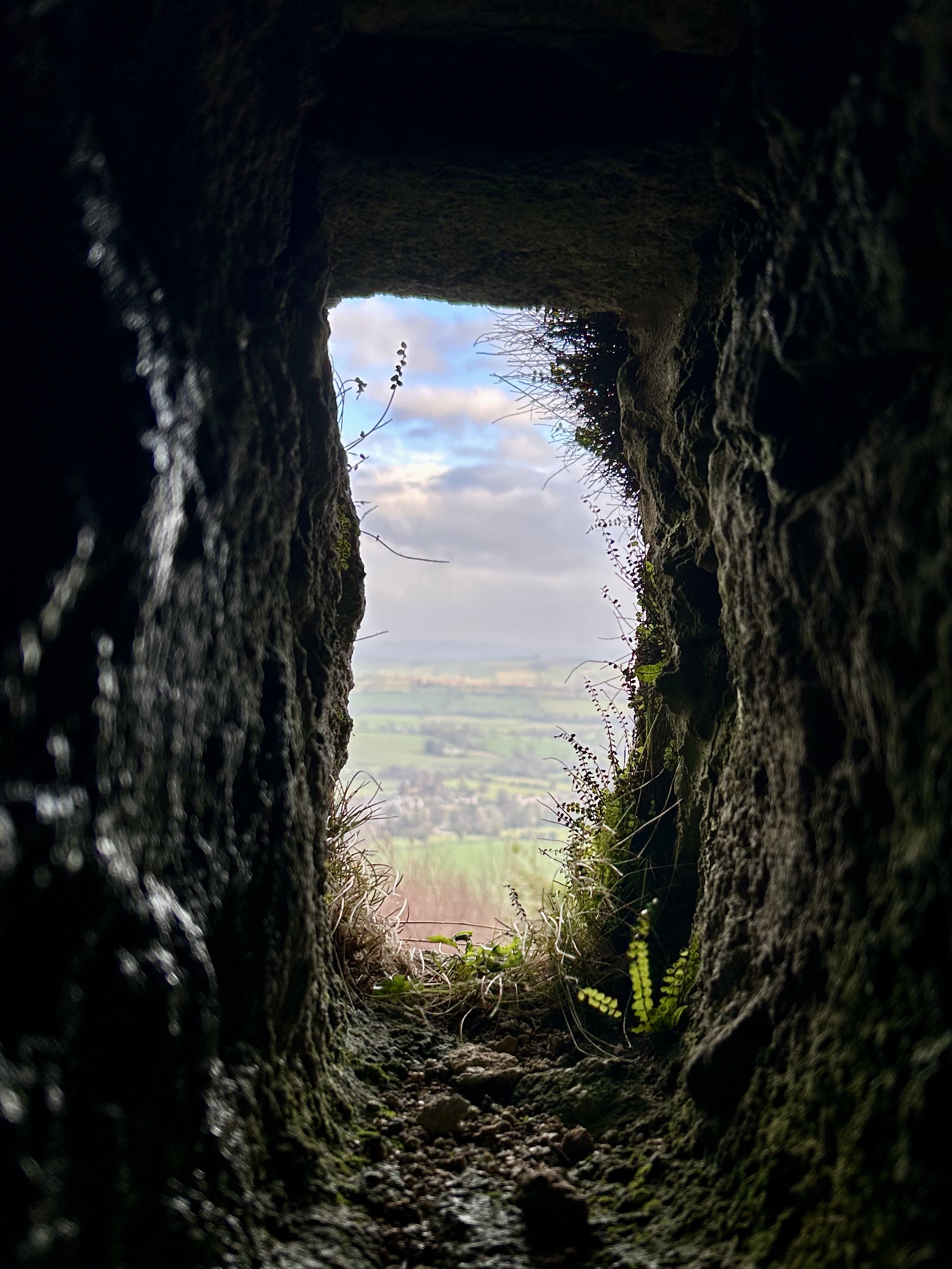
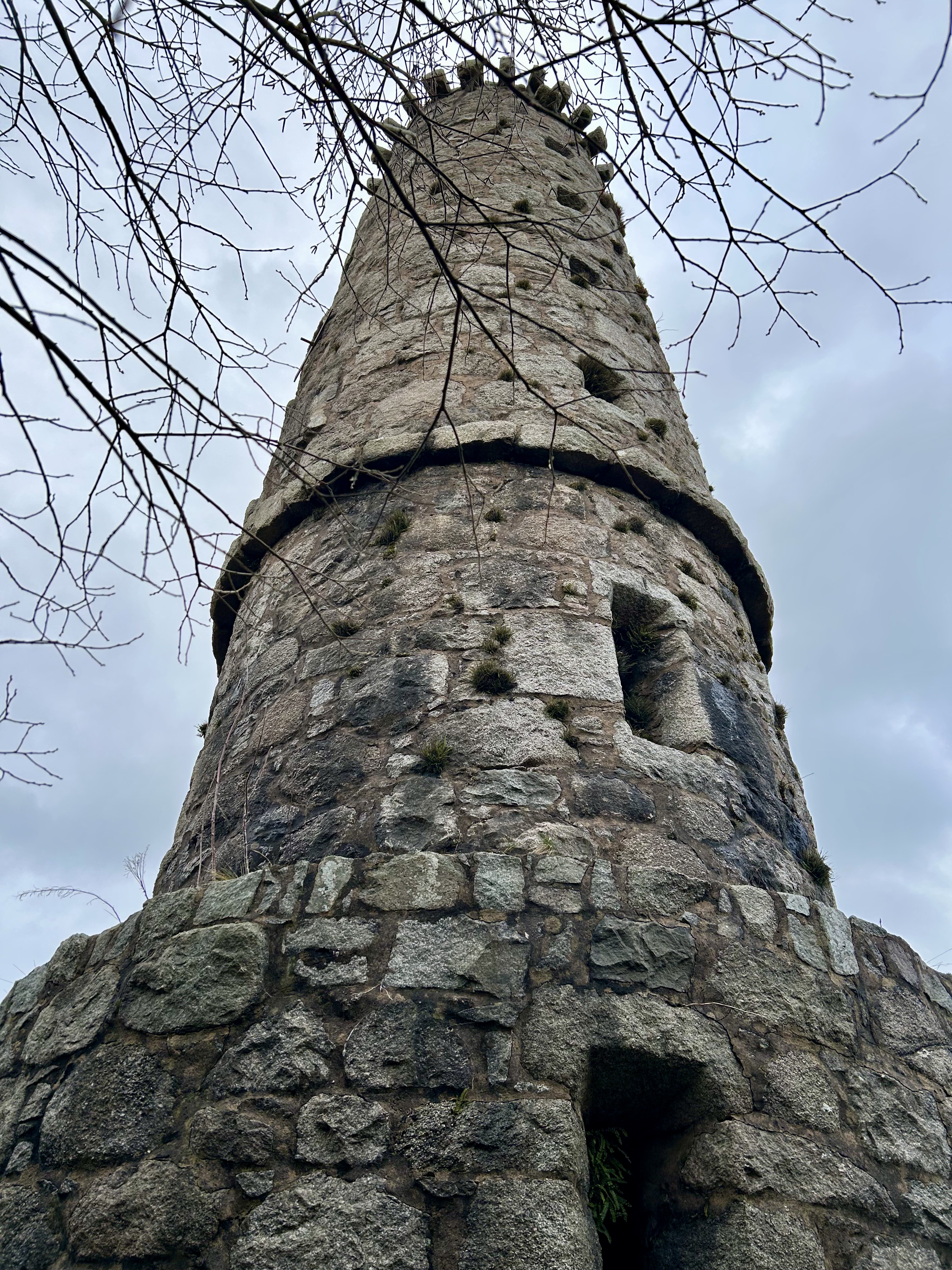
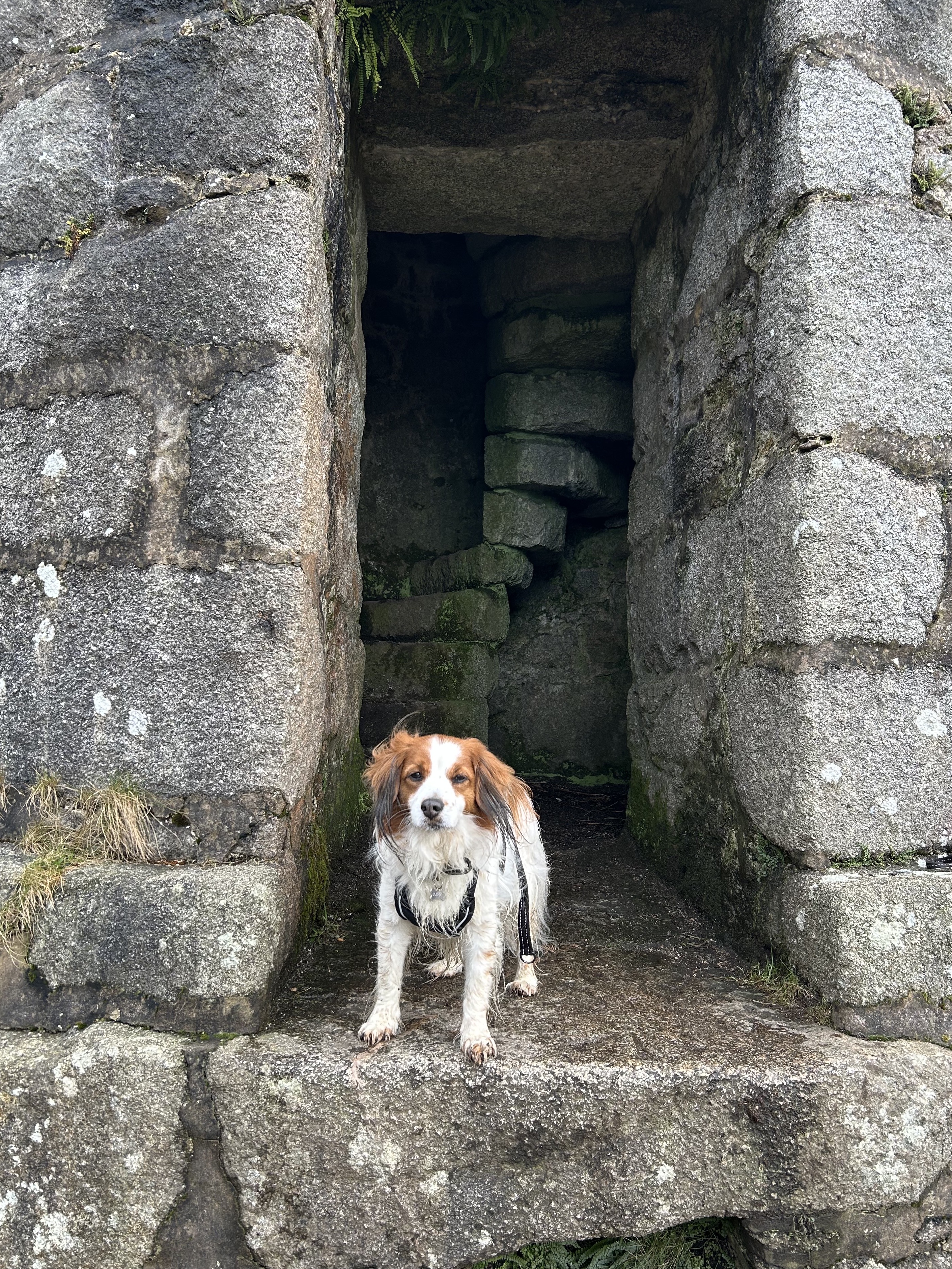
We didn’t make it all the way to the top. The stairs were very dark and Triar said no halfway up. Unsurprising really and a sensible decision! Anyway, thanks as ever for reading. I hope you have a lovely week.



 A Vet’s Life