
I went back, both to work and to the doctors’ on Monday. The GP I saw was helpful. He was young and I think may have been in his foundation years as a GP, but he took the time to do a fairly thorough neurological examination. I was laughing to myself afterwards as I’ve had so many of them that I could have told him a couple of bits he’d missed, but he found a few things, at least one of them new.
He told me he will contact the neurological department at the hospital, both to ask them to reassess my triage as urgent and also, to ask if there’s anything that can be done for me while I’m waiting. It will be interesting to see if I am now seen earlier than July. I don’t know when he’ll get an answer to the other question.
So I’m not as fatigued as I was. I am managing to do some things again that had more or less come to a halt, like cooking and tidying the kitchen afterwards. I even took myself upstairs yesterday and did a bit of painting in the bedroom, but the energy I had quickly drained, as it did when I tried to do a veterinary risk assessment yesterday morning.
The veterinary risk assessment (VRA) I have to do is an assessment of the possible consequences of moving cattle from a farm where there is no TB present, to one where it has been confirmed.
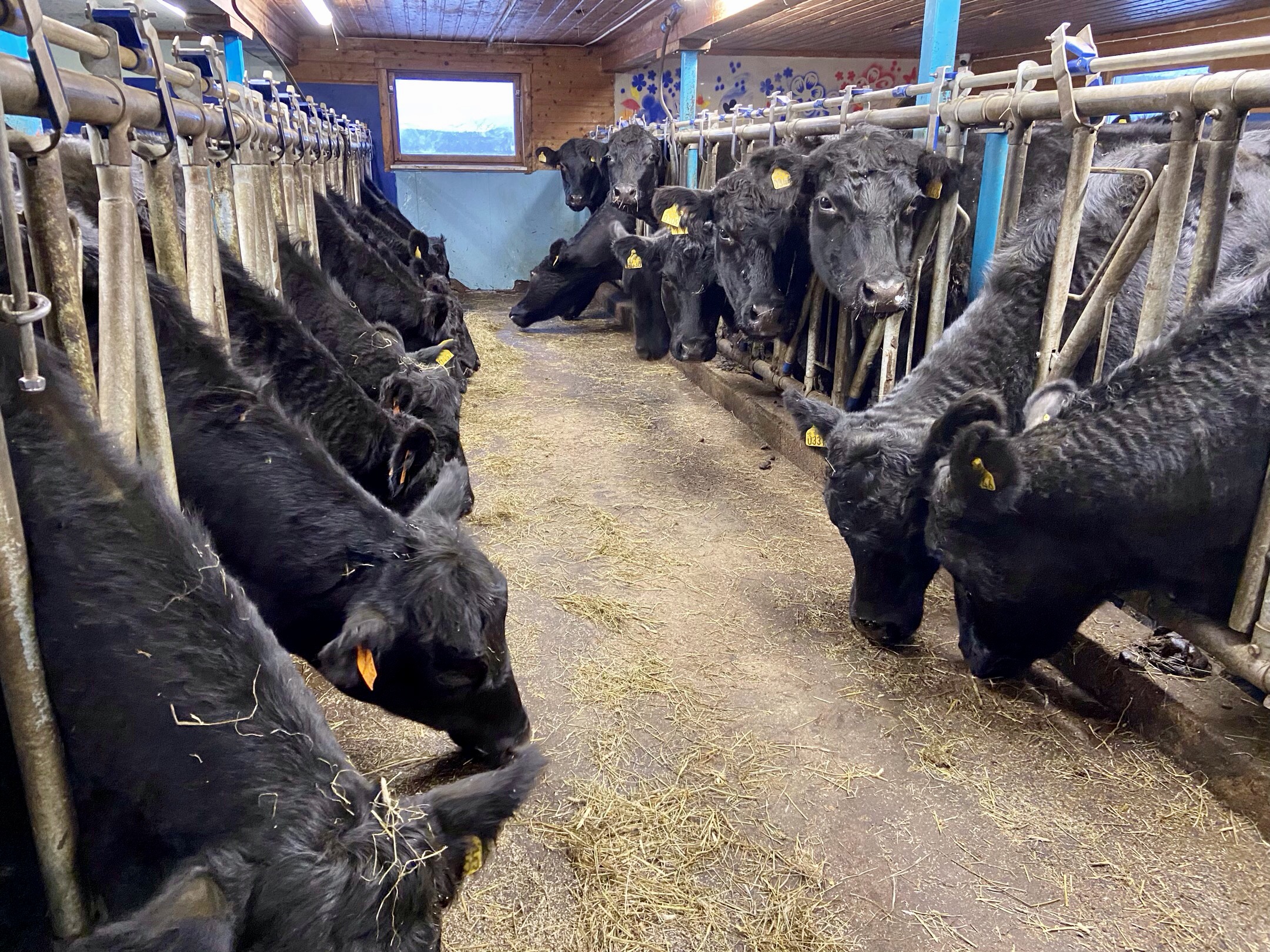
This particular VRA is a bit of a wildcard because TB hasn’t been confirmed yet. We are waiting for the results at the moment (they are trying to grow bacteria in a Petrie dish from lesions found in the lungs of a cow that was slaughtered) and they won’t be back until mid-March. The cattle that need to be moved onto the farm are young stock (heifers) which are being wintered on a different farm. They are due to calve in mid-April. If the culture is negative, restrictions will be lifted and heifers can move to the dairy unit with no problems. If it’s positive, the restrictions will remain and we will need to move quickly.
In order to complete the assessment, I will look into all kinds of factors, including how high the risk of spread is. For example, are there cattle on neighbouring farms and how likely is it those cattle have had nose to nose contact with cattle from the infected farm? What are the potential costs to the government? For example, moving a lot of cattle onto the farm might mean the government has to pay compensation later, if those animal become infected.
And there is an absolute requirement to carry out a short interval skin test (SIT) before any cattle can be moved onto the farm. TB is a slow moving disease sometimes. A cow can be infected for years before it is spotted. When we confirm there are TB bacteria on the farm, we have to check, via the SIT whether we have one infected animal, or many. Until we’ve done that, it’s impossible to weigh the risk.
So if we get a positive culture, I will need to be ready with the SIT and the VRA so we can move quickly. There’s nowhere to calve those heifers and nowhere to milk them, where they are, so they need to go somewhere, on welfare grounds. I find this part of my work very interesting, but with so much cross-referencing of data, I need to be on the ball. Hopefully I can get more of it done in the early part of next week. Big welfare case is also due a revisit though, so we will see!
I don’t have so many photos at the moment. I’ve not been out walking or exploring much, though I took a couple of pictures of colourful lichen in Blackbird Lane, which I will share with you.
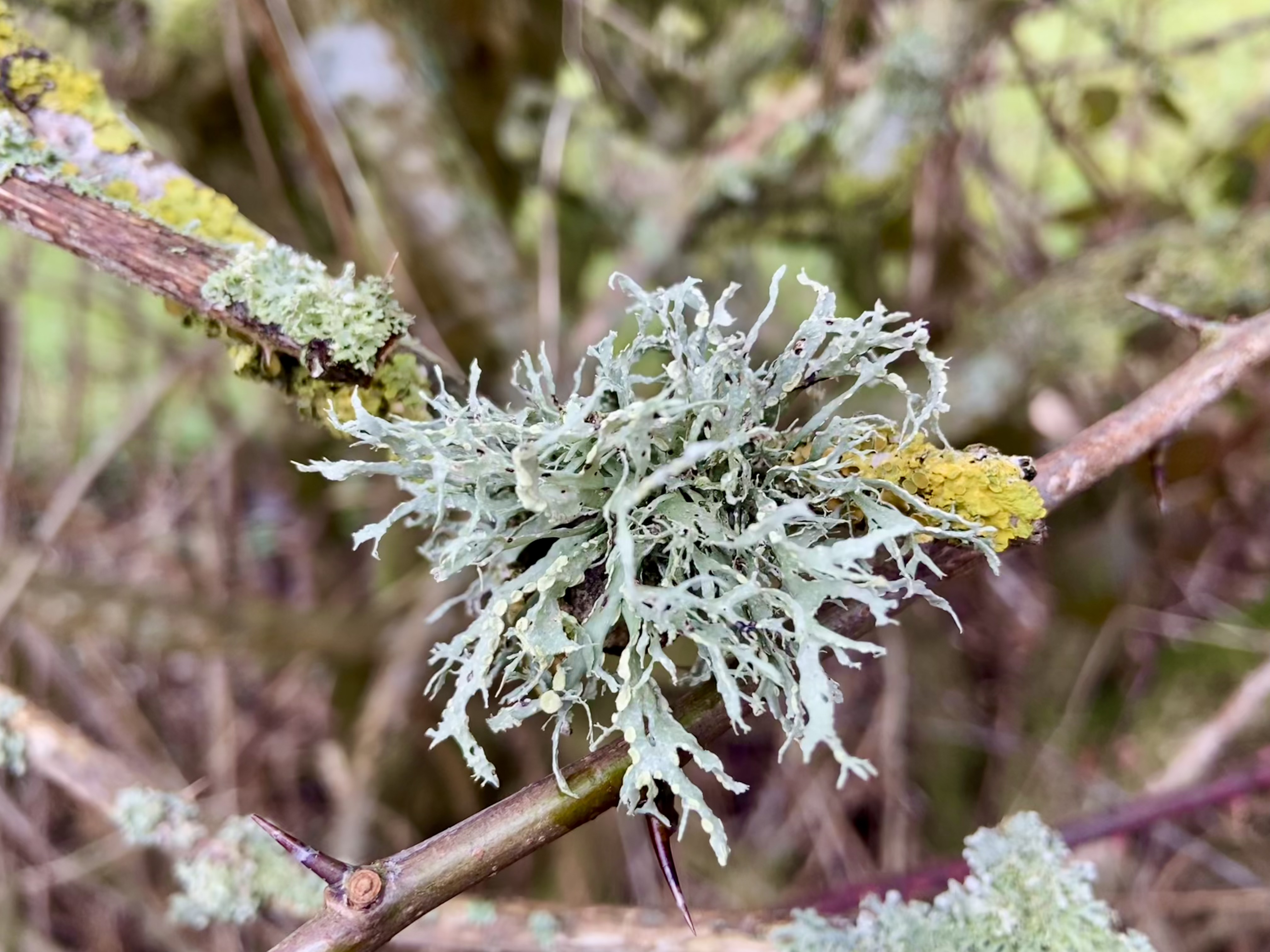

Taking time to look closely at the nature around me keeps me sane! A few minutes ago, Triar was whining, so I took him outside and stood in the semi darkness, listening to the most wonderful dawn chorus. There were robins and blackbirds and a song thrush, all greeting the new day. Triar stood and listened too, as he sniffed the morning air. I wonder what he could smell.
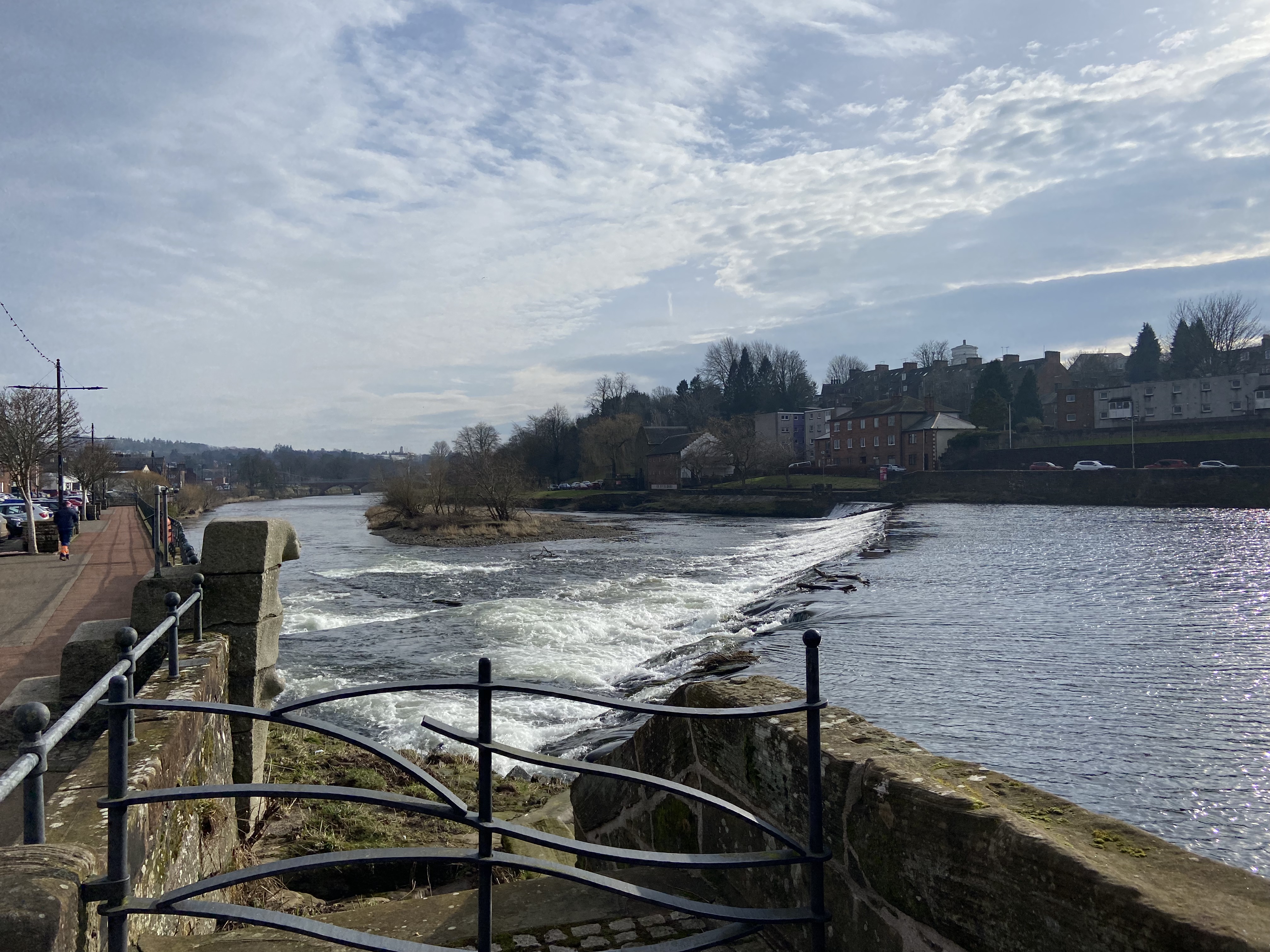
I saw on Facebook that Norwegian ships from WW2 are coming to Shetland the week I am there. I was oddly emotional when I saw that, hoping I can speak to the sailors who bring them over. I found a rock beside the Nith (which runs through the middle of Dumfries) commemorating the connections between Dumfries and Norway in the war. Funny how things come together sometimes.
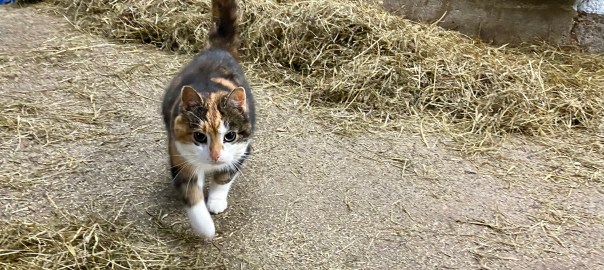
Anyway, I will leave you with photos of the stone and the Nith itself. There were flood warnings in place last night, but midweek, when Triar and I took a walk there, it looked benign enough. Triar photobombed the rock shot, but I’ll not crop it! Have a good week all!






 A Vet’s Life